Top 20 Lakes around Bichl
Best lakes around Bichl are found in the surrounding Upper Bavarian region, offering diverse natural landscapes and activities. While Bichl itself is a small municipality, it provides access to several prominent lakes known for their clear waters and scenic beauty. The area features a variety of lake types, from large alpine bodies of water to unique chains of smaller lakes and ponds. These lakes are popular destinations for outdoor recreation and natural exploration.
Best lakes around Bichl
- The most popular…
Last updated: September 27, 2026
Great Ostersee
Highlight • Lake
Translated by Google •
Tip by

Lake Kochel at the mouth of the Lainbach
Highlight • Lake
Translated by Google •
Tip by

Sign up now to discover places like this
Get recommendations on the best single tracks, peaks, & plenty of other exciting outdoor places.
Loisach outflow from Lake Kochel
Highlight • River
Nice view from the bridge.
Translated by Google •
Tip by

Großer Ostersee
Highlight • Lake
Translated by Google •
Tip by

East Shore of Lake Kochel
Highlight • Lake
Translated by Google •
Tip by

Sign up for free to discover even more lakes around Bichl.
Already have an account?
Start today with a free account
Your next adventure awaits.
Tips from the Community

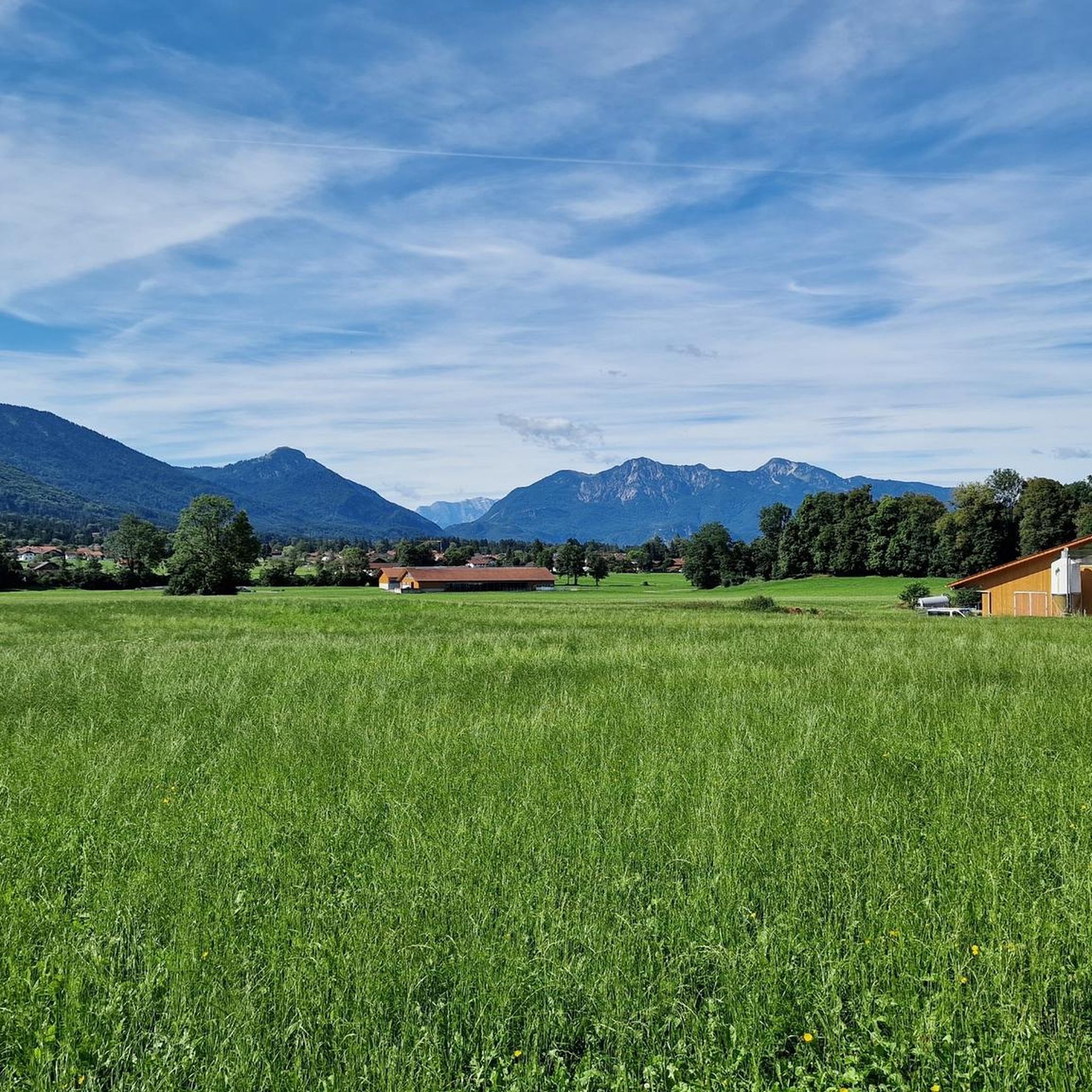
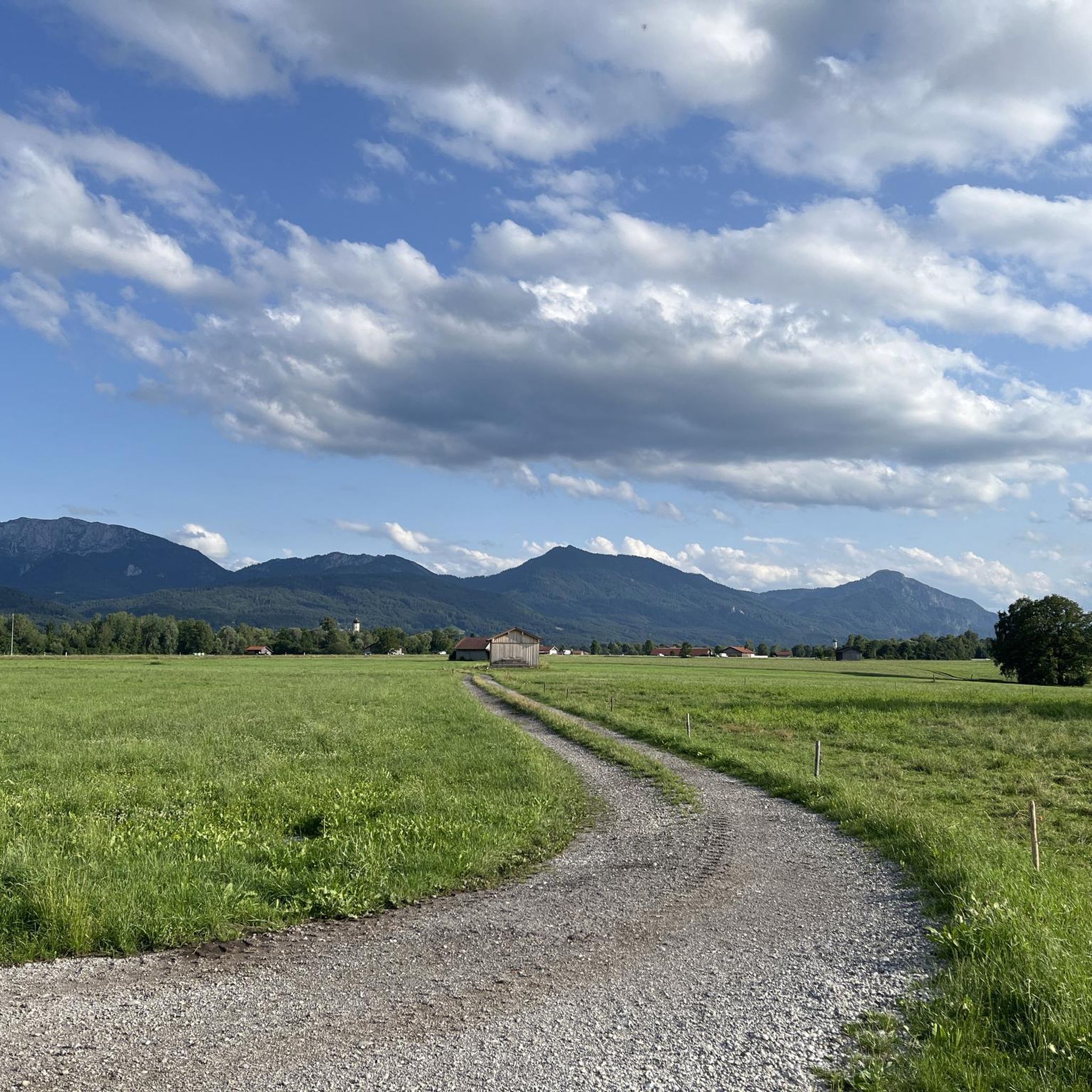
View of the Great Easter Lake 🌊 - north/east side - beautiful moorland - Iffeldorf - LKR. Weilheim-Schongau
2
0
The Osterseen are a group of bodies of water south of Lake Starnberg in the Weilheim-Schongau district in Upper Bavaria. The southern and central Osterseen with the Großer Ostersee belong to the municipality of Iffeldorf, the northern Osterseen from the Stechsee and the Frechensee to the municipality of Seeshaupt. Iffeldorf is around five kilometers by road northwest of Penzberg, 20 km southeast of the district town of Weilheim and 50 km south-southwest of Munich city centre. The 20 larger individual lakes have a total area of around 225 hectares and an average depth of a good nine metres. The Kleiner Gröbensee and about 15 unnamed smaller lakes, each with an area of only a few hundred square meters, are not included here, seven of which are already heavily silted up. The Osterseen and the silting-up zone bordering to the west are located in the landscape protection area "Protection of the Osterseen and their surroundings in the communities of Frauenrain, Iffeldorf and Seeshaupt". The area received this protection status as early as 1955. Since 1981 there has also been the Osterseen nature reserve with an area of 1,083 hectares. About a third of this is on the surface of the water bodies, 494 hectares are high, low and intermediate moors, 172 hectares consist of semi-natural mixed forest. Around five percent of the Osterseen landscape consists of riparian regions, silted-up areas and meadows. The nature reserve is divided into three parts, which are separated from each other by the train line of the Kochelseebahn and the state road 2063: Südliche Osterseen, Nordliche Osterseen and Frechensee. In May 1997, the Osterseen were reported to Brussels as a SPA (European bird sanctuary) and FFH area according to the Fauna-Flora-Habitat Directive. In addition to the Eggstätt-Hemhofer lake district and the Seeoner lakes, the area is the largest and most structured icefall landscape in the Bavarian Alpine foothills. The complex of boggy and nutrient-poor lakes, low, transitional and raised bogs alongside bog and swamp forests with its extraordinary diversity of species in the networked habitats, biotopes and ecological niches is of Europe-wide importance for basic scientific research. The beauty of this landscape has always attracted artists. The painter Georg Schrimpf in particular, a main representative of the New Objectivity art movement, created several oil paintings of the Osterseen in the 1930s. Source: https://de.wikipedia.org/wiki/Osterseen
6
0

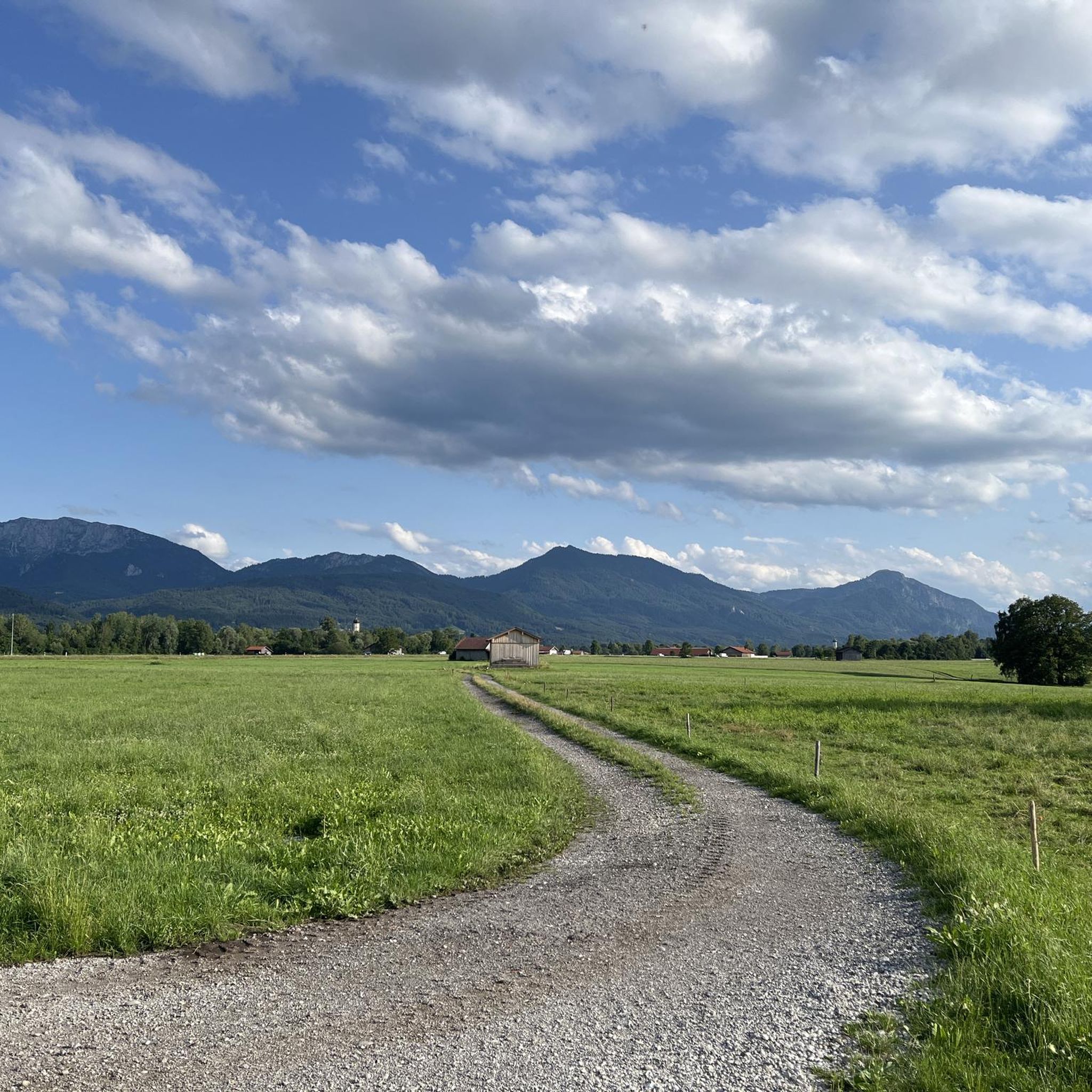
A nice little trail goes along here
11
0
Very nice spot on the shore with parking
15
0

FROM here the Loisach is now more tamed and a considerable river
8
0


Very nice varied tour
8
1

A great spot on earth at sunrise
6
0
Frequently Asked Questions
What are some of the most popular lakes near Bichl?
The region around Bichl offers several stunning lakes. Among the most popular are the Great Ostersee, which is the largest of 24 lakes in a unique glacial area, and Kochelsee, known for its beautiful mountain scenery. Visitors particularly enjoy the spot at the mouth of the Lainbach and the East Shore of Lake Kochel for its cycling and swimming opportunities.
Which lakes near Bichl are best for swimming and water sports?
Many lakes near Bichl are excellent for swimming and water sports. Kochelsee has four designated swimming areas. Walchensee, often called the 'Bavarian Caribbean' due to its clear, turquoise water, is ideal for swimming, stand-up paddleboarding, windsurfing, and kitesurfing. The Osterseen also offer designated bathing areas, though bathing shoes are recommended due to the stony lakebed. Eibsee, with its crystal-clear blue-green water, is perfect for swimming, pedal boating, and SUPs.
Are there good hiking opportunities around the lakes near Bichl?
Yes, the lakes near Bichl offer fantastic hiking opportunities. The Osterseen are a great hiking area with trails through forests and moors. Around Walchensee, the ascent to Herzogstand provides breathtaking panoramic views. For more extensive hiking options, you can explore the Mountain Hikes around Bichl guide, which includes routes like the 'Stallauer Eck Summit Cross – Zwieselberg Summit Panorama loop'.
What makes Walchensee a special destination?
Walchensee is special for its remarkably clear, turquoise-green water, earning it the nickname 'Bavarian Caribbean.' It's one of Germany's deepest and largest alpine lakes, situated between the Herzogstand and Heimgarten mountains. It's a haven for outdoor enthusiasts, popular for windsurfing due to local thermals, and offers stunning panoramic views from Herzogstand, accessible by cable car or hike.
Are there family-friendly activities available at the lakes?
Absolutely. The Osterseen are particularly appealing for families, offering relaxing hours away from crowded beaches and designated swimming areas. Kochelsee also has family-friendly spots like the mouth of the Lainbach and the East Shore with its swimming areas. Eibsee offers scenic walks and pedal boat rentals, while Chiemsee provides boat tours to its islands, which can be a fun family outing.
Can I go cycling around the lakes near Bichl?
Yes, cycling is a popular activity around the lakes. Kochelsee is ideal for cyclists, with its beautiful mountain scenery and wooded banks. Chiemsee offers a 64-kilometer circular route around its shoreline. For more cycling routes, you can check out the Cycling around Bichl guide, which features routes like the 'Benediktbeuern Alpine landscape – View of Lake Kochel loop'.
What is the best time of year to visit the lakes near Bichl?
The lakes near Bichl are beautiful year-round. Summer is ideal for swimming and water sports, with warm temperatures perfect for cooling off. Spring and autumn offer pleasant weather for hiking and cycling, with vibrant foliage or blooming nature. In winter, some lakes like Kochelsee and the Osterseen become popular for ice skating and ice fishing, with nearby ski resorts also accessible.
Are there any cultural or historical sites near the lakes?
Yes, several lakes offer cultural and historical attractions. Chiemsee features Herreninsel, home to King Ludwig II's Herrenchiemsee Palace, and Fraueninsel with its historic Benedictine monastery. Starnberger See is historically significant as the site of King Ludwig II's mysterious death and features Rose Island. Near Ammersee, you can visit the ancient Andechs Monastery, famous for its beers and cheeses.
What kind of natural features can I explore around the lakes?
The region boasts diverse natural features. You can explore the unique chain of 24 small lakes and ponds at the Osterseen, connected by moors and canals. Kochelsee is surrounded by beautiful mountain scenery and wooded banks, and is part of the Loisach-Kochelsee moor. Walchensee is nestled between the Herzogstand and Heimgarten mountains, offering stunning alpine landscapes. Eibsee is known for its crystal-clear water and eight small islands.
Are there options for public transport to reach the lakes?
Yes, some lakes are well-connected by public transport. Ammersee, for instance, is easily accessible by public transport from Munich, making it a convenient day trip. For specific routes and schedules, it's advisable to check local public transport information for each lake you plan to visit.
Where can I find cafes or restaurants near the lakes?
Many of the lakes have dining options nearby. Charming villages around Ammersee, like Herrsching and Diessen, offer cultural attractions and dining. Fraueninsel on Chiemsee provides a charming fishing village atmosphere with lakeside dining. You'll also find cafes and restaurants in the towns and villages surrounding Kochelsee, Walchensee, and Starnberger See, offering local Bavarian cuisine and refreshments.
Which lake is known for its 'Bavarian Caribbean' flair?
Both Walchensee and Eibsee are often referred to as the 'Bavarian Caribbean' due to their remarkably clear, turquoise-green or blue-green waters. Walchensee is one of Germany's deepest alpine lakes, while Eibsee is located at the foot of the Zugspitze, Germany's highest mountain, offering stunning backdrops.
Most popular routes around Bichl
Most popular attractions around Bichl

Get inspired with the komoot mobile app


Explore more
Still not found your perfect lake around Bichl? Check out the guides of these regions to see even more beautiful places.
