The 15 Most Amazing Peaks around Kirchweiler
Mountain peaks around Kirchweiler are situated in the Vulkaneifel district of Rhineland-Palatinate, Germany. This region is characterized by its volcanic history and unique geological features. The landscape offers diverse opportunities for exploration, including prominent peaks and ancient volcanic formations. Visitors can experience the distinct natural panorama shaped by millennia of volcanic activity.
Best mountain peaks around Kirchweiler
- The most popular mountain peaks is Freudenkoppe Castle Ruins, a castle and historical site located on a 610 meter high basalt cone.…
Last updated: June 29, 2026
Dronke Tower on the Mäuseberg
Highlight • Viewpoint
Translated by Google •
Tip by

View of Gerolstein from the Munterley
Highlight • Viewpoint
Translated by Google •
Tip by

Sign up now to discover places like this
Get recommendations on the best single tracks, peaks, & plenty of other exciting outdoor places.
Sign up for free
Maarkreuz Schalkenmehren
Highlight • Viewpoint
Translated by Google •
Tip by

Millstone Cave at Nerother Kopf
Highlight • Cave
The millstone cave consists of lava boards and is an artificial cave in the Vulkaneifel, Rhineland-Palatinate. It was created by the production of …
Translated by Google •
Tip by

Freudenkoppe Castle Ruins
Highlight • Castle
Translated by Google •
Tip by
Sign up for free to discover even more peaks around Kirchweiler.
Sign up for free
Already have an account?
Start today with a free account
Your next adventure awaits.
Login or Signup
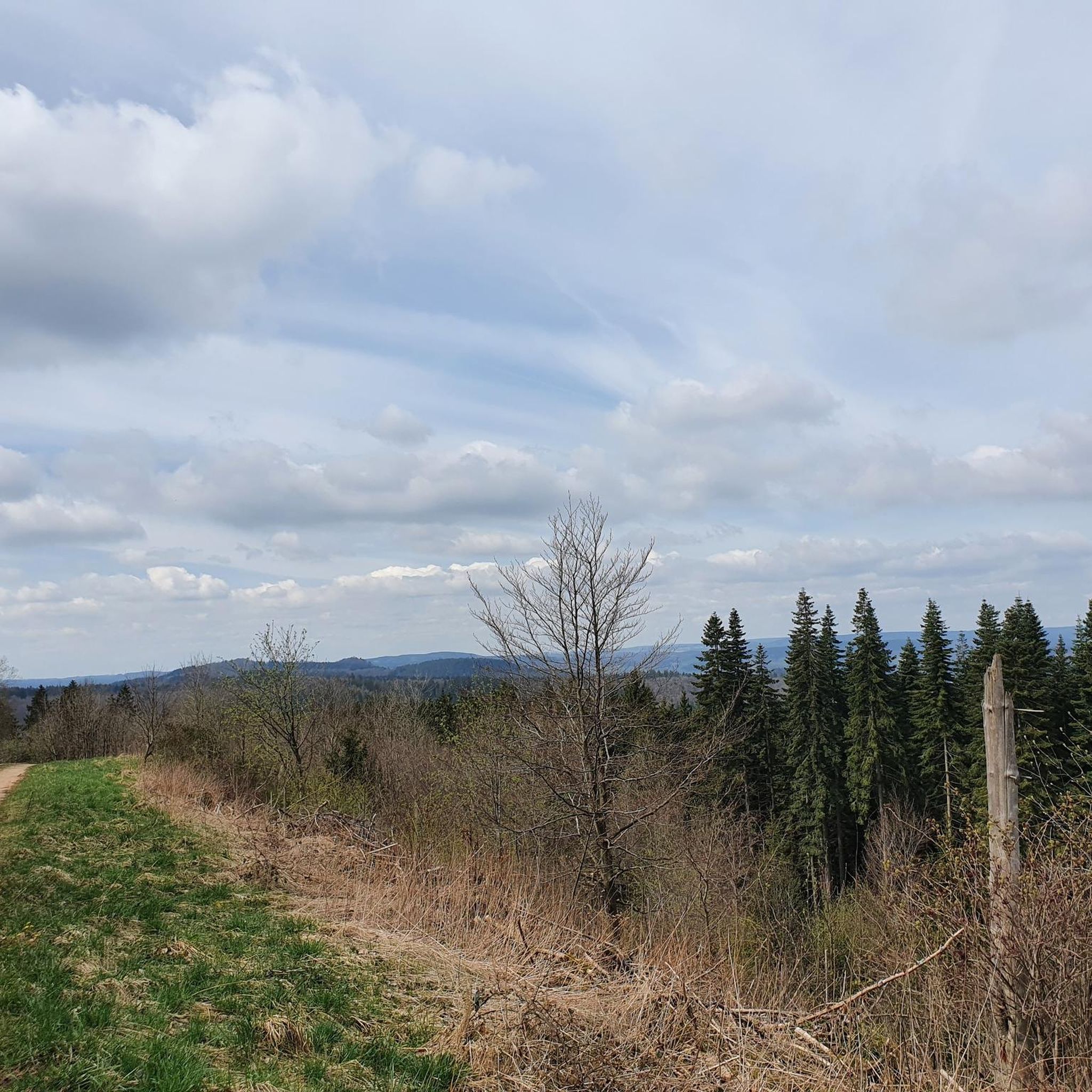
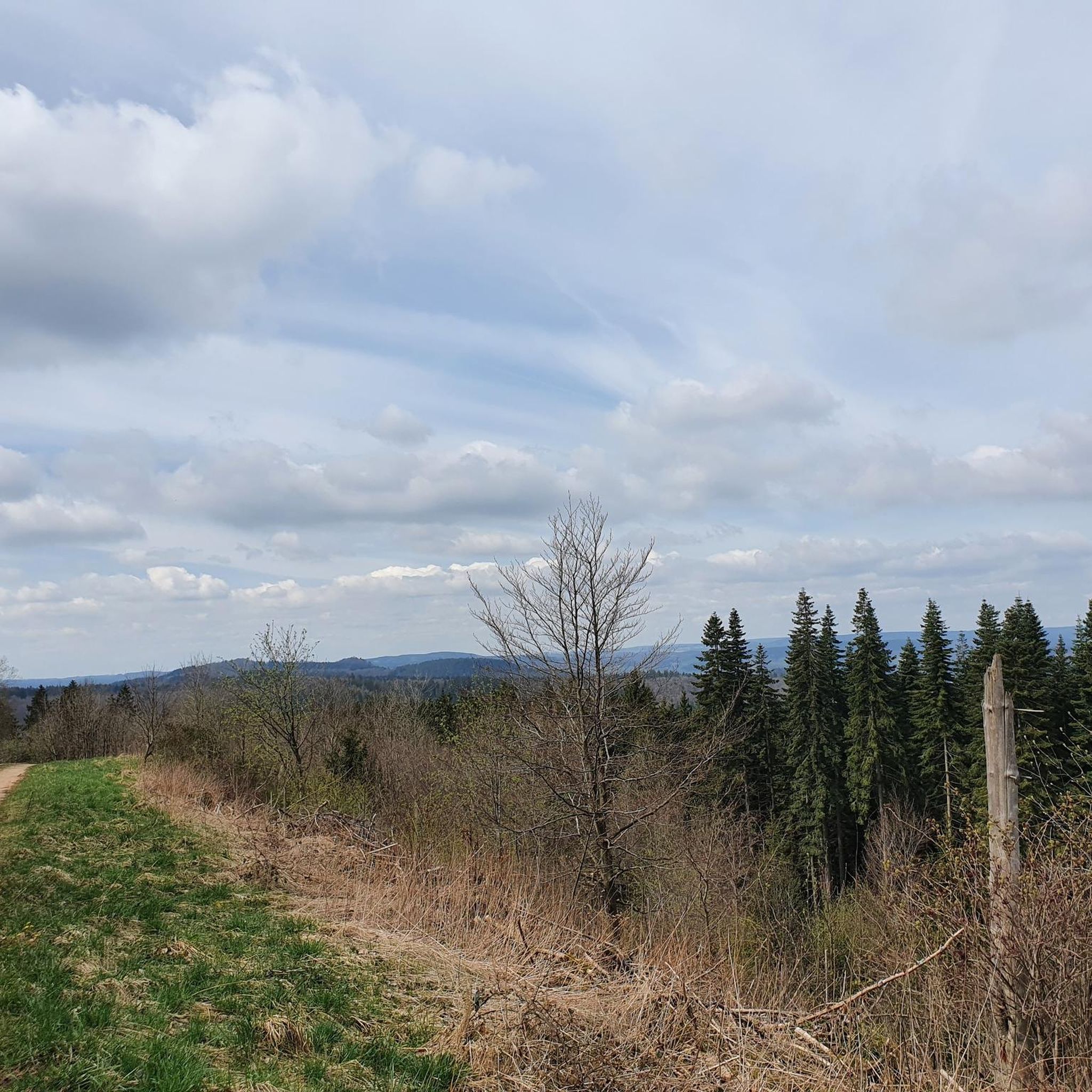
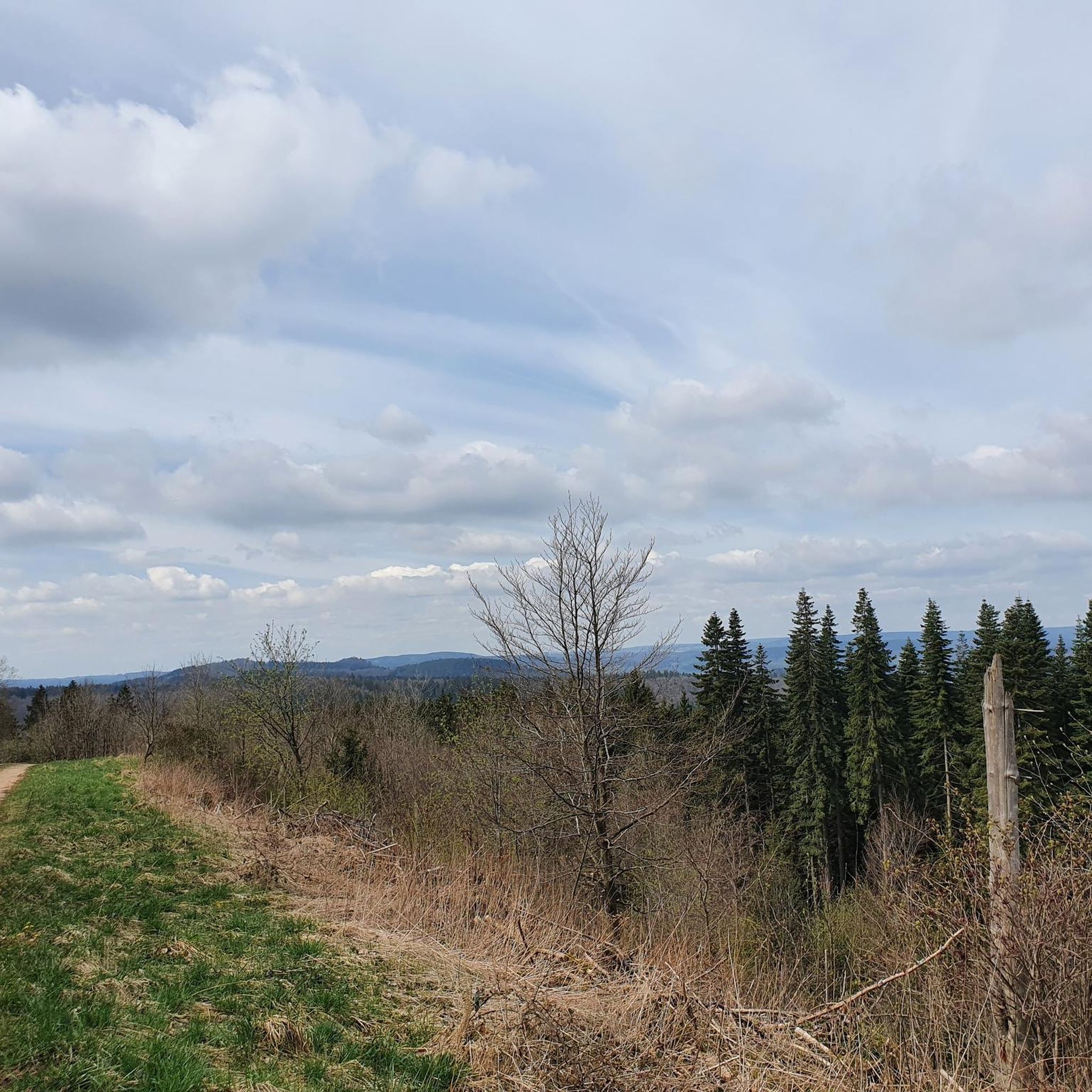
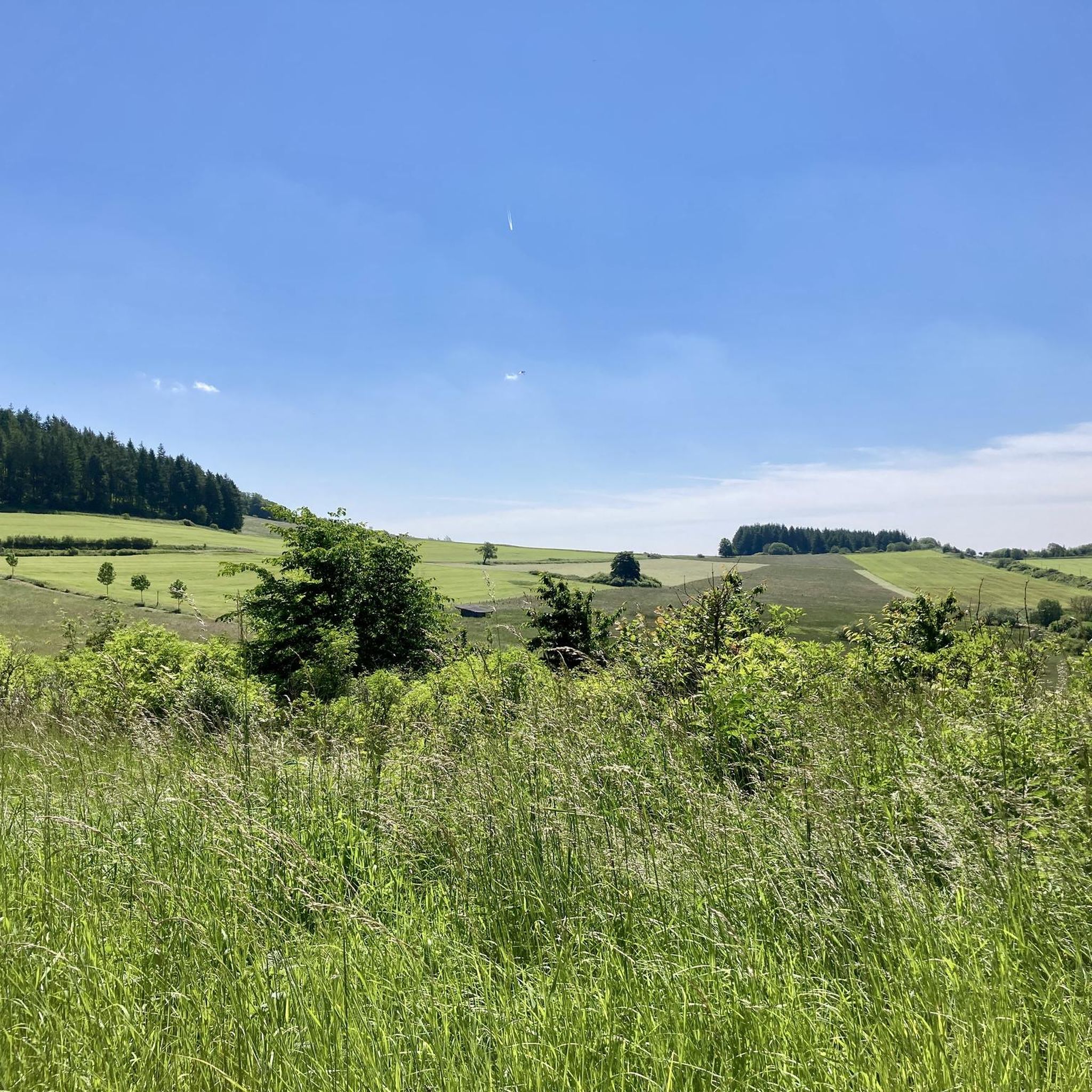
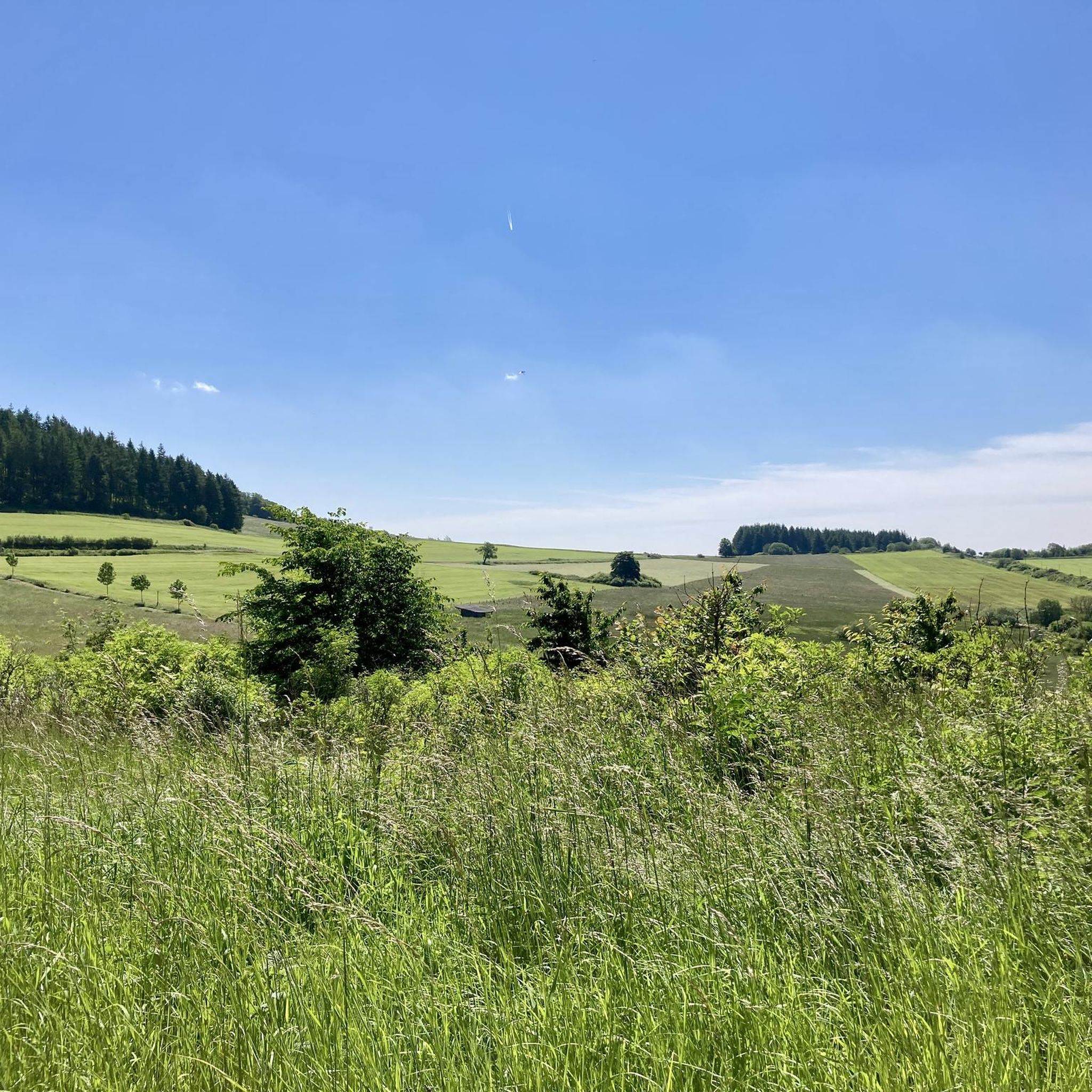
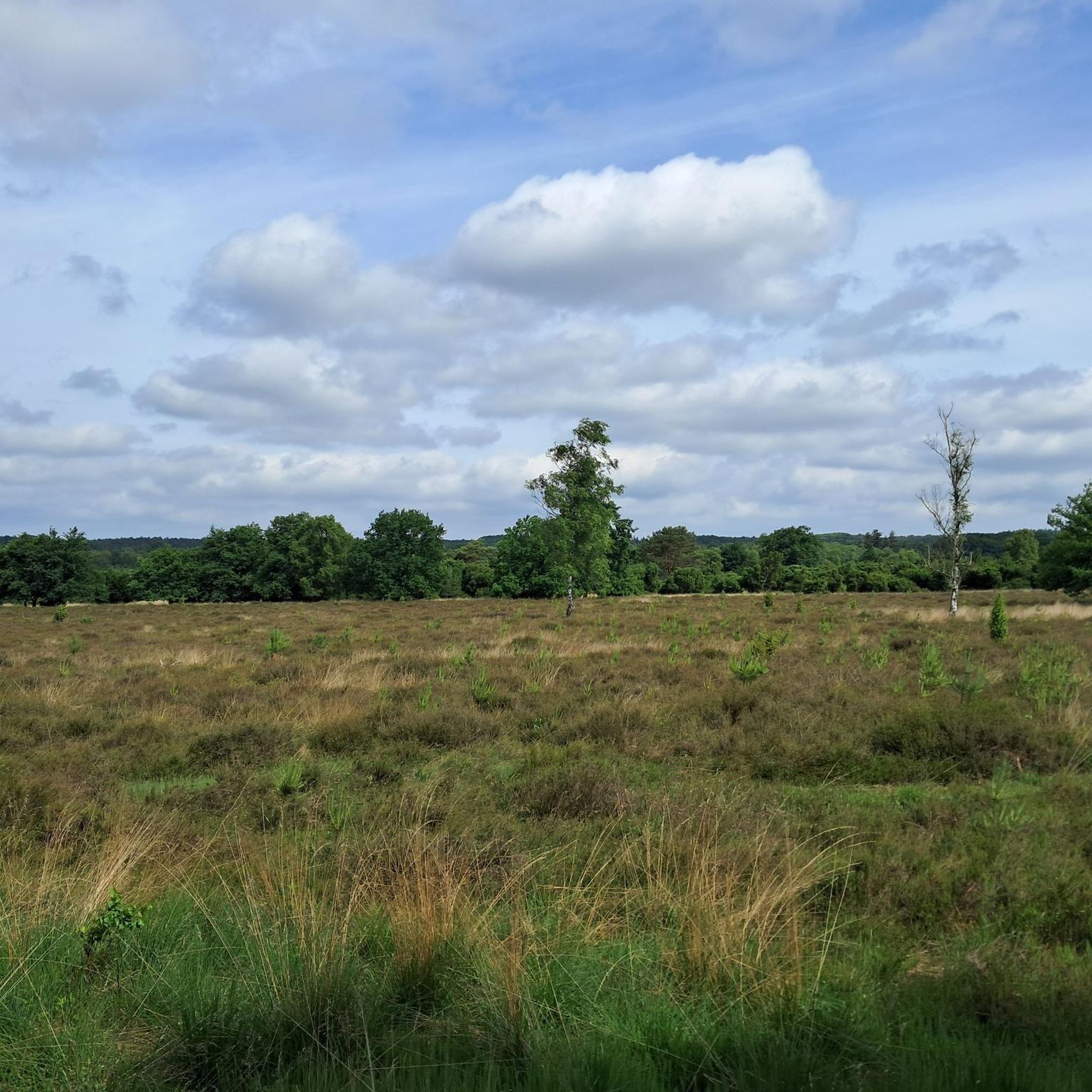
Tips from the Community

The steep climb to the castle is quite difficult. A real calf biter! But once at the top you forget it all. Beautiful ruin and the cave is more than worth it.
5
0

Nice view with markers for orientation. The tower, which was built in 1902, is only 11m high, but stands on top of the 560m high Mauseberg and is thus 166m above the Gemünder Maar, guaranteeing a magnificent view of the surrounding area.
14
0
Beautiful view with an information board for orientation. The tower, built in 1902, is only eleven meters high, but stands at the top of the 560-meter-high Mäuseberg and is thus 166 meters above the Gemünder Maar. This guarantees a magnificent view over the surrounding area.
19
1
Very nice place and viewing point at the Maarkreuz above the Schalkenmehrener Maar. With its inscription "You are called the Maar Cross, for the salvation of us and this country. Emergency year 1932", the cross commemorates severe thunderstorms and the resulting damage and crop failures.
12
0

"With an area of approx. 102 hectares, the area around the Gerolsteiner Dolomites has been a nature reserve since 1990. + occurring animal species: bat + occurring plant species: juniper, orchids, character plants calcareous grassland, grove rush-beech forest, woodruff-beech forest, orchid-limestone-beech forest Around 380 million years ago there was a warm, subtropical shallow sea here, in which mighty reefs of stromatopores - relatives of sponges - and corals formed. After the dolomitization, sinking and folding of the rocks, the Devonian deposits were lifted out again. Today's Gerolsteiner Dolomites were formed, which rise steeply above the Kylltal north of the center of Gerolstein. The rocks "Hustley", "Munterley", "Drohende Ley", "Große Kanzel" and "Auberg" characterize the cityscape from afar and form the landmark of Gerolstein. The most famous summit of the Gerolsteiner Dolomites is the "Munterley" - with a height of 482 meters - and offers a breathtaking view over Gerolstein, the Kylltal and far into the Vulkaneifel. Stone Age people, who settled here 30,000 years ago, obviously enjoyed this view, as evidenced by stone tools and bones found at the nearby Buchenloch Cave. Visiting the Gerolsteiner Dolomites can be perfectly combined with hiking the Felsenpfad - the northern part of the "Gerolsteiner Dolomiten Acht". The almost eight-kilometer round tour offers many magical places and geological traces." https://www.eifel.info/a-gerolsteiner-dolomites
10
0

Very well preserved ruin. Exploring them with children is a very special experience. Especially nice in late spring when the trees all around are fresh green.
8
0
The Nerother Kopf is an extinct volcano of recent date. It was formed about 15,000 years ago when the earth broke up here and glowing magma welled up from the depths of the earth. At that time, a fracture zone formed in the earth rock, which formed the origin of the volcanic chain "West Eifel". https://www.neroth.de/tourismus/nerother-kopf
6
0
The Millstone Cave is located at the summit of the Neroth Head, a wooded hill of volcanic origin east of Neroth. The entrance is just below the Freudenkoppe castle ruins at an altitude of about 640 m and can be reached via a hiking trail. The cave is 18 meters deep and its vault up to 10 meters high. It is walkable, but unlit (torch required). Wikipedia
5
0
Frequently Asked Questions
What are some prominent mountain peaks near Kirchweiler?
Near Kirchweiler, you can explore prominent peaks such as Scharteberg (691.4 meters), one of the highest in the Eifel region, known for its potential panoramic views. Another notable peak is Leh-Berg (637 meters), which offers scenic vistas of the volcanic landscape, including hills and forests.
What unique natural features can I explore in the Vulkaneifel region around Kirchweiler?
The Vulkaneifel region around Kirchweiler is characterized by its unique geological features shaped by volcanic history. You can explore ancient rock formations, volcanic craters (maars), and diverse landscapes. The area offers a chance to immerse yourself in a natural panorama where millennia-old rock and past volcanic activity have shaped the environment.
Are there any historical sites on or near these mountain peaks?
Yes, the region combines natural beauty with historical significance. You can visit the Freudenkoppe Castle Ruins, located on a 610-meter high basalt cone, featuring a well-preserved keep and impressive gables. The Dietzenley Observation Tower also sits on a site with evidence of a Celtic housing settlement from approximately 2500 years ago. Additionally, the Millstone Cave at Nerother Kopf is an artificial cave created by millstone production, with a history dating back before 1340.
What are the most popular viewpoints or observation towers around Kirchweiler?
Visitors particularly enjoy the Dronke Tower on the Mäuseberg, an 11-meter high observation tower offering a wonderful panoramic view of the wide volcanic landscape of Eifel. Another popular spot is the Dietzenley Observation Tower, which provides impressive views of the Vulkaneifel landscape.
Are there family-friendly mountain walks around Kirchweiler?
The Vulkaneifel region offers a variety of hiking routes catering to different fitness levels. While specific 'family_friendly' tags are not always present on every peak, many trails are suitable for families. For instance, the View of Gerolstein from the Munterley is noted as family-friendly and offers fantastic views. Always check the specific trail details for suitability before heading out.
What kind of hiking terrain can I expect in the Eifel mountains near Kirchweiler?
The hiking terrain in the Eifel mountains around Kirchweiler is diverse. You'll find numerous circular hiking routes that lead through ancient rock formations, past volcanic craters, and to summits. Trails range from easy paths suitable for all skill levels to more demanding routes requiring good fitness and sure-footedness. Expect varied landscapes including forests, valleys, and open vistas.
What cycling opportunities are available near the mountain peaks of Kirchweiler?
The area around Kirchweiler offers various cycling opportunities. You can find routes for touring bicycles, such as the difficult 'Viewpoint Meerfelder Maar – View of Bertrada Castle loop' or moderate routes like 'Berlinger Church – View of Dreis loop'. For road cycling, options include the 'Kyll Cycle Path near Lissingen – Meerfelder Maar loop'. You can explore more routes on the Cycling around Kirchweiler guide or the Road Cycling Routes around Kirchweiler guide.
Are there mountain biking trails in the Kirchweiler area?
Yes, there are mountain biking trails available. For example, you can find moderate routes like the 'Ernstberg Singletrack – Trail to Nerother Kopf loop' or the 'View of Kasselburg from Gees – Royal Spruce loop'. These trails allow you to experience the volcanic landscape on two wheels. More details can be found in the MTB Trails around Kirchweiler guide.
What do visitors particularly enjoy about the mountain peaks and viewpoints around Kirchweiler?
Visitors frequently praise the breathtaking panoramic views from observation points like the Dronke Tower, especially over the maars. The tranquility and impressive all-round views from places like the Dietzenley Observation Tower are also highly appreciated. The unique geological formations and historical sites, such as the Millstone Cave and Freudenkoppe Castle Ruins, add to the appeal.
Are there circular hiking routes available around Kirchweiler's peaks?
Yes, the broader Vulkaneifel region around Kirchweiler is well-known for its diverse hiking opportunities, including numerous circular hiking routes. These trails often lead through ancient rock formations, past volcanic craters, and to summits, allowing you to experience the unique natural panorama of the area.
What is the best time to visit Kirchweiler for hiking?
The Vulkaneifel region is generally pleasant for hiking from spring through autumn. Spring brings blooming nature, while autumn offers vibrant foliage. Summer is also popular, but it's advisable to start early to avoid the midday heat. Winter hiking is possible, but trails might be challenging due to snow or ice, requiring appropriate gear.
Can I find cafes or accommodation near the mountain paths in Kirchweiler?
Kirchweiler and the surrounding villages in the Vulkaneifel region offer various options for cafes, pubs, and accommodation. While specific establishments directly on mountain paths might be limited, you will find places to refresh and stay in the nearby towns and villages, often just a short distance from popular hiking areas.
Most popular routes around Kirchweiler
Most popular attractions around Kirchweiler

Get inspired with the komoot mobile app


Explore more
See even more amazing summits around Kirchweiler with these guides:
