Top 20 Caves around Neustadt an der Donau
Best caves around Neustadt an der Donau are found in Bavaria, Germany, offering access to geological formations within the Altmühltal Nature Park and Franconian Switzerland. The region is characterized by its karst landscapes, the Danube river, and historical underground sites. These natural features provide diverse opportunities for exploration, from ancient rock shelters to impressive dripstone formations. The area combines natural beauty with significant archaeological and cultural history.
Best caves around Neustadt an der Donau
- The most popular caves is Friedrichsruh…
Last updated: May 3, 2026
Klösterl Hermitage and Cave Church
Highlight • Religious Site
Translated by Google •
Tip by

Friedrichsruh Cave
Highlight • Cave
Translated by Google •
Tip by

Sign up now to discover places like this
Get recommendations on the best single tracks, peaks, & plenty of other exciting outdoor places.
Sign up for free
Monastery Cave
Highlight • Cave
Translated by Google •
Tip by

Klausen Caves
Highlight • Cave
Translated by Google •
Tip by
Klamm Cave near Einthal
Highlight • Cave
Translated by Google •
Tip by
Sign up for free to discover even more caves around Neustadt an der Donau.
Sign up for free
Already have an account?
Start today with a free account
Your next adventure awaits.
Login or Signup
Popular around Neustadt an der Donau
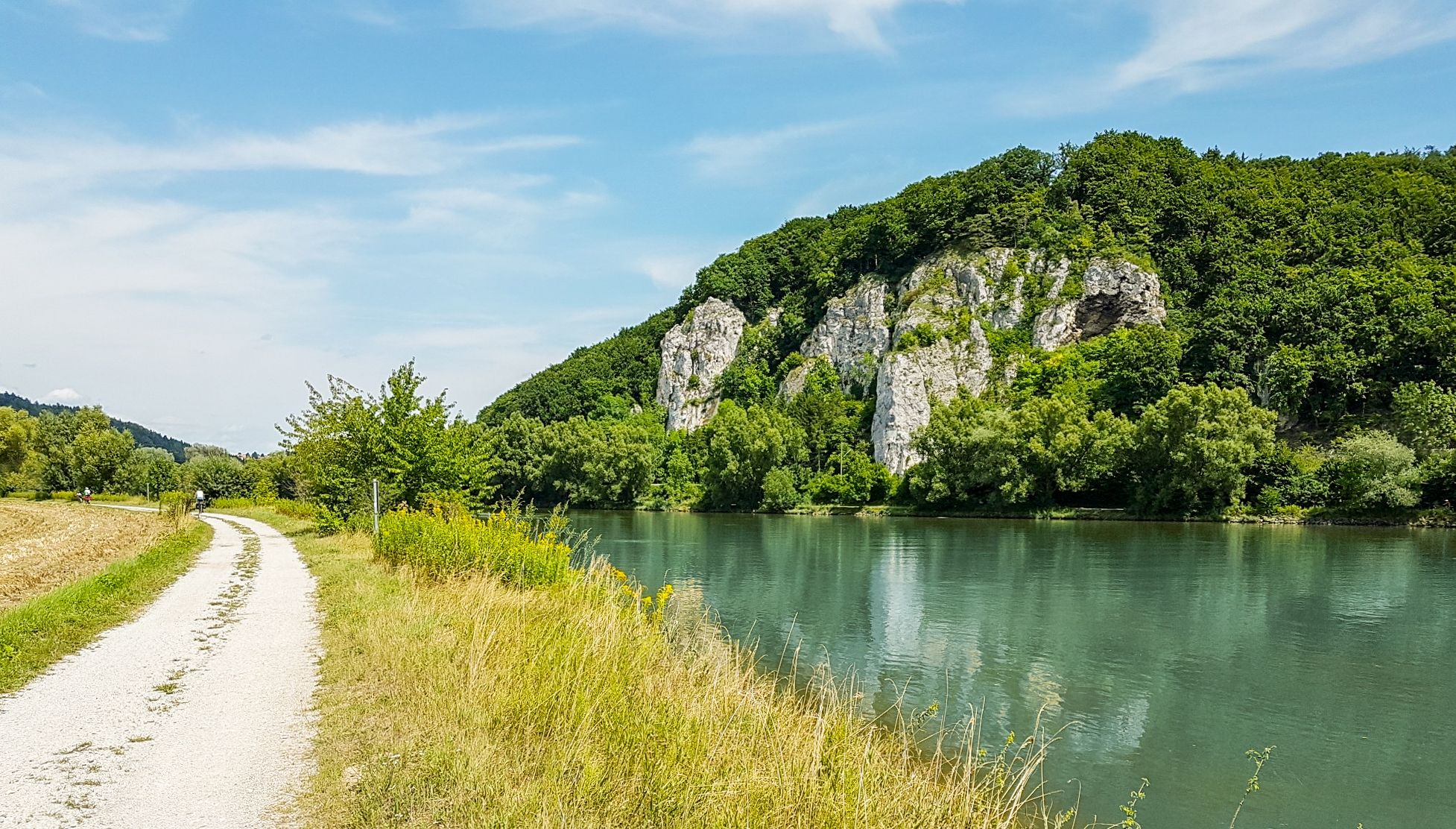
Donau-Panoramaweg – 10 days nature views and cultural insights
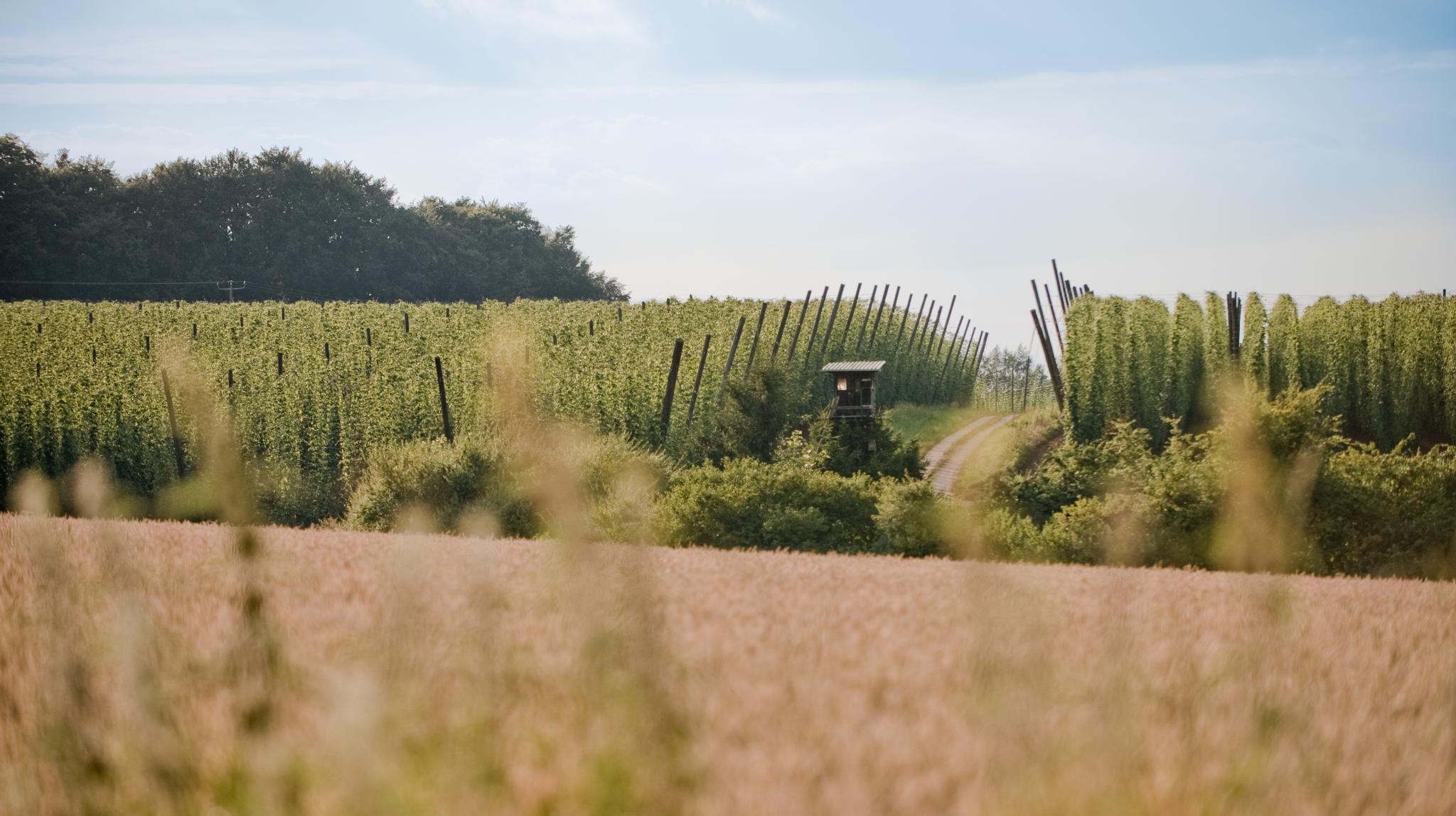
Through hop gardens and hills – hiking in the Hallertau
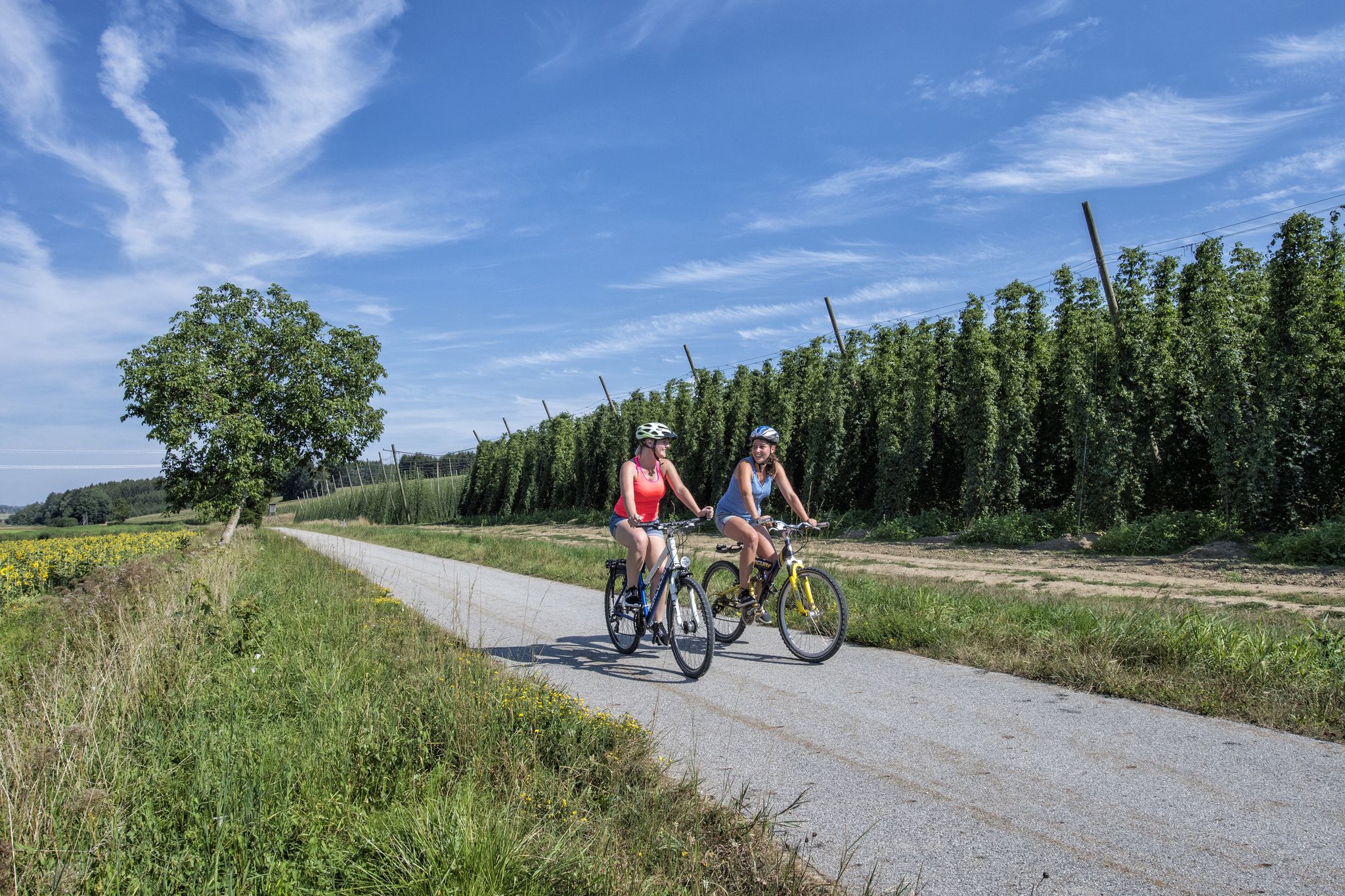
Cycling in the Hallertau – rides through the home of the green gold
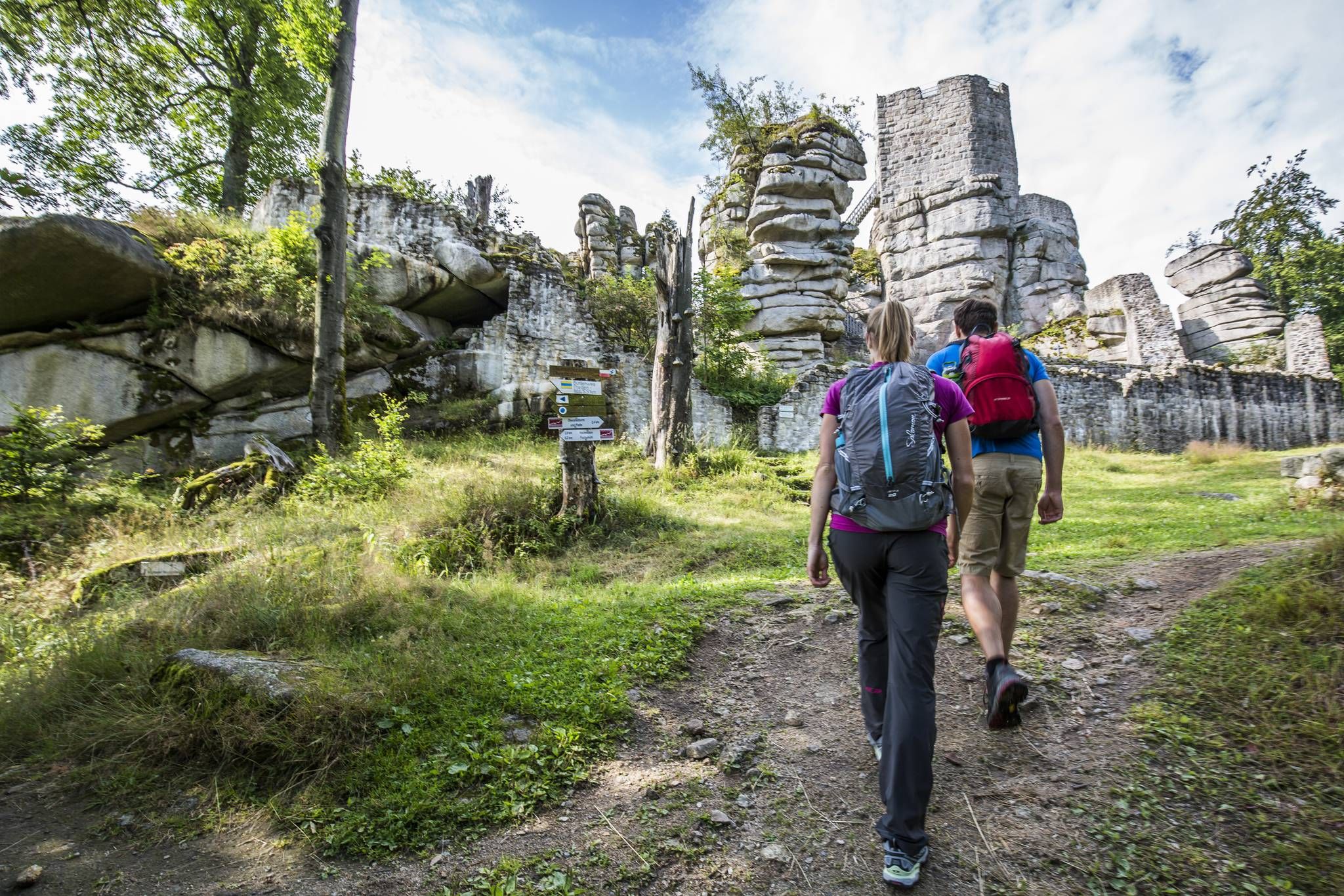
Thousands of kilometres of hiking fun – long-distance hiking trails in Bavaria
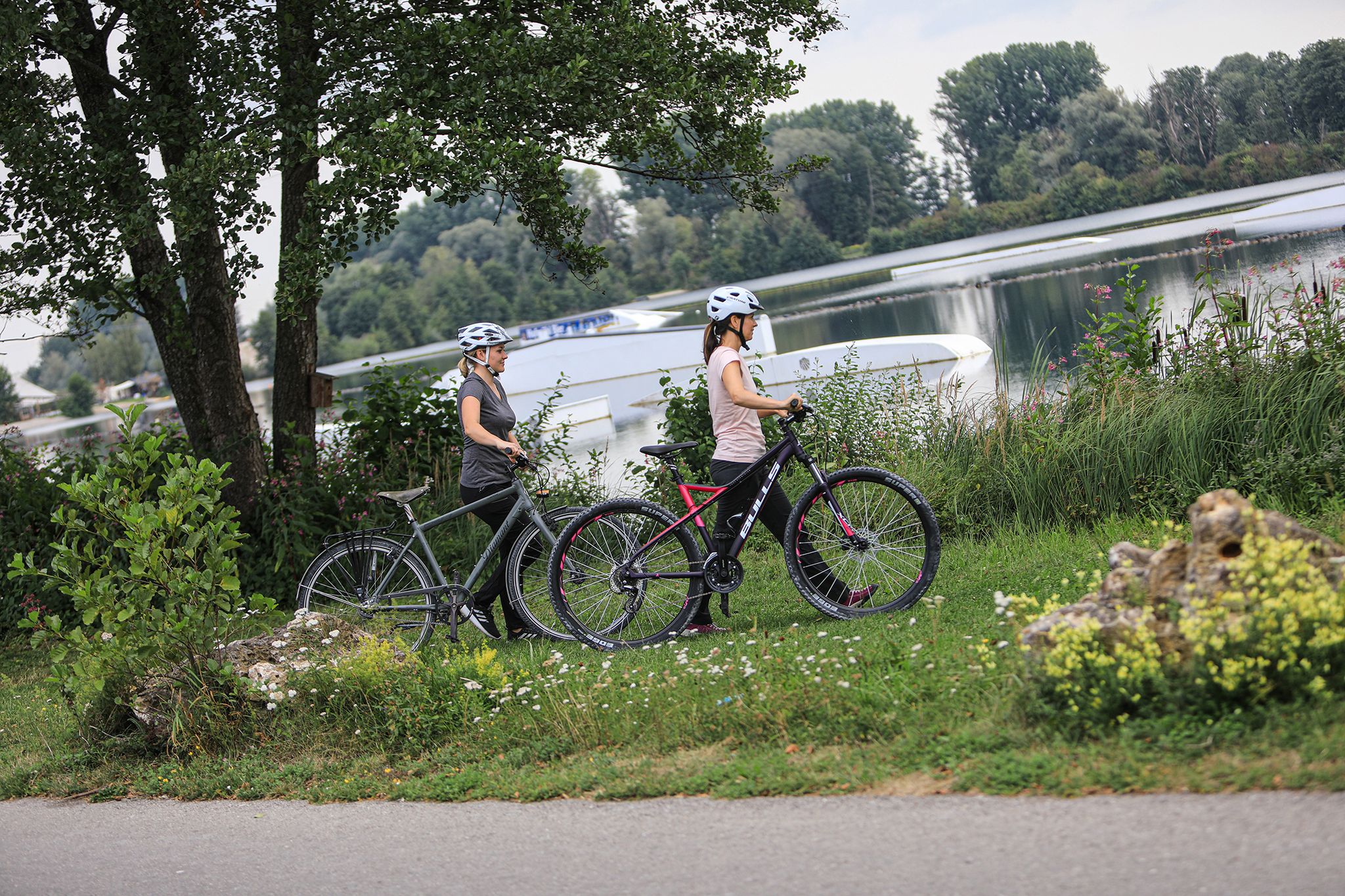
Radeln am Wasser entlang
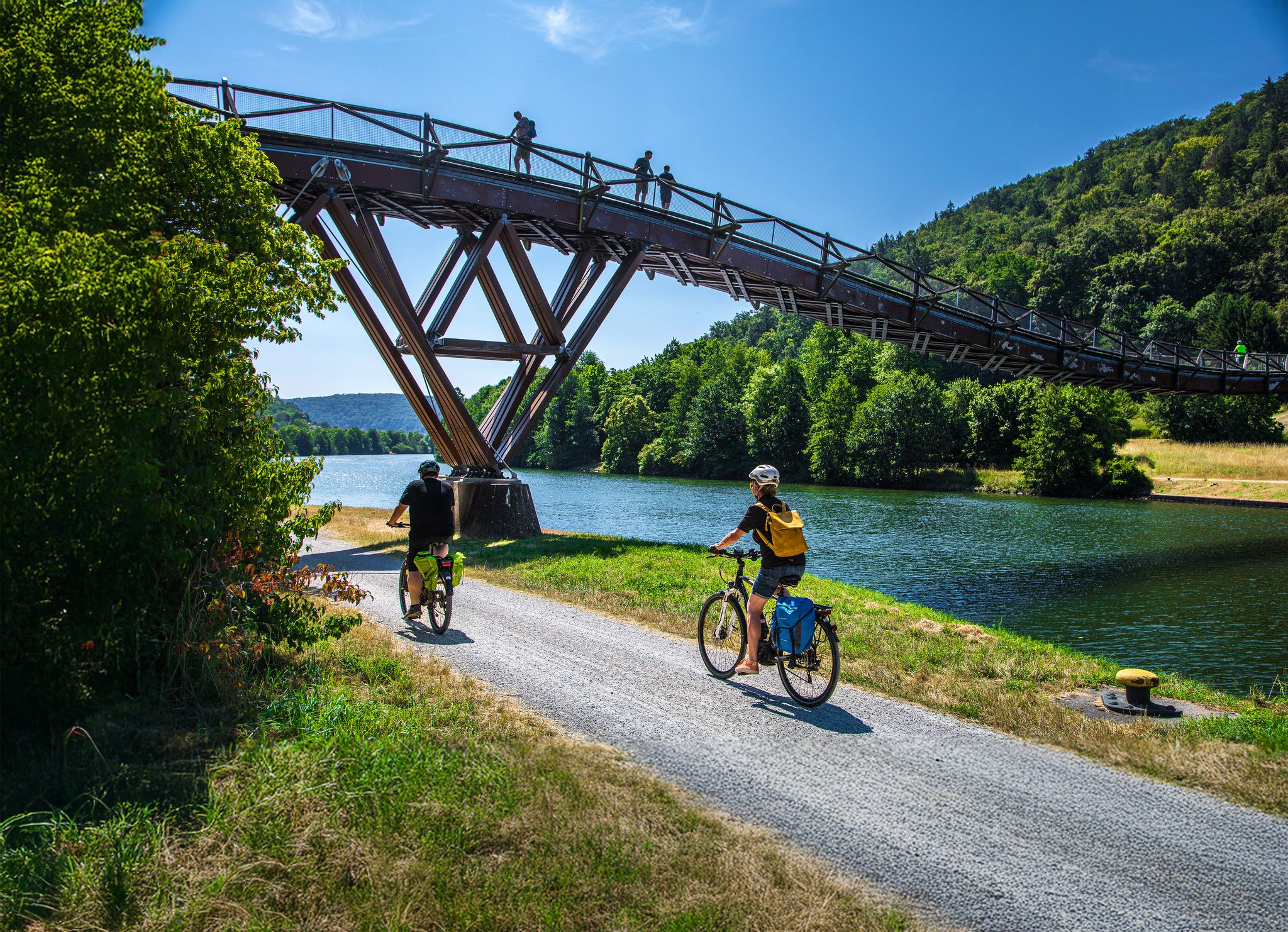
Zwischen Donau, Altmühltal & Hallertau – Erlebnis-Radtouren um Kelheim
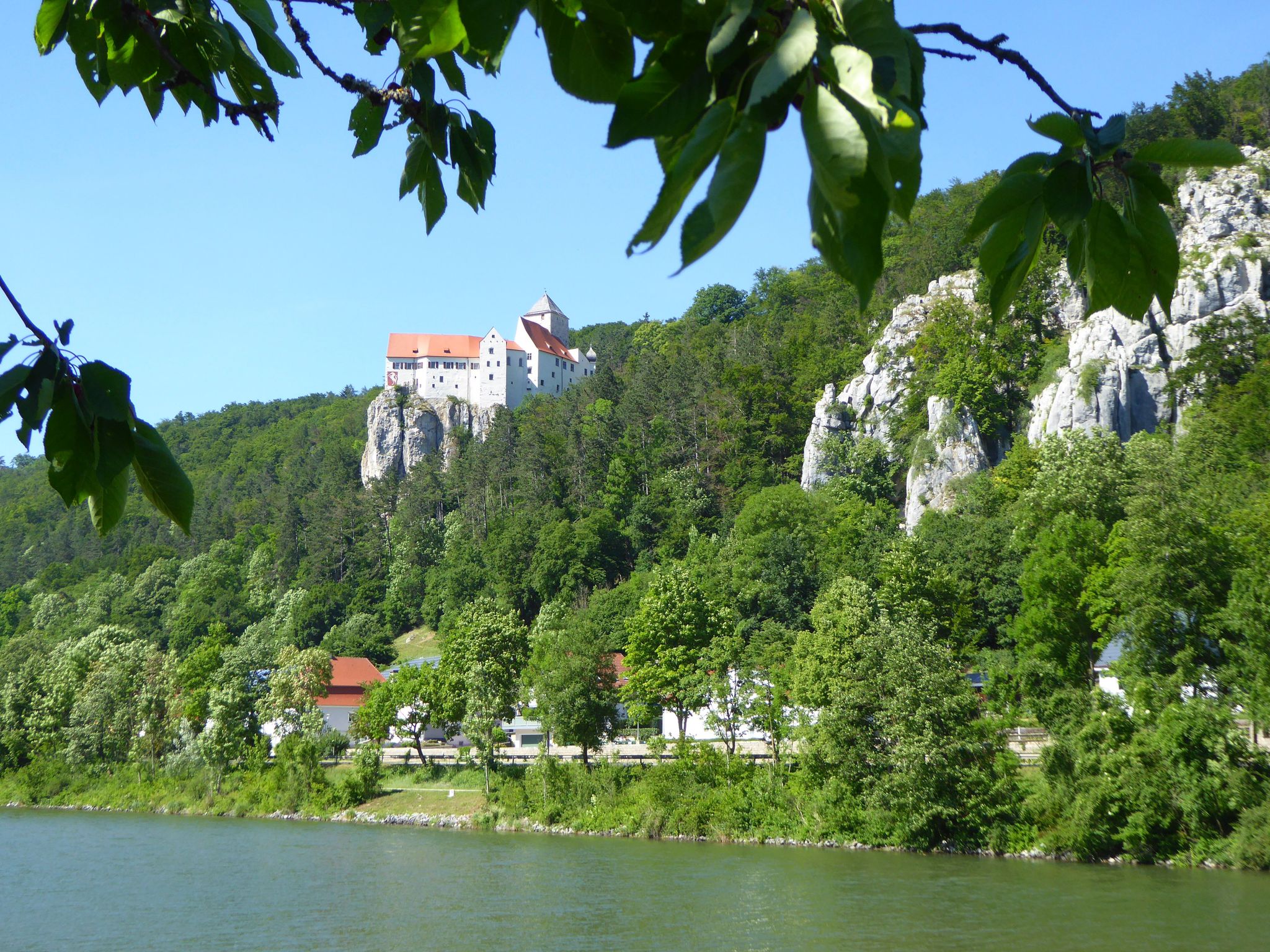
Wander[R]Auszeit in Bayerns Herzstück
Cycling around Neustadt an der Donau
Hiking around Neustadt an der Donau
Running Trails around Neustadt an der Donau
Other adventures around Neustadt an der Donau


Tips from the Community

It's not far from Prunn Castle to get to the grotto. There is climbing in the grotto. If you walk a little further you will come to a very nice viewpoint. But take good care of the children.
2
0

Smaller caves can often be found in the rock.
5
0

The settlement history of the Altmühl valley began at the beginning of the last ice age, in the so-called Würm ice age, about 80,000 years ago. On the other hand, there are no archaeological finds from the oldest phase of the Paleolithic, i. H. from the Günz, Mindel or early Rißeiszeit 500,000 - 120,000 years ago, but this is more likely due to the change in river systems. The Danube flowed through the Lower Altmühltal until about 200,000 years ago. Therefore, no older finds could be deposited in caves or rock overhangs. In the Würm Ice Age, around 100,000 - 10,000 years ago, there are first indications of people who stayed in the caves or under rock protection roofs, so-called rock shelters, in the Lower Altmühl Valley. At that time the climate here is similar to that of the tundra today. The ice-free Altmühltal was a favorable hunting ground, where mammoths, rhinos, reindeer, and later also horses, bison and primal lived. The Klausen Caves are a system of several caves nested one on top of the other: Lower Klause, Klausen Niche, Middle and Upper Klause. Except for the Lower Hermitage, tools and equipment from the Old, Middle and Upper Palaeolithic periods were found in the other caves. From the Klausen niche comes z. B. a deciduous incisor of a Neanderthal. In the middle hermitage, archaeologists from the Magdalenian layer were able to salvage a single-row harpoon, bone spikes and a perforated staff made of reindeer antlers, which is decorated with fantasy creatures. A limestone slab with incised lines of a wild horse document the first art products. In 1913, archaeologists found the skeleton of a Homo sapiens. The approximately 30-year-old man died about 18,000 years ago. His dead body was wrapped in a mighty red chalk pack. Fragments of mammoth tusks lay in the area of the skull. https://www.herzstueck.bayern/ attraction/07-station-klausenhoehlen-e617ad20c7
8
1


Somewhat hidden but worthwhile caves. However, it should be noted that access is closed from October 1st to April 30th to protect bats living in the caves.
2
0

Interesting cave up and down. It's worth taking a look.
2
0

Beautiful, easy-to-walk caves that were probably used in earlier times as living caves and for protection from the weather. You should take a lamp with you when visiting.
7
1
Frequently Asked Questions
Are there family-friendly caves to visit near Neustadt an der Donau?
Yes, several caves are suitable for families. The Monastery Cave near Weltenburg has stone steps, making it explorable with children. The König-Otto-Tropfsteinhöhle in Velburg is also popular with families, especially its Advent Hall, and offers guided tours. The Klausen Caves in Essing are exciting for children due to their darkness and archaeological significance, and the Klamm Cave near Einthal is also very interesting for children.
What kind of historical or archaeological significance do the caves in this region hold?
The caves around Neustadt an der Donau are rich in history. The Klamm Cave near Einthal was inhabited by Stone Age people. The Großes Schulerloch in Essing served as a dwelling for Neanderthals and has archaeological finds from the Neolithic and Bronze Ages. The Klausen Caves are among Bavaria's most significant Ice Age archaeological sites, with findings including the oldest burial of an anatomically modern human in Germany and Neanderthal remains. Additionally, the Klösterl Hermitage and Cave Church is a historic monastery dating back to 1454, combining religious history with natural rock formations.
What unique geological features can I expect to see in the caves?
The region's karst caves offer diverse geological formations. Großes Schulerloch features impressive rock formations, including a unique 'water pot' stalagmite and stalactites resembling castle towers. König-Otto-Tropfsteinhöhle is known for its diverse and impressive stalactite and stalagmite formations, including dogtooth spars, cave pearls, helictites, and water-filled sinter pools. Teufelshöhle boasts immense halls and rich stalactite decorations, such as the 'Emperor Barbarossa' formation.
Are there any caves that are easily accessible or wheelchair-friendly?
The König-Otto-Tropfsteinhöhle in Velburg has some sections that are wheelchair-friendly, making it more accessible for visitors with mobility needs. For other caves, it's advisable to check specific visitor information as accessibility can vary.
What is the best time of year to visit the caves around Neustadt an der Donau?
Many caves, like Großes Schulerloch and Teufelshöhle, maintain a constant temperature of around 9°C (48°F) year-round, making them a cool escape in warmer months and a sheltered option in cooler seasons. The Klausen Caves are accessible from April to September, as they are closed in winter for bat protection. Generally, spring to autumn offers pleasant conditions for exploring the surrounding areas and trails leading to the caves.
What should I wear when visiting the caves?
Given the constant cool temperature of around 9°C (48°F) inside most caves, even in summer, it's recommended to wear warm clothing, such as a jacket or sweater. Comfortable, sturdy shoes with good grip are also advisable, especially for natural caves or those with uneven paths. For unlit caves like the Klausen Caves, bringing a flashlight or headlamp is essential.
Are there any outdoor activities or routes near the caves?
Yes, the region around Neustadt an der Donau offers numerous outdoor activities. You can find various MTB trails, cycling routes, and road cycling routes. For example, the area near Weltenburg Abbey and the Danube Gorge offers scenic walks and cycling paths. The Klausen Caves are accessed via a scenic walk, including crossing the 'Tatzelwurm' wooden bridge.
How long do tours or visits to the caves typically last?
Guided tours for caves like Großes Schulerloch and König-Otto-Tropfsteinhöhle typically last between 30 to 40 minutes. Teufelshöhle offers guided tours around 45 minutes long, with special longer tours sometimes available. For uncommercialized sites like the Klausen Caves, you can explore at your own pace, but a visit might take 30-60 minutes depending on your interest.
Are dogs allowed in the caves?
Policies regarding dogs vary by cave. For instance, the König-Otto-Tropfsteinhöhle's website or visitor information should be consulted directly for their specific dog policy. For natural, uncommercialized caves like the Klausen Caves, dogs are generally allowed on the trails leading to them, but entry into the caves themselves might be restricted or require leashing. Always check with individual cave operators beforehand.
Are there any unique experiences offered at the caves, such as concerts or special events?
Yes, some caves host special events. Großes Schulerloch occasionally hosts concerts due to its excellent natural acoustics. Teufelshöhle also offers unique experiences such as special 100-minute tours and sometimes hosts concerts in its entrance cave during summer. Its clean, cool, and humid air also makes it a site for speleotherapy, beneficial for respiratory conditions.
Can I find food and drink options near the caves?
Yes, several caves are located near facilities offering food and drink. For example, the Klösterl Hermitage and Cave Church has a beer garden. The Weltenburg Monastery, which features a historic rock cellar, is famous for its brewery and offers dining options. For other caves, nearby towns like Kelheim or Essing will have cafes and restaurants.
What is the difference between natural caves and the Weltenburg Monastery Rock Cellar?
Natural caves like Großes Schulerloch or König-Otto-Tropfsteinhöhle are geological formations created over millions of years by natural processes, featuring stalactites, stalagmites, and other speleothems. The Weltenburg Monastery Rock Cellar, while carved out of natural rock, is primarily a historic, man-made structure that served as a storage for the monastery's brewery. It now houses an exhibition on the monastery's history and brewing process, blending cultural history with a unique rock setting rather than being a natural tourist cave in the traditional sense.
Most popular routes around Neustadt an der Donau
Most popular attractions around Neustadt an der Donau

Get inspired with the komoot mobile app


Explore more
Extend your search for the best caves by checking out these guides of the top ones around Neustadt an der Donau:
