Top 20 Castles around Seßlach
Best castles around Seßlach offer a journey through medieval history, with the town itself serving as a notable example of a fortified settlement. Seßlach, often called the "Upper Franconian Rothenburg," features a completely preserved town wall and historic gates. While Schloss Geyersberg, a former castle transformed into a palace, is a key historical site, the region also boasts various other fortresses and ruins. These landmarks provide insights into centuries of architectural and cultural evolution.
Best castles around Seßlach
- The most…
Last updated: October 23, 2026
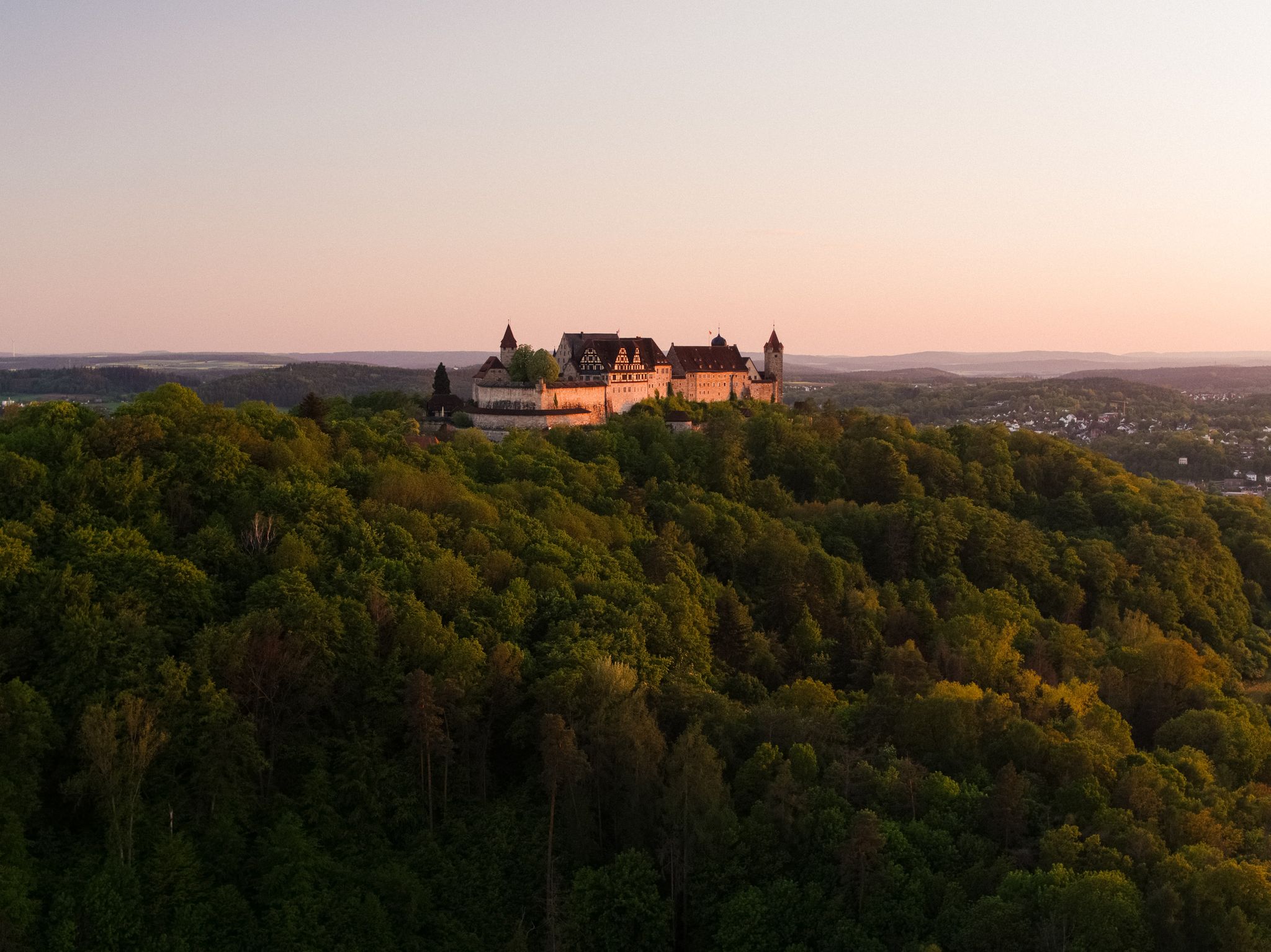
Coburg Fortress
Highlight • Castle
Translated by Google •
Tip by

Ehrenburg Palace
Highlight • Castle
Translated by Google •
Tip by

Sign up now to discover places like this
Get recommendations on the best single tracks, peaks, & plenty of other exciting outdoor places.
Rotenhan Castle Ruins
Highlight • Castle
Translated by Google •
Tip by

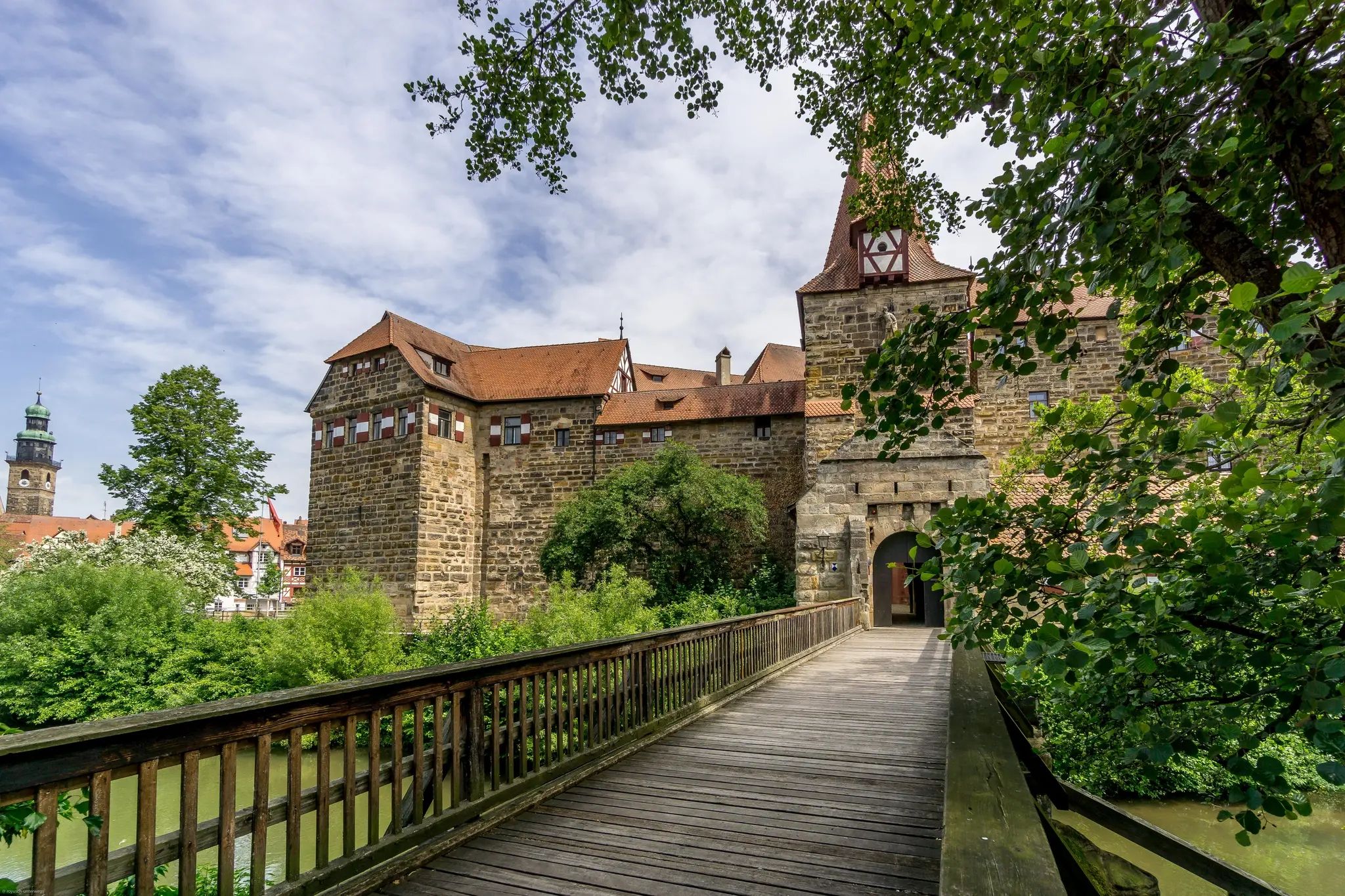
Ketschendorf Castle
Highlight • Castle
Translated by Google •
Tip by

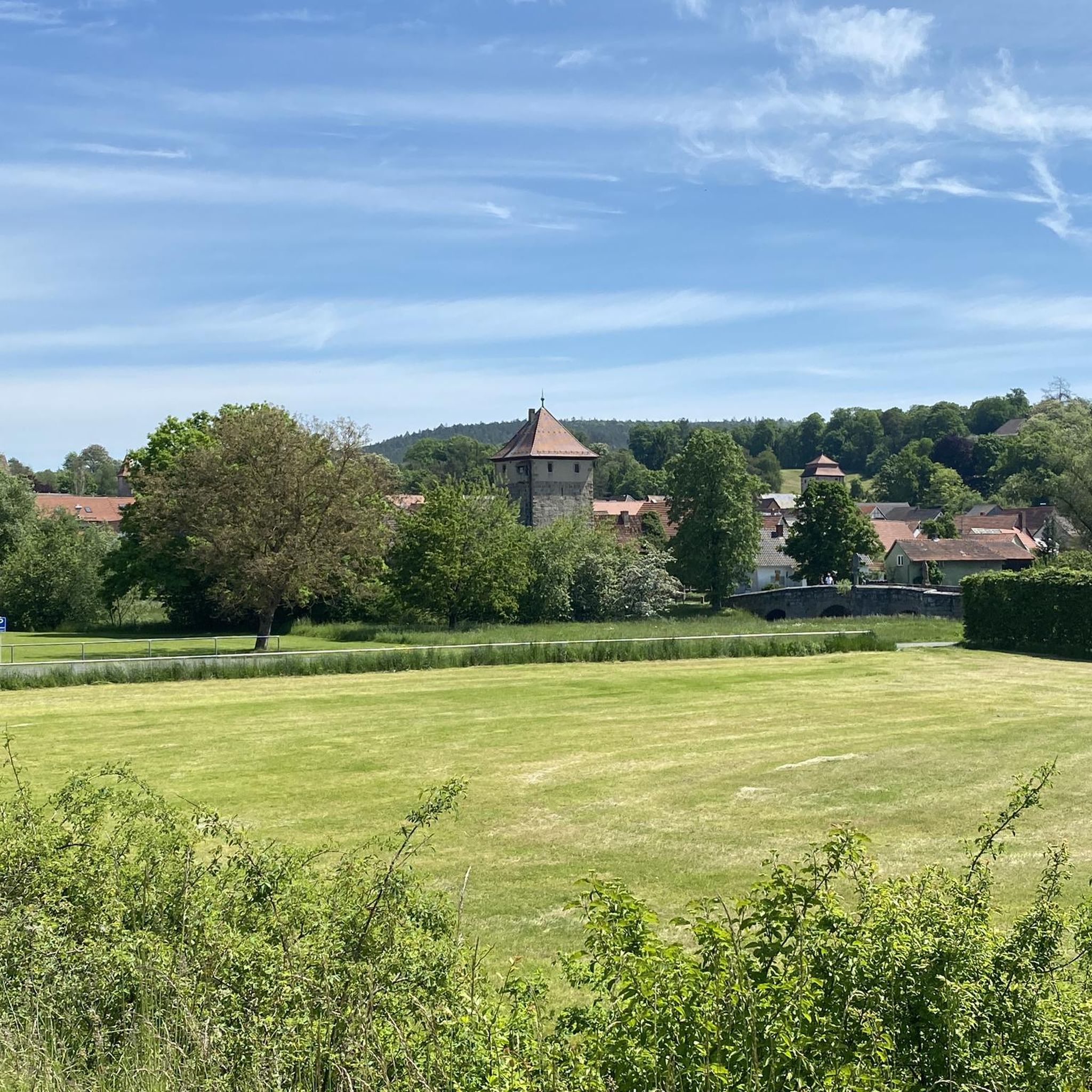
Seßlach Old Town
Highlight • Historical Site
Translated by Google •
Tip by

Sign up for free to discover even more castles around Seßlach.
Already have an account?


Tips from the Community

This castle also deserves attention.
2
0

The ruins have a very special character due to their construction – you can still really feel the connection between nature and medieval architecture.
4
0

Beautifully restored clinker building with sandstone elements.
6
3

The neo-Gothic Ketschendorf Castle is located in the Coburg district of Ketschendorf at the foot of the Buchberg. The Baroness von Stolzenau had it built in the middle of an extensive park at the beginning of the 19th century. The castle is one of the most perfect buildings in the neo-Gothic belt of Coburg and has had nine different owners. From 1956 onwards it was used as a youth hostel, which was closed on December 1, 2010. In 2013 the Coburg company Kaeser Kompressoren acquired the property and had it converted into a seminar and training center. Source: https://de.m.wikipedia.org/wiki/Schloss_Ketschendorf
14
2
The neo-Gothic Ketschendorf Castle is located in the Coburg district of Ketschendorf at the foot of the Buchberg. The Baroness von Stolzenau had it built in the middle of an extensive park at the beginning of the 19th century. The castle is one of the most perfect buildings in the neo-Gothic belt of Coburg and has had nine different owners. It has been used as a youth hostel since 1956, but was closed until further notice on December 1, 2010 due to planned renovations. Source: https://de.m.wikipedia.org/wiki/Schloss_Ketschendorf
16
3

Directly in front of the Rotenhan ruins there are two nice rest areas.
15
0

In 1543, Duke Johann Ernst of Saxony decided to move his court from the Veste Coburg down into the city and chose the site of the dissolved Franciscan monastery, along which the city wall ran to the east. The monastery was in the area of the former middle courtyard. Recent research attributes the architectural design to the Saxon architect Nikolaus Gromann.[1] The building shows clear stylistic parallels with the work of Gromann, who may also have been close to the building project in organizational terms as the appointed court architect of Johann Ernst's half-brother, Elector Johann Friedrich. The complex was built until around 1547 under the construction management of Caspar Vischer. A complex was created around two square courtyards, which could be entered from the south via Steingasse.[2] The buildings of the first courtyard with the stair tower, the corner bay window and the dormer windows from this period are still preserved.[3] Between the courtyards was the three-storey princely building, which was accessed via another large stair tower on the north side and had a large hall and a dining room. The palace chapel and other living quarters were located around the second courtyard on the east side, the kitchen on an irregular floor plan to the north and other subordinate rooms to the west. This complex can still be seen with various subordinate extensions on Bieler's floor plan from 1679. It is unclear whether the third courtyard with the stables had already begun in 1543. Only paid craftsmen were employed for the construction and not, as was usual at the time, serf laborers. This special feature is said to have been the reason for the visit of Emperor Charles V in 1547. Charles is said to have given the newly occupied complex the name Ehrenburg on this occasion. The new city palace was inhabited as the residence of a ruling duke until the death of Johann Ernst in 1553 and was then only used extensively.
8
2

The ruins of the high medieval rock castle Rotenhan are located at 380 m above sea level about two kilometers north of Ebern above the district of Eyrichshof in the Haßberge district in Lower Franconia. The castle complex is the ancestral seat of the Barons of Rotenhan, who still own it today. Wikipedia
9
0
Frequently Asked Questions
What historical sites can I explore in Seßlach itself?
Seßlach is renowned for its remarkably preserved medieval town fortifications, including a complete town wall and three historic gates: the Rothenberger Tor, the Geyersberger Tor, and the Hattersdorfer Tor. You can walk along parts of the wall and even climb the Hattersdorfer Tor for panoramic views. Additionally, the town is home to Schloss Geyersberg, a historic palace that originated as a medieval castle.
What is the history of Schloss Geyersberg in Seßlach?
Schloss Geyersberg, situated on a hill overlooking Seßlach, began as Geyersberg Castle between 1120 and 1130, serving as a seat for the Bishops of Würzburg. After being destroyed and rebuilt, it was held by various knightly families for centuries. In the 19th century, it underwent significant transformation into a palace in the New Gothic style, including the addition of crenellation to its tower. Today, it is privately owned and available for event rentals.
Are there any castles with significant art collections near Seßlach?
Yes, two notable sites are Coburg Fortress and Ehrenburg Palace. Coburg Fortress houses the art collections of Veste Coburg, which are among Germany's most important, featuring works by Lucas Cranach and Old German masters. Ehrenburg Palace, a magnificent former residence of the Coburg dukes, also displays art by Dutch and Flemish masters.
Can I visit any castle ruins in the region?
Absolutely. The Rotenhan Castle Ruins are a must-see. This high medieval rock castle ruin is considered one of the most beautiful ruins in the district, offering scenic views and pleasant rest areas.
What makes Seßlach's town fortifications unique?
Seßlach's town fortifications are unique because they are almost completely preserved, earning the town the nickname 'Upper Franconian Rothenburg.' The intact town wall and its three historic gates (Rothenberger Tor, Geyersberger Tor, Hattersdorfer Tor) create an authentic medieval atmosphere. The Hattersdorfer Tor can be climbed in summer for excellent views, and the town's ambiance has even made it a filming location for historical movies.
Are there family-friendly castles or historical sites to visit?
Many of the castles and historical sites around Seßlach are family-friendly. Coburg Fortress, Ehrenburg Palace, and Ketschendorf Castle are all listed as family-friendly. Exploring Seßlach's town walls and climbing the Hattersdorfer Tor also offer engaging experiences for families.
What outdoor activities can I do near these castles?
The region around Seßlach offers a variety of outdoor activities. You can find numerous routes for mountain biking, cycling, and gravel biking. For example, there are MTB trails like the 'Rothenberg Gate Tower – Billmuthausen Memorial loop' and cycling routes such as the 'Coburg Town Hall – Coburg Market Square loop.' You can explore more options in the MTB Trails around Seßlach, Cycling around Seßlach, and Gravel biking around Seßlach guides.
Are there hiking trails near the castles?
While specific hiking guides for castles are not listed, the nearby cycling and MTB guides often follow scenic paths that can be adapted for hiking. For instance, the 'Rotenhan Castle Ruins' highlight itself is located along a trail and offers rest areas, suggesting it's accessible for walks. Exploring the town walls of Seßlach also provides a pleasant walking experience.
Can I find good viewpoints near the castles?
Yes, several locations offer excellent views. Schloss Geyersberg's elevated position provides scenic views of Seßlach. Climbing the Hattersdorfer Tor in Seßlach's town wall offers panoramic views of the old town and surrounding area. The Rotenhan Castle Ruins are also known for their scenic vistas.
What is the best time of year to visit the castles around Seßlach?
The best time to visit the castles and historical sites around Seßlach is generally during the spring, summer, and early autumn months (April to October). During these periods, the weather is typically mild and pleasant for exploring outdoor sites like castle ruins and town fortifications. The Hattersdorfer Tor in Seßlach is also open for climbing during the summer, offering the best views.
Are there dog-friendly options for visiting castles or nearby trails?
While specific dog-friendly policies for castle interiors vary, many outdoor areas, such as the grounds around castles and nearby trails, are generally dog-friendly. The town walls of Seßlach and the trails leading to Rotenhan Castle Ruins are good options for walks with dogs, provided they are kept on a leash. Always check local regulations for specific sites.
Can I visit Schloss Geyersberg in Seßlach?
Schloss Geyersberg is privately owned by the Salb family. While it is not generally open to the public for tours, various rooms and its garden are available for event rentals. This provides an opportunity to experience its historic ambiance during special occasions.
What do visitors enjoy most about the castles around Seßlach?
Visitors particularly appreciate the rich history and well-preserved medieval character of the region. The intact town fortifications of Seßlach, often compared to Rothenburg, offer a unique step back in time. The significant art collections at Coburg Fortress and the scenic beauty of Rotenhan Castle Ruins are also highly praised by the komoot community.
Most popular routes around Seßlach
Most popular attractions around Seßlach

Get inspired with the komoot mobile app


Explore more
Looking for the best castles somewhere else? Discover other guides around Seßlach:
