The best road cycling routes in Hafnarfjörður
5.0
(4)
1,071
riders
30
rides
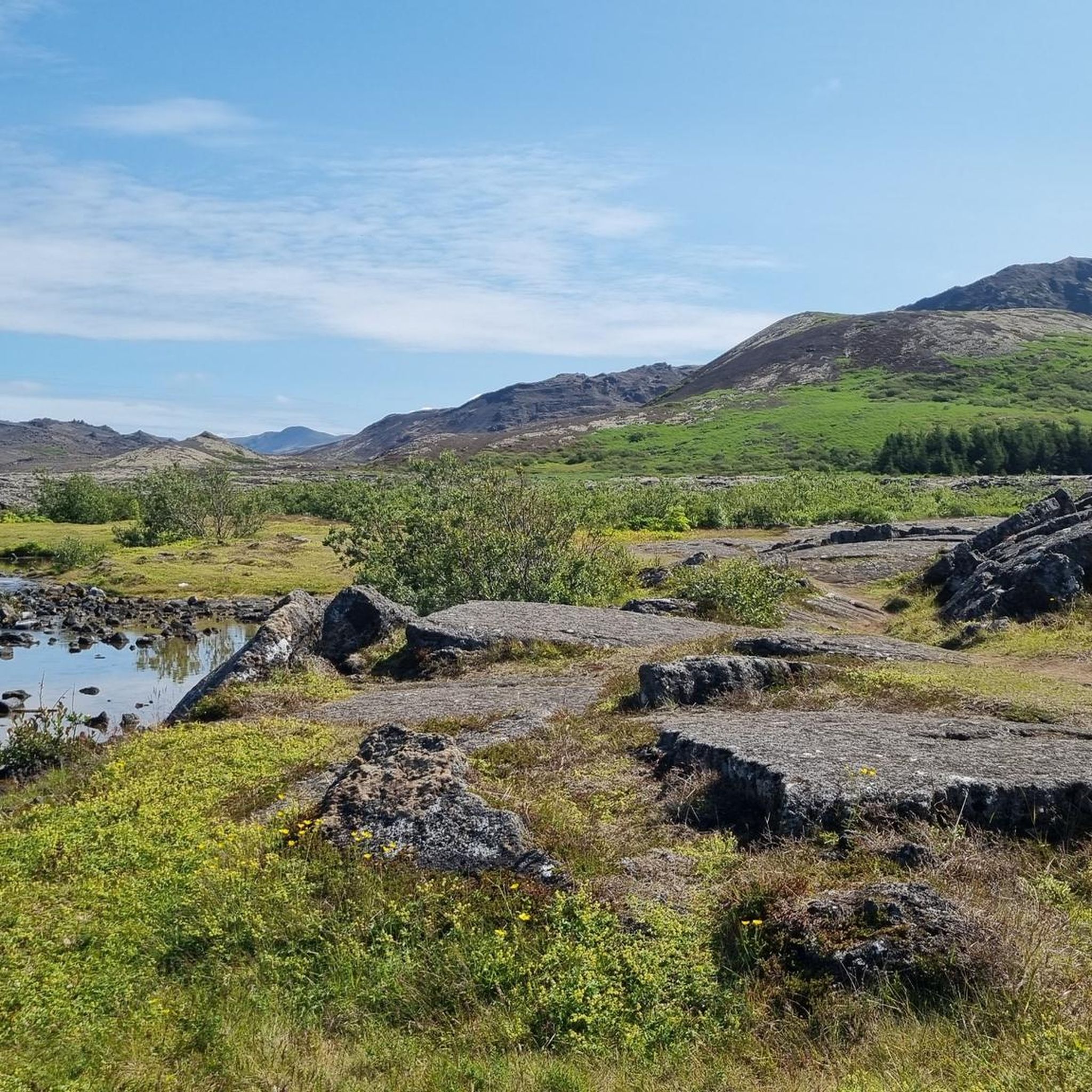
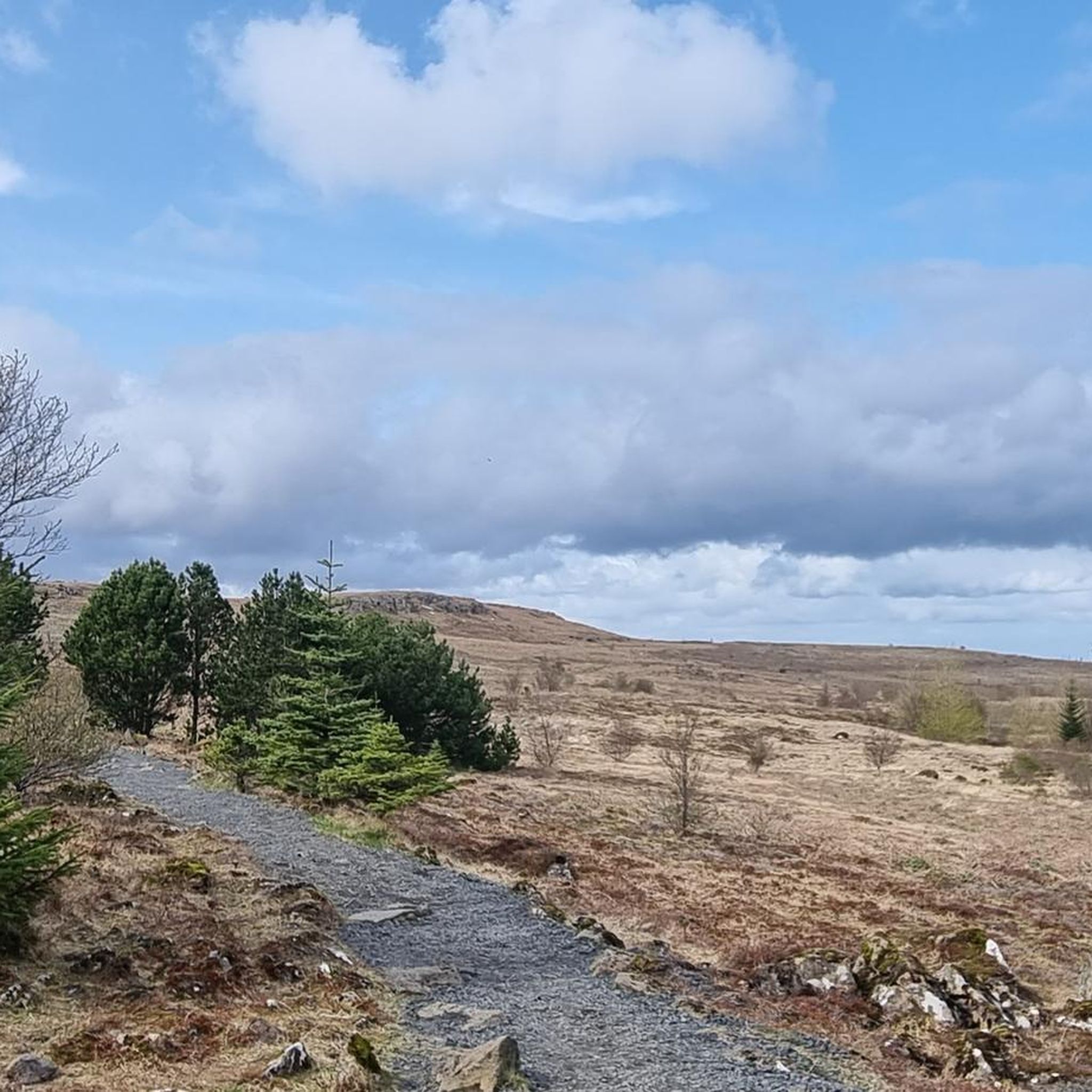
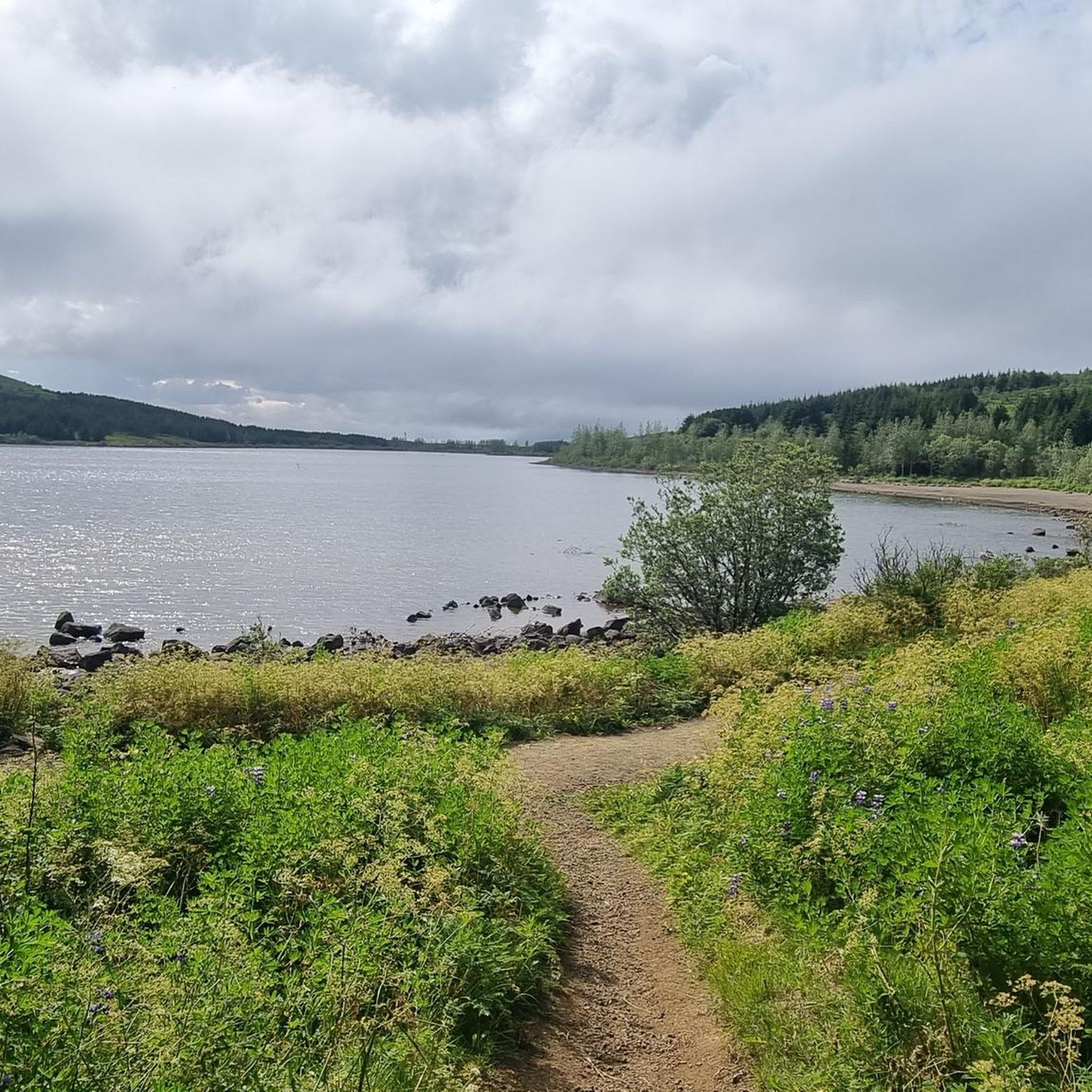
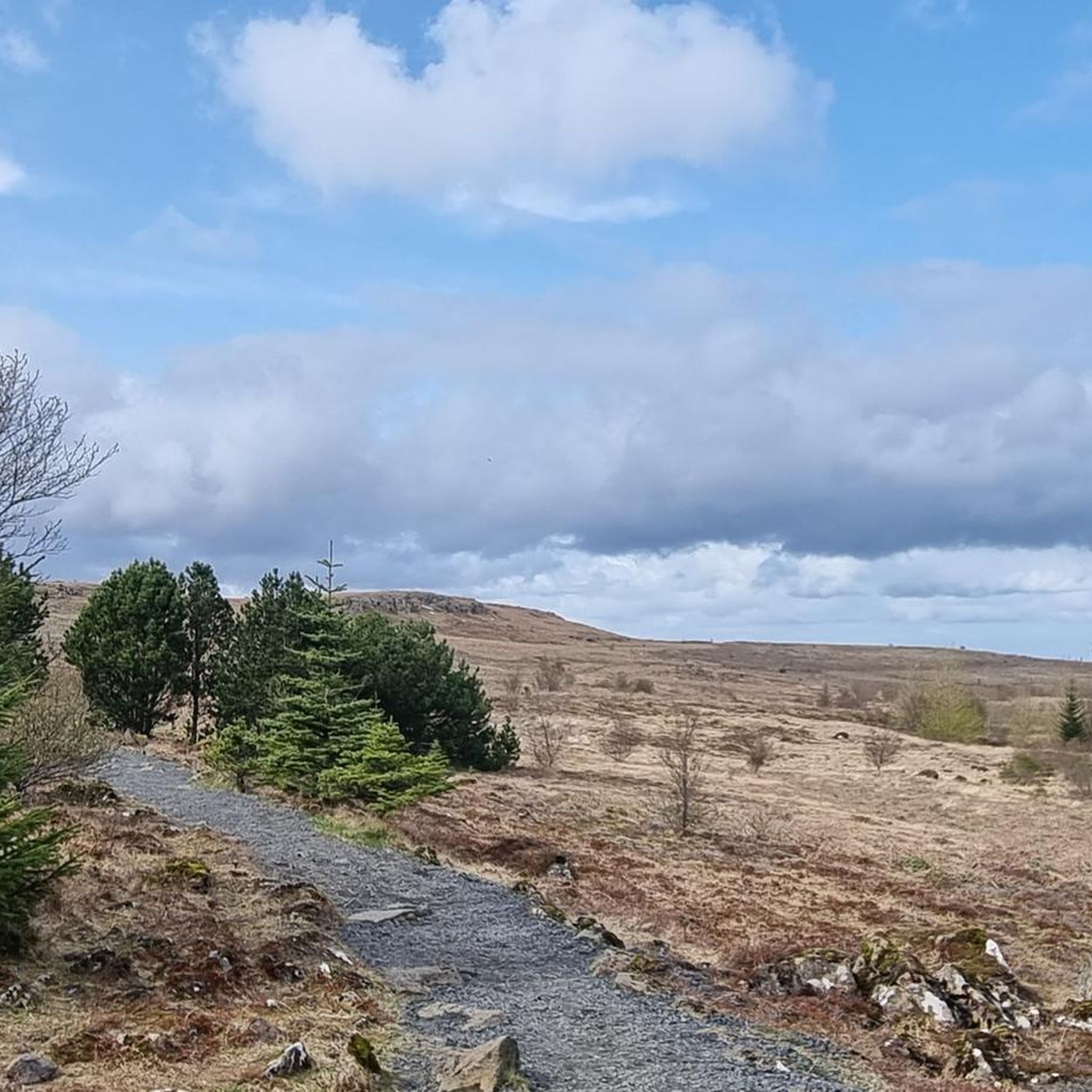
Road cycling in Hafnarfjörður features a landscape shaped by ancient lava fields and proximity to the coast, offering varied terrain for cyclists. The region includes a network of paths, often combining asphalt and gravel surfaces, catering to different preferences. Geological features such as the Gáigahraun and Stórhöfðahraun lava fields define many routes, providing unique scenery. The area also includes tranquil lakes like Hvaleyrarvatn and numerous hills, creating diverse road cycling experiences.
Best road cycling routes in Hafnarfjörður
- The most popular…
Last updated: October 8, 2026
5.0
(1)
60
riders
22.3km
00:59
120m
120m
Moderate road ride. Great for any fitness level. Some segments of this route may be unpaved and difficult to ride.
5.0
(1)
81
riders
30.0km
01:13
140m
140m
Moderate road ride. Great for any fitness level. Some segments of this route may be unpaved and difficult to ride.

24
riders
12.6km
00:31
60m
60m
Moderate road ride. Great for any fitness level. Some segments of this route may be unpaved and difficult to ride.
24
riders
28.5km
01:11
180m
180m
Easy road ride. Great for any fitness level. Mostly well-paved surfaces and easy to ride.
10
riders
16.3km
00:40
60m
60m
Easy road ride. Great for any fitness level. Mostly well-paved surfaces and easy to ride.
12
riders
12.0km
00:28
40m
40m
Easy road ride. Great for any fitness level. Mostly well-paved surfaces and easy to ride.
10
riders
23.7km
01:07
280m
280m
Moderate road ride. Great for any fitness level. Some segments of this route may be unpaved and difficult to ride.
6
riders
22.1km
00:59
160m
160m
Easy road ride. Great for any fitness level. Mostly well-paved surfaces and easy to ride.
5
riders
15.8km
00:42
150m
150m
Moderate road ride. Great for any fitness level. Some segments of this route may be unpaved and difficult to ride.
7
riders
35.1km
01:31
280m
280m
Easy road ride. Great for any fitness level. Mostly well-paved surfaces and easy to ride.
Get access to more routes and recommendations from other explorers.
Already have an account?
Our route recommendations are based on thousands of hikes, rides, and runs completed by other people on komoot.
Start today with a free account
Your next adventure awaits.
Tips from the Community

Bessastaðir is a manor in the Icelandic municipality of Garðabær (until 2012 Álftanes), a few kilometers southwest of Reykjavík. It is now used as the official residence of the Icelandic President. The area around Bessastaðir was probably first settled before the year 1000.[1] It was probably the first official settler of Iceland, Ingólfur Arnarson, who laid claim to the land. In the 13th century, Snorri Sturluson owned a farm here. This is documented by the mention in the Íslendinga saga of his nephew Sturla Þórðarson. The medieval manor passed to the King of Norway after Snorri's death in 1241. Bessastaðir subsequently became the seat of the royal representatives (first the Norwegian king, later the Danish king) and remained so until the end of the 18th century. From 1785 to 1789, the Danish canon magistrate Hans Christoph Diederich Victor von Levetzow lived here, and his son Dietrich Wilhelm von Levetzow was born here in 1786. In 1805, the country's only secondary school at the time, called Lærði Skólinn (German: the School of Scholars), was founded in Bessastaðir after its predecessor, Hólavallarskóli, was closed down. It remained on this site for 40 years, but was relocated back to Reykjavík in 1846. This eventually became the secondary school Menntaskólinn í Reykjavík, which is still located in the capital's city center today. In 1867, the property became the property of the writer Grímur Thomsen (1820–1896), who lived here for two decades. Later owners were Skúli Thoroddsen and his wife Theodóra Thoroddsen. In 1940, the farm was acquired by Sigurður Jónasson and later donated to the Icelandic state.
2
0

Excellent cycling path, allows gaining a lot of speed on the downhills.
0
0

The shipwreck is clearly visible from the lookout point. It's not recommended to climb down to avoid damaging the coastline.
3
0

If you prefer to walk, there are various hiking trails leading up to the Perlan Museum. The entrance fee of €36.00 is well worth it - a great museum. There is also a restaurant in the museum, and food is available until 6 p.m.
4
0

On the Öskjuhlíð hill, one of the highest points in Reykjavík, sits majestically the Perlan - the pearl. This glass dome, the result of Ingimundur Sveinsson's visionary design, attracts attention from afar. Whatever the weather, it plays with the colors of the sky, reflects the day and at night conjures up a starry illusion in the Icelandic sky with the help of 942 light bulbs. On clear nights, the mirrors in the building even capture the enchanting northern lights and bring their dance inside. But Perlan is not just a feast for the eyes. Here the city is supplied with geothermal hot water, which is obtained from depths of up to 2000 meters. This hot water flows in six huge aluminum tanks, five of which are still in use and each can hold up to four million liters of water. Thanks to the elevated location of the Perlan, the 85°C hot water can reach the city without additional pumps. As you climb the hill, Perlan rewards you with a panoramic view of Reykjavík that extends deep inland. From the viewing platform on the tanks you feel like you're on top of the world. Are you hungry or thirsty? A revolving restaurant awaits you on the top floor, with a panoramic view that makes every meal an experience. But the Perlan has even more surprises. Enter the man-made ice cave, a masterpiece by Susan Christianen and Johan Larsson, and immerse yourself in the cold wonders of Iceland. Or be fascinated by the artificial geyser, which shoots up its water column at regular intervals. For history fans, it is also worth taking a detour to the Saga Museum, which housed one of the tanks until 2014. Right next to the Perlan, the park invites you to take a leisurely walk. Breathe in the fresh Icelandic air, feel the wind on your skin and let your gaze wander once again over this impressive city. Perlan is a testament to how people manage to combine functionality and art. A building that celebrates both the power of nature and human ingenuity.
6
0

excellent panoramic view but also a point of interest for permanent exhibitions and for the showroom on volcanic eruptions
3
0

Klambratún is one of the largest public parks in Reykjavik and puts a great look on the Hlíðar neighbourhood. Klambratún, which has also been named Miklatún, is bounded by Hringbraut, Rauðarárstígur, Flókagata and Langahlíð, but the area is named after the farm Klambrar. Klambratún is one of the largest public parks specially designed as part of the city's general plan, which began in the 1960s. The Reykjavík Art Museum, Kjarvalsstaðir is located at the northern end of Klambratún. Source: www.visitreykjavik.is
1
0

Beautiful bike paths around the capital
4
0
Frequently Asked Questions
What kind of terrain can I expect on road cycling routes in Hafnarfjörður?
Hafnarfjörður's road cycling routes are characterized by a unique landscape shaped by ancient lava fields, such as Gáigahraun and Stórhöfðahraun. You'll find a mix of paved surfaces ideal for road bikes, often combined with some gravel sections. The routes frequently feature coastal paths, tranquil lakes like Hvaleyrarvatn, and rolling hills, providing diverse scenery and varying elevation profiles.
Are there road cycling routes suitable for beginners or families in Hafnarfjörður?
Yes, Hafnarfjörður offers several easy road cycling routes perfect for beginners and families. For instance, the Borgin loop from Garðabær is an easy 34.5 km trail. The region has 19 easy routes in total, many of which are flat and scenic, such as those along coastal paths or through parks like Hellisgerði, providing a relaxed cycling experience.
What are some challenging road cycling routes in Hafnarfjörður?
For those seeking more challenge, Hafnarfjörður offers moderate routes with some elevation gain. The Maríuhellar loop from Hádegishólar is a moderate 23.7 km route with significant elevation changes, providing a more demanding ride. There are 12 moderate routes in the area, often incorporating hills or longer distances.
What landmarks or natural attractions can I see along the road cycling routes?
Many routes offer views of Hafnarfjörður's unique natural and cultural landmarks. You might cycle past the dramatic lava fields, serene Hvaleyrarvatn Lake (Hvaleyrarvatn Lake), or the historic Hellisgerði Park (Hellisgerði Park). Some routes also pass by coastal features like the Kópur Sculpture or the Fossvogsbakkar Shipwreck, offering a blend of natural beauty and points of interest.
Is public transport available to reach the cycling trails in Hafnarfjörður?
Hafnarfjörður is part of the capital area, which has a public bus system (Strætó) that can take you to various points within and around the town. Many cycling trails are accessible from urban areas, making it convenient to reach starting points via public transport. Check local bus schedules for routes that best suit your chosen cycling path.
What is the best season for road cycling in Hafnarfjörður?
The best season for road cycling in Hafnarfjörður is typically from late spring to early autumn (May to September). During these months, the weather is milder, with longer daylight hours and less precipitation, making for more enjoyable riding conditions. Always check the local weather forecast before heading out, as Icelandic weather can be unpredictable.
Are there any specific rules for cycling with dogs on trails in Hafnarfjörður?
While specific rules can vary by location, generally, dogs are welcome on many outdoor trails in Hafnarfjörður, provided they are kept on a leash and owners clean up after them. For specific cycling routes, it's advisable to check local signage or park regulations to ensure dogs are permitted, especially in nature reserves or protected areas.
Where can I find parking near road cycling routes in Hafnarfjörður?
Parking is generally available in and around Hafnarfjörður, especially near popular recreational areas and town centers. Many routes start from accessible points within the town or nearby communities like Garðabær and Kópavogur, where public parking facilities can be found. Look for designated parking areas near parks or trailheads.
Are there any cafes or amenities near the cycling routes in Hafnarfjörður?
Yes, Hafnarfjörður, being a town, offers various amenities. You'll find cafes, restaurants, and shops within the town center and along some of the more urban-adjacent routes. For example, routes passing through the harbor area or near Hellisgerði Park will have convenient access to refreshments and facilities.
What do other road cyclists enjoy most about road cycling in Hafnarfjörður?
The area is highly rated by the komoot community, with an average score of 5.0 stars. Reviewers often praise the unique experience of cycling through ancient lava fields, the scenic coastal views, and the tranquility of routes around lakes like Hvaleyrarvatn. The variety of easy and moderate routes also makes it appealing to a wide range of cyclists.
Do I need a permit to cycle on road cycling routes in Hafnarfjörður?
No, generally you do not need a special permit to cycle on the public road cycling routes and paths in Hafnarfjörður. The trails are open for public use. However, always respect private property and adhere to any posted signs regarding access or regulations in specific areas, especially within nature reserves.
Most popular routes in Hafnarfjörður
Most popular attractions in Hafnarfjörður

Get inspired with the komoot mobile app


Didn’t find what you were looking for?
Check out more Road cycling routes throughout Hafnarfjörður below and find the perfect route in your destination.
Explore more
Browse the best Road cycling routes in other regions.
