The best cycling routes in Hafnarfjörður
4.5
(111)
3,127
riders
25
rides
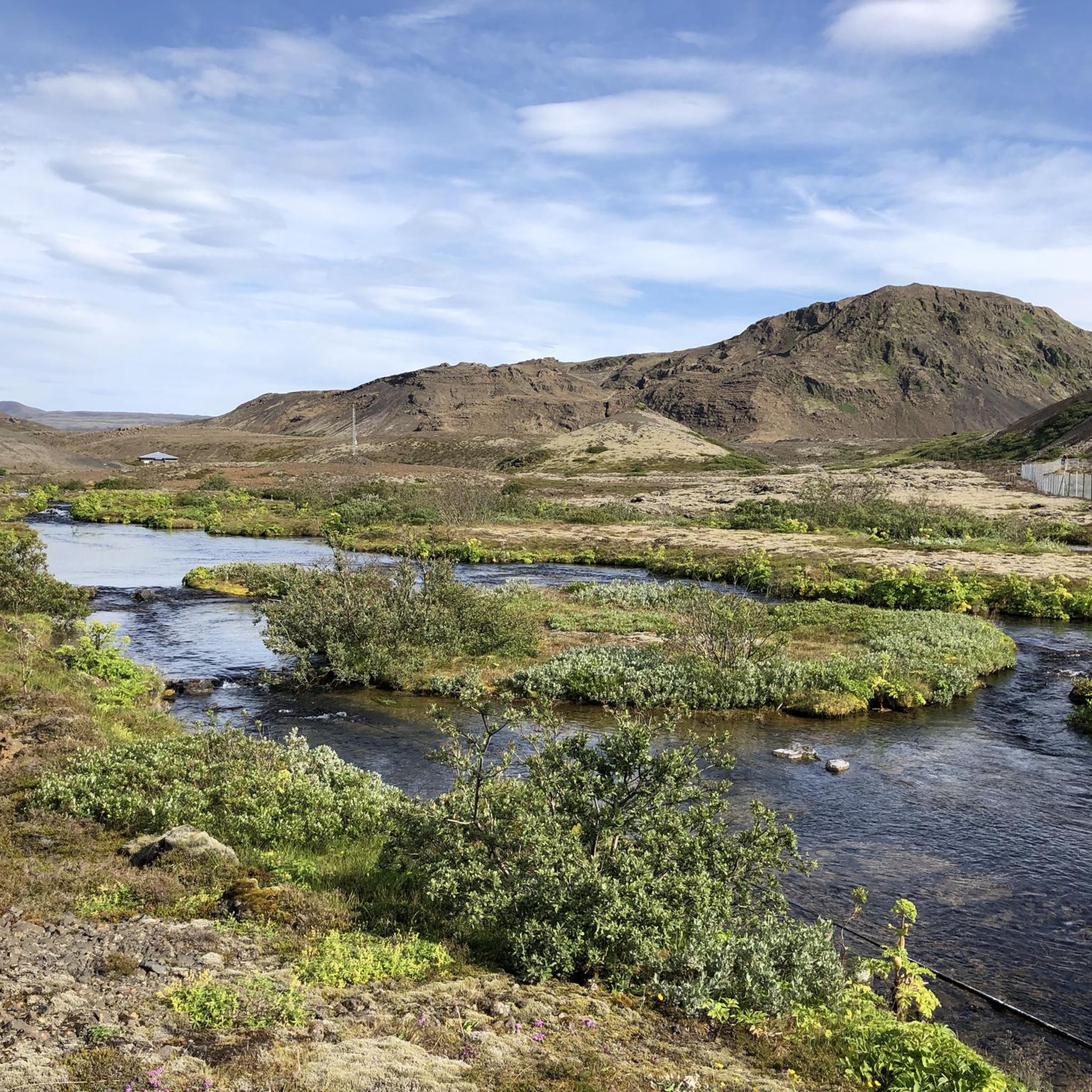
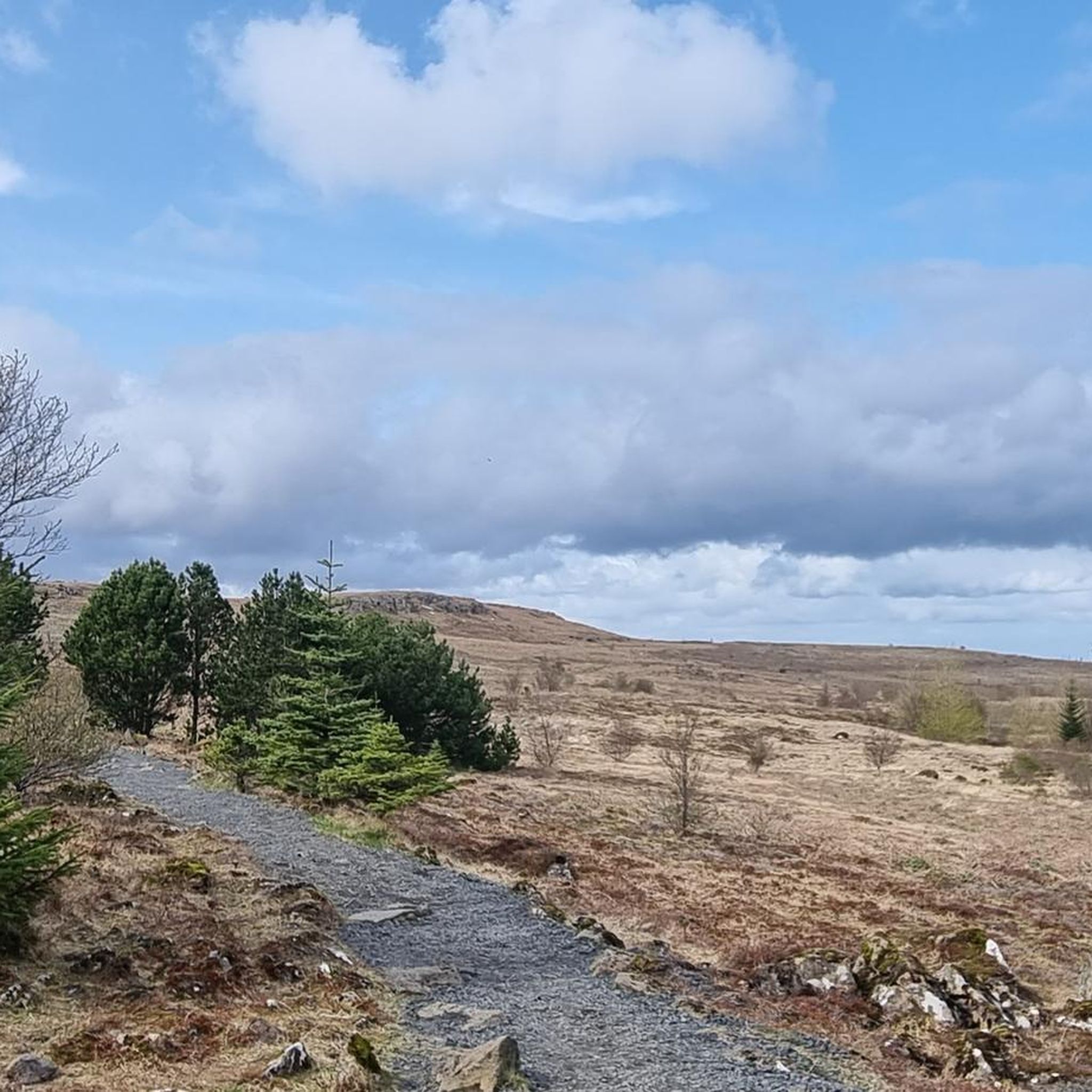
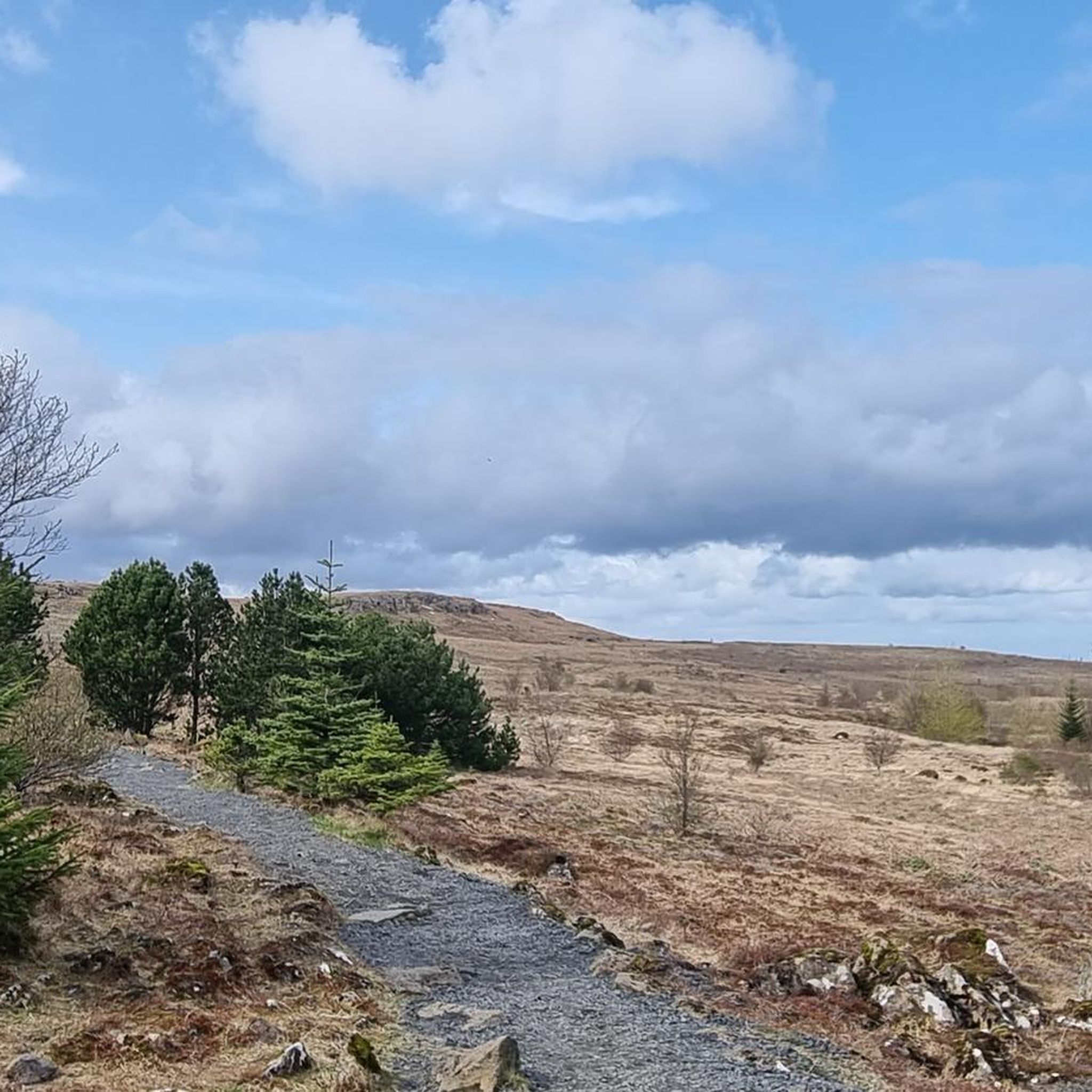
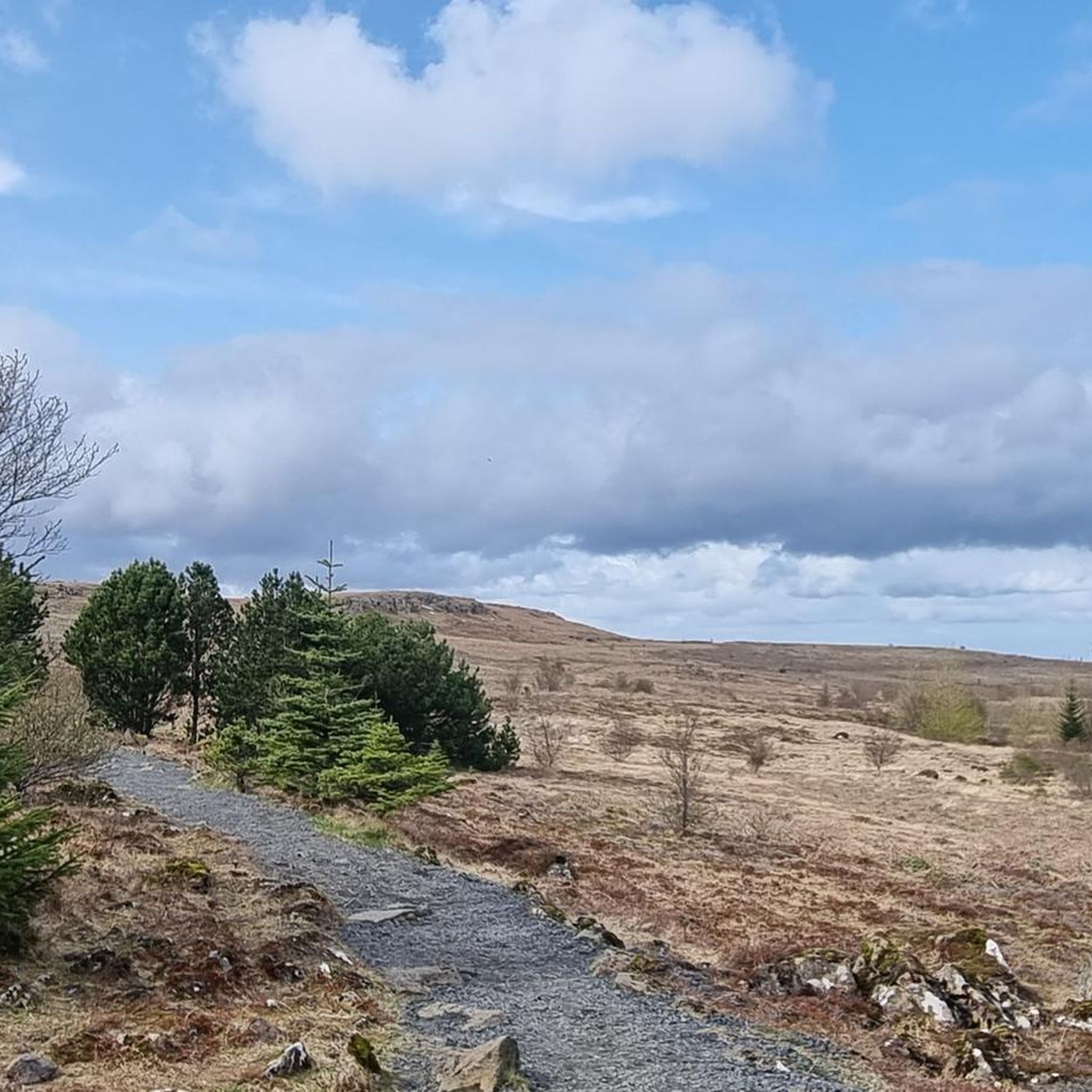
Touring cycling in Hafnarfjörður is characterized by its unique volcanic landscapes, featuring extensive lava fields and a rugged coastline. The region also includes tranquil lakes such as Hvaleyrarvatn and Ástjörn, providing scenic routes. While some routes traverse hills like Ásfjall, others offer views of mountains such as Helgafell, all integrated with a well-developed cycling infrastructure.
Best touring cycling routes in Hafnarfjörður
- The most popular touring cycling route is Gáigahraun Lava Field – Kópavogur Harbor loop from Hafnarfjordur, a 22.2 miles (35.8 km) trail that takes 2 hours 11 minutes to complete. This moderate route navigates through lava fields and along the harbor.
- Another top favourite among local touring cyclists is Hafnarborg Art Museum – View of Bessastaðir loop from Vellir, an easy 14.0 miles (22.5 km) path. This route connects cultural sites with coastal views.
- Local touring cyclists also love the Gáigahraun Lava Field – Hafnarborg Art Museum loop from Hafnarfjordur, a 10.5 miles (16.9 km) trail leading through lava fields and past cultural landmarks, often completed in about 1 hour 2 minutes.
- Touring cycling in Hafnarfjörður is defined by unique lava fields, tranquil lakes, and scenic coastal paths. The network offers options for various ability levels, from easy rides to more challenging routes.
- The routes in Hafnarfjörður are highly rated by the komoot community with an average score of 4.4 stars from over 90 reviews. More than 3000 touring cyclists have used komoot to explore Hafnarfjörður's varied terrain.
Last updated: October 2, 2026
86
riders
35.9km
02:11
280m
280m
Moderate bike ride. Good fitness required. Mostly paved surfaces. Suitable for all skill levels.
5.0
(1)
21
riders
22.5km
01:19
100m
100m
Easy bike ride. Great for any fitness level. Mostly paved surfaces. Suitable for all skill levels.

4.0
(1)
21
riders
16.9km
01:02
100m
100m
Easy bike ride. Great for any fitness level. Mostly paved surfaces. Suitable for all skill levels.
5.0
(1)
16
riders
24.0km
01:24
120m
120m
Easy bike ride. Great for any fitness level. Mostly paved surfaces. Suitable for all skill levels.
3.0
(1)
38
riders
20.1km
01:17
200m
200m
Moderate bike ride. Good fitness required. Mostly paved surfaces. Suitable for all skill levels.
14
riders
Moderate bike ride. Good fitness required. Mostly paved surfaces. Suitable for all skill levels.
15
riders
26.1km
01:54
250m
250m
Hard bike ride. Good fitness required. You may need to push your bike for some segments of this route.
11
riders
18.5km
01:34
270m
270m
Moderate bike ride. Good fitness required. Mostly paved surfaces. Suitable for all skill levels.
11
riders
17.4km
01:21
180m
180m
Hard bike ride. Good fitness required. You may need to push your bike for some segments of this route.
4.0
(1)
13
riders
22.0km
01:29
130m
130m
Easy bike ride. Great for any fitness level. Mostly paved surfaces. Suitable for all skill levels.
Get access to more routes and recommendations from other explorers.
Already have an account?
Our route recommendations are based on thousands of hikes, rides, and runs completed by other people on komoot.
Start today with a free account
Your next adventure awaits.
Tips from the Community

Excellent cycling path, allows gaining a lot of speed on the downhills.
0
0

The shipwreck is clearly visible from the lookout point. It's not recommended to climb down to avoid damaging the coastline.
3
0

Here you can see how they generated energy years ago.
0
0

Further information on cycle paths, campsites and public transport in Iceland can be found on the website https://cyclingiceland.is/en/ (as of 2023).
0
0

Open 12pm - 5pm, Tuesday closed. Information about the current exhibitions is available at https://hafnarborg.is/
1
0
Hafnarfjörður Museum is spread across eight locations in the city, including Pakkhús and Sívertsensensenshaus. Open 11 a.m. to 5 p.m., free admission.
1
0

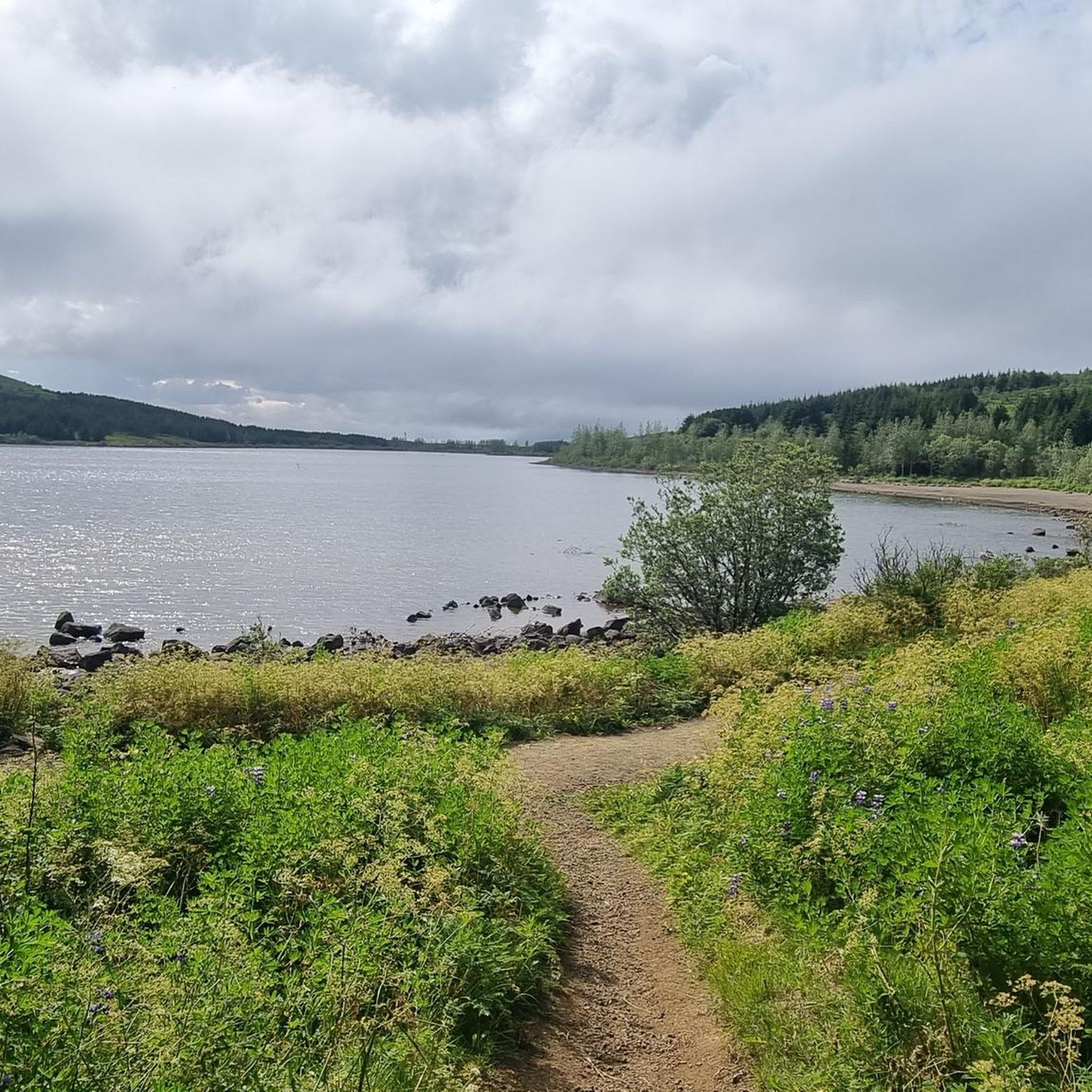
Nestled in the picturesque town of Hafnarfjörður, Iceland, lies the tranquil Hvaleyrarvatn, a serene lake that enchants visitors with its pristine beauty. Surrounded by rolling hills and lush greenery, this hidden gem offers a peaceful retreat from the hustle and bustle of everyday life. The crystal-clear waters of Hvaleyrarvatn mirror the ever-changing skies above, creating a breathtaking reflection that amplifies the natural splendor. Visitors can explore the lake's shores, meandering along peaceful trails that lead to secluded spots for picnics or quiet contemplation. Hvaleyrarvatn's idyllic setting makes it a perfect haven for nature lovers and a sanctuary for those seeking solace amidst Iceland's awe-inspiring landscapes.
0
0
Nestled near the magnificent Miðhöfði and Stórhöfðahraun in Hafnarfjörður, lies a picturesque picnic location that captivates visitors with its natural beauty. This idyllic spot offers a perfect setting for a delightful outdoor meal. With lush green meadows, rolling hills, and panoramic views of the surrounding volcanic landscapes, it provides a tranquil escape from the bustling city. The gentle breeze carries the scent of wildflowers, adding to the sensory experience. Families and friends can gather on the soft grass, spread out their blankets, and enjoy a leisurely picnic while immersing themselves in the stunning scenery. It's a serene oasis where nature's wonders and delectable treats combine to create lasting memories.
0
0
Frequently Asked Questions
How many touring cycling routes are available in Hafnarfjörður?
Hafnarfjörður offers nearly 30 touring cycling routes, catering to various skill levels. You'll find a good mix of easy, moderate, and some more challenging options to explore the region's unique landscapes.
What kind of landscapes can I expect to see while touring cycling in Hafnarfjörður?
The routes in Hafnarfjörður showcase diverse landscapes shaped by volcanic activity. You'll cycle through extensive lava fields, along the rugged coastline, and past tranquil lakes like Hvaleyrarvatn Lake. Some paths also offer views of mountains such as Helgafell.
Are there any easy touring cycling routes suitable for families or beginners?
Yes, Hafnarfjörður has 18 easy touring cycling routes perfect for families and beginners. An excellent option is the Hafnarborg Art Museum – View of Bessastaðir loop from Vellir, which is 22.5 km long and offers gentle terrain. Another easy route is the Gáigahraun Lava Field – Hafnarborg Art Museum loop from Hafnarfjordur, covering 16.9 km.
What are some notable points of interest along the touring cycling routes?
Many routes pass by significant landmarks and natural features. You can explore the unique Hellisgerði Park, cycle past the serene Hvaleyrarvatn Lake, or discover the Hafnarfjörður Museum. The region's volcanic origins mean you'll also encounter impressive lava fields, such as those on the Atvinnubótavegur Trail – Búrfellsgjá Lava Fissure loop from Hafnarfjordur.
Are there any circular touring cycling routes in Hafnarfjörður?
Yes, many of the touring cycling routes in Hafnarfjörður are designed as loops, allowing you to start and end in the same location. Examples include the popular Gáigahraun Lava Field – Kópavogur Harbor loop from Hafnarfjordur and the scenic Hvaleyrarvatn Lake loop from Holt.
What do other touring cyclists enjoy most about cycling in Hafnarfjörður?
The area is highly rated by the komoot community, with an average score of 4.6 stars. Reviewers often praise the unique volcanic landscapes, the tranquility of the lake areas, and the well-integrated cycling infrastructure that combines natural beauty with accessible paths.
Can I find routes that offer views of the sea or harbor?
Absolutely. Hafnarfjörður's coastline is a significant feature, and several routes run alongside the sea, offering views of harbor activities and birdlife. The Gáigahraun Lava Field – Kópavogur Harbor loop from Hafnarfjordur is a great example, navigating through lava fields and along the harbor.
Are there any challenging touring cycling routes for experienced riders?
While many routes are easy to moderate, there are options for more experienced cyclists. The Picnic location at Miðhöfði – Hvaleyrarvatn Lake loop from Hafnarfjordur is classified as difficult, covering 25.8 km with significant elevation changes, providing a good challenge.
What is the best time of year to go touring cycling in Hafnarfjörður?
The best time to go touring cycling in Hafnarfjörður is typically during the warmer months, from late spring to early autumn (May to September). During this period, the weather is milder, and daylight hours are long, providing ample time to explore the routes comfortably. Always check local weather forecasts before heading out.
Are there any routes that connect to wider cycling networks?
Yes, Hafnarfjörður's cycling routes are well-integrated and connect to wider cycling networks within the Capital Region. This offers opportunities for longer touring adventures beyond the immediate town limits, allowing you to explore more of Iceland's unique environment.
Are there any routes that pass through or near urban areas?
Yes, some routes offer a mix of urban and natural scenery. For instance, the Hafnarfjörður Bicycle Trail, a medium-difficulty route, passes by local amenities like the Keilir golf course and Suðurbæjarlaug swimming pool, blending town exploration with natural beauty.
Most popular routes in Hafnarfjörður
Most popular attractions in Hafnarfjörður

Get inspired with the komoot mobile app


Didn’t find what you were looking for?
Check out more Cycling routes throughout Hafnarfjörður below and find the perfect route in your destination.
Explore more
Browse the best Cycling routes in other regions.
