Top 16 Castles around Michelsneukirchen
Castles around Michelsneukirchen are situated in the Bavarian region, known for its historical sites and diverse natural landscapes. The area offers more than 15 castles, providing insights into medieval history and regional architecture. These historical structures are often found amidst forests and hills, offering both cultural exploration and scenic views.
Best castles around Michelsneukirchen
- The most popular castles is Lobenstein Castle Ruins, a castle that is freely accessible and offers a vantage point. A lookout tower remains at 564 meters, providing views of the surrounding area.
- Another must-see spot is Brennberg Castle, a castle ruin. Visitors can climb the steps to the watch tower for views of Brennberg and the surrounding landscape.
- Visitors also love Falkenfels Castle, a historical site with a castle chapel. The outer areas of Falkenfels Castle are freely accessible, and it also functions as a castle hotel and restaurant.
- Michelsneukirchen is known for castle ruins, historical sites, and preserved castles. The region offers a variety of historical structures to explore, from accessible ruins to renovated castles.
- The castles around Michelsneukirchen are appreciated by the komoot community, with more than 390 upvotes and over 710 photos shared by visitors.
Last updated: October 11, 2026
Brennberg Castle
Highlight • Castle
You should climb the steps to the watch tower, from there you have a magnificent view of Brennberg and the surrounding area
Translated by Google •
Tip by

Wetterfeld Castle Ruins
Highlight • Castle
Translated by Google •
Tip by

Sign up now to discover places like this
Get recommendations on the best single tracks, peaks, & plenty of other exciting outdoor places.
Lobenstein Castle Ruins
Highlight • Castle
Translated by Google •
Tip by

Sengersberg Castle Ruins
Highlight • Castle
Translated by Google •
Tip by

Falkenstein – Castle Park, Ruins, and Knight’s Feast
Highlight • Castle
Translated by Google •
Tip by
Sign up for free to discover even more castles around Michelsneukirchen.
Already have an account?
Start today with a free account
Your next adventure awaits.
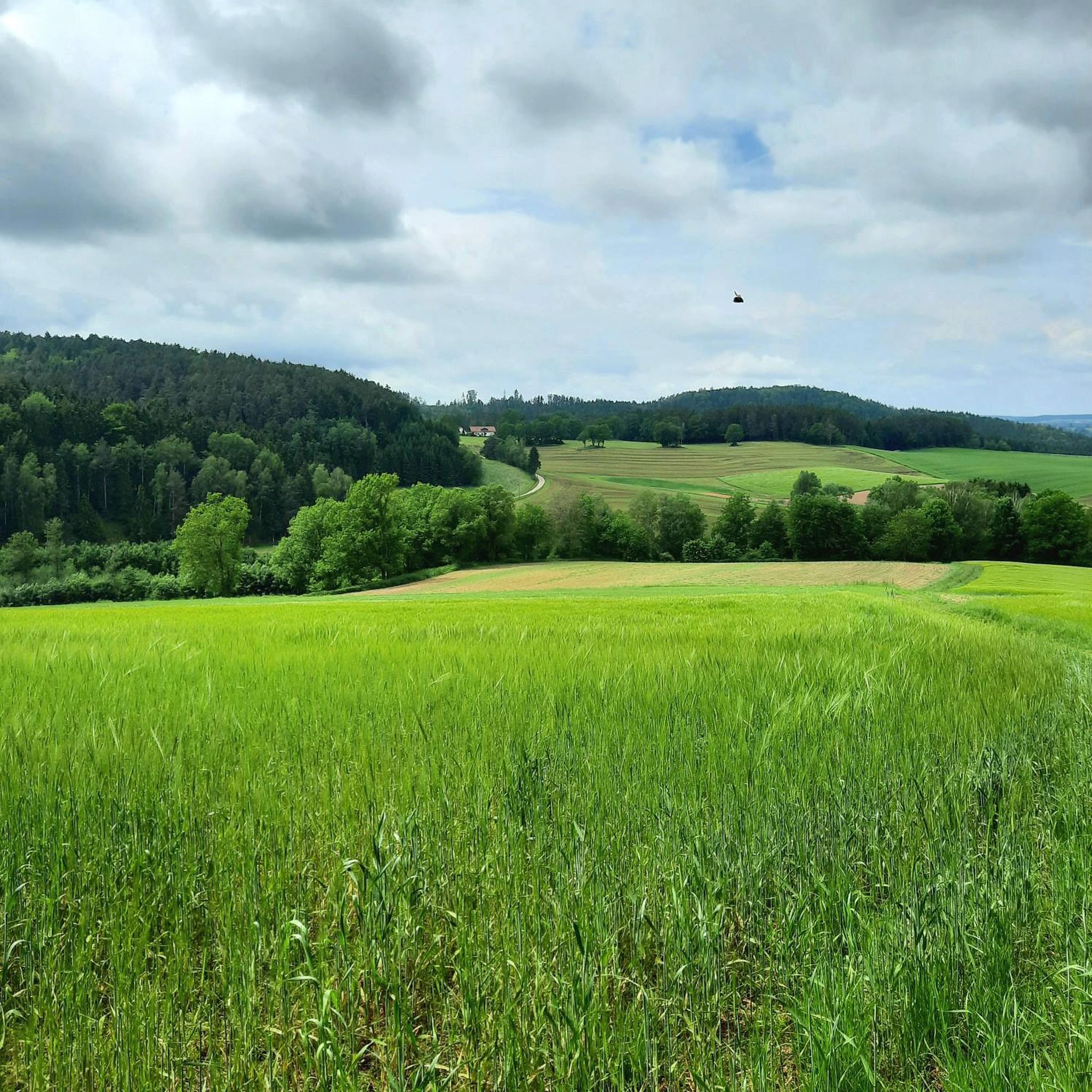
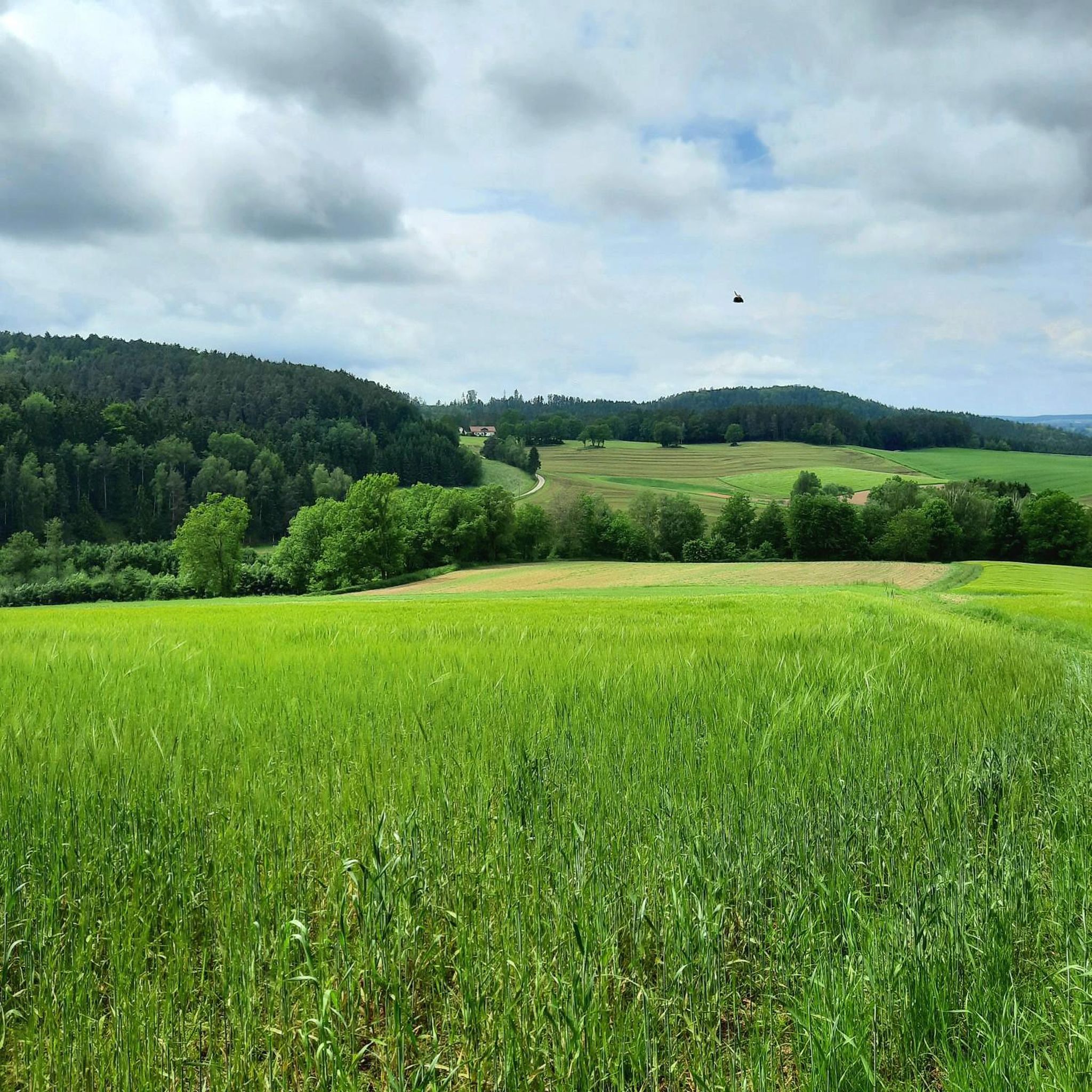
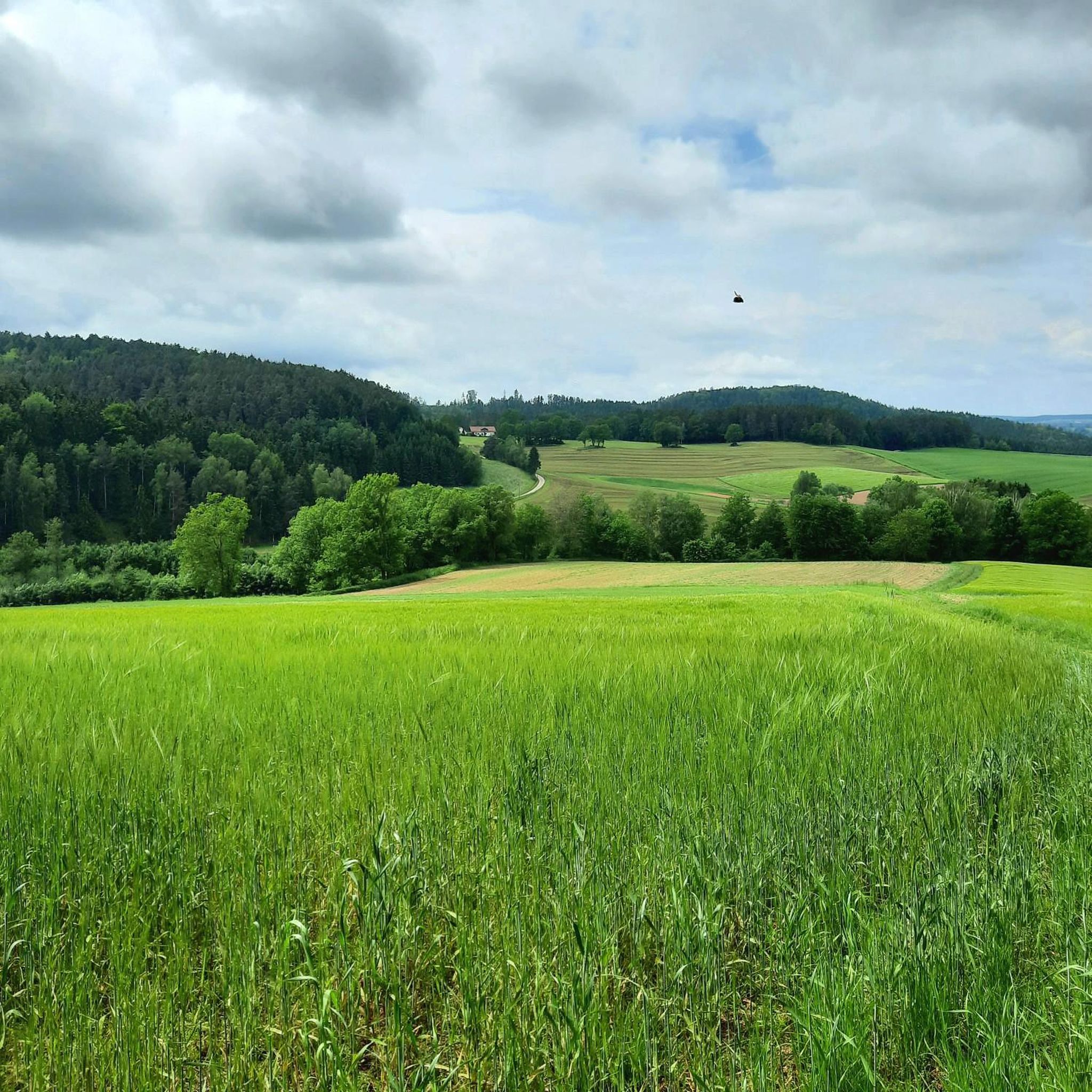
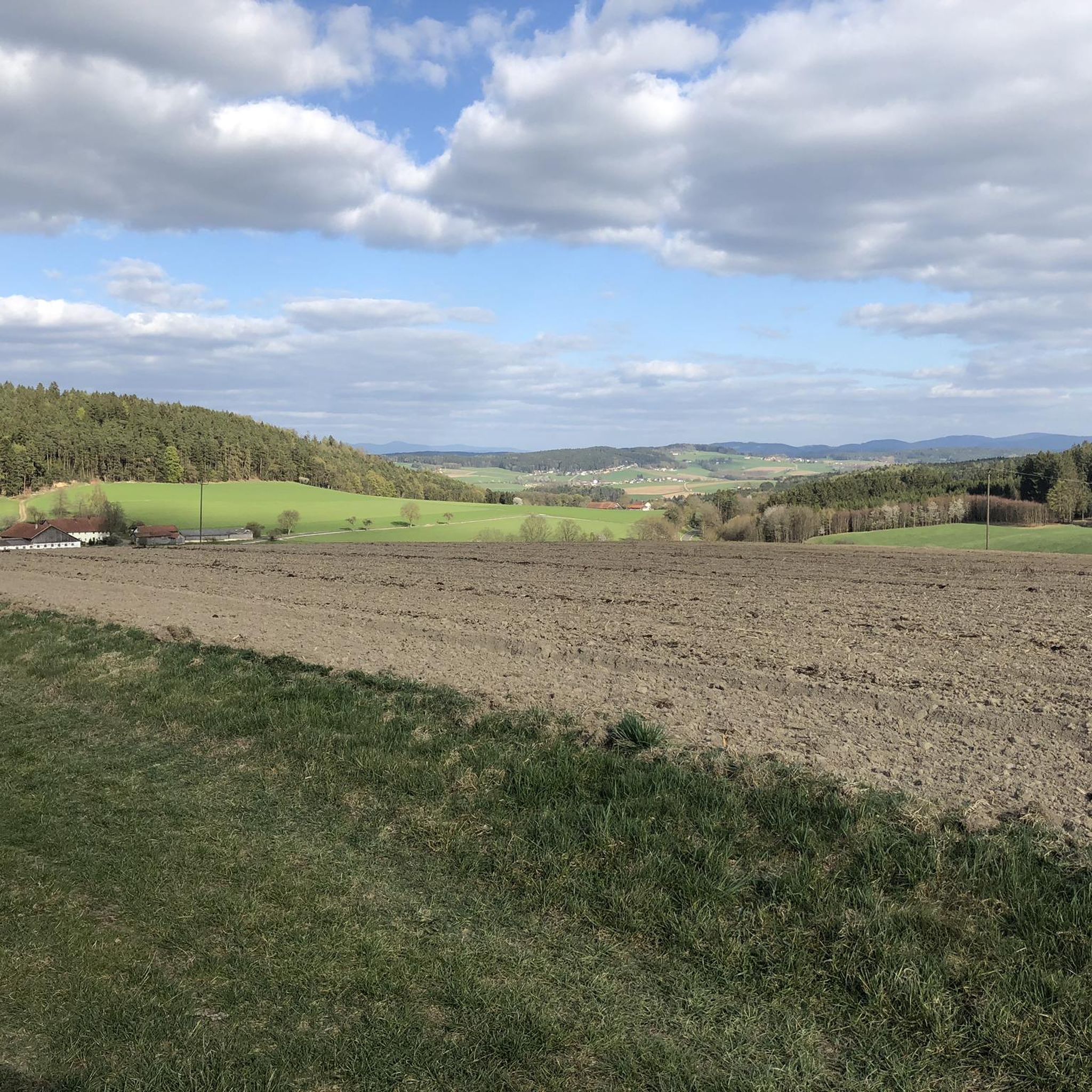

Tips from the Community

Wetterfeld Castle Ruins As early as 1118, Gottfried von Wetterfeld appears as an influential ministerialis (unfree knight) of the Diepoldings, the powerful Margraves of Cham and Vohburg. He seems to have maintained good relations with many monasteries, especially Reichenbach Abbey—no wonder, since Abbot Reginboto was his brother. Numerous donations to various monasteries by Gottfried are documented, a widespread practice among knights to secure their salvation. In a donation from 1155, Heinrich is even mentioned as an imperial ministerialis, which demonstrates the family's rapid political rise. In 1179, Karl and Heinrich "de Weterinfeld" appear, after which the family disappears from the historical record. It is not until 1268 that we hear of a Deinhardus, who is now subject to the Bavarian dukes; perhaps they lost their independence with the inheritance of the Hohenstaufen dynasty. From 1283 onward, the Wittelsbachs sent judges to Wetterfeld. Ducal ministeriales from the surrounding area succeeded in office: Hauzendorfer, Katzdorfer, Zenger, and others. In 1322, it was pledged to the Chamerau family. In 1329, Wetterfeld came under the control of the Palatine line of the Wittelsbachs, who also appointed judges. In 1410, it passed to the sub-principality of Neumarkt-Neunburg, with the Degenberger, Nothaft, and Zenger families, among others, serving as administrators. During the Hussite raids of 1428 and 1433, the castle was destroyed and subsequently rebuilt. A unique feature of Wetterfeld is the four "castle guards"—four legally independent building complexes within the castle, which were granted separately—making the ownership situation quite complex. In 1621, during the Thirty Years' War, the Upper Palatinate, including Wetterfeld, came under the rule of Duke Maximilian of Bavaria. Later in the war, Wetterfeld was destroyed twice by the Swedes and subsequently rebuilt. But the castle and its buildings continued to deteriorate, and the administrators increasingly relocated their offices outside the castle. In 1812, the administrative office was moved to Roding, the castle grounds were subdivided, and private houses were built over. Wetterfeld is a moated castle—a branch of the Regen River bordered the complex to the northeast. The still clearly visible, deep, walled moat could be filled with sluice gates in case of attack. Essentially, only the large gate tower, built of rubble stone with corner quoins, remains. Its upper, habitable floors make it a variation of the late medieval residential tower. Source: www.burgenseite.de
1
0

Great place, in some places you can still see castle walls.
0
0


Super beautiful, but also very strenuous uphill
0
0

Beautiful place with a summit cross, the climb is not entirely without danger, there is a fall protection secured with a chain. The ruins are very overgrown and can hardly be really seen anymore.
0
1

There is also a beautiful path underneath the castle
0
0
Lobenstein Castle Ruins Around 1150, Othmar and Rizman von Lobeneck appear in local documents as ministerials of the Margrave of Cham. It is uncertain whether the nobility was referring to the later Lobenstein Castle. We are on safe ground in 1340, when Eberhard von Hof buys an existing "purkstal near Zelle" from Eiban von Peilstein and receives permission from Emperor Ludwig the Bavarian to build there in return for the right to open it. From 1342, Eberhard calls himself Hofer von Lobenstein. He manages a Hofmark in Zell for Bavaria and appoints judges there. After the castle is destroyed by the Hussites at the beginning of the 15th century, the Hofers run into financial difficulties and become robber barons. In 1443, Duke Albrecht III of Bavaria occupied the castle because Degenhard Hofer had killed some of his subjects. Hans Hofer's part of the castle was taken away from him by Count Palatine Otto II in 1468 for similar crimes. From 1489, Dietrich Hofer was a member of the Löwler Knights' League, which opposed the Bavarian Duke. He conquered the castle and only returned it to Dietrich's son Wolf in 1507. In 1530, Lobenstein became part of the Palatinate, but after the damage it was probably never properly inhabited again. The Hofers remained the owners because nobody wanted to buy the ruins. The last Hofer to live in Lobenstein was Hans Georg, who had to leave his domain in 1629 because of his Protestant faith. The Bavarian-occupied Lobenstein Castle was probably finally destroyed by the Swedes in 1633. It has remained a ruin ever since. All that is left of Lobenstein Castle today is the residential tower, which seems to literally grow out of the stone of the granite rock tower. The slightly raised entrance was protected by a round wall tower on the southeast corner. Instead of simple beamed ceilings, barrel vaults were built on Lobenstein with plaster that is still clearly visible today. The residential tower has 3 floors and is 18 m high with a wall thickness of 2.5 m. The walls are built from rough rubble stone and the corners are made of ashlars. In the lower regions between these rocks, remains of walls can still be found that stand out clearly from the rest and could have come from the previous castle. In the basement there are a few narrow light slits, while the larger windows on the upper floors have comfortable seating niches. On the northwest corner of the second floor, the consoles of a toilet bay can still be seen. Source: Excerpts from www.burgenseite.de
6
0

Informative path through the moat with information boards on loopholes, etc., which leads to the cycle path to Pösing. An idyllic rest area! Information with old photos of Wetterfeld can also be found at the covered bike rest area at the roundabout.
1
0
Frequently Asked Questions
Are there family-friendly castles to visit around Michelsneukirchen?
Yes, several castles in the region are considered family-friendly. Brennberg Castle and Lobenstein Castle Ruins are both great options, offering historical exploration and scenic views that can be enjoyed by all ages. Wetterfeld Castle Ruins is also a small but interesting site for families.
Which castles offer the best viewpoints?
For panoramic views, Lobenstein Castle Ruins features a lookout tower at 564 meters, providing extensive vistas of the surrounding area. Similarly, climbing the steps to the watch tower at Brennberg Castle offers magnificent views of Brennberg and the landscape. The summit cross at Sengersberg Castle Ruins also provides a view, though it requires good surefootedness.
Can I find historical sites near Michelsneukirchen that are not just castles?
While the region is rich in castles, the broader Bavarian area, including the surroundings of Michelsneukirchen, is known for various historical sites. Many castles themselves, like Falkenfels Castle with its castle chapel, offer deep historical insights. The region also features historical houses, farmhouses, and other architectural landmarks that reflect its rich past.
Are there hiking trails near the castles around Michelsneukirchen?
Yes, many castles are integrated into or are accessible via hiking trails. For example, the Sengersberg Castle Ruins are part of a challenging hike to a summit cross. You can find various running and MTB trails that pass by or near castles. Explore Running Trails around Michelsneukirchen or MTB Trails around Michelsneukirchen for routes that often include castle views or access.
What outdoor activities can I do near these castles?
Beyond exploring the castles themselves, the area around Michelsneukirchen offers diverse outdoor activities. You can enjoy road cycling, running, and mountain biking on trails that often lead past historical sites. Check out Road Cycling Routes around Michelsneukirchen, Running Trails around Michelsneukirchen, and MTB Trails around Michelsneukirchen for specific routes.
Which castles are freely accessible?
Lobenstein Castle Ruins and Brennberg Castle are both freely accessible. The outer areas of Falkenfels Castle are also freely accessible, though parts of it function as a hotel and restaurant.
Are there any castles that also offer food or accommodation?
Yes, Falkenfels Castle functions as a castle hotel and restaurant, offering visitors the chance to enjoy coffee and cake or a meal within a historical setting.
What is the best time of year to visit castles in this region?
The region's castles can be visited year-round, but spring, summer, and early autumn offer the most pleasant weather for exploring ruins and enjoying outdoor activities like hiking around them. These seasons also provide lush green landscapes or vibrant autumn colors, enhancing the scenic views from castle vantage points.
What kind of historical insights can I gain from visiting these castles?
Visiting castles like Brennberg Castle, which dates back to the 11th century, or Falkenfels Castle, with its rich history of sieges and reconstructions, offers a glimpse into medieval life, regional noble families, and the architectural evolution of defensive structures in Bavaria. Many sites, even ruins, tell stories of past conflicts and daily life.
Are there any castles that are particularly challenging to reach?
The Sengersberg Castle Ruins involve a challenging ascent to the summit cross. While stable chains are provided for assistance, good surefootedness and grip are necessary for this particular climb.
What do visitors enjoy most about the castles around Michelsneukirchen?
Visitors frequently appreciate the historical atmosphere and the scenic views offered by these castles. Many enjoy the opportunity to explore freely accessible ruins like Lobenstein Castle Ruins and ponder the past. The combination of historical exploration with natural beauty and hiking opportunities is a major draw.
Most popular routes around Michelsneukirchen
Most popular attractions around Michelsneukirchen

Get inspired with the komoot mobile app


Explore more
Looking for the best castles somewhere else? Discover other guides around Michelsneukirchen:
