The 20 Most Amazing Peaks around Gleißenberg
Best mountain peaks around Gleißenberg are situated within a valley surrounded by the Bavarian Forest mountain range. This region offers numerous peaks that provide views and hiking experiences. Gleißenberg is known for its mild, sheltered climate. The area features an extensive network of well-marked hiking trails.
Best mountain peaks around Gleißenberg
- The most popular mountain peaks is Kreuzfelsen Summit (Gibacht), a summit that features a short, rope-secured climbing passage. This peak is located meters from the "Drei-Wappen-Stein" (Three Coat…
Last updated: May 11, 2026
Čerchov Observation Tower and Former Military Site
Highlight • Viewpoint
Translated by Google •
Tip by

Kreuzfelsen Summit (Gibacht)
Highlight • Summit
Translated by Google •
Tip by

Sign up now to discover places like this
Get recommendations on the best single tracks, peaks, & plenty of other exciting outdoor places.
Sign up for free
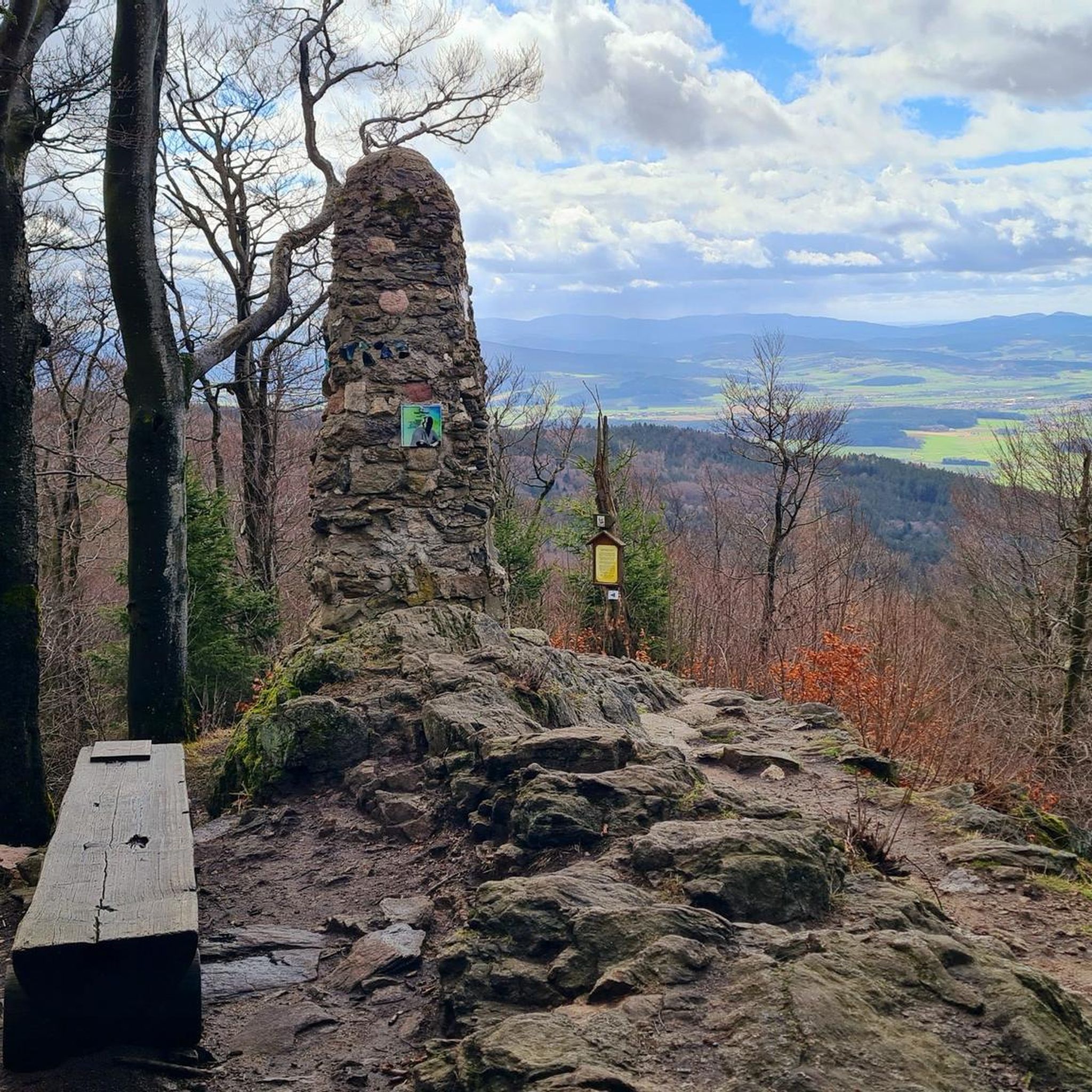
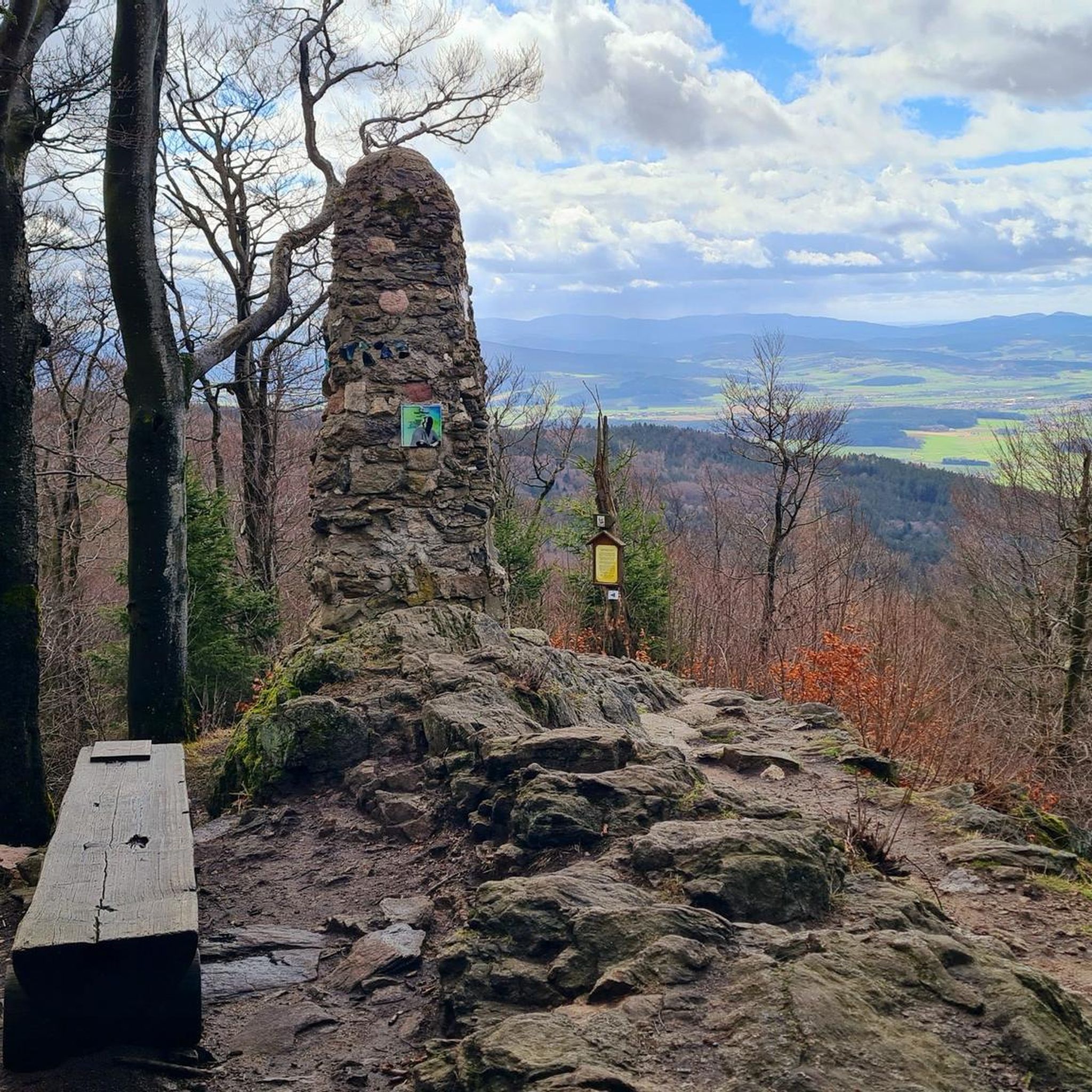
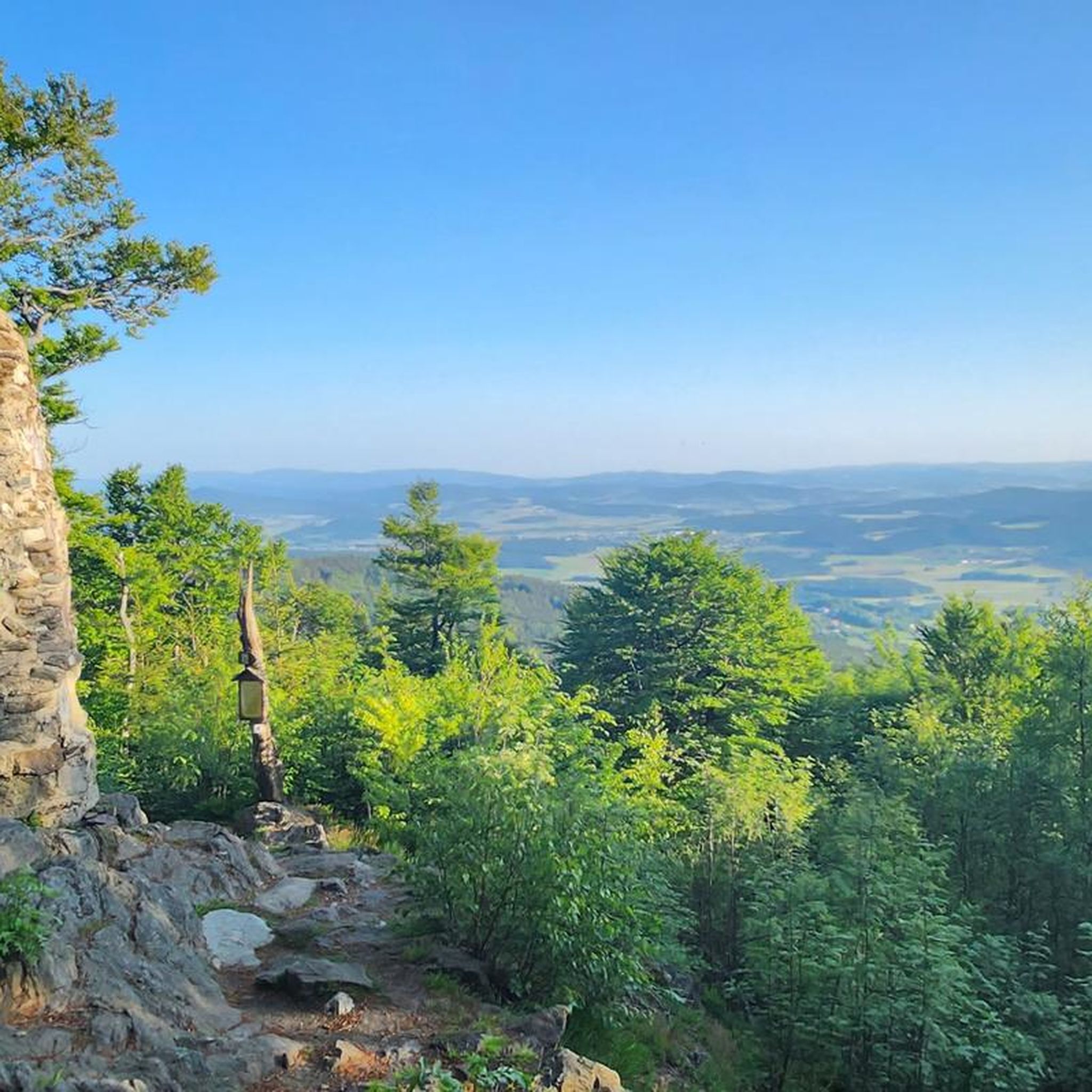
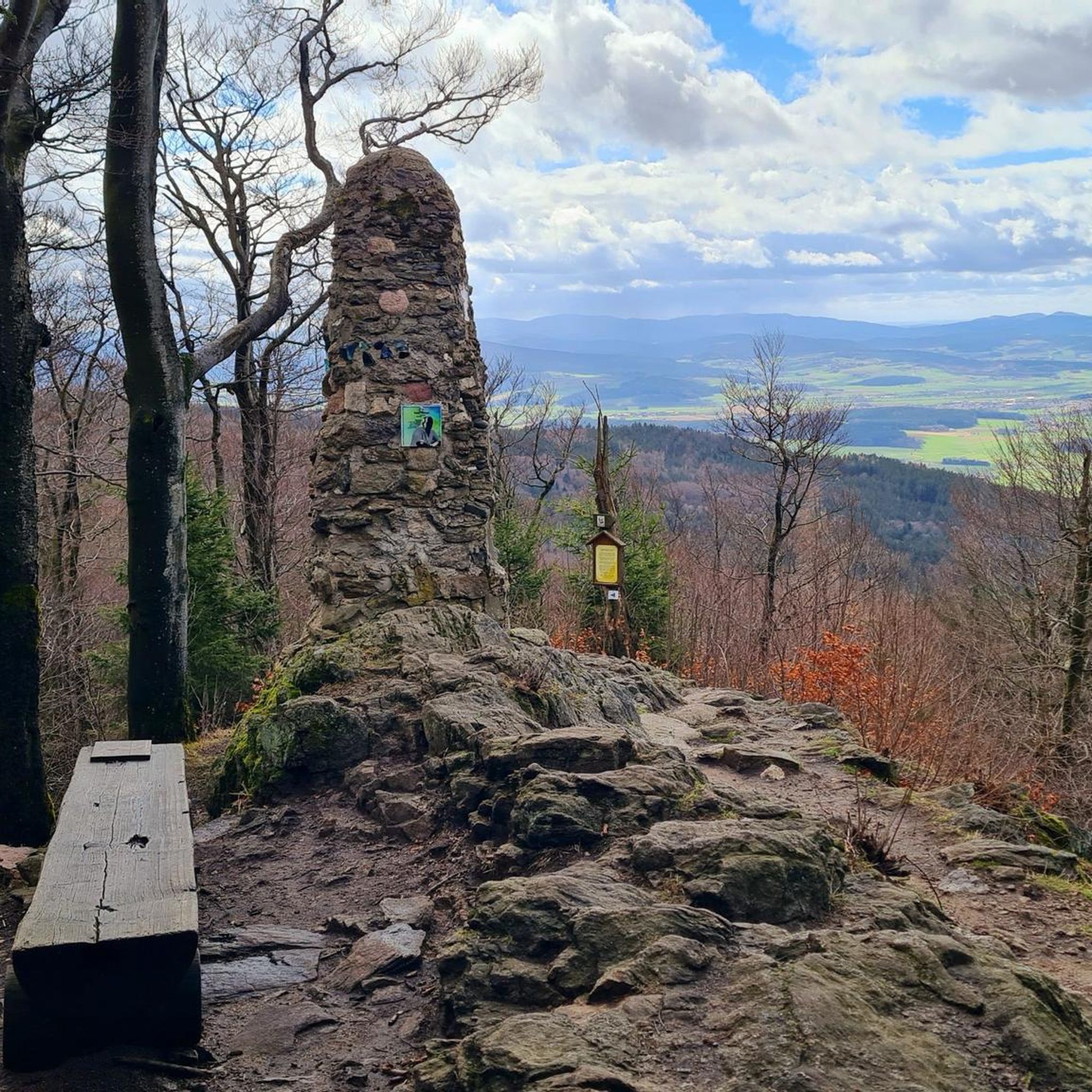
Lighthouse of Humanity at Tannenriegel
Highlight • Monument
The lighthouse of humanity has been on this summit since 2007. A symbol of peace: around 10 tons of stones were …
Translated by Google •
Tip by
Glass summit cross on the Reiseck
Highlight • Summit
Translated by Google •
Tip by

Pfennigfelsen (Penny Rock)
Highlight • Natural Monument
Translated by Google •
Tip by

Sign up for free to discover even more peaks around Gleißenberg.
Sign up for free
Already have an account?
Start today with a free account
Your next adventure awaits.
Login or Signup
Tips from the Community

Čerchov, whose German name is "Schwarzkopf", is the highest mountain in the Bohemian Forest. There are two towers and a row of barracks on the summit. One tower is an observation tower built in 1904. The other tower, peppered with listening devices, was used as a reconnaissance post by the Soviets and the Stasi until the fall of the Berlin Wall and later by the Czech army until after 1990. For this reason, it was not permitted to climb to the top of the mountain for a long time. The reconnaissance station is part of a chain of similar listening posts along the German border and continues northwards over Velký Zvon (859 metres), Havran (894 metres) and Dyleň (939 metres).
18
1

The Čerchov (German Schwarzkopf) is 1042 m n.m. the highest mountain in the Upper Palatinate Forest (Český les) and the northern peak of the Bohemian Forest. It is about 2 km from the German-Czech border in the Czech Republic, roughly in the middle of a triangle formed by the towns of Waldmünchen, Furth im Wald and Domažlice.
14
1

After being used by the Wehrmacht in World War II, the summit was used intensively as a reconnaissance station until the 1990s and was no longer open to the public. In addition to the Kurz-Turm (named after its builder), which was built in 1904 as an observation tower, a second, larger tower was built by the Czechoslovak army in 1987, which is now used for air traffic control purposes and is not accessible. The corresponding NATO communications station was on the Hoher Bogen about 20 km to the south-east; other reconnaissance posts were u. a. on the Velký Zvon (Plattenberg, with a tower built in 1978 in a very similar way, with visual contact to the Čerchov plant) and the Dyleň. In addition to the Soviet Army, Main Department III of the East German Ministry for State Security also used the position on the Čerchov as a listening post (code name "RUBIN"). In the course of the opening of the border and reunification, the listening posts were given up and the Kurz-Turm has been accessible again since July 2000. The mountain offers a panoramic view of the Bavarian Forest and the Czech plain, in good weather conditions the view extends to the Alps. There is also an amateur radio relay on the mountain. The Domažlice Tourist Club renovated the lookout tower and built an extension to the so-called short tower, which houses a small bistro. Climbing the tower costs €1.
21
1
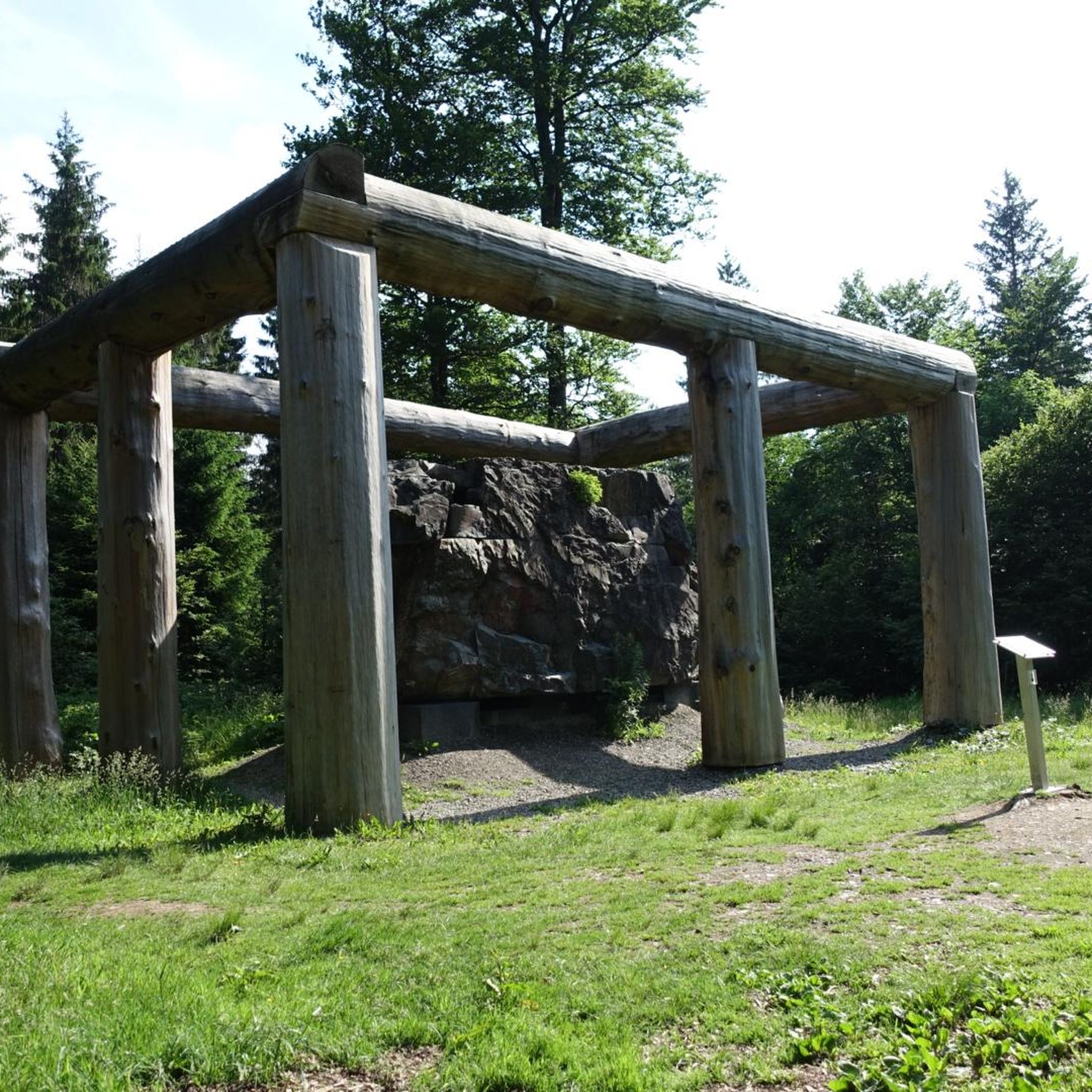
Thanks to the great commitment of many voluntary helpers and sponsors, this building, based on an idea by Ralph Wenzel, could be realized on the Tannenriegel (Gibacht, Waldmünchen). About 10 tons of stones, some of which come from the most diverse regions and countries of the world, were laid in painstaking hard work. In the western direction, 4 hand-cast glass elements were used, which glow at night using solar technology. So, next to a disc of the world - an Islamic crescent, a Christian cross and a Star of David - send light signals into the world to call people to more peace and understanding among themselves.
13
0
Anyone who has a penny (not a cent) should leave it here, it's a good investment :-)
8
0
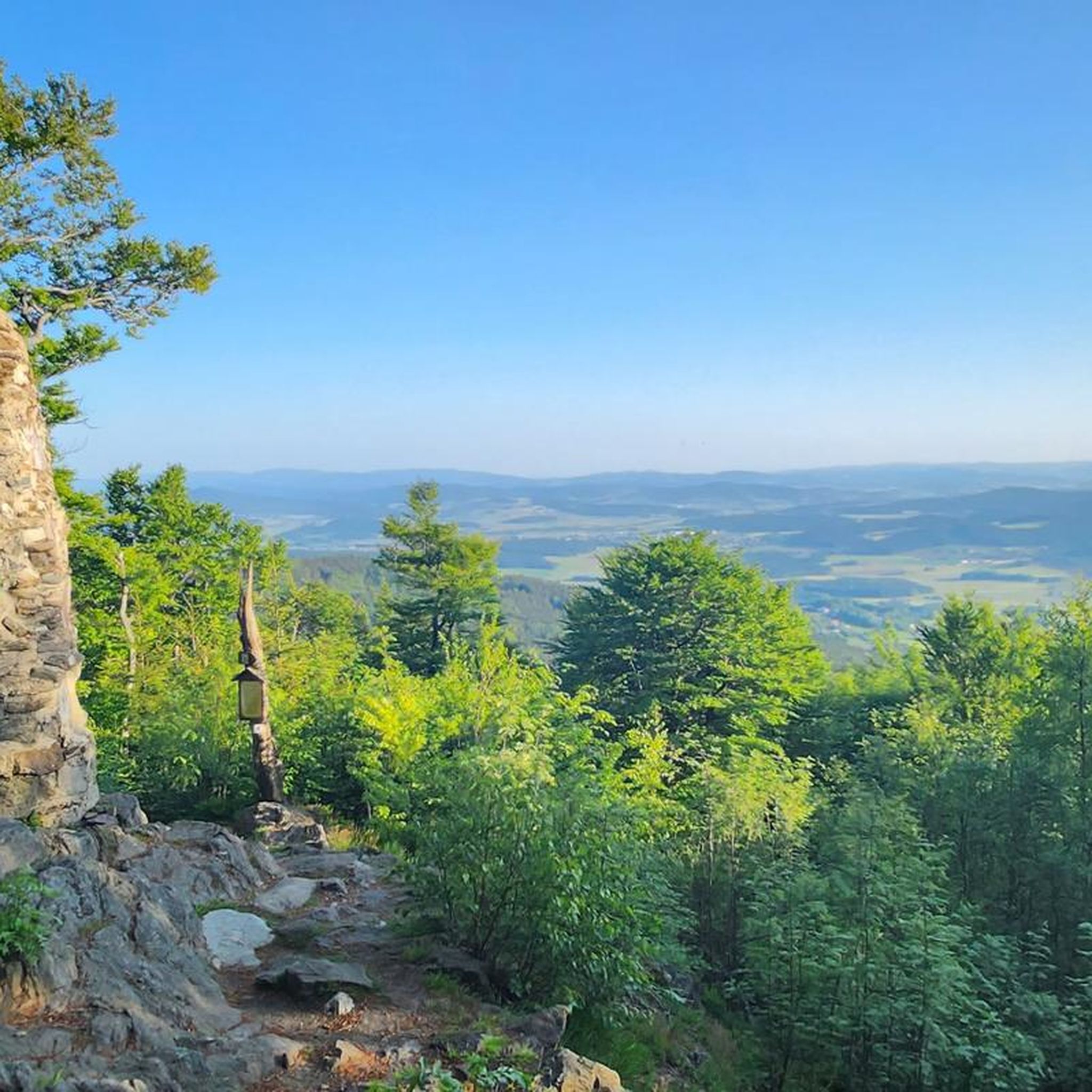
The Kreuzfelsen is 938 m above sea level. NHN the highest point in the German part of the Upper Palatinate Forest. On its summit there is a striking rock formation and on top of it a large summit cross on which a figure of Christ is attached.
12
0
Nice trail to the Kreuzfelsen 😉
16
0
Kreuzfelsen (936 m) :. The highest point on the German side with a summit cross and a wonderful view to the east over the Bohemian countryside. Fir tree (910 m) ...
17
0
Frequently Asked Questions
What are some of the most notable mountain peaks and viewpoints around Gleißenberg?
Gleißenberg offers several prominent peaks with stunning views. Among them is Kreuzfelsen Summit (Gibacht), known for its rope-secured climbing passage and proximity to the "Drei-Wappen-Stein." Another significant peak is Čerchov Observation Tower and Former Military Site, the highest mountain in the Upper Palatinate Forest, offering panoramic views. Kathlfelsen is also a popular hiking destination with a summit cross and views into the Gleißenberg valley.
Are there any mountain peaks around Gleißenberg with historical significance?
Yes, Čerchov Observation Tower and Former Military Site holds historical importance as a former military reconnaissance station until the 1990s. Additionally, Burgstall Gleißenberg, at 627 meters, was once the site of a 12th-century castle, though only its historical presence remains today.
What unique landmarks or natural features can I find on the mountain peaks near Gleißenberg?
You can discover several unique features. The Kreuzfelsen Summit (Gibacht) has a short, rope-secured climbing passage and is near the "Drei-Wappen-Stein." The Lighthouse of Humanity at Tannenriegel is a man-made monument symbolizing peace, with glass elements that glow at night. On the Reiseck, you'll find a Glass summit cross, erected in memory of glass workers. The Pfennigfelsen (Penny Rock) features a small movable door where hikers can insert coins, believed to ensure a healthy return.
What kind of hiking trails are available around the Gleißenberg mountain peaks?
The Gleißenberg region boasts an extensive network of well-marked hiking trails, totaling approximately 100 km. These trails lead to various peaks and viewpoints, often equipped with benches for resting. You can find trails ranging from easy to difficult, suitable for different fitness levels. For detailed routes, explore the Hiking around Gleißenberg guide.
Are there family-friendly hiking options among the mountain peaks?
Yes, many trails around Gleißenberg are suitable for families. For instance, the circular hiking trail to Burgstall Gleißenberg is accessible and offers a great viewpoint. The well-maintained paths and benches along many routes make them ideal for nature lovers of all ages. Look for trails marked as 'easy' or 'moderate' in the Hiking around Gleißenberg guide.
What is the best time of year to visit the mountain peaks in Gleißenberg?
The region is particularly celebrated for its natural beauty in spring and autumn. During these seasons, the mixed forests provide a colorful spectacle, making for scenic hiking experiences. The mild, sheltered climate, often referred to as "Bavarian Meran," generally makes it pleasant for outdoor activities.
What outdoor activities, besides hiking, can I do near these mountain peaks?
Beyond hiking, the area around Gleißenberg offers opportunities for other outdoor activities. You can find various running trails, with options ranging from easy to difficult, as detailed in the Running Trails around Gleißenberg guide. There are also mountain-specific routes for more challenging experiences, which you can explore in the Mountain Hikes around Gleißenberg guide.
Where can I find the best panoramic views of the Bavarian Forest?
Several peaks offer excellent panoramic views. From the Čerchov Observation Tower, you can enjoy extensive views of the Bavarian Forest and the Czech plain, extending to the Alps on clear days. The Kreuzfelsen Summit (Gibacht) also provides a great view over the Bavarian Forest. Additionally, Kathlfelsen offers beautiful vistas into the Gleißenberg valley and the surrounding mountains, with the nearby "Arberblick" viewpoint looking towards the Arber and Hohen Bogen mountains.
Are there any facilities or places to rest on the mountain peaks?
Yes, some peaks offer facilities or inviting spots for a break. The Čerchov Observation Tower includes a small bistro. Burgstall Gleißenberg features a "Brotzeittisch" (snack table) at its summit cross, perfect for resting and enjoying the surroundings. Many trails also have benches along the way.
What do visitors enjoy most about the mountain peaks around Gleißenberg?
Visitors highly appreciate the stunning views and rewarding hiking experiences offered by the peaks. The region's natural beauty, especially the colorful mixed forests in spring and autumn, is a major draw. The well-maintained paths and the tranquil outdoor experience also contribute to its appeal for nature lovers and hikers.
How accessible are the mountain peaks from Gleißenberg?
The mountain peaks are well-integrated into Gleißenberg's extensive network of well-marked hiking trails. Many trails, such as the circular route to Burgstall Gleißenberg, start directly from the village. Information on parking and public transport connections to trailheads can be found locally to plan your access.
Most popular routes around Gleißenberg
Most popular attractions around Gleißenberg

Get inspired with the komoot mobile app


Explore more
See even more amazing summits around Gleißenberg with these guides:
