Top 20 Castles around Waidacher Forst
Best castles around Waidacher Forst are found in the surrounding Franconian Switzerland region, known for its diverse natural landscapes and historical significance. This area features a mix of well-preserved medieval castles, impressive ruins, and continuously inhabited ancestral seats. The terrain includes rocky spurs and river valleys, offering strategic locations for these historic structures. Visitors can explore a rich past through these fortifications, which have played roles in regional conflicts and served as noble residences.
Best castles around Waidacher Forst
- The…
Last updated: November 20, 2026
Pottenstein — Old Town and Castle
Highlight • Historical Site
Translated by Google •
Tip by

Leienfels Castle Ruins
Highlight • Castle
Translated by Google •
Tip by

Sign up now to discover places like this
Get recommendations on the best single tracks, peaks, & plenty of other exciting outdoor places.
Egloffstein — Village and Castle
Highlight • Castle
Translated by Google •
Tip by

Ruins of Thuisbrunn Castle
Highlight • Castle
Translated by Google •
Tip by
Stierberg Castle Ruins
Highlight • Castle
Translated by Google •
Tip by

Sign up for free to discover even more castles around Waidacher Forst.
Already have an account?
Start today with a free account
Your next adventure awaits.
Tips from the Community

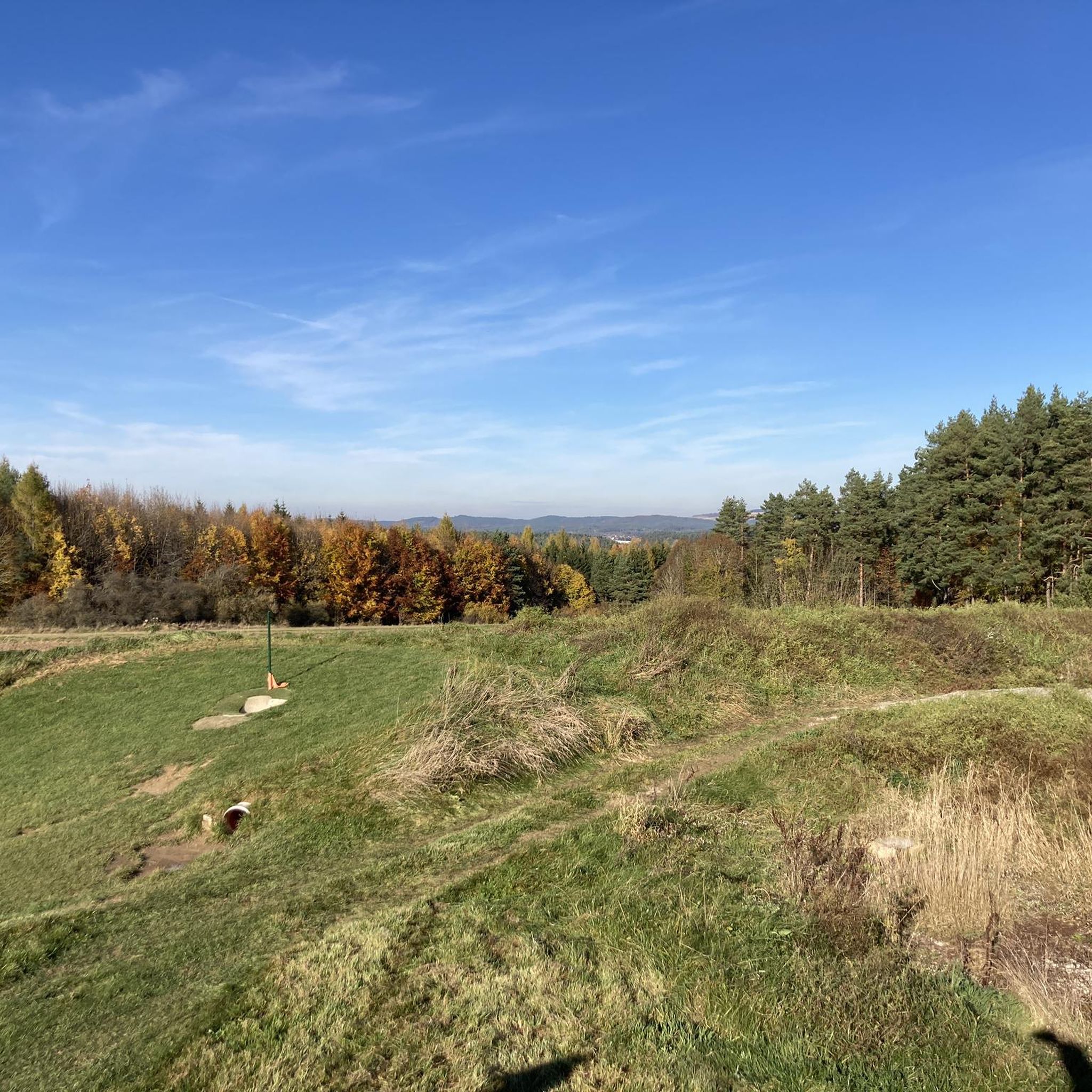
The Leienfels castle ruins are located on the 590-meter-high Schlossberg directly above the village of Leienfels. Extensive ruins of the medieval complex have survived to this day. The castle, whose name is likely derived from "Löwenfels" (Lion Rock), is one of the later castles in the Franconian Switzerland region and was probably built in the early 14th century. The castle was severely damaged during the Peasants' War and the Margrave War. From 1646 onwards, the remaining buildings were used as a source of material, and the complex was left to decay. The entire castle complex has the shape of a triangle; a section of approximately 30 meters of the surrounding wall with a cannon slit has been preserved between the former castle gate and the northern edge of the height. The masonry was partially renovated in 2005/06.
3
0

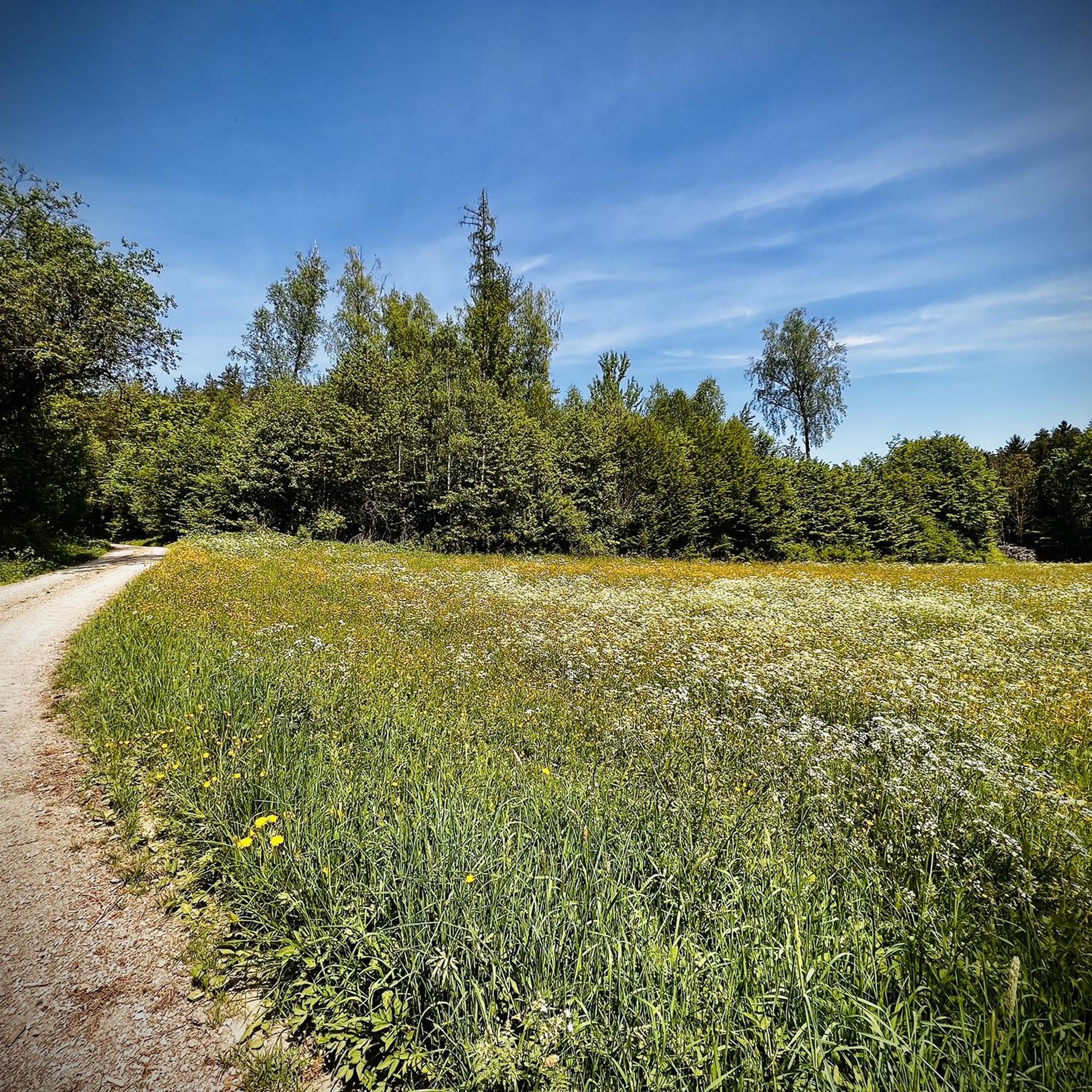
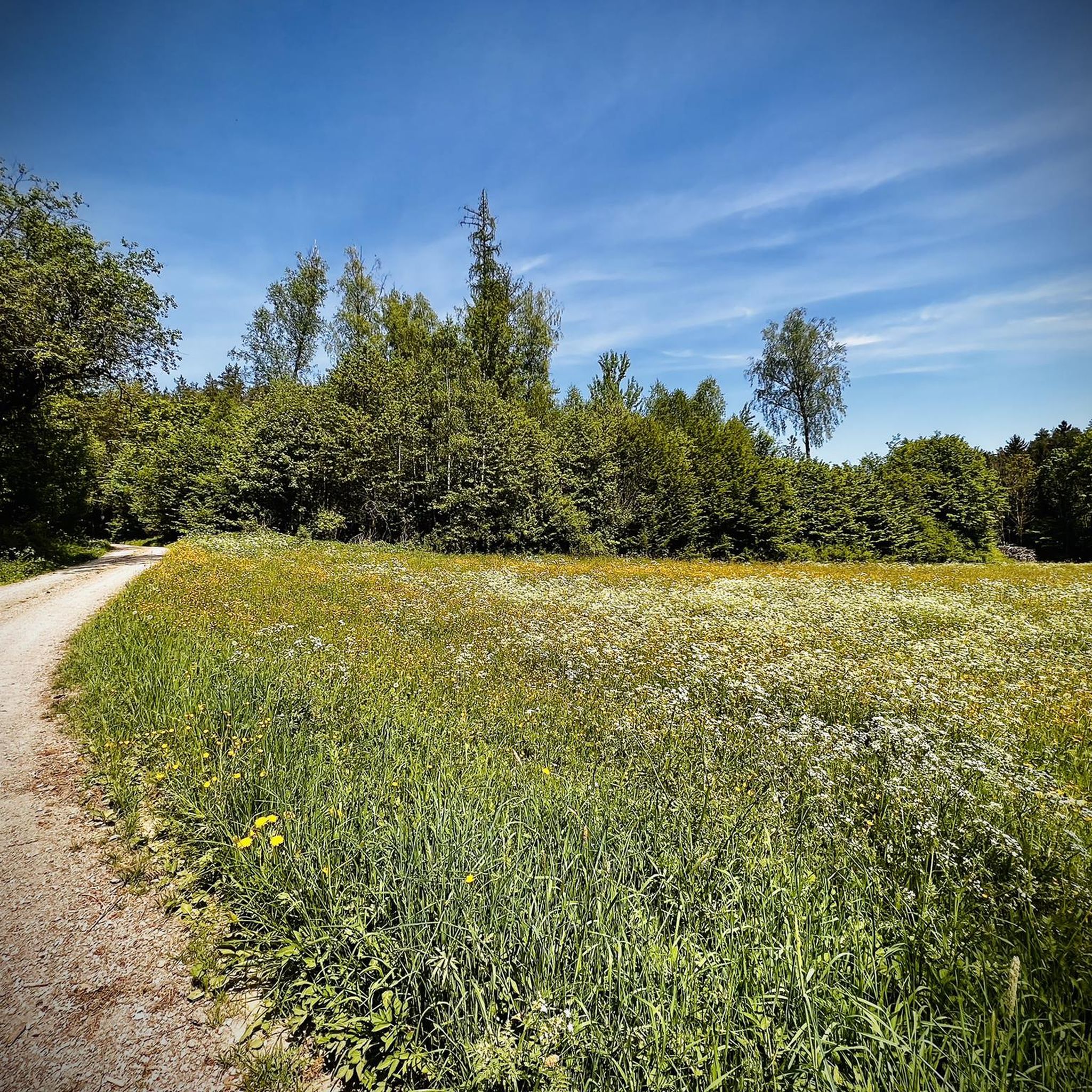
Egloffstein is absolutely worth seeing and has a lot to offer
2
1

Stierberg castle ruins The castle and the town at its feet owed their importance to the junction here from the high road, the section of the “via imperii” between Nuremberg and Bayreuth. This north-south axis crossed in Stierberg with the Altstrasse, which ran from west to east. The name Stierberg first appeared in 1187 with the mention of Otnand de Stierberc and in 1188 by a Poppo von Stierberch, both of which were ministerial offices of the Bishopric of Bamberg. Before 1308, the castle, which was later owned by the diocese, passed to the noble lords of Schlüsselberg. In 1306, Landgrave Ulrich von Leuchtenberg entrusted the castle to the Bishopric of Trier. In 1356 the property passed as a fief to Emperor Charles IV and thus to Bohemia. In 1417 Stierberg was sold to John of Bavaria by Landgrave Leopold. After the Landshut War of Succession, Stierberg fell into the hands of the Nurembergs without a fight in 1504 and thus to the Free Imperial City of Nuremberg. Then regained in the same year by the Palatinate under Ludwig von Eyb, but apparently significantly damaged during these fighting. Retaken by the Nuremberg troops in 1505, Stierberg and Betzenstein became part of the imperial city of Nuremberg. In the second federal war in 1553, the village and Stierberg Castle were shelled and captured by margrave troops, and the castle burned down completely. The castle ruins lie on a dolomite rock reef that slopes down on three sides. The upper main castle (southwest of the natural cut) only has a few remains of walls. You can see a piece of wall about 8 meters high and 1.3 meters thick and, at the highest elevation, wall rubble and remains of the foundation wall. To the north of the cutting there is a well-preserved, extended round tower on an isolated rock, 6 meters high and with quarry stone walls up to 1.8 meters thick. To the southeast at a height of around 2 meters there is an arched entrance opening. The top of the wall is covered with cement and bears a restoration inscription from 1914. The former bailiwick house, built in 1778/79, stands on the sloping slope. Behind the house is access to a partly artificial cave that runs through the entire castle rock in a southwesterly direction. Source: information board
4
0

Before 1180, Egloffstein Castle can be identified as the ancestral home of the Lords of Egloffstein. However, the first documented mentions only come from the years 1180 and 1184, in which Salmann was called “Henricus de Hegelofuesten” or “Heinricus de Agilulfi lapide” (from Latin lapide, stone). In 1509 the castle became a fiefdom of the bishops of Bamberg, but it remained in the possession of the von Egloffstein family to this day. In 1525 the town of Egloffstein was burned down in the Peasants' War, and in 1561 the Reformation gained a foothold in Egloffstein. The place was burned down twice during the Thirty Years' War. He came to Bavaria in the course of secularization in Bavaria. The associated town of Bieberbach was temporarily held by Hans von Streitberg in the second half of the 16th century.[4][5] 20th and 21st centuries In 1956 the title of climatic health resort was awarded and three years later Egloffstein was declared a market town. Source: Wikipedia
7
2

The ruins can also be climbed. The town of Leienfels itself has only 50 inhabitants
5
3

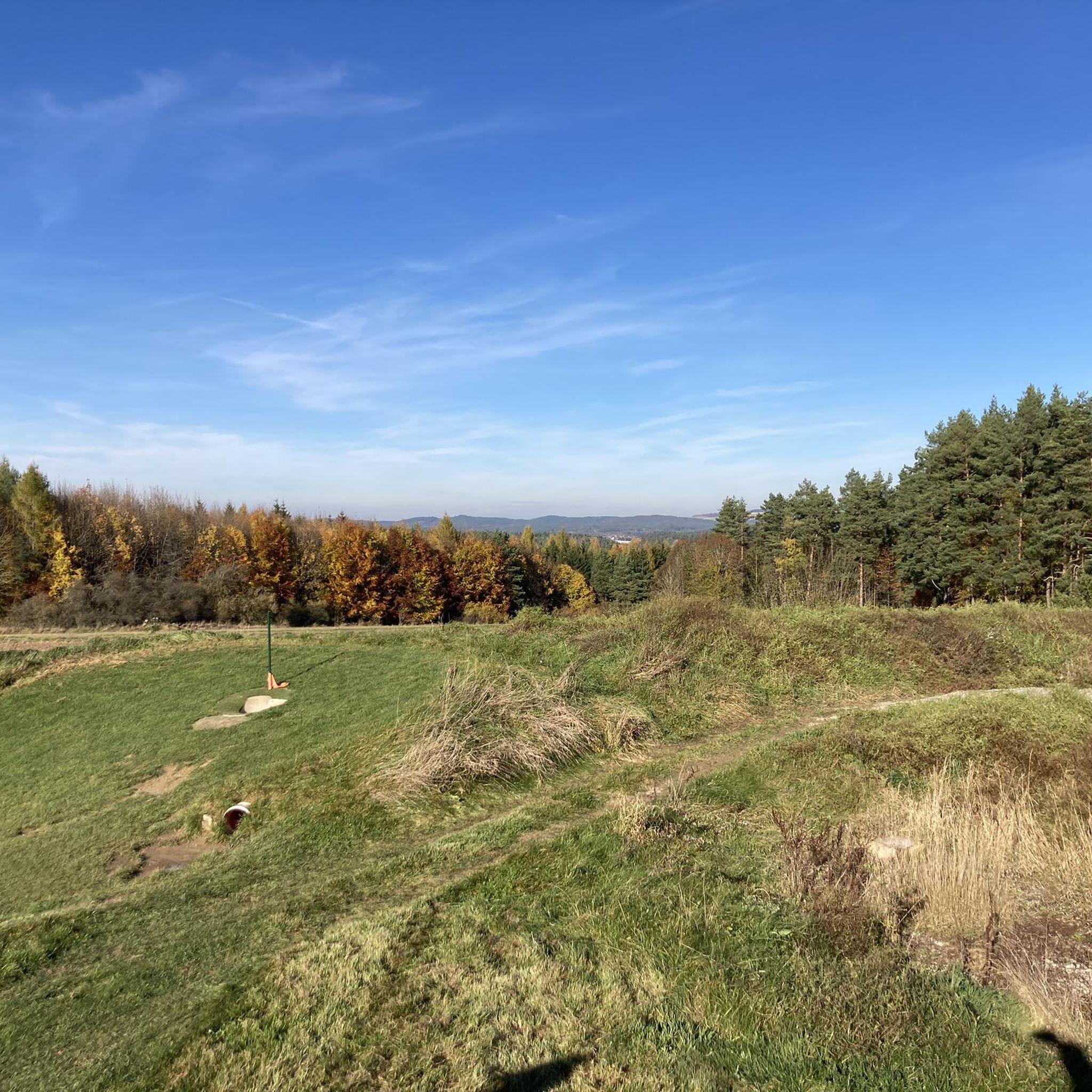
Here is a beautiful view of the Franconian 🤗❗
4
3

Castle ruins above Stierberg without inspection. From Stierberg there are steep steps and on the other side you can descend to the Way of St. James from Betzenstein to Hiltpoltstein.
2
0

The castle is privately owned and cannot be visited, only the tower and the former Vogthaus still exist. At the tower itself there is a small viewing platform with information boards about the 14th century castle, you have to walk about 50m. You can see the castle very well from the cemetery.
3
0
Frequently Asked Questions
Where are the main castles located in relation to Waidacher Forst?
The most notable castles are located in the immediate vicinity of Waidacher Forst, within the picturesque Franconian Switzerland region. They are easily accessible from the forest and offer a rich historical and scenic experience.
What types of castles can I expect to find near Waidacher Forst?
You'll find a diverse range of castles, including well-preserved medieval hilltop castles like Gößweinstein Castle, impressive ruins such as Leienfels Castle Ruins, and continuously inhabited ancestral seats like Egloffstein Castle.
Which castles offer the best panoramic views of the Franconian Switzerland landscape?
Gößweinstein Castle boasts an observation terrace with stunning panoramic views. Pottenstein Castle also offers outstanding views of the town and surrounding countryside from its gardens. For a freely accessible viewpoint, the Leienfels Castle Ruins are a popular choice.
Are there any castle ruins near Waidacher Forst that I can explore freely?
Yes, the Leienfels Castle Ruins are freely accessible. While largely in ruins, you can still see remaining wall sections, foundation traces, and the gatehouse, making it a popular spot for history enthusiasts and hikers.
Which castles have a museum or offer insights into their history?
Pottenstein Castle houses a museum with prehistoric and early historical objects, weapons, and books. Gößweinstein Castle also features a medieval museum within its restored chambers.
Can I visit a castle that is still inhabited by its founding family?
Egloffstein Castle has been the ancestral seat of the Barons of Egloffstein since the 11th century and is continuously inhabited. Visits typically require an appointment, offering a unique glimpse into living history.
Are the castles around Waidacher Forst family-friendly?
Many of the castles are considered family-friendly. Pottenstein Castle, Gößweinstein Castle, and Leienfels Castle Ruins are all popular choices for families, offering historical exploration and scenic surroundings.
What outdoor activities can I do near these castles?
The region around Waidacher Forst and its castles is excellent for outdoor activities. You can find numerous routes for mountain hiking, road cycling, and mountain biking. For example, explore Mountain Hikes around Waidacher Forst, discover Road Cycling Routes around Waidacher Forst, or tackle MTB Trails around Waidacher Forst.
Are there hiking trails that include castle visits?
Yes, many hiking trails in Franconian Switzerland incorporate castle visits. For instance, you can find routes like the 'Gößweinstein Castle – Gößweinstein Rock Trail loop' for mountain hiking or explore the area around Leienfels Castle Ruins, which is a popular spot for hikers seeking scenic views.
What is the best time to visit the castles around Waidacher Forst?
The castles are generally enjoyable year-round. Spring and autumn offer pleasant temperatures for exploring and hiking, with beautiful foliage in autumn. Summer is also popular, though it can be busier. Some castles, like Pottenstein Castle, may have specific opening hours or winter breaks, so it's advisable to check in advance.
Are there cafes or restaurants near the castles?
Yes, you'll find options for refreshments. Gößweinstein Castle features an outdoor beer garden. Near Leienfels Castle Ruins, there's a restaurant in the village of Leienfels. The towns of Pottenstein and Egloffstein also offer various cafes and pubs.
What do visitors enjoy most about the castles around Waidacher Forst?
Visitors frequently praise the stunning panoramic views from the castle sites, the rich historical insights offered by the museums and preserved structures, and the picturesque settings within the Franconian Switzerland landscape. The combination of history, nature, and opportunities for outdoor activities is highly appreciated.
Most popular routes around Waidacher Forst
Most popular attractions around Waidacher Forst

Get inspired with the komoot mobile app


Explore more
Looking for the best castles somewhere else? Discover other guides around Waidacher Forst:
