The 7 Most Amazing Peaks around Mückeln
Best mountain peaks around Mückeln are characterized by a unique volcanic landscape within the Vulkaneifel region of Germany. This area features elevated terrain, maars, and extensive forests, providing diverse hiking experiences. The region's volcanic past has created distinct geological formations and scenic views for outdoor enthusiasts. Visitors can explore various natural elevations, including crater lakes and lava formations.
Best mountain peaks around Mückeln
- The most popular mountain peaks is Windsborn Crater summit, a viewpoint that overlooks one of the…
Last updated: July 1, 2026
Maarkreuz Schalkenmehren
Highlight • Viewpoint
Translated by Google •
Tip by

Windsborn Crater summit
Highlight • Viewpoint
Translated by Google •
Tip by

Sign up now to discover places like this
Get recommendations on the best single tracks, peaks, & plenty of other exciting outdoor places.
Sign up for free
Mosenberg Lookout Tower
Highlight • Viewpoint
Translated by Google •
Tip by

Lava rock formations at the summit of Mosenberg
Highlight • Natural Monument
Translated by Google •
Tip by

Neuerburger Kopf 🌄🏔️🤓 #homehill #summit 🚵♂️🏃♂️❤️
Highlight • Viewpoint
Translated by Google •
Tip by

Sign up for free to discover even more peaks around Mückeln.
Sign up for free
Already have an account?
Start today with a free account
Your next adventure awaits.
Login or Signup
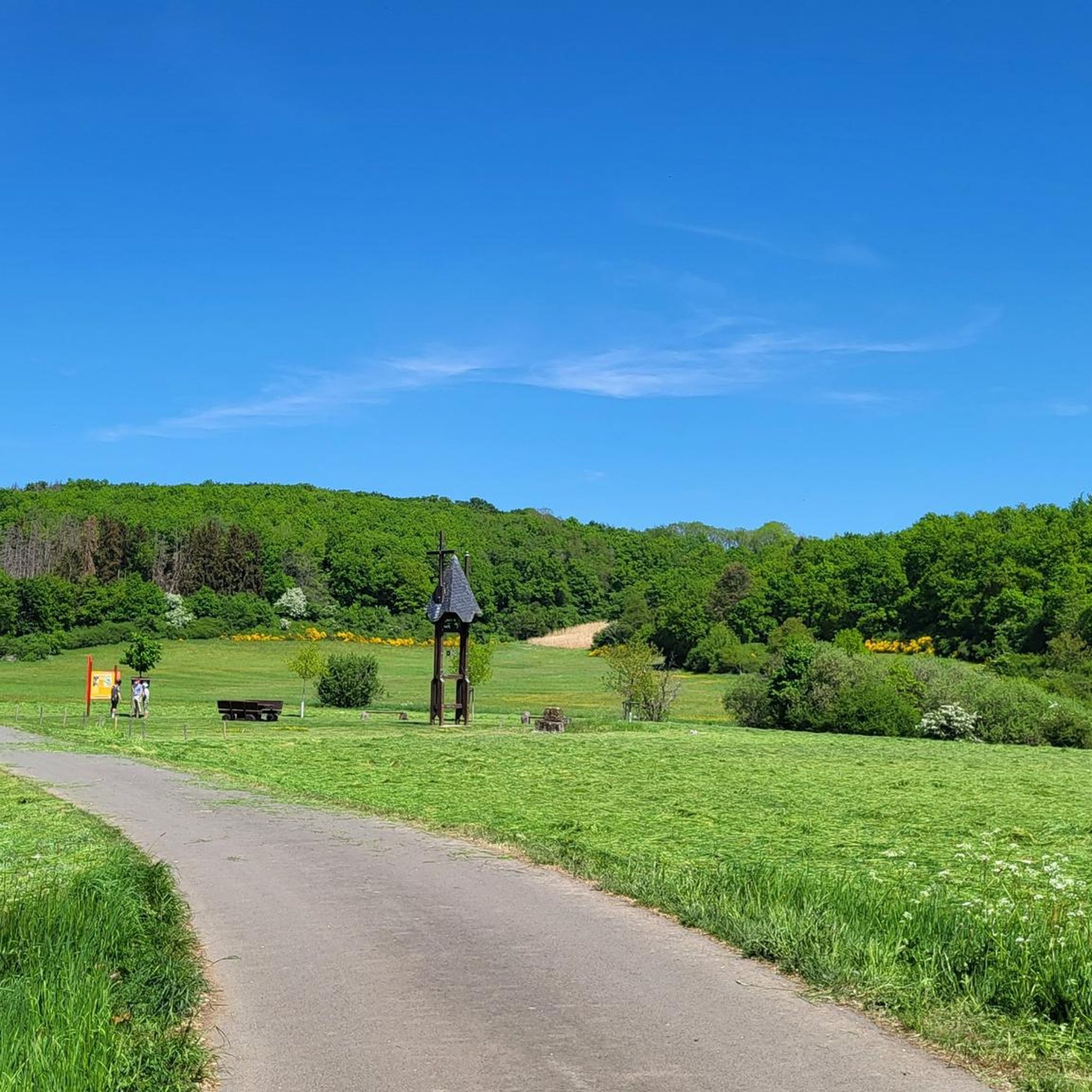

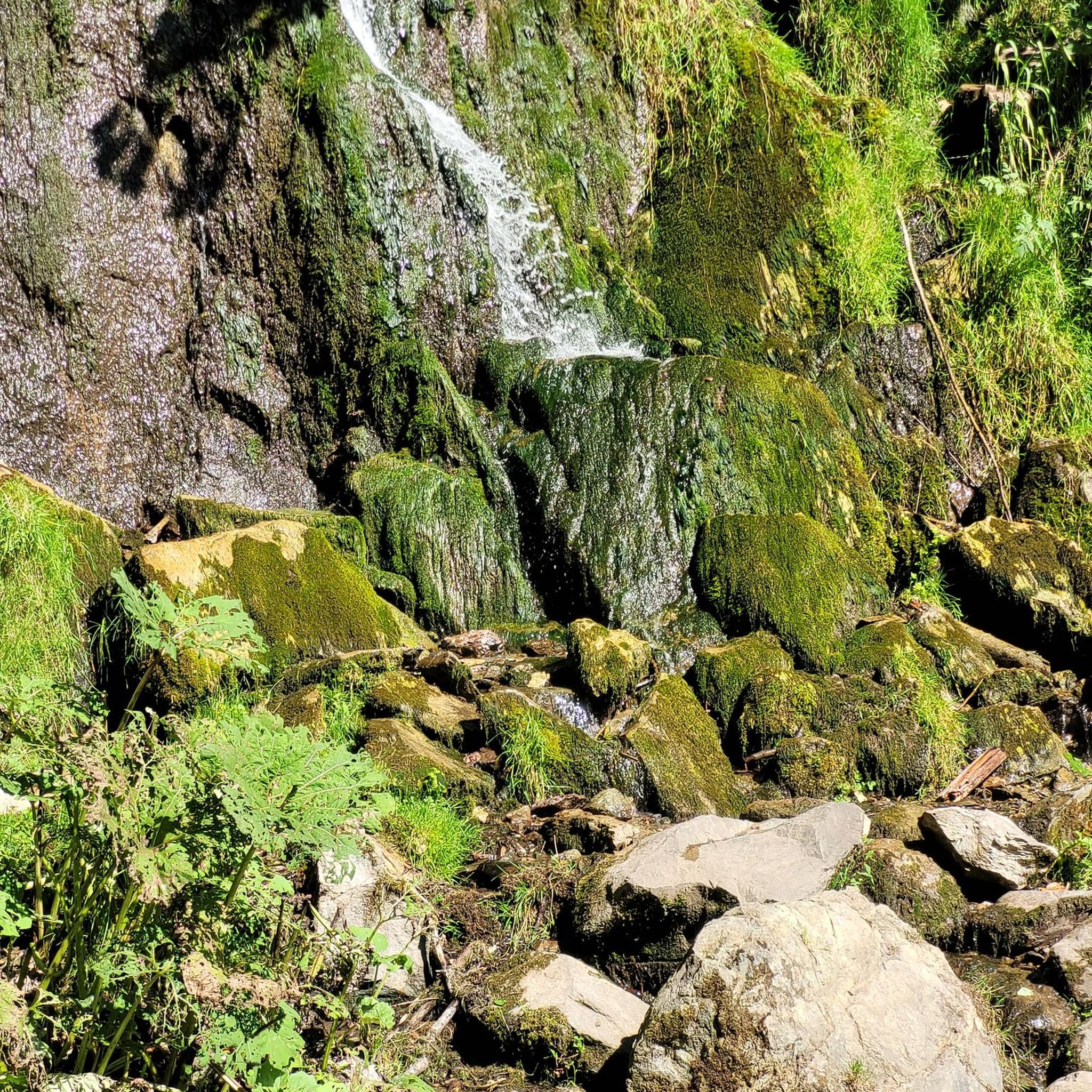
Tips from the Community

Trail up to the cross, then a final sprint and then back down the wide path with the great view. Fun! 🌄🏃♂️📯
1
0

The floor is lava! Well, big boulders with solidified lava.
0
0

Beautiful section of the path that leads us between lava rocks to the Windsborn crater lake.
2
0

Great to ride up on a mountain bike. But it's better to push the last 10m
2
0

The volcanic cone was formed 108 million years ago. Magma penetrated the Devonian sandstone layers and solidified below the earth's surface. This passage or chimney made of hard basalt protected the surrounding sandstone from erosion, leaving the conical shape of the Neuerburger Kopf, which is still clearly visible today. Classified as belonging to the Cretaceous period, the Neuerburger Kopf and the neighboring Lüxeberg are the oldest volcanic features in the Eifel. The Neuerburger Kopf was formerly called Merkuriusberg (Mercurius, Roman god of trade). The former name is explained by the Roman trade and military roads that crossed next to it. The current name refers to a castle. Archbishop Albero (1131-1152) had a "novum castrum" (= new castle) built, which was completed in 1168 by Archbishop Hillin and expanded by Archbishop Henry II (1260-1286). The castle was used primarily to collect customs duties on the neighboring trade route and was one of the seven castles of the Electorate of Trier, along with Manderscheid, Arras, Saarburg, Grimburg, Welschbillig and Ehrenbreitstein. The last inhabitants of Hatzdorf, which had been ravaged by the plague and abandoned, settled under the protection of the castle and founded the village of Neuerburg. Neuerburg Castle was most likely destroyed in 1689 by the French Marshal François de Créquy, who also had Wittlich destroyed from Mont Royal. Today only a few remains of the walls can be found.
2
0

The path leads through the rock formations. That is very nice.
1
0

The observation tower on the Moseberg is worthwhile for its beautiful view and for protection from the sun and rain.
3
0
You just have to go up to this summit cross, it's a pity that there is no summit book.
4
0
Frequently Asked Questions
What unique natural features can I explore around Mückeln?
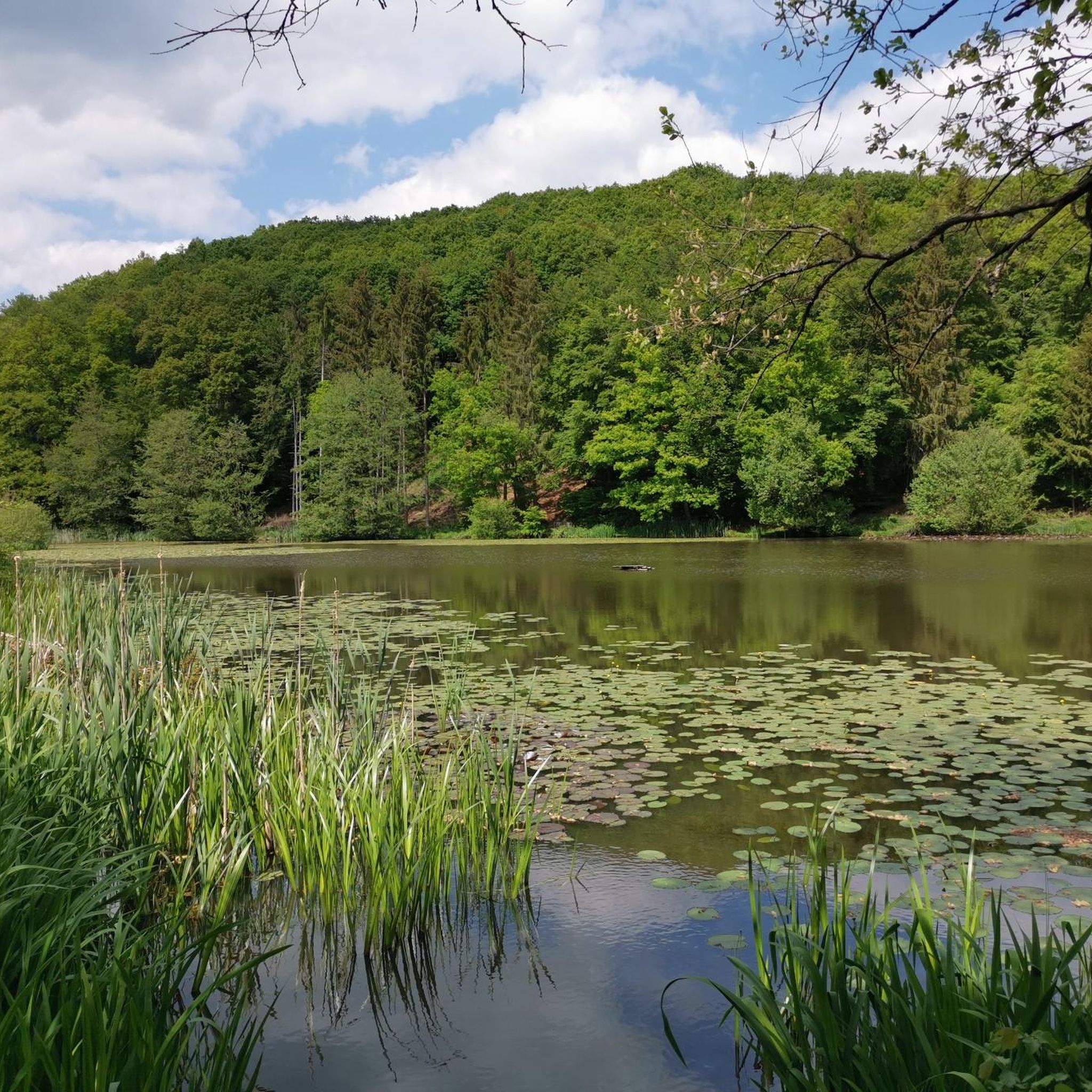
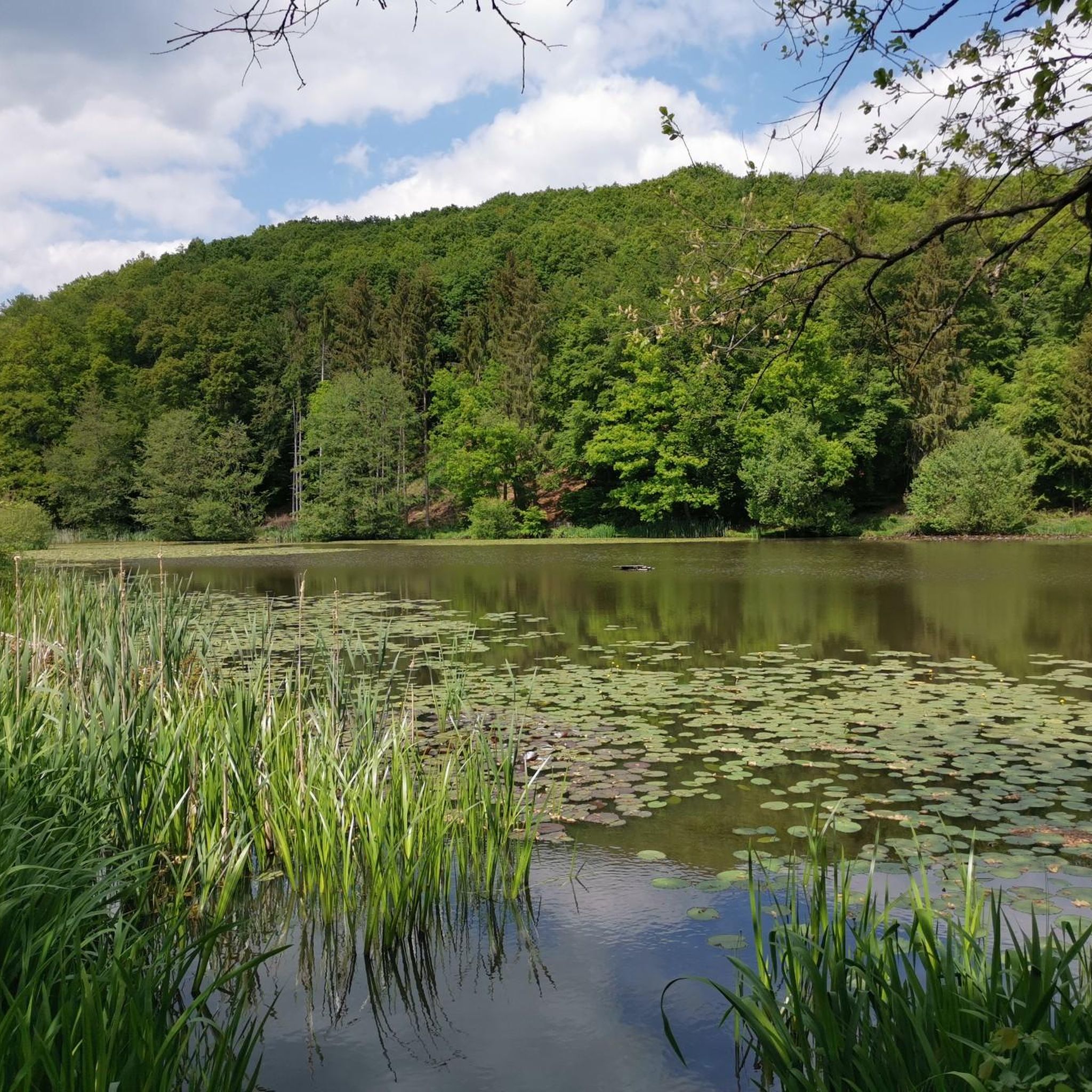
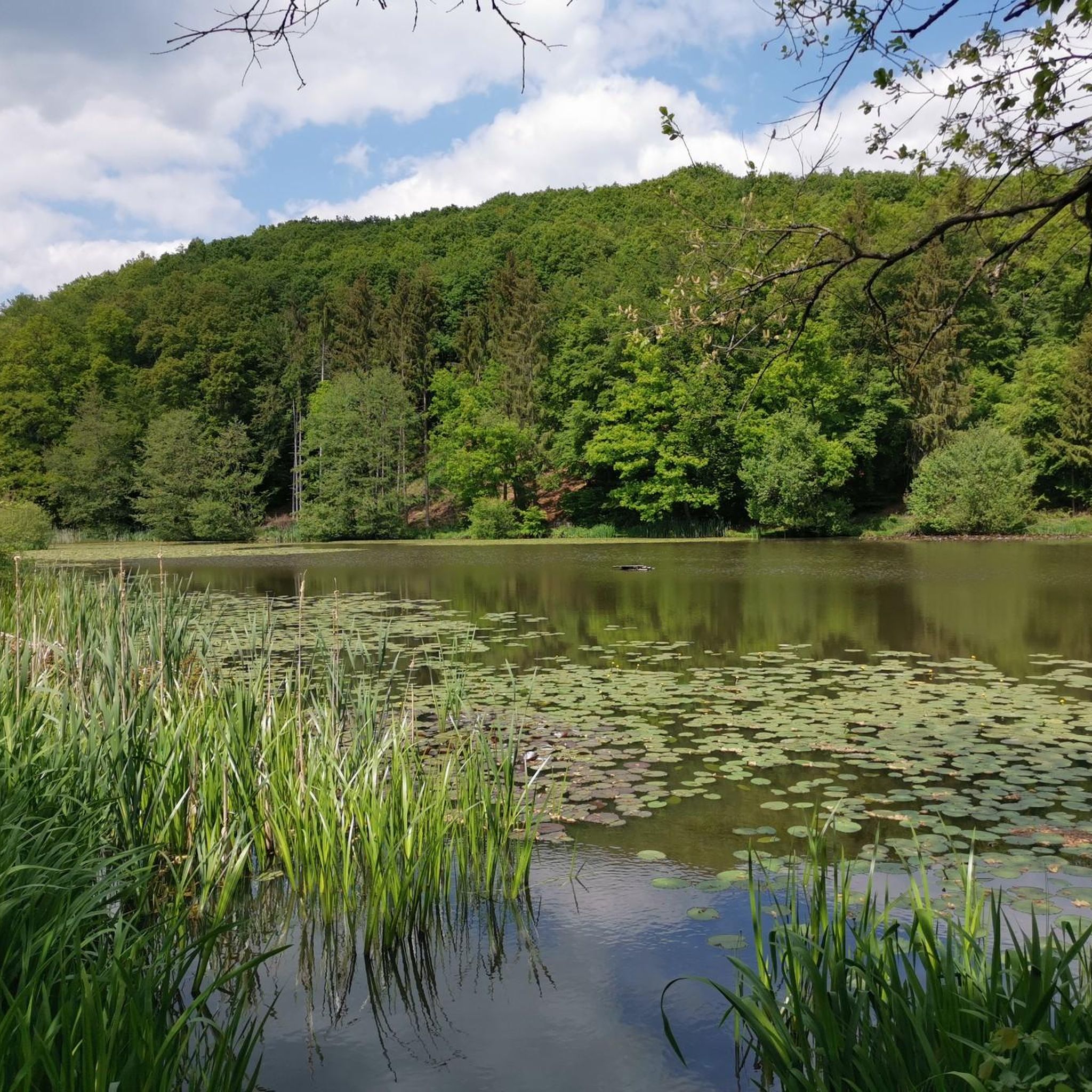
The Mückeln area, part of the Vulkaneifel region, is renowned for its unique volcanic landscape. You can explore ancient volcanic structures, maars (volcanic lakes), and lava formations. A notable example is the Windsborn Crater summit, which overlooks one of the few volcanic crater lakes north of the Alps, formed around 30,000 years ago.
Are there good viewpoints to appreciate the volcanic landscape near Mückeln?
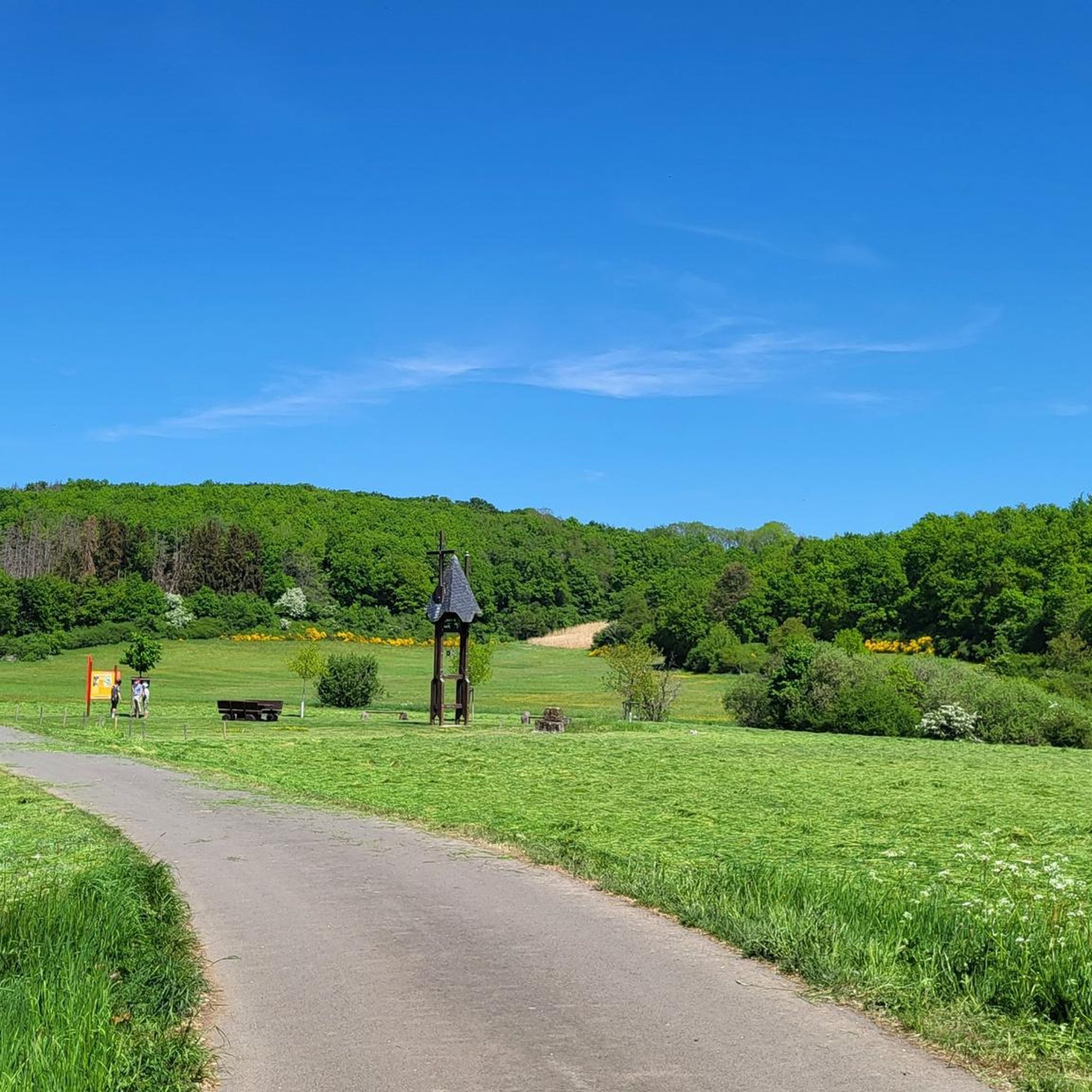
Yes, there are several excellent viewpoints. The Maarkreuz — View of the Schalkenmehren Maar offers expansive views of the Schalkenmehrener Maar and the surrounding volcanic terrain, providing a relaxing spot to pause. Another great option is the Mosenberg Lookout Tower, which provides beautiful vistas towards the Meerfelder Maar and Manderscheid.
What kind of hiking trails are available around Mückeln?
The region offers a diverse network of hiking trails catering to various fitness levels. Many routes traverse the unique volcanic landscape, leading past maars, lava flows, and through dense forests. For example, you can find moderate trails like the 'Strohner Switzerland – Lava Flow in the Alftal Valley loop'. You can discover more options in the Hiking around Mückeln guide.
Are there any challenging climbs or via ferratas in the Mückeln area?
Yes, for those seeking a more challenging experience, the area offers routes with climbing elements. The Summit Cross at Burgen Klettersteig marks the end of a challenging climb, providing a great view of the surrounding area and featuring a steel cable section.
What other outdoor activities can I do near the mountain peaks around Mückeln?
Beyond hiking, the Mückeln area is excellent for cycling and gravel biking. You can explore routes like the 'Strohner Lava Bomb – Großes Schlitzohr Tunnel loop' for cycling, or the 'Lieser Cycle Path – Grünewald Viaduct loop' for gravel biking. Find more details in the Cycling around Mückeln and Gravel biking around Mückeln guides.
What makes the Mosenberg area special for visitors?
The Mosenberg is considered one of the most beautiful and striking volcanic mountains in the Eifel. It features the Mosenberg Lookout Tower with panoramic views, and also offers unique Lava rock formations at the summit of Mosenberg, providing a glimpse into the region's geological past. It's a great area for exploring volcanic terrain.
Are there family-friendly options for exploring the elevated areas around Mückeln?
While specific 'family-friendly mountain peaks' are not explicitly listed, many trails around the maars and viewpoints are suitable for families. The Maarkreuz — View of the Schalkenmehren Maar is noted as family-friendly, offering a relaxing spot with scenic views. The general area's diverse hiking opportunities include paths of varying difficulty, allowing families to choose suitable routes.
What is the best time to visit Mückeln for hiking and outdoor activities?
The Vulkaneifel region, including Mückeln, is beautiful throughout the warmer months, typically from spring through autumn. During these seasons, the weather is generally pleasant for hiking, cycling, and enjoying the volcanic lakes and lush forests. Autumn can be particularly scenic with changing foliage, and some areas like the lava rock formations at Mosenberg can feel mystical in foggy conditions.
Can I learn about the volcanic history of the region while visiting Mückeln?
Absolutely. The entire Vulkaneifel region is a testament to its volcanic past. Beyond exploring the natural formations like the Windsborn Crater and lava flows, you can visit the Vulkanmuseum Strohn, which enriches visitors' understanding of the volcanic landscape. Many trails also feature interpretive signs about the geology.
What do visitors enjoy most about the mountain peaks and elevated areas around Mückeln?
Visitors highly appreciate the unique volcanic landscape, offering geological formations not commonly found elsewhere. The diverse hiking opportunities, from easy paths to more challenging routes, are also a major draw. The scenic beauty, including picturesque views of volcanic lakes, dense forests, and varied terrain, consistently receives positive feedback from the komoot community.
Are there any circular walks available that explore the unique features around Mückeln?
Yes, the region is well-suited for circular walks that highlight its volcanic features. For instance, the 'Strohner Schweiz – Lavastrom im Alftal Rundweg von Mückeln' is an 8.7 km moderate circular route that takes about 2 hours and 21 minutes, showcasing picturesque landscapes and lava flow formations. Many trails are designed as loops to maximize exploration of the diverse terrain.
What kind of terrain can I expect on the trails around Mückeln?
The terrain around Mückeln is characterized by its volcanic origins, meaning you can expect varied landscapes. This includes elevated paths, sections with lava rock formations, paths around maars (volcanic lakes), and trails through extensive forests. While not traditional high mountain peaks, the elevations provide engaging and diverse hiking experiences.
Most popular routes around Mückeln
Most popular attractions around Mückeln

Get inspired with the komoot mobile app


Explore more
See even more amazing summits around Mückeln with these guides:
