Top 20 Lakes around Mückeln
Best lakes around Mückeln are characterized by their unique volcanic origin, forming distinctive maars in the landscape. This region offers a variety of geological formations, including crater lakes and dry maars, shaped by ancient volcanic activity. The Mückeln area provides opportunities to explore these natural monuments, often surrounded by trails and viewpoints. Visitors can experience the serene environment of these water bodies, which are a defining feature of the local natural landscape.
Best lakes around Mückeln
- The most popular lakes…
Last updated: August 16, 2026
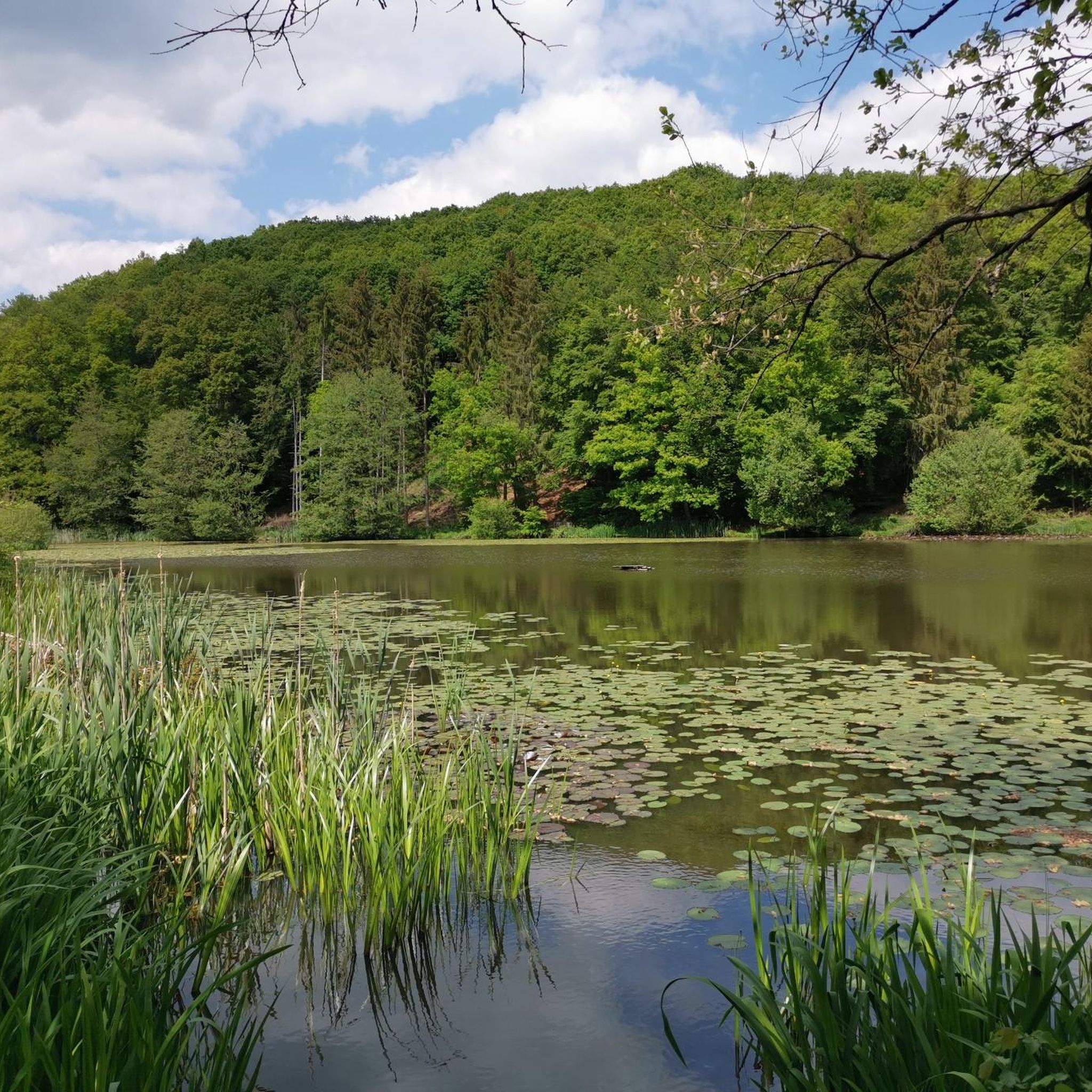
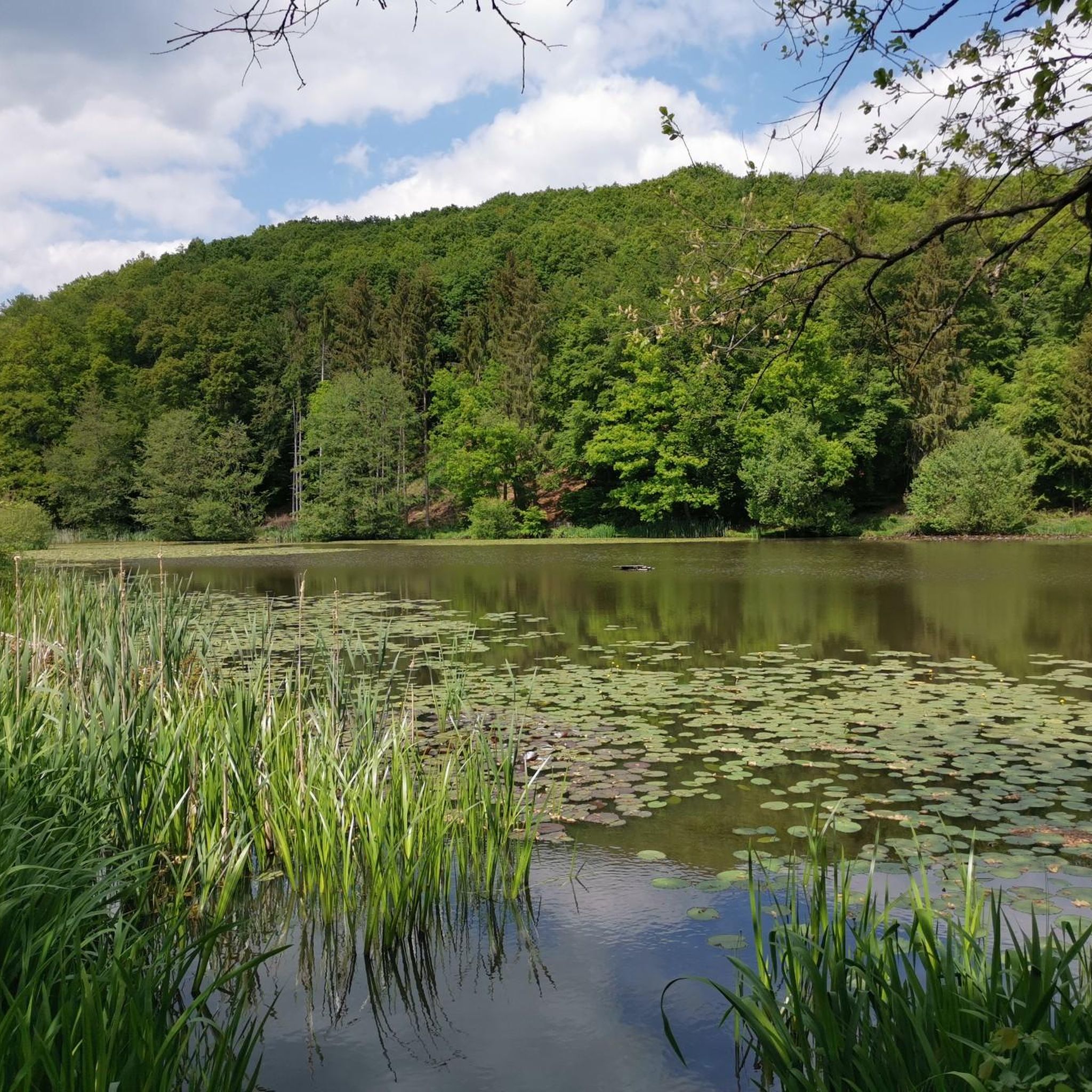
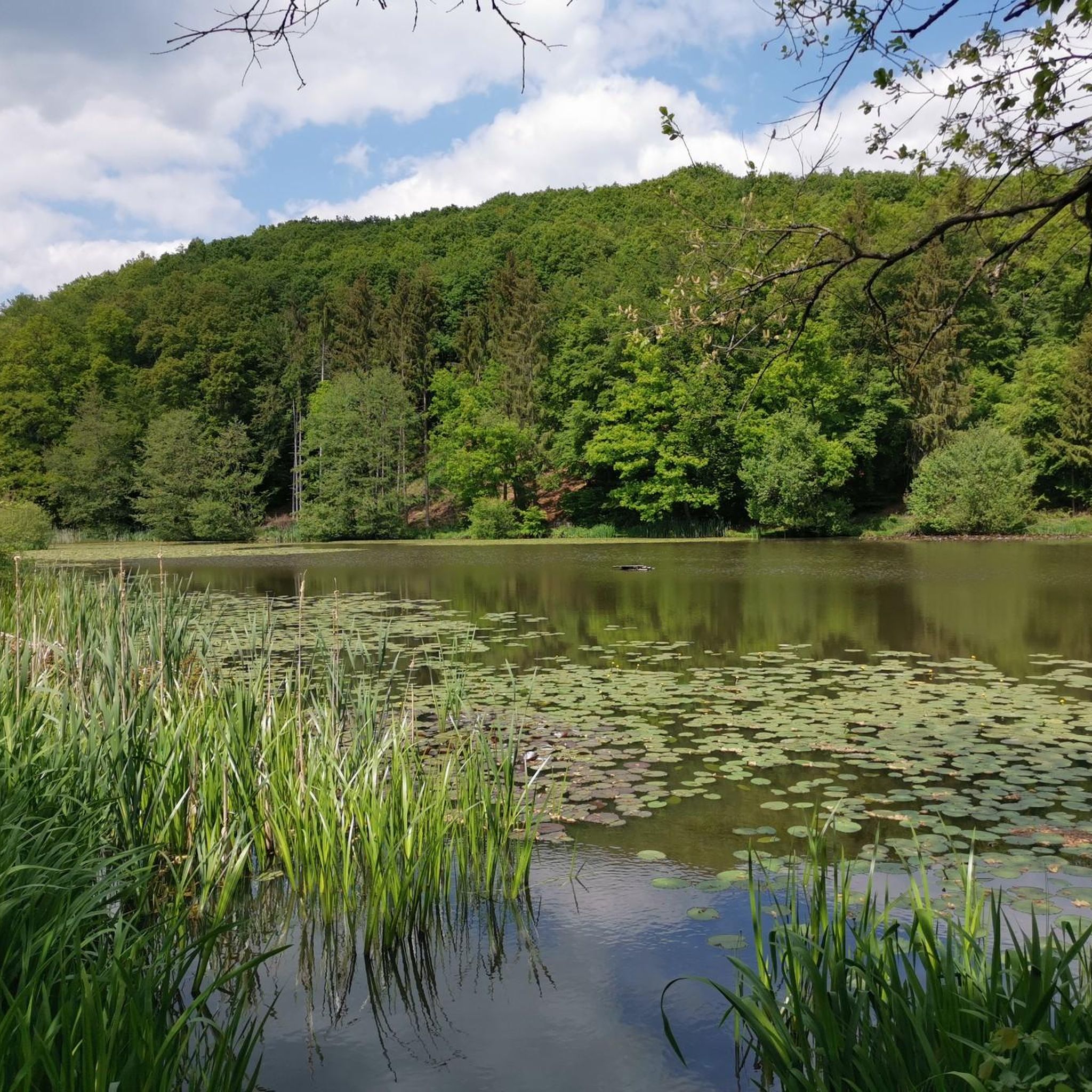
Schalkenmehrener Maar
Highlight • Lake
Translated by Google •
Tip by

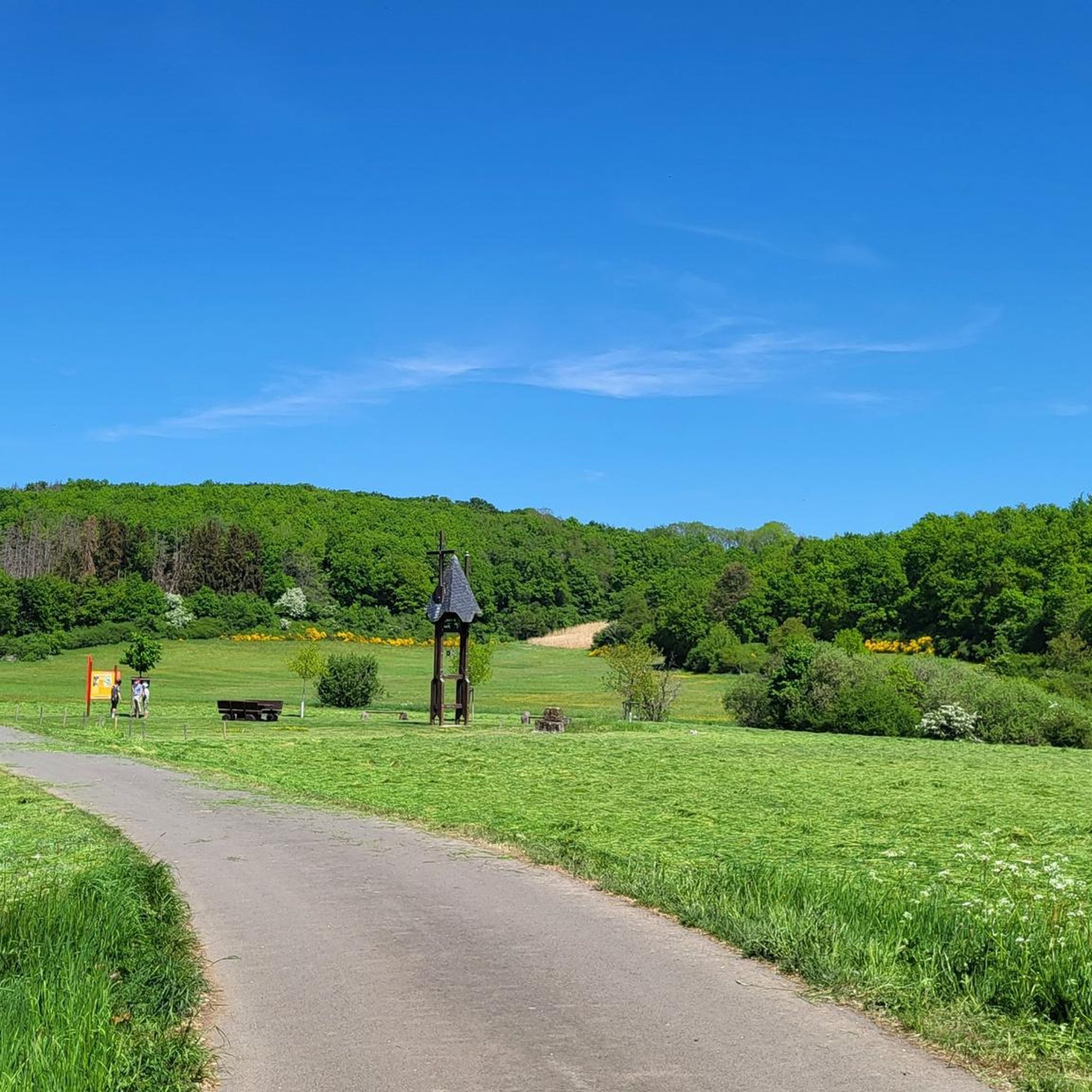
Maarkreuz Schalkenmehren
Highlight • Viewpoint
Translated by Google •
Tip by

Sign up now to discover places like this
Get recommendations on the best single tracks, peaks, & plenty of other exciting outdoor places.
Sign up for free
Windsborn Crater summit
Highlight • Viewpoint
Translated by Google •
Tip by

Pulvermaar
Highlight • Lake
Showing Translation
Tip by

Holzmaar
Highlight • Lake
Translated by Google •
Tip by

Sign up for free to discover even more lakes around Mückeln.
Sign up for free
Already have an account?
Start today with a free account
Your next adventure awaits.
Login or Signup
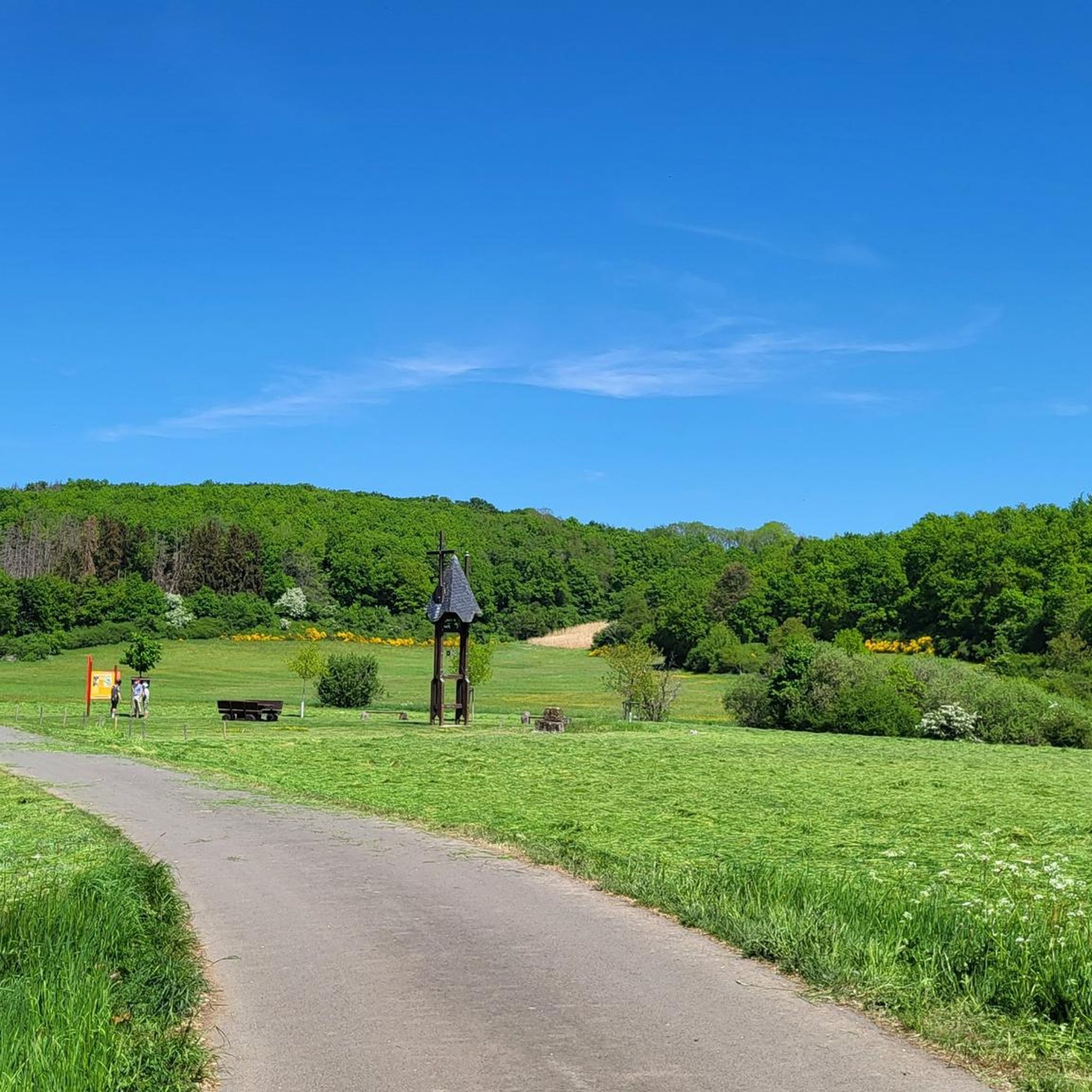
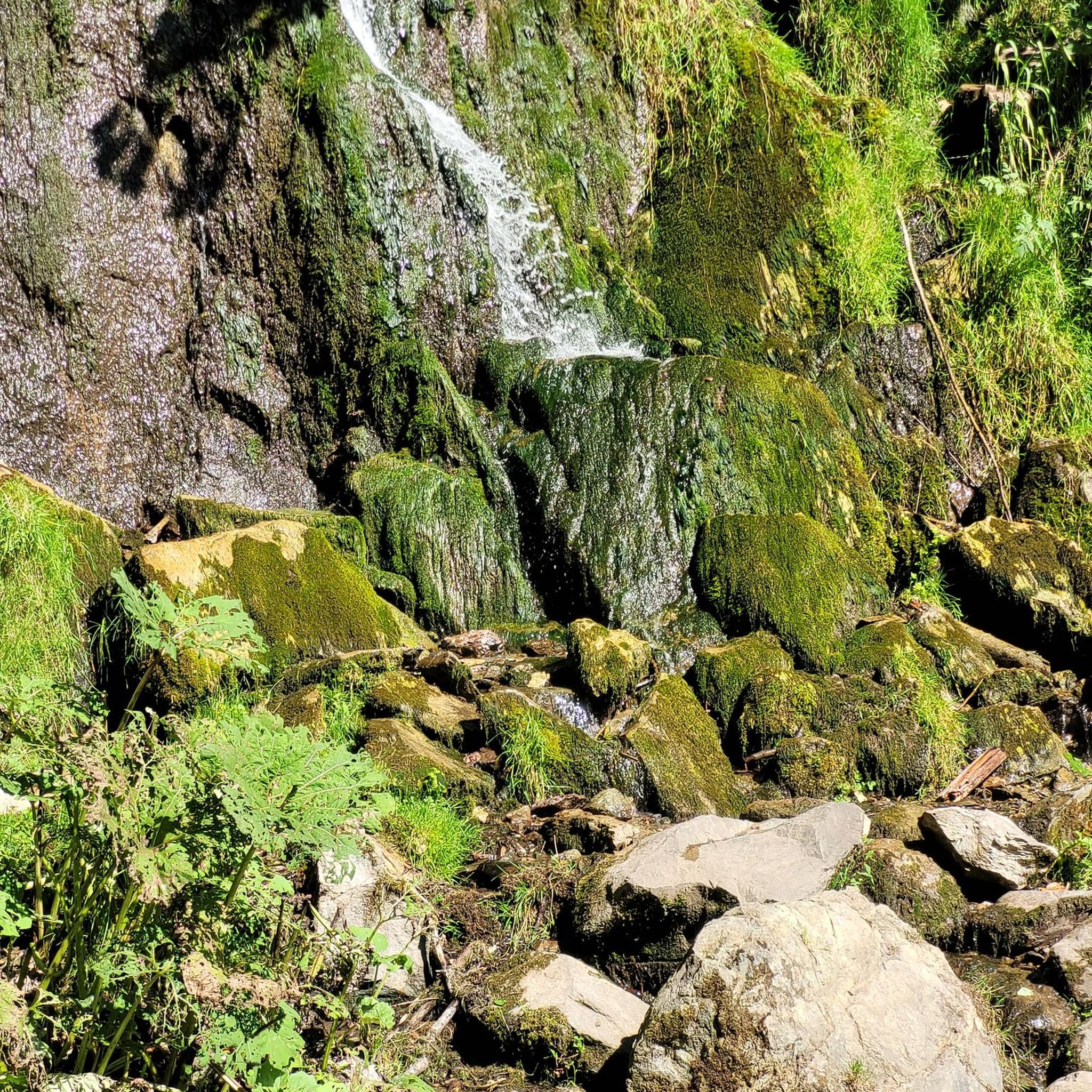
Tips from the Community


It looks like a “simple” lake - only from above can you actually see the maar
1
0

Beautiful maar, you can hike, ride a MTB, fish and relax here
0
0

The Pulvermaar in the Vulkaneifel southeast of Daun is a water-filled maar whose almost circular lake is, despite its small area of around 38.48 hectares, one of the deepest in Germany at 72 meters. Like the smaller Holzmaar, it is part of the Gillenfelder Maaren. Beautiful hiking trails and nature.
4
1

Nice path with different perspectives on the surrounding area
2
0

The Pulvermaar in the Vulkaneifel southeast of Daun in Rhineland-Palatinate is a water-filled, almost circular maar lake and, despite its small area of around 38.48 hectares, is one of the deepest lakes in Germany at 72 meters. Like the Holzmaar, it belongs to the Gillenfelder Maaren. The Pulvermaar is one of the ten deepest lakes in Germany, only Lake Constance and a few Bavarian lakes (Königssee, Walchensee, Starnberger See and Ammersee) are significantly deeper. The original depth of the funnel created by the phreatomagmatic explosion is estimated to be around 200 m, with a surrounding wall of ejected material approximately 50 m high.
4
1

You just have to go up to this summit cross, it's a pity that there is no summit book.
4
0
Frequently Asked Questions
What makes the lakes around Mückeln unique?
The lakes around Mückeln are unique due to their volcanic origin, forming distinctive maars in the landscape. This region features various geological formations, including crater lakes and dry maars, shaped by ancient volcanic activity. You can explore these natural monuments, often surrounded by trails and viewpoints.
Which are some of the most popular lakes and viewpoints in the Mückeln region?
Among the most popular are Schalkenmehrener Maar, known as the southernmost and largest of the three Dauner Maars, and Pulvermaar, the deepest maar in the Eifel. For stunning views, consider visiting Windsborn Crater summit, which overlooks one of the few volcanic crater lakes north of the Alps, or the Maarkreuz for a fantastic panorama of the Schalkenmehrener Maar.
Are there hiking trails around the Mückeln lakes?
Yes, there are several hiking opportunities. For example, there's a beautiful circular path around Schalkenmehrener Maar. The Pulvermaar also has a circular route of approximately 2.5 kilometers. You can find more hiking options in the region by exploring the Hiking around Mückeln guide.
What is the deepest lake in the Mückeln area?
The deepest lake in the Mückeln area is Pulvermaar, reaching almost 80 meters in depth. It also offers a pleasant circular route for visitors.
Are the Mückeln lakes suitable for families?
Many areas around the Mückeln lakes are family-friendly. For instance, the circular route around Pulvermaar is about 2.5 kilometers and easy to manage with children. The Schalkenmehrener Maar also has a nice circular path, and several viewpoints like Maarkreuz are marked as family-friendly.
Can I go cycling near the Mückeln lakes?
Absolutely! The Mückeln region offers various cycling opportunities. You can find detailed routes for both Road Cycling and MTB Trails around Mückeln, many of which pass by or offer views of the lakes and the volcanic landscape.
What kind of geological features can I expect to see?
You can expect to see unique volcanic formations such as maars, which are crater lakes formed by volcanic steam explosions. The Schalkenmehrener Maar is a rare double maar, consisting of a lake and an eastern dry maar. The Windsborn Crater summit offers a view of a crater lake surrounded by a rampart, which is a stratovolcano.
What do visitors enjoy most about the Mückeln lakes?
Visitors frequently appreciate the serene environment and the unique geological formations. The well-maintained circular paths around lakes like Schalkenmehrener Maar and Pulvermaar are popular, as are the fantastic views from spots like the Maarkreuz. The region's volcanic history and natural beauty are consistently highlighted.
Are there any less crowded spots to enjoy the lakes?
While popular areas can attract visitors, the Windsborn Crater summit and its lake are often described as a quiet place, ideal for a breather, as there is usually not much going on. Exploring the paths around the crater lake can offer a peaceful experience.
What is the 'Maarkreuz' and what does it offer?
The Maarkreuz is a viewpoint offering hikers a relaxing place to rest with a fantastic view of the Schalkenmehrener Maar and the vast volcanic landscape. It commemorates severe thunderstorms and crop failures from 1932 and is a popular spot for pilgrims and hikers to pause.
Can I swim in the lakes around Mückeln?
While the guide data doesn't explicitly list all swimming opportunities, Pulvermaar is noted to have great swimming opportunities at its bathing station in the summer, making it a refreshing stop for hikers.
How old are the volcanic formations in the Mückeln region?
The volcanic formations in the Mückeln region vary in age. For example, the Schalkenmehrener Maar was formed approximately 10,500 years ago, while the Windsborn Crater lake is much older, formed around 30,000 years ago.
Most popular routes around Mückeln
Most popular attractions around Mückeln

Get inspired with the komoot mobile app


Explore more
Still not found your perfect lake around Mückeln? Check out the guides of these regions to see even more beautiful places.
