Attractions and Places To See around Gleiszellen-Gleishorbach - Top 20
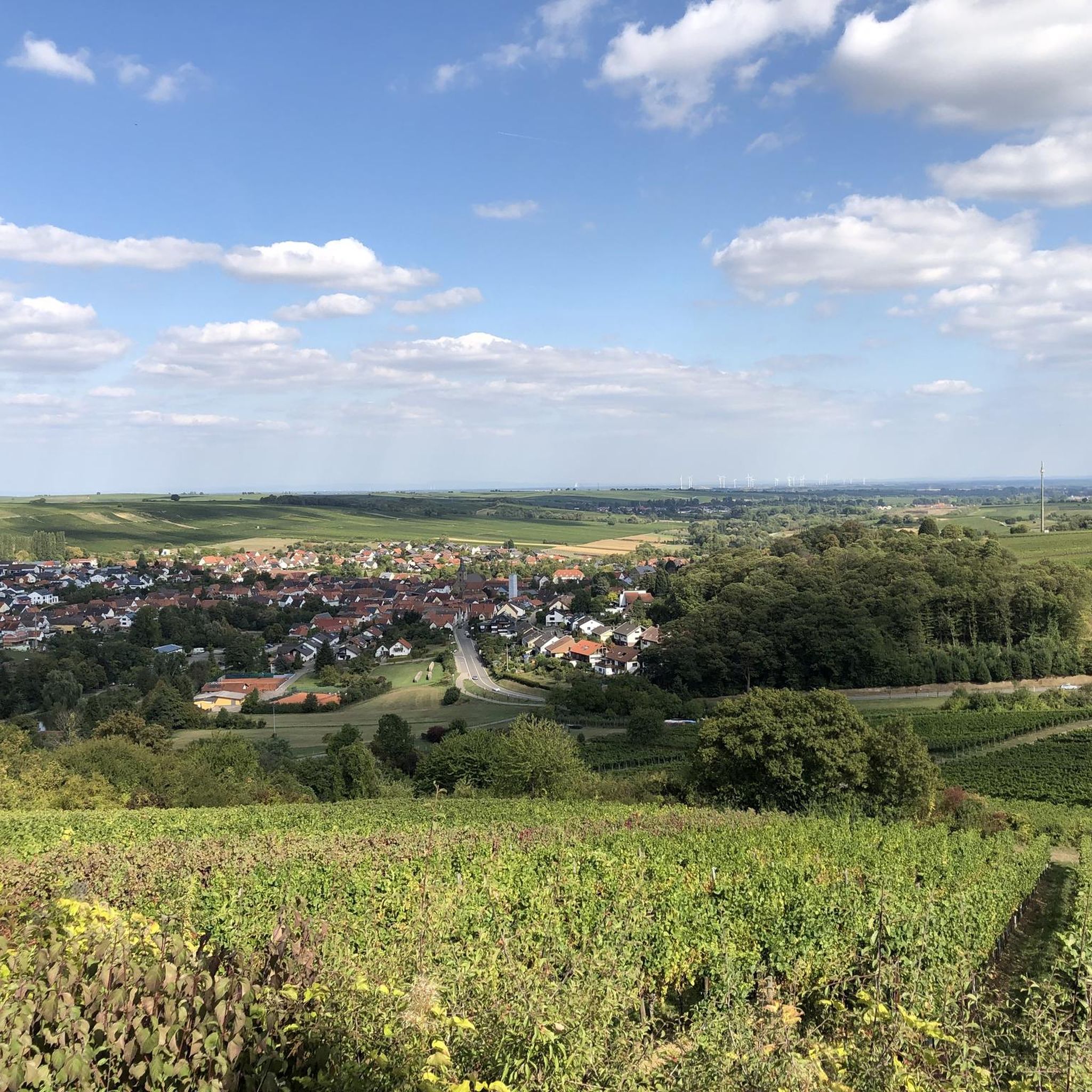
Best attractions and places to see around Gleiszellen-Gleishorbach include a variety of historical sites and natural features. This wine village is located along the Southern Wine Route, nestled amidst vineyards and the Palatinate Forest. The region provides views over the Rhine plain and offers opportunities to explore well-preserved half-timbered houses and historical landmarks. Numerous trails are available for outdoor activities within this landscape.
Best attractions and places to see around Gleiszellen-Gleishorbach
- The most popular attractions is Drachenfels Castle Ruins,…
Last updated: May 9, 2026
Trifels Castle
Highlight • Castle
Showing Translation
Tip by

Landeck Castle
Highlight • Castle
Showing Translation
Tip by

Sign up now to discover places like this
Get recommendations on the best single tracks, peaks, & plenty of other exciting outdoor places.
Sign up for free
Hiking home "Dicke Eiche" (PWV Hauenstein)
Highlight • Mountain Hut
Showing Translation
Tip by

Drachenfels Castle Ruins
Highlight • Castle
Translated by Google •
Tip by

Bindersbacher Turm
Highlight • Natural Monument
Translated by Google •
Tip by

Sign up for free to discover even more attractions around Gleiszellen-Gleishorbach.
Sign up for free
Already have an account?
Start today with a free account
Your next adventure awaits.
Login or Signup
Popular around Gleiszellen-Gleishorbach
Tips from the Community

Very beautiful ruin with a gigantic view ... a visit is definitely worth it
12
0

Here, too, a very beautiful rock formation - you can't help but be amazed.
11
0
South of Busenberg, on the 367 m high castle hill, rises the once proud medieval Drachenfels Castle, which is already striking from afar because of its striking shape. Although it has become a ruin over the centuries as a result of military conflicts, it is still one of the historically most important sites in the Palatinate, according to many archaeologists and historians. First mentioned in connection with a knightly family of the same name in the 12th century, the castle was probably once the border castle of the Benedictine monastery in Klingenmünster. In 1335, because of the robber baronship of its owners, besieged and destroyed by Strasbourg citizens, the castle came to the knights of Dürkheim in the further course of its history, which was to be decisive for the Drachenfels for many years and rebuilt the Drachenfels. A mutual protective and defiant alliance of the Dürkheimers with a certain Franz von Sickingen, who was a valiant knight, led to the second destruction of the Drachenfels on May 10, 1523. Although the Drachenfels was never a Sickingen castle, it was destroyed by the allied troops of the Elector and Archbishop of Trier, the Elector Palatinate and the Landgrave of Hesse. The castellan and eight servants were no match for the superiority and surrendered the Drachenfels without a fight. Subsequently destroyed and razed, a ban on reconstruction was also imposed. The castle has remained a ruin to this day. In the course of the French Revolution, in its history the Palatinate was alternately German and French, the ruins came into the possession of the municipality, which is still the owner of the Drachenfels today. Visit the Drachenfels with its many characteristic rock chambers, with its towers and thickly reinforced shield walls. An overwhelming view of the magnificent landscape of the Dahner Felsenland, where mountain ridges crowned with red sandstone rocks repeatedly rise out of the green sea of forests, compensates you for the effort of the short ascent. Source: http://www.busenberg.de/drachenfels.html
12
0

Lots of caverns and passages through the rock, formerly a large stately castle with a very good view of the Wasgau
16
1

An absolute highlight of the area. The short ascent via secured stairs is rewarded with an incredible view of the Palatinate Forest and the adjacent village.
13
0

Great rock formations and a rich nature reward the hiker!
14
1

Beautiful rock with some interesting trails in the immediate vicinity of the Fensterfels.
8
0

A place steeped in history with an interesting exhibition. The view from the castle is rewarding, the surroundings with the sandstone cliffs are beautiful.
18
1
Frequently Asked Questions
What historical castles can I explore around Gleiszellen-Gleishorbach?
The region is rich in historical castles. You can visit the impressive Trifels Castle, a significant imperial castle that once housed imperial regalia. Another must-see is Landeck Castle, a well-preserved ruin offering panoramic views over the Rhine Valley. For an adventurous exploration, head to Drachenfels Castle Ruins, which provides unique structures and views over the Wasgau region.
Are there any family-friendly attractions or activities in Gleiszellen-Gleishorbach?
Yes, several attractions are suitable for families. The Drachenfels Castle Ruins are great for exploring with kids. Additionally, the Muskateller circular hiking trail is an easy way to explore the vineyards. For more adventure, the Kletterpark am Waldfestplatz offers various climbing courses through the forest, and an off-road park provides quad biking fun.
What natural features and viewpoints should I visit in the area?
Gleiszellen-Gleishorbach offers stunning natural beauty. The 'Blickpunkt' (also known as the 'Durchblickstein') provides a wonderful view over the Rhine plain, reaching as far as the Black Forest. You can also find impressive rock formations at Bindersbacher Turm, which offers views of Trifels Castle. The extensive vineyards, especially along the Muskateller-Rundwanderweg, offer picturesque landscapes.
What outdoor activities can I do near these attractions?
The region is perfect for outdoor enthusiasts. You can find numerous hiking, cycling, and mountain biking trails in the Palatinate Forest and surrounding vineyards. For specific routes, explore the MTB Trails around Gleiszellen-Gleishorbach, Cycling around Gleiszellen-Gleishorbach, or Running Trails around Gleiszellen-Gleishorbach.
When is the best time to visit Gleiszellen-Gleishorbach for attractions and outdoor activities?
The spring and autumn months are particularly beautiful. In spring, the region transforms into a sea of pink blossoms during the Mandelblüte (almond blossom), often celebrated with festivals. Autumn is ideal for experiencing the wine harvest, with wine festivals in September and October, and enjoying the vibrant colors of the vineyards and forests.
Are there any specific hiking trails that offer good views or lead to interesting sites?
Absolutely. The Muskateller circular hiking trail allows you to explore the vineyards with scenic views of the Rhine plain. The Sauhausbrunnen-Weg leads to a tranquil spring in the municipal forest. For castle views, consider routes that pass by Landeck Castle, which is also a starting point for the Three Castles hike.
What cultural experiences related to wine can I find in Gleiszellen-Gleishorbach?
As Germany's largest contiguous Muskateller cultivation area, winemaking is central to the local culture. You can stroll through the Historic Winzergasse (Winegrowers' Alley) with its half-timbered houses and inviting wine taverns. Local wineries offer tastings, and the village hosts various wine festivals, including the 'Kerwe' in August, a wine festival in Winzergasse in September, and a 'Federweißer' festival in October.
Where can I find refreshments or a place to rest during my outdoor excursions?
The Hiking home "Dicke Eiche" is a great spot for refreshments, offering a wonderful view for a break. Many castle ruins, like Landeck Castle, also feature castle taverns with local dishes. Additionally, the Drachenfelshütte near Drachenfels Castle Ruins offers Palatinate specialties.
What is the significance of the St. Dionisius Church and Dionysius Chapel?
These religious sites are part of the village's cultural heritage. The Dionysius Chapel, dating from the second half of the 18th century, is notable for its statue of Saint Dionysius, who is the patron saint of wine, reflecting the region's strong winemaking tradition.
Are there any challenging hikes or climbs for experienced adventurers?
Yes, the region offers options for more experienced adventurers. The ascent to Bindersbacher Turm can be challenging, rewarding hikers with great rock formations and rich nature. Trifels Castle is also a highlight for climbers, with opportunities to scramble up its 80-meter rocky prow.
What makes the Historic Winzergasse a special place to visit?
The Historic Winzergasse (Winegrowers' Alley) is particularly charming due to its well-preserved half-timbered houses and inviting wine taverns. It offers a unique opportunity to experience the local Pfälzer way of life and enjoy Gleiszellen wine in a picturesque setting.
Can I find any hidden gems or less-known spots in Gleiszellen-Gleishorbach?
While many attractions are well-known, exploring the smaller paths through the vineyards or discovering the tranquil Sauhausbrunnen-Weg can feel like finding a hidden gem. The area's numerous small wine taverns in the Winzergasse also offer authentic, less-commercial experiences.
Most popular routes around Gleiszellen-Gleishorbach
Most popular attractions around Gleiszellen-Gleishorbach

Get inspired with the komoot mobile app


Explore more
Still not found the Highlight you’re looking for? See guides of the top attractions in other regions:
