Attractions and Places To See around Dörrenbach - Top 20
Best attractions and places to see around Dörrenbach include a charming village setting along the German Wine Route, nestled within the scenic Rhineland-Palatinate region. The area is characterized by sprawling vineyards that transition into the lush Palatinate Forest, offering a blend of cultural heritage and natural beauty. Visitors can explore historical landmarks and picturesque landscapes.
Best attractions and places to see around Dörrenbach
- The most popular attractions is Drachenfels Castle Ruins, a castle that offers a unique exploration experience…
Last updated: August 16, 2026
Landeck Castle
Highlight • Castle
Showing Translation
Tip by

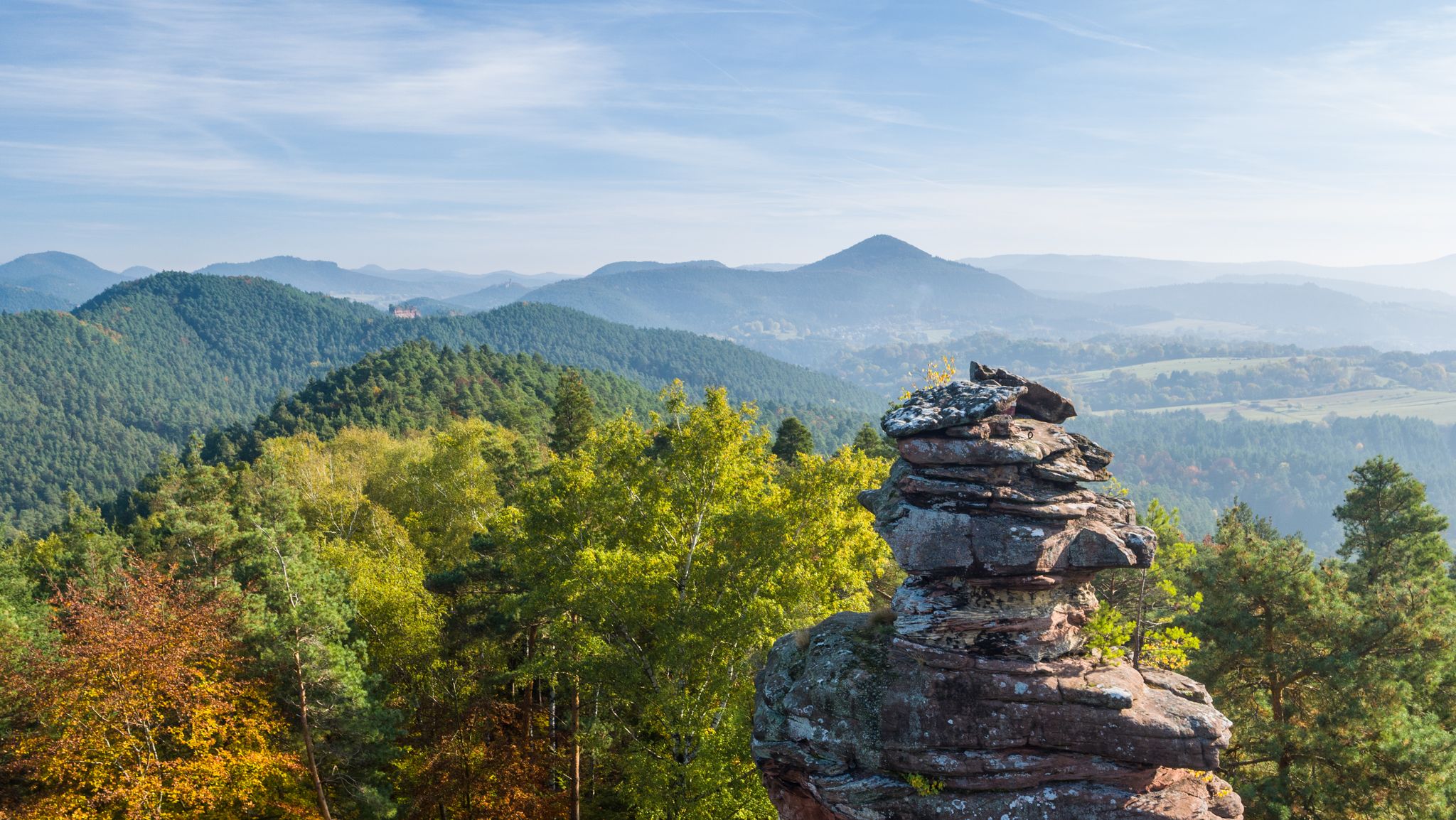
Drachenfels Castle Ruins
Highlight • Castle
Translated by Google •
Tip by

Sign up now to discover places like this
Get recommendations on the best single tracks, peaks, & plenty of other exciting outdoor places.
Sign up for free
Madenburg Castle Ruins
Highlight • Castle
Translated by Google •
Tip by

Wissembourg
Highlight • Settlement
Translated by Google •
Tip by

German Wine Gate (Deutsches Weintor)
Highlight • Monument
Showing Translation
Tip by

Sign up for free to discover even more attractions around Dörrenbach.
Sign up for free
Already have an account?
Start today with a free account
Your next adventure awaits.
Login or Signup
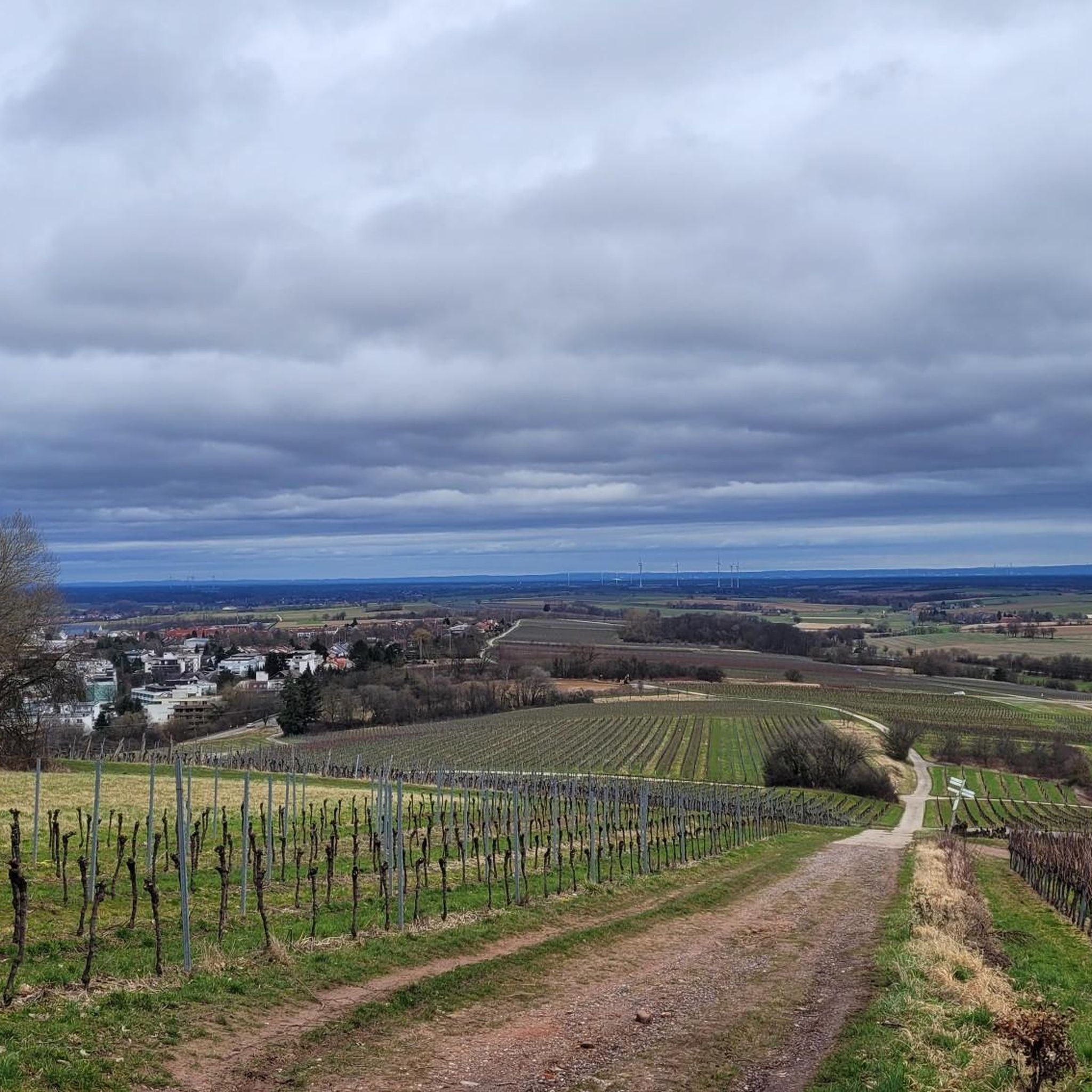
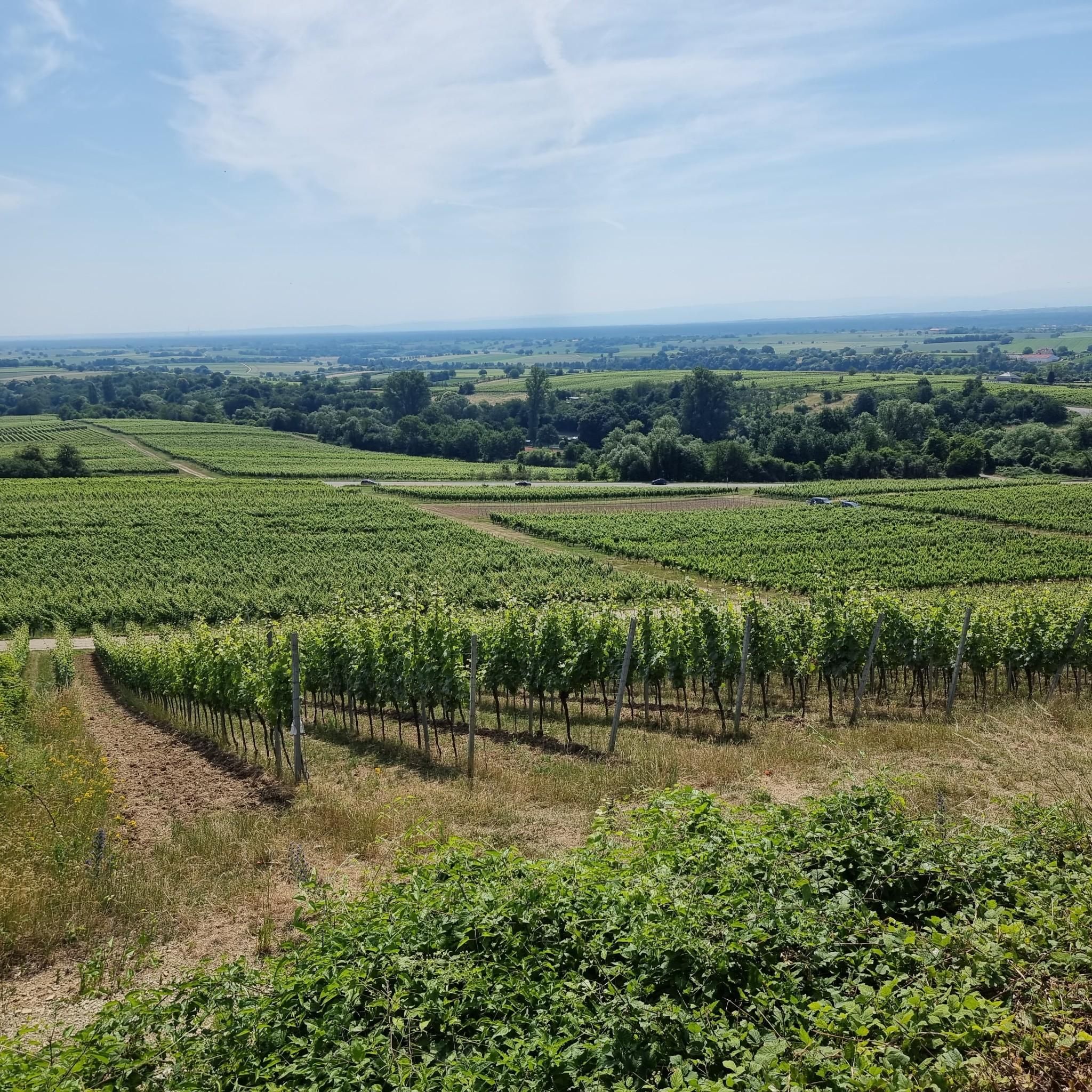
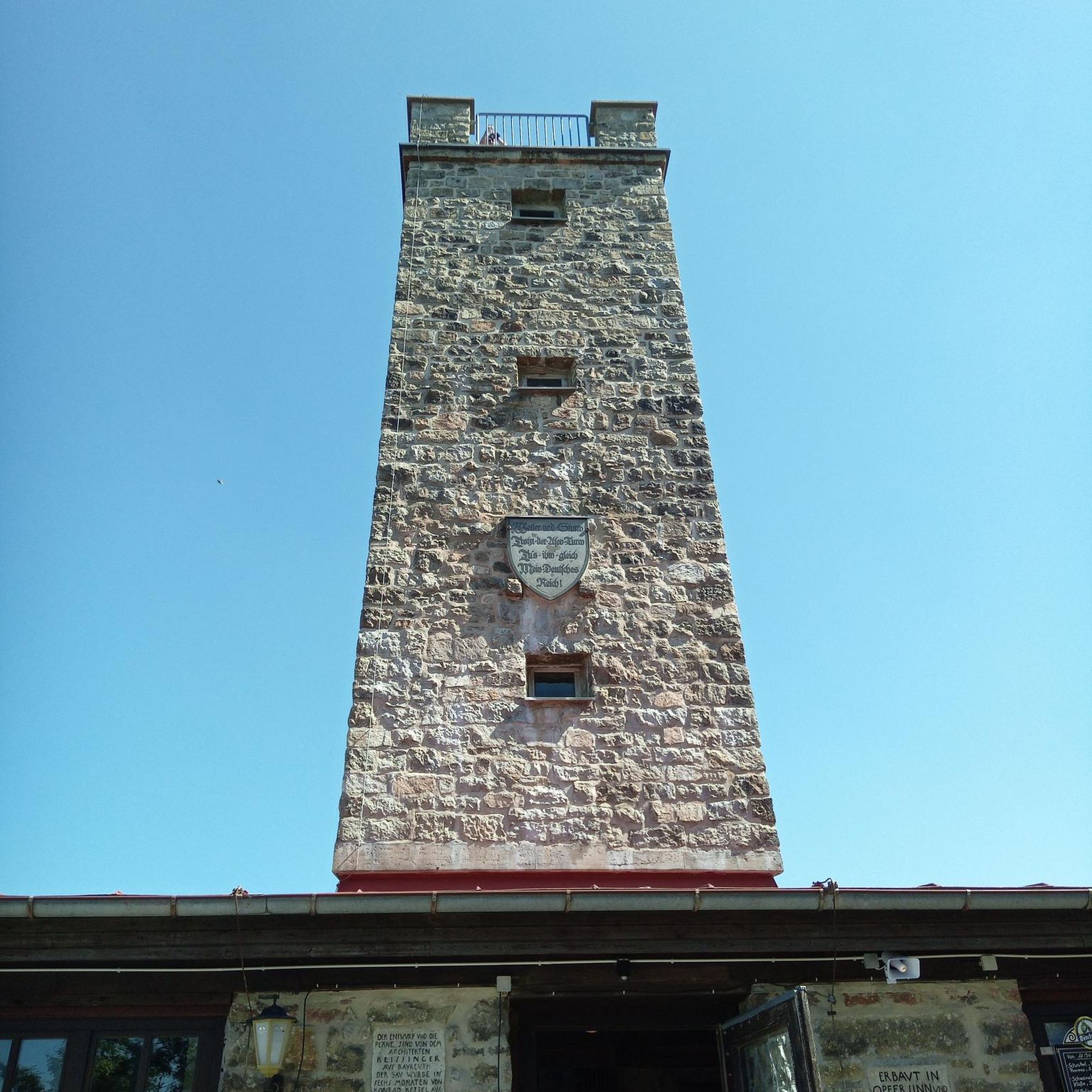
Other adventures around Dörrenbach

Tips from the Community

The German Wine Gate in Silent-Rechenbach is accessible all year round and offers a beautiful all-round view. It is built in the style of a Roman fort. From a historical perspective, you should know that it was created in 1936 during National Socialism at the same time as the Wine Route. When looking at the Weintor from the French side, the former imperial eagle can still be seen; the obligatory swastika was subsequently knocked out. All too understandable. There are some very good winemakers in the surrounding area and it is highly recommended to try one or two wines.
12
0

An impressive building from a darker era in German history. It's the beginning or end of the German Wine Route and not far from Wissembourg. You can taste and purchase wine right there.
6
1

The creation of the Weintor unfortunately goes back to a very dark chapter in German history, but it is a tourist attraction.
8
0

Very beautiful ruin with a gigantic view ... a visit is definitely worth it
13
0

The southern end of the Palatinate Weinsteige.
11
1

Nice place for a stopover in the Palatinate
7
0

South of Busenberg, on the 367 m high castle hill, rises the once proud medieval Drachenfels Castle, which is already striking from afar because of its striking shape. Although it has become a ruin over the centuries as a result of military conflicts, it is still one of the historically most important sites in the Palatinate, according to many archaeologists and historians. First mentioned in connection with a knightly family of the same name in the 12th century, the castle was probably once the border castle of the Benedictine monastery in Klingenmünster. In 1335, because of the robber baronship of its owners, besieged and destroyed by Strasbourg citizens, the castle came to the knights of Dürkheim in the further course of its history, which was to be decisive for the Drachenfels for many years and rebuilt the Drachenfels. A mutual protective and defiant alliance of the Dürkheimers with a certain Franz von Sickingen, who was a valiant knight, led to the second destruction of the Drachenfels on May 10, 1523. Although the Drachenfels was never a Sickingen castle, it was destroyed by the allied troops of the Elector and Archbishop of Trier, the Elector Palatinate and the Landgrave of Hesse. The castellan and eight servants were no match for the superiority and surrendered the Drachenfels without a fight. Subsequently destroyed and razed, a ban on reconstruction was also imposed. The castle has remained a ruin to this day. In the course of the French Revolution, in its history the Palatinate was alternately German and French, the ruins came into the possession of the municipality, which is still the owner of the Drachenfels today. Visit the Drachenfels with its many characteristic rock chambers, with its towers and thickly reinforced shield walls. An overwhelming view of the magnificent landscape of the Dahner Felsenland, where mountain ridges crowned with red sandstone rocks repeatedly rise out of the green sea of forests, compensates you for the effort of the short ascent. Source: http://www.busenberg.de/drachenfels.html
13
0
The 18 meter high building has been the symbol of the German Wine Route since 1936. The idea of the German Wine Gate and the German Wine Route was created in 1935. The aim was to promote tourism and increase the demand for wine during a very difficult phase for viticulture. The wine gate was built in just two months in 1936 and inaugurated on October 18, 1936. The 80-kilometer German Wine Route begins at the German Wine Gate in Schweigen-Rechtenbach and ends in Bockenheim in the north. Source: https://erlebnis-weintor.de/
17
1
Frequently Asked Questions
What historical landmarks can I explore in and around Dörrenbach?
Dörrenbach is rich in history. You can visit the Historisches Renaissance-Rathaus (Historic Renaissance Town Hall) from 1590, the medieval Wehrkirche Sankt Martin (Fortified Church of St. Martin) with parts dating back to 1300, and the remnants of a medieval castle known as Alter Wehrturm. Nearby, explore the impressive Landeck Castle, the unique Drachenfels Castle Ruins, and the Madenburg Castle Ruins, all offering insights into the region's past.
Where can I find the best panoramic views near Dörrenbach?
For breathtaking panoramic views, head to the Stäffelsbergturm, an observation tower offering extensive vistas across the Palatinate Forest, the Vosges mountains, and the Rhine Valley extending to the Black Forest. The Kolmerberg Kapelle also provides spectacular views of the surrounding vineyards. Additionally, the keeps of Landeck Castle and Madenburg Castle Ruins offer sensational views over the Rhine plain.
Are there family-friendly activities or attractions in Dörrenbach?
Yes, Dörrenbach offers several family-friendly options. The Dornröschengarten (Sleeping Beauty Garden) and the Gebrüder Grimm Märchenweg (Brothers Grimm Fairy Tale Path) are particularly engaging for families with children, featuring various stations dedicated to Brothers Grimm fairy tales. The Drachenfels Castle Ruins are also noted as a great place to explore with kids.
What natural features characterize the landscape around Dörrenbach?
The landscape around Dörrenbach is defined by its sprawling vineyards that seamlessly transition into the lush Palatinate Forest. The village is also situated along the banks of the winding Dörrenbach River. The Palatinate Forest Biosphere Reserve offers over 40 km of hiking trails through magnificent chestnut and mixed forests.
What kind of outdoor activities can I do near Dörrenbach?
The area around Dörrenbach is ideal for various outdoor activities. You can explore numerous hiking trails through the Palatinate Forest. For cyclists, there are dedicated routes for road cycling, gravel biking, and mountain biking. Discover detailed routes and guides for Road Cycling, Gravel Biking, and MTB Trails around Dörrenbach.
When is the best time to visit Dörrenbach for outdoor activities and events?
The region is beautiful year-round, but for outdoor activities like hiking and cycling, spring through autumn offers pleasant weather. The village also hosts seasonal events, such as the Magical Sleeping Beauty Festival in mid-June and the Martini Kerwe parade in early November, which can add to your visit.
Can I experience local wine culture in Dörrenbach?
Absolutely. As a village along the German Wine Route, Dörrenbach offers excellent opportunities for wine tastings with local winemakers. You can also visit the German Wine Gate (Deutsches Weintor), which marks the beginning of the German Wine Route, to learn more about the region's viticulture and purchase local wines.
What is the atmosphere like in Dörrenbach's village center?
Dörrenbach's village center is known for its romantic and fairytale-like atmosphere. It features picturesque half-timbered houses and charming cobbled streets, contributing to its reputation as the 'Sleeping Beauty of the Palatinate' and having been recognized as the most beautiful village on the Southern Wine Route in 1975.
Are there any unique cultural events or venues in Dörrenbach?
Dörrenbach features an Open-air Stage (Freilichtbühne) set in a romantic forest backdrop. This venue, complete with a grill area and tents, hosts various local events including village festivals, cabaret performances, and live music, offering unique cultural experiences.
What do visitors enjoy most about the castles and ruins near Dörrenbach?
Visitors particularly enjoy the exploratory nature of the castle ruins. For instance, Drachenfels Castle Ruins are praised for their unique structure and being a real adventure to explore. Landeck Castle is appreciated for its well-preserved state and sensational views, while Madenburg Castle Ruins are noted for their excellent castle tavern and far-reaching views.
Is there a nearby town worth visiting for additional attractions?
Yes, the nearby town of Bad Bergzabern is easily accessible and known for its natural thermal springs. It also features notable architecture like the historic 'Zum Engel' inn and its own medieval castle. Another option is Wissembourg, a charming French town just across the border, with a beautiful old town and historical fortifications.
Most popular routes around Dörrenbach
Most popular attractions around Dörrenbach

Get inspired with the komoot mobile app


Explore more
Still not found the Highlight you’re looking for? See guides of the top attractions in other regions:
