The best cycling routes in Oberfrauenau
4.4
(1898)
10,229
riders
268
rides
Touring cycling routes in Oberfrauenau are set within the Bavarian Forest, Germany's largest contiguous forest area, offering a diverse landscape for cyclists. The region features dense woodlands, river valleys, and the Frauenau Drinking Water Reservoir. Elevations range from gentle slopes to more challenging climbs towards hills like Rachel and Lusen, providing varied terrain for touring cyclists.
Best touring cycling routes in Oberfrauenau
- The most popular touring cycling route is Gut Tausendbachl – Klingenbrunn Train Station loop from Klingenbrunn, a…
Last updated: November 24, 2026
5.0
(8)
36
riders
33.3km
02:39
490m
490m
Hard bike ride. Very good fitness required. Mostly paved surfaces.
4.8
(95)
416
riders
29.1km
02:22
660m
660m
Hard bike ride. Very good fitness required. Some segments of this route may be unpaved and difficult to ride.

4.5
(41)
205
riders
Moderate bike ride. Good fitness required. Mostly paved surfaces.
4.7
(158)
660
riders
Hard bike ride. Very good fitness required. Mostly paved surfaces.
4.6
(18)
191
riders
16.5km
01:00
120m
120m
Easy bike ride. Mostly paved surfaces.
Get access to more routes and recommendations from other explorers.
Already have an account?
Our route recommendations are based on thousands of hikes, rides, and runs completed by other people on komoot.
Start today with a free account
Your next adventure awaits.
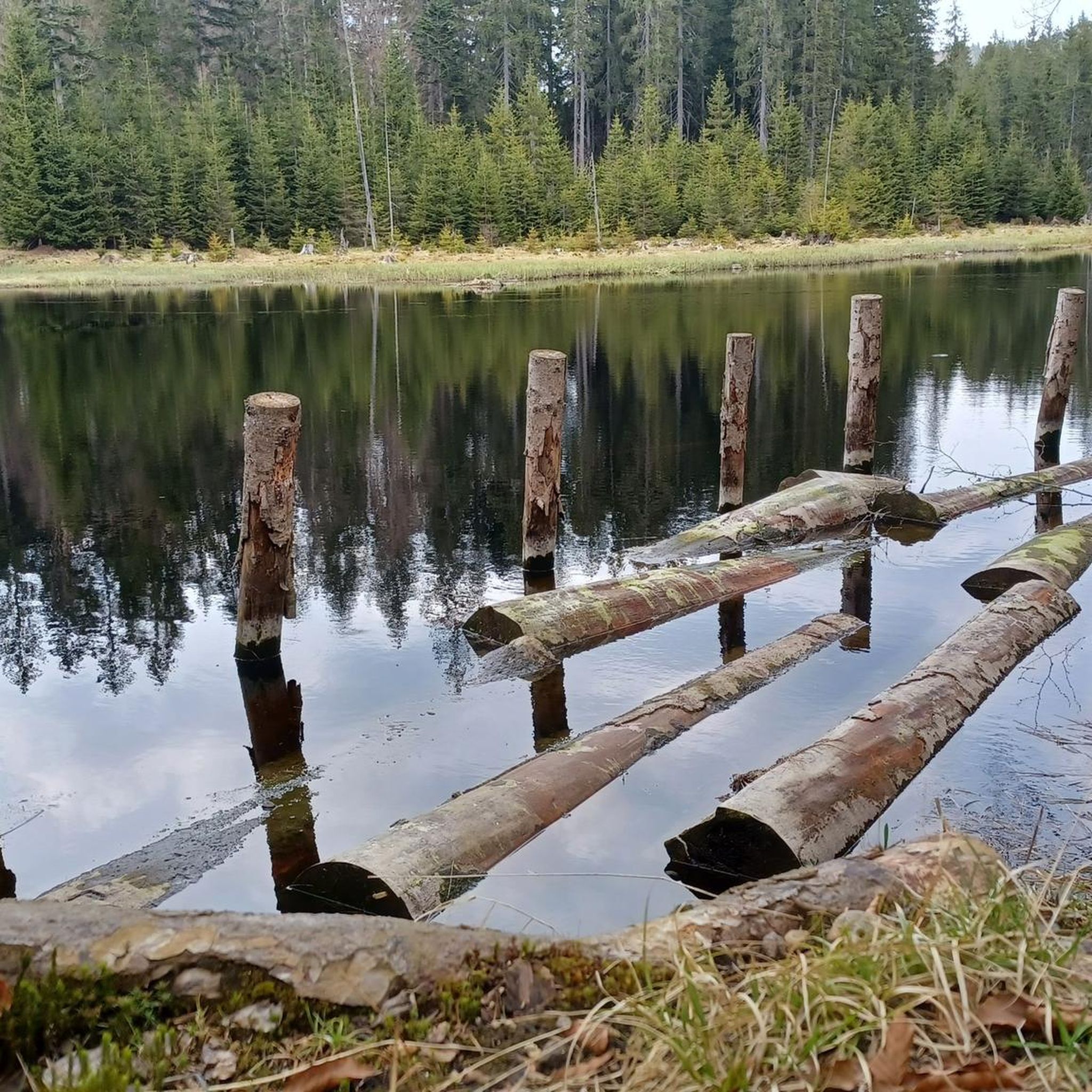
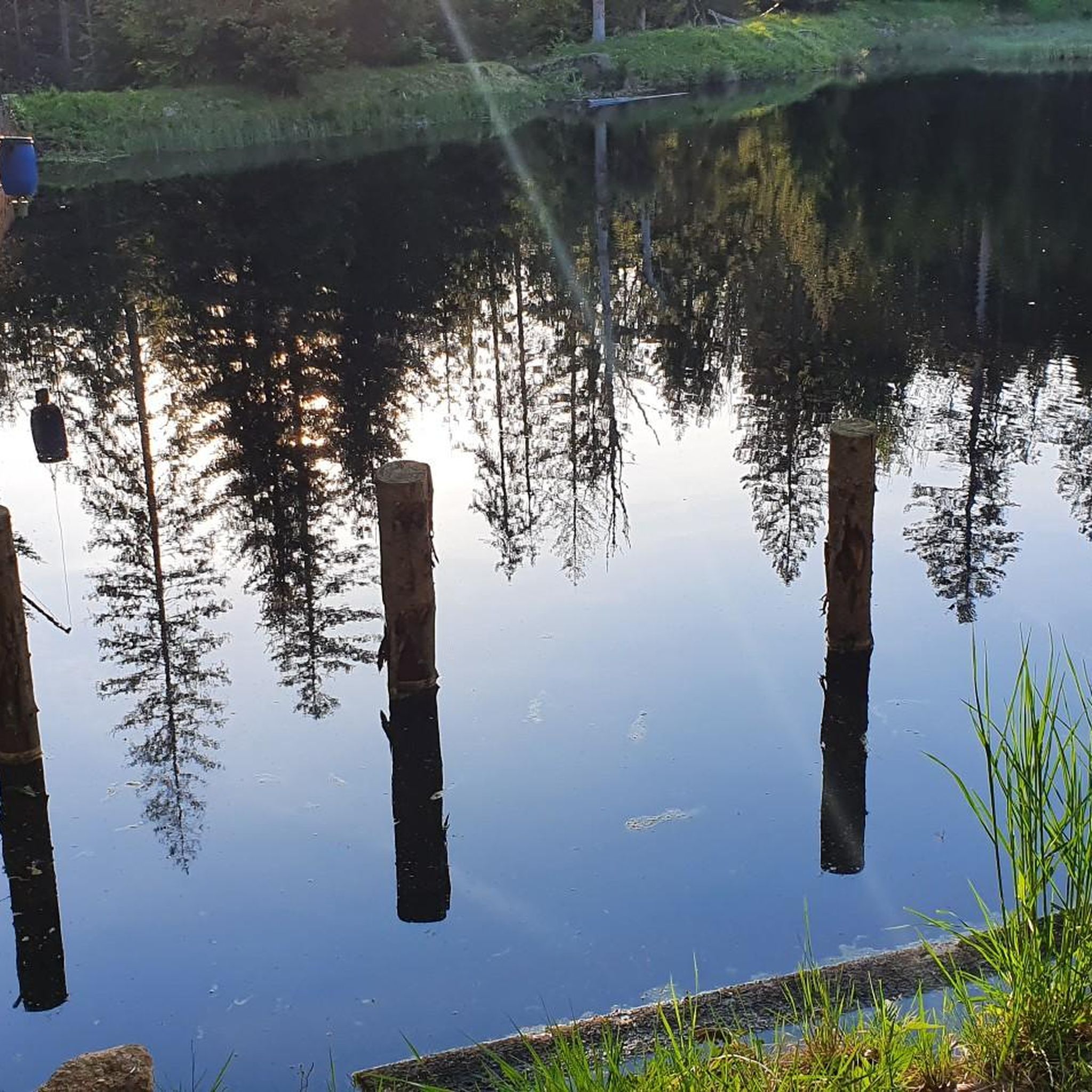
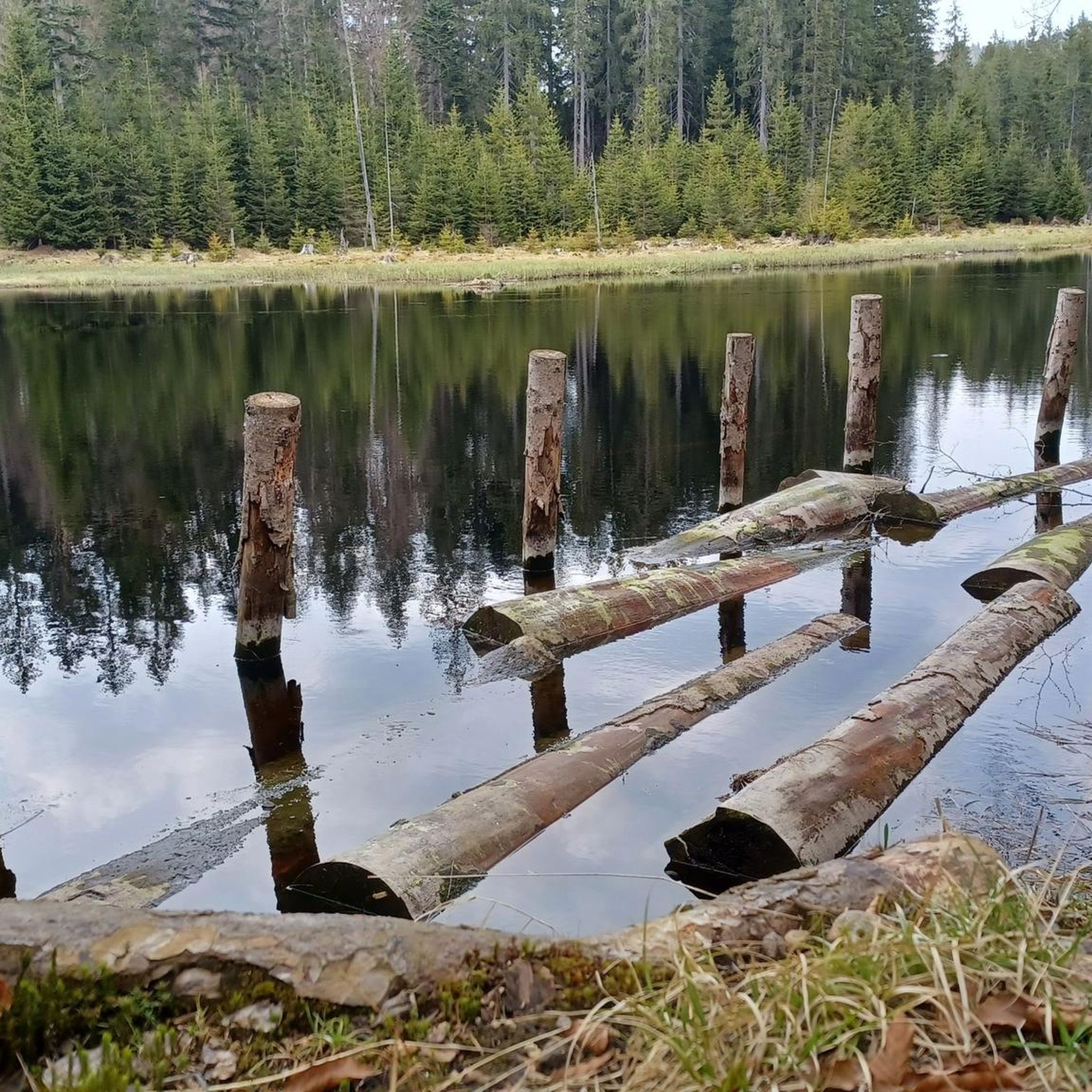

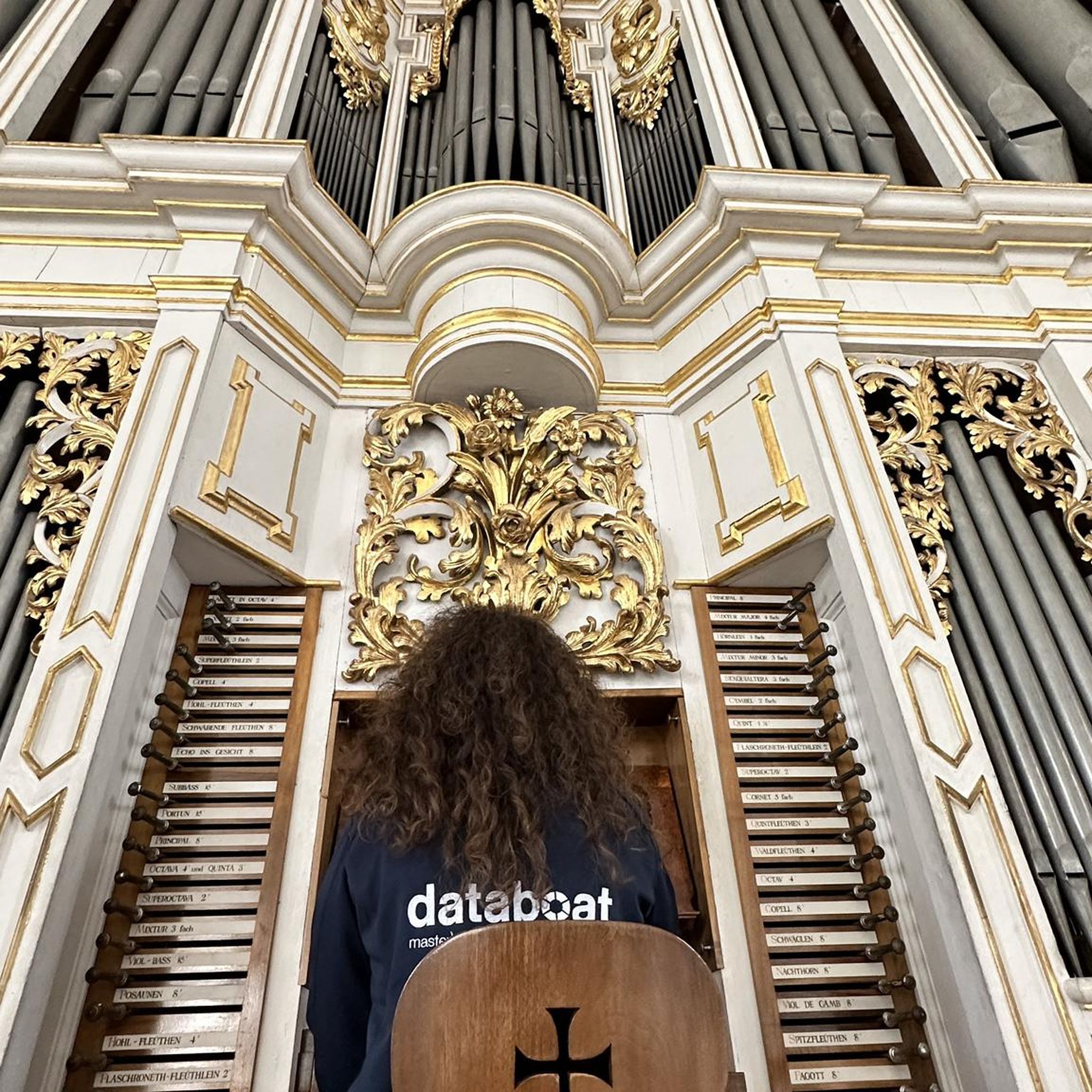
Tips from the Community

Buchenau Castle The estate was built starting in 1840 for the glass manufacturer and Imperial Knight Benedikt von Poschinger. After his death in 1856, he was succeeded by his son Ferdinand Friedrich Wilhelm, who expanded the estate between 1868 and 1870 in the Historicist style. After the glassworks went bankrupt in 1932, the castle remained unused for nine years. In 1942, it was purchased by the couple Erna Horn and Dr. Julius Arndt, who established an experimental kitchen and a cultural center there. After Erna Horn's death in 1982, the estate was inherited by two of her employees, the cook and the secretary. In 2006, the "Förderkreis Schloß Buchenau" (Friends of Buchenau Castle) acquired the castle. Following a renovation, it is now used as a cultural center, which includes the "Garden Market with Wild Garlic Festival" at the end of May, the "Gourmet Market" on October 3rd, and an annual Advent market. The castle is a two-story, neo-Gothic style building with a gable roof, stepped gables, corner oriels, and a roof turret. To the west, there is a columned portico. The ensemble includes the former administrator's house, a two-story gable-roofed building with gable balconies, built in a country house style. An associated washhouse with an ice cellar was built around 1900; it is a single-story, two-wing building with a hipped roof and corner rustication. The palm house dates from around 1870 and is a building with a half-hipped roof and a glazed south side. The greenhouse was also built around 1870, a long, flat gable-roofed building with a glass roof. Furthermore, it includes a bowling alley, a long, flat gable-roofed building constructed with timber framing over quarry stone walls, as well as a bee house. On the property, there is a grotto built of quarry stone. The courtyard wall is also made of quarry stone. The estate is embedded in a park in the style of an English landscape garden, which was laid out around 1870. Source: Excerpts from www.wikipedia.de
6
0


Erich Schott on the lower town square in Zwiesel is a popular meeting point in the town.
0
0

Pizzeria Cafe Dolomiti, the stone oven stop. Crispy stone-baked pizza and a cold beer make this stop particularly worthwhile after a few meters of elevation gain. The terrace invites you to continue your leisurely ride through the Zwiesel region.
0
0
Zwiesel is a beer culture town and, with its steam beer tradition, an ideal place to start, arrive, or stop along the way: Freshly tapped steam beer awaits you in the brewery's taproom, the Bräustüberl (brewery taproom), and the traditional Bavarian snack bar – perfect for a pre-tour refreshment or a relaxing break midway through your adventure. Nestled between the charm of a glassmaking town, historic inns, and its proximity to the national park, Zwiesel uniquely combines nature, culture, and beer enjoyment. www.zwiesel.de
0
0

In 1975, Dr. h.c. Erich Schott, of the Jena glassworks, Schott & Associates, Mainz, donated this fountain to the people of Zwiesel. The large 'Erich Schott Fountain' is located in Zwiesel's town square. Granite steps, arranged in a circle around the fountain, compensate for the uneven terrain where necessary. They are paved with cobblestones. The majority of the round fountain is also made of gray granite. The low basin walls are lined with rectangular granite tiles, both on the inside and outside. Wooden plank seating is attached to the polished stone slabs that define the wide, overhanging edge of the basin. Within the basin, surrounded by shallow water, lie two natural boulders. They encircle the central element, which consists of a steel pedestal and a large stone sphere resting upon it. Square glass stones line the equator of the sphere, from whose tops water emerges in a focused jet. https://www.kunst-niederbayern.de/walter-mauder-und-siegfried-schriml-erich-schott-brunnen.html
2
0
The impressive town hall in Zwiesel has a turbulent history. A town hall in use since at least 1535 was burned down by the Swedes in 1633, along with the market square. It was rebuilt in 1635 but burned down again in 1707, resulting in the loss of many important records. The subsequent town hall was also destroyed in the market fire of 1832. In 1838, construction began on the current town hall on the site of the previous building. It wasn't until 1844 that the building, which until then had only a temporary roof, was properly re-roofed. In 1876, the town council decided to crown the town hall with a small tower. The work was awarded to master carpenter Georg Stolka for 1100 marks. He began erecting the turret on December 18, 1876. The tower's cupola was added on December 30, 1876, by journeyman carpenter Johann Kagerbauer. In the first days of the following year, the clock and bell were opened. The bell came from the old town hall, where it had been used for many decades to signal the start of council meetings. On January 16, 1877, the tower bell of the new town hall tower was rung for the first time. The town hall clock was also set in motion that day. The town hall has three stories with five window bays each. The windows of the lower floors are round-arched, as are the three portals, which are arranged side by side and are of the same size. A stepped landing lies in front of these portals. The upper floor has rectangular windows. The windows and portals have rusticated frames, and the corner pilasters are also rusticated. The stories are separated by cornices that run below the window sills. The ground floor features ashlar masonry. In front of the central window of the first upper floor, which extends into a doorway, is a balcony supported by a volute corbel and a balustrade. The flat roof, which slopes towards the tower, rests on a corbel frieze. The tower features wooden ornaments encased in sheet metal. The slate shingles of its roof are laid in a pattern, the spire is decorated with floral ornaments, and the weathervane at the very top consists of tin flower cups. The bell, cast in Straubing in 1707, weighs approximately twenty kilograms. https://www.niederbayern-wiki.de/wiki/Rathaus_(Zwiesel)
2
0
Frequently Asked Questions
How many touring cycling routes are available in Oberfrauenau?
Oberfrauenau offers a wide selection of touring cycling routes, with over 270 options to explore. These routes cater to various skill levels, including 29 easy, 104 moderate, and 140 difficult trails.
What is the best time of year for touring cycling in Oberfrauenau?
The optimal season for touring cycling in Oberfrauenau and the Bavarian Forest is between late spring and early autumn (May to September). During these months, the weather is generally warm and pleasant, and the trails are vibrant with nature.
Are there any easy touring cycling routes suitable for beginners in Oberfrauenau?
Yes, there are 29 easy touring cycling routes in Oberfrauenau. A great option for a relaxed ride is the Glass Museum Frauenau – Kleiner Regen loop from Frauenau, which is 17.2 km long and takes about 1 hour 25 minutes to complete.
What kind of terrain can I expect on touring cycling routes in Oberfrauenau?
The terrain in Oberfrauenau is diverse, ranging from gentle slopes to more challenging climbs. You'll encounter dense woodlands, river valleys, and routes around the Frauenau Drinking Water Reservoir. Some trails also lead towards hills like Rachel and Lusen, offering varied elevation profiles.
Are there any circular touring cycling routes around the Frauenau Drinking Water Reservoir?
Yes, the Frauenau Drinking Water Reservoir is a popular spot for circular routes. A moderate option is the Frauenau Drinking Water Reservoir – View of the Frauenau Reservoir loop from Frauenau, which is 16.5 km long and offers scenic views around the dam.
What are some notable natural features or landmarks I can see while cycling in Oberfrauenau?
While cycling in Oberfrauenau, you can explore the stunning Bavarian Forest National Park, which features a well-signposted network of cycle paths. Highlights include the National Park Cycle Route and the National Park Cycle Path near Klingenbrunn and Seebach. You might also pass by the Altposchingerhütte, a beautiful lake.
What do other touring cyclists say about the routes in Oberfrauenau?
The touring cycling routes in Oberfrauenau are highly regarded by the komoot community, holding an average rating of 4.4 stars from over 1,400 reviews. More than 8,000 touring cyclists have used komoot to explore the region's varied terrain, often praising the extensive network and natural beauty.
Are there any challenging touring cycling routes for experienced riders?
Absolutely, Oberfrauenau offers 140 difficult touring cycling routes. For a demanding ride, consider the Gut Tausendbachl – Klingenbrunn Train Station loop from Klingenbrunn, a 33.5 km trail with significant elevation changes, typically taking around 2 hours 39 minutes.
Can I find routes that take me through forested areas?
Yes, many routes in Oberfrauenau lead through dense forested areas, characteristic of the Bavarian Forest. An example is the Cycling to the shafts route, which is 29.1 km long and navigates through beautiful woodlands.
Are there any moderate touring cycling routes with scenic views?
Yes, for a moderate ride with scenic views, you can try the Rotbachschwelle – View of Frauenau loop from Frauenau. This 13.1 km path offers picturesque vistas around the Frauenau area.
What are the main geographical features that define the cycling experience in Oberfrauenau?
The cycling experience in Oberfrauenau is defined by its location within the Bavarian Forest, Germany's largest contiguous forest area. Key features include dense woodlands, the Frauenau Drinking Water Reservoir, and the presence of hills like Rachel and Lusen, which contribute to diverse elevation profiles.
Most popular routes in Oberfrauenau
Most popular attractions in Oberfrauenau

Get inspired with the komoot mobile app


Explore more
Browse the best Cycling routes in other regions.
