Attractions and Places To See in Fichtelberg - Top 20
Best attractions and places to see in Fichtelberg include a diverse range of natural landscapes and cultural insights within the Fichtel Mountains. As the highest mountain in Saxony, Fichtelberg offers extensive panoramic views and is characterized by dense forests, unique granite rock formations, and idyllic valleys. The region also features a rich history of mining and traditional craftsmanship. Visitors can explore significant landmarks and natural features throughout the area.
Best attractions and places to see in Fichtelberg
- The most popular…
Last updated: October 9, 2026
Fichtelberg Peace Bell
Highlight • Monument
Translated by Google •
Tip by

Zechengrund nature reserve
Highlight • Natural
Translated by Google •
Tip by

Sign up now to discover places like this
Get recommendations on the best single tracks, peaks, & plenty of other exciting outdoor places.
Hotel Sachsenbaude
Highlight • Rest Area
sachsenbaude.de/de/hotel-sachsenbaude-willkommen.html
Translated by Google •
Tip by

Zechengrund Nature Reserve
Highlight • Natural Monument
A wonderful ascent!
Showing Translation
Tip by

Fichtelberg Weather Station
Highlight • Monument
Translated by Google •
Tip by

Sign up for free to discover even more attractions in Fichtelberg.
Already have an account?
Start today with a free account
Your next adventure awaits.
Popular around Fichtelberg
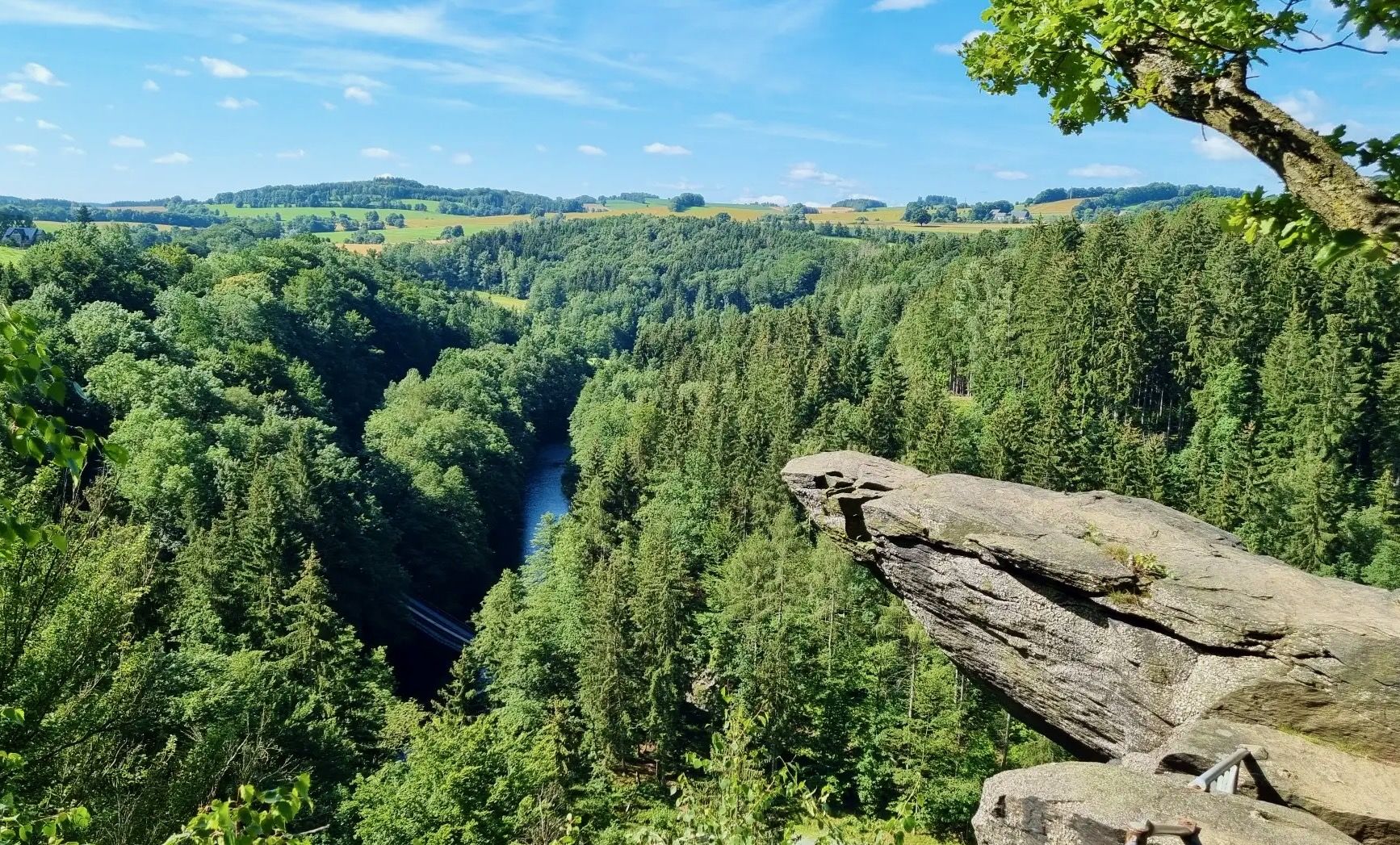
From Fichtelberg to Mulde - The Zschopautal Hiking Trail
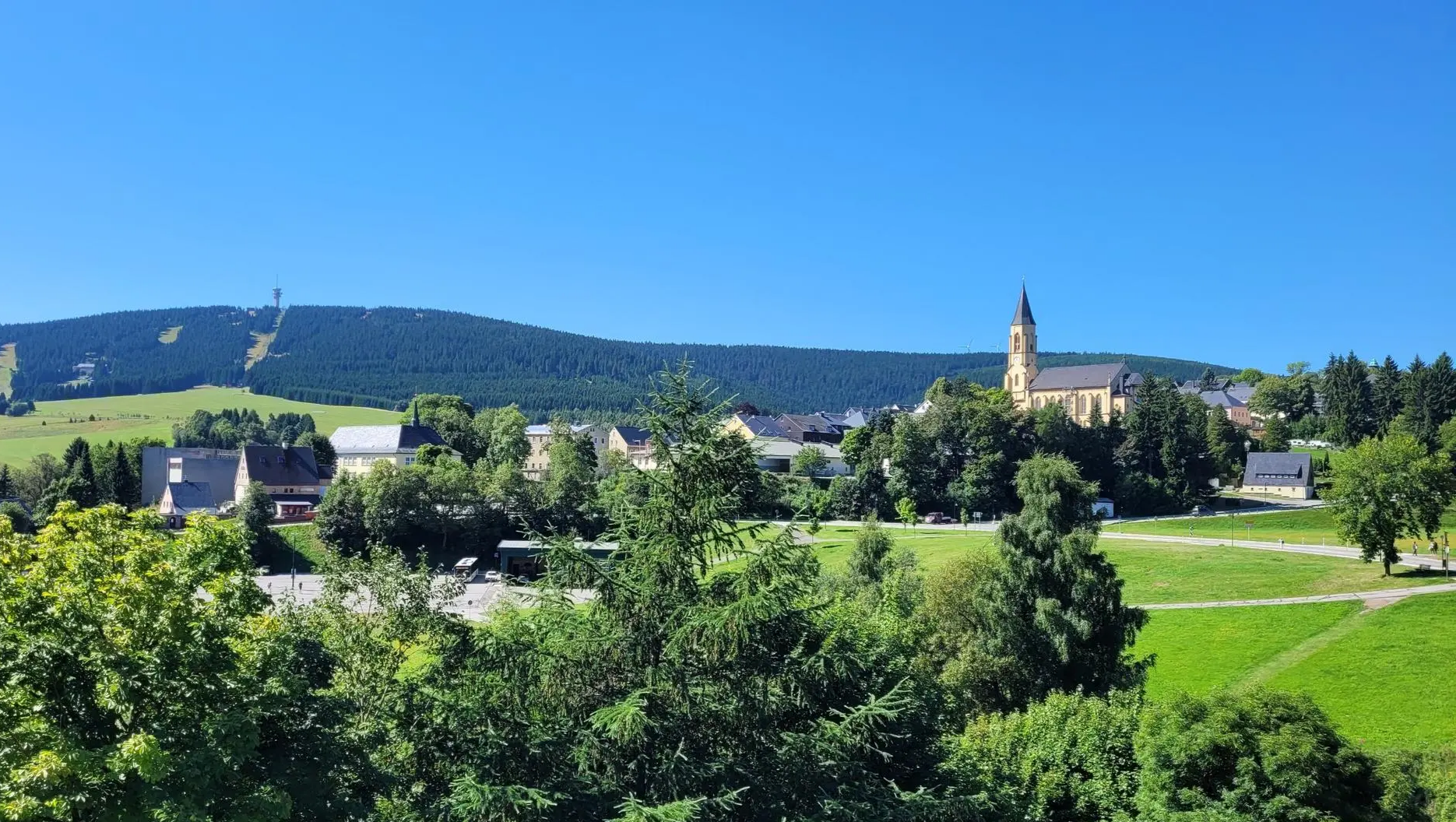
Mit der AOK PLUS zum Deutschen Wandertag in Oberwiesenthal
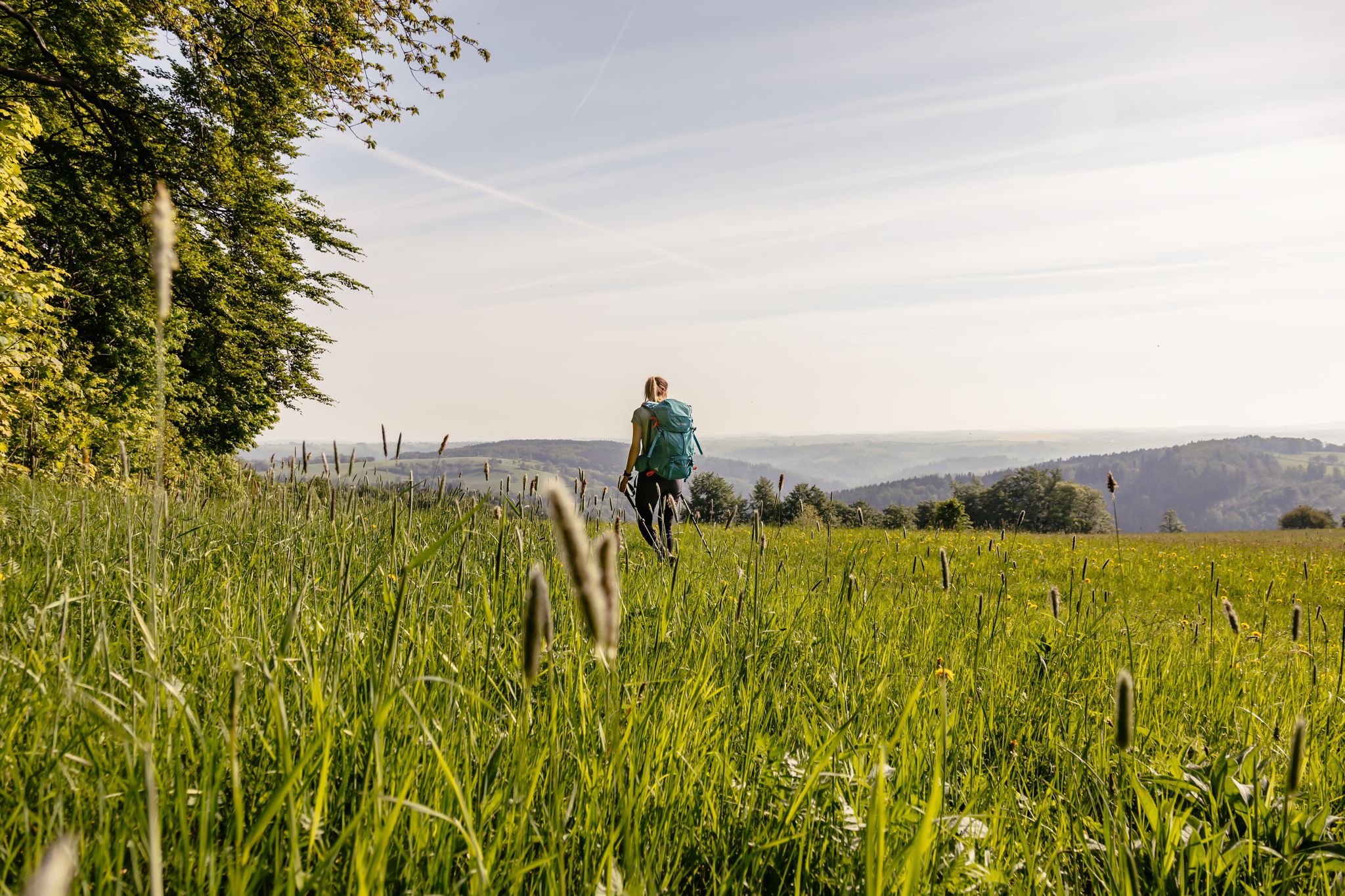
Fernwanderwege im Erzgebirge
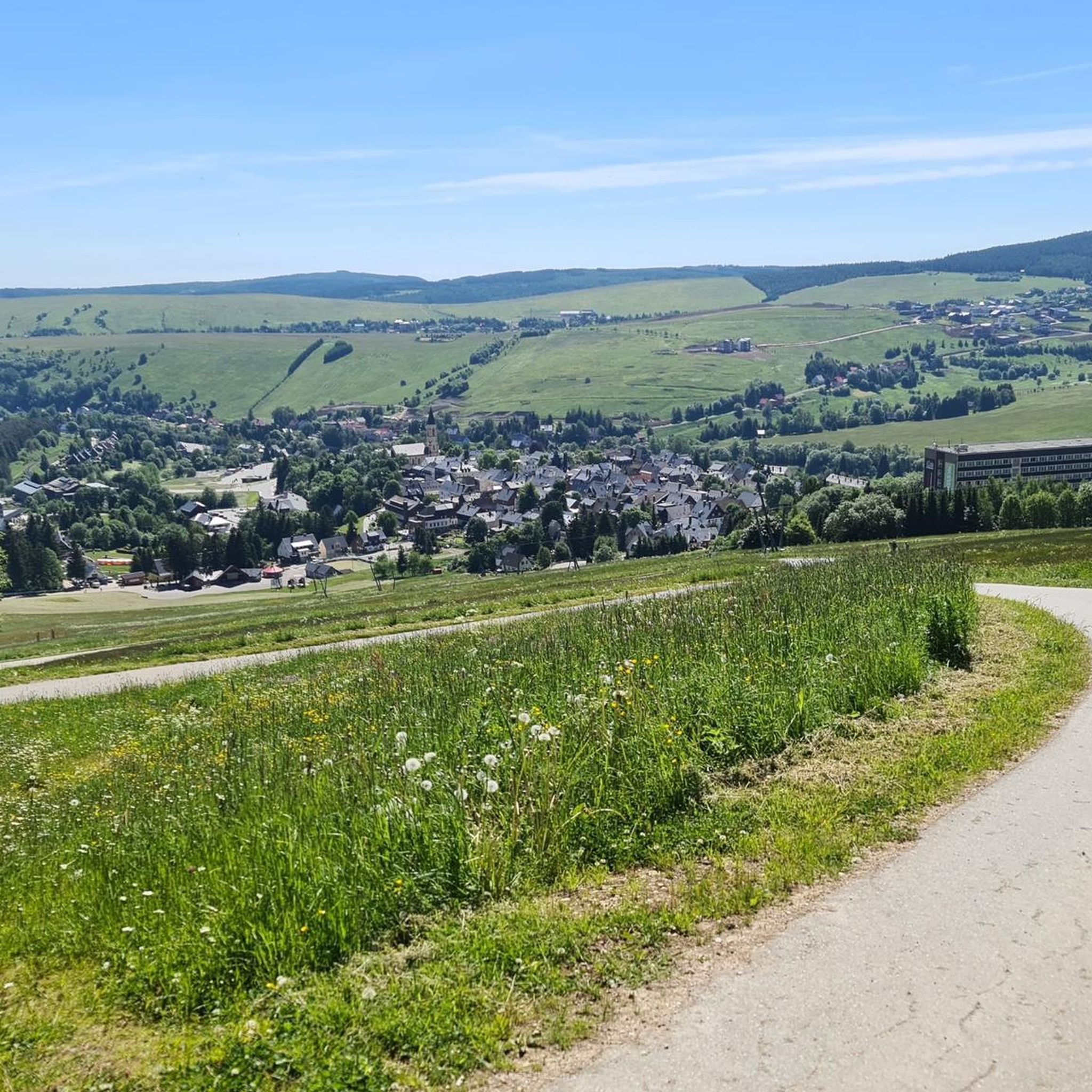
Hiking in Fichtelberg
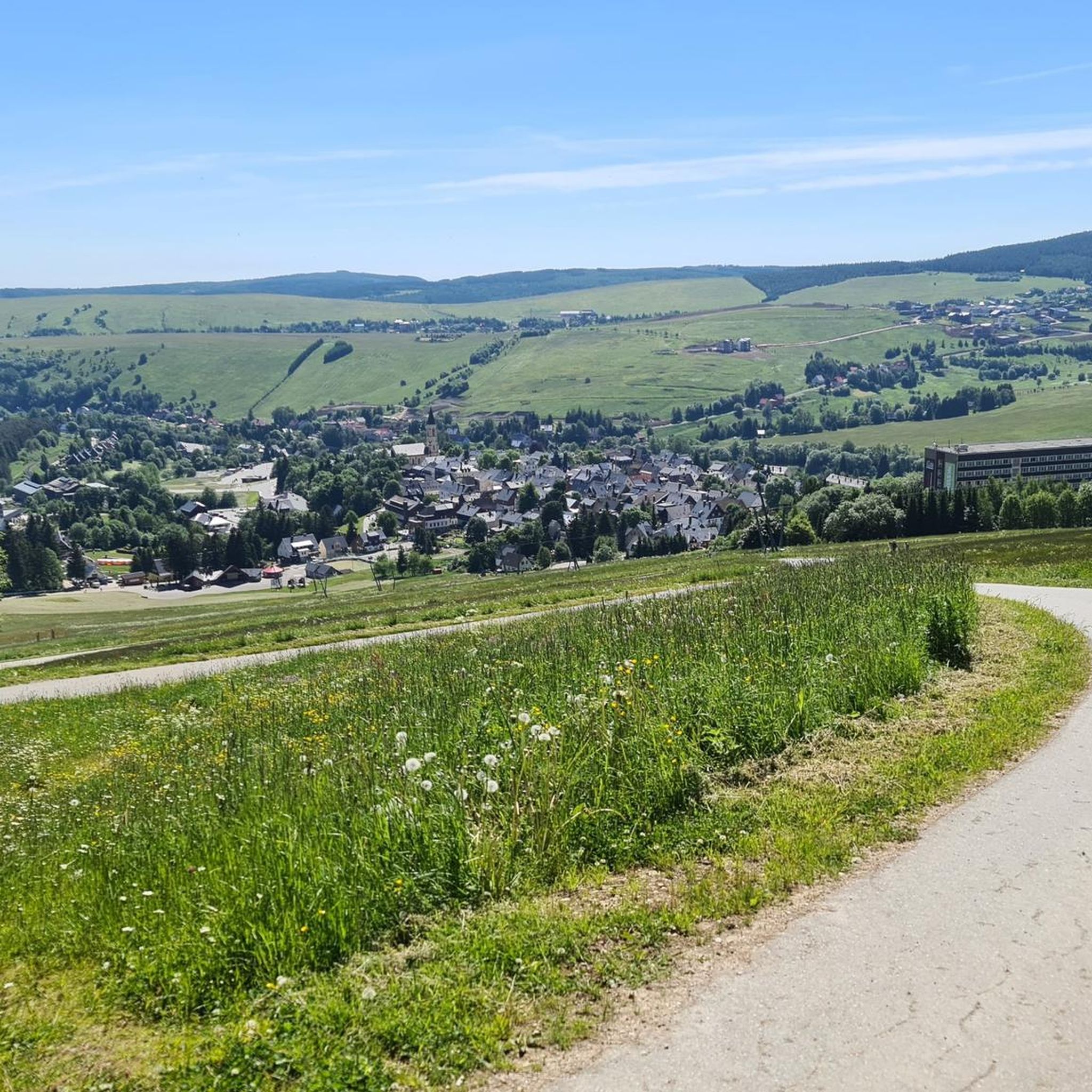
Cycling in Fichtelberg
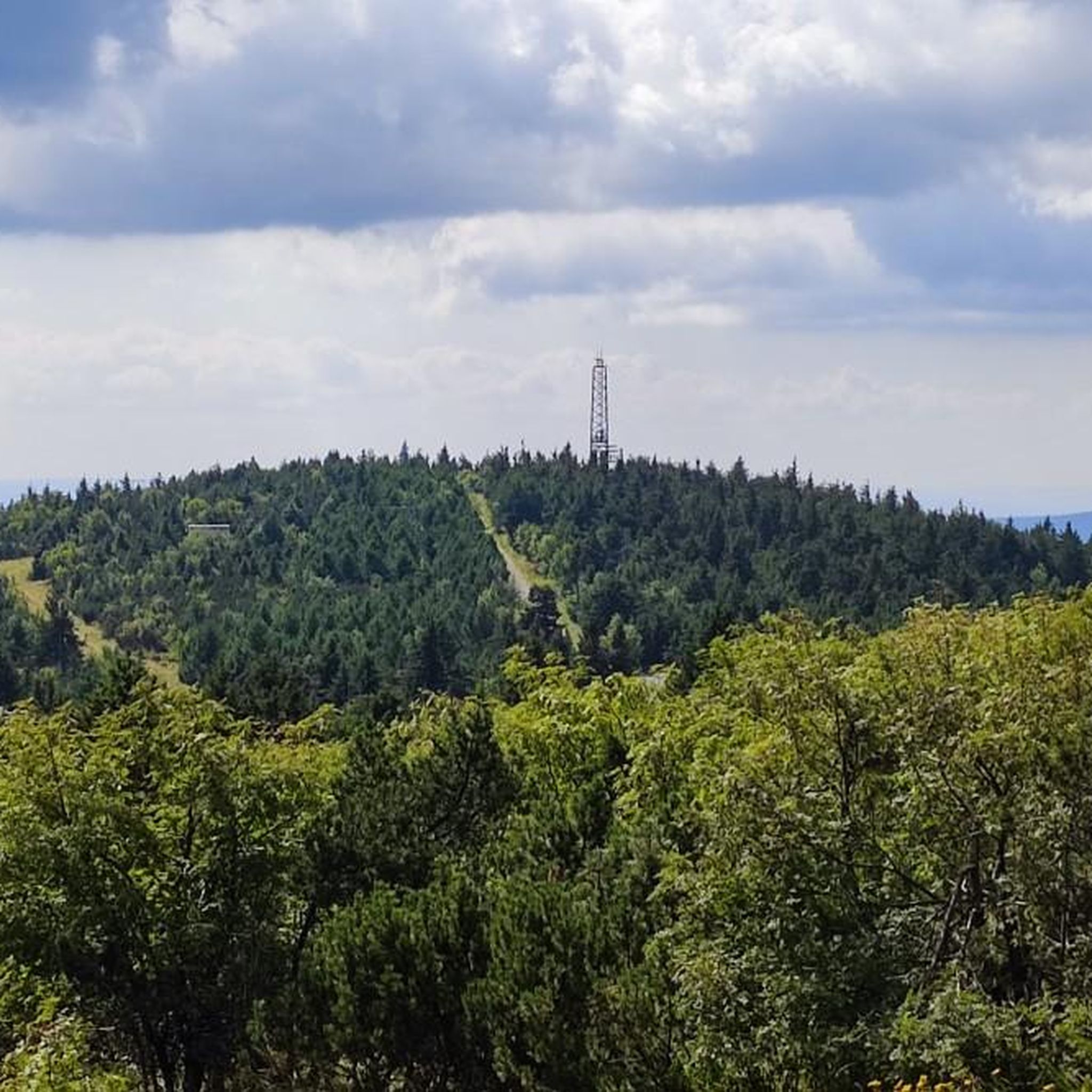
Running Trails in Fichtelberg
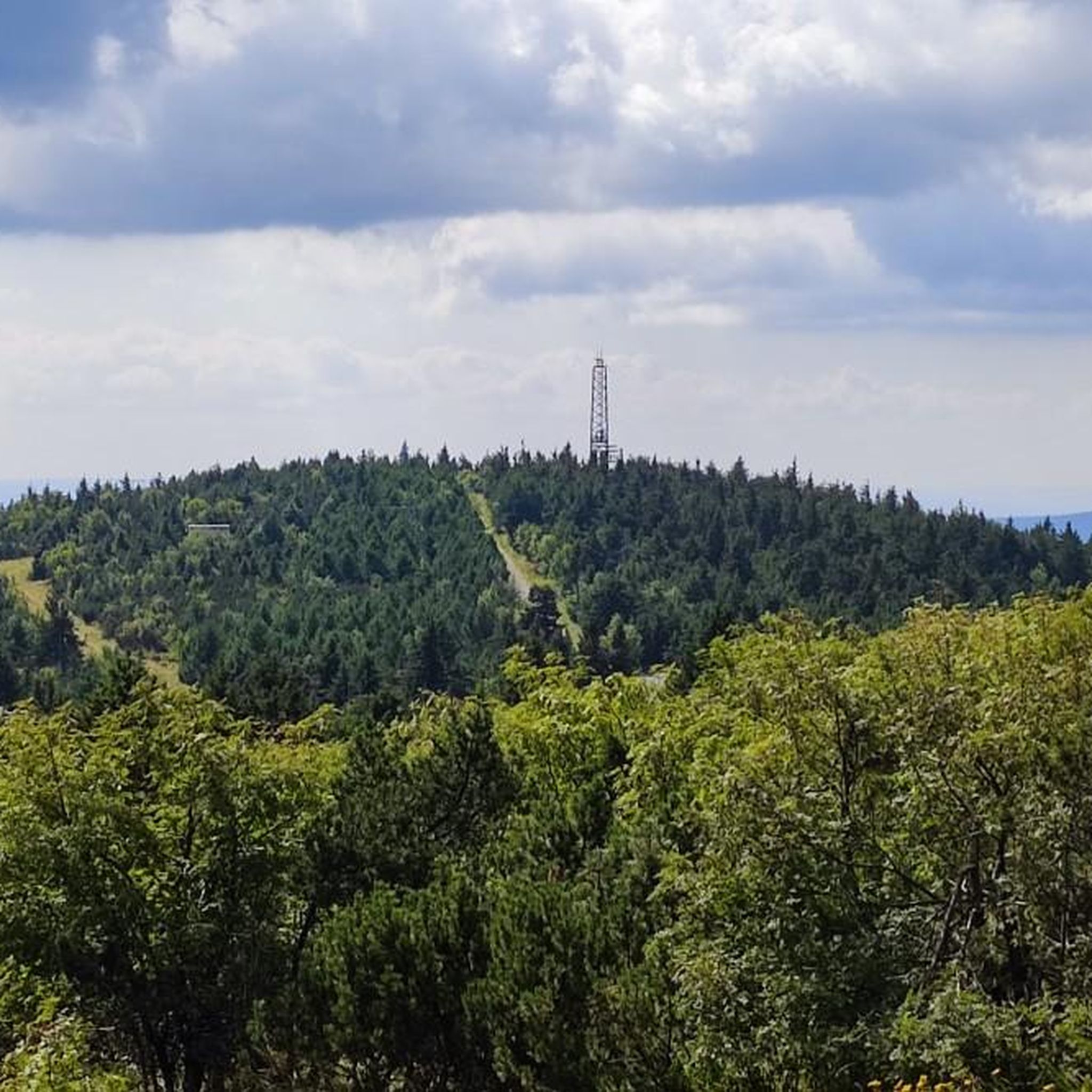
MTB Trails in Fichtelberg
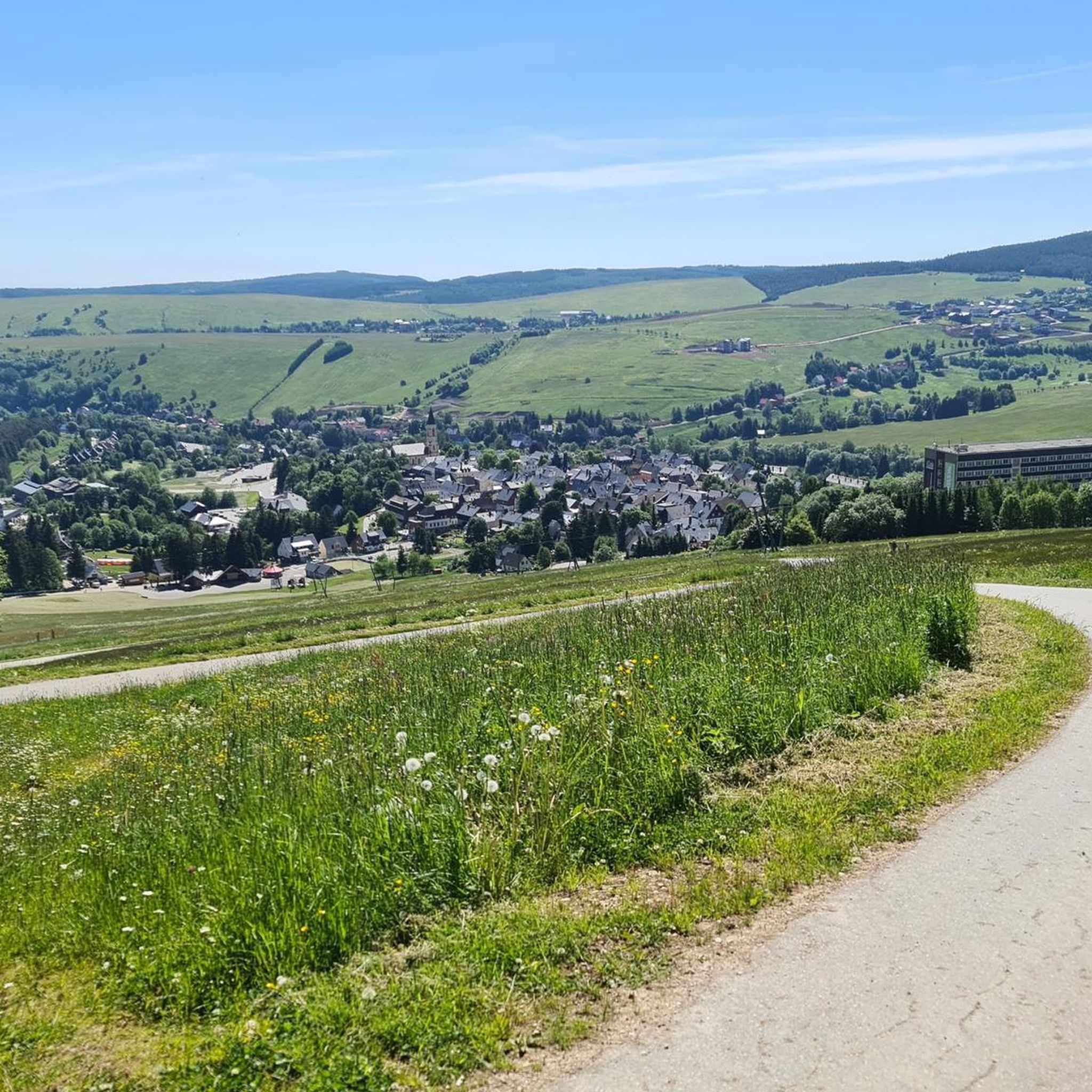
Road Cycling Routes in Fichtelberg

Gravel biking in Fichtelberg

Mountain Hikes in Fichtelberg


Tips from the Community

The Zechengrund is characterized by high-montane to subalpine vegetation. Plant species that are becoming increasingly rare today can be found here, such as alpine lettuce and whorled willowherb. Numerous animal species, such as the adder, the ring ouzel, and the white-banded black butterfly, live in the Zechengrund Nature Reserve. During our short hike, the animals had sought safe hiding places from the rain; we didn't even hear a single bird.
0
0
The Zechengrund is one of the oldest nature reserves in Saxony. Since 1912, attempts have been made to implement the first conservation efforts here. For this purpose, land was purchased to preserve its natural beauty. The Zechengrund is characterized by high-montane to subalpine vegetation. Plant species that are becoming increasingly rare today can be found here, such as alpine lettuce and whorled willowherb. Numerous animal species, such as the adder, the ring ouzel, and the white-banded black butterfly, live in the Zechengrund Nature Reserve. During our short hike, the animals had sought safe hiding places from the rain; we didn't even hear a single bird.
1
0

The large peace bell on the Fichtelberg had to remain silent for six months in 2024. Stone throwing in May 2022 had so badly damaged the bell that its sound suffered. It was decided to stop ringing it and replace it with a new one. The old bell rang for the last time on Easter Monday 2024. Just in time for the mountain service on German Unity Day on October 3, the new bell was officially rung for the first time in the fall of 2024. The idea of using a peace bell to commemorate the peaceful revolution of 1989 in the GDR and German reunification in 1990 came from watchman Gerd Schlesinger and night watchman Jörg Eller from the Ore Mountains town of Schwarzenberg. The bell was also intended to be heard in neighboring Czechia and thus ring for a united Europe. The cast steel bell, already ninety years old at the time, was rung for the first time in 2010. The new bell was cast in Innsbruck by the Grassmayr company. At 2,700 kilograms, it is about 1,100 kilograms heavier than the old bell.
17
1
The first weather observer on this summit was the innkeeper of the Fichtelberghaus. He recorded his weather observations from 1890 onwards, but from 1898 onwards only intermittently, and from 1910 onwards not at all. The head of the Royal Saxon State Meteorological Observatory, Paul Schreiber, suggested the construction of a permanent weather observatory. Temperature, wind speed, and precipitation amounts have been continuously recorded here since January 1, 1916. The strongest storm recorded here was on January 3, 1976, with a peak gust speed of 216 kilometers per hour. The coldest day on the summit was February 9, 1956, with minus 30.4 degrees Celsius; the warmest was July 27, 1983, with plus 30.8 degrees Celsius. The highest snow cover was measured in March 1944: 3.35 meters. The year 1951 was bad for Fichtelberg tourists: it held the record for foggy days with 315.
13
1

The Zechengrund Nature Reserve lies in the deep valley between Fichtelberg (Germany) and Keilberg (Czech Republic). A beautiful hiking area along the Pohlbach stream. Many benches and information signs are found along the route. Narrow hiking trails and an interesting flora. For me, it's an absolute highlight near Oberwiesenthal.
1
0

Idyllic path along the Pöhlabach
0
0

The station is located on the summit next to the Fichtelberghaus, but is not accessible.
5
0

Also worth seeing in winter 👍
0
0
Frequently Asked Questions
What natural attractions can I explore in Fichtelberg?
Fichtelberg is rich in natural beauty. A must-visit is the Zechengrund nature reserve, known for its beautiful, idyllic valley, quiet atmosphere, and excellent hiking opportunities. The broader Fichtel Mountains region features dense forests, unique granite rock formations, and extensive plateaus, offering a diverse natural landscape.
Are there any significant historical or cultural landmarks in Fichtelberg?
Yes, Fichtelberg offers several points of historical and cultural interest. The Fichtelberg Peace Bell, located on the Fichtelberg plateau, is a significant man-made monument symbolizing peace and unity, with its sound reaching into the Czech Republic. The region also has a rich mining history, with old mines like Markus-Röhling-Stolln offering insights into local culture. Additionally, the Fichtelberghaus at the summit is a historic building with an observation tower.
What outdoor activities are popular near Fichtelberg's attractions?
The Fichtelberg area is ideal for various outdoor activities. You can find numerous routes for mountain biking, gravel biking, and road cycling. For example, there are challenging MTB trails like the 'Fichtelberg Peace Bell – View of Fichtelberg loop' and scenic road cycling routes such as the 'Bozi Dar–Klinovec Scenic Road'. You can explore more options for MTB Trails, Gravel Biking, and Road Cycling Routes in Fichtelberg.
Are there family-friendly attractions in Fichtelberg?
Absolutely. Many attractions in Fichtelberg are suitable for families. The Zechengrund nature reserve is considered family-friendly for hiking. The Fichtelberg Peace Bell is also a family-friendly site. Additionally, the Fichtelberg Suspension Railway, Germany's oldest cable car, offers an exciting ride for all ages to the summit.
What is the best time to visit Fichtelberg for outdoor activities?
Fichtelberg offers activities year-round. For hiking and cycling, late spring to early autumn (May to October) generally provides the most pleasant weather. In late spring, the rough meadows of the Zechengrund nature reserve are particularly beautiful. Winter transforms the area into a significant winter sports center, with ski slopes and cross-country trails around Fichtelberg and the nearby Klínovec.
Where can I find panoramic views in Fichtelberg?
For breathtaking panoramic views, head to the summit of Fichtelberg Mountain. From here, you can enjoy extensive vistas of the surrounding Obererzgebirge region and even into the Czech Republic on clear days. The Fichtelberg Peace Bell area and the Fichtelberghaus also offer excellent viewpoints.
Are there any unique accommodations or facilities near the attractions?
Yes, the Hotel Sachsenbaude is a notable facility located directly on the Kammweg to Fichtelberg. Built in the style of Canadian railway hotels, it offers a very nice location with a great view of the mountains from its rooms, along with a swimming pool and outdoor whirlpool.
What is the Fichtelberg Suspension Railway?
The Fichtelberg Suspension Railway is Germany's oldest cable car, providing transport to the Fichtelberg summit since 1924. It offers fantastic views during the ascent and is a popular way to reach the top of the mountain.
What kind of craftsmanship is traditional in the Fichtelgebirge region?
The Fichtelgebirge has a long-standing tradition of craftsmanship. This includes basket weaving, woodworking, and lacework. Historically, the area was also a center for gold, silver, and copper mining, as well as porcelain manufacturing, contributing to a rich cultural heritage of skilled trades.
Can I find museums related to the region's history?
Yes, the Automobilmuseum Fichtelberg showcases over 200 exhibits, including bicycles, cars, and planes, offering a journey through transportation history. For a broader cultural perspective, the Fichtelgebirgsmuseum Wunsiedel, located in a former almshouse, provides a comprehensive look at the region's cultural history, including mineral collections, mining exhibitions, and traditional craft workshops.
What is the significance of the Fichtelberg Peace Bell?
The Fichtelberg Peace Bell was conceived to commemorate the peaceful revolution of 1989 and German reunification in 1990. It rings for peace, unity, justice, and love, with its sound intentionally reaching into the neighboring Czech Republic to symbolize a united Europe. The bell rings every Sunday at 4 p.m., with additional dates during Advent, Christmas, and New Year.
Are there any unique geological formations to see?
Yes, the broader Fichtel Mountains are characterized by unique granite rock formations. A notable example is the Luisenburg Rock Labyrinth near Wunsiedel, which is a giant granite rock maze offering a unique natural and cultural experience.
What is the highest point in the Fichtelberg area?
The highest point in the Fichtelberg area, and indeed in Saxony and eastern Germany, is Fichtelberg Mountain itself, reaching an elevation of 1,215 meters (3,985 ft). It offers extensive panoramic views from its summit.
Most popular routes in Fichtelberg
Most popular attractions in Fichtelberg

Get inspired with the komoot mobile app


Explore more
Still not found the Highlight you’re looking for? See guides of the top attractions in other regions:
