The best MTB trails in Untere Pulsnitzniederung
4.7
(47)
201
riders
55
rides
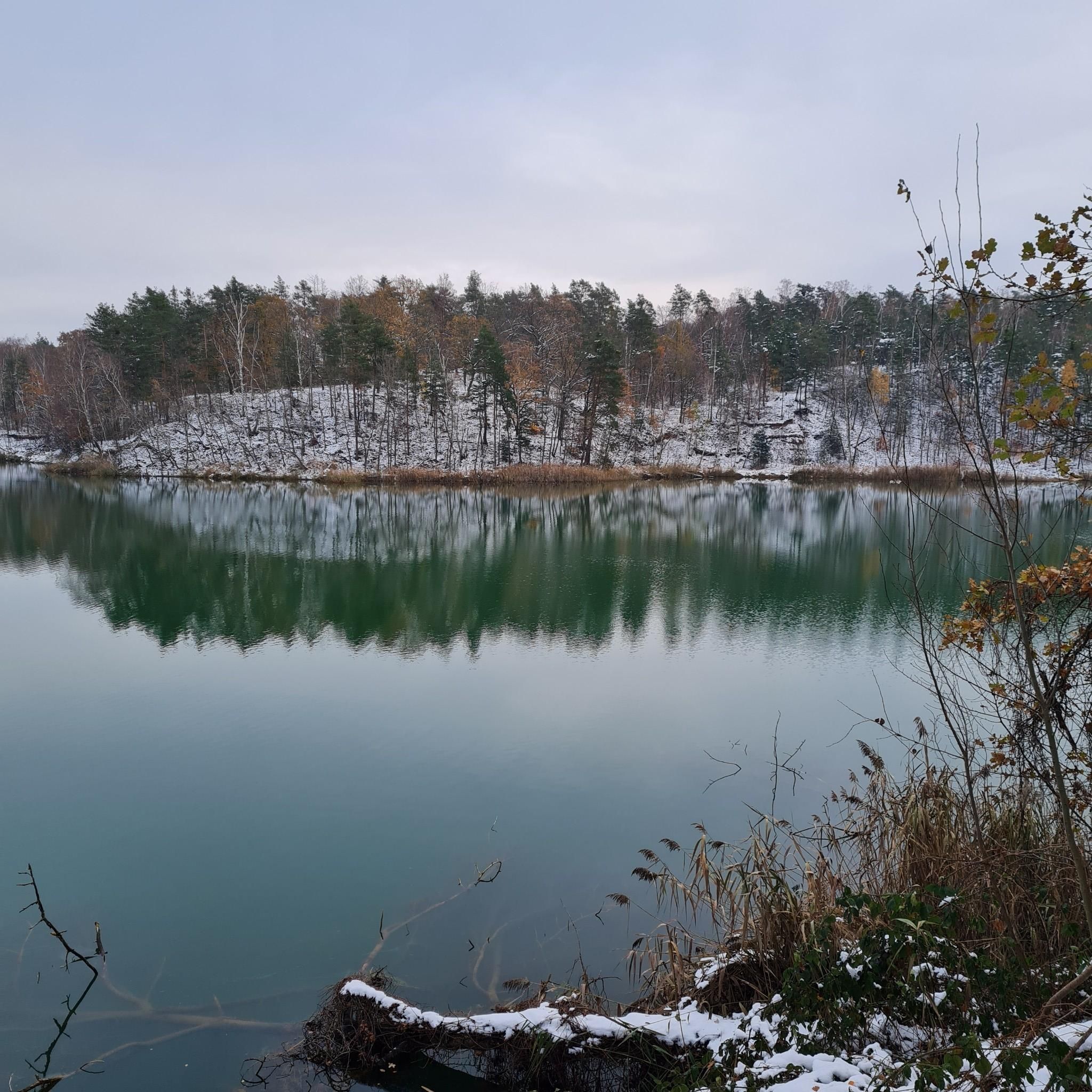
Mountain biking in Untere Pulsnitzniederung offers diverse terrain within a designated nature reserve in the Elbe-Elster district of Brandenburg, Germany. The region features varied landscapes, including riverine environments along the Pulsnitz river, vast forests, and open heathlands. These natural settings provide a mix of flat river plains and undulating sections, ideal for off-road cycling. The area is characterized by unpaved, natural trails that cater to mountain bikers seeking an immersive outdoor experience.
Best mountain bike trails in Untere Pulsnitzniederung
- The…
Last updated: May 14, 2026
4.0
(2)
3
riders
43.6km
02:46
110m
110m
Moderate mountain bike ride. Good fitness required. Suitable for all skill levels.
5.0
(1)
7
riders
42.6km
02:34
130m
130m
Moderate mountain bike ride. Good fitness required. Suitable for all skill levels.

Sign up for free
5.0
(1)
6
riders
37.0km
02:28
150m
150m
Moderate mountain bike ride. Good fitness required. Advanced riding skills necessary.
4.0
(2)
6
riders
21.0km
01:06
40m
40m
Easy mountain bike ride. Great for any fitness level. Suitable for all skill levels.
5.0
(2)
6
riders
18.8km
01:01
40m
40m
Easy mountain bike ride. Great for any fitness level. Suitable for all skill levels.
Get access to more routes and recommendations from other explorers.
Sign up for free
Already have an account?
Our route recommendations are based on thousands of hikes, rides, and runs completed by other people on komoot.
Start today with a free account
Your next adventure awaits.
Login or Signup
Tips from the Community

Initially, a rectangular concrete fountain was erected in the park in 1967. Inside, there were five fountain-like water features. During the term of Mayor Wolf-Dieter Schwarz (1975–1991), bronze figures were later integrated. These were designed by the Hohenleipisch sculptor Hans Eickworth, who died in 1995, and modeled after the Elsterwerda town coat of arms used until 1994. The fountain's main figure is a bronze magpie. Two other bronze figures depict lilies. The lilies originally came from the coat of arms of the noble family von Köckeritz, who were the lords of Elsterwerda from 1367 to 1512. They were later also incorporated into the Elsterwerda town coat of arms. https://de.wikipedia.org/wiki/Markt_(Elsterwerda)
0
0
To mark its 20th anniversary in 2013, the Elsterschloss-Gymnasium Support Association commissioned the creation and installation of an art installation on the grounds of the present-day Elsterschloss-Gymnasium. As part of the "Art at the Castle" project, a bronze casting model of Elsterschloss Elsterwerda was created. This model provides information about the former and current uses of the building complex, as well as its historical context throughout its existence, thus further enriching the castle's presence. https://www.elsterschloss.de/kunstobjekt.html
0
0
The bust was erected in 1983 in what is now Elsterwerda's memorial square, replacing a VVN (Association of Victims of Nazi Persecution) memorial. It was removed in 1994 and stored for several years at the municipal depot. Since October 1, 1997, it has been re-erected in the nearby city park. (wikipedia)
0
0

Beautiful, well-paved section of the Elster cycle path between Elsterwerda and Plessa
1
0
Well-paved cycle/dyke path between Eltserwerda and Plessa
2
0

Between ivy-covered walls and shady trees, he stands – silent, heavy, cast in bronze: Karl Marx, with a stern gaze and a mighty beard. No socialist pomp, no red flag, no revolutionary pathos – just a pedestal with a simple inscription and a narrow path leading through the modest little garden. Those who come here must want to. This monument doesn't call, it waits. The air is calm, the light slant through the trees, a few leaves have strayed onto the gravel bed. It is a place that doesn't make noise – but resonates long afterward. The bust looks forward, as if to remind us that history is not only past, but also present. That ideas leave traces – not only in books, but also in paving stones, cities, and minds. In Elsterwerda, where world politics usually treads rather quietly, this place seems almost defiant. A monument that doesn't glorify, but rather reminds us. Of thinking. Of doubt. And that even great ideas will eventually stand modestly under trees – and wait for us.
0
1
Entering Elsterwerda's market square isn't just a visit to the center of a small town—it's a quiet conversation with time. The pavement speaks of centuries of trade, arguments, gossip, and celebration. And of a fire that came when everything seemed long over. The western half—a post-war space, open, almost shy, as if still wondering if it belonged. The eastern part, in contrast, is closed, staid, and as old as the city itself. A fountain watches over the square. Playful, almost foolish, with a figure that pretends to have everything under control. Perhaps a reflection of civic pride, perhaps just a tongue-in-cheek commentary on the world, a three-story ascent, with dove, blossom, and a water feature that never flows the same. As if someone had tried to bring order to the chaos of history. The rows of houses all around seem as if they have come together to stand together – against the wind, against change, against the force of events. And while the cars park on the paved areas like bored onlookers, the facades whisper of the days when horse-drawn carts set the pace and merchants still weighed their goods by hand. Elsterwerda's market square is not a postcard motif. It is a place with patina, with fractures, with substance. A place that knows more than it shows. Anyone who stops here and listens quickly realizes: This square speaks. You just have to learn to listen to its silence.
0
1
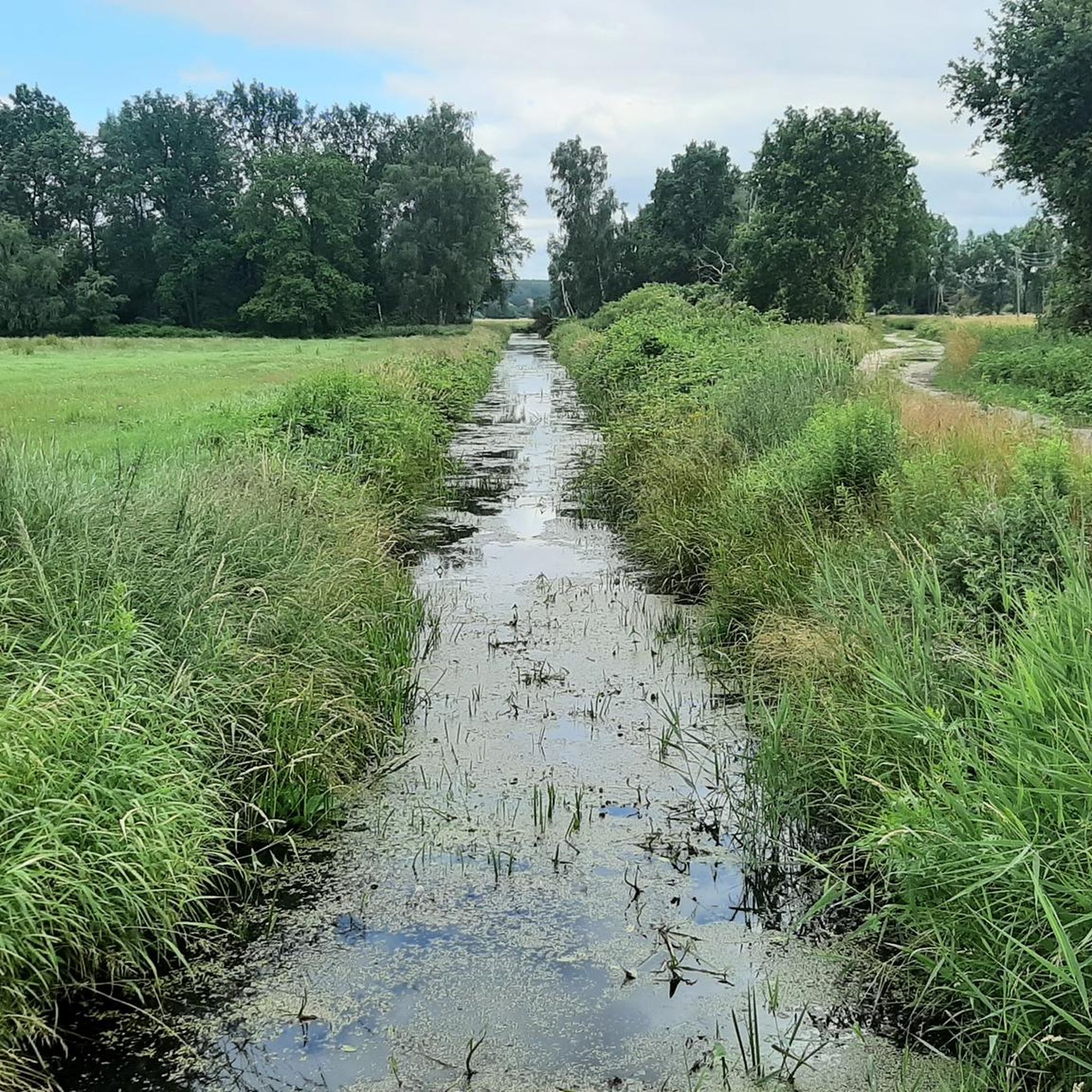
A small path branches off, quite casually, as if it didn't want to disturb anyone. The wind rustles through the dense canopy of leaves like a quiet editor sifting through stories before they're allowed to appear. It smells of earth, of moss, of restrained dignity – the park doesn't intend to please, but simply to be there. Here, between the castle and Pulsnitz, the world briefly slows down. Children's voices echo past afternoons, bird calls like invitations to linger. You walk through a web of light and shadow, and sometimes you simply stop, not because you have to, but because you can. Two paths lead further – neither is wrong, both are tranquil. A narrow stream reflects the treetops. The river says nothing, but it means well. There are no tourists sitting on the benches, just thoughts. In this park, no one writes postcards – but many continue to write quietly to themselves.
0
0
Frequently Asked Questions
What kind of terrain can I expect when mountain biking in Untere Pulsnitzniederung?
Untere Pulsnitzniederung offers a diverse range of terrain, characteristic of the Elbe-Elster region. You'll find beautiful river landscapes along the Pulsnitz river, including sections with undulating or rolling terrain. The area also features vast forests, heathlands, and moors, providing varied riding surfaces from forest paths to open trails. Expect mostly unpaved, natural trails suitable for off-road cycling.
Are there mountain bike trails suitable for beginners in Untere Pulsnitzniederung?
Yes, Untere Pulsnitzniederung has trails suitable for beginners. Out of the 58 available mountain bike routes, 23 are classified as easy. An example of an easy route is the Pulsnitz Canal – Elsterwerda Castle loop from Elsterwerda, which covers 21.4 km with minimal elevation gain.
What are some of the natural features or landmarks I can see along the mountain bike trails?
The trails in Untere Pulsnitzniederung offer views of diverse natural landscapes, including the Pulsnitz river and its lowlands. You might encounter highlights such as the Water buffalo in the Schraden lowlands or the Wet meadows Lemicolous high ground. There's also a Picnic Shelter and Observation Point Untere Pulsnitzniederung for a break.
Are there any longer, more challenging mountain bike routes for experienced riders?
Yes, for more experienced riders seeking longer and moderately challenging routes, Untere Pulsnitzniederung offers several options. For instance, the Loben Observation Tower – Paltrock Windmill Oppelhain loop from Elsterwerda is a moderate 46.5 km route with over 200 meters of elevation gain. Most of the 34 moderate trails provide a good challenge.
Can I bring my dog on the mountain bike trails in Untere Pulsnitzniederung?
As a nature reserve, Untere Pulsnitzniederung is generally welcoming to dogs, provided they are kept on a leash to protect wildlife and ensure the safety of other trail users. The natural, unpaved trails offer a great environment for you and your dog to explore together.
Are there many loop trails for mountain biking in the region?
Yes, many of the mountain bike routes in Untere Pulsnitzniederung are designed as loops, allowing you to start and end at the same point. For example, the Heideberg Tower on Heidehöhe – Elsterwerda Castle loop from Frauenhain is a popular 37 km loop that takes you through diverse landscapes.
What do other mountain bikers say about the trails in Untere Pulsnitzniederung?
The mountain bike trails in Untere Pulsnitzniederung are highly rated by the komoot community, with an average score of 4.6 stars from over 40 reviews. Reviewers often praise the varied terrain, the immersive natural experience within the nature reserve, and the well-maintained unpaved paths.
Is Untere Pulsnitzniederung suitable for family mountain biking trips?
Untere Pulsnitzniederung can be suitable for family mountain biking, especially on the easier trails. With 23 easy routes available, families can enjoy the natural surroundings and river landscapes. Always check the specific route details for distance and elevation to ensure it matches your family's ability.
What is the best time of year to go mountain biking in Untere Pulsnitzniederung?
The Elbe-Elster region, including Untere Pulsnitzniederung, is beautiful throughout the warmer months. Spring and autumn offer pleasant temperatures and vibrant scenery, with flowering heathlands in late summer. While winter mountain biking is possible, be mindful of potentially muddy or icy conditions on natural trails.
How many mountain bike trails are available in Untere Pulsnitzniederung?
There are over 50 mountain bike trails available in Untere Pulsnitzniederung, offering a wide range of options for different skill levels and preferences. This includes 23 easy, 34 moderate, and 1 difficult route.
Are there any specific viewpoints along the mountain bike trails?
While the entire nature reserve offers scenic views of river landscapes, forests, and heathlands, a notable spot is the Picnic Shelter and Observation Point Untere Pulsnitzniederung, which provides a dedicated place to rest and take in the surroundings.
How long are the mountain bike trails typically in Untere Pulsnitzniederung?
The mountain bike trails in Untere Pulsnitzniederung vary in length. You can find shorter routes like the 21.4 km Pulsnitz Canal – Elsterwerda Castle loop from Elsterwerda, up to longer ones such as the 46.5 km Loben Observation Tower – Paltrock Windmill Oppelhain loop from Elsterwerda. The average duration for many routes is around 2-3 hours.
Most popular routes in Untere Pulsnitzniederung
Most popular attractions in Untere Pulsnitzniederung

Get inspired with the komoot mobile app


Explore more
Browse the best MTB trails in other regions.
