Suchedniowsko-Oblęgorski Park Krajobrazowy
Suchedniowsko-Oblęgorski Park Krajobrazowy
The best cycling routes in Suchedniowsko-Oblęgorski Park Krajobrazowy
4.8
(373)
1,631
riders
254
rides
Touring cycling routes in Suchedniowsko-Oblęgorski Park Krajobrazowy traverse a landscape characterized by extensive forests, which cover approximately 91% of the area and include remnants of the ancient Świętokrzyska Primeval Forest. The region features a diverse hydrographic system with rivers like Krasna, Bobrza, and Kamionka, alongside geological formations such as sandstone outcrops. The park's terrain includes the Oblęgorskie Range and Siniewska Mountain, offering varied elevations for cycling.
Best touring cycling routes in Suchedniowsko-Oblęgorski Park Krajobrazowy
- The most popular touring cycling route…
Last updated: May 7, 2026
4.3
(3)
15
riders
31.7km
01:59
190m
190m
Moderate bike ride. Good fitness required. Mostly paved surfaces. Suitable for all skill levels.
5.0
(1)
7
riders
42.9km
02:49
330m
330m
Hard bike ride. Good fitness required. You may need to push your bike for some segments of this route.

Sign up for free
4.0
(1)
5
riders
35.8km
02:13
300m
300m
Moderate bike ride. Good fitness required. Mostly paved surfaces. Suitable for all skill levels.
5.0
(1)
4
riders
52.0km
03:18
320m
320m
Hard bike ride. Good fitness required. You may need to push your bike for some segments of this route.
3
riders
15.9km
00:56
100m
100m
Easy bike ride. Great for any fitness level. Mostly paved surfaces. Suitable for all skill levels.
Get access to more routes and recommendations from other explorers.
Sign up for free
Already have an account?
Our route recommendations are based on thousands of hikes, rides, and runs completed by other people on komoot.
Start today with a free account
Your next adventure awaits.
Login or Signup
Popular around Suchedniowsko-Oblęgorski Park Krajobrazowy
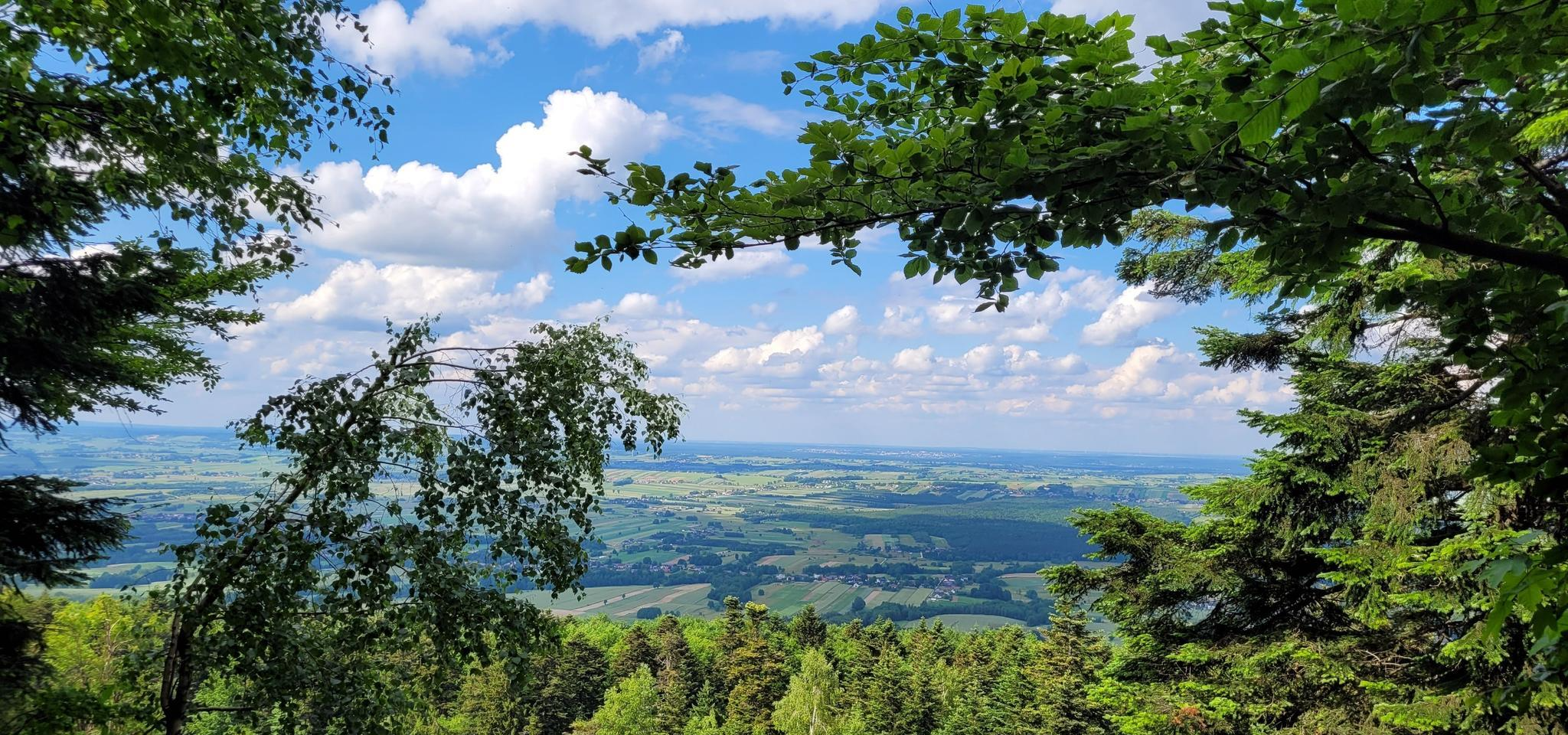
Główny Szlak Świętokrzyski – Spruce forest, magnificent peaks and Polish history
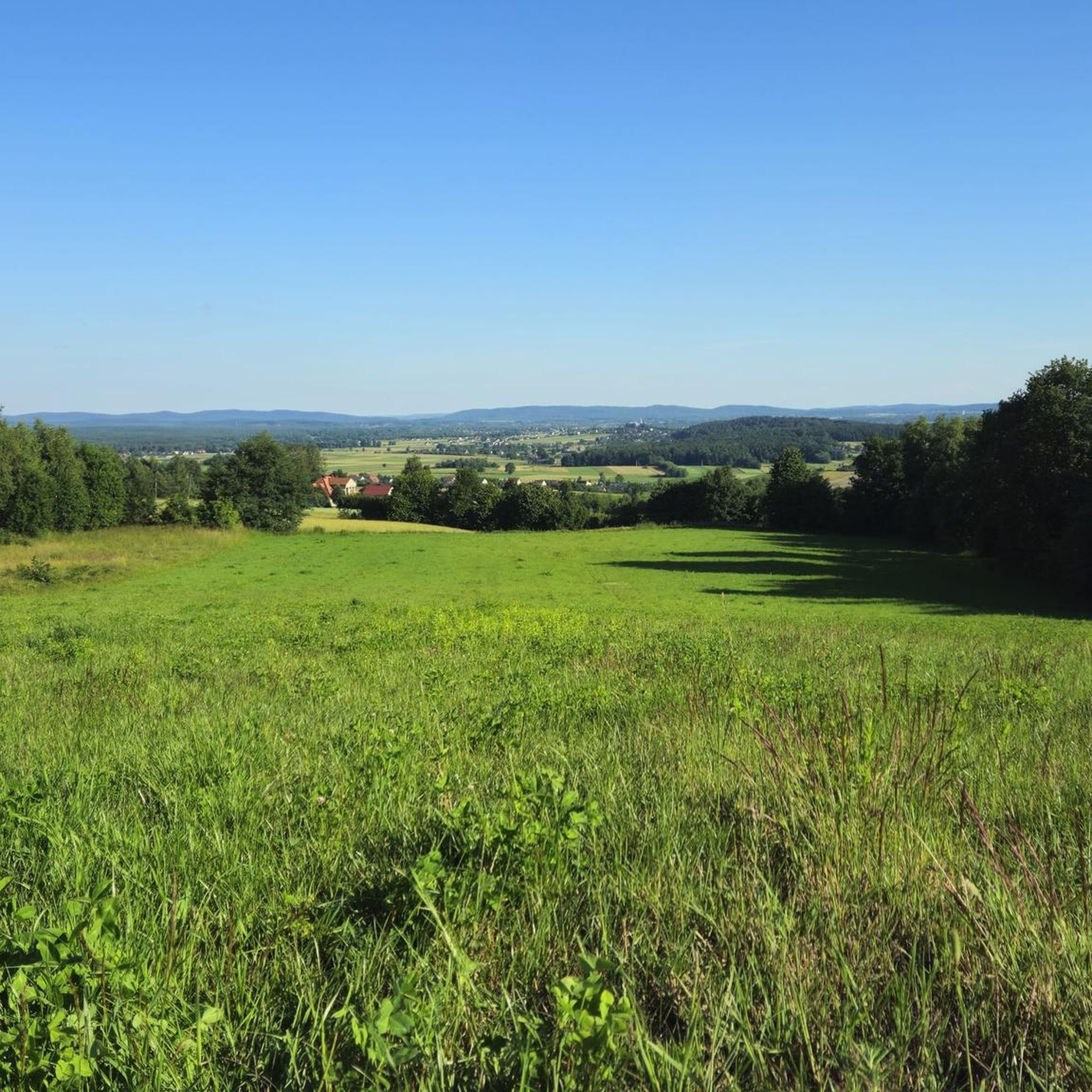
Road Cycling Routes in Suchedniowsko-Oblęgorski Park Krajobrazowy
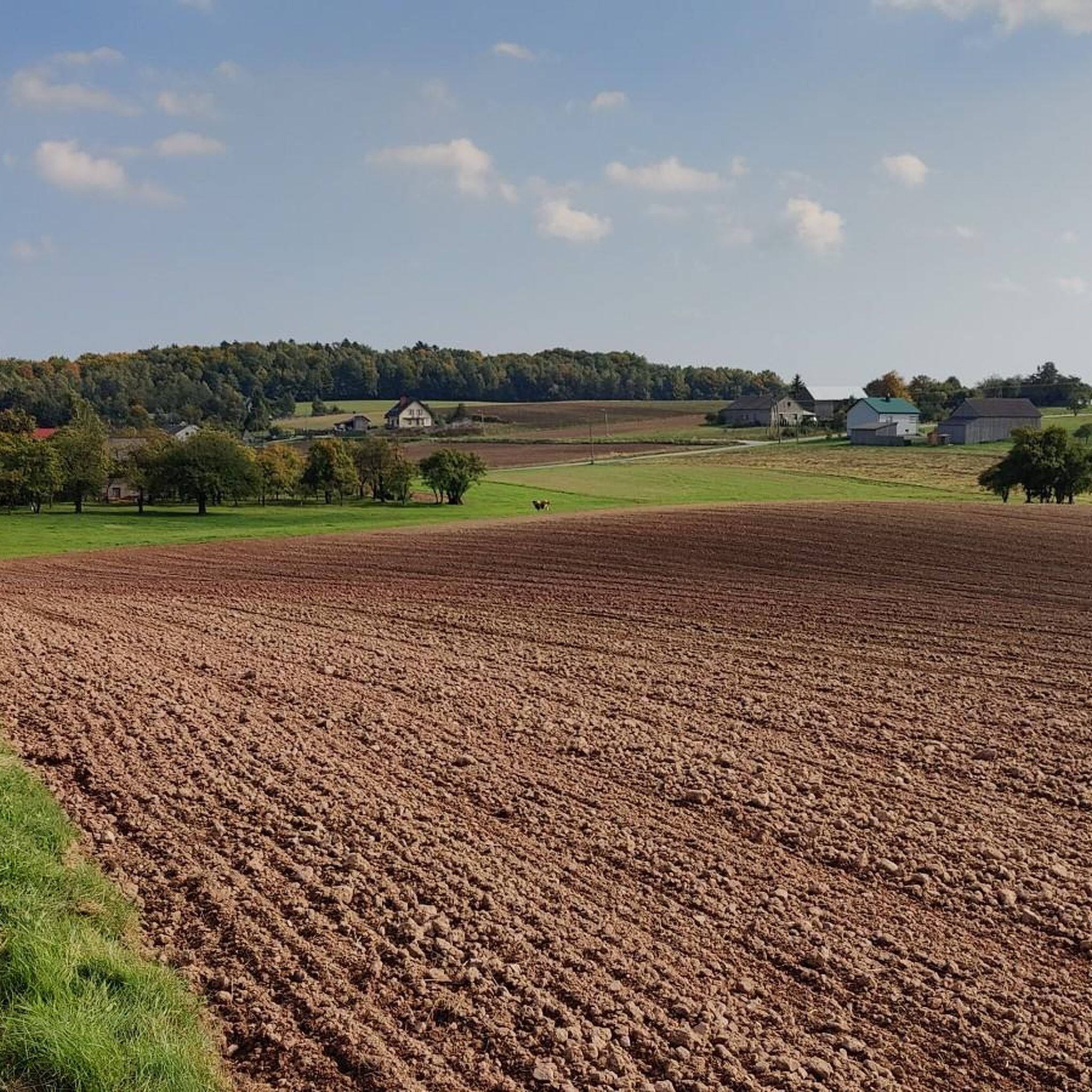
Hiking in Suchedniowsko-Oblęgorski Park Krajobrazowy
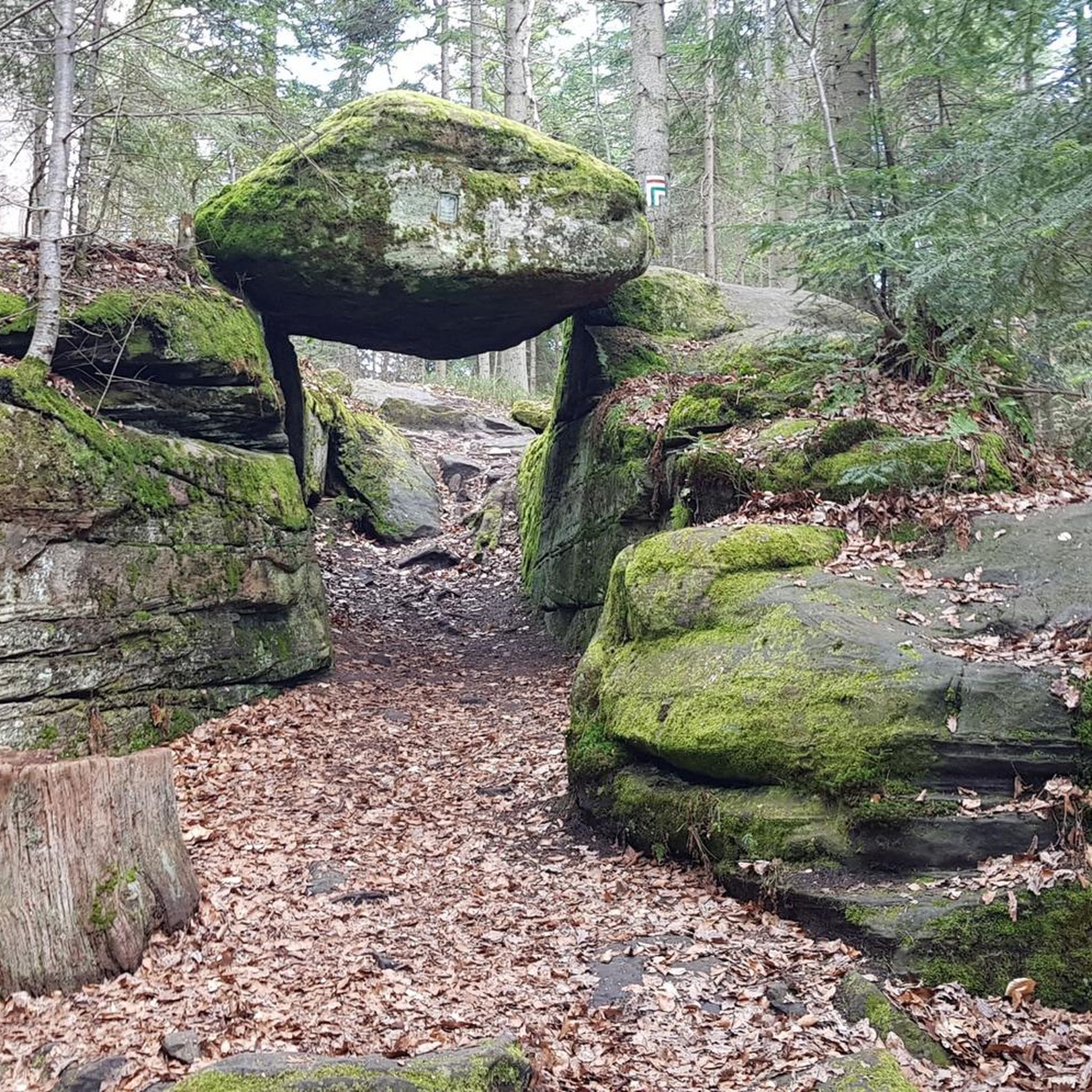
MTB Trails in Suchedniowsko-Oblęgorski Park Krajobrazowy
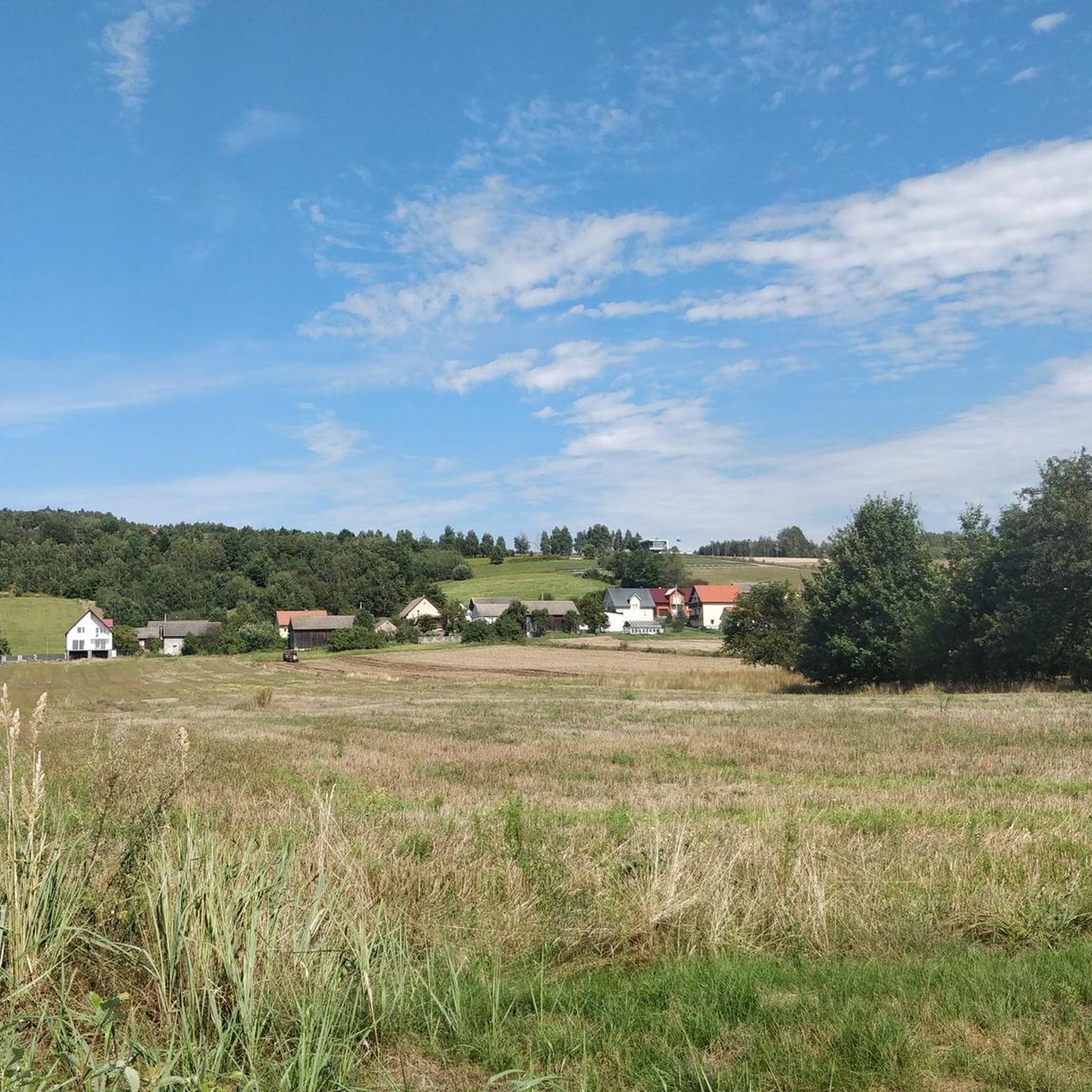
Running Trails in Suchedniowsko-Oblęgorski Park Krajobrazowy
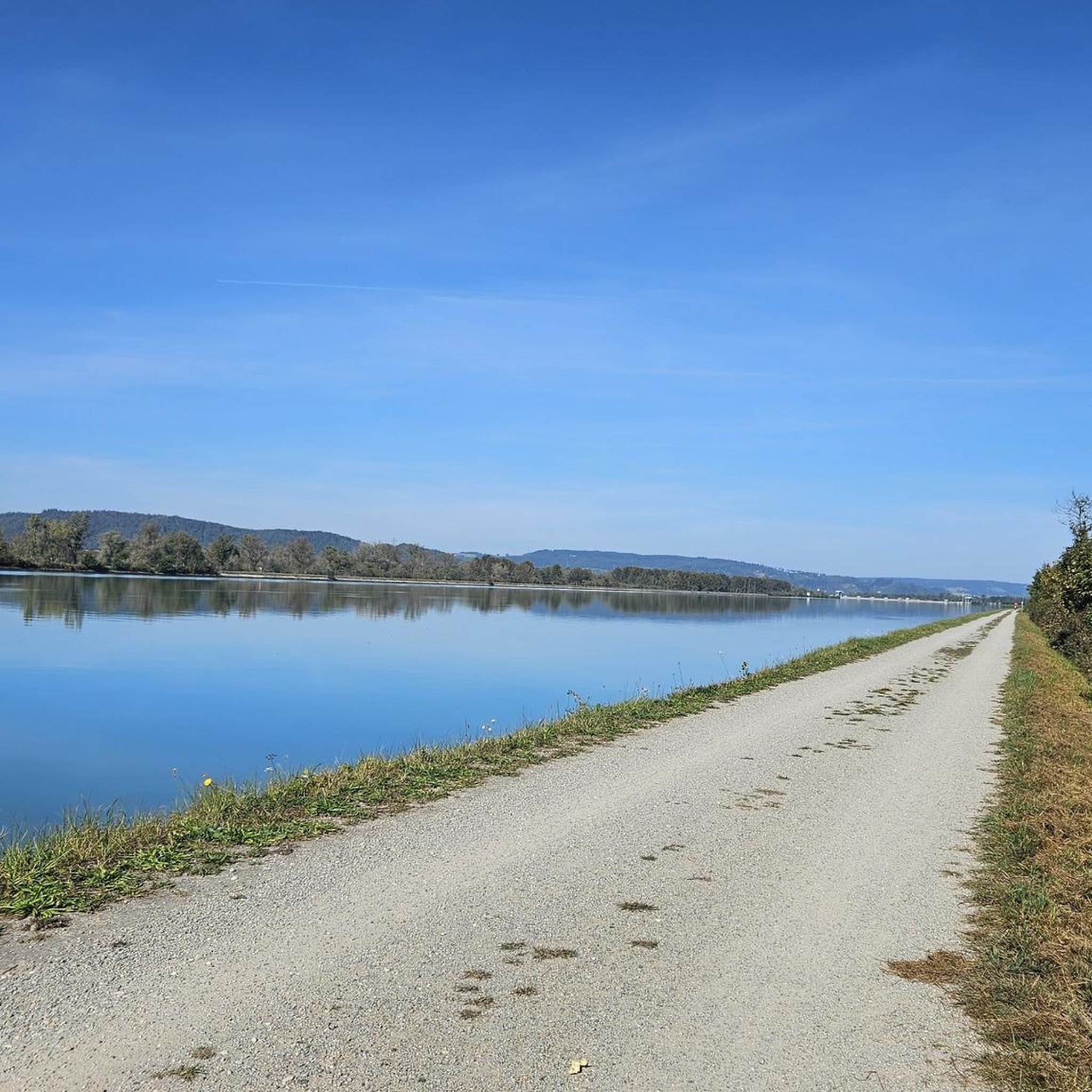
Gravel biking in Suchedniowsko-Oblęgorski Park Krajobrazowy
Other adventures in Suchedniowsko-Oblęgorski Park Krajobrazowy

Tips from the Community

It is worth climbing for your own satisfaction.
0
0

1.5 km of very steep climb
0
0


Commemoration of the brutal murders committed by the Germans in the Końskie region during World War II. The Germans killed anyone suspected of supporting the forest resistance movement (Hubal's units and others), they did not spare women, small children and the elderly.
1
0
A pedestrian and bicycle bridge to the island on Lake Sielpińskie, built as part of the lake revitalization project.
0
0
“Piekielny szlak” is a nearly 225 km long tourist route connecting Piekło and Niebo - two towns located in the Końskie commune. The trail leads through the areas of the following counties: Końskie, Skarżysko and Opoczno, nine of which are members of the “Local Action Group U - ŹRÓDEŁ” Association and shows the most interesting tourist attractions of this area: reserves and nature monuments, museums of technology and places related to foundry, as well as religious monuments and places of rest and recreation. The route of the trail includes, among others: Skałki Piekło, Gagaty Sołtykowskie, Świnia Góra Reserve, Piekło Dalejowskie Reserve, Brama Piekielna, Górna Krasna, Sielpia, Maleniec, Kuźnica and Piekło Szkuckie. The characteristic names and legends related to individual places have made supernatural powers the main theme of this route.
1
0
Until 1830, the village was called Iwasiów, at that time there were 3 taverns and inns. In 1827, the village was inhabited by 27 people in 4 houses, in 1880 there were already 12 houses and 62 inhabitants. Until World War I, Piekło was a center for the production of nails. During World War II, during a raid in 1940 aimed at capturing Major Henryk Dobrzański "Hubal", an SS unit murdered all the men here.
0
0

A mini town for the youngest, introducing road traffic rules.
0
0
Frequently Asked Questions
How many touring cycling routes are available in Suchedniowsko-Oblęgorski Park Krajobrazowy?
There are over 240 touring cycling routes in Suchedniowsko-Oblęgorski Park Krajobrazowy, offering a wide range of options for different skill levels and preferences.
What kind of terrain can I expect on touring cycling routes in the park?
The park's terrain is diverse, with over 90% covered by extensive forests, including remnants of the ancient Świętokrzyska Primeval Forest. You'll encounter varied elevations, particularly in the Oblęgorskie Range, and scenic sections along rivers like Krasna, Bobrza, and Kamionka. Some routes feature mostly paved surfaces, while others might include more challenging segments.
Are there routes suitable for beginners or families with children?
Yes, the park offers routes suitable for various fitness levels. There are over 80 easy touring cycling routes, and many 'green tourist trails' are well-marked and conducive to cycling, making them suitable for families or those seeking a more relaxed ride. An example of an easier route is the Educational Nature Park – Start of the Wall of Tears loop from Oblęgorek.
What historical sites can I visit while cycling in the park?
The park is rich in history, particularly related to the Old Polish Industrial Region. You can explore remnants of ancient mining and metallurgy, such as the ruins of a blast furnace in Samsonów or a blast furnace plant in Bobrza. Additionally, the historic Henryk Sienkiewicz Museum in Oblęgorek, dedicated to the Nobel Prize-winning author, is located in the buffer zone and makes for a cultural stop.
Are there any natural attractions or viewpoints along the routes?
Absolutely. The park is home to several nature reserves, such as Świnia Góra Nature Reserve, known for its natural mixed forest stands and monumental trees. You can also find unique geological formations like the Piekło Dalejowskie Rock Formations and Brama Piekło (Piekło Gate). The hydrographic system also creates scenic water landscapes along some routes.
Can I spot wildlife while cycling in Suchedniowsko-Oblęgorski Park Krajobrazowy?
The park is a haven for diverse flora and fauna. While cycling through the extensive forests, you might encounter animals such as elk, deer, badgers, muskrats, and beavers. Over 100 bird species, including the black stork and black grouse, also inhabit the area, offering opportunities for wildlife spotting.
Are there circular touring cycling routes in the park?
Yes, many touring cycling routes in the park are designed as loops, allowing you to start and end at the same point. Examples include the Kamionka Reservoir – White Eagle Museum loop from Kamionki and the Umer Reservoir – Shed by the traffic circle in Zagnańsk loop from Ćmińsk.
What is the best time of year for touring cycling in Suchedniowsko-Oblęgorski Park Krajobrazowy?
The best time for touring cycling in the park is typically from spring through autumn (April to October). During these months, the weather is generally pleasant, and the forest landscapes are at their most vibrant. Winter cycling is possible but may present challenges due to snow and ice.
What do other cyclists say about touring cycling in Suchedniowsko-Oblęgorski Park Krajobrazowy?
The area is highly rated by the komoot community, with an average score of 4.8 stars from over 360 reviews. Reviewers often praise the dense ancient forests, the varied geological formations, and the well-documented routes that cater to different ability levels.
Is there parking available near the touring cycling routes?
Yes, parking is generally available at common starting points for routes, especially near popular attractions or villages within and around the park. It's advisable to check specific route descriptions for recommended parking locations.
Can I reach the park's cycling routes by public transport?
Access to the park's cycling routes by public transport is possible, though it may require some planning. Regional bus services connect surrounding towns and villages, which can serve as starting points for your cycling adventures. Check local transport schedules for the most up-to-date information.
Are dogs allowed on the touring cycling routes?
Generally, dogs are allowed on public trails within the park, but they should be kept on a leash to protect wildlife and ensure the safety of other visitors. Specific rules may apply in nature reserves, so it's always best to check local signage or park regulations.
Most popular routes in Suchedniowsko-Oblęgorski Park Krajobrazowy
Most popular attractions in Suchedniowsko-Oblęgorski Park Krajobrazowy

Get inspired with the komoot mobile app


Explore more
Browse the best Cycling routes in other regions.
