The best walks and hikes in Rezerwat Stawy Broszkowskie
4.9
(33)
563
hikers
45
hikes
Hiking in Rezerwat Stawy Broszkowskie offers access to a faunistic reserve covering over 268 hectares, characterized by a complex of historic fish farming ponds now serving as a nature sanctuary. The terrain features diverse ecosystems including extensive reed beds, alder carrs, ash-alder riparian forests, and continental mixed coniferous forests. Rare sand grasslands are also present in the northeastern part of the reserve. This area is recognized as a significant bird sanctuary and a vital resting stop for migratory species.
Best…
Last updated: November 4, 2026
6
hikers
17.9km
04:33
60m
60m
Moderate hike. Good fitness required. Easily walkable paths.
4.8
(18)
215
hikers
4.80km
01:14
20m
20m
Easy hike. Easily walkable paths.

7
hikers
Easy hike. Easily walkable paths.
8
hikers
11.2km
02:54
60m
60m
Moderate hike. Good fitness required. Easily walkable paths.
5.0
(3)
2
hikers
Moderate hike. Good fitness required. Easily walkable paths.
Get access to more routes and recommendations from other explorers.
Already have an account?
Our route recommendations are based on thousands of hikes, rides, and runs completed by other people on komoot.
Start today with a free account
Your next adventure awaits.


Tips from the Community

The water mill on the Muchawka River in Rakowiec is a brick facility from 1925, located on the right bank of the river, on the site of an earlier wooden mill from 1917. The facility is located in the area of the events of the Battle of Iganie from 1831, which adds to its historical significance. For road cyclists, it is an interesting point on the route through Mazovia, with convenient access by asphalt roads and the possibility of combining sightseeing with a visit to nearby towns.
2
0

The palace was composed of neo-Gothic, neo-Romanesque, and oriental elements. Built of brick and plastered, set on an irregular, elongated plan with an irregular shape. The building has a basement, two-storey in part with a residential attic covered with a hipped roof with sheet metal surfaces. The palace's body is strongly segmented and consists of cuboid elements. The building is dominated by a three-storey tower topped with a battlement and a Lombard frieze placed under the crowning cornice. Basically, the body consists of six juxtaposed bodies. The body most protruding to the front is also the main axis placed asymmetrically. It is preceded by a massive porch pierced by a Tudor arch, which houses the main entrance to the palace. Above it is an open terrace surrounded by a stone balustrade. Terrace doors finished with a pointed arch and tracery decoration. All the elements were composed as pseudo-towers. They were flanked on two sides by smooth corner pilaster strips and topped with a prominent crowning cornice, under which a Lombard frieze runs, above which a battlement was placed. On one of the side elevations, a pillared portico of the side entrance was squeezed between two tower masses. Window openings of various sizes and shapes.
0
0
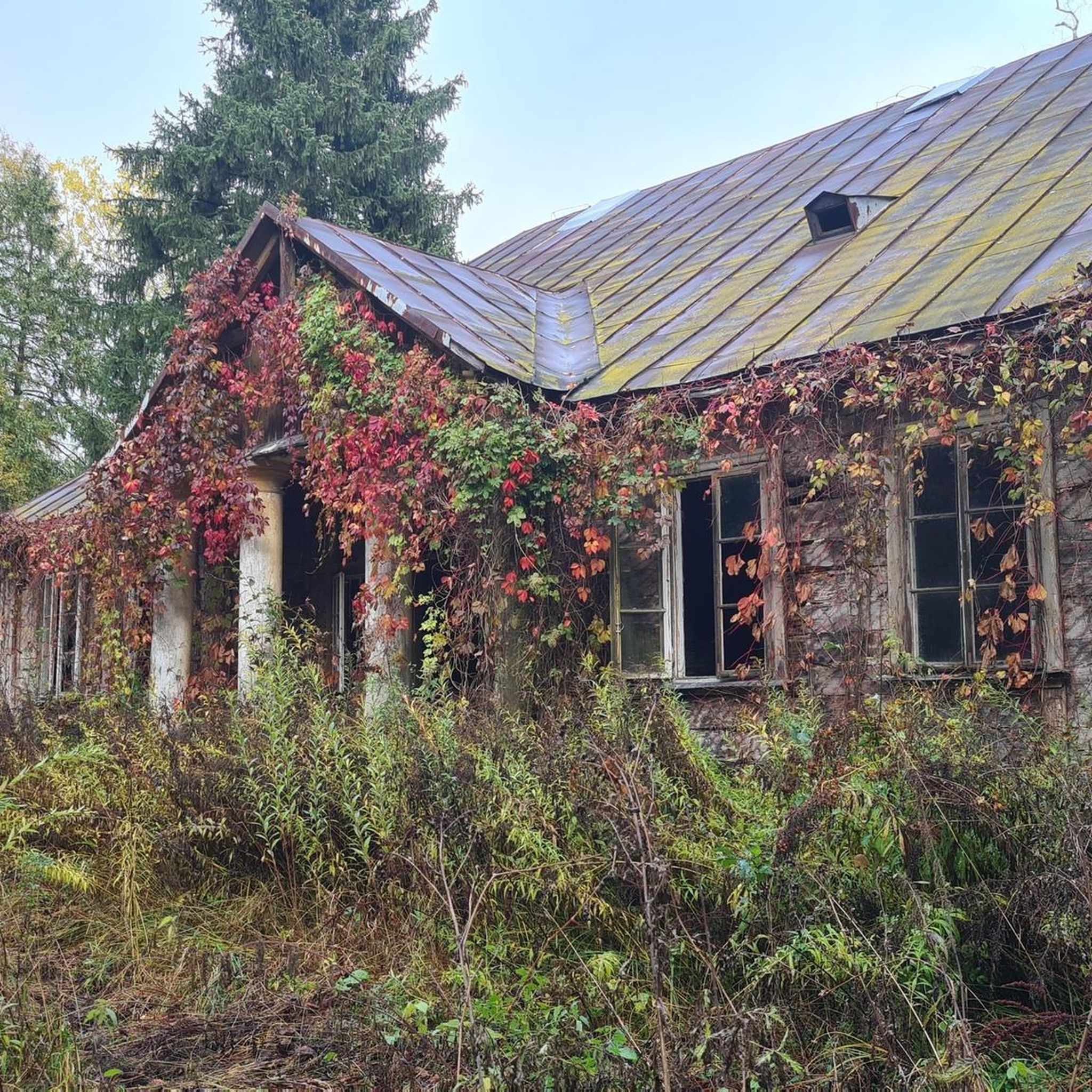
The Cisie-Zagrudzie park and palace complex. The house was built at the turn of the 19th and 20th centuries at the behest of the Twardowski family. The estate, originally called Cisie, was owned in 1783 by Dominik Przeździecki, the starost of Mińsk. In the 19th century, the estate passed into the possession of the family of the founders of the palace, and in 1909 it belonged to priest Stanisław Szaniawski. In the interwar years, the estate was in the possession of Jerzy Konopka. In the late 1920s, the estate belonged to Stanisław Klawe and the land amounted to 160 hectares. In 1927, the next owner was Józef Maria Mielżyński, who two years later passed it to Jerzy Konopka. Baron Jerzy Konopka (1887-1954) of the Nowina coat of arms, married since July 1914 to Maria Ludwika Sokołowska (1890-1944) of the Korab coat of arms, was the last pre-war owner of the Cisień estate and lived here in the years 1929-1944. After the end of World War II, a primary school and then teachers' apartments were placed in the palace. The palace was abandoned in the 1980s. In 1999, the building was taken over by a private owner. Currently, the house remains abandoned and is in poor technical condition. Around it are the remains of a park, in fairly good condition.
0
0


pretty church. A highlight of the city
0
0
Frequently Asked Questions
How many hiking trails are available in Rezerwat Stawy Broszkowskie?
There are over 30 hiking routes in Rezerwat Stawy Broszkowskie, offering a variety of experiences. You'll find options ranging from easy strolls around the ponds to more moderate excursions through diverse forest types.
What kind of terrain can I expect when hiking in Rezerwat Stawy Broszkowskie?
The reserve features a very diverse environmental structure. You'll encounter picturesque ponds, extensive reed beds, various forest communities including alder carrs and mixed pine forests, and even rare sand grasslands in the northeastern part. The terrain is generally gentle, making it accessible for most hikers.
Are there any family-friendly hiking options in Rezerwat Stawy Broszkowskie?
Absolutely! Many of the trails are suitable for families. For an easy and engaging walk, consider the Pier at Zalew nad Muchawką loop from Stare Iganie, which is about 4.8 km long and takes just over an hour, offering lovely views of the pond complex. The reserve's rich birdlife also makes it an exciting educational outing for children.
Can I bring my dog on the hiking trails in Rezerwat Stawy Broszkowskie?
While the reserve is a protected area, dogs are generally permitted on trails, provided they are kept on a leash to protect the abundant wildlife, especially ground-nesting birds. Always ensure you clean up after your pet to maintain the natural environment for everyone.
What wildlife can I expect to see while hiking in the reserve?
Rezerwat Stawy Broszkowskie is a paradise for wildlife enthusiasts, especially birdwatchers. It's one of central-eastern Poland's largest breeding grounds for birds, hosting around 100 species, including black-necked grebes, mute swans, and marsh harriers. You might also spot mammals like elk, otters, badgers, and foxes, particularly during quieter times of day.
Are there any circular walks available in Rezerwat Stawy Broszkowskie?
Yes, many of the routes are designed as loops, allowing you to start and end at the same point. A popular choice is the Grześ loop from Rakowiec, an easy 5 km path that explores the varied landscapes around the reserve, perfect for a leisurely circular hike.
What is the best time of year to visit Rezerwat Stawy Broszkowskie for hiking?
Spring and autumn are particularly rewarding. In spring, you'll witness the vibrant awakening of nature and the peak of bird migration and breeding. Autumn offers stunning foliage colors and comfortable hiking temperatures. Summer is also pleasant, though some areas might be busier. Winter can be beautiful for quiet walks, especially if there's snow.
What are some longer or more challenging hiking options in the area?
For those seeking a longer excursion, the Grześ loop from Siedlce is a moderate 12.4 km trail that takes about 3 hours and 12 minutes to complete. It leads you through extensive forested areas and wetlands, offering a deeper immersion into the reserve's diverse ecosystems.
Is there parking available near the hiking trails?
While specific designated parking areas are not extensively detailed, visitors typically find parking in nearby villages or at access points leading into the reserve. It's advisable to check local signage upon arrival or plan your route with komoot to identify suitable starting points.
What do other hikers enjoy most about Rezerwat Stawy Broszkowskie?
The area is highly rated by the komoot community, with an average score of 3.6 stars from over 25 reviews. Hikers frequently praise the reserve's tranquil atmosphere, the incredible birdwatching opportunities, and the diverse natural landscapes that offer a peaceful escape into nature. The variety of trails, from easy to moderate, is also a highlight.
Are there any viewpoints or scenic spots in the reserve?
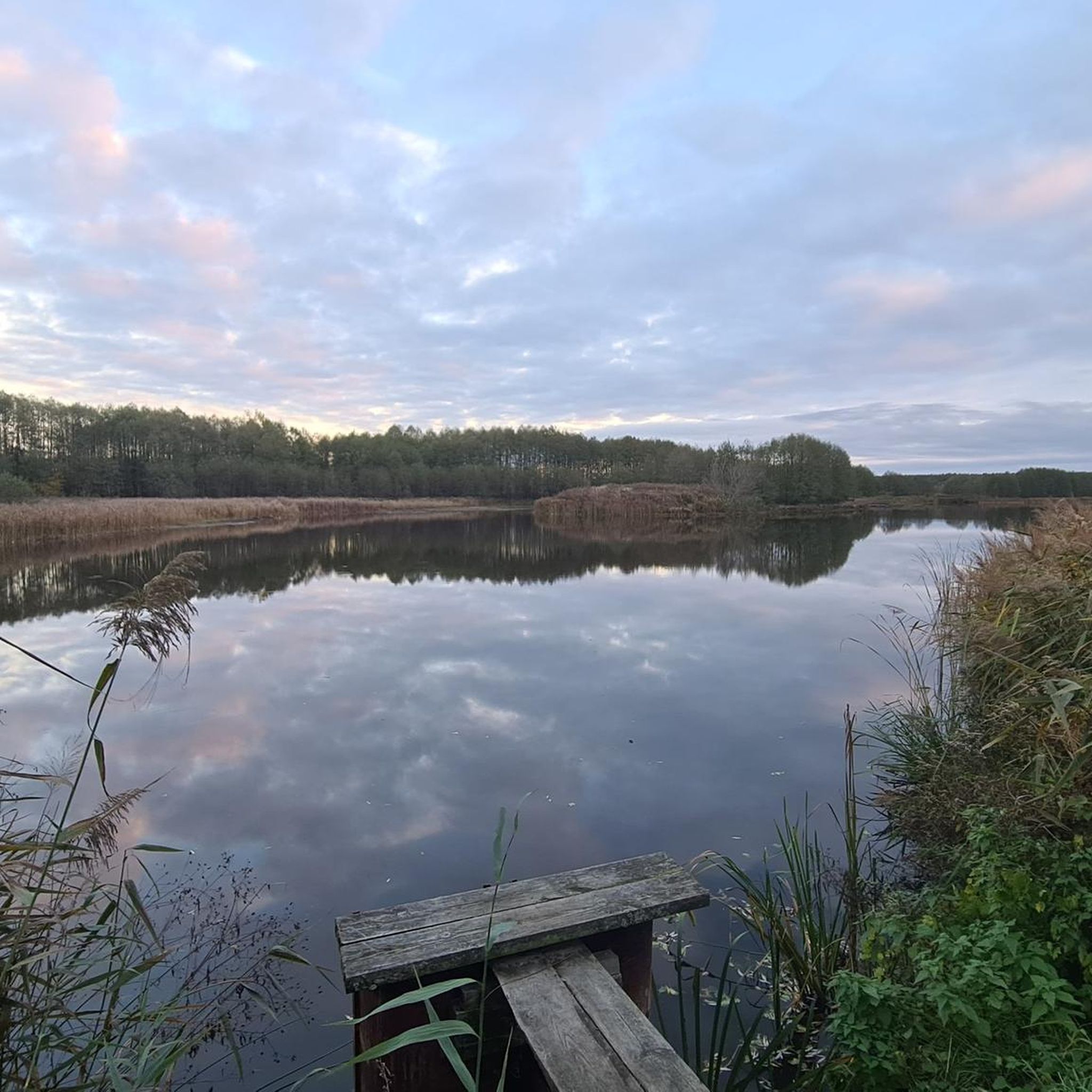
The entire reserve, with its numerous ponds and diverse forests, offers many picturesque spots. The former fishponds, now naturalized, create beautiful waterscapes, especially at sunrise or sunset. The extensive reed beds and varied forest communities provide a constantly changing scenic backdrop for your hike. For a good overview, routes like the Pier at Zalew nad Muchawką loop from Siedlce offer expansive views of the water bodies.
How can I reach Rezerwat Stawy Broszkowskie using public transport?
Access to Rezerwat Stawy Broszkowskie by public transport can be limited, as is common with many nature reserves. The nearest larger town is Siedlce, from which local buses or taxis might provide closer access to the reserve's entry points. Planning your journey in advance and checking local transport schedules is recommended.
Most popular routes in Rezerwat Stawy Broszkowskie

Get inspired with the komoot mobile app


Explore more
Browse the best Hikes in other regions.
