The best road cycling routes in Elbdeichhinterland
4.5
(74)
911
riders
54
rides
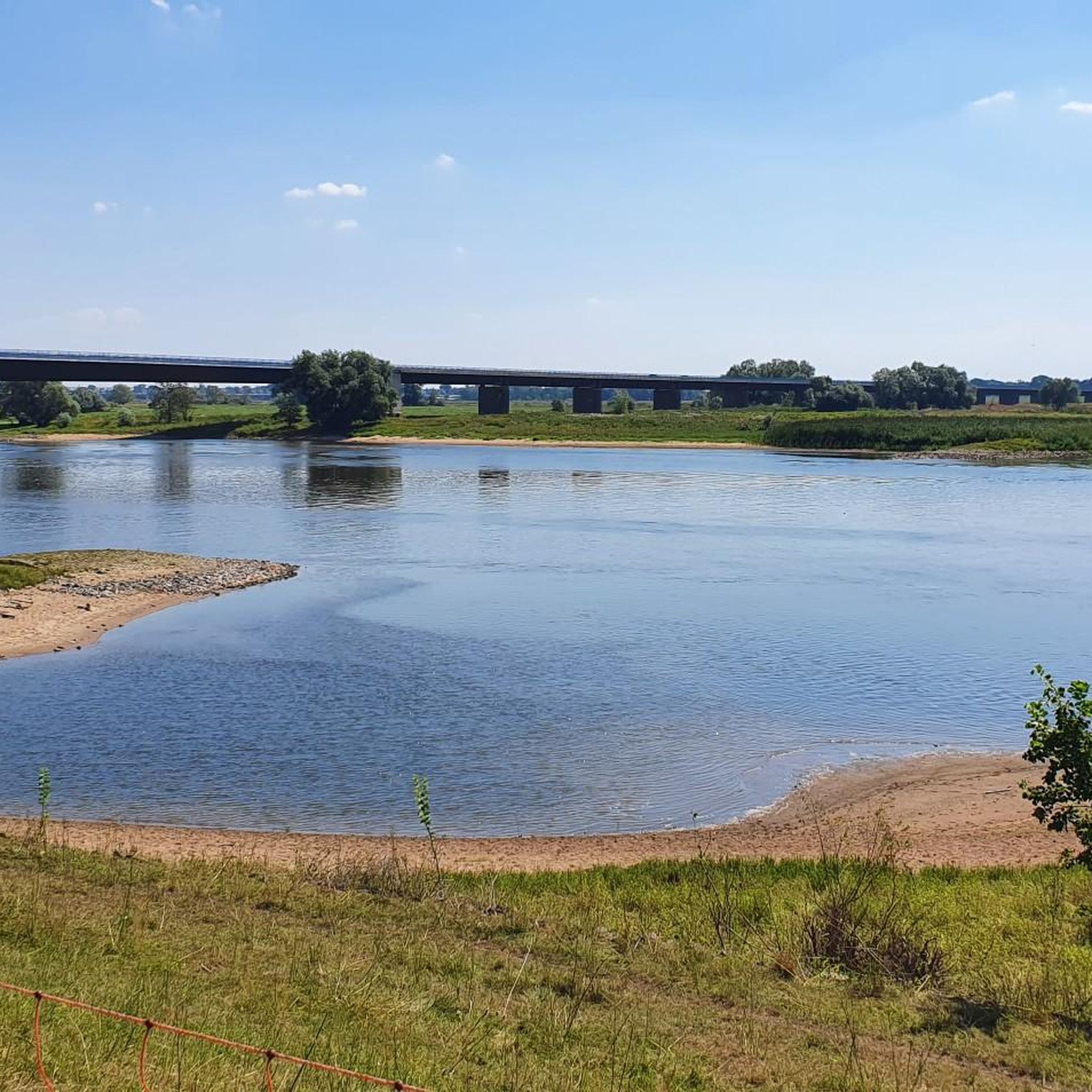
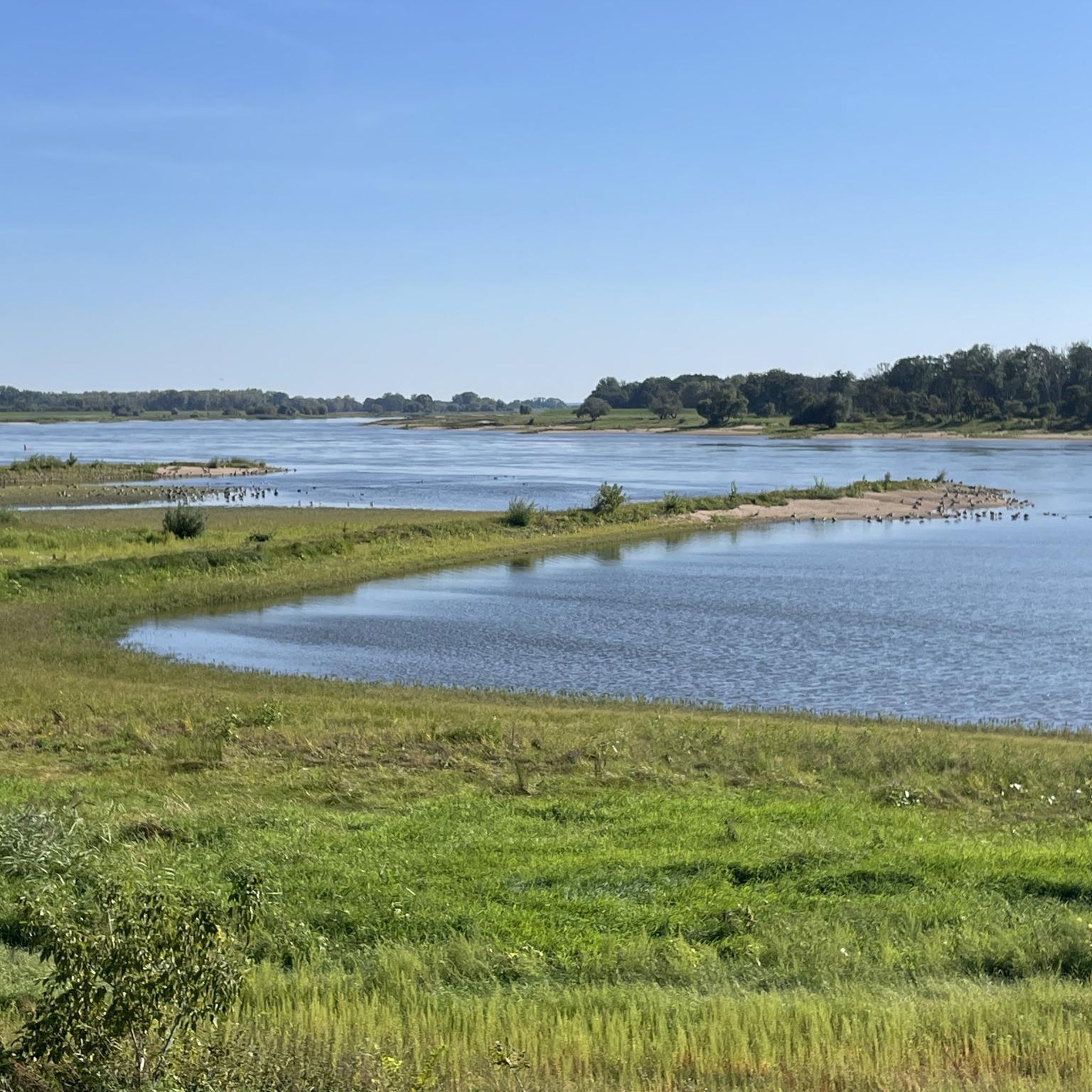
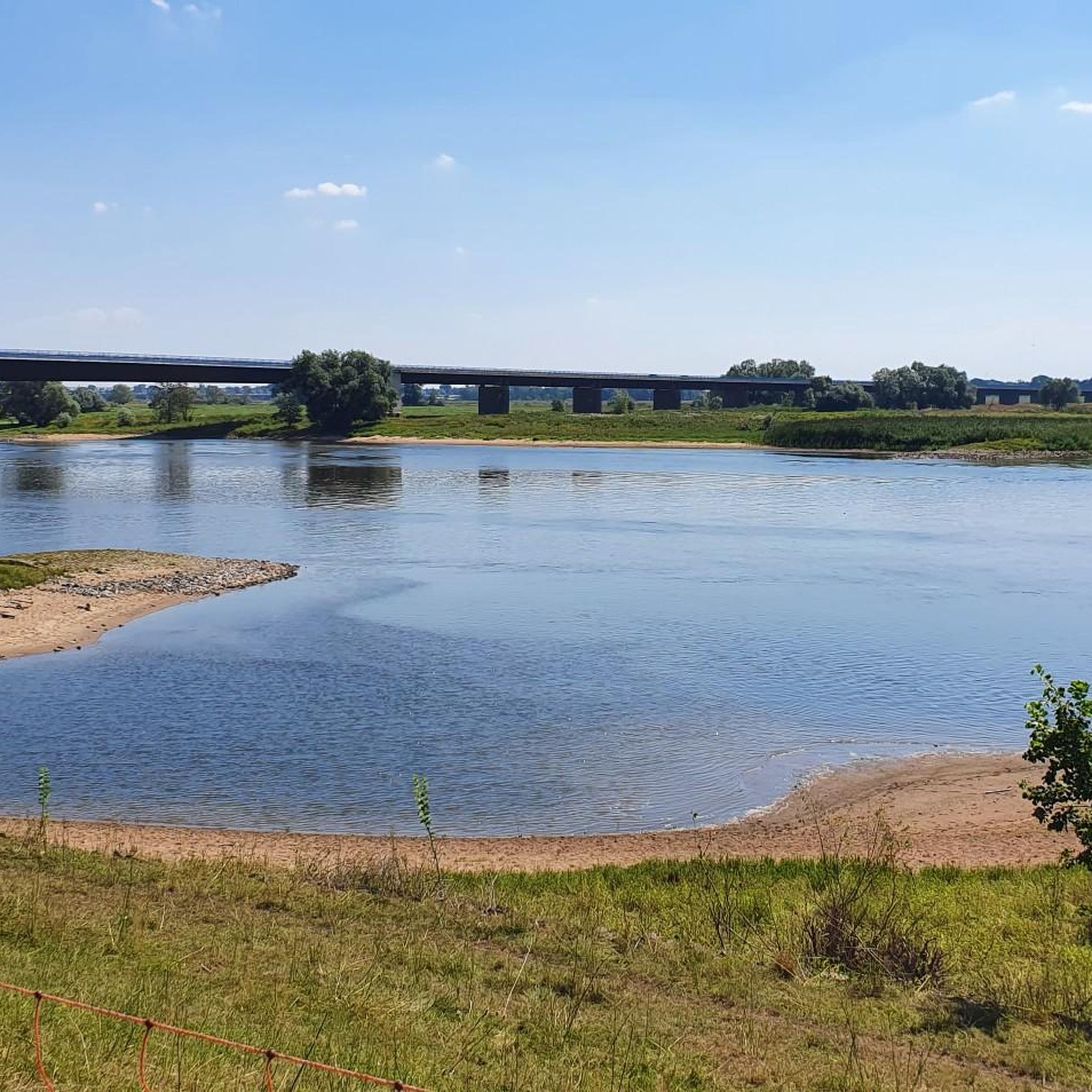
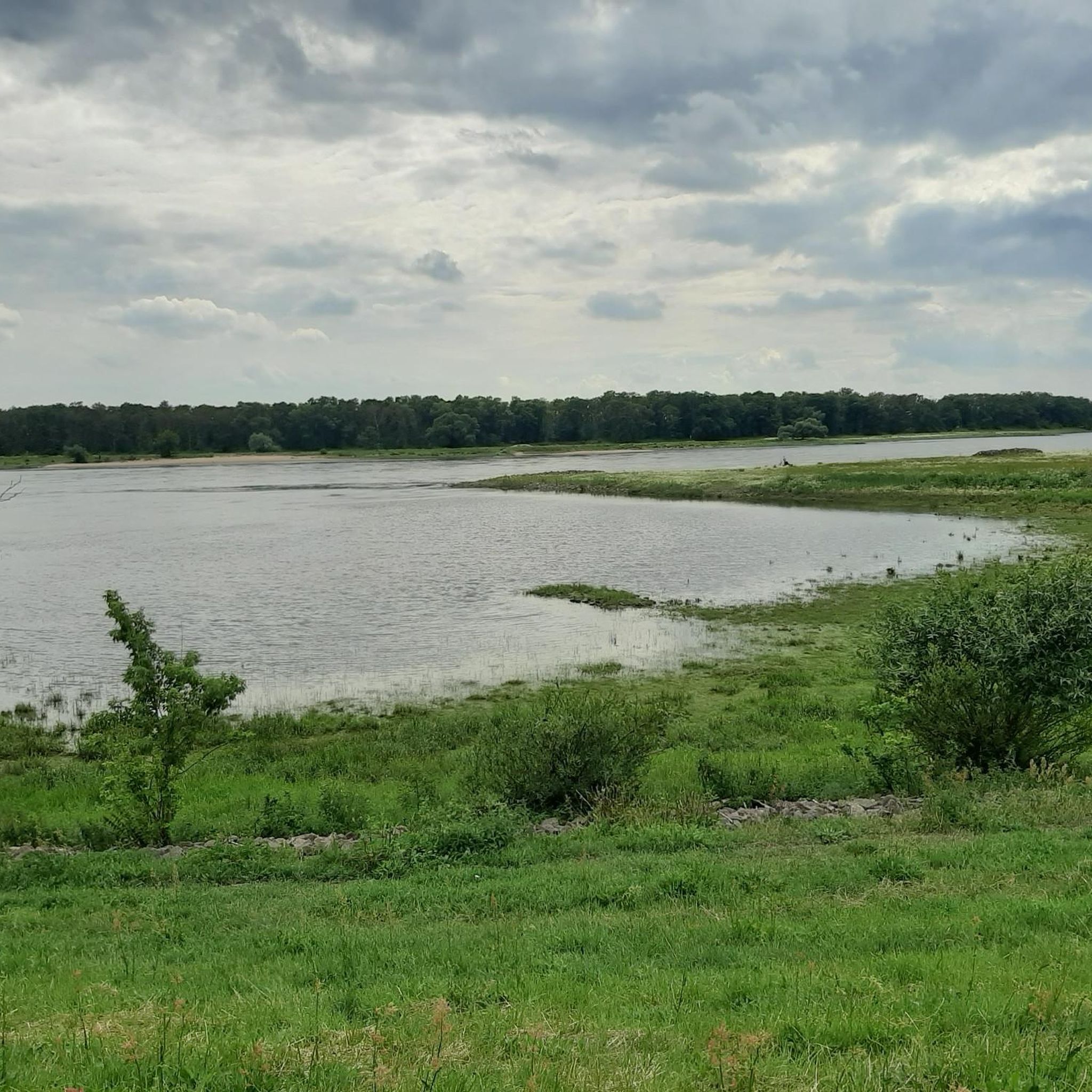
Road cycling in Elbdeichhinterland is characterized by its flat topography, making it suitable for various fitness levels. The region is largely defined by the Elbe River and its dikes, offering routes that often follow the renowned Elbe Cycle Route. Cyclists can explore the UNESCO Biosphere Reserve "Elbe River Landscape," which features floodplain forests, expansive meadows, and marshes. The terrain generally lacks significant gradients, providing a relaxed cycling experience through natural and cultural landscapes.
Best road cycling routes in Elbdeichhinterland
- The…
Last updated: October 1, 2026
5.0
(3)
22
riders
71.0km
02:54
90m
90m
Moderate road ride. Good fitness required. Some segments of this route may be unpaved and difficult to ride.
5.0
(1)
16
riders
Easy road ride. Great for any fitness level. Mostly well-paved surfaces and easy to ride.

5.0
(2)
88
riders
Moderate road ride. Good fitness required. Some segments of this route may be unpaved and difficult to ride.
5.0
(8)
114
riders
76.5km
03:46
120m
120m
Moderate road ride. Good fitness required. Some segments of this route may be unpaved and difficult to ride.
4.3
(6)
50
riders
Easy road ride. Great for any fitness level. Mostly well-paved surfaces and easy to ride.
Get access to more routes and recommendations from other explorers.
Already have an account?
Our route recommendations are based on thousands of hikes, rides, and runs completed by other people on komoot.
Start today with a free account
Your next adventure awaits.
Tips from the Community

The harbor in Wittenberge has surely seen busier days. Nevertheless: beautiful view over the water facilities and across to the Elbe meadows.
0
0
A short section has to be ridden on a road. But it's not bad: no traffic, good surface and not very far.
0
0

The Steintor in Wittenberge is the city's oldest landmark, first mentioned in 1297. Rebuilt in its current form after a fire around 1430, it was the northwestern exit of the fortified city. The tower, formerly called "Alter Turm" (Old Tower), served as a prison in the 19th century and has housed a local history museum since 1928.
1
0

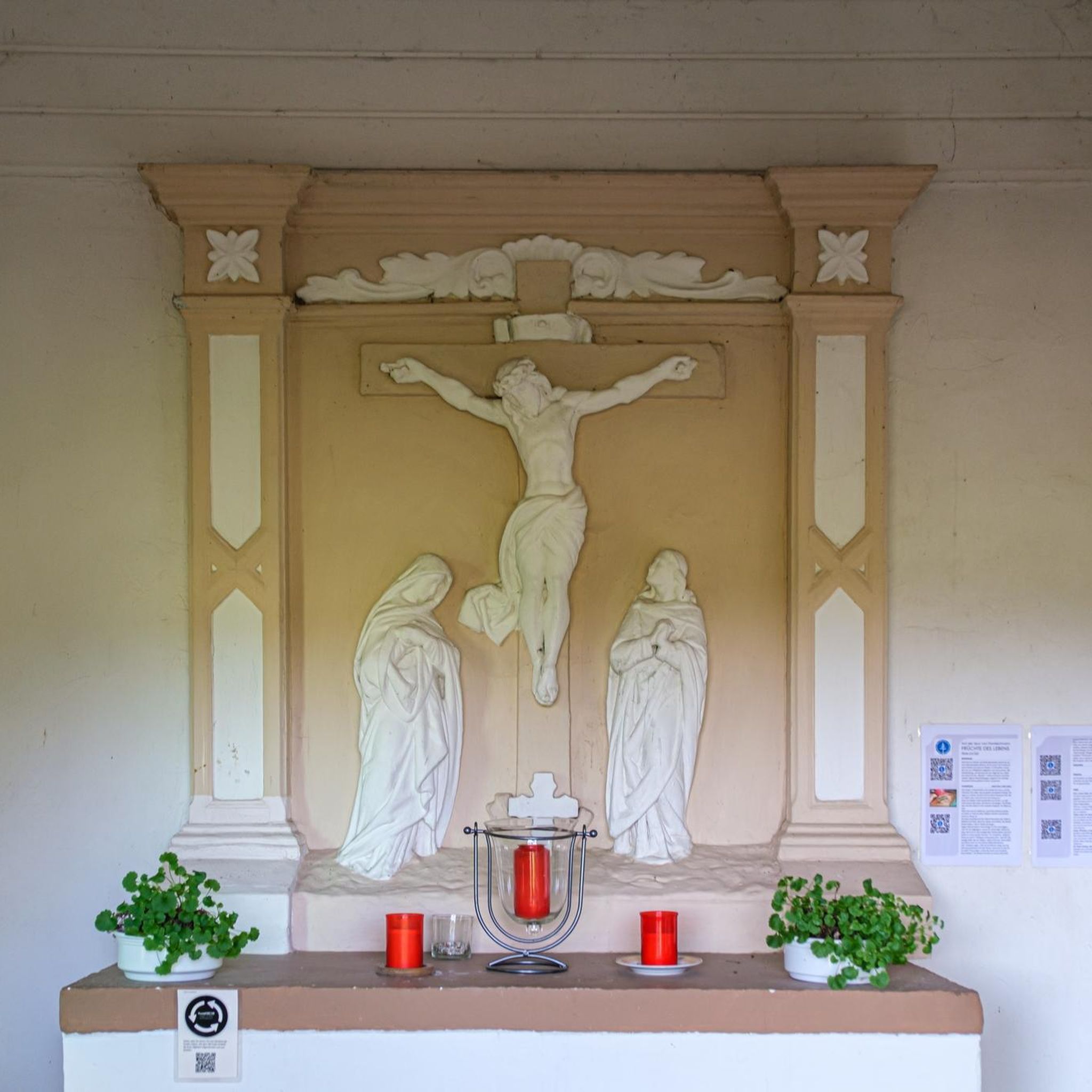
The village church of Rühstädt, also known as Quitzow Church, dates back to the 15th century. It was built under the influence of the noble von Quitzow family, who shaped the village for a long time. The original late Gothic brick building with a semicircular apse was remodeled in the Baroque style in the 18th century and a striking west tower was added. Important furnishings have been preserved inside, including a late Gothic carved altarpiece, several tombstones of the von Quitzow family, and a historic organ from 1738. A late Gothic mural of the Last Judgment in the apse is particularly noteworthy. Today, the church is a listed building and part of the Open Churches Initiative, meaning it is often open to visitors.
1
0
The village church of Bälow, a striking brick building, dominates the village landscape. It was erected in 1914/15 according to plans by the Royal Building Councilor Georg Büttner, reusing building materials from the older church dating back to 1661. The rectangular structure with its projecting tower and spire was built after several relocations of the village due to Elbe River floods, as well as the fire and subsequent demolition of the earlier timber-framed church. Now a listed historical monument, the church stands today as a testament to the eventful history of the village and the religious life of the Prignitz region along the Elbe River.
0
0
The bridge over the Stepenitz is an important crossing just before the river flows into the Elbe. It connects central urban areas with adjacent residential and recreational areas and is used by vehicular traffic, pedestrians, and cyclists. Its location in the river and floodplain landscape offers unobstructed views of the Stepenitz and the surrounding countryside. It is a defining element of Wittenberge's cityscape.
1
0

Alternative to the dyke path if you want to get ahead quickly and don't feel like gravel + sheep, the cycle path next to the road is unfortunately badly damaged, the road itself is cleanly tarred and easy to ride but there are many cars (some with about 100 km/h) on the road (even on weekends)
0
0

Initially, the road is paved with interlocking concrete slabs, but the road is easy to ride. Then, it's a perfect glide along the top of the dike with excellent asphalt. Plus, the view of the Elbe and Havel rivers, as well as the beautiful floodplain landscape. A great section.
3
0
Frequently Asked Questions
How many road cycling routes are available in Elbdeichhinterland?
Elbdeichhinterland offers a wide selection of road cycling routes, with over 50 tours available on komoot. These routes cater to various skill levels, from easy to difficult, ensuring there's something for every cyclist.
What kind of terrain can I expect when road cycling in Elbdeichhinterland?
The region is characterized by its largely flat topography, making it ideal for relaxed road cycling. Routes often follow the Elbe River and its dikes, with minimal gradients. You can expect well-maintained, traffic-free paths or quiet side roads, offering a smooth and enjoyable ride through natural and cultural landscapes.
Are there any easy road cycling routes suitable for beginners or families in Elbdeichhinterland?
Yes, Elbdeichhinterland has several easy road cycling routes. For instance, the Village Church Wentdorf – Old Oil Mill Wittenberge loop from Wittenberge is an easy 24.1 km path that winds through charming villages and past historic sites, perfect for a relaxed ride.
What natural features and wildlife can I observe while cycling in Elbdeichhinterland?
The region is part of the UNESCO Biosphere Reserve "Elbe River Landscape," offering rich biodiversity. Cyclists can enjoy unique natural habitats like floodplain forests, expansive meadows, and marshes. Keep an eye out for diverse wildlife such as storks, herons, geese, otters, and beavers, especially along the tranquil Elbe River.
Are there any circular road cycling routes in Elbdeichhinterland?
Many routes in Elbdeichhinterland are designed as loops, allowing you to start and finish in the same location. A popular moderate option is the View of Lake Arendsee loop from Wahrenberg, which covers 70.7 km and offers scenic views.
What are some interesting landmarks or attractions to see along the road cycling routes?
The routes often pass through picturesque villages with half-timbered houses and northern German brick Gothic architecture. You can also explore significant natural and historical points of interest. Consider visiting the Elbe Cycle Route in the Brandenburg Elbe River Landscape Biosphere Reserve or the historical Former Cumlosen Border Tower.
What do other road cyclists enjoy most about cycling in Elbdeichhinterland?
The area is highly rated by the komoot community, with an average score of 4.6 stars from over 60 reviews. Cyclists often praise the flat, well-maintained paths, the serene natural beauty of the Elbe River Landscape, and the opportunities to observe wildlife and visit charming villages.
Are there any routes that offer views of lakes or other significant water bodies?
Yes, some routes provide beautiful views of local water bodies. The View of Lake Arendsee loop from Wahrenberg is specifically designed to showcase the scenic Lake Arendsee and its surrounding flat landscape.
Can I find routes that explore cultural or historical sites?
Absolutely. Many routes in Elbdeichhinterland weave through areas rich in history and culture. For example, the Village Church Rühstädt – Stork Village Rühstädt loop from Wittenberge takes you through historic villages and past cultural highlights, including the famous stork village.
What is the best time of year for road cycling in Elbdeichhinterland?
The Elbdeichhinterland is generally pleasant for cycling from spring through autumn. The flat terrain makes it accessible in various conditions, but the warmer months offer the best opportunities to enjoy the rich biodiversity and cultural attractions along the routes.
Are there longer distance road cycling routes for more experienced cyclists?
Yes, for those seeking longer rides, there are several moderate routes available. The Neuwerben Weir – View of Havelberg loop from Wittenberge is a moderate 77.1 km route that offers a substantial distance and scenic views, including a glimpse of Havelberg.
Most popular routes in Elbdeichhinterland
Most popular attractions in Elbdeichhinterland

Get inspired with the komoot mobile app


Explore more
Browse the best Road cycling routes in other regions.
