Attractions and Places To See in Isselniederung - Top 20
Best attractions and places to see in Isselniederung are centered around its expansive nature reserve, the largest in the Wesel district. This lowland landscape, shaped by the meandering Issel river, offers extensive grasslands and diverse woody structures. Located within the municipality of Hamminkeln in North Rhine-Westphalia, Germany, the area is ideal for nature enthusiasts seeking serene environments.
Best attractions and places to see in Isselniederung
- The most popular attractions is Hagemann's Farm Café, a cafe that offers a huge…
Last updated: October 9, 2026
Stork Nest Kesseldorf
Highlight • Rest Area
Translated by Google •
Tip by

Isseldeich and Issel Floodplain
Highlight • River
Translated by Google •
Tip by

Sign up now to discover places like this
Get recommendations on the best single tracks, peaks, & plenty of other exciting outdoor places.
Protbank at the Issel Dike
Highlight • Rest Area
Translated by Google •
Tip by

Issel Riverside Trail
Highlight • River
Translated by Google •
Tip by

Historic Well on Up de Graat Meadow
Highlight • Historical Site
Translated by Google •
Tip by
Sign up for free to discover even more attractions in Isselniederung.
Already have an account?
Start today with a free account
Your next adventure awaits.
Tips from the Community

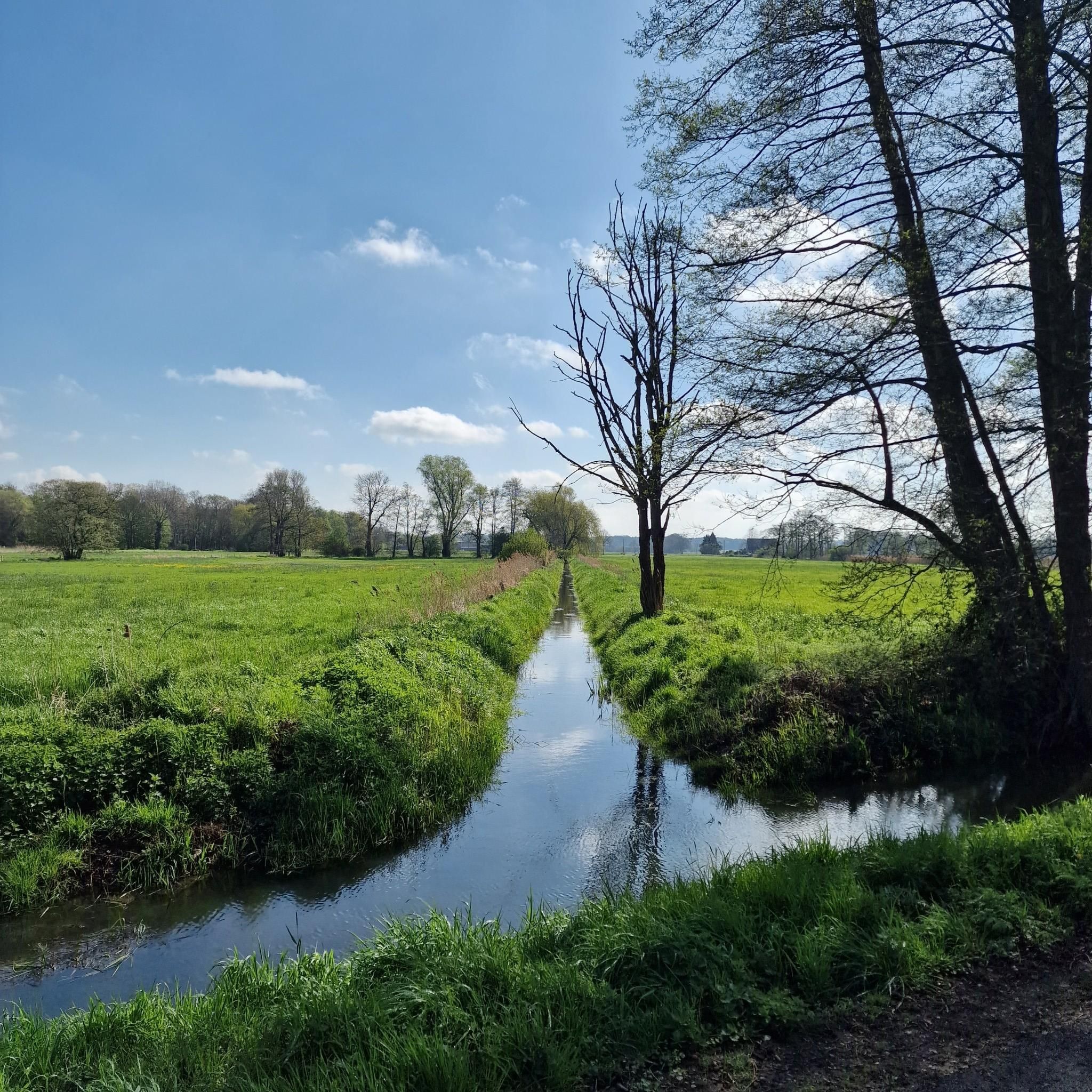
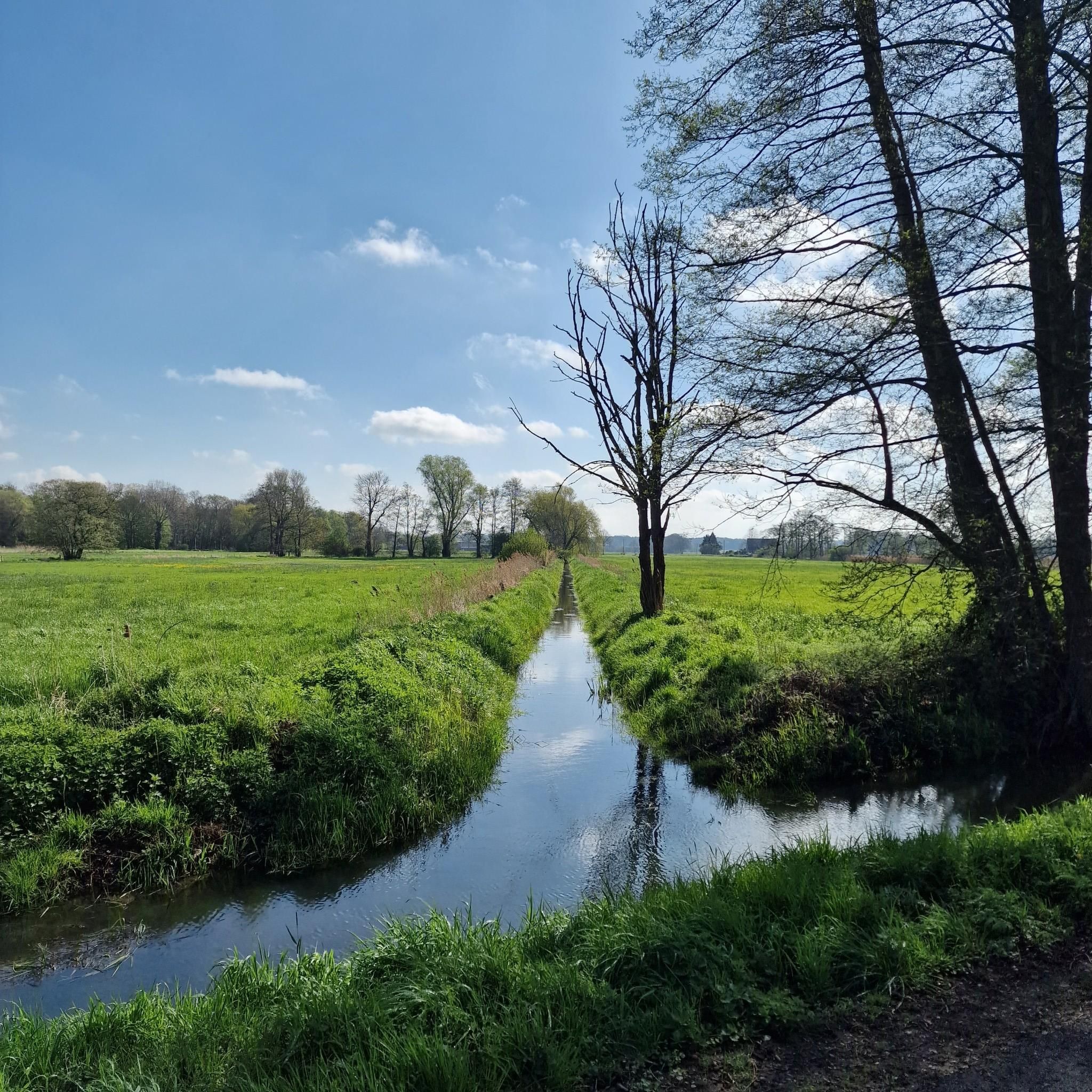
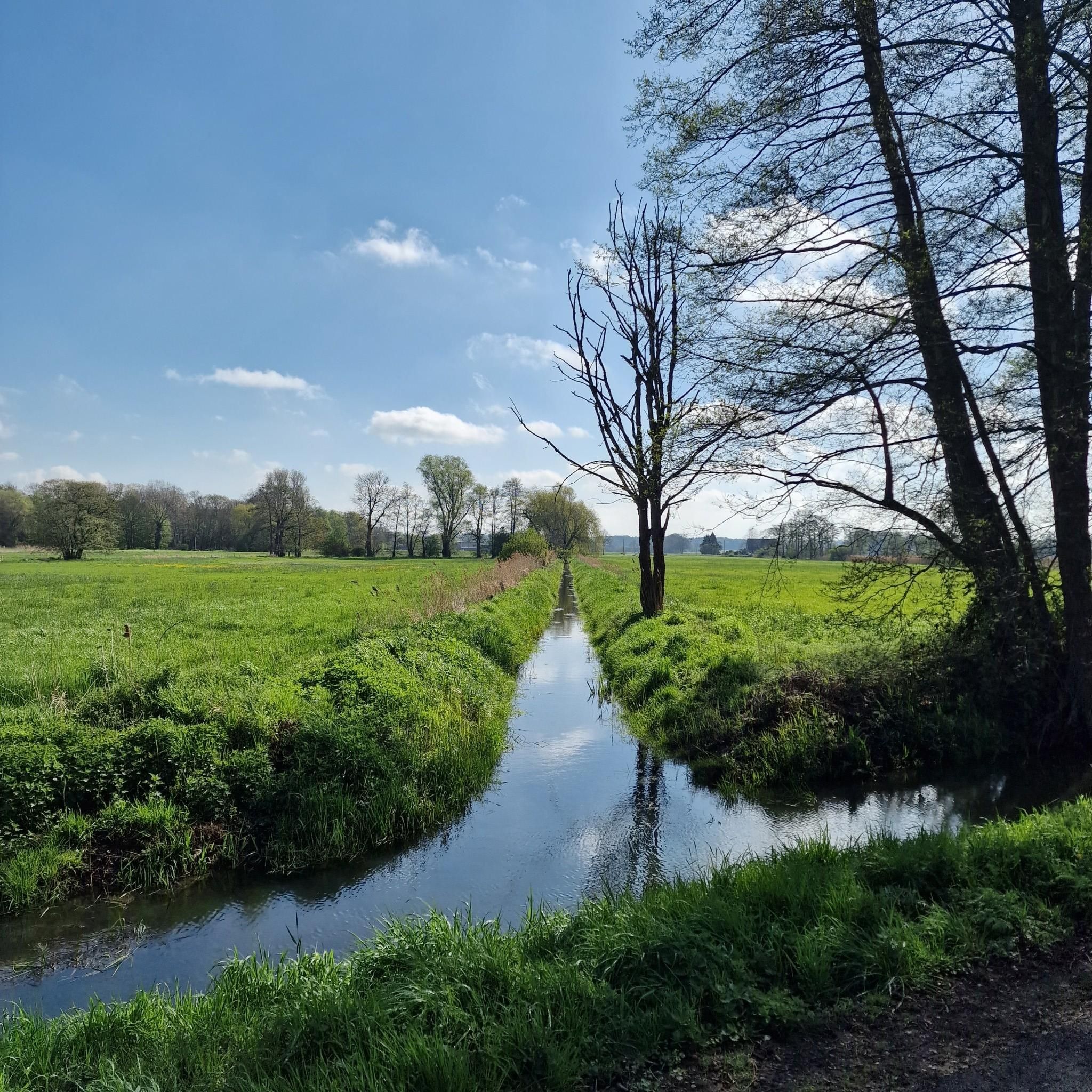
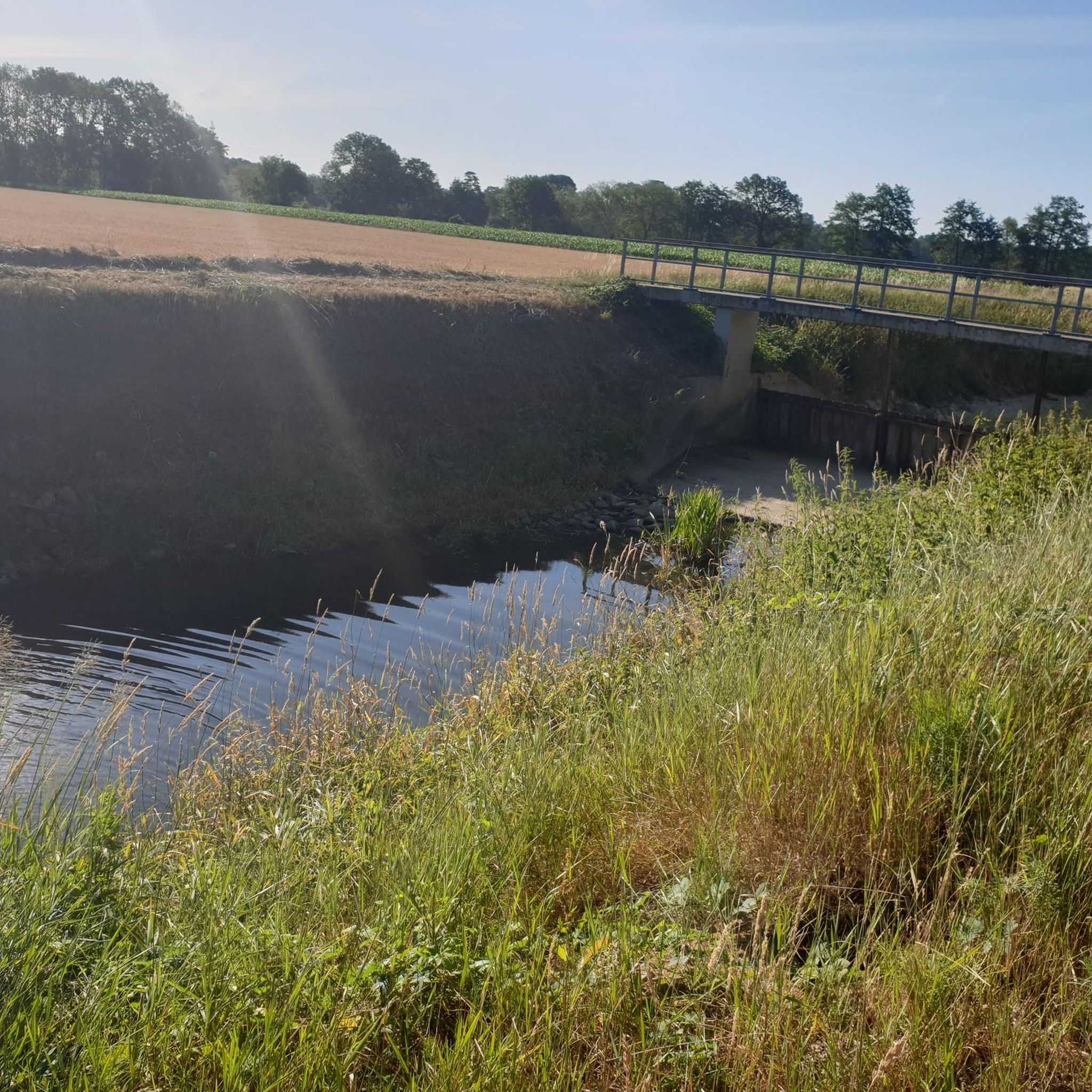
>The Issel accompanies us up close on this stretch of the route. Here the "Alte Aa" flows into the Issel. >The Issel flows a total of 200 km from its source in Raesfeld (Borken district, Germany) to its mouth in the Ijsselmeer (NL). >Their river sections have different names such as "Westphalian Issel, Upper/Middle/Lower Issel, Ijssel or Oude Ijssel. The Issel flows into the Ijssel near Doesburg (NL). >The Kleine Issel, Alte Aa and Klevesche Landwehr, among others, flow into the Issel itself. >The "Isseldeich" road was part of the Wertherbruch flood protection. The Isseldeich is already mentioned by name in a document from 1437. >On June 9, 1861, Wertherbruch and Isselburg were severely affected by flooding from the Issel, as was recently the case in 2016. >In 1863, the Prussian king decreed that the property owners on the Issel should be united to form the "Cooperative for the Regulation of the Issel". And in 1938, the district administrator of the Rees district issued the statutes of the "Water and Soil Association Neue Untere Issel" with headquarters in Isselburg.
3
0
Here you can sit on the "Protbank" and take a break. The "Isseldeich" neighborhood set up this beautiful spot to "te proten" (from Low German = to speak/have a chat). This place is lovingly designed with painted stones, slabs and posts and sayings. The blue cow stands diagonally opposite. There is also an information board here on the topic: Issel, dike and flood protection
2
0
>The historic fountain can be found on the meadow "Up de Graat", diagonally opposite Isseldeich No. 31A. There is an information board under a large tree. >A cottage used to stand near the former house fountain. The day laborer Antonius Meyermann lived there, who had to offer his labor again and again, e.g. at Gut Rodehorst or at the farms in the area. He died in 1817. After the Meyermanns, the Hüincks lived here around 1910. The 54-year-old widow Hüinck received a small payment for regularly placing sticks in the lanes of the road so that the carts and cars did not deepen them too much. >The 1840 census in Wertherbruch recorded 154 households. Of the total of 976 inhabitants, 18% were farmers, 29% were day labourers, 1% were crofters (=owners of a cottage without their own arable land), 13% were farmhands and 19% were maids. >In 1967, the households in Wertherbruch were connected to the public water supply, today the Wittenhorst water supply association. >On December 31, 1973, there were 207 installed water meters in Wertherbruch.
2
0
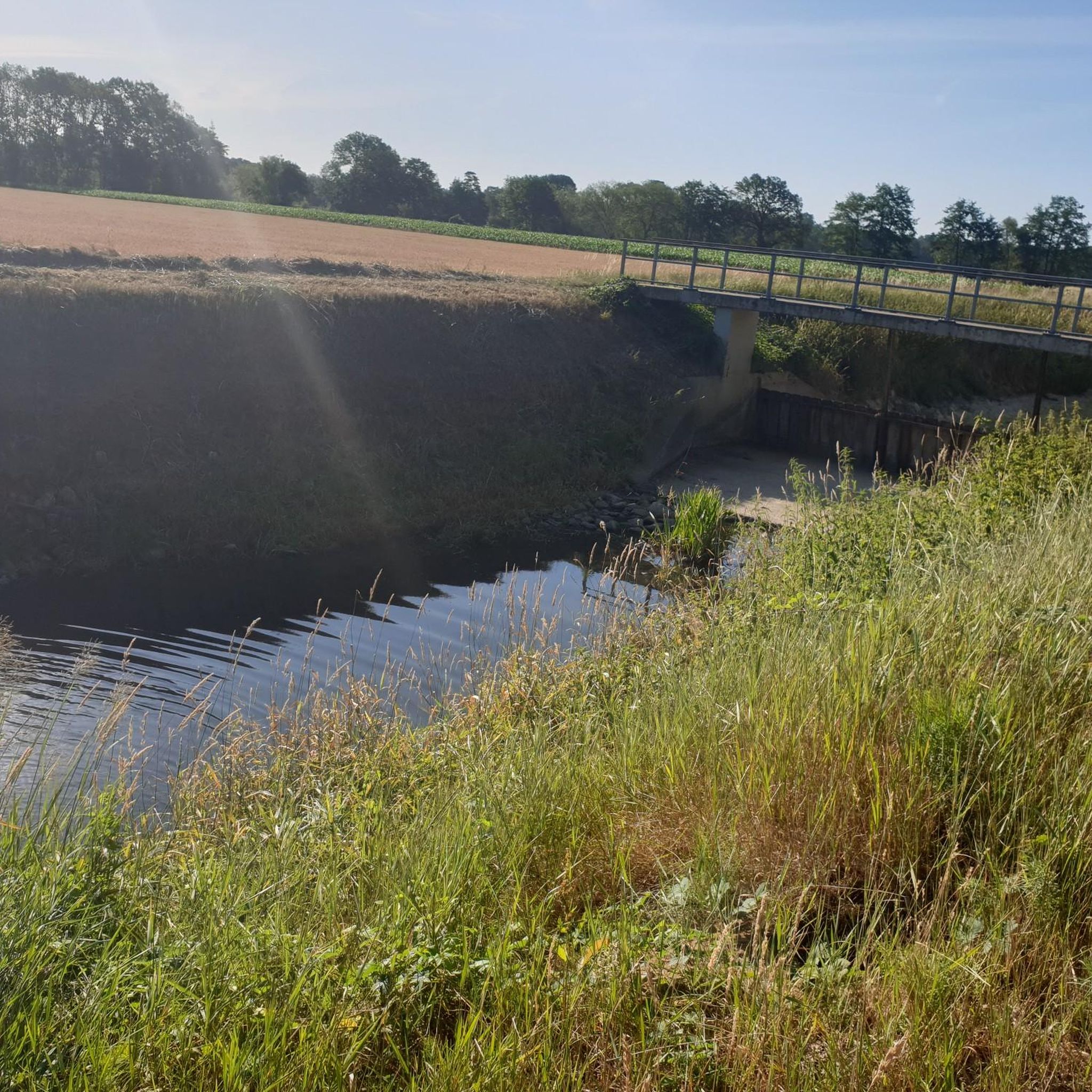
>Here you can see the Issel again up close. Shortly before, the "Alte Aa" flows into the Issel. >The Issel flows a total of 200 km from its source in Raesfeld (Borken district, Germany) to its mouth in the Ijsselmeer (NL). >Their river sections have different names such as "Westphalian Issel, Upper/Middle/Lower Issel, Ijssel or Oude Ijssel. The Issel flows into the Ijssel near Doesburg (NL). >The Kleine Issel, Alte Aa and Klevesche Landwehr, among others, flow into the Issel itself. >The "Isseldeich" road was part of the Wertherbruch flood protection. The Isseldeich is already mentioned by name in a document from 1437. >On June 9, 1861, Wertherbruch and Isselburg were severely affected by flooding from the Issel, as was recently the case in 2016. >In 1863, the Prussian king decreed that the property owners on the Issel should be united to form the "Cooperative for the Regulation of the Issel". And in 1938, the district administrator of the Rees district issued the statutes of the "Water and Soil Association Neue Untere Issel" with headquarters in Isselburg.
2
0
The "Isseldeich" neighborhood meets at the "Protbank" to "te proten" (from Low German = have a chat). This square is lovingly designed with painted stones, slabs and posts and sayings. The blue cow stands diagonally opposite. There is also an information board here on the topic: Issel, dike and flood protection
2
0

Lovingly designed rest stop for cyclists and hikers. Everything is self-service in the converted stable, a comfortable bench with chilled drinks and a beautiful view of a stork's nest
4
0
This recreation area leaves nothing to be desired and stands out from the rest. Everything is thoughtfully designed and furnished. Whether for young or old, for flowers or animals – there's something for everyone. There's even a mailbox for sending mail to the storks (until the end of August). Here you'll find everything and more you need for a bike ride, even a bike station. From repair kits to air pumps. 🔝 It also seems to me that the neighboring farm thinks and operates in a very ecological and environmentally conscious way (suckler cow farming, free-range chickens, sheep farming, stork's nest). The stork's nest was built by the farmer in March 2019 to reintroduce the white stork here near the Issel River, and he has succeeded.
4
0

A perfect resting place. Food and drinks are available. Weather and sun protection, animal observation, bicycle station, tables and benches for a rest.
10
0
Frequently Asked Questions
What natural features can I explore in Isselniederung?
Isselniederung is primarily a significant nature reserve, characterized by its expansive lowland landscape. The meandering Issel River flows through the heart of the reserve, creating diverse ecosystems with extensive grasslands and various woody structures. You can experience the river up close at the Isseldeich and Issel Floodplain, which offers picturesque meadow views.
Are there good spots for birdwatching in Isselniederung?
Yes, the Isselniederung Nature Reserve, especially along the Issel River and its floodplains, is an excellent area for birdwatching. You might spot species like the Common Kingfisher, various ducks, geese, and waders, particularly in winter. White-tailed Eagles are also regularly sighted in the floodplains.
What historical sites are located in or near Isselniederung?
While Isselniederung itself is a natural reserve, the surrounding Hamminkeln municipality offers several historical points of interest. These include the former Cistercian monastery Kloster Marienthal, parts of which date back to 1345, and the neo-Gothic St. Pankratius Church in Dingden. You can also find the Historic Well on Up de Graat Meadow, which provides insights into local life from centuries past.
Are there family-friendly attractions in Isselniederung?
Absolutely. Many attractions in Isselniederung are suitable for families. The Stork Nest Kesseldorf is a perfect resting place with opportunities for animal observation, including a view of a stork's nest. Hagemann's Farm Café is also family-friendly, offering delicious cakes and a nice beer garden.
Where can I find a nice place to take a break or get refreshments?
For a pleasant break, visit Hagemann's Farm Café, known for its huge selection of delicious cakes and homemade sweet and savory delicacies in a friendly atmosphere with a beer garden. Another great spot is Stork Nest Kesseldorf, which offers food and drinks and a relaxing setting.
What outdoor activities can I do near these attractions?
The Isselniederung area is ideal for various outdoor activities. You can enjoy cycling on routes like the "Issel Lowlands Nature Reserve – Roman Rest loop from Ringenberg" or explore numerous MTB and gravel biking trails. For more detailed routes and options, check out the guides for MTB Trails in Isselniederung, Gravel biking in Isselniederung, and Cycling in Isselniederung.
Are there hiking trails suitable for families in Isselniederung?
Yes, Isselniederung offers easy and family-friendly trails, perfect for connecting with nature. A popular option is the Issel Route, a circular hike in Hamminkeln-Ringenberg that follows the scenic course of the Issel River through an idyllic cultural landscape.
What do visitors enjoy most about Isselniederung?
Visitors particularly appreciate the serene natural environment and the opportunities for relaxation. Highlights like Stork Nest Kesseldorf are loved for being perfect resting places with animal observation, while Hagemann's Farm Café is praised for its delicious treats and friendly atmosphere. The picturesque meadow landscape of the Isseldeich and Issel Floodplain is also a community favorite.
Can I find viewpoints to observe the landscape?
Yes, there are several viewpoints to take in the scenery. The Stork Nest Kesseldorf offers a view of a stork's nest, and the Isseldeich and Issel Floodplain provides a beautiful perspective of the river and its surrounding meadows. The Protbank at the Issel Dike is another spot where you can sit and enjoy the views.
What is the best time of year to visit Isselniederung?
Isselniederung offers natural beauty throughout the year. Spring and summer are ideal for hiking, cycling, and enjoying the lush green landscapes. Autumn brings beautiful colors, and winter can be excellent for birdwatching, especially for waders and eagles in the floodplains.
Are there any unique local facilities or resting spots?
Yes, the Protbank at the Issel Dike is a lovingly prepared resting place, perfect for a break. The name 'Prot' is Old High German for bread, inviting you to sit and enjoy a snack. It's a charming spot to pause during your exploration.
Most popular routes in Isselniederung

Get inspired with the komoot mobile app


Explore more
Still not found the Highlight you’re looking for? See guides of the top attractions in other regions:
