Attractions and Places To See in De Geelders - Top 8
Attractions and places to see in De Geelders primarily focus on its natural landscapes and ecological significance. Located east of Boxtel and north of Liempde in North Brabant, Netherlands, De Geelders is recognized as one of the most important wet loam forest areas in the country. The region features diverse landscapes including coppice walls, deciduous forests, poplar groves, heathlands, grasslands, and arable lands. This variety supports a rich biodiversity, making it a notable area for nature observation and outdoor activities.
…Last updated: July 5, 2026
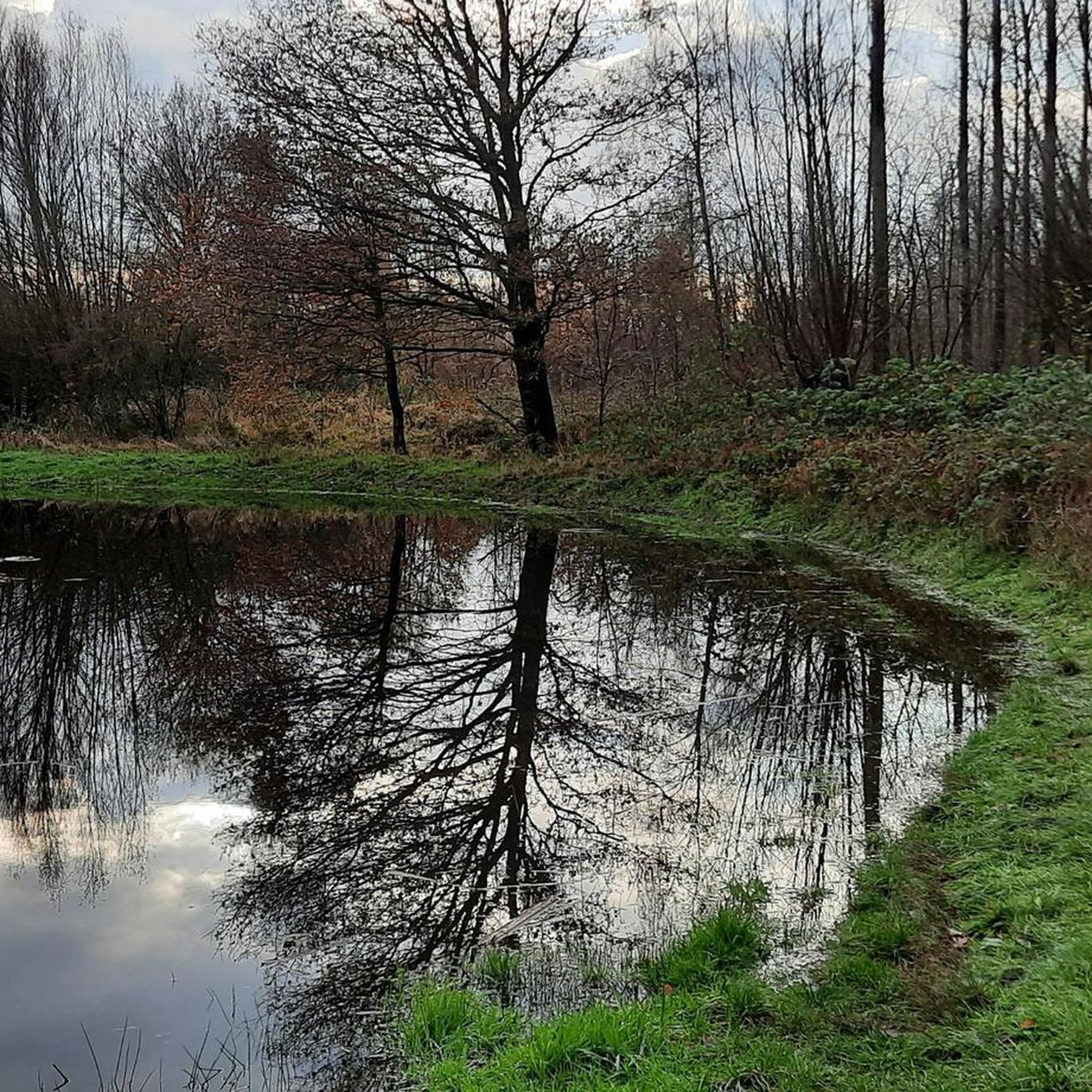
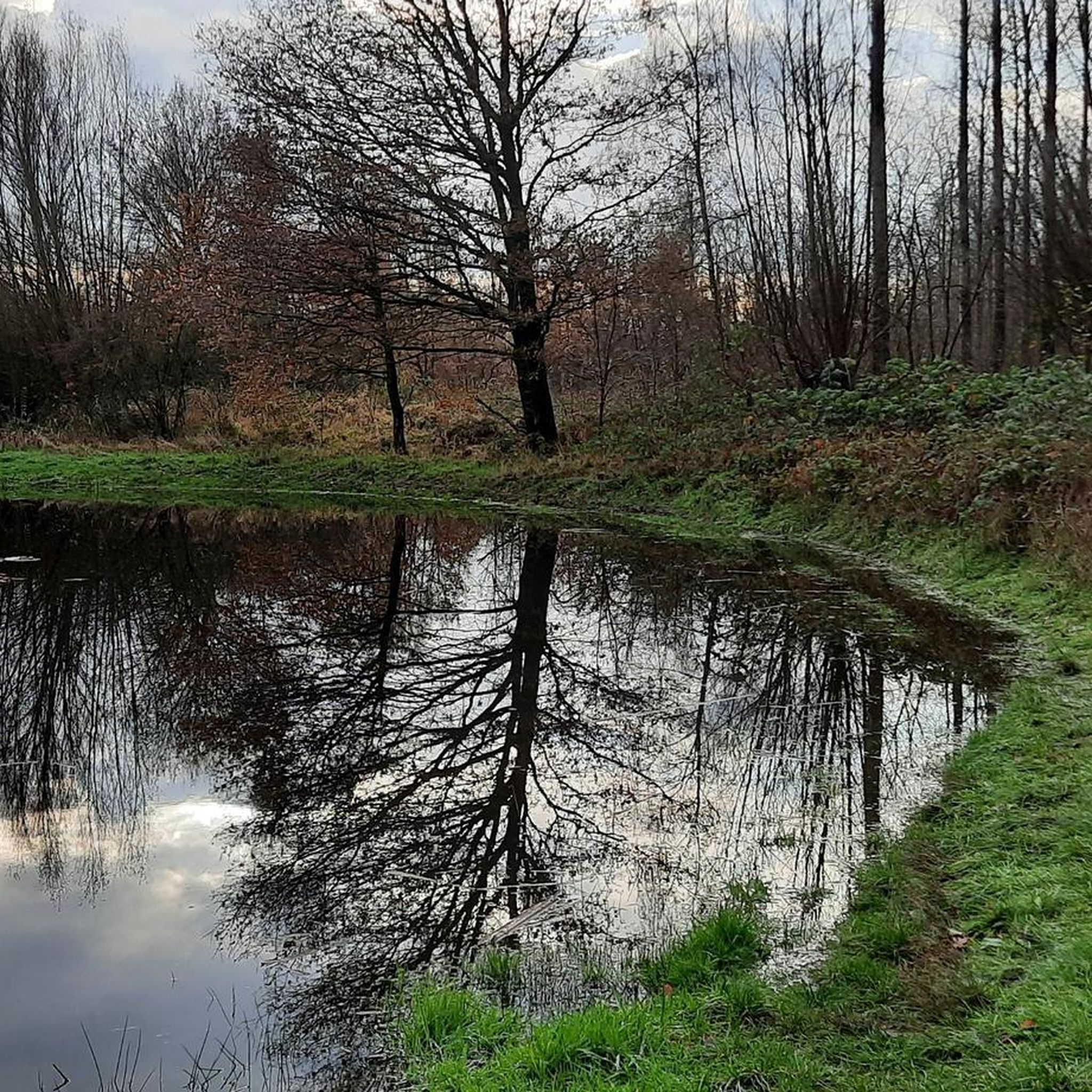
Forest path in De Geelders
Highlight • Trail
Translated by Google •
Tip by

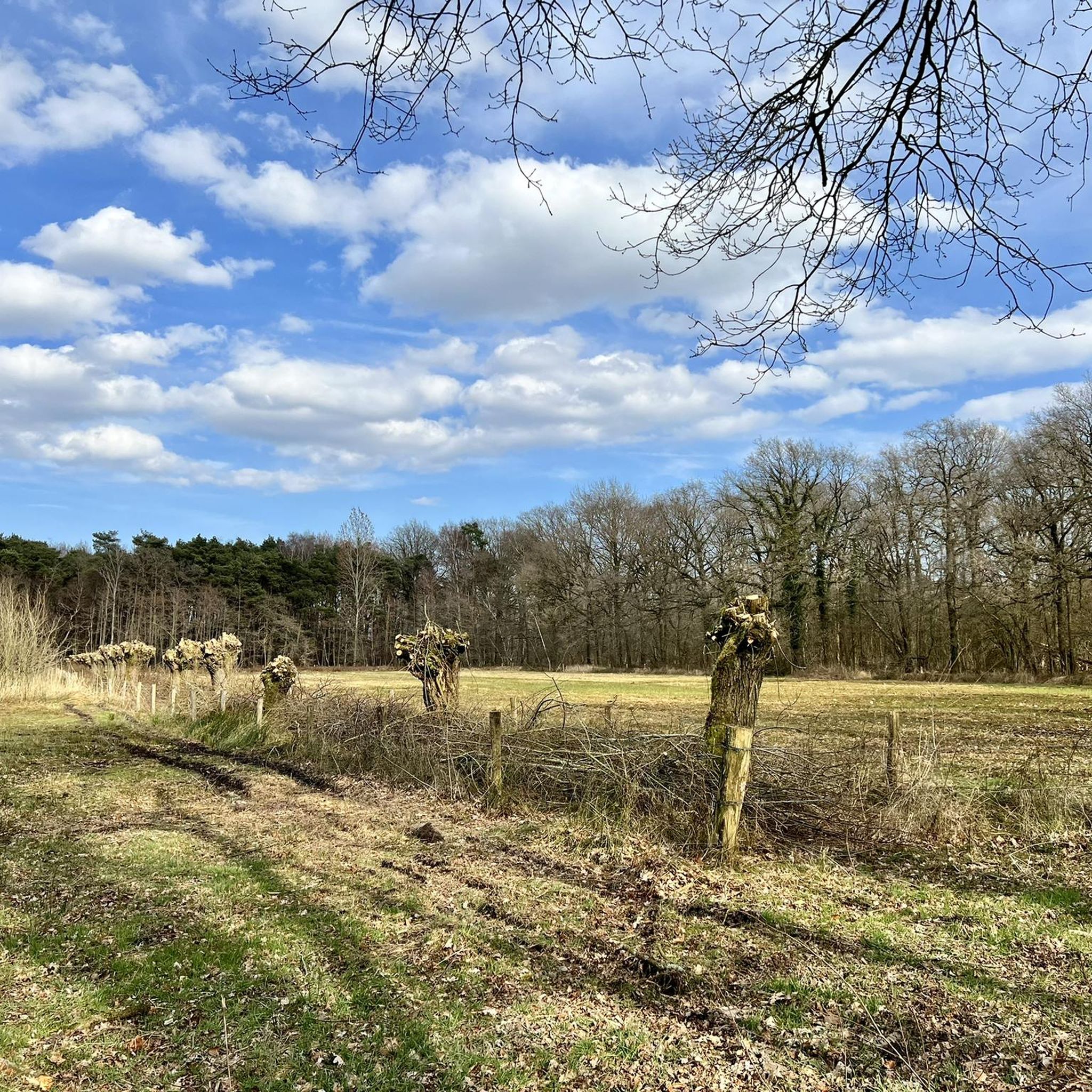
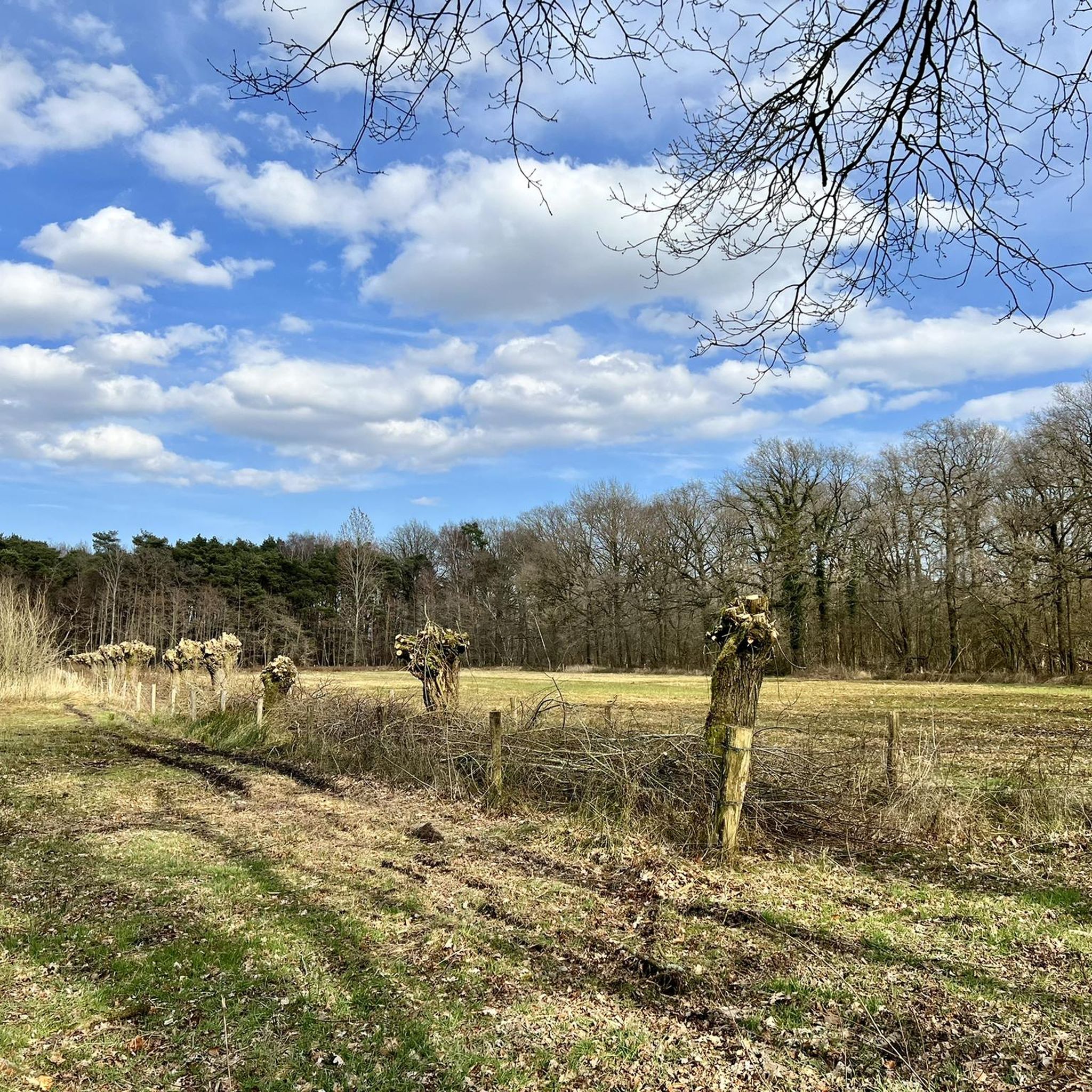
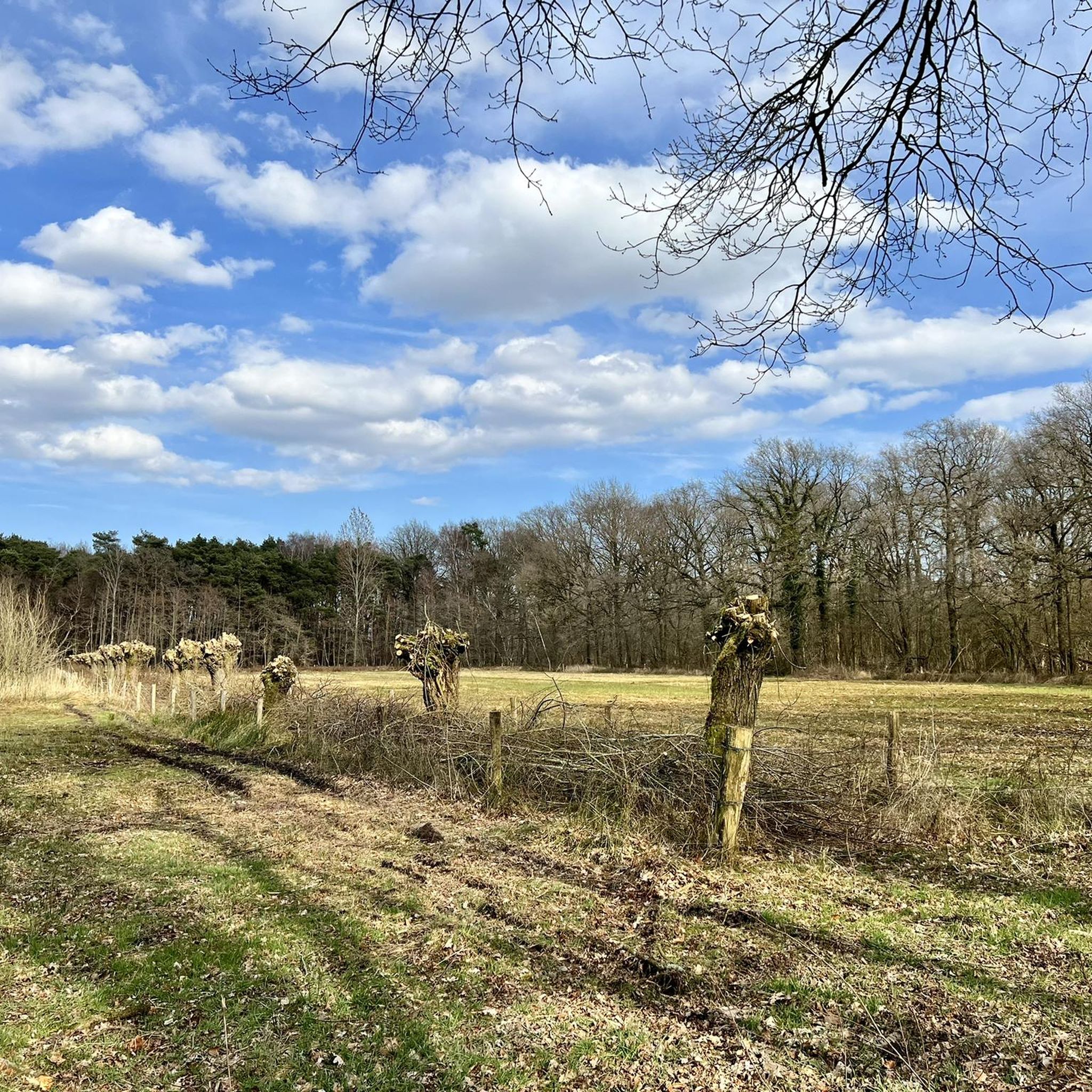
Woven hedge along 't Coot
Highlight • Natural Monument
Translated by Google •
Tip by

Sign up now to discover places like this
Get recommendations on the best single tracks, peaks, & plenty of other exciting outdoor places.
Sign up for free
Historical Grenswal of Het Speet
Highlight • Historical Site
Translated by Google •
Tip by

Café 't Groene Woud
Highlight • Cafe
Translated by Google •
Tip by

Gemonde Gravel Route
Highlight (Segment) • Trail
Translated by Google •
Tip by

Sign up for free to discover even more attractions in De Geelders.
Sign up for free
Already have an account?
Start today with a free account
Your next adventure awaits.
Login or Signup

Tips from the Community

Café 't Groene Woud is a traditional village pub on the edge of the Het Groene Woud nature reserve, the expansive landscape between Eindhoven, Tilburg, and 's-Hertogenbosch. The pub has long served as a starting and resting point for hikers and cyclists exploring the Dommel Valley, the Kasteren Heath, and the area's ancient hedgerows. The building is a classic Brabant pub: low, sturdy brickwork, a simple gable roof, and an interior known for its friendly atmosphere. Situated at the intersection of old connecting roads, it historically made a natural stopping place for locals, farmers, and travelers. Today, it is especially popular for its tranquil setting and proximity to the main hiking trails through Het Groene Woud. A recognizable point along the route, it's the ideal place to stop and begin or end your walk.
1
0

As the Scottish liberators approach, a café finds itself at the center of the fighting. Soon after, a completely different kind of bustle breaks out. At 7:30 a.m. on Monday, October 23, the 2nd Battalion Seaforth Highlanders begins their advance from the Schijndel Heath along the German line toward Boxtel. In the woods of the Hermalen, near the café Het Groene Woud (then the Slophoos), the Seaforths encounter German resistance and have to neutralize several German positions. However, the advance proceeds smoothly, and at 10:30 a.m., one company reaches the bridge over the Drainage Canal near Boxtel, near the Schijndelsedijk. There, civilians warn them that the bridge will be blown up by the Germans if they attempt to cross. As a precaution, the Seaforths take up positions on the Schijndel side of the bridge. They do, however, fire on the other side, attempting to prevent the Germans from blowing up the bridge. At 11:20 a.m., he finally blew up. This prevented the Seaforths from continuing on to Boxtel. B Company then advanced to the bridge at Munsel, a few hundred meters further on, but they were unable to cross. C Company remained at the blown-up bridge while A and D Companies spent the rest of the day clearing the woods around Hermalen. Several farms were set ablaze in the fighting. Nearly all the farms around the café were also destroyed by fire. Meanwhile, the 2nd's sister battalion, the 5th, had protected the left flank. At dawn on October 23, 1944, they departed from the north of Sint-Oedenrode along the Ollandseweg towards Olland. They managed to capture Olland without losses. Here too, the enemy had withdrawn towards Liempde, extending beyond the Dommel River. They were, however, hampered by mines and roadblocks in the form of trees across the road. At 6:00 PM, they set up their command post at the Slophoos. They remained in position around Holland throughout the night and the following day. It wasn't until the evening of October 24th that they departed in trucks for the north of Schijndel. It must have been incredibly busy; countless trucks and tanks drove past the café. Several units of the 7th Armoured Division, the famous Desert Rats, also passed by. The café itself was briefly used as headquarters by the 5th Battalion Seaforth Highlanders.
1
0
A café at the heart of liberation As the Scottish liberators approach, a café finds itself at the heart of the fighting. Soon after, a completely different kind of bustle breaks out. At 7:30 a.m. on Monday, October 23, the 2nd Battalion Seaforth Highlanders begins their advance from the Schijndel Heath along the German line toward Boxtel. In the woods of the Hermalen near the café Het Groene Woud (then the Slophoos), the Seaforths encounter German resistance and have to neutralize several German positions. However, the advance proceeds smoothly, and at 10:30 a.m., one company reaches the bridge over the Drainage Canal near Boxtel, near the Schijndelsedijk. There, civilians warn them that the bridge will be blown up by the Germans if they attempt to cross. As a precaution, the Seaforths take up positions on the Schijndel side of the bridge. They did, however, fire on the other side, trying to prevent the Germans from blowing up the bridge. At 11:20 a.m., it was blown up anyway. This prevented the Seaforths from continuing on to Boxtel. B Company then advanced to the bridge at Munsel, a few hundred meters further on, but they were unable to cross. C Company remained at the blown-up bridge while A and D Companies spent the rest of the day clearing the woods around Hermalen. Several farmhouses were set ablaze in the fighting. Nearly all the farmhouses around the café were also destroyed by fire. Meanwhile, the 2nd's sister battalion, the 5th, had protected the left flank. At dawn on October 23, 1944, they departed from the north of Sint-Oedenrode along the Ollandseweg towards Olland. They managed to capture Olland without losses. Here too, the enemy had withdrawn towards Liempde, all the way behind the Dommel River. They were hampered by mines and roadblocks in the form of trees across the road. At 6:00 PM, they set up their command post at the Slophoos. They remained in position around Holland throughout the night and the following day. It wasn't until the evening of October 24th that they departed in trucks for the north of Schijndel. It must have been incredibly busy; countless trucks and tanks drove past the café. Several units of the 7th Armoured Division, the famous Desert Rats, also passed by. The café itself was briefly used as headquarters by the 5th Battalion Seaforth Highlanders.
1
0

Nice place with delicious nougatine cake.
2
0

Here the path was supposed to go straight, but then there was a swim, so we didn't do that. The path was very wet and therefore impossible to walk as planned.
0
0

With the planting of more than two hundred young oaks, alders, hazels and rowan trees, a piece of centuries-old green heritage was restored in De Geelders on Saturday morning. At the initiative of the Brabantse Bronnen Foundation and in collaboration with the Promotion Projects Foundation in Leefbaar Liempde and Natuurwerkgroep Liempde, part of an old border wall was replanted in 2022 with native species of Dutch origin. A boundary wall is a human-made elevation in the landscape. In the past, such a wall formed the separation between different grounds, intended to keep cattle in and game out.
0
0

Great place for a break e.g. for walkers. Plenty of seating, also outside
4
1

In the De Geelders nature reserve there was already a farm called 't Coot in the Middle Ages, it was in use until 1928. It is true that there is no longer a building on the sandy path that is still called 't Speet and may be given the name 't Coot. The contours of the farm have been depicted in the form of, among other things, linden and walnut trees. Well executed in stone is an old well near the trees. And nearby, new wooded banks have been planted, such as those depicted on old maps of Liempde. Source: www.bd.nl
6
0
Frequently Asked Questions
What natural features can I explore in De Geelders?
De Geelders is renowned for its significant wet loam forest, a rare ecological habitat. You'll find a diverse tapestry of landscapes, including coppice walls, deciduous forests, poplar groves, heathlands, grasslands, and arable lands. The Beekse Waterloop flows through the area, eventually joining the Dommel River. The Forest path in De Geelders is an excellent way to experience these varied natural environments.
Are there any historical sites or points of interest in De Geelders?
Yes, De Geelders has a rich history. The area was historically used by Carthusian monks as a production forest for oak coppice. You can visit the Woven hedge along 't Coot, a natural monument showcasing traditional hedge weaving and marking the site of a medieval farm. Another historical point is the Historical Grenswal of Het Speet, an ancient boundary wall that has been replanted with native species.
What outdoor activities can I do near these attractions?
De Geelders is ideal for outdoor activities, especially hiking and cycling. You can find numerous routes for different skill levels. For hiking, explore options like the 'De Dommel – St. Janspontje loop' or the 'Café 't Groene Woud – De Geelders Nature Reserve loop'. For cycling, there are routes like the 'Kampina Nature Reserve – Cycle path through Kampina loop'. You can find more details on these and other routes in the easy hikes guide, cycling guide, and gravel biking guide for De Geelders.
Are there family-friendly activities or trails in De Geelders?
De Geelders offers several family-friendly options, particularly its accessible walking routes. The diverse landscapes and opportunities for wildlife spotting make it an engaging place for children. The Woven hedge along 't Coot is also noted as family-friendly, offering a glimpse into historical land use. Many of the easy hiking trails are suitable for families.
What is the best time of year to visit De Geelders?
Spring is a particularly beautiful time to visit De Geelders, as the forest floor becomes carpeted with millions of wood anemones, creating a stunning display. Autumn also offers picturesque scenery with changing leaf colors. However, the area's natural beauty can be enjoyed year-round, with each season offering a different experience. Sturdy walking shoes are recommended due to the wet nature of the area, especially after rain.
Are there places to eat or drink near the attractions?
Yes, Café 't Groene Woud is a well-known stopping place in Liempde, offering a cozy, old-fashioned living room atmosphere and a sunny beer garden. It's an ideal spot for a break and a starting point for exploring the surrounding countryside. There are also visitor centers like De Groene Poort in Boxtel and Winery & Herbs in Schijndel that can serve as starting points for your visit.
What kind of wildlife can I expect to see in De Geelders?
De Geelders is rich in biodiversity. The decaying trees provide shelter and breeding grounds for various species, including tawny owls and pine martens. The area also supports important populations of woodcocks and honey buzzards. Birdwatching is a popular activity, and the diverse habitats attract a wide range of flora and fauna.
Are dogs allowed on the trails in De Geelders?
Generally, dogs are welcome in natural areas like De Geelders, but it's always advisable to keep them on a leash to protect wildlife and ensure a pleasant experience for all visitors. Specific rules may vary, so look for local signage.
What should I wear for hiking in De Geelders?
Given the wet loam forest environment, sturdy walking shoes or boots are highly recommended, especially during wetter seasons. Insect repellent can also be useful. Dress in layers suitable for the weather conditions, as you'll be spending time outdoors in varied terrain.
Are there any viewpoints or scenic spots in De Geelders?
While De Geelders doesn't feature elevated viewpoints in the traditional sense, its scenic beauty lies in its diverse natural landscapes. The Forest path in De Geelders offers continuous scenic beauty through its varied forest and open areas. The spring display of wood anemones across the forest floor is a particularly beautiful sight.
How long are the typical walks in De Geelders?
Walking routes in De Geelders vary in length. For example, the 'Café 't Groene Woud – De Geelders Nature Reserve loop' is about 4.4 km, while 'The Dommel – St. Janspontje loop' is around 7.9 km. Many routes are designed for easy walks, typically ranging from 1 to 2 hours, making them suitable for various fitness levels. You can find more details in the easy hikes guide.
Where can I find parking when visiting De Geelders?
De Geelders can be accessed from various points. Visitor centers like De Groene Poort in Boxtel and Winery & Herbs in Schijndel often serve as good starting points and may offer parking facilities. When planning your visit, it's best to check specific starting points for hiking routes for available parking options.
Most popular routes in De Geelders

Get inspired with the komoot mobile app


Explore more
Still not found the Highlight you’re looking for? See guides of the top attractions in other regions:
