Attractions and Places To See in Polder En Kasteeldomein Van Hingene - Top 20
Best attractions and places to see in Polder En Kasteeldomein Van Hingene include a well-preserved polder landscape and a valuable castle domain. Located in Bornem, Belgium, this region is characterized by its connection to the Schelde river and its historical landmarks. It offers a combination of natural beauty and cultural sites, making it a destination for outdoor activities and historical exploration. The area maintains a stable heritage landscape with parcel structures and dike patterns largely unchanged since the 18th century.
…Last updated: May 8, 2026
Temse Scheldt Bridge
Highlight • Bridge
The bridges connect landscapes and people.
Trains, cars, cyclists and walkers …
Translated by Google •
Tip by

Temse Bridge by Gustave Eiffel 1870
Highlight • Bridge
Translated by Google •
Tip by

Sign up now to discover places like this
Get recommendations on the best single tracks, peaks, & plenty of other exciting outdoor places.
Sign up for free
d'Ursel Provincial Park
Highlight • Castle
Translated by Google •
Tip by
Hingenewiel
Highlight • Lake
Translated by Google •
Tip by
Buitenland hamlet
Highlight • Settlement
Nice special houses and only one street in Buitenland create a cozy atmosphere.
On sunny days it can be quite …
Translated by Google •
Tip by
Sign up for free to discover even more attractions in Polder En Kasteeldomein Van Hingene.
Sign up for free
Already have an account?
Start today with a free account
Your next adventure awaits.
Login or Signup
Popular around Polder En Kasteeldomein Van Hingene
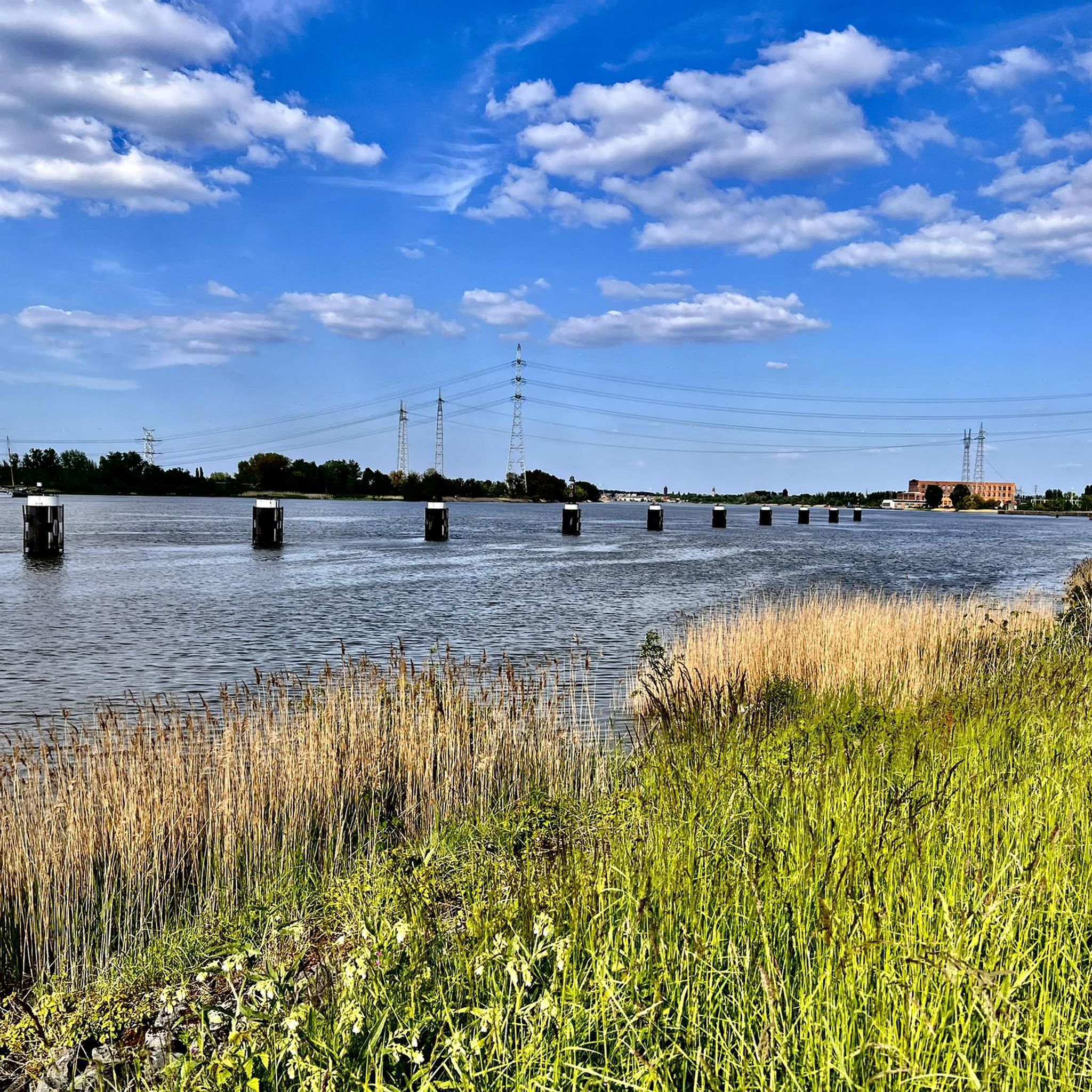
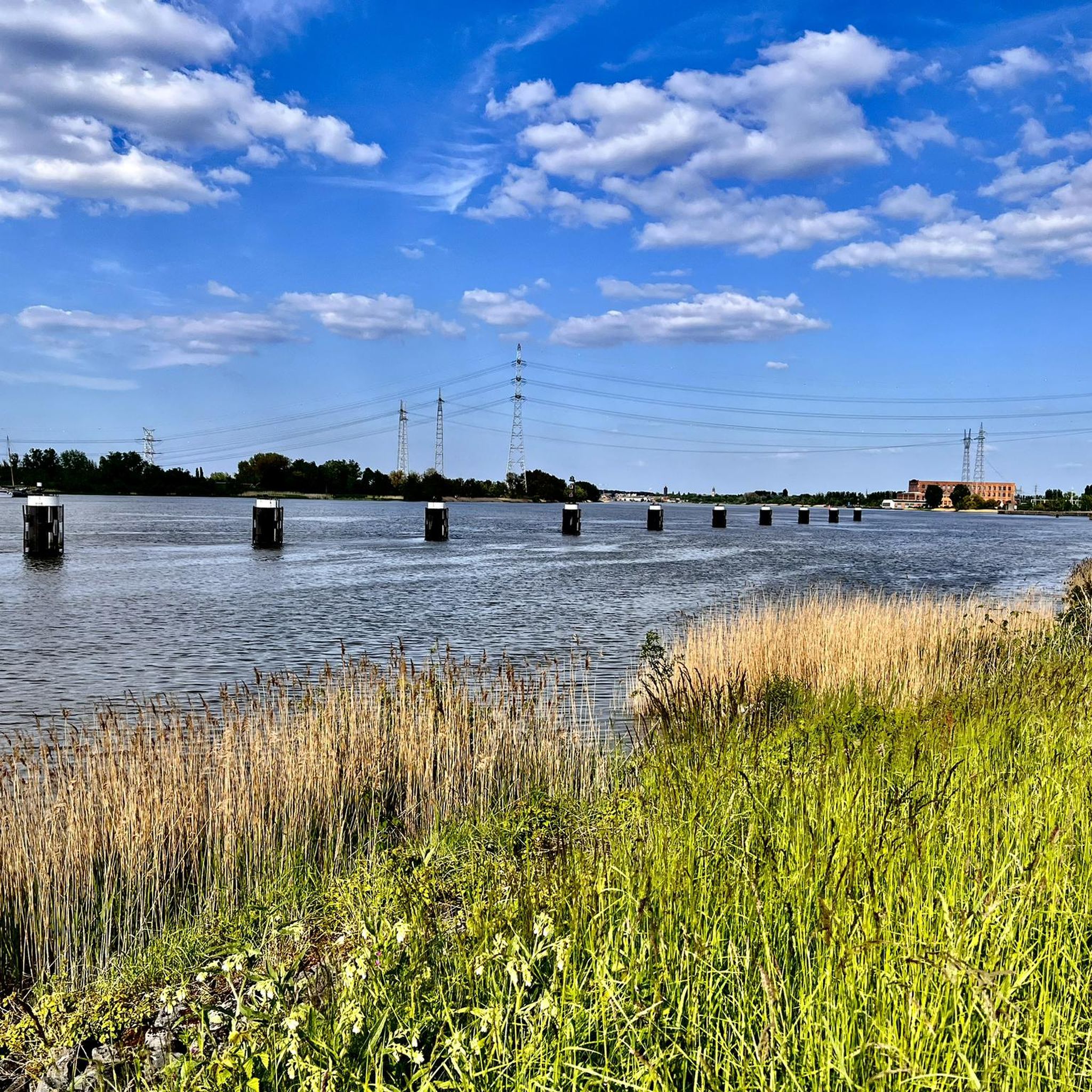
Cycling in Polder En Kasteeldomein Van Hingene
Road Cycling Routes in Polder En Kasteeldomein Van Hingene
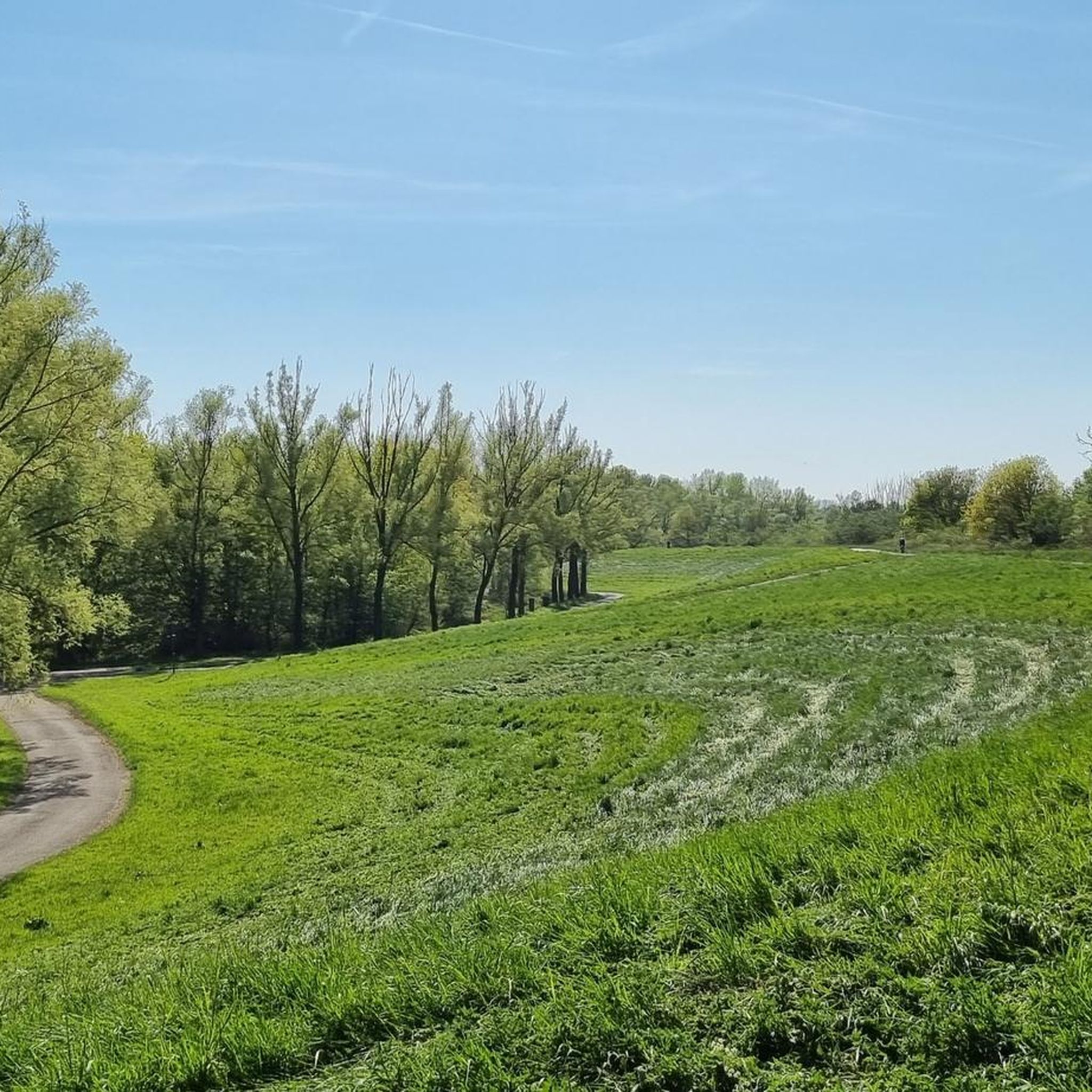
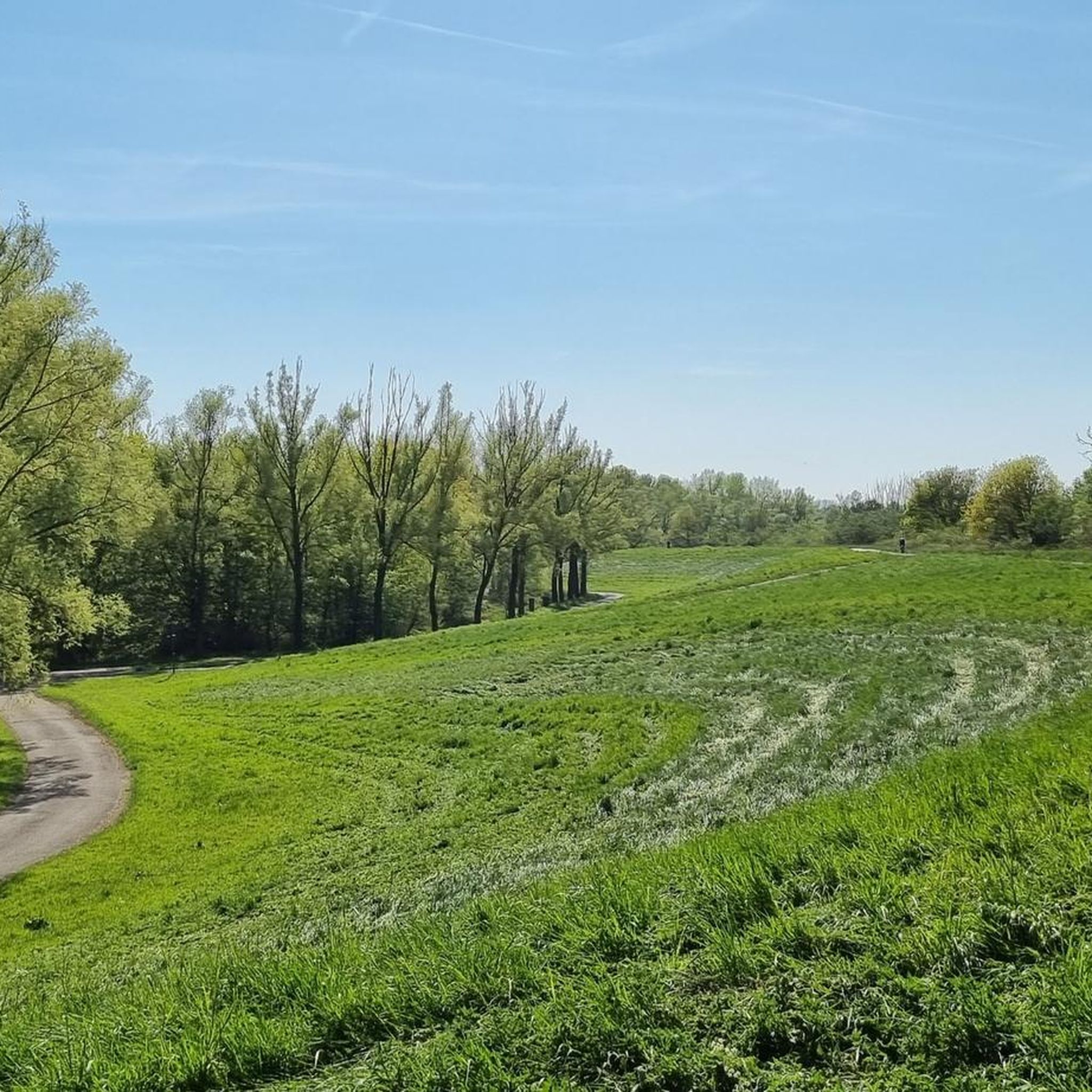
Running Trails in Polder En Kasteeldomein Van Hingene
Hiking in Polder En Kasteeldomein Van Hingene
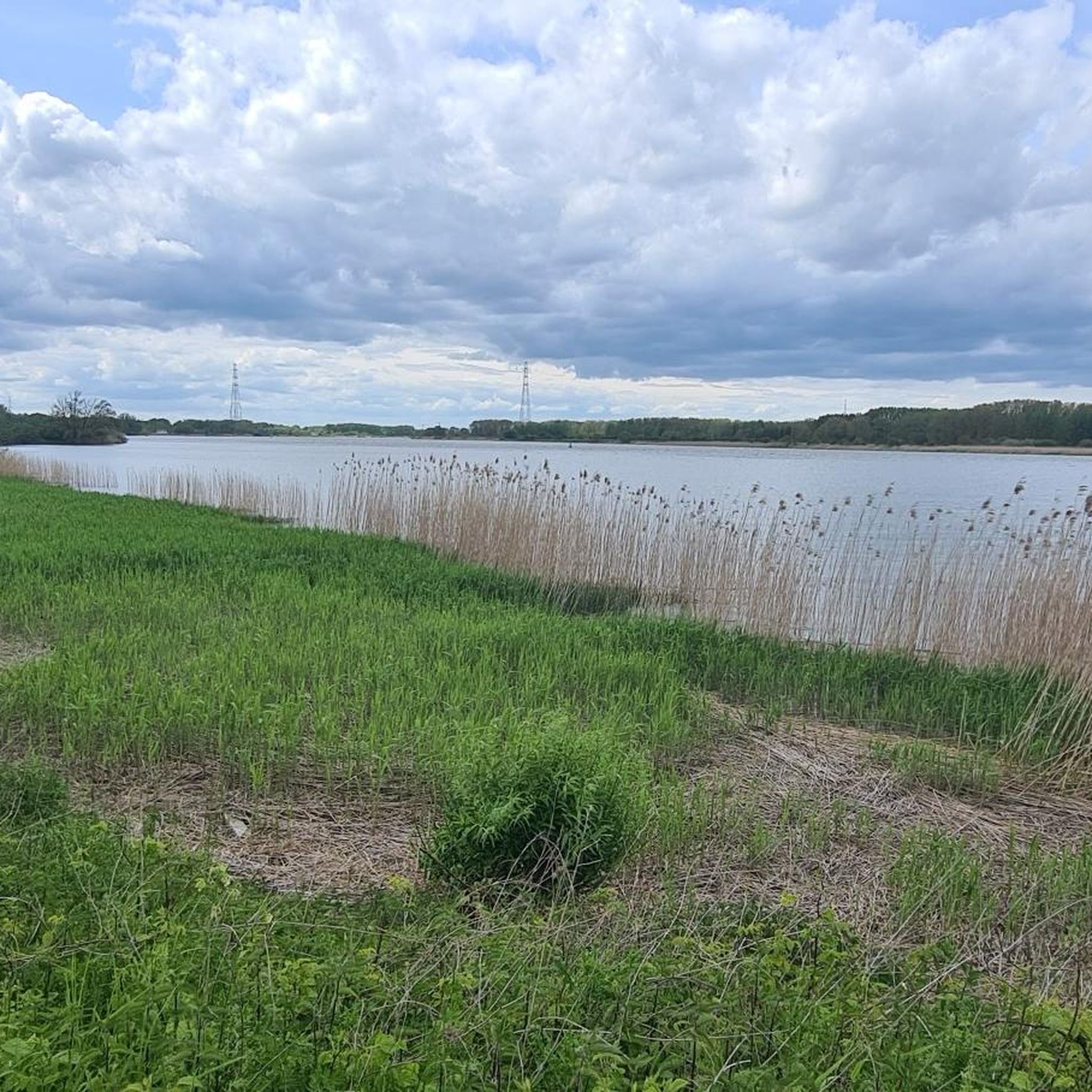
MTB Trails in Polder En Kasteeldomein Van Hingene
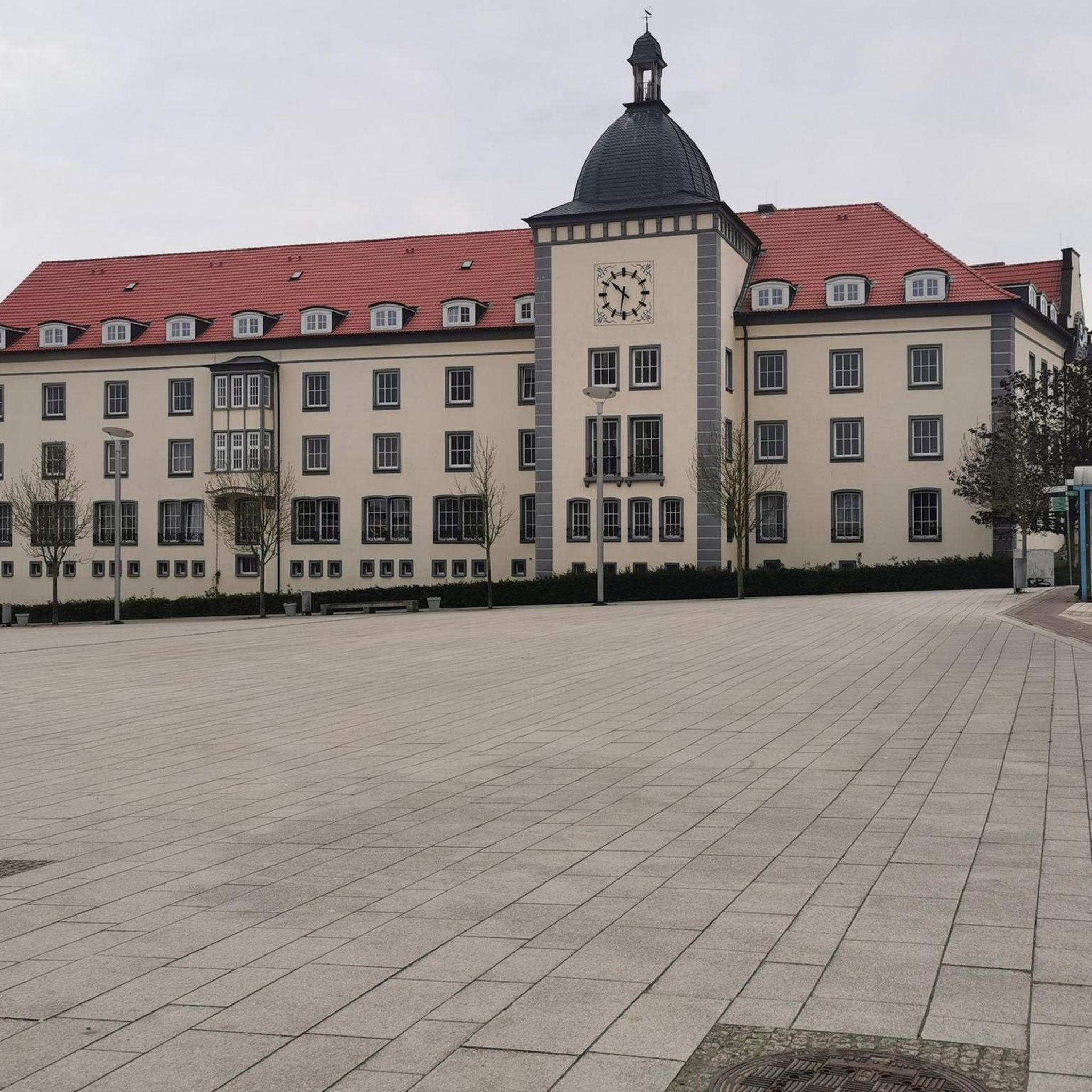
Gravel biking in Polder En Kasteeldomein Van Hingene
Tips from the Community

History: formerly Buitenland was marshland. Over the centuries, dikes were built and land was reclaimed. The name "Buitenland" (also "Buytenland" or "Buijten landt") presumably refers to land reclaimed from the marshes outside the dikes. Until 1845, the area was almost uninhabited. After further land reclamation, the hamlet grew into a residential nucleus, stimulated by the family business. The hamlet has no church or school. It remains to this day a biologically valuable area.
3
0

Please note, Café den Etranger was not open when we passed by, even though it was a Saturday 😎
1
0

Adjust speed: watch out for traffic from different directions (cyclists and pedestrians).
2
0

The 1955 bridge caused considerable traffic congestion, a problem largely resolved since 2009 by the construction of a second parallel bridge. However, the current bridge complex remains a busy traffic intersection, and it largely defines the skyline of the Scheldt municipality of Temse. Cyclists can safely cross the bridge or cross the N16 under it.
11
0


Around the castle lies a domain that, together with the Hingenebroekpolder and Schellandpolder, once measured around 300 hectares. The park around the castle is around 40 hectares and is connected to the polders that are part of the Bornem silence area via the Notelaerdreef. In the park you will find yourself in an oasis of peace. The domain is open to the public and is eagerly visited by walkers and joggers. (RouteYou)
16
0
The wheel is privately owned, but you walk right past it (on the Victor De Witstraat). No one knows for sure how the Hingenewiel was formed. We know that the Spierenbroek flooded around 1552. After failed attempts to close the Spierenbroekgat, the other polders flooded in November 1554, because the pladderdijk broke. We suspect that this is how the Hingenewiel was formed. A pladderdijk is a cross dike that runs from the stream through the polder (so not along the river). This large wheel was originally even larger, probably the Ketelwiel used to be part of this wheel. In the middle of this wheel was an island with a tower on it. The Hingenewiel became smaller due to natural silting up. Kingfisher, grebe, coot, moorhen, gadwall and shelduck breed here, among other things. But you can also admire fire damselfly, ostrich fern and yellow water lily here. (Regional Landscape Schelde-Durme)
11
0
Frequently Asked Questions
What historical landmarks can I explore in Polder En Kasteeldomein Van Hingene?
The region is rich in history. You can visit d'Ursel Provincial Park, home to Kasteel d'Ursel, a classical castle that served as a summer residence for centuries. Another significant site is the Temse Scheldt Bridge, an impressive structure designed by Gustave Eiffel, known as the longest bridge over water in Belgium. Additionally, the Paviljoen De Notelaer, a former hunting pavilion connected to the castle park, and the late Gothic Sint-Lambertuskerk in Eikevliet offer further historical insights.
What natural sights can I discover in the Polder En Kasteeldomein Van Hingene region?
The area is renowned for its well-preserved polder landscape, characterized by a complex of winter and summer dikes and distinctive parceling. You can explore the extensive 40-hectare park surrounding d'Ursel Provincial Park, which is a peaceful oasis with park forests and avenues. The Hingenewiel, a deep pond formed by a dike breach in 1554, is another notable natural feature with a picnic area offering panoramic views.
Are there any unique cultural sites to visit in Polder En Kasteeldomein Van Hingene?
Absolutely. The Buitenland hamlet stands out with its unique buildings, some of which are reconstructed historical houses, including replicas from the 1894 Antwerp world exhibition. This rural settlement has a fascinating history tied to basket weaving and offers a distinctive cultural experience.
What outdoor activities are available in Polder En Kasteeldomein Van Hingene?
The region is highly recommended for outdoor enthusiasts. You can enjoy walking, hiking, and cycling through its natural parks and along the dikes. The extensive park at d'Ursel Provincial Park is popular for walking and jogging. The area also offers numerous routes for various sports, including hiking and cycling.
Are there specific hiking trails recommended in the area?
Yes, there are several hiking routes to explore. A popular option is the "Hingenewiel – d'Ursel Castle loop from Hingene," which is considered an easy route. Other moderate trails include the "Green Pool – Chapel of Our Lady, Comfort in Distress loop from Hingene" and the "Noordelijk Eiland – d'Ursel Castle loop from Hingene." You can find more details on these and other hiking options in the Hiking in Polder En Kasteeldomein Van Hingene guide.
Can I go cycling in Polder En Kasteeldomein Van Hingene?
The region is excellent for cycling, with routes catering to touring bikes and road bikes. For touring, consider the "Scheldedijk Route" or the "Wide Gravel Path – Bornem Castle loop from Bornem." Road cyclists might enjoy the "Duvel Cycling Route" or the "Temse Scheldt Bridge – Scheldebrug Bornem–Temse loop from Bornem." More cycling routes are available in the Cycling in Polder En Kasteeldomein Van Hingene guide and the Road Cycling Routes in Polder En Kasteeldomein Van Hingene guide.
Is Polder En Kasteeldomein Van Hingene suitable for families with children?
Many attractions in the region are family-friendly. The extensive park at d'Ursel Provincial Park is ideal for walks and picnics. The Hingenewiel offers a scenic spot with a picnic area. The Buitenland hamlet with its unique historical houses can also be an interesting visit for families.
Can I bring my dog to the attractions and parks?
The park around d'Ursel Provincial Park is generally open to the public and popular among walkers and joggers, which often includes dog owners. However, specific rules regarding dogs (e.g., leash requirements) may apply, so it's advisable to check local signage upon arrival.
What is the best time of year to visit Polder En Kasteeldomein Van Hingene?
The region's natural beauty and outdoor activities can be enjoyed throughout much of the year. Spring and summer offer pleasant weather for hiking and cycling, with the park and polder landscapes in full bloom. Autumn provides beautiful scenery with changing foliage. The historical sites are accessible year-round, though specific opening hours for indoor attractions may vary seasonally.
Are there facilities for picnicking or relaxing outdoors?
Yes, there are. The Hingenewiel features a dedicated picnic area with panoramic views. The extensive lawns at d'Ursel Provincial Park also provide ample space for relaxation and picnics, making it an ideal spot to unwind.
How can I access Kasteel d'Ursel and its park?
Kasteel d'Ursel is located within d'Ursel Provincial Park. The park itself is publicly accessible and popular for walking and jogging. While the castle interiors may have specific visiting hours, the surrounding park is generally open for visitors to enjoy its historical landscape and peaceful atmosphere.
Where can I find parking when visiting the area?
Parking is available at various points throughout the region. For instance, when visiting the Buitenland hamlet, parking is possible at the dike, though spaces can be limited on sunny days. It's always a good idea to look for designated parking areas near specific attractions like d'Ursel Provincial Park.
What makes the polder landscape of Hingene unique?
The polder landscape of Hingene is unique due to its well-preserved nature and historical stability. It features a complex system of winter and summer dikes, 'wielen' (ponds formed by dike breaches), and distinctive parceling that has remained largely unchanged since the 18th century. This strong connection between the polder and the castle domain creates a continuous green space extending from the Schelde river into the center of Hingene.
Most popular routes in Polder En Kasteeldomein Van Hingene

Get inspired with the komoot mobile app


Explore more
Still not found the Highlight you’re looking for? See guides of the top attractions in other regions:
