Attractions and Places To See in Val D'Ozola, Monte Cusna - Top 20
Best attractions and places to see in Val D'Ozola, Monte Cusna include the highest peak in the Reggio Apennines, Monte Cusna, known for its distinctive "Sleeping Man" profile. This imposing mountain range is part of the National Park of the Tuscan-Emilian Apennines. The Val D'Ozola features unique "boulder" type sandstone formations and deep ravines. The region offers a variety of natural beauty and points of interest for visitors.
Best attractions and places to see in Val D'Ozola, Monte Cusna
- The…
Last updated: July 5, 2026
Cesare Battisti Hut
Highlight • Mountain Hut
Translated by Google •
Tip by

Cisa Pass
Highlight • Mountain Pass
Translated by Google •
Tip by

Sign up now to discover places like this
Get recommendations on the best single tracks, peaks, & plenty of other exciting outdoor places.
Sign up for free
Rifugio Adamo
Highlight • Mountain Hut
Translated by Google •
Tip by

Il Passone
Highlight • Mountain Pass
Translated by Google •
Tip by
Monte Cusna Summit
Highlight • Summit
Translated by Google •
Tip by
Sign up for free to discover even more attractions in Val D'Ozola, Monte Cusna.
Sign up for free
Already have an account?
Start today with a free account
Your next adventure awaits.
Login or Signup
Popular around Val D'Ozola, Monte Cusna
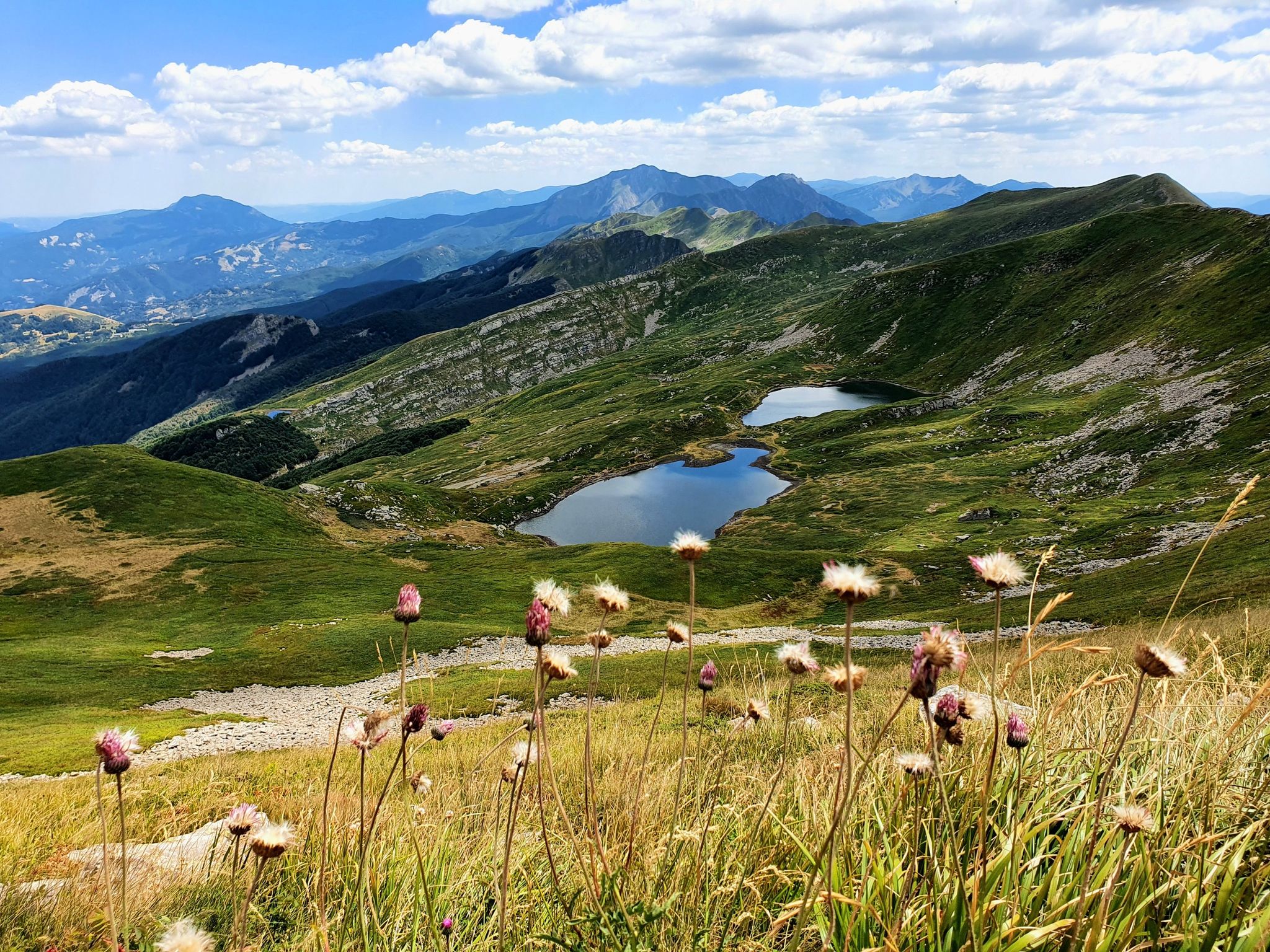
Berceto to Abetone – Alta Via dei Parchi (part 1)
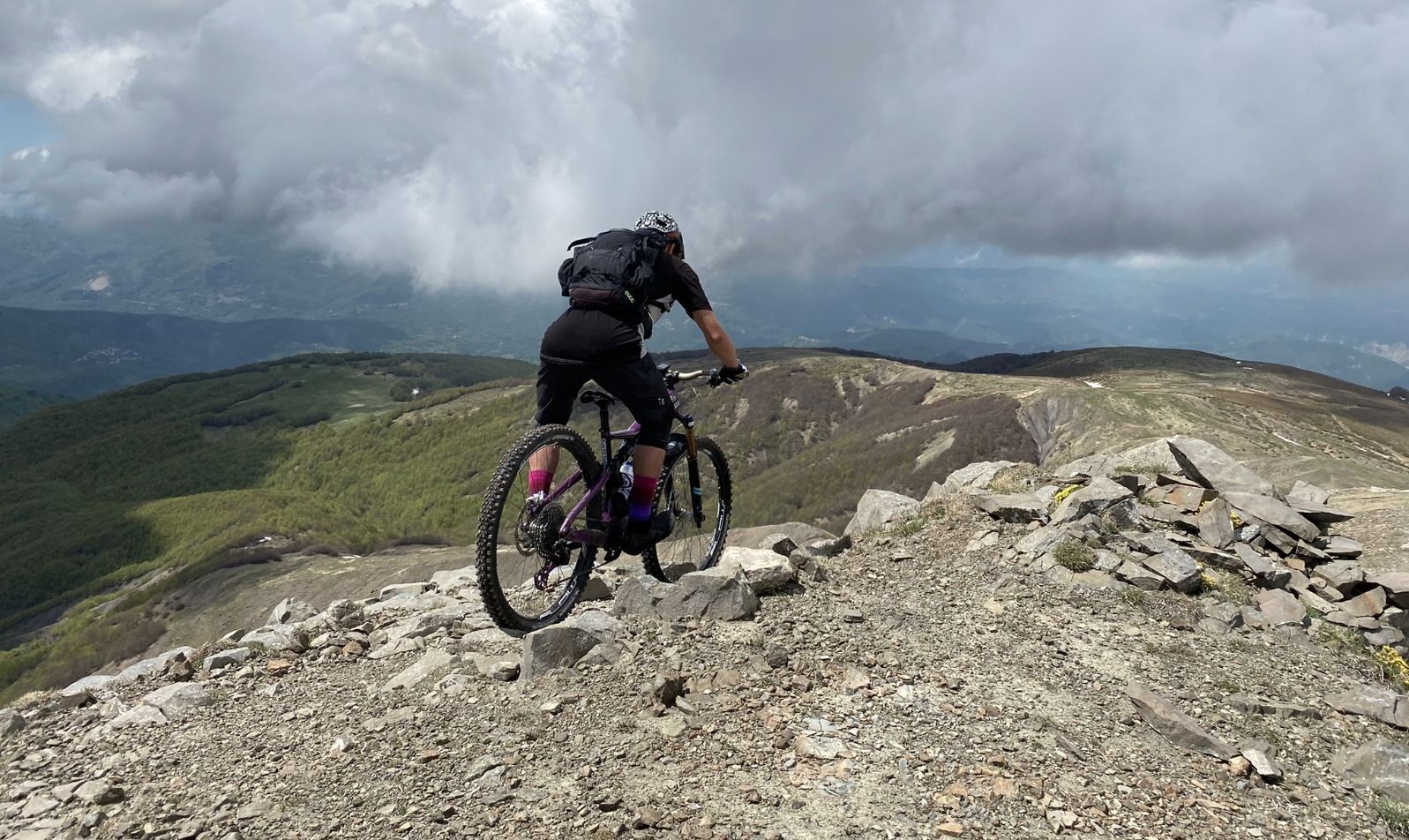
On the Giant's summits — Italy's Mount Cusna by mountain bike
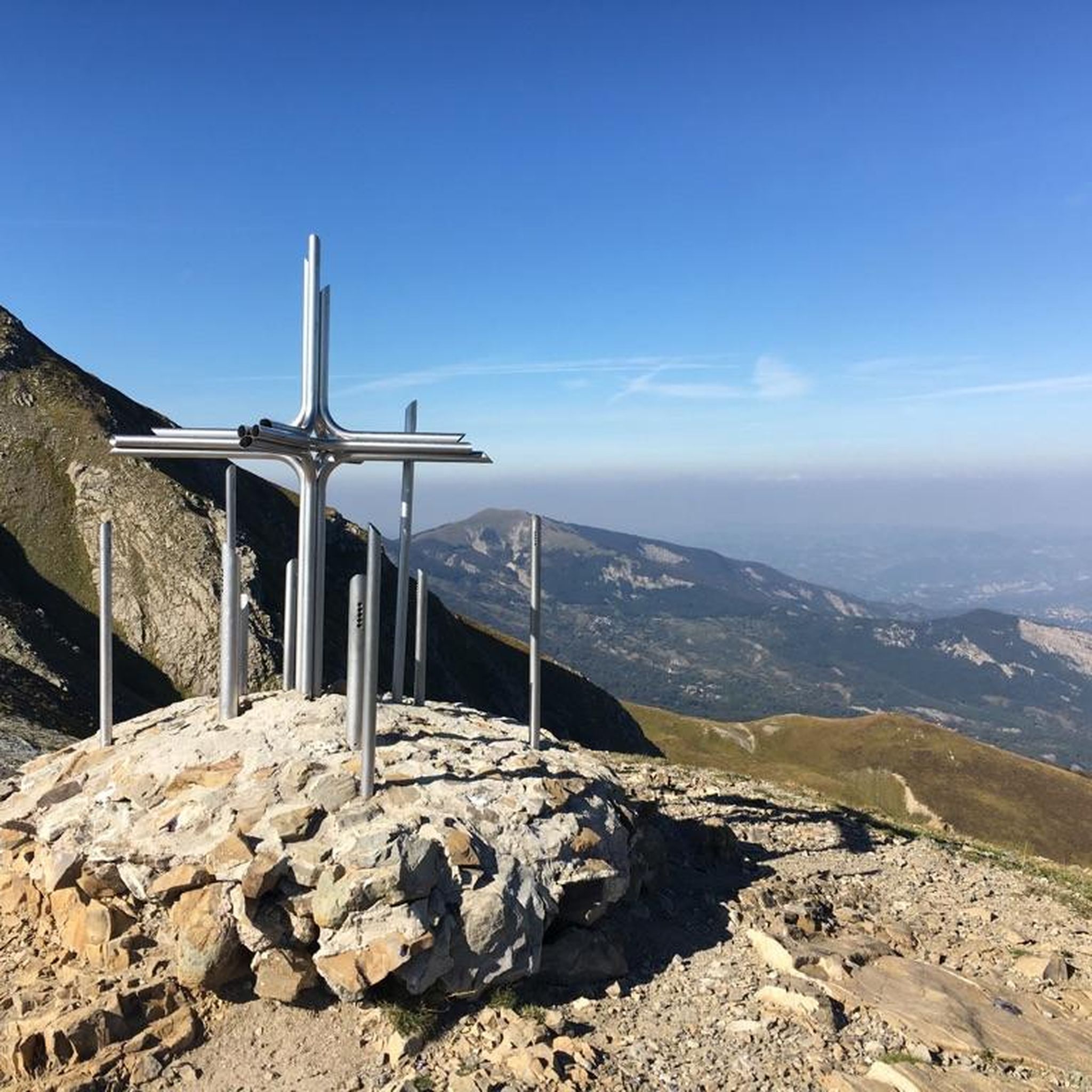
Hiking in Val D'Ozola, Monte Cusna
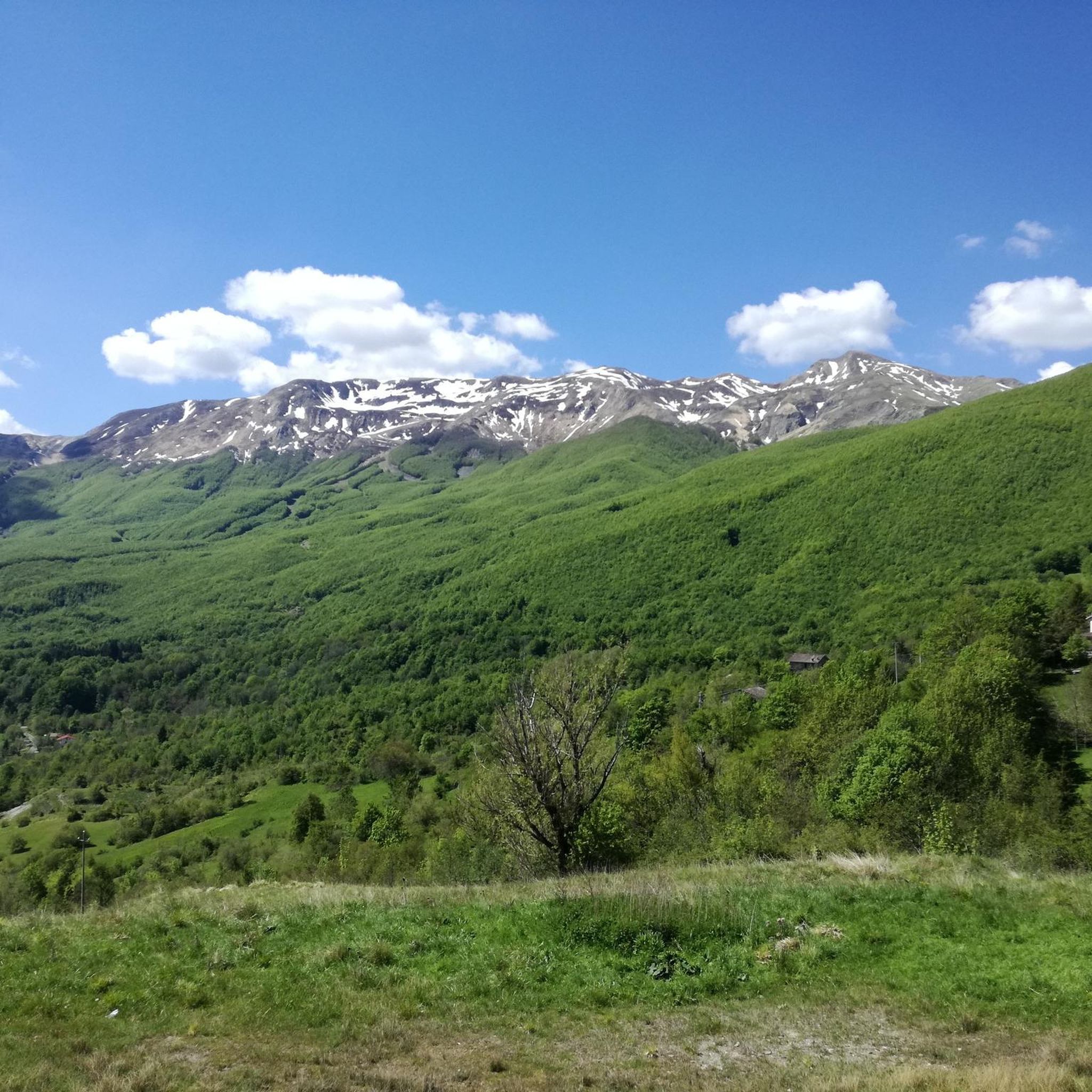
Road Cycling Routes in Val D'Ozola, Monte Cusna
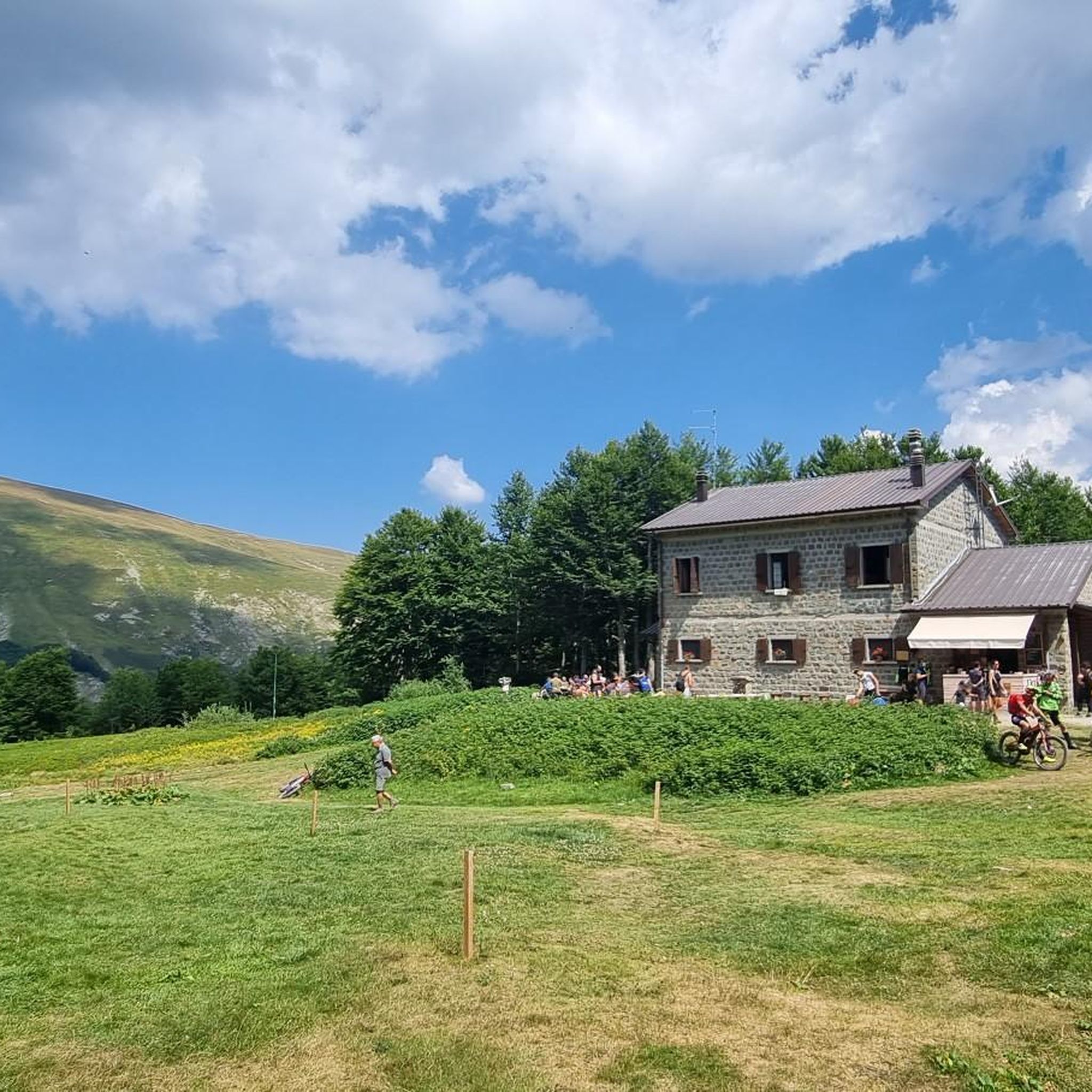
Cycling in Val D'Ozola, Monte Cusna
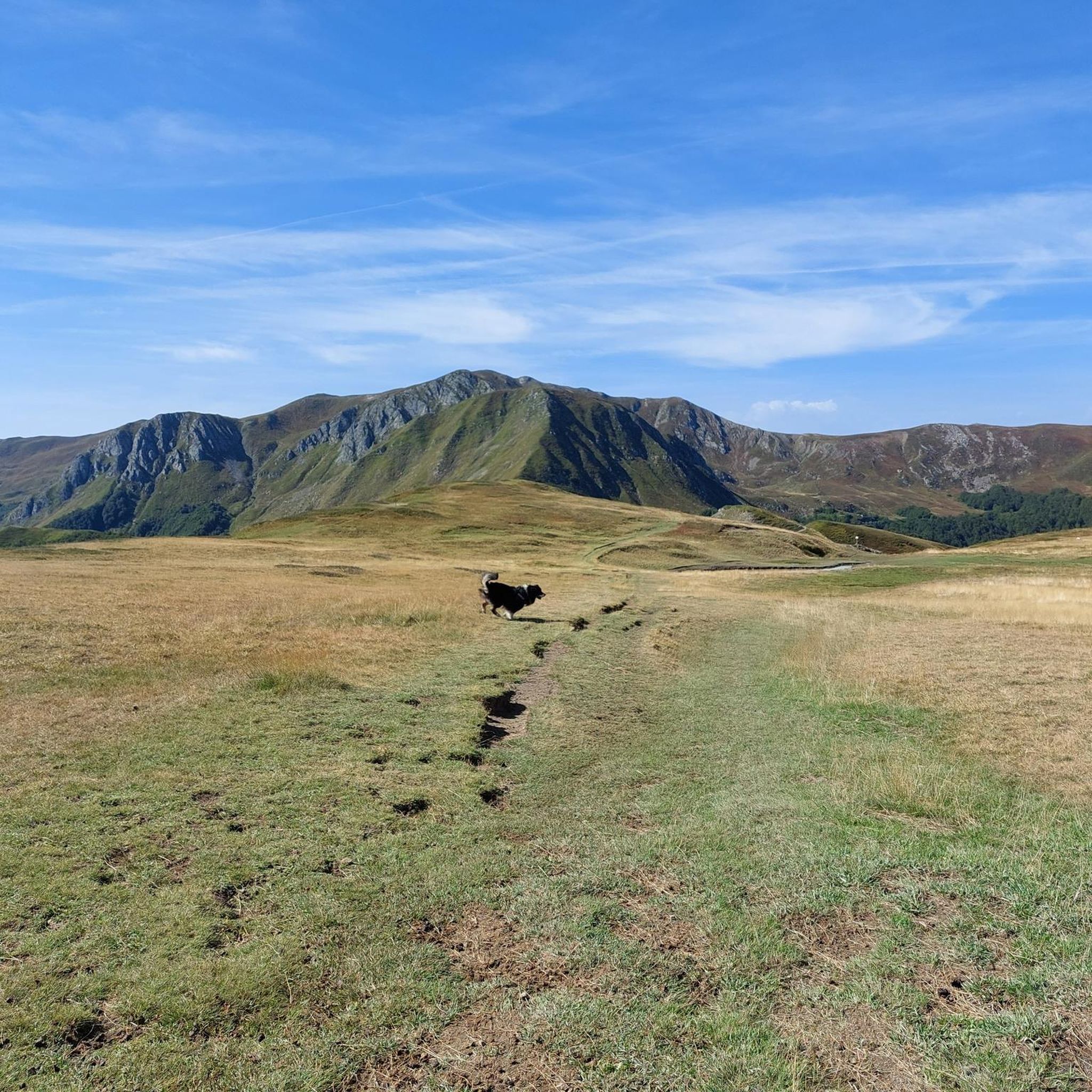
MTB Trails in Val D'Ozola, Monte Cusna
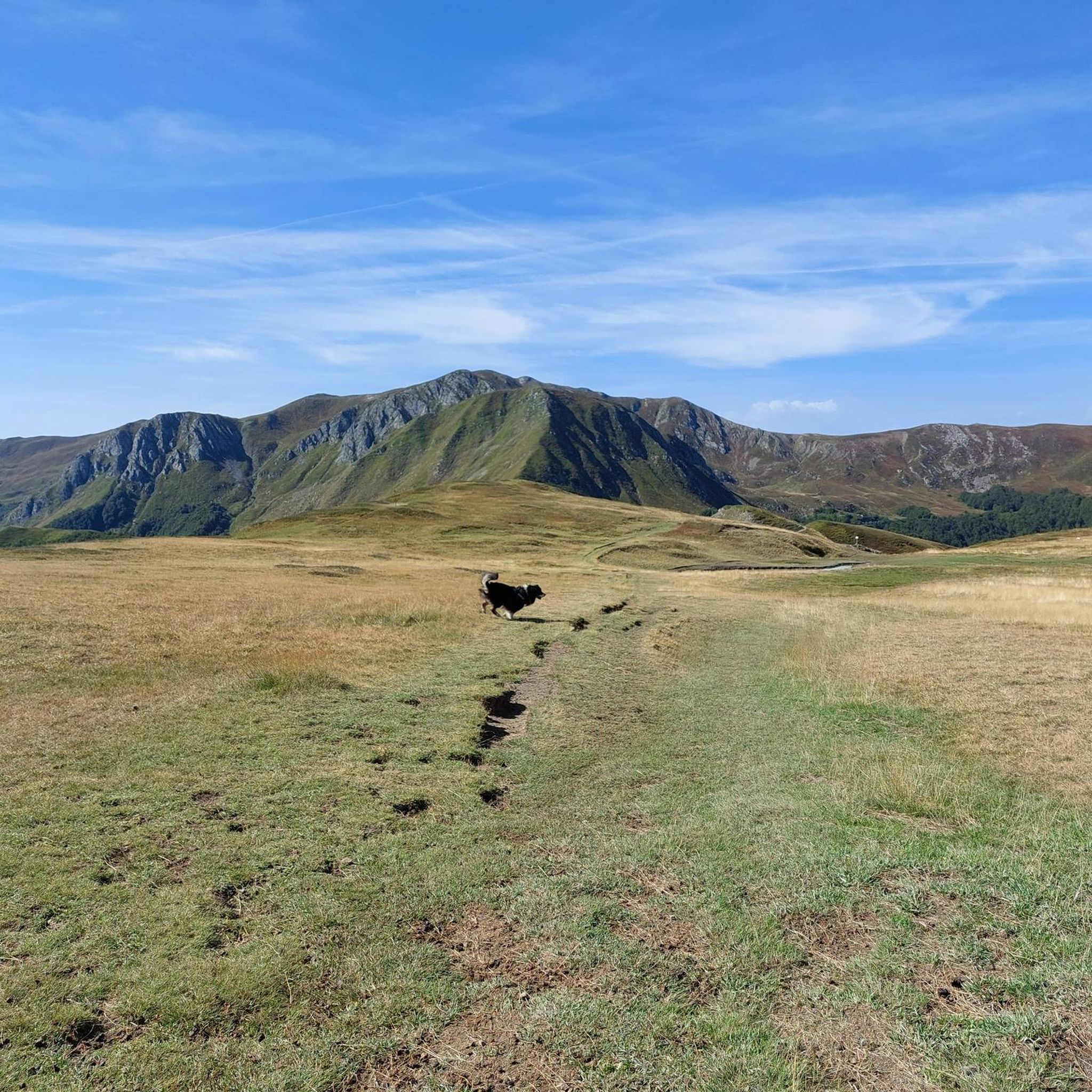
Running Trails in Val D'Ozola, Monte Cusna
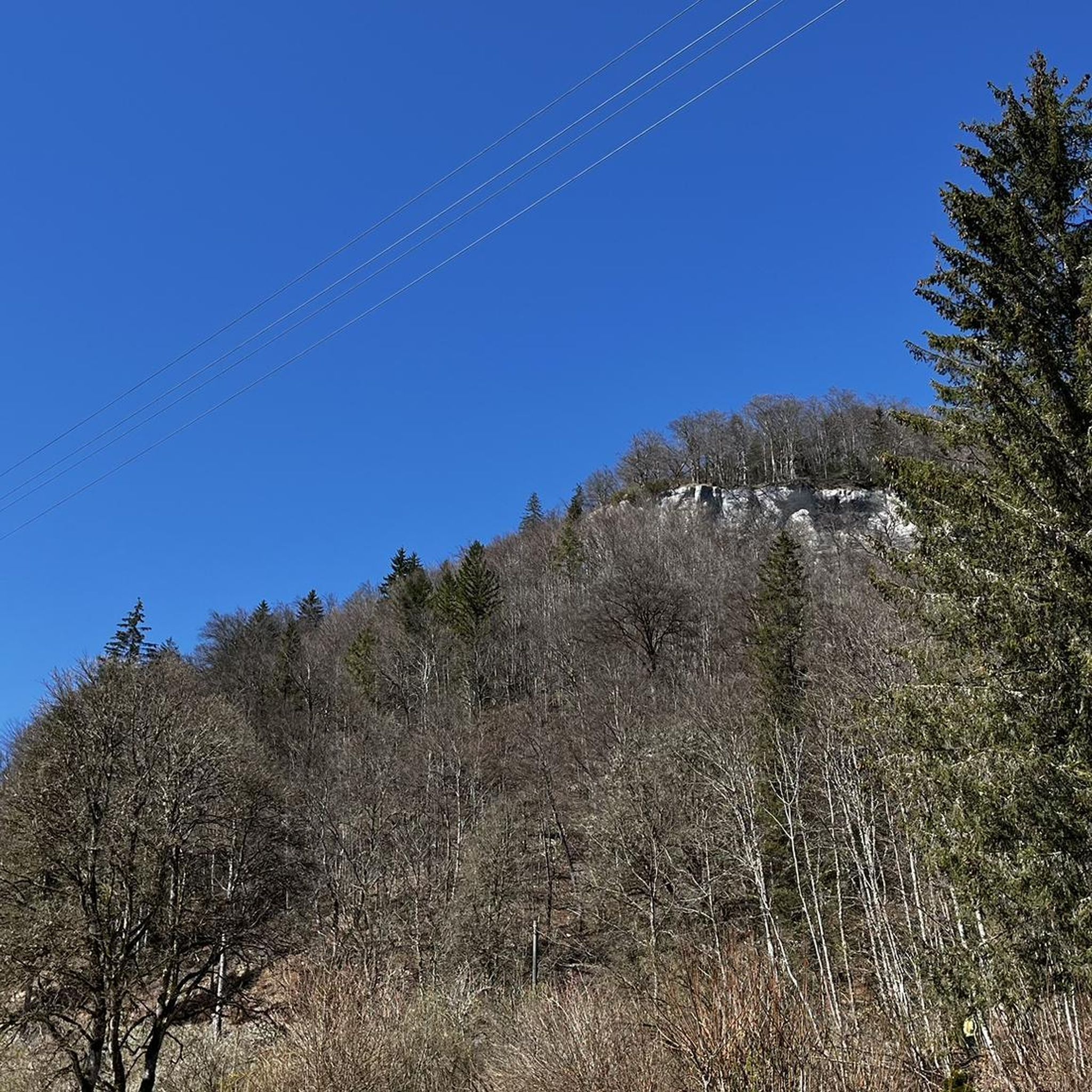
Mountain Hikes in Val D'Ozola, Monte Cusna

Gravel biking in Val D'Ozola, Monte Cusna


Tips from the Community

Beautiful place for a stop, there are covered tables and a large BBQ. A short walk away there is an excellent spring with very fresh water.
0
0

A strategic junction of several routes, usually the beginning of the descending phase of a long climb
0
0

Beautiful panoramic viewpoint with the unique 'ringing' cross
0
0

excellent refreshment place as well as panoramic balcony.
0
0
junction point between the northern slope towards Ligonchio and the southern area towards Febbio.
0
0

Excellent restaurant with panoramic views of Mount Cusna
0
0

crossroads of paths coming from the royal fir forest on the right you go to the refuge. Battisti and Monte Cusna, continuing you arrive at the Bargetana lake and climb to Monte Prado on the left you return to the Rif. Segheria
2
0

Frequently Asked Questions
What are the most prominent natural features in Val D'Ozola and Monte Cusna?
The region is dominated by Monte Cusna, the highest peak in the Reggio Apennines, known for its distinctive 'Sleeping Man' profile. You'll also find unique 'boulder' type sandstone formations and deep ravines in the Val D'Ozola, such as the 'Schiocchi' near Ligonchio. Other notable features include the ancient coniferous forest of Abetina Reale and the high moorlands of Prati di Sara.
Where can I find the best panoramic views in the area?
For breathtaking panoramic views, head to the Monte Cusna Summit at 2,120 meters. On clear days, you can see the Apuan Alps, the Tyrrhenian Sea, and even Corsica. Another excellent spot is Il Passone, a mountain pass at 1,857 meters, offering views of the Dolo and Ozola valleys.
Are there mountain huts or refuges available for hikers?
Yes, several mountain huts provide accommodation and refreshments. The Cesare Battisti Hut, located at 1,780 meters, offers excellent views of Monte Cusna and serves as a starting point for various trails. Another option is Rifugio Adamo, a charming stone and wood hut at 1,300 meters near Monteorsaro, known for its traditional Emilian cuisine. The Monte Orsaro Hut is also a great base for excursions.
What kind of hiking trails can I find in Val D'Ozola, Monte Cusna?
The area is crisscrossed by numerous hiking trails, ranging from moderate to challenging. You can find routes leading to the Monte Cusna Summit, Lama Lite, and Abetina Reale. The 'Alta Via dei Parchi' also passes through this region. For specific routes, you can explore the waterfall hikes guide, which includes trails like the Monte Cusna Loop Trail and routes to Lavacchiello Waterfall.
When is the best time to visit Val D'Ozola, Monte Cusna?
The best time to visit largely depends on your desired activities. Summer (July and August) is ideal for hiking and enjoying the high moorlands like Prati di Sara during flowering. Autumn offers stunning foliage, particularly in the beech forests. Winter transforms the area into a destination for expert mountaineering skiers and offers beautiful winter hiking opportunities, with the Febbio 2000 Ski Resort providing lift access.
Are there any family-friendly activities or attractions?
While many trails are challenging, families can enjoy gentler walks around the lower altitudes and near refuges like Rifugio Adamo, which offers camping and a relaxing environment. The natural beauty, including the Lavacchiello Waterfalls, can be a rewarding experience for families. Always check trail difficulty to ensure it's suitable for all members.
Can I bring my dog on the trails in Val D'Ozola, Monte Cusna?
The Tuscan-Emilian Apennines National Park generally allows dogs on trails, but it's crucial to keep them on a leash to protect local wildlife, especially during nesting seasons and near grazing animals. Always check specific regulations for the particular trail or protected area you plan to visit.
What other outdoor activities can I do near these attractions?
Beyond hiking, the region offers excellent opportunities for road cycling and mountain biking. You can find various routes, such as the 'Villa Minozzo and Gova Loop' for road cycling in the Road Cycling Routes guide, or challenging MTB trails like the 'Cesare Battisti Hut – Lama Lite Pass loop' in the MTB Trails guide.
Are there any historical or cultural sites to visit?
While primarily known for its natural beauty, the area does have some historical significance. The Rifugio S. Leonardo, for example, is a restored 12th-century hospital located on the Dolo river. Additionally, villages like Monteorsaro, the highest inhabited center in Val d'Asta, offer a glimpse into the region's traditional pastoral history.
What unique wildlife might I encounter?
The area is home to diverse wildlife. Visitors might encounter wild ungulates such as European deer, roe deer, and wild boar. Marmots are common in the higher altitudes, particularly around Monte Cusna's slopes. Hares, foxes, and even the elusive Apennine wolf also inhabit the region.
Where can I find amenities like restaurants or accommodation?
Mountain huts like Rifugio Adamo and Cesare Battisti Hut offer both accommodation and traditional Emilian cuisine. The village of Monteorsaro, adjacent to Rifugio Adamo, also provides a charming base. Febbio 2000 Ski Resort has a refuge available when lifts are in operation, and Ligonchio offers some local amenities.
What is the significance of Monte Cusna's nickname, 'The Sleeping Man'?
Monte Cusna is often referred to as 'Uomo Morto' (Dead Man), 'Uomo che Dorme' (Sleeping Man), or 'Il Gigante' (The Giant) due to its distinctive profile. The mountain range, particularly with its secondary peaks like Sasso del Morto and Mount La Piella, resembles a reclining human figure when viewed from certain angles.
Most popular routes in Val D'Ozola, Monte Cusna
Most popular attractions in Val D'Ozola, Monte Cusna

Get inspired with the komoot mobile app


Explore more
Still not found the Highlight you’re looking for? See guides of the top attractions in other regions:
