The best road cycling routes in Riserva Naturale Abbadia Di Fiastra
4.3
(72)
3,200
riders
182
rides
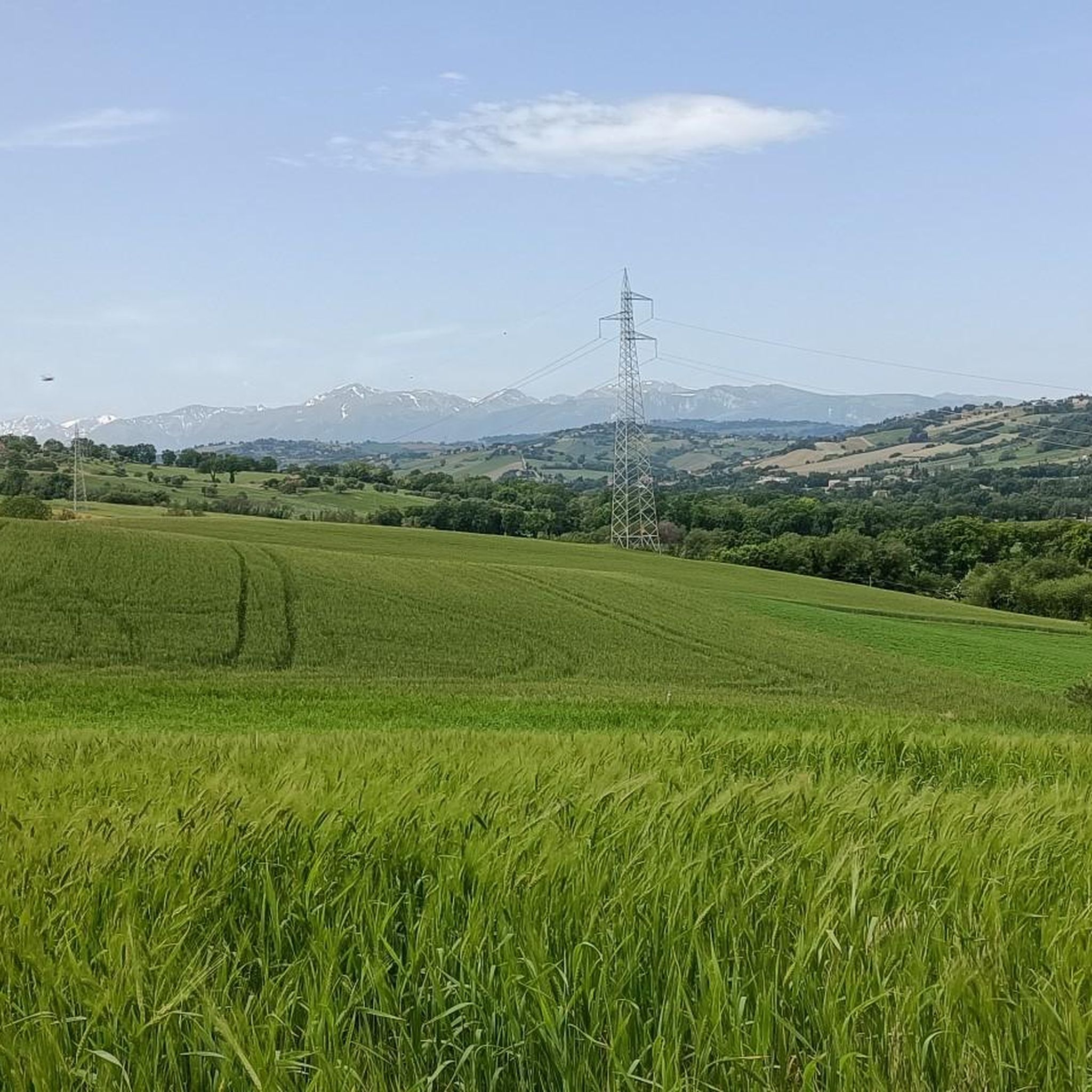
Road cycling routes in Riserva Naturale Abbadia Di Fiastra traverse a landscape characterized by rolling hills, river valleys, and historical landmarks. The region offers a mix of open countryside and routes that pass through small towns and near significant cultural sites. Elevation changes are present, ranging from gentle inclines to more sustained climbs, providing varied challenges for road cyclists.
Best road cycling routes in Riserva Naturale Abbadia Di Fiastra
- The most popular road cycling route is Urbisaglia Castle – Porta…
Last updated: November 21, 2026
28
riders
7.58km
00:22
100m
100m
Easy road ride. Mostly well-paved surfaces and easy to ride.
39
riders
Moderate road ride. Good fitness required. Some segments of this route may be unpaved and difficult to ride.

5.0
(1)
52
riders
81.0km
03:11
350m
350m
Moderate road ride. Good fitness required. Mostly well-paved surfaces and easy to ride.
3.3
(3)
71
riders
61.5km
02:41
530m
530m
Moderate road ride. Good fitness required. Some segments of this route may be unpaved and difficult to ride.
47
riders
53.6km
02:24
510m
510m
Moderate road ride. Good fitness required. Mostly well-paved surfaces and easy to ride.
Get access to more routes and recommendations from other explorers.
Already have an account?
Our route recommendations are based on thousands of hikes, rides, and runs completed by other people on komoot.
Start today with a free account
Your next adventure awaits.
Popular around Riserva Naturale Abbadia Di Fiastra
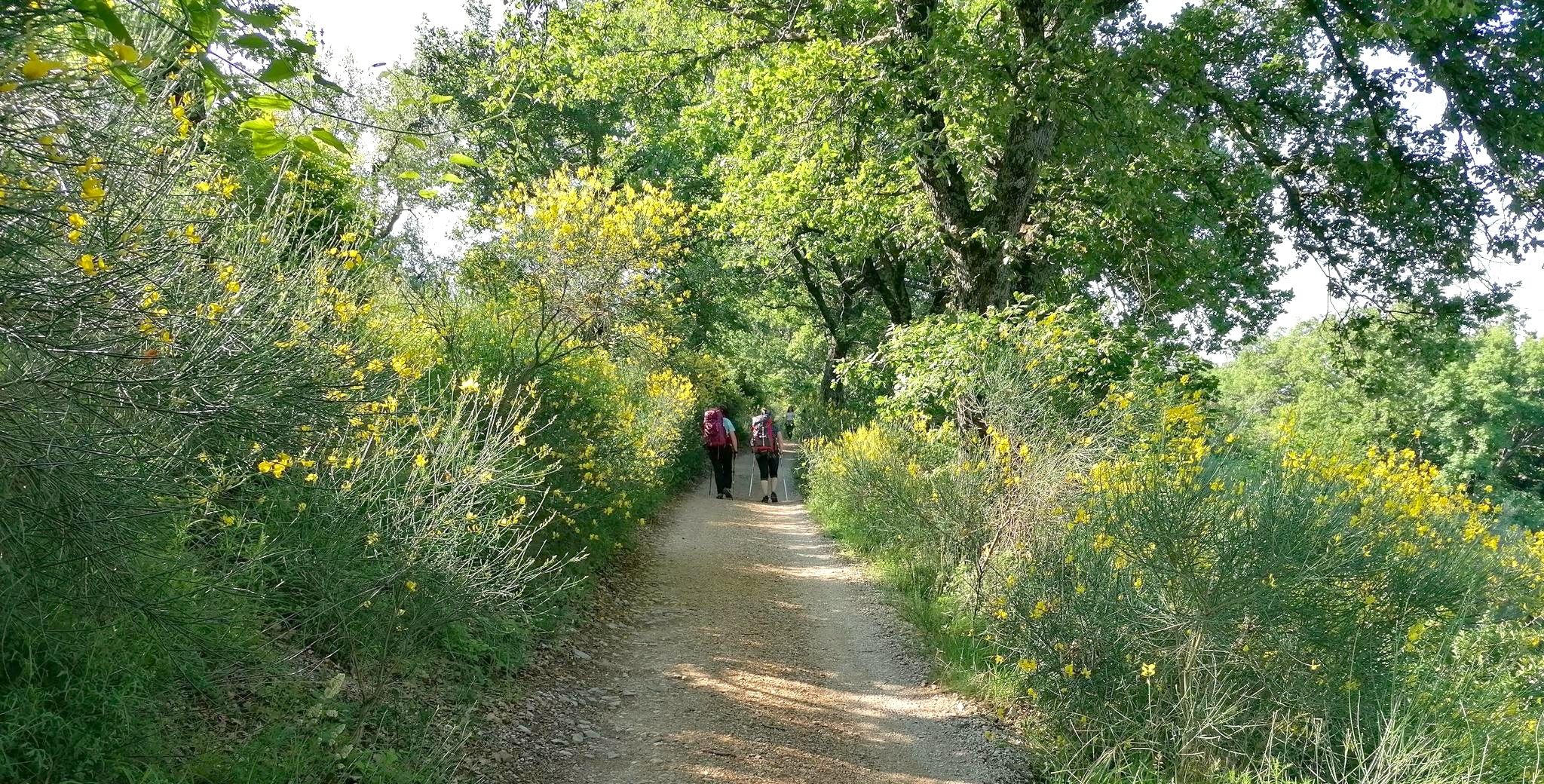
A journey of faith between Umbria and Marche – Via Lauretana
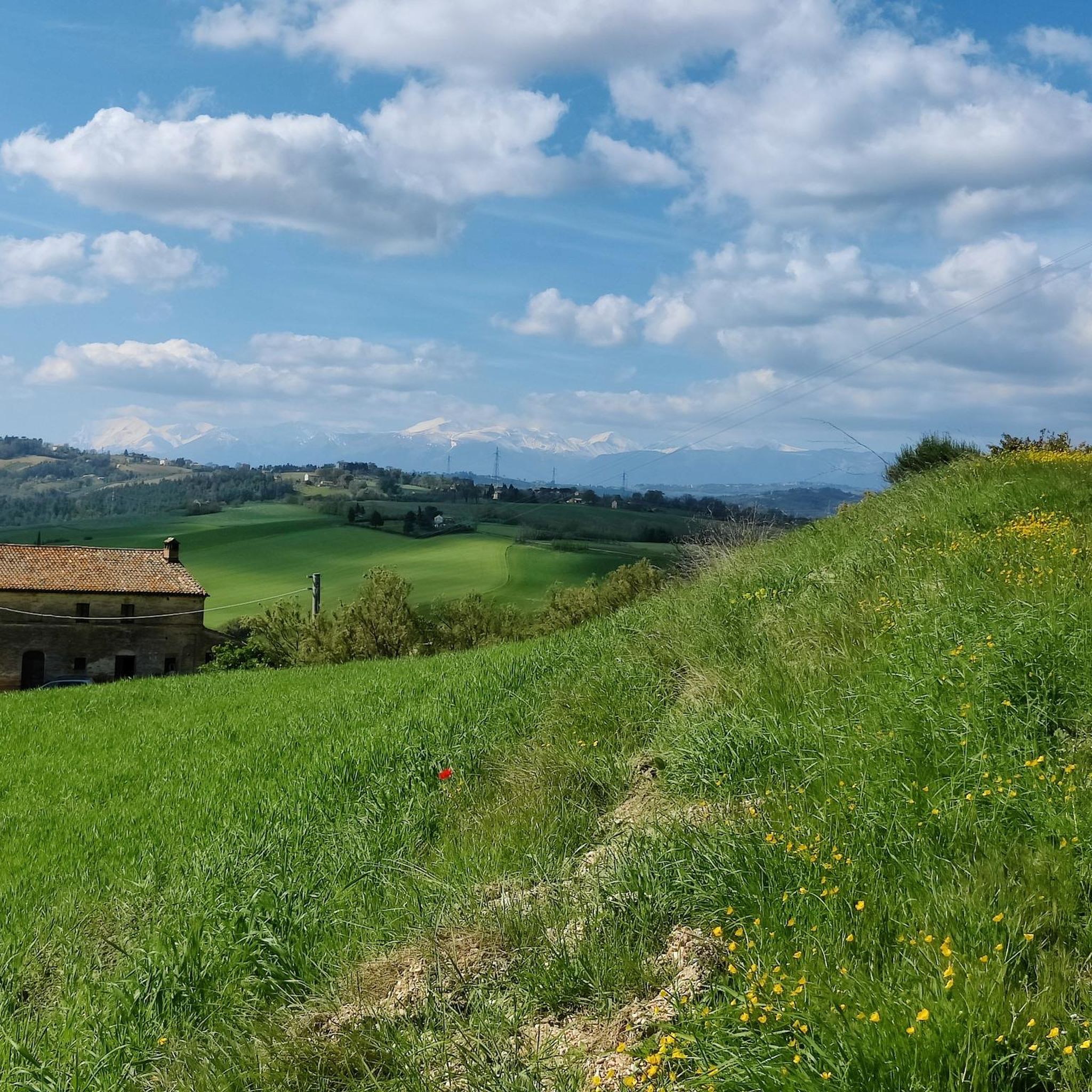
Hiking in Riserva Naturale Abbadia Di Fiastra
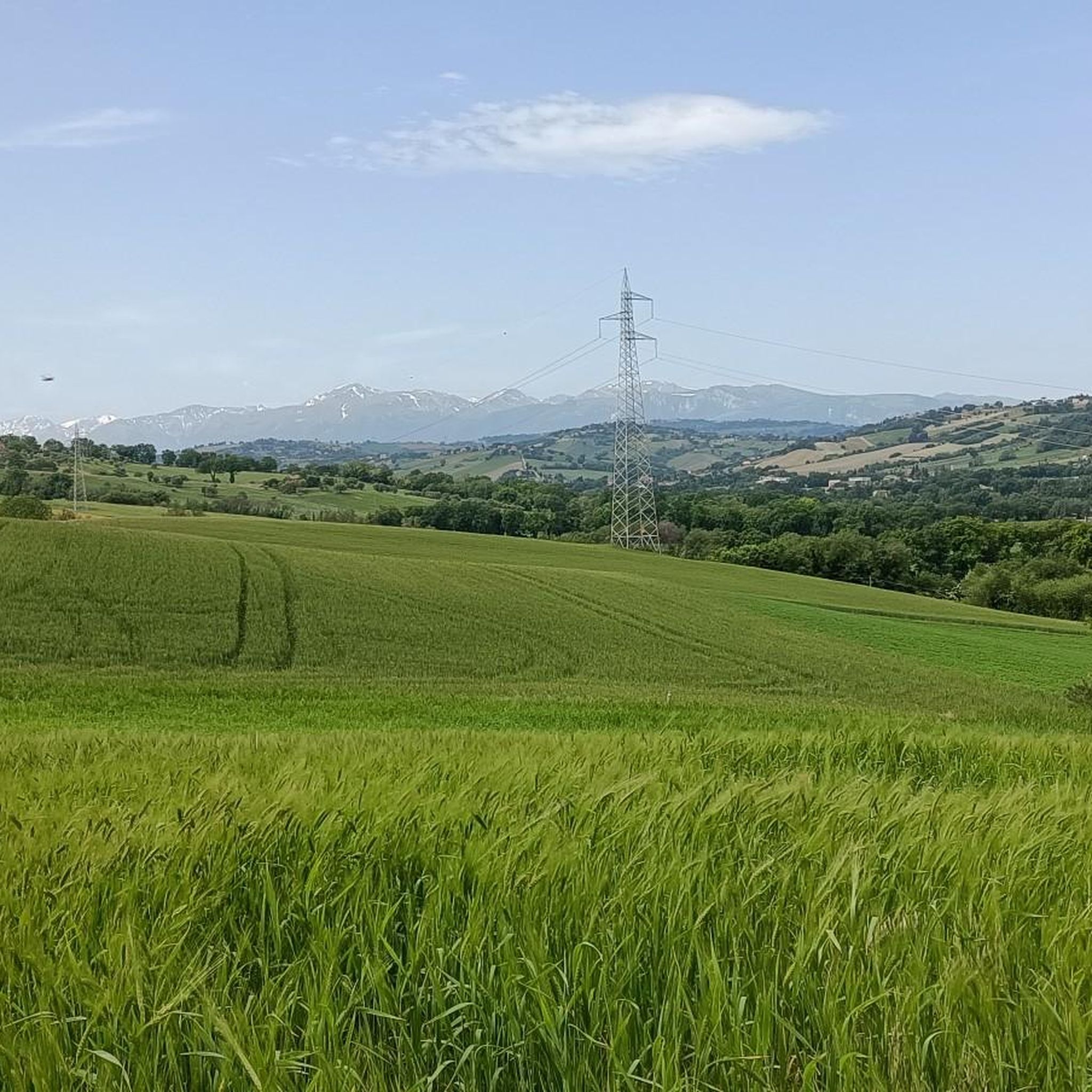
Cycling in Riserva Naturale Abbadia Di Fiastra
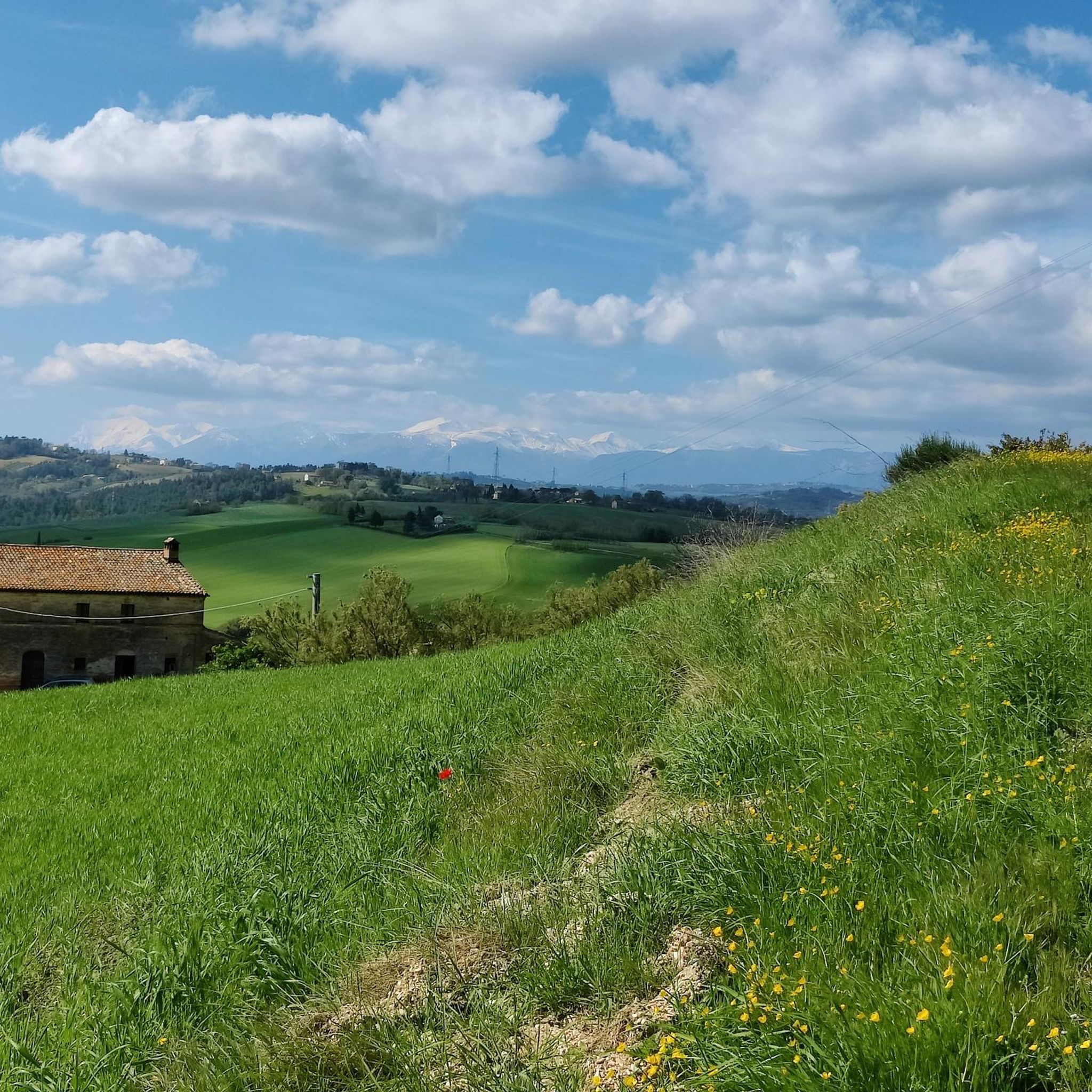
MTB Trails in Riserva Naturale Abbadia Di Fiastra
Running Trails in Riserva Naturale Abbadia Di Fiastra

Gravel biking in Riserva Naturale Abbadia Di Fiastra
Other adventures in Riserva Naturale Abbadia Di Fiastra

Tips from the Community

The monastery was founded in 1142 by Guarnerio II, Duke of Spoleto and Marchese of Ancona, possibly on the site of a Benedictine monastery that already existed in 1098, and was settled in the same year by the Chiaravalle Milanese monastery under the leadership of Abbot Ugo. After the suppression of the Jesuit order in 1773, the Fiastra monastery passed to the Marquises Bandini di Camerino, who converted the monastery into a country residence. The church was transferred to the Augustinians a few years later and finally became a parish church in 1963.
0
0
The current building was constructed in the 11th century, probably between the second and third quarters of the century. The church is explicitly documented for the first time in 1089 as the fermo ministry of Sancto Claudio.
3
0
The church was built in its current configuration in 1125, as attested by two inscriptions inside it, but documents from the renowned Farfa abbey, to which the monks who founded it depended, speak of this church as early as the year 936.
3
0
The church was built in its current configuration in 1125, as attested by two inscriptions inside it, but documents from the renowned Farfa abbey, to which the monks who founded it were dependent, mention this church as early as the year 936.
3
0
The nature reserve covers 1800 hectares.
4
0
It dates back to the 19th century, unlike other historic gates in the village.
3
0
Built between 1790 and 1800 to a design by architect Virginio Bacci. It has a circular plan with a dome and preserves precious frescoes by Ciro Pavisa inside.
2
0
La Rocca di Urbisaglia, completed in 1507, has origins dating back to the 12th century. Damaged during the wars between neighboring castles, it was subsequently reinforced, especially under Tolentinate rule, to ensure greater security.
2
0
Frequently Asked Questions
How many road cycling routes are available in Riserva Naturale Abbadia Di Fiastra?
There are over 220 road cycling routes in Riserva Naturale Abbadia Di Fiastra, offering a wide range of options for different skill levels and preferences.
Are there easy road cycling routes suitable for beginners?
Yes, the region offers 12 easy road cycling routes. A great option for beginners is the Urbisaglia Castle – Porta Vittoria, Urbisaglia loop from Urbisaglia, which is a short 4.5-mile (7.3 km) trail around historical points of interest.
What kind of challenges can experienced road cyclists expect?
Experienced cyclists will find plenty of challenges, with 90 difficult routes available. These routes often feature more sustained climbs and longer distances. For example, the Historic Village of Sarnano – Lake Caccamo loop from Pollenza is a demanding 66.9-mile (107.6 km) route with significant elevation gain.
Are there circular road cycling routes in Riserva Naturale Abbadia Di Fiastra?
Yes, many routes in the area are designed as loops, allowing you to start and finish at the same point. The La Rancia Castle – Devil's Bridge (Tolentino) loop from Castello della Rancia is a popular moderate circular route connecting historical sites.
What are the typical distances for road cycling routes in the region?
Route distances vary significantly. You can find shorter loops like the 4.5-mile (7.3 km) Urbisaglia Castle – Porta Vittoria, Urbisaglia loop, to much longer rides such as the 50.6-mile (81.5 km) Abbazia di San Claudio – Civitanova Marche Pier loop, and even routes over 60 miles for endurance cyclists.
What historical sites or landmarks can I see along the road cycling routes?
The region is rich in historical sites. Many routes pass by or near landmarks such as the Abbadia di Fiastra Abbey and Nature Reserve, La Rancia Castle, and the Abbey of Fiastra. These offer great opportunities for cultural stops during your ride.
When is the best time of year to go road cycling in Riserva Naturale Abbadia Di Fiastra?
The best time for road cycling in Riserva Naturale Abbadia Di Fiastra is generally during the spring and autumn months when the weather is milder and the landscapes are particularly beautiful. Summer can also be pleasant, especially in the mornings or late afternoons, though it can get quite warm.
Are there any routes that feature lakes or natural landscapes?
Yes, some routes venture into more natural settings. The Lake Caccamo loop from Pollenza is a popular moderate route that takes you around the scenic Lake Caccamo, offering beautiful views of the water and surrounding hills.
What do other road cyclists say about the routes in Riserva Naturale Abbadia Di Fiastra?
The road cycling routes in Riserva Naturale Abbadia Di Fiastra are highly rated by the komoot community, with an average score of 4.5 stars from over 89 reviews. Cyclists often praise the varied scenery, the mix of historical sites and natural landscapes, and the well-maintained roads.
Are there options for family-friendly road biking?
While many routes involve some elevation, there are easier, shorter loops that can be suitable for families with older children or those looking for a more relaxed ride. The Urbisaglia Castle – Porta Vittoria, Urbisaglia loop is a good example of a shorter, less challenging option.
Where can I find parking for road cycling routes?
Parking is generally available in the towns and villages that serve as starting points for many routes, such as Urbisaglia, Pollenza, or near Castello della Rancia. It's advisable to check specific route details on komoot for recommended parking spots.
Are there places to stop for refreshments or food along the routes?
Many routes pass through or near small towns and villages where you can find cafes, bars, and restaurants. Planning your route with komoot allows you to identify potential stops for refreshments or meals along the way.
Most popular routes in Riserva Naturale Abbadia Di Fiastra
Most popular attractions in Riserva Naturale Abbadia Di Fiastra

Get inspired with the komoot mobile app


Explore more
Browse the best Road cycling routes in other regions.
