The best road cycling routes in Boschi Di Montebibico
4.7
(163)
4,898
riders
9
rides
Road cycling in Boschi Di Montebibico offers routes through the undulating terrain of Umbria, characterized by rolling hills, fertile valleys, and ancient woodlands. The area, part of the Monti Martani, provides diverse topography suitable for various fitness levels. Cyclists can navigate quiet asphalted roads that traverse olive groves and connect to historic towns like Spoleto, which serves as a hub for many routes. The region's landscape combines natural beauty with cultural highlights, making it a notable destination for road cycling.
…Last updated: May 11, 2026
15
riders
72.6km
04:05
1,530m
1,530m
Hard road ride. Very good fitness required. Some segments of this route may be unpaved and difficult to ride.
7
riders
23.3km
01:03
140m
140m
Moderate road ride. Great for any fitness level. Some segments of this route may be unpaved and difficult to ride.

Sign up for free
34
riders
Moderate road ride. Good fitness required. Mostly well-paved surfaces and easy to ride.
5
riders
81.5km
04:12
1,220m
1,220m
Hard road ride. Very good fitness required. Mostly well-paved surfaces and easy to ride.
84
riders
98.2km
05:19
1,900m
1,900m
Hard road ride. Very good fitness required. Mostly well-paved surfaces and easy to ride.
Get access to more routes and recommendations from other explorers.
Sign up for free
Already have an account?
Our route recommendations are based on thousands of hikes, rides, and runs completed by other people on komoot.
Start today with a free account
Your next adventure awaits.
Login or Signup
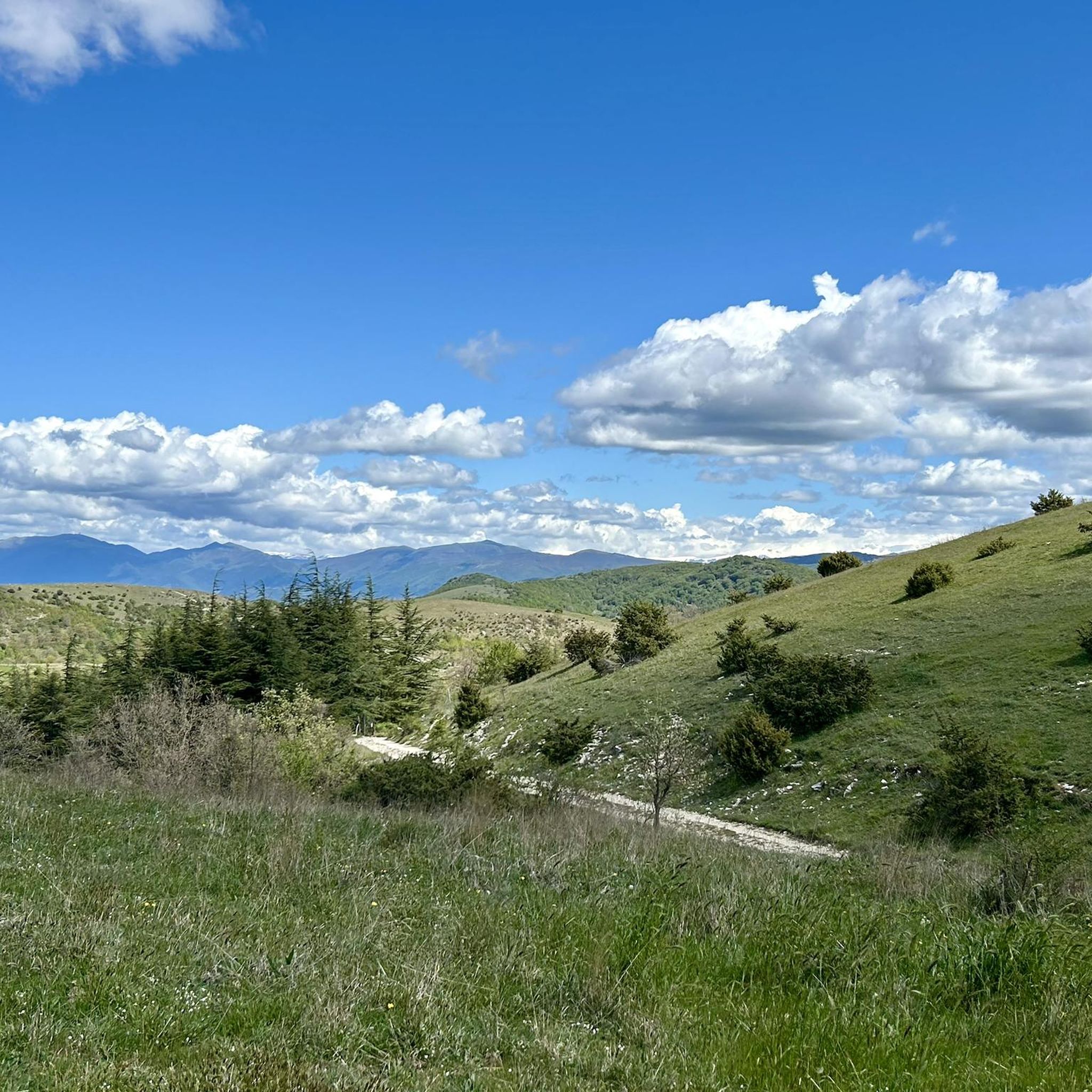
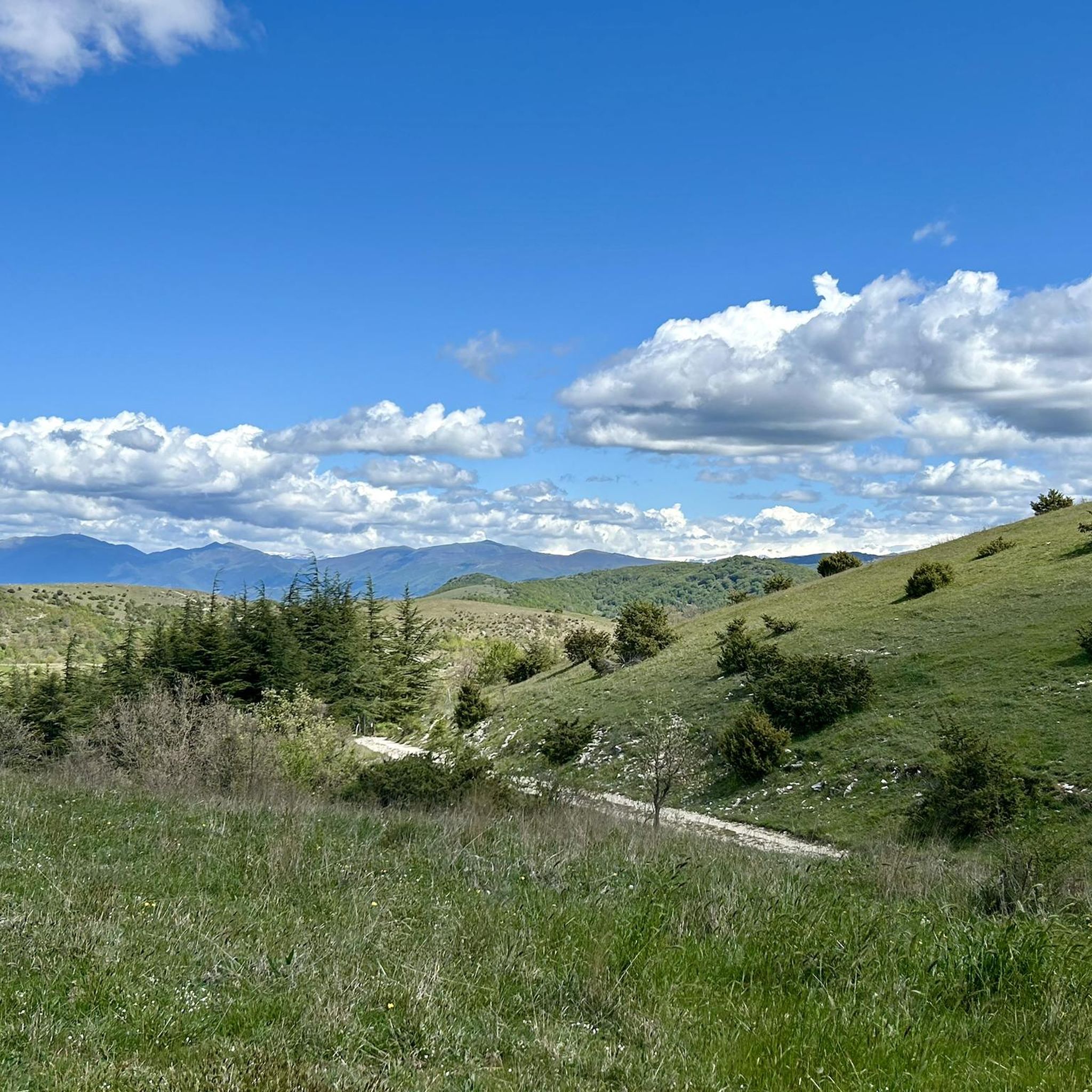
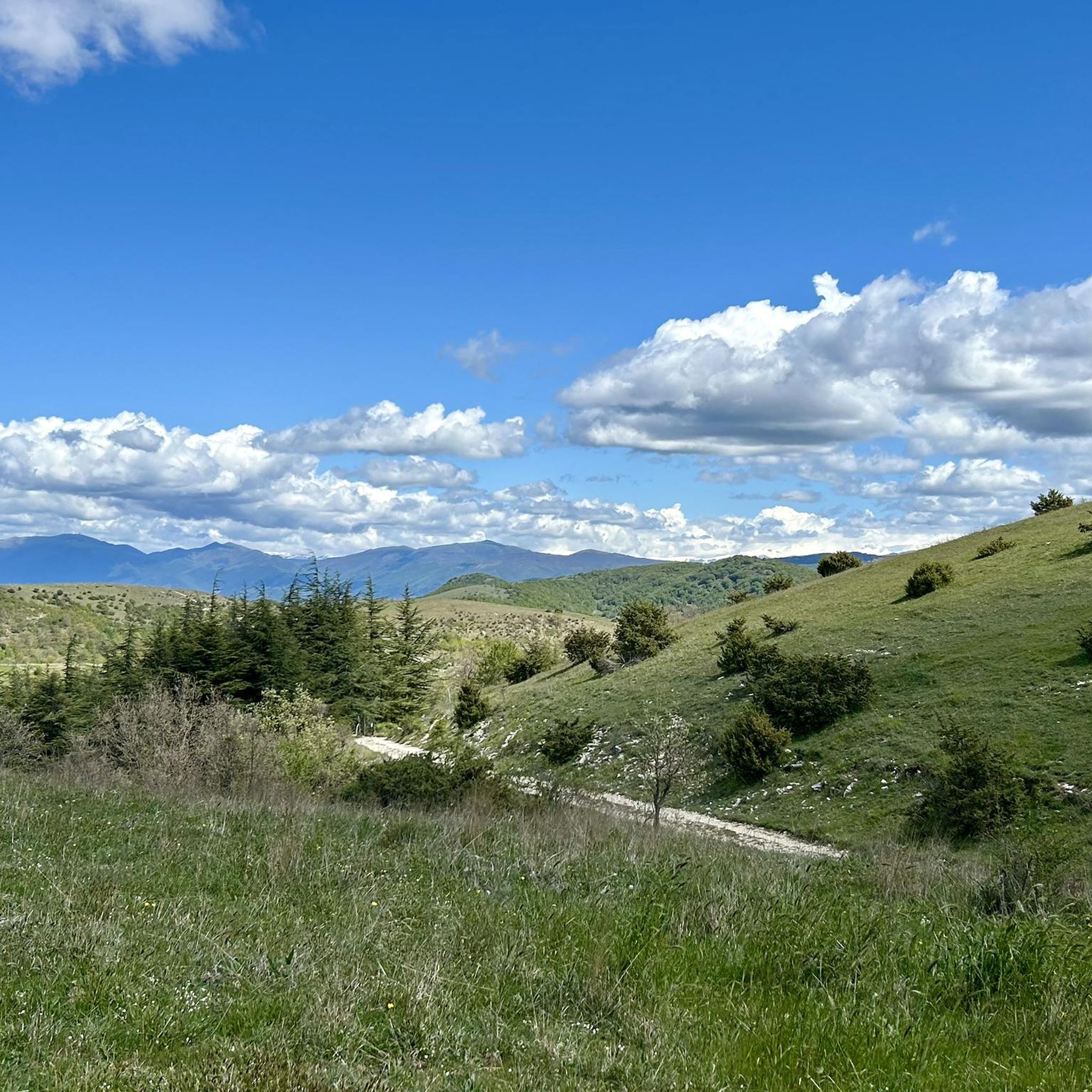

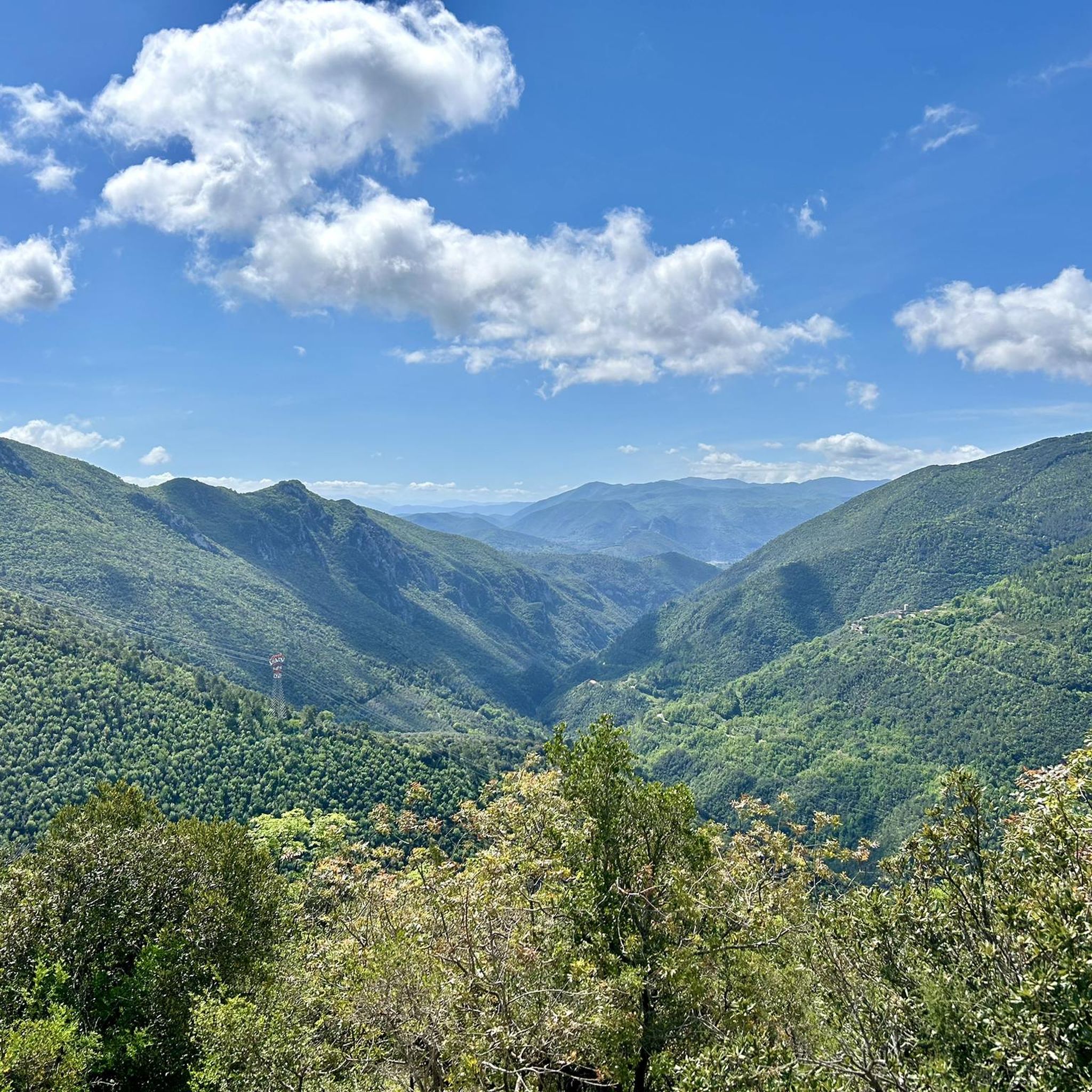
Tips from the Community

The Roman Theater of Spoleto is one of the most important Roman monuments in the city and represents a significant testimony to the cultural life of ancient Spoletium. It was built in the 1st century BC, in an area near the forum, according to the architectural models of classical Roman theater. The cavea, built against the natural slope of Sant'Elia Hill, was divided into sectors and could accommodate several thousand spectators. Opposite were the orchestra and the monumental stage, originally decorated with columns, niches, and statues, which served as a backdrop for theatrical and musical performances. The building was constructed of masonry and clad in local stone, with technical solutions that ensured good acoustics. After the end of the Roman era, the theater was gradually abandoned and was partially incorporated into medieval buildings. The area was restored in the 20th century, restoring the structure's visibility and highlighting its archaeological importance. Today, the Roman Theatre is part of the National Archaeological Museum of Spoleto and continues to serve a cultural purpose, hosting events and performances that renew the city's connection to its thousand-year-old theatrical tradition.
0
0

The bike path is poor. The asphalt is torn up and bushes are growing in it.
0
0

sustained 10% climbing but lovely quite roads with little traffic
0
0

cuz b or ii b ii on ii or on k jo or on b or ird ii on iii or ok ok ii in ii
0
0

The village of San Giacomo is suggestive, both simply passing by on the road and stopping to see the Church or the Castle. Worth it.
0
0

Chiesa di San Filippo Neri, Spoleto The beautiful Church of San Filippo Neri stands near Piazza Mentana and was built starting in 1640 by two wealthy citizens of Spoleto who lived in Rome: Ugo Alberici and Loreto Vittori. The design of the building was entrusted to Loreto Scelli and was finally completed in 1671 with the construction of the dome. It was not consecrated until 1724. The Church of San Filippo Neri in Spoleto has the forms and architectural features of 17th-century Roman churches, with an elegant travertine façade decorated with pilasters and a beautiful tympanum. The interior is divided into three naves separated by pillars and a large transept surmounted by the dome. Inside the sacristy is a marble bust of Saint Philip Neri, a work by the sculptor Alessandro Algardi (1650). The side chapels contain altars from the 17th and 18th centuries, while the walls are decorated with 18th-century paintings by artists such as Gaetano Lapis, Sebastiano Conca, Pietro Labruzzi, and the Spoleto painter Francesco Refini. Text T Source: Exploring Umbria srl, https://www.exploring-umbria.com/scopri-spoleto/cosa-vedere-a-spoleto/chiesa-di-san-filippo-neri-a-spoleto/
15
0
Chiesa di San Filippo Neri, Spoleto The beautiful Church of San Filippo Neri stands near Piazza Mentana and was built starting in 1640 by two wealthy citizens of Spoleto who lived in Rome: Ugo Alberici and Loreto Vittori. The design of the building was entrusted to Loreto Scelli and was finally completed in 1671 with the construction of the dome. It was not consecrated until 1724. The Church of San Filippo Neri in Spoleto has the forms and architectural features of 17th-century Roman churches, with an elegant travertine façade decorated with pilasters and a beautiful tympanum. The interior is divided into three naves separated by pillars and a large transept surmounted by the dome. Inside the sacristy is a marble bust of Saint Philip Neri, a work by the sculptor Alessandro Algardi (1650). The side chapels contain altars from the 17th and 18th centuries, while the walls are decorated with 18th-century paintings by artists such as Gaetano Lapis, Sebastiano Conca, Pietro Labruzzi, and the Spoleto painter Francesco Refini. Text T Source: Exploring Umbria srl, https://www.exploring-umbria.com/scopri-spoleto/cosa-vedere-a-spoleto/chiesa-di-san-filippo-neri-a-spoleto/
15
0
The Park - Fonti del Clitunno, Ristorante Pizzeria, Campello Sul Clitunno A body of water with a circumference of just over 400 meters and an area of almost 10,000 square meters, this small lake is home to numerous plant species that contribute to the fame of the Fonti del Clitunno. Moss, seagrass, water horsetail, sedge, curled brosca, giant shrimp, marsh forget-me-not, and water nasturtium, also known as watercress, are just some of the plants found in the pond. Around the banks are the trees that characterize the surroundings, most notably the cypress poplar, covered in dense foliage in summer. Then there's the weeping willow, whose spread dates back to the fashion that spread this plant in Paris in the 1840s, which is said to have shaded Napoleon's tomb on Saint Helena. Text / Source: Fonti del Clitunno - Ristorante Pizzeria, Campello Sul Clitunno https://www.fontidelclitunno.it/
14
0
Frequently Asked Questions
What kind of terrain can I expect on road cycling routes in Boschi Di Montebibico?
The road cycling routes in Boschi Di Montebibico traverse the undulating terrain of Umbria, characterized by rolling hills, fertile valleys, and ancient woodlands. You'll navigate quiet asphalted roads that often pass through extensive olive groves and connect to historic towns.
Are there road cycling routes suitable for different fitness levels?
Yes, the region offers a diverse topography with routes suitable for various fitness levels. You can find options ranging from leisurely rides to more demanding climbs. For example, the Spoleto – Stone Bridge Crossing loop from Spoleto is an easy route, while the Arrone Historic Village – Forca di Arrone Pass loop from San Liberatore presents a more difficult challenge.
What natural features will I see while cycling in this region?
While cycling, you'll encounter ancient woodlands, extensive olive groves, and the scenic Monti Martani. Routes often provide breathtaking panoramic views of surrounding valleys and the Apennine mountains. The area is also close to natural attractions like the Clitunno Springs.
Are there any historical towns or landmarks accessible by bike?
Many routes connect to charming medieval villages and historic towns. Spoleto, a significant hub for cyclists, is easily accessible. Other notable towns in the wider Umbrian region, such as Montefalco, Bevagna, Trevi, and Assisi, can also be integrated into longer cycling itineraries.
Where can I find panoramic views along the road cycling routes?
The Umbrian landscape around Boschi Di Montebibico is known for its spectacular panoramas. Challenging ascents often reward cyclists with expansive views of the valleys and distant mountains. Specific viewpoints like Rocca San Zenone offer 360-degree vistas.
When is the best time of year to go road cycling in Boschi Di Montebibico?
Umbria, with its mild climate, is generally pleasant for cycling from spring through autumn. Spring offers lush greenery and blooming landscapes, while autumn provides comfortable temperatures and beautiful fall colors. Summer can be warm, but early morning rides are often enjoyable.
Are there family-friendly road cycling routes in the area?
While Boschi Di Montebibico itself is known for varied terrain, the wider region offers options. The
Can I find circular road cycling routes in Boschi Di Montebibico?
Yes, many of the routes in the region are designed as loops, allowing you to start and finish in the same location. Examples include the Arrone Historic Village – Arrone Medieval Village loop from Giuncano and the Spoleto – Forca di Cerro loop from Testaccio.
What do other road cyclists enjoy most about road cycling in Boschi Di Montebibico?
The area is highly rated by the komoot community, with an average score of 4.7 stars from over 170 reviews. Reviewers often praise the quiet asphalted roads, the diverse landscapes including rolling hills and olive groves, and the opportunity to connect with historic towns like Spoleto.
How many road cycling routes are available in Boschi Di Montebibico?
There are 10 road cycling routes available in Boschi Di Montebibico, offering a variety of distances and difficulties for exploration.
Are there options for long-distance road cycling?
Yes, for cyclists looking for longer rides, routes like the Arrone Historic Village – Forca di Arrone Pass loop from San Liberatore cover nearly 120 km (74.4 miles) and take around 6 hours to complete, offering significant elevation gain.
What are some popular starting points for road cycling in the region?
Spoleto is a significant hub for cyclists, with several routes starting from or passing through it, such as the Spoleto – Forca di Cerro loop from Testaccio. Other routes may start from smaller villages like Giuncano or San Liberatore.
Most popular routes in Boschi Di Montebibico

Get inspired with the komoot mobile app


Explore more
Browse the best Road cycling routes in other regions.
