The best gravel rides in Boschi Di Montebibico
4.9
(26)
336
riders
4
rides
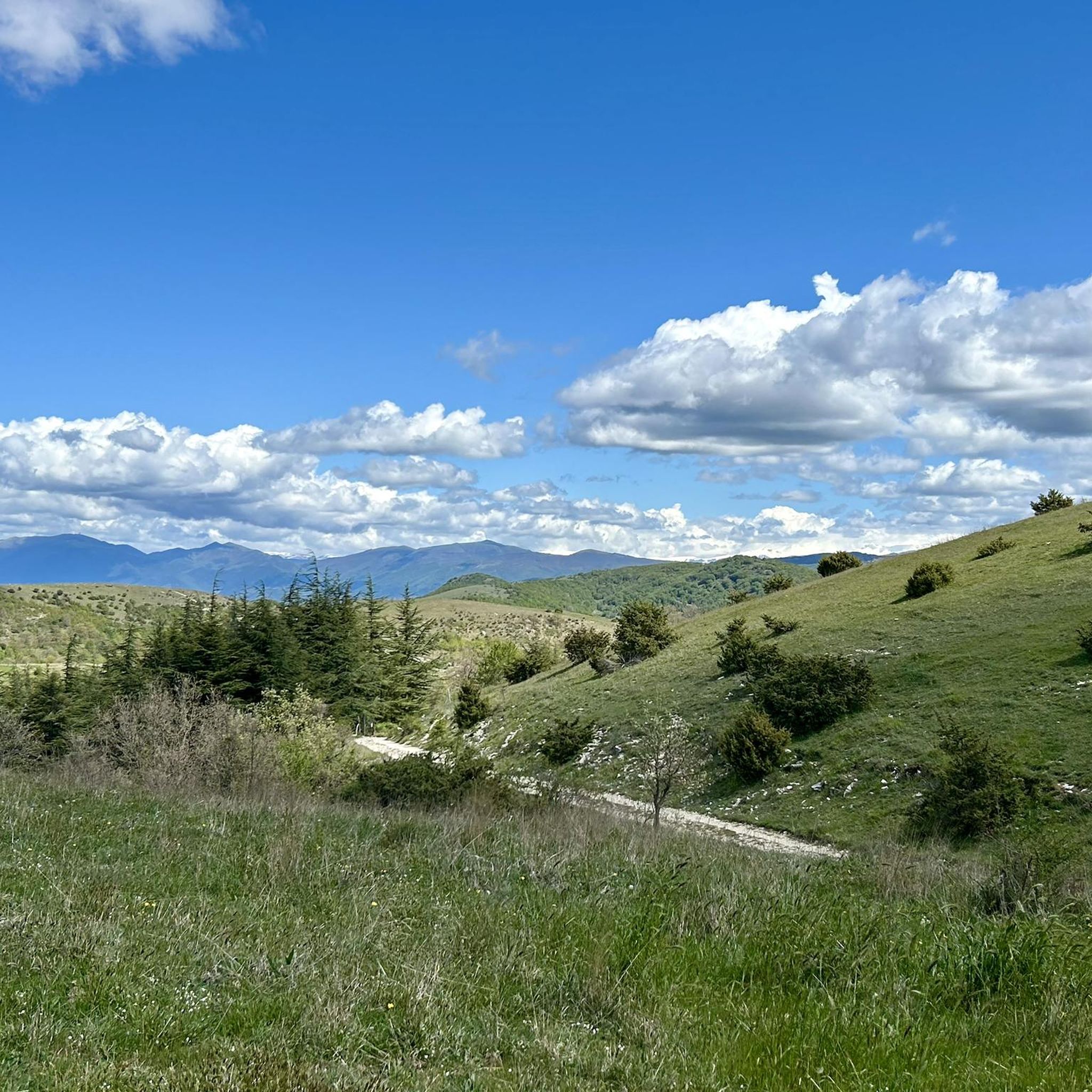
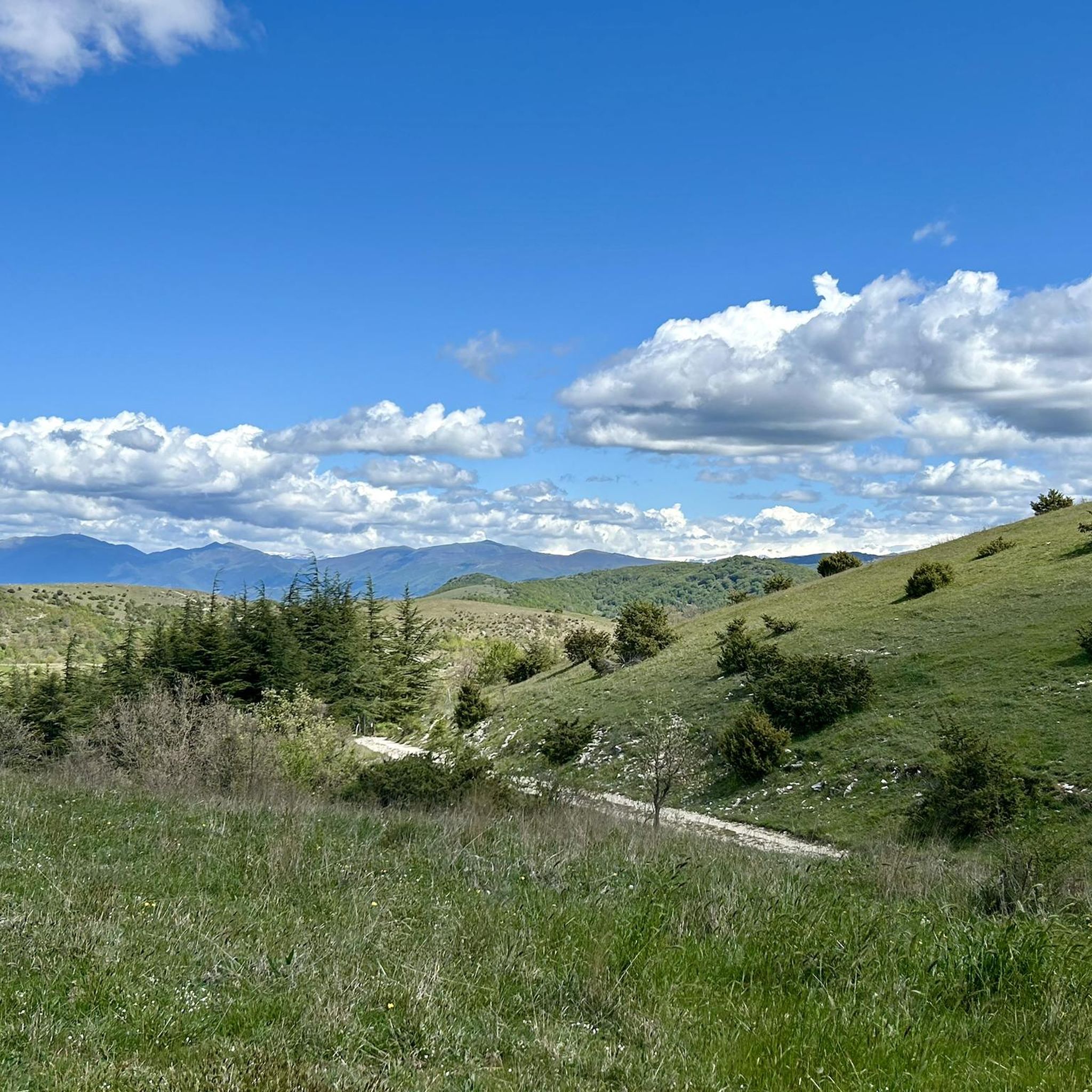
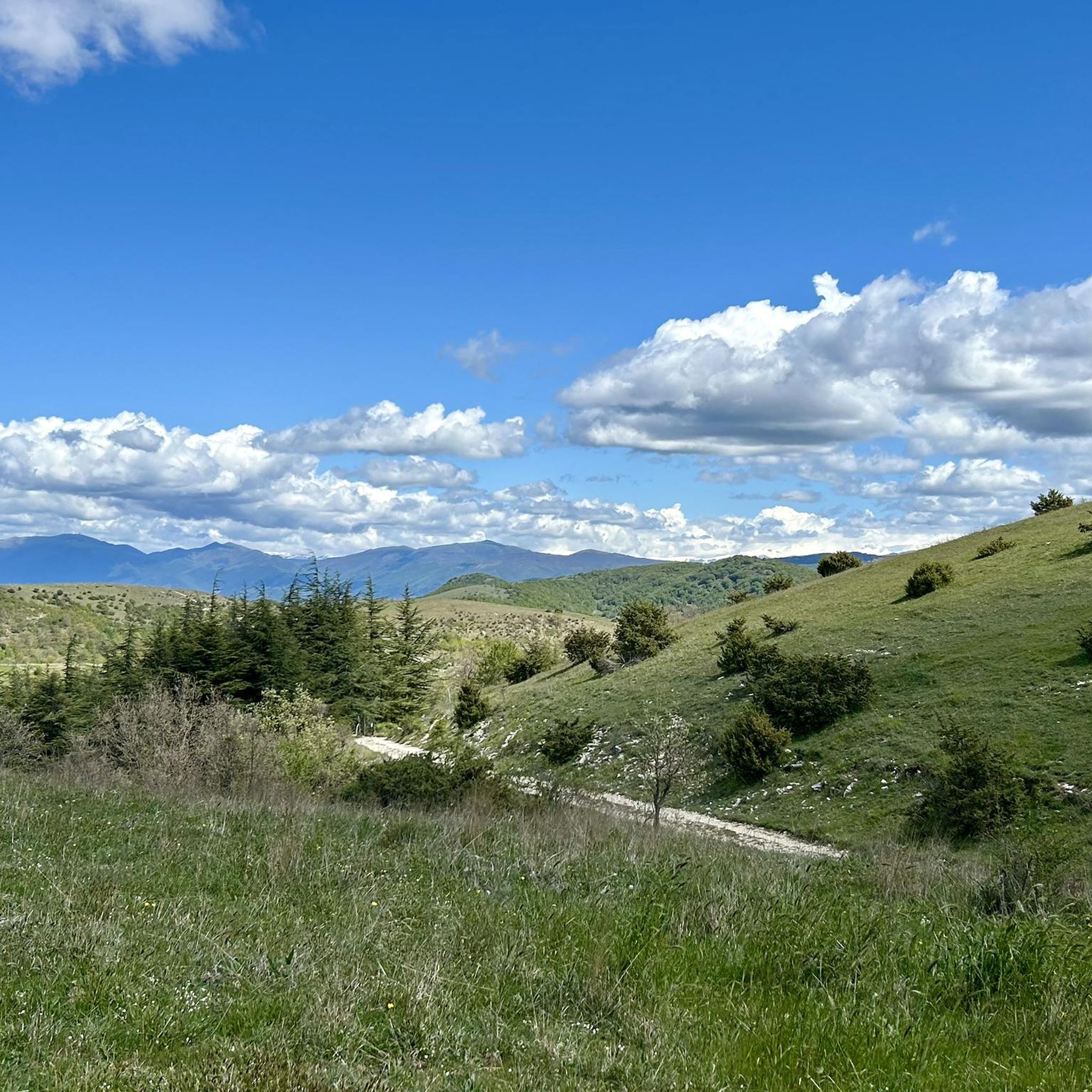
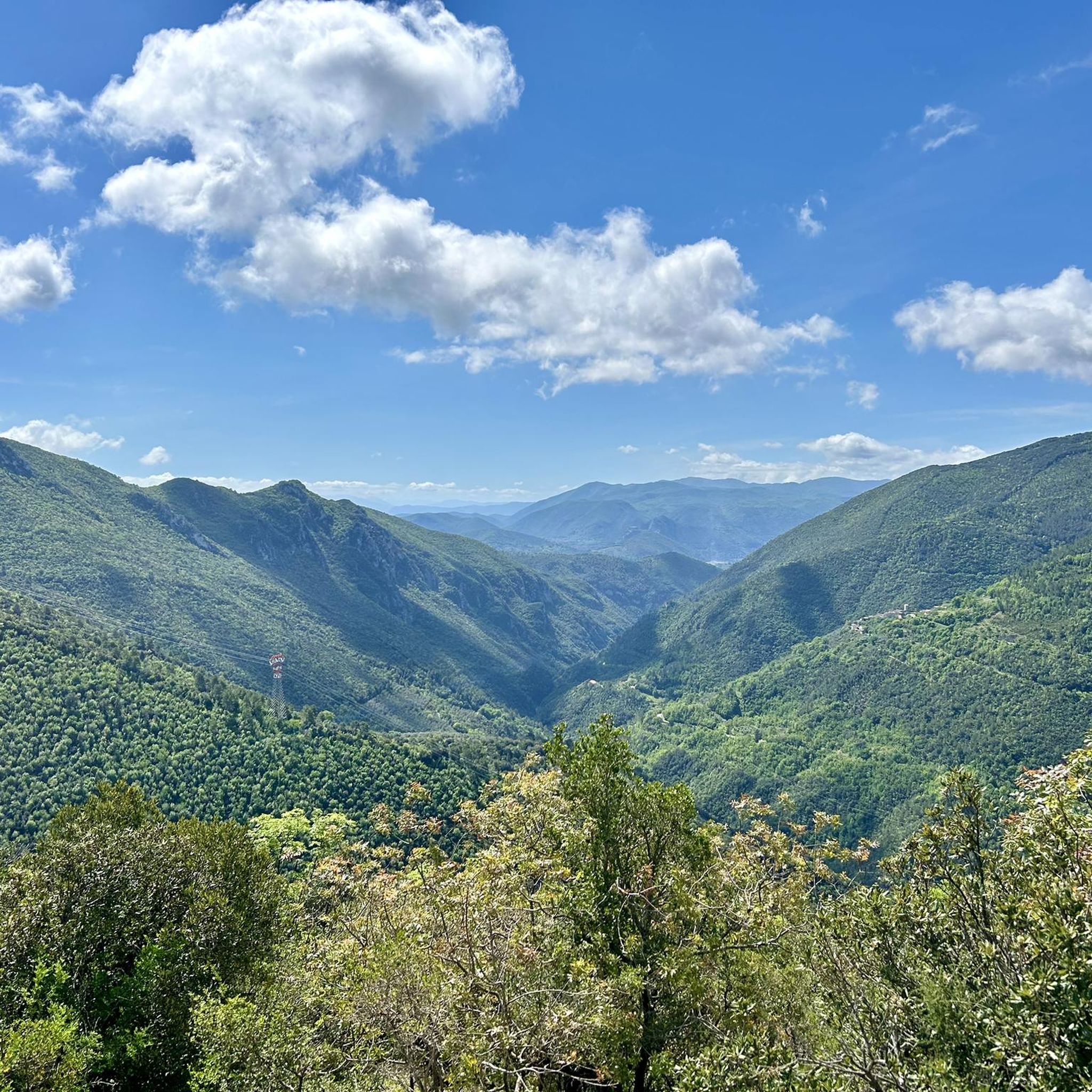
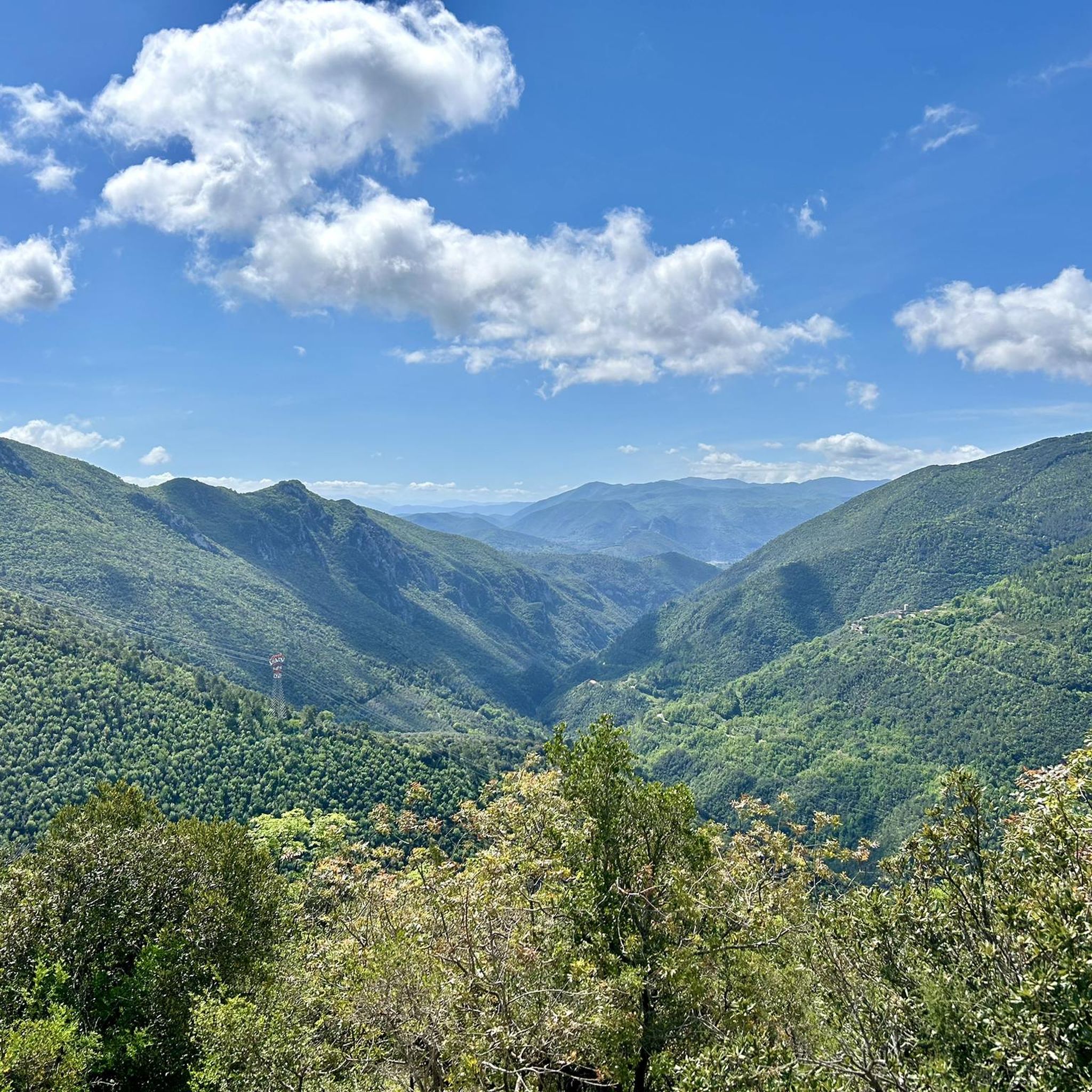
Gravel biking in Boschi Di Montebibico offers a network of dirt roads and singletracks within a diverse landscape, recognized as a Natura 2000 site. The region is characterized by wooded areas, Mediterranean scrubland, and varied terrain, including challenging climbs and significant elevation gains. Riders can explore landscapes ranging from cultivated fields to wild forests, with routes traversing valleys and hills. This environment supports a range of gravel biking experiences, from demanding ascents to scenic trails.
Best gravel bike trails in…
Last updated: May 7, 2026
4.5
(2)
36
riders
65.5km
04:35
980m
980m
Hard gravel ride. Very good fitness required. Mostly paved surfaces. Suitable for all skill levels.
5.0
(2)
28
riders
Hard gravel ride. Very good fitness required. Mostly paved surfaces. Suitable for all skill levels.

Sign up for free
3
riders
117km
07:48
2,110m
2,100m
Hard gravel ride. Very good fitness required. Mostly paved surfaces. Suitable for all skill levels.
5.0
(4)
91
riders
72.5km
05:06
1,460m
1,460m
Hard gravel ride. Very good fitness required. Mostly paved surfaces. Suitable for all skill levels.
5.0
(1)
13
riders
44.9km
02:56
600m
600m
Hard gravel ride. Very good fitness required. Mostly paved surfaces. Suitable for all skill levels.
Our route recommendations are based on thousands of hikes, rides, and runs completed by other people on komoot.
Start today with a free account
Your next adventure awaits.
Login or Signup
Tips from the Community

Even under a grey sky, the outing filled my eyes with its beautiful varied landscapes (hilltop towns, fortified castles, abbeys, towers, vineyards, sunflower fields, yew trees, etc.) And above all, a cycle path away from vehicles!
1
0

The Park - Fonti del Clitunno, Ristorante Pizzeria, Campello Sul Clitunno A body of water with a circumference of just over 400 meters and an area of almost 10,000 square meters, this small lake is home to numerous plant species that contribute to the fame of the Fonti del Clitunno. Moss, seagrass, water horsetail, sedge, curled brosca, giant shrimp, marsh forget-me-not, and water nasturtium, also known as watercress, are just some of the plants found in the pond. Around the banks are the trees that characterize the surroundings, most notably the cypress poplar, covered in dense foliage in summer. Then there's the weeping willow, whose spread dates back to the fashion that spread this plant in Paris in the 1840s, which is said to have shaded Napoleon's tomb on Saint Helena. Text / Source: Fonti del Clitunno - Ristorante Pizzeria, Campello Sul Clitunno https://www.fontidelclitunno.it/
14
0
Fonti del Clitunno - Ristorante Pizzeria, Campello Sul Clitunno Dream apartments, treat yourself to the relaxation you deserve. A gastronomic experience in the Parco della Poesia and a garden with tables for pampering yourself. From here, O Clitumnus, the white herds and the bull, the greatest holocaust, have repeatedly dipped into your sacred waters, bringing Roman triumphs to the temples of the gods. History Have you ever seen the Fonti del Clitunno? If not, and I don't think so, otherwise you would have told me about it, go and see. "I saw it recently and regret having done it too late." Thus wrote Pliny the Younger to a friend, and his advice still holds true today. The Fonti del Clitunno as we see them today are different from those of the first century, during Pliny's time. A violent earthquake in 444 AD changed the face of the area and was likely the cause of the narrowing of the Clitunno River, which had previously been navigable. The layout of the Clitunno springs as we see them today is thanks to the patient work of Paolo Campello della Spina, who, between 1860 and 1865, removed the earth to make room for the pond and encouraged the growth of vegetation that still characterizes the Clitunno springs today. A few years later, Giosue Carducci wrote the barbaric ode "Alle Fonti del Clitunno." Text/Source: Fonti del Clitunno - Ristorante Pizzeria, Campello Sul Clitunno https://www.fontidelclitunno.it/
14
0

Also great for families.
0
0

Beautiful ride, between viaducts with breathtaking views and truly suggestive tunnels... to do at least once... also suitable for small bikers
0
0


Access to the park costs €3 (worth the stay)
1
0

From here a cycleable climb up to Forca di Arrone to swoop down to Lake Piediluco.
0
0
Frequently Asked Questions
What kind of terrain can I expect on gravel bike trails in Boschi Di Montebibico?
The gravel bike trails in Boschi Di Montebibico feature a diverse mix of dirt roads, known locally as "strade sterrate," and some fantastic singletracks. You'll encounter varied landscapes, from cultivated fields to wild forests, with challenging climbs and significant elevation gains characteristic of the Monti Martani mountain range. The area is a Natura 2000 site, ensuring a rich natural environment.
Are there any easy or beginner-friendly gravel bike routes in Boschi Di Montebibico?
While the region is known for its challenging routes, there is one moderate trail available: the Spoleto–Norcia Cycle Path – Cycle path to Spoleto loop from Spoleto. This 30.3 km route involves less elevation gain compared to others, making it a good option for those seeking a less demanding ride.
What are some notable natural features or landmarks I might see while gravel biking here?
As a Natura 2000 site, Boschi Di Montebibico itself is a significant natural feature, boasting rich biodiversity and diverse flora, including ancient beech and oak forests. While specific named landmarks directly within the Boschi Di Montebibico trails are not highlighted, the routes often traverse scenic wooded areas and offer panoramic views across the Umbrian landscape. The Spoleto–Norcia Cycle Path – Caprareccia Railway Bridge loop from Spoleto, for instance, passes historical railway features.
What is the best time of year to go gravel biking in Boschi Di Montebibico?
The Umbria region, including Boschi Di Montebibico, generally offers pleasant conditions for outdoor activities during spring and autumn. These seasons typically provide milder temperatures and beautiful natural scenery, making them ideal for gravel biking. Summers can be hot, while winters might bring colder weather, though specific trail conditions vary.
Are there any circular gravel bike routes available?
Yes, several routes in Boschi Di Montebibico are designed as loops. For example, you can explore the Caprareccia Railway Bridge – Caprareccia Station loop from Baiano di Spoleto, a challenging 45 km ride, or the longer Scheggino – Caprareccia Railway Bridge loop from Spoleto, which covers 116.6 km.
What do other gravel bikers enjoy most about the trails in Boschi Di Montebibico?
The komoot community highly rates the gravel biking experience in Boschi Di Montebibico, with an average score of 5.0 stars from over 20 reviews. Riders often praise the challenging climbs, the extensive network of dirt roads, and the scenic wooded areas that provide a diverse and engaging riding environment. The natural beauty of this protected area is a significant draw.
Is Boschi Di Montebibico suitable for family-friendly gravel biking?
The gravel bike trails in Boschi Di Montebibico are generally described as difficult, with significant elevation gains, making them more suitable for experienced riders. However, the Spoleto–Norcia Cycle Path – Cycle path to Spoleto loop from Spoleto is rated as moderate and could be considered for families with older, more experienced children, depending on their fitness levels.
Are there places to eat or stay near the gravel bike trails in Boschi Di Montebibico?
While Boschi Di Montebibico itself is a natural area, the nearby municipality of Spoleto offers various amenities including cafes, restaurants, and accommodation options. These can serve as convenient bases for exploring the gravel bike trails in the surrounding region.
How long do the gravel bike routes typically take to complete?
The duration of the gravel bike routes varies significantly based on their length and difficulty. For instance, the Caprareccia Railway Bridge – Caprareccia Station loop from Baiano di Spoleto typically takes around 3 hours 52 minutes, while the much longer Scheggino – Caprareccia Railway Bridge loop from Spoleto can take over 7 hours to complete.
What is the elevation gain like on these gravel bike trails?
Gravel biking in Boschi Di Montebibico is characterized by challenging climbs and significant elevation gains. For example, the Caprareccia Railway Bridge – Scheggino loop from Arrone involves over 1,400 meters of ascent, and the Scheggino – Caprareccia Railway Bridge loop from Spoleto features over 2,100 meters of climbing, indicating a demanding experience for riders.
Most popular routes in Boschi Di Montebibico

Get inspired with the komoot mobile app


Explore more
Browse the best Gravel rides in other regions.
