Attractions and Places To See in Riserva Naturale Statale Del Litorale Romano - Top 20
Best attractions and places to see in Riserva Naturale Statale Del Litorale Romano encompasses approximately 15,900 hectares along the Roman coastline. This protected area features a mosaic of diverse environments, including evergreen forests, riverbanks, dunes, and Mediterranean scrubland. It combines natural landscapes with significant historical heritage, offering insights into ancient Roman life and medieval history. The reserve provides opportunities to explore both archaeological sites and varied natural habitats.
Best attractions and places to see in Riserva Naturale Statale Del Litorale Romano
- The most popular attractions is Julius II Castle (Ostia Antica), a castle that began construction in 1483. It represents an example of Renaissance military architecture and offers insights into the area's medieval past.
- Another must-see spot is Ostia Antica Archaeological Site, a historical site of the ancient city of Ostia. This site offers a glimpse into Roman daily life with well-preserved buildings, mosaics, and frescoes.
- Visitors also love "Regina Ciclarum" Rome - Fiumicino, a cycle way that follows the bank of the Tiber. This route is suitable for cyclists and offers views along the river.
- Riserva Naturale Statale Del Litorale Romano is known for its historical sites, natural features, and cycling routes. The reserve offers a mix of ancient ruins, extensive forests, and coastal dunes to explore.
- The attractions in Riserva Naturale Statale Del Litorale Romano are appreciated by the komoot community, with over 140 upvotes and 51 photos shared.
Last updated: May 8, 2026
"Regina Ciclarum" Rome - Fiumicino
Highlight • Cycleway
Translated by Google •
Tip by

Julius II Castle (Ostia Antica)
Highlight • Castle
Translated by Google •
Tip by

Sign up now to discover places like this
Get recommendations on the best single tracks, peaks, & plenty of other exciting outdoor places.
Sign up for free
Regina Ciclarum Gravel Section
Highlight • Cycleway
Translated by Google •
Tip by

Ostia Antica Archaeological Site
Highlight • Historical Site
The name Ostia derives from Latin ostium "entrance; Mouth ", which means the Tibermündung. The name Ostia Antica (Old Ostia) is used to distinguish it from the newly founded district of Ostia in the 1920s. The northeast adjoining modern district is also called after the excavations Ostia Antica.
Translated by Google •
Tip by

Baths of the Cisiarii (Terme dei Cisiarii)
Highlight • Historical Site
Translated by Google •
Tip by

Sign up for free to discover even more attractions in Riserva Naturale Statale Del Litorale Romano.
Sign up for free
Already have an account?
Start today with a free account
Your next adventure awaits.
Login or Signup
Popular around Riserva Naturale Statale Del Litorale Romano
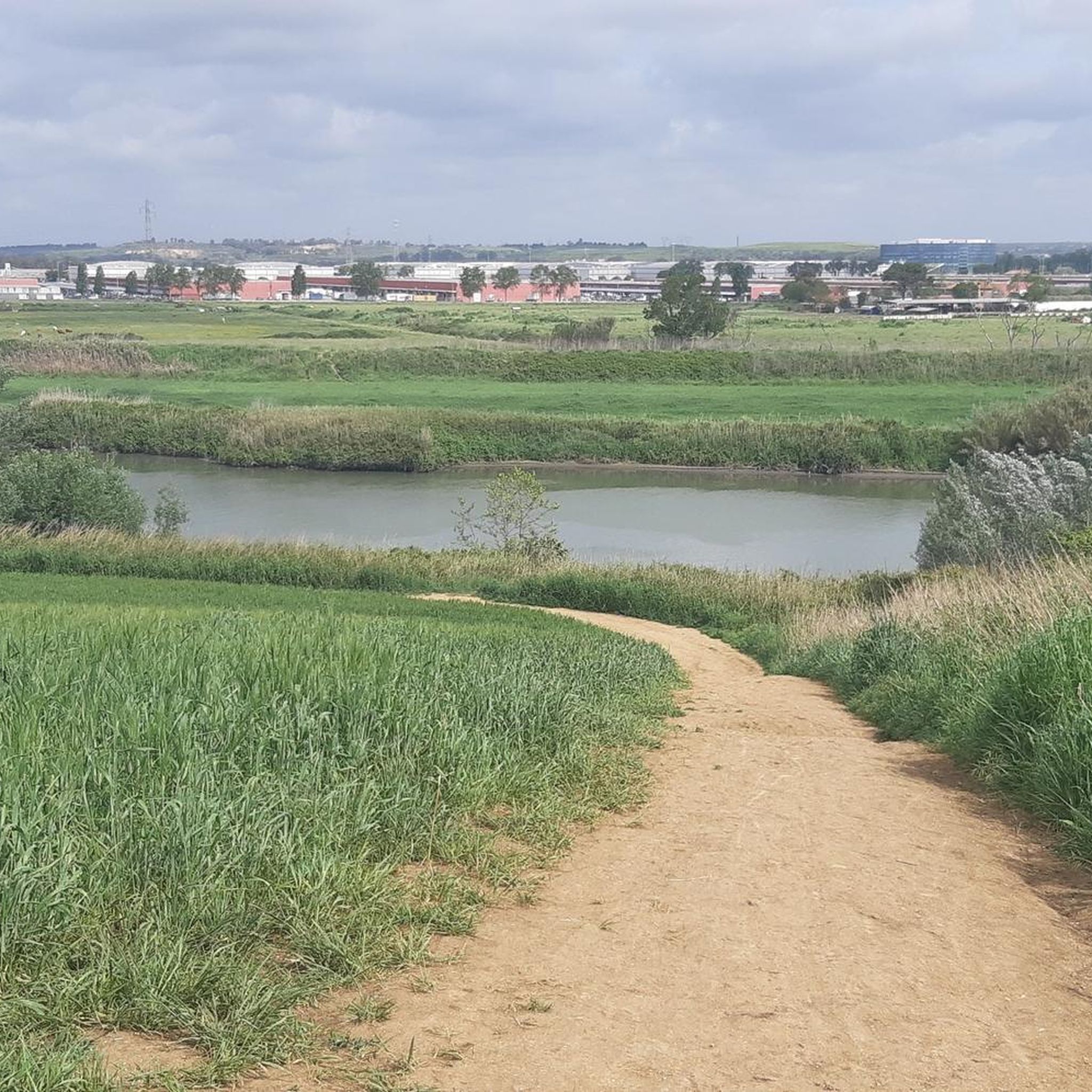
Running Trails in Riserva Naturale Statale Del Litorale Romano
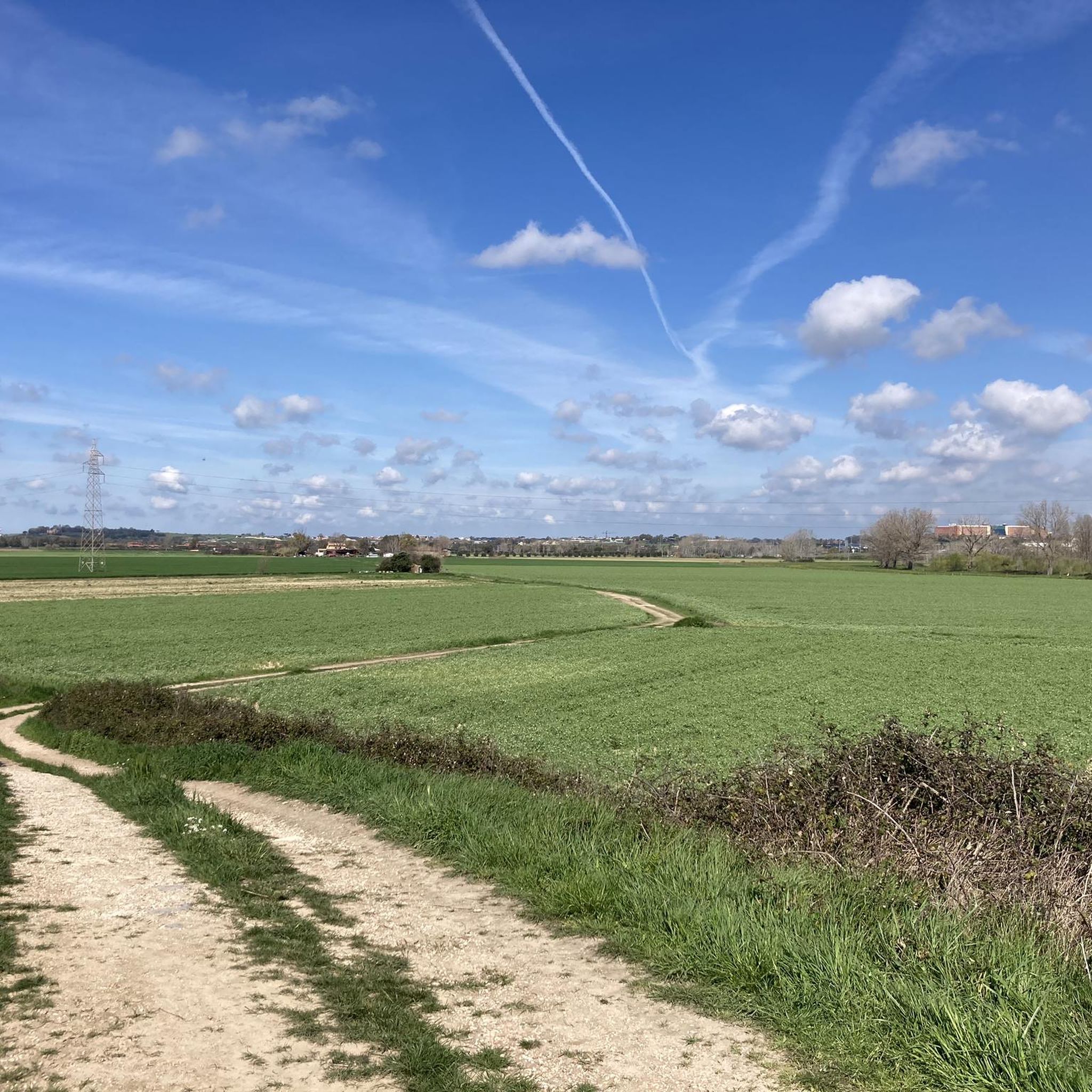
MTB Trails in Riserva Naturale Statale Del Litorale Romano
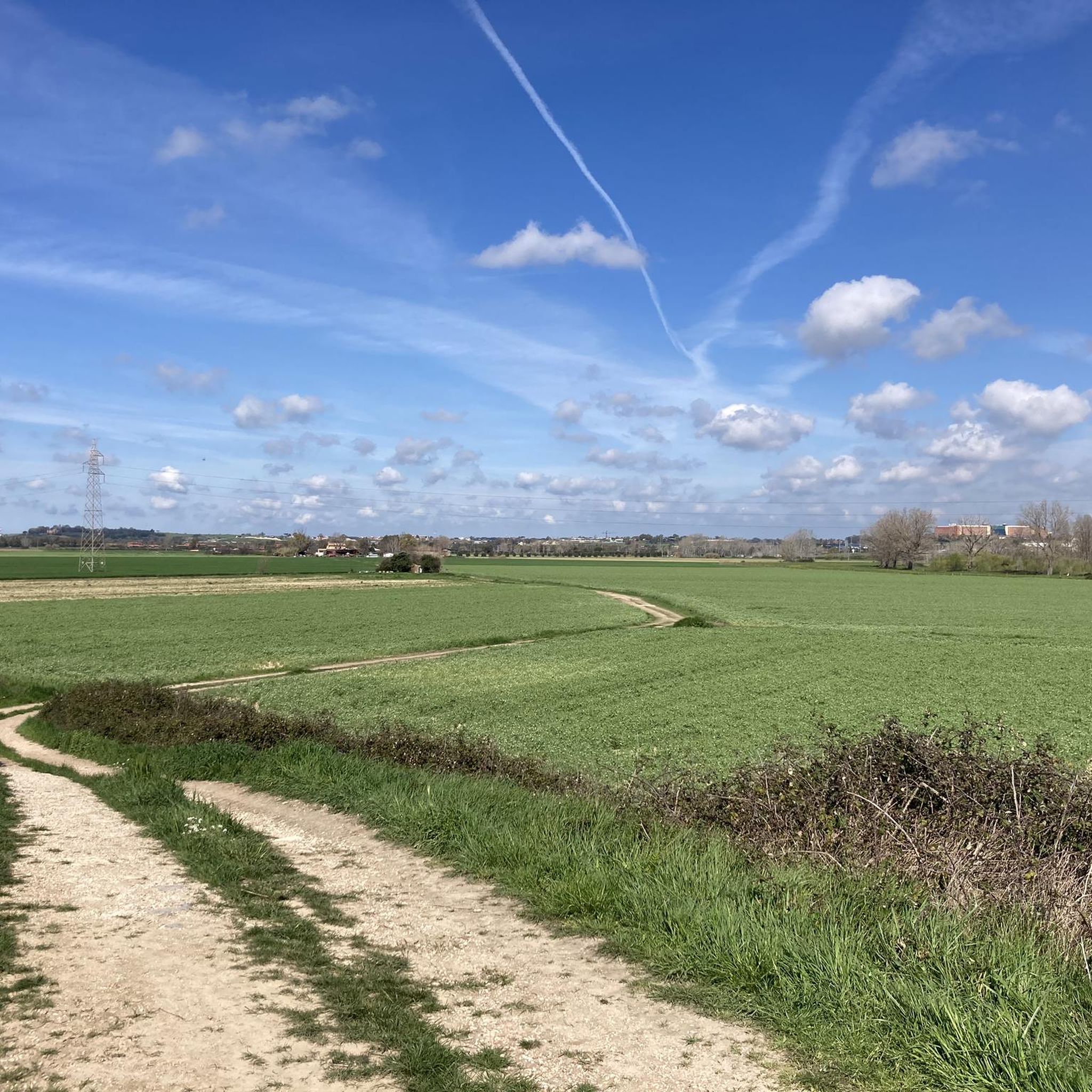
Cycling in Riserva Naturale Statale Del Litorale Romano
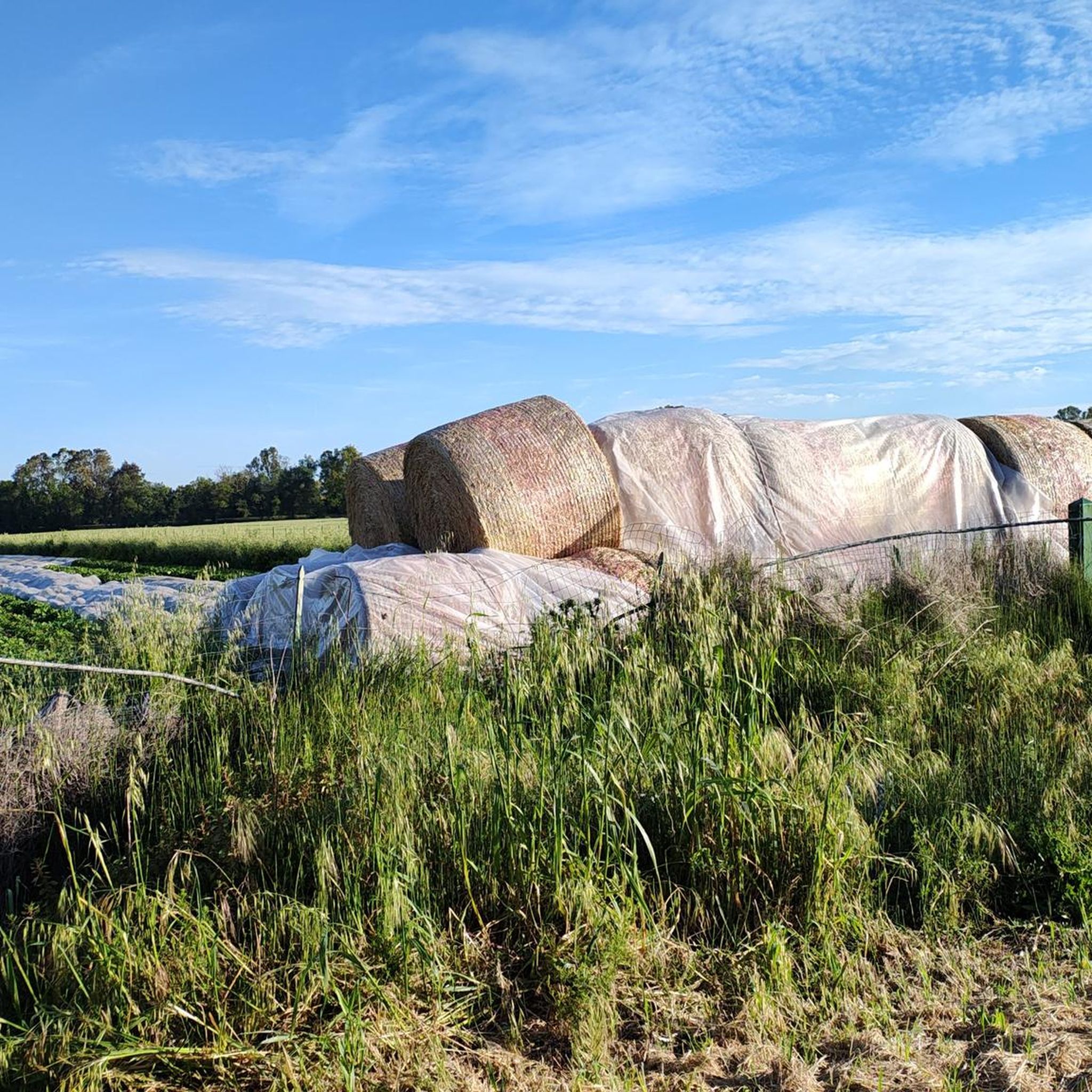
Road Cycling Routes in Riserva Naturale Statale Del Litorale Romano
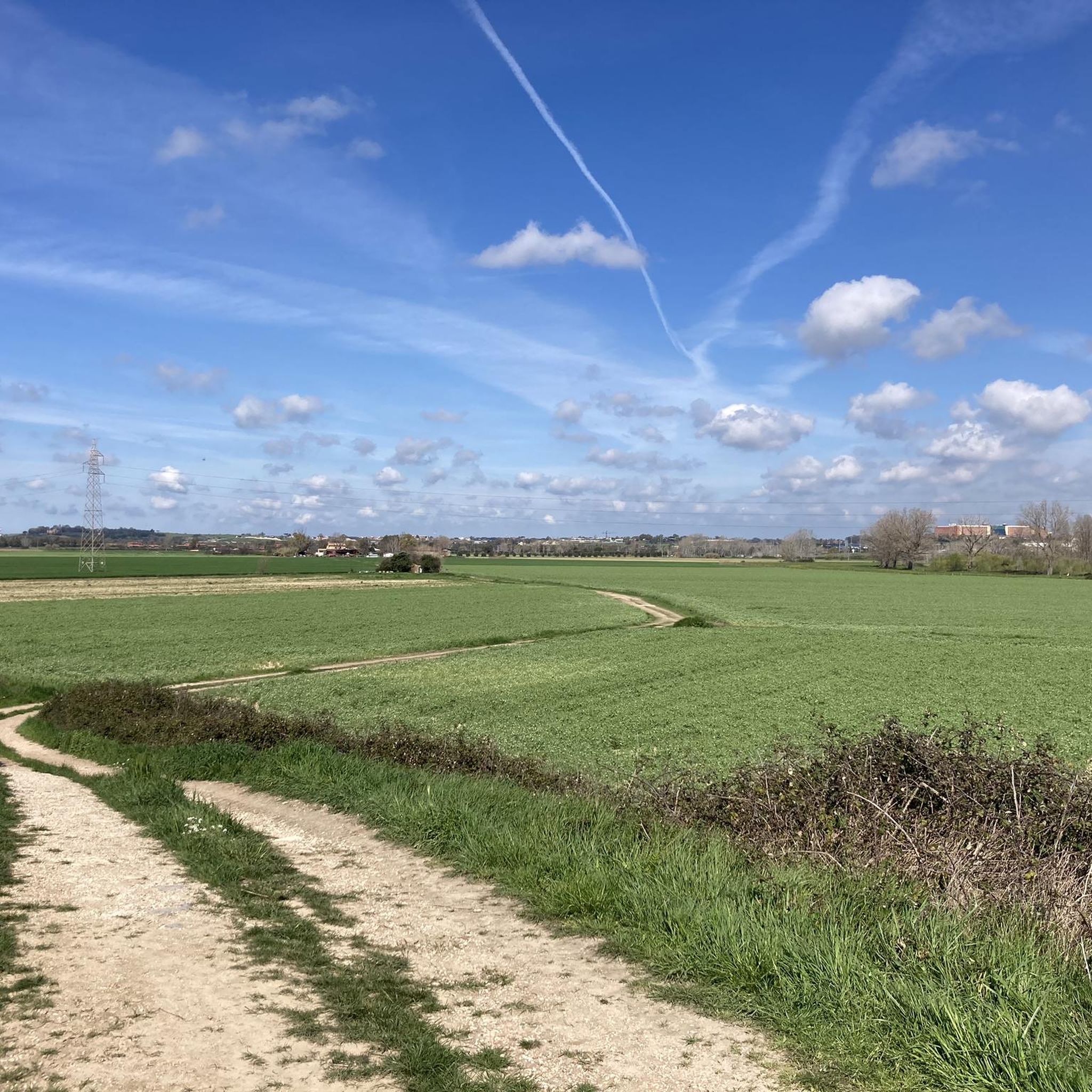
Hiking in Riserva Naturale Statale Del Litorale Romano
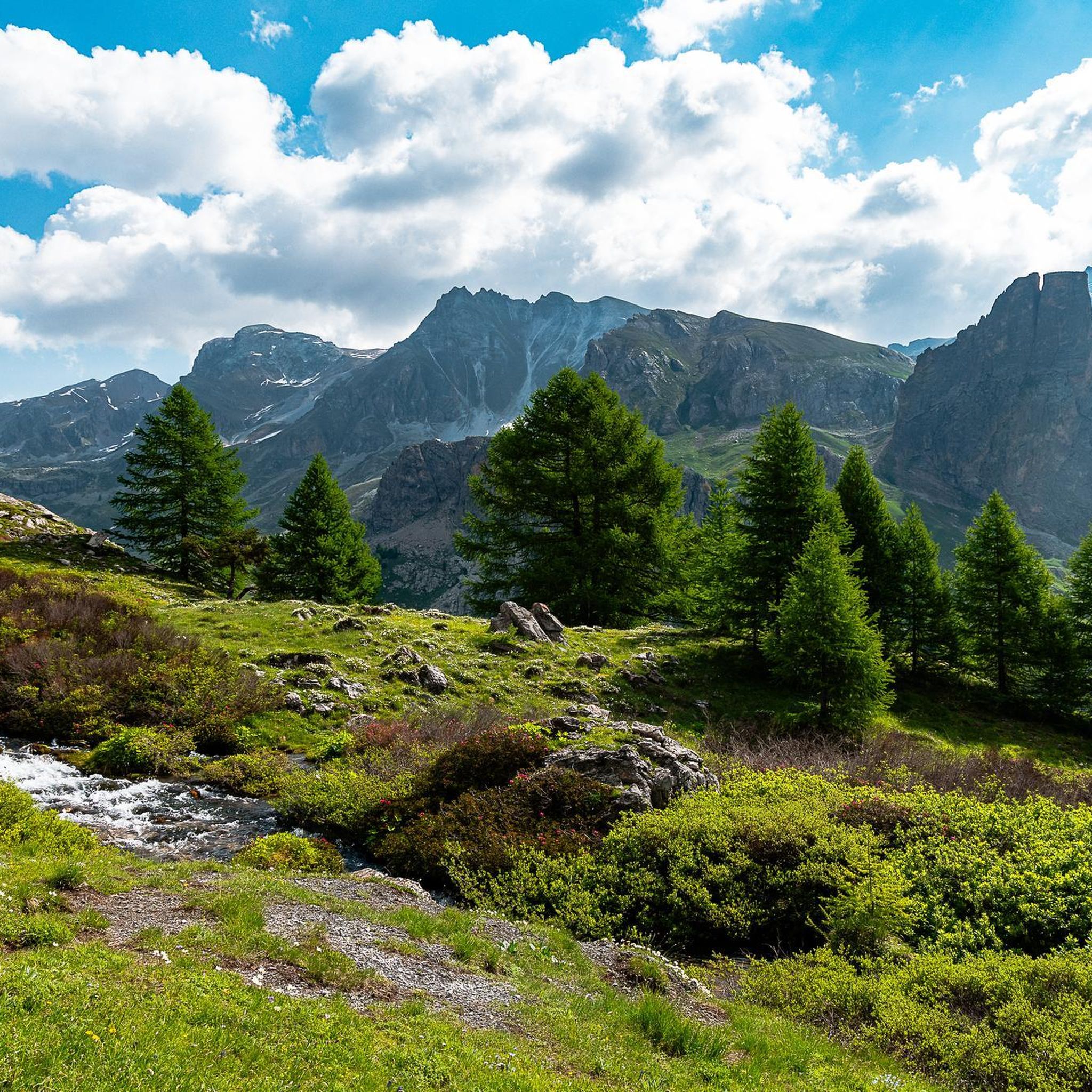
Gravel biking in Riserva Naturale Statale Del Litorale Romano
Tips from the Community

The Thermae dei Cisiarii (Baths of the Cisiarii) in Ostia Antica are an ancient Roman bath built in the 2nd century AD and probably belonging to the guild of charioteers (Cisiarii). The baths are known for their well-preserved mosaics and stucco reliefs, as well as for a noria (water wheel) for water supply. Source: Google
0
0
Ostia Antica is the archaeological site of the ancient city of Ostia, the original port city of ancient Rome and possibly its first colony. The name Ostia is derived from the Latin ostium, meaning "entrance; mouth," which refers to the mouth of the Tiber. The name Ostia Antica (Old Ostia) is used to distinguish it from the newly founded Ostia district in the 1920s. The modern district to the northeast is also called Ostia Antica after the excavations. Source: Wikipedia
0
0

The castle encloses the small village of Ostia antica.
0
0
Located in the village of Ostia Antica, it is a superb example of Renaissance military architecture.
0
0

The construction of the Castle of Ostia Antica began in 1483 at the behest of Cardinal Giuliano della Rovere (future Pope Julius II, 1503-1513) and was entrusted to the Florentine architect Baccio Pontelli. The castle still represents a virtuous example of Renaissance military architecture today and can be visited, more info here: https://www.ostiaantica.beniculturali.it/it/aree-archeologica-e-monumentali/borgo-di-ostia-antica- e-castello-di-giulio-ii/
1
0

The rocca of Ostia, or castle of Julius II, is a medieval fort located at the southwestern end of the village of Ostia Antica, in the municipal area of Rome. The site is owned by the Ministry of Culture and is managed by the Ostia Antica Archaeological Park.
0
0

Start of new asphalted section of cycle path towards Fiumicino
0
1

Terme dei Cisiarii, built in the first half of the 2nd century AD, were probably associated with the guild of the Cisiarii (chariot drivers). These baths, located in the Archaeological Park of Ostia Antica, reveal fascinating historical details.
2
0
Frequently Asked Questions
What historical sites can I explore in Riserva Naturale Statale Del Litorale Romano?
The reserve is rich in historical heritage. You can visit the significant Ostia Antica Archaeological Site, which was once the port city of ancient Rome. Other notable sites include the Julius II Castle (Ostia Antica), the Imperial Harbours of Claudius and Trajan, and the Necropolis of Porto at Isola Sacra. The Baths of the Cisiarii (Terme dei Cisiarii) also offer a glimpse into Roman daily life.
What natural features are prominent in the Riserva Naturale Statale Del Litorale Romano?
The reserve boasts diverse natural environments. Key features include the well-preserved Dunes of Capocotta, the extensive Pineta di Castel Fusano (pine forest), and the Maccarese Ponds, which are important wetlands. The Tiber River flows through the reserve for over 22 kilometers, and you'll also find Mediterranean scrubland and various wetland areas supporting rich biodiversity.
Are there cycling routes available in the reserve?
Yes, cycling is a popular activity. The "Regina Ciclarum" Rome - Fiumicino is a cycle way that follows the bank of the Tiber, offering scenic views. There's also a Regina Ciclarum Gravel Section for those seeking a more adventurous ride. You can find more cycling routes and guides on the komoot guide page.
Where can I find hiking trails in the Riserva Naturale Statale Del Litorale Romano?
Numerous trails are available for exploring the reserve on foot. The Pineta di Castel Fusano is ideal for walks, including the "Sentiero delle Cento Querce" (Path of the Hundred Oaks). For a comprehensive list of options, including easy and moderate trails, refer to the Hiking in Riserva Naturale Statale Del Litorale Romano guide and the Easy hikes in Riserva Naturale Statale Del Litorale Romano guide.
Are there family-friendly attractions or activities in the reserve?
Many attractions are suitable for families. The Julius II Castle (Ostia Antica) and the Ostia Antica Archaeological Site offer engaging historical exploration. The Pineta di Castel Fusano provides extensive space for walks and recreation. The Dunes of Capocotta also feature elevated wooden walkways, making them accessible for families to enjoy the coastal environment.
What is the best time of year to visit Riserva Naturale Statale Del Litorale Romano?
The reserve can be enjoyed year-round, but spring and autumn generally offer the most pleasant weather for outdoor activities like hiking and cycling. These seasons avoid the peak heat of summer while still providing ample sunshine. Winter can be mild, making it suitable for exploring historical sites and observing migratory birds.
Are there opportunities for birdwatching or wildlife spotting?
Yes, the reserve is a haven for wildlife. The Maccarese Ponds are an important site for bird wintering and nesting, making them excellent for birdwatching. The diverse habitats, including wetlands and Mediterranean maquis, support various animal species such as herons, ospreys, gulls, foxes, and wild rabbits.
Can I access beaches within the Riserva Naturale Statale Del Litorale Romano?
Yes, visitors can enjoy the beaches within the reserve, particularly around the Dunes of Capocotta. These areas offer opportunities for relaxation and swimming, allowing you to experience the natural coastal environment.
What are some unique historical landmarks besides Ostia Antica?
Beyond Ostia Antica, you can discover the ancient Imperial Harbours of Claudius and Trajan, the medieval Julius II Castle, and other medieval castles like those in Castel Fusano. Significant towers such as Tor San Michele (attributed to Michelangelo) and Torre Boacciana also dot the landscape, offering insights into the region's past.
Are there any running trails in the area?
Yes, the reserve offers several running trails. You can find routes like the Ostia Lido seafront loop or the Mouth of the Arrone loop. For detailed information on distances and difficulty, consult the Running Trails in Riserva Naturale Statale Del Litorale Romano guide.
What do visitors enjoy most about the Riserva Naturale Statale Del Litorale Romano?
Visitors appreciate the unique blend of ancient history and natural beauty. The well-preserved Ostia Antica Archaeological Site is a major draw, offering a fascinating glimpse into Roman life. The extensive cycling paths, like the "Regina Ciclarum", and the serene natural landscapes, such as the Pineta di Castel Fusano, are also highly valued for outdoor recreation and immersion in nature.
Most popular routes in Riserva Naturale Statale Del Litorale Romano
Most popular attractions in Riserva Naturale Statale Del Litorale Romano

Get inspired with the komoot mobile app


Explore more
Still not found the Highlight you’re looking for? See guides of the top attractions in other regions:
