The best cycling routes in Riserva Naturale Regionale Orientata "Bosco Delle Pianelle"
4.6
(158)
1,222
riders
71
rides
Touring cycling in Riserva Naturale Regionale Orientata "Bosco Delle Pianelle" offers routes through the distinctive Murgia landscape. The region is characterized by dense holm oak forests, Mediterranean scrub, and deep ravines. Karst cavities and ancient structures are also features of the terrain, providing varied points of interest for cyclists.
Best touring cycling routes in Riserva Naturale Regionale Orientata "Bosco Delle Pianelle"
- The most popular touring cycling route is Bosco Pianelle Visitor Center loop from Centro Visite Bosco delle Pianelle,…
Last updated: May 11, 2026
31
riders
51.3km
03:00
250m
250m
Moderate bike ride. Good fitness required. Mostly paved surfaces. Suitable for all skill levels.
4.3
(3)
17
riders
38.9km
02:34
490m
490m
Hard bike ride. Very good fitness required. Mostly paved surfaces. Suitable for all skill levels.

Sign up for free
13
riders
50.0km
03:53
500m
500m
Hard bike ride. Very good fitness required. You may need to push your bike for some segments of this route.
2.5
(4)
7
riders
26.2km
01:32
140m
140m
Easy bike ride. Great for any fitness level. Mostly paved surfaces. Suitable for all skill levels.
4
riders
32.4km
02:04
320m
320m
Moderate bike ride. Good fitness required. Mostly paved surfaces. Suitable for all skill levels.
Get access to more routes and recommendations from other explorers.
Sign up for free
Already have an account?
Our route recommendations are based on thousands of hikes, rides, and runs completed by other people on komoot.
Start today with a free account
Your next adventure awaits.
Login or Signup
Popular around Riserva Naturale Regionale Orientata "Bosco Delle Pianelle"
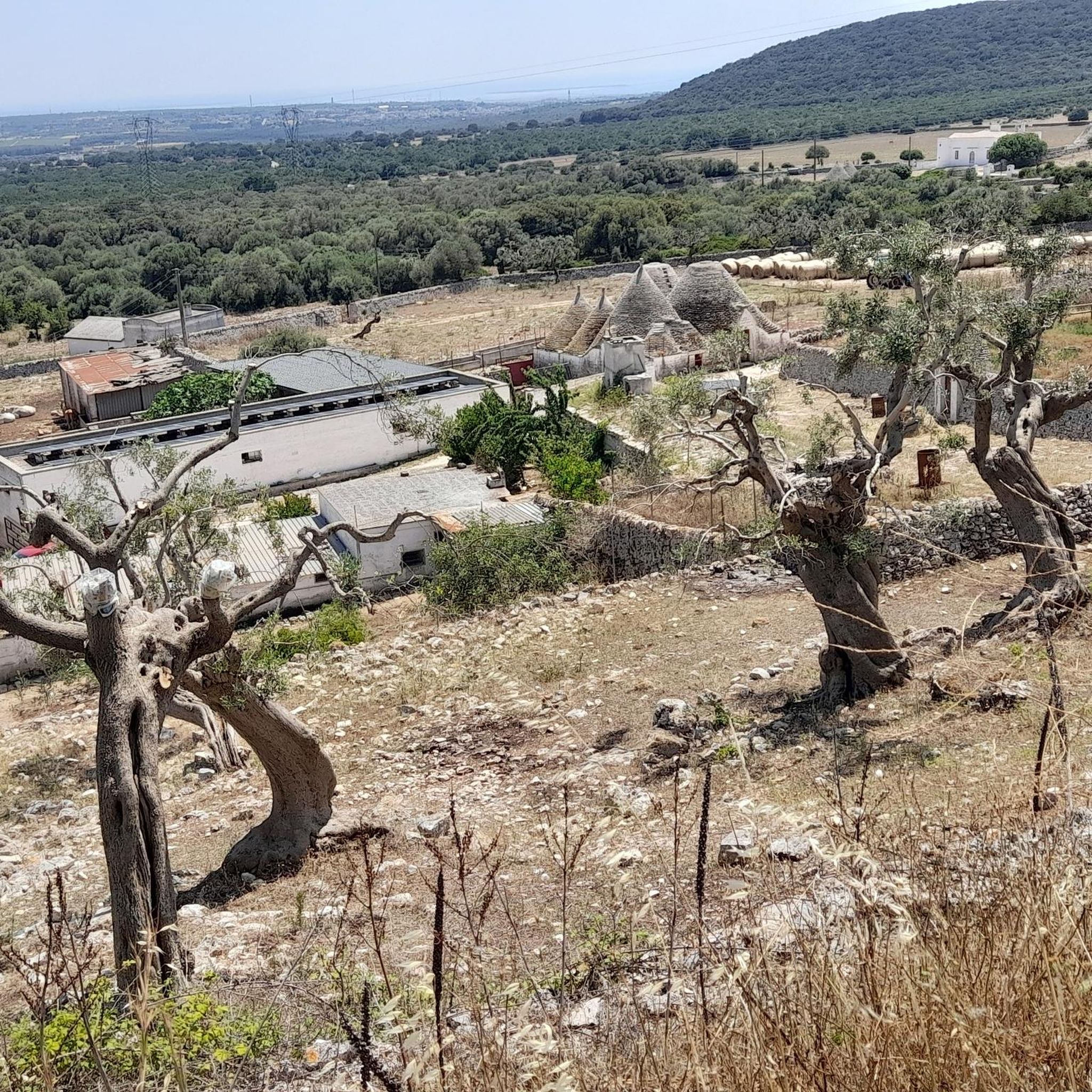
Hiking in Riserva Naturale Regionale Orientata "Bosco Delle Pianelle"
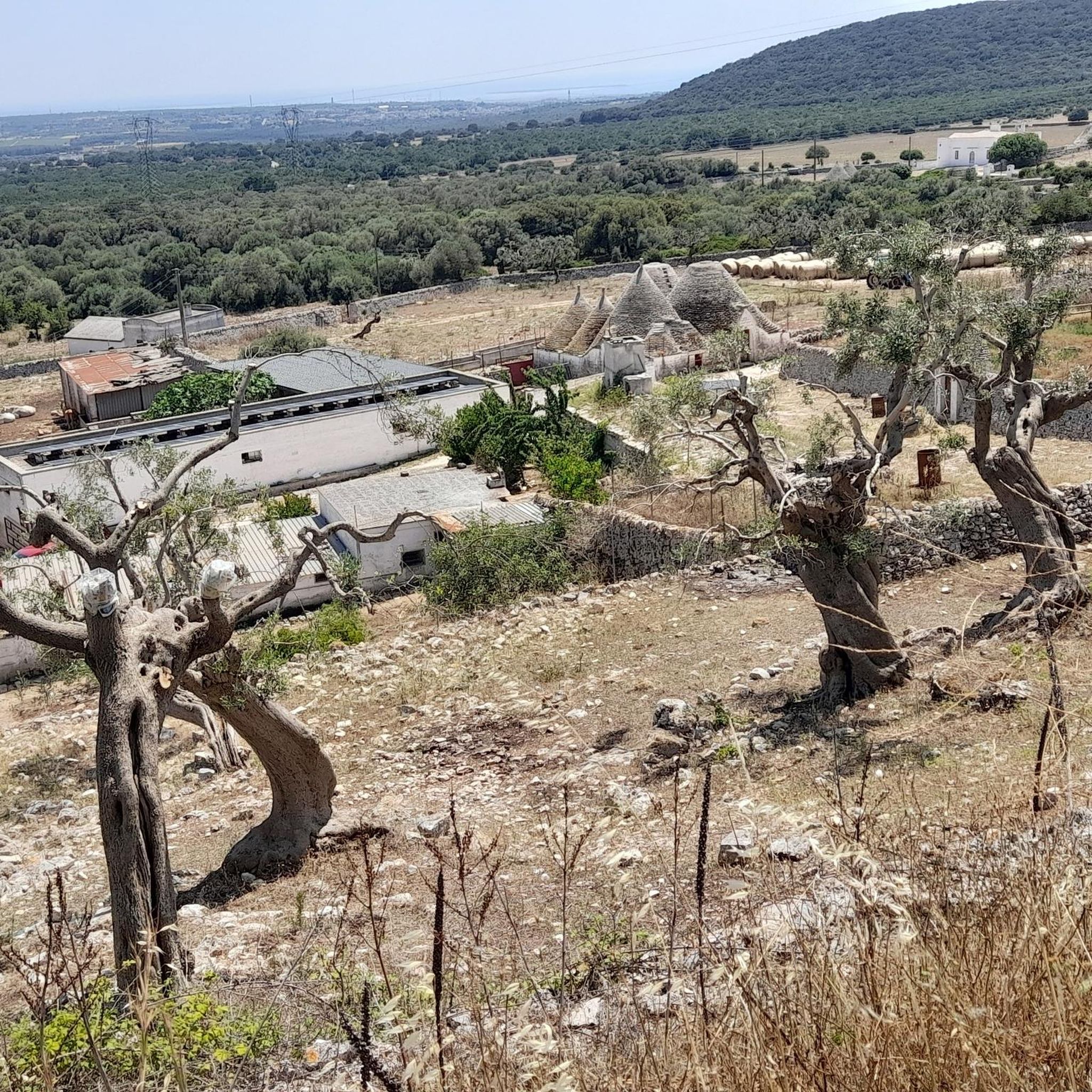
Road Cycling Routes in Riserva Naturale Regionale Orientata "Bosco Delle Pianelle"
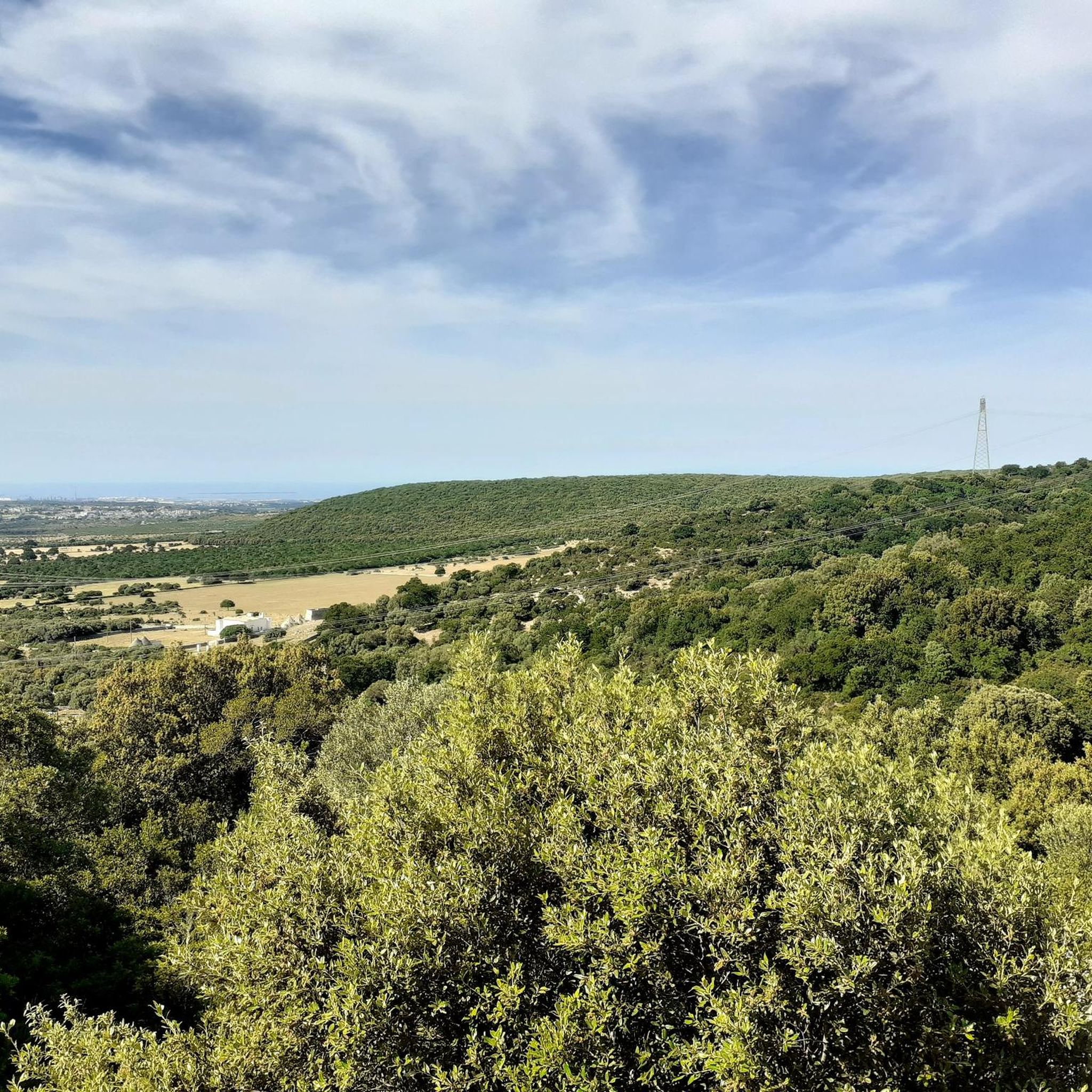
Running Trails in Riserva Naturale Regionale Orientata "Bosco Delle Pianelle"
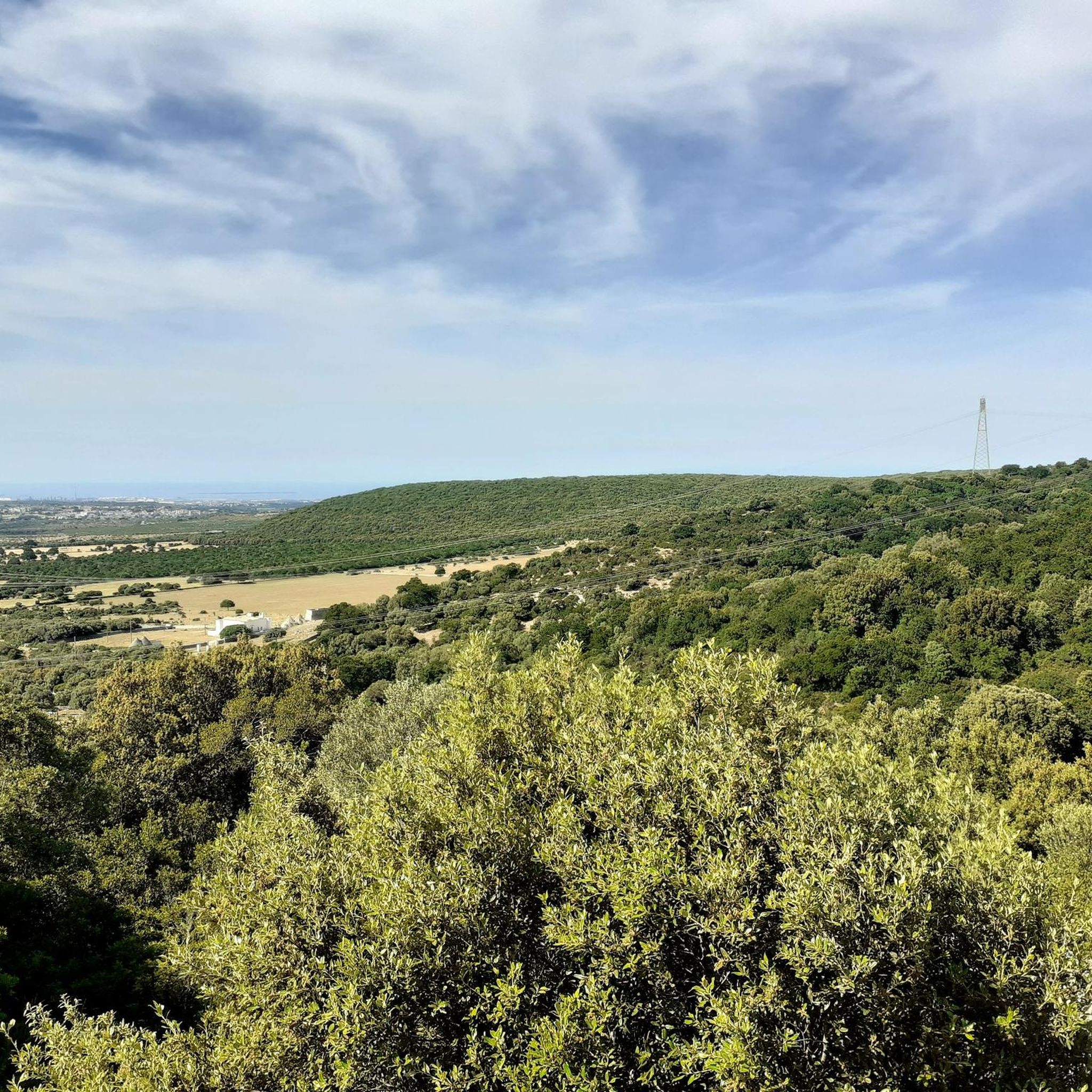
MTB Trails in Riserva Naturale Regionale Orientata "Bosco Delle Pianelle"

Gravel biking in Riserva Naturale Regionale Orientata "Bosco Delle Pianelle"
Tips from the Community

The patronage of "Our Lady of the Snows" – which, in my experience, is not all that common – indicates that this church was dedicated to the Blessed Virgin Mary, but not, as is usually the case, associated with one of her classic feast days (e.g., the Name of Mary, the Nativity, the Assumption, or as Queen of the Rosary). Rather, the search for the origin of "Our Lady of the Snows" leads us far back in church history to the fourth or fifth century, and geographically north to the Italian capital. On August 5, 363, at the site where the magnificent church of Santa Maria Maggiore stands today, the so-called "Miracle of the Snows" occurred. That is, on that day, in the middle of summer, snow lay on the ground in the morning because Our Lady wanted a church dedicated to her to be built on that spot. She communicated this wish in a nighttime vision to a wealthy couple – who financed the construction – and to the Bishop of Rome, Pope Liberius. The Roman church has the rank of a patriarchal basilica (papal basilica), and is the origin of all churches and chapels bearing this patronage. In the liturgical calendar of the Catholic Church, the date of August 5, the day of the church's consecration (in the year 432 by Pope Sixtus III), is a "non-obligatory memorial."
0
0

the Sud Est railway station in Martina Franca. Excellent solution for reaching the Itria Valley from Taranto or Bari
1
0

There are many ceramics workshops in the immediate vicinity. Despite the similarity in the motifs, the workshops usually have their own unique style. Today—off-season—the neighborhood was very quiet, and some shopkeepers took the time to explain some of the special features to us. It's worth stopping by the shops; you'll probably find something beautiful to take home.
0
0
The splendid Martinesi Donkeys raised in nature in the large spaces of the Russoli Educational Farm
0
0

The Castle of Massafra, located in the historic center of Massafra, is a medieval castle overlooking the Pizzo Ravine and San Marco. Its structure and architectural motifs are similar to other castles in Apulia, with four towers arranged in a wishbone and pattern and linked by boundary walls. The oldest towers are circular, while the keep is octagonal in the southeast. The first definite record of the castle dates back to the year 970. With the domination of the Angevins, the castle took on the appearance of a fortress, with crenellated ramparts and towers. It underwent further transformations under the Aragonese, and in the 18th century the Imperial family rebuilt the octagonal tower and the front facing towards the ravine, designed by the architect Mauro Manieri Lecce. The castle was in the possession of many owners before eventually being purchased by the city.
0
0

The church of Santa Maria, or church of Sant'Angelo, but for all the Crispianesi “Chiesa Vecchia”, dates back to the 16th century, but was presumably built on the ruins of a pre-existing church. It is located near the Grotte del Vallone, in the center of the medieval hamlet of Crispiano. In Ionic-Romanesque style, the church became the first parish of Crispiano. Inside it contained many frescoes that unfortunately time and neglect have almost completely erased.
0
0
Built in 1938 and erected in 1958, the Parish of San Michele Arcangelo is located in the small village of San Simone (Crispiano-TA). Behind it we find the chapel dedicated to Maria SS.ma del Carmelo built in 1649, as can be seen from the date engraved on the entrance architrave, together with the coat of arms IHS, Iesus Hominum Salvator, Jesus Savior of men. In ancient times it was dedicated to San Filippo Neri, depicted in the apse of the same chapel, next to the Virgin, to the right of the observer, because the entire farmhouse belonged to the homonymous farm, bordering the church. This farm was later called San Simini and still retains this name today. Due to its position in relation to the cow cart, the chapel suggests that in its time it served as a stop and reference point in the transhumance from the Murge towards Salento. The chapel consists of a single small room with barrel vaults and inside there are frescoes: the Virgin of Carmel with Child, on the left St. Thomas the Apostle and St. Michael the Archangel and St. Martin of Tours, on the right St. Philip Neri and St. Simon the Apostle. Above the entrance door stands a beautiful bell tower with a 19th-century bell.
0
0
From this spectacular observation point, on clear days it is possible to admire the entire Ionian arch and the mountains of Calabria.
0
0
Frequently Asked Questions
How many touring cycling routes are available in Riserva Naturale Regionale Orientata "Bosco Delle Pianelle"?
There are over 75 touring cycling routes available in Riserva Naturale Regionale Orientata "Bosco Delle Pianelle". These routes offer a diverse range of experiences, from easy rides to more challenging trails, catering to various skill levels.
What are the difficulty levels of touring cycling routes in Bosco Delle Pianelle?
The routes in Bosco Delle Pianelle range in difficulty. You'll find 6 easy routes, 41 moderate routes, and 28 difficult routes. This variety ensures that both beginners and experienced touring cyclists can find suitable paths to explore the reserve.
Are there any circular touring cycling routes in Bosco Delle Pianelle?
Yes, many routes in the reserve are designed as loops. For example, the Bosco Pianelle Visitor Center loop from Centro Visite Bosco delle Pianelle is a popular moderate option that explores the heart of the woodlands. Another circular route is the Bosco Pianelle Visitor Center loop from Masseria Signora, which leads through dense woodlands and past historical elements.
What natural features or landmarks can I see while cycling in Bosco Delle Pianelle?
While cycling, you can encounter the distinctive Murgia landscape, dense holm oak forests, and Mediterranean scrub. Notable natural features include the Gravina del Vuolo ravine, home to the Grotta del Sergente Romano, and the impressive Grave della N'Zirra, a 30-meter deep fossil sinkhole. You can also explore highlights like the Bosco delle Pianelle Nature Reserve itself, or specific trails such as the Orchid Trail – 5C, known for its vibrant wild orchids in spring.
Are there any historical sites along the touring cycling routes?
Yes, the cycling routes reveal historical elements such as ancient coal and liming pits, offering insights into past civilizations. You might also come across 'Fogge,' which are large cisterns nestled within karst depressions, characteristic architectural features of the Apulian Murgia designed for water collection.
What is the best time of year for touring cycling in Bosco Delle Pianelle?
Spring is particularly vibrant in the reserve, with numerous wild orchids in bloom, making it an excellent time for cycling. The diverse vegetation and rich biodiversity are also at their peak. Autumn also offers pleasant temperatures and beautiful foliage.
Is there parking available for cyclists in Riserva Naturale Regionale Orientata "Bosco Delle Pianelle"?
While specific parking areas for cyclists are not detailed, routes often start from locations like the Centro Visite Bosco delle Pianelle or nearby masserias, which typically offer parking facilities. It's advisable to check the starting point of your chosen route for specific parking information.
How can I access the touring cycling routes in Bosco Delle Pianelle using public transport?
Public transport options directly to the heart of the reserve might be limited. However, towns like Crispiano and Martina Franca, which are connected to some routes, may offer public transport links. From these towns, you might need to cycle a short distance to reach the main trailheads.
Are there family-friendly touring cycling routes in Bosco Delle Pianelle?
Yes, the reserve offers 6 easy routes that are generally suitable for families. These paths often feature less challenging terrain and shorter distances, allowing for a more relaxed cycling experience for all ages. The varied terrain, including paved and unpaved sections, can make for an engaging family adventure.
What kind of wildlife might I encounter while cycling in the reserve?
The reserve is home to diverse wildlife. You might spot mammals such as weasels, badgers, and foxes. Of particular ecological importance are seven bat species and the presence of the wolf. The invertebrate community includes interesting species like Saga pedo, the largest European orthopteran, and rare butterflies such as the Jersey tiger moth.
What do other touring cyclists enjoy the most about touring cycling in Riserva Naturale Regionale Orientata "Bosco Delle Pianelle"?
The area is highly rated by the komoot community, with an average score of 4.6 stars from over 140 reviews. Reviewers often praise the distinctive Murgia landscape, the dense holm oak forests, and the varied terrain that makes for a dynamic cycling experience. The presence of ancient structures and unique karst features also adds to the appeal.
Are there options for longer touring cycling routes in the region?
Yes, for those seeking longer rides, routes like the Masseria Russoli – Bosco Pianelle Visitor Center loop from Centro Visite Bosco delle Pianelle offer a moderate 21.7-mile (35.0 km) path traversing varied terrain. Another option is the Crispiano – Crispiano Pine Forest loop from Crispiano, which is over 51 km long, providing an extended exploration of the area.
Most popular routes in Riserva Naturale Regionale Orientata "Bosco Delle Pianelle"
Most popular attractions in Riserva Naturale Regionale Orientata "Bosco Delle Pianelle"

Get inspired with the komoot mobile app


Explore more
Browse the best Cycling routes in other regions.
