The best walks and hikes in Crawford Lake Conservation Area
4.8
(118)
1,175
hikers
48
hikes
Hiking in Crawford Lake Conservation Area offers diverse trails along the Niagara Escarpment, a UNESCO World Biosphere Reserve. The area features lush forests, unique geological formations like the meromictic Crawford Lake, and the dramatic Nassagaweya Canyon. Hikers can explore varied terrain, from gentle boardwalks around the lake to more challenging paths leading to scenic lookouts. The landscape is characterized by its blend of natural beauty and historical significance, including a reconstructed Iroquoian village.
Best hiking trails in Crawford Lake Conservation…
Last updated: July 16, 2026
4.8
(10)
121
hikers
10.7km
02:56
160m
160m
Moderate hike. Good fitness required. Easily-accessible paths. Suitable for all skill levels.
5.0
(9)
57
hikers
8.96km
02:27
130m
130m
Moderate hike. Good fitness required. Easily-accessible paths. Suitable for all skill levels.

Sign up for free
1.94km
00:32
30m
30m
Easy hike. Great for any fitness level. Easily-accessible paths. Suitable for all skill levels.
5.0
(8)
43
hikers
15.7km
04:14
200m
200m
Moderate hike. Good fitness required. Easily-accessible paths. Suitable for all skill levels.
5.0
(1)
23
hikers
Easy hike. Great for any fitness level. Easily-accessible paths. Suitable for all skill levels.
Get access to more routes and recommendations from other explorers.
Sign up for free
Already have an account?
Our route recommendations are based on thousands of hikes, rides, and runs completed by other people on komoot.
Start today with a free account
Your next adventure awaits.
Login or Signup
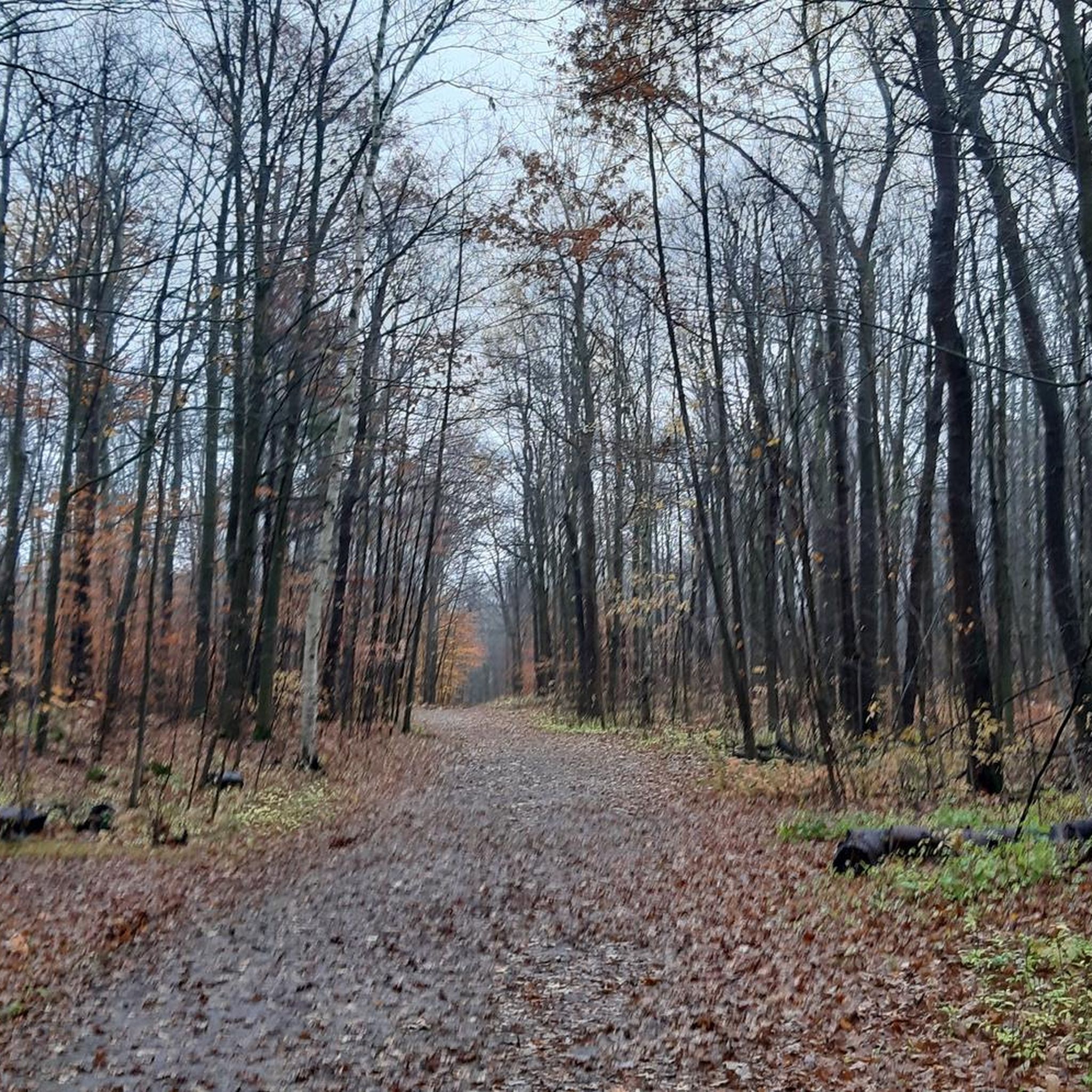
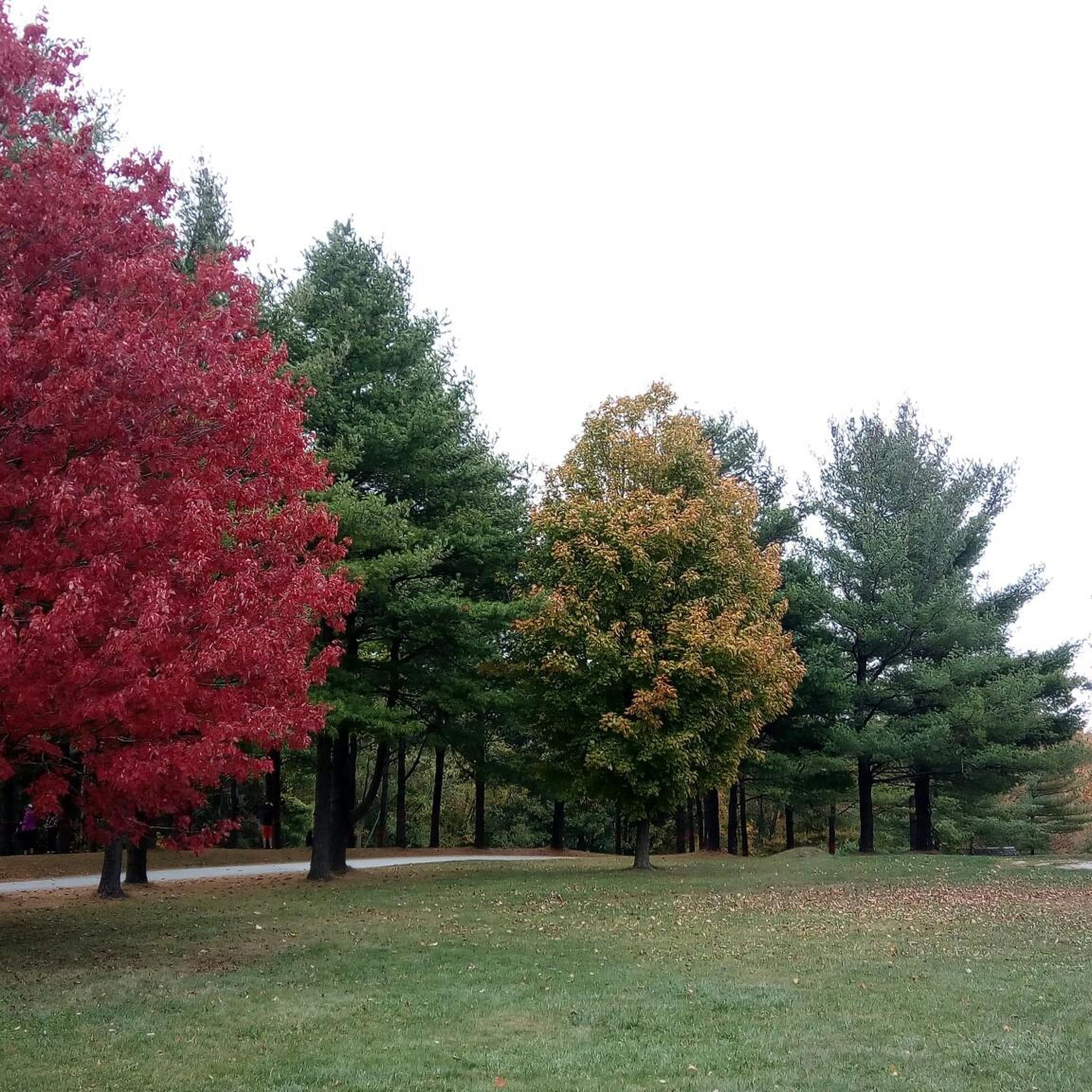
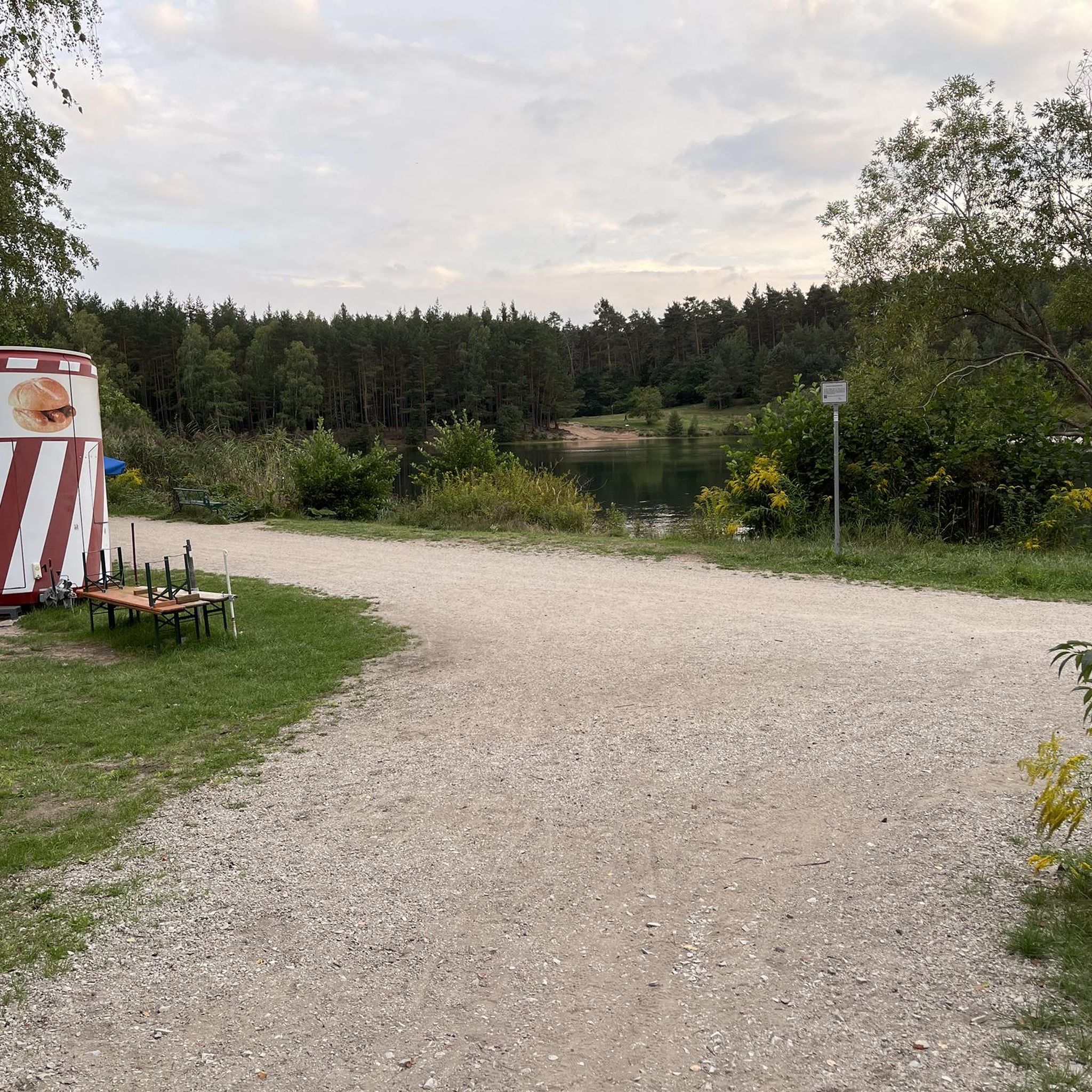

Tips from the Community

Following the edge of the Niagara Escarpment, the Vista Adventure Trail delivers some of the best views in the conservation area. Lookouts along the cliff edge reveal sweeping views across forests, farmland, and communities stretching towards Lake Ontario. The trail passes weathered limestone outcrops and cliffside cedar trees that have managed to survive in the thin escarpment soils for centuries. The route is mostly level but stays close to exposed edges in places, so take care near the viewpoints.
0
0

As you step out onto the escarpment’s edge, the limestone cliffs open into a sweeping view of valleys and farmland below. From here, you can watch for eagles soaring over your head or simply take in the wide panorama stretching toward the ridge tops. It's the perfect place to pause and absorb the beautiful landscape before continuing on the trail.
1
0
This section of the Bruce Trail follows the Niagara Escarpment’s crest through mixed forest, rocky ridges, and quieter woodland interior. Characterized by its classic white blazes, rolling terrain, and varied trail surfaces, it’s a fantastic route through both sheltered canopy paths and open bluff edges with occasional views across the valley. It forms the backbone of many loop hikes in the area, including routes that link escarpment lookouts, canyon descents, and conservation lands.
0
0
This boardwalk runs for about 150 metres, crossing Limestone Creek and winding through the lowlands before linking back up with the main trail. It's a nice place to slow down, take a quiet pause in the wetlands before heading up to higher ground.
0
0
Pinnacle Lookout is a fantastic cliff-edge viewpoint perched atop a dramatic limestone escarpment. A short hike along forested trails brings you to this rocky outcrop, where wide panoramas open up over forests, farmland, and the surrounding Niagara Escarpment landscape. This lookout is one of several notable viewpoints in the park, and is an ideal spot to spend time taking in the scenery and capturing a few photos while you're here.
0
0
This short trail, just over 1.6 kilometres, circles Crawford Lake on a wide, accessible boardwalk that protects the sensitive shoreline while offering close-up views of the water. The lake itself is meromictic, meaning its layers don’t mix, preserving centuries of sediment that helped archaeologists uncover evidence of a 15th-century Wendat village nearby. Interpretive signs along the trail highlight Indigenous history, local ecology, and the lake’s unique geology, and it is a wonderful place to explore for casual walkers, families, and school groups. **Note: As of fall 2025, the boardwalk is temporarily closed for reconstruction, with completion expected by February 2026. Alternate trails in the area include Woodland, Escarpment, and Pine Ridge.
0
0

Translation of the information board Crawford Lake is a unique body of water referred to as the Meromictic Lake. In a meromictic lake, the water in the lower half of the lake does not mix with the water in the upper half. This results in a condition that preserves sediments in light and dark layers at the bottom of the lake. By examining the strata, scientists can learn about changes in climate, vegetation, human habitation, and atmospheric chemistry. Crawford Lake has garnered international attention as one of ten locations (including the Great Barrier Reef, the Baltic Sea, and the Antarctic Ice Sheet) that could be used to officially mark the end of the Holocene Epoch and the start date of the Anthropocene Epoch. This marker of change is known as the "Golden Spike".
0
0

This area is part of the Niagara escarpment ridge and represents ecological history of the region. Canyon in front of you is carved by the glacier migration millions years ago and left some outstanding ecosystem. This park is very popular with rock climbers and advanced hikers. Trails are very well marked and maintained. Enjoy and respect
0
0
Frequently Asked Questions
How many hiking trails are available in Crawford Lake Conservation Area?
Crawford Lake Conservation Area offers a wide variety of hiking experiences, with over 45 routes available. These range from easy strolls to more challenging treks, catering to all skill levels.
Are there easy trails suitable for families or casual walkers?
Yes, the area is very family-friendly. The Crawford Lake loop from Calcium Pits, which includes the peaceful boardwalk around the meromictic lake, is an excellent choice. This trail offers interpretive signage and close-up views of the unique lake, making it suitable for casual walkers and families.
What unique natural features can I see while hiking in Crawford Lake Conservation Area?
The most notable natural feature is Crawford Lake itself, a rare meromictic lake where layers of water do not mix, preserving thousands of years of history in its sediments. You'll also experience the dramatic landscapes of the Niagara Escarpment, a UNESCO World Biosphere Reserve, with lush forests and diverse flora.
Are dogs allowed on the hiking trails?
Yes, Crawford Lake Conservation Area is generally dog-friendly. Dogs are permitted on most trails but must be kept on a leash at all times. Always ensure you clean up after your pet to help maintain the natural beauty of the area for all visitors.
What are some of the more challenging hiking options in the area?
For a more challenging experience, consider the trails that venture into the Nassagaweya Canyon. The Nassagaweya Canyon via Bruce Trail loop is a moderate 9 km path that offers stunning canyon views and is part of the larger Bruce Trail system. Another option is the Escarpment Trail, which leads to a scenic lookout point.
Are there any historical or cultural attractions to explore?
Absolutely. The conservation area features a meticulously reconstructed 15th-century Iroquoian village, based on archaeological excavations. Visitors can explore three longhouses and engage with interpretive programs that shed light on Indigenous history and culture, including the Deer Clan Longhouse.
What do other hikers enjoy most about hiking here?
The area is highly rated by the komoot community, with an average score of 4.9 stars. Reviewers often praise the diverse trail system, the unique meromictic lake, and the blend of natural beauty with educational experiences like the Iroquoian village. Many appreciate the well-maintained paths and the scenic lookouts.
Are there any loop trails available for hikers?
Yes, many trails in Crawford Lake Conservation Area are designed as loops, offering varied scenery without retracing your steps. Examples include the Nassagaweya Canyon via Bruce Trail loop and the Wooden Bridge and Boardwalk – View of Rattlesnake Point loop from Crawford Lake Conservation Area, which provides distant views.
What is the best time of year to visit Crawford Lake Conservation Area for hiking?
Crawford Lake Conservation Area offers unique experiences year-round. Spring brings lush greenery and seasonal events like 'Sweet Water Season' for maple taffy. Summer is ideal for enjoying the full trail network. Fall showcases vibrant autumn foliage, while winter allows for snowshoeing and cross-country skiing on designated trails.
Is there parking available at Crawford Lake Conservation Area?
Yes, parking facilities are available at Crawford Lake Conservation Area. It's advisable to check the official conservation area website for current parking information, fees, and any reservation requirements, especially during peak seasons.
Can I connect to other hiking areas from Crawford Lake Conservation Area?
Yes, the area is well-connected. The Nassagaweya Canyon Trail, for instance, is part of the larger Bruce Trail system and connects Crawford Lake to Rattlesnake Point. You can explore routes like Rattlesnake Point and Crawford Lake to experience this connection.
Are there any educational trails for children?
The Species at Risk Trail, also known as the Hide and Seek Trail, is particularly engaging for children. It features larger-than-life wooden sculptures of endangered Ontario animals, providing an educational and interactive experience about local wildlife conservation.
Most popular routes in Crawford Lake Conservation Area
Most popular attractions in Crawford Lake Conservation Area

Get inspired with the komoot mobile app


Explore more
Browse the best Hikes in other regions.
