The best cycling routes in Reserva Natural De La Foz De Burgui
5.0
(2)
38
riders
5
rides
Touring cycling in Reserva Natural De La Foz De Burgui offers routes through a landscape characterized by deep gorges, river valleys, and varied elevation changes. The region features natural rock formations and dense vegetation, providing a diverse backdrop for cycling. Routes often traverse rural areas, connecting villages and offering views of the surrounding natural reserve. The terrain includes both challenging climbs and more moderate sections, catering to different levels of touring cyclists.
Best touring cycling routes in Reserva Natural De…
Last updated: May 6, 2026
18
riders
91.2km
06:08
1,480m
1,480m
Hard bike ride. Very good fitness required. Mostly paved surfaces. Suitable for all skill levels.
4
riders
32.0km
02:26
460m
450m
Hard bike ride. Very good fitness required. Mostly paved surfaces. Suitable for all skill levels.

Sign up for free
1
riders
22.1km
02:30
860m
860m
Hard bike ride. Very good fitness required. Mostly paved surfaces. Suitable for all skill levels.
5.0
(2)
8
riders
36.7km
02:18
410m
410m
Moderate bike ride. Good fitness required. Mostly paved surfaces. Suitable for all skill levels.
7
riders
98.5km
06:26
1,400m
1,400m
Hard bike ride. Very good fitness required. Mostly paved surfaces. Suitable for all skill levels.
Our route recommendations are based on thousands of hikes, rides, and runs completed by other people on komoot.
Start today with a free account
Your next adventure awaits.
Login or Signup
Popular around Reserva Natural De La Foz De Burgui

Tips from the Community

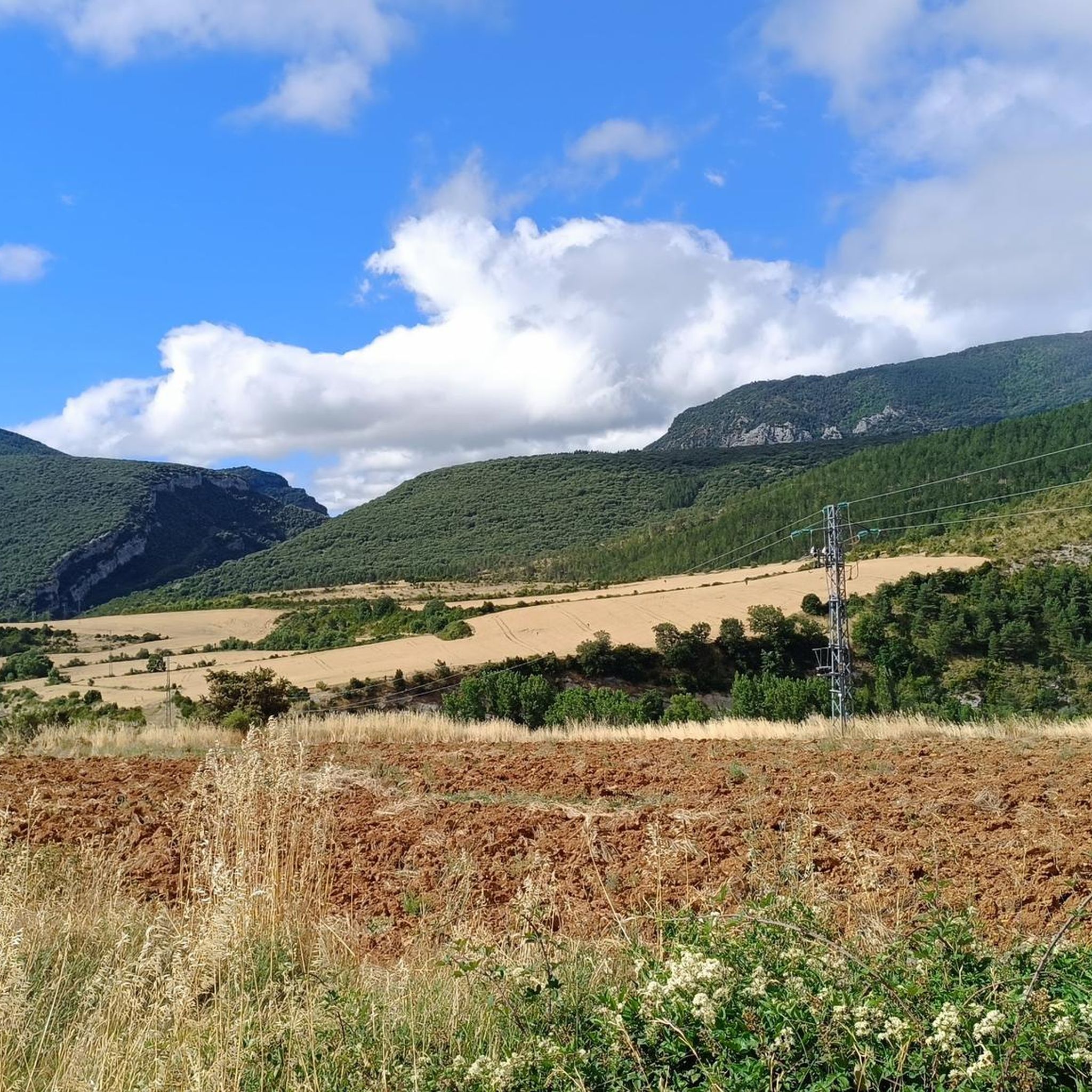
Burgui is the starting point in the lower or southern part of the Roncal Valley, which ends in Belagua, at the foot of the Piedra de San Martín. It is a very pretty and peaceful village, with all kinds of services for staying for a few days and using it as a starting point for the various cycling excursions in the area. It is also highly recommended to reach Burgui via the road from Salvatierra de Esca, following the course of the Esca River through the Esca Gorge.
0
0
Without a doubt, the Col de la Piedra de Saint Martin or Pierre Saint-Martin is one of the Top 10 in the whole of the Pyrenees. Without exceeding 2000 metres of altitude, it is a very long pass, with a lot of accumulated gradient (due to the innumerable French slopes, the gradient is 1,450 metres), with very hard slopes and several kilometres above 10%, with wonderful landscapes and panoramic views and with little traffic, except for the slopes crossed by the main road (D132 in France, the NA 137 in Spain). It is a pass with many slopes; in Europe there are few other passes that have as many slopes as this one (col de Turini, Passo delle Erbe, would be comparable in number of slopes approximately). I have only climbed it by 2 slopes: (i) my first time was from Lourdios Ichère, crossing the col de Labays and the col de Soudet. Simply spectacular; (ii) I have subsequently climbed the Spanish side on several occasions, which is unique, and which starts from Belagua and crosses the Belagua cross-country ski resort to reach the mountain pass. It is also very beautiful, with a landscape and views different from the north-east side. If I had to choose one of the two, I liked the north-west side better because it is more remote, harder and in my opinion more authentic. It is also a culturally special mountain pass because the Tribute of the 3 cows takes place on its summit every 13th of July, which is considered the oldest treaty in force in Europe. So... you know... you cannot miss the opportunity to come here and enjoy this wonderful jewel of the Pyrenees!!!!
1
0

Isaba, also known as Izaba in Basque, is a picturesque village located in the Roncal Valley in the Navarrese Pyrenees, northern Spain. This charming village is known for its rich history dating back to the Middle Ages, when it was a strategic outpost for the Kingdom of Navarre. Isaba offers breathtaking scenery with lush green meadows in spring, colorful autumn leaves and snow-capped mountains in winter.
1
0

Large beautifully designed fountain with fresh water. Right on the street.
1
0

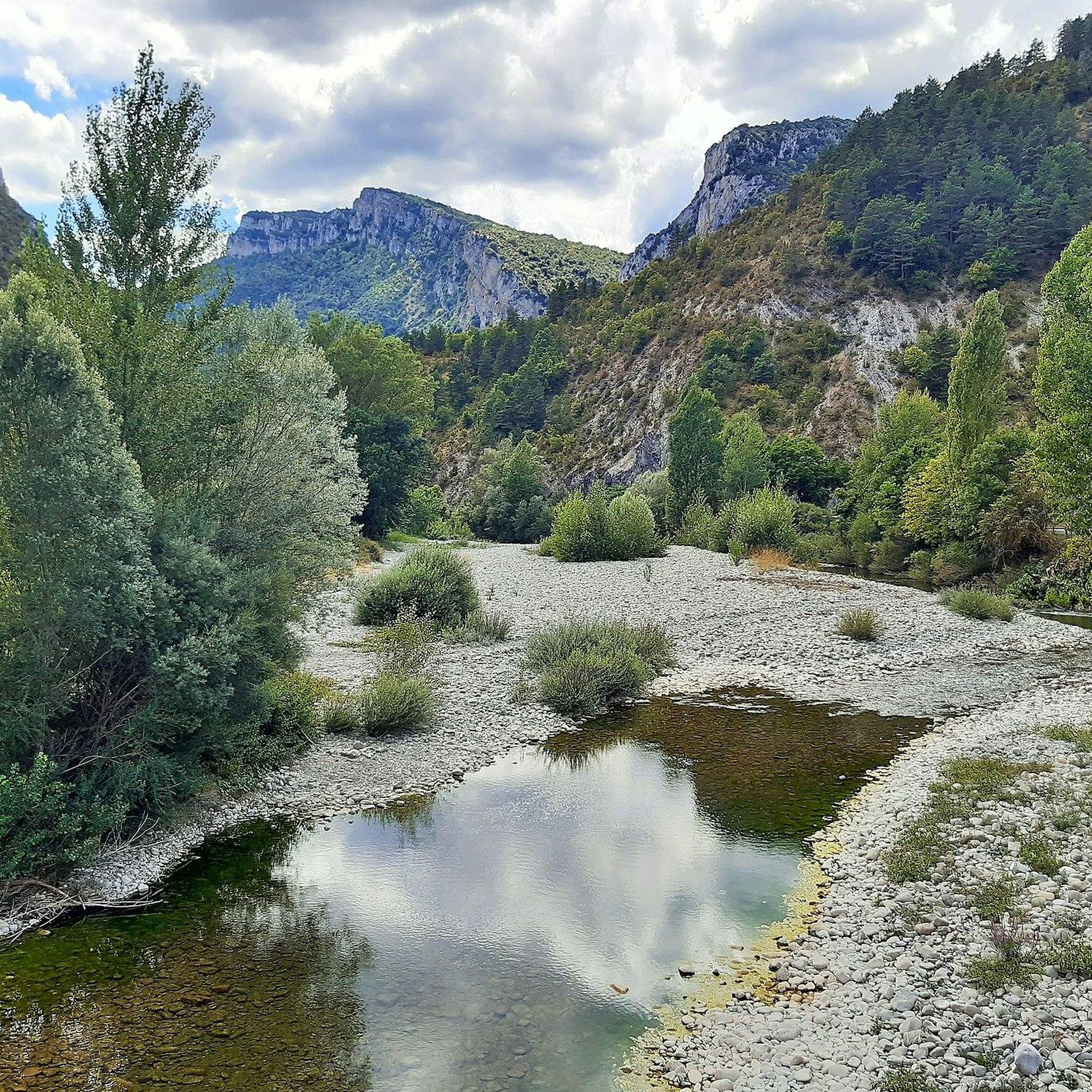
A picturesque village located on the banks of the Ezka River and at the gateway to the Foz de Burgui Nature Reserve, a wonderful place that can be crossed by driving along the road parallel to the river.
3
0

The Foz de Fago is very close to the town of Fago. Gorge canyon very well excavated and with all kinds of attractions, jumps, siphons, waterfalls that force us to rappel... It is famous for its descents in good times, with equipped material and technique. From the road you can see the narrow sections of the river.
1
0

Nice and impressive cave near the road. Bring a flashlight to see everything. There is also a pool and waterfall where you can take a cold bath before continuing.
3
0
Small and picturesque, it is worth visiting to see its hermitages and architecture. There are restaurants, bars, supermarkets etc if you need anything.
2
0
Frequently Asked Questions
How many touring cycling routes are available in Reserva Natural De La Foz De Burgui?
There are 5 touring cycling routes documented in Reserva Natural De La Foz De Burgui, offering a variety of experiences through the region's unique landscape.
What is the general difficulty level of touring cycling routes in the Reserva Natural De La Foz De Burgui?
The routes in Reserva Natural De La Foz De Burgui are predominantly challenging, with 4 out of 5 routes rated as 'difficult'. These often feature significant elevation gains and cover substantial distances. There is also one 'moderate' route available.
Are there any circular touring cycling routes in the reserve?
Yes, all the touring cycling routes listed for Reserva Natural De La Foz De Burgui are circular. For example, you can explore the Cueva del Ibón – Pierre Saint-Martin Pass loop from Burgui / Burgi or the Yesa Reservoir – Yesa Dam loop from Sigüés.
What kind of views can I expect on the touring cycling routes?
Touring cycling routes in Reserva Natural De La Foz De Burgui offer diverse scenery, including deep gorges, river valleys, and expansive mountain views, especially on routes like the Cueva del Ibón – Pierre Saint-Martin Pass loop from Burgui / Burgi which leads through mountain passes. You'll also encounter rural landscapes and reservoir areas.
What is the longest touring cycling route in the area?
The longest touring cycling route in Reserva Natural De La Foz De Burgui is the Urzainqui Village – Burgui loop from Uztárroz / Uztarroze, which spans 61.2 miles (98.5 km) and typically takes over 6 hours to complete.
What is the best time of year for touring cycling in Reserva Natural De La Foz De Burgui?
Given the region's mountainous terrain and potential for varied weather, spring and autumn generally offer the most pleasant conditions for touring cycling, with milder temperatures and less extreme weather. Summer can be warm, especially in the valleys, while winter may bring colder temperatures and snow at higher elevations.
What should I consider regarding parking when planning a touring cycling trip?
Many routes in the region start from or pass through villages like Burgui, Uztárroz, or Sigüés. It's advisable to check for available parking facilities in these villages when planning your starting point. Specific parking information for trailheads is often available on local tourism websites or within the komoot tour details.
Can I expect to see wildlife while touring cycling in the reserve?
Reserva Natural De La Foz De Burgui is known for its natural environment, including deep gorges and dense vegetation. While specific sightings are never guaranteed, the area is home to various bird species and other local wildlife. Cycling quietly through less populated areas increases your chances of observing nature.
What do other touring cyclists say about the routes in Reserva Natural De La Foz De Burgui?
The touring cycling routes in Reserva Natural De La Foz De Burgui are highly rated by the komoot community, with an average score of 5.0 stars from over 2 reviews. Cyclists often appreciate the diverse terrain, from river gorges to mountain passes, and the comprehensive experience of the local area offered by routes connecting various villages.
Are there any challenging routes for experienced touring cyclists?
Absolutely. Most routes in the reserve are rated as 'difficult'. For a significant challenge, consider the Cueva del Ibón – Pierre Saint-Martin Pass loop from Burgui / Burgi, which features substantial elevation gain over 56.7 miles (91.2 km) and leads through demanding mountain passes.
Are there any routes that pass through villages or offer a cultural experience?
Yes, several routes connect villages, providing a glimpse into the local culture and architecture. The Urzainqui Village – Burgui loop from Uztárroz / Uztarroze is a prime example, linking multiple communities and offering a comprehensive experience of the local area.
What kind of terrain can I expect on the touring cycling routes?
The terrain in Reserva Natural De La Foz De Burgui is varied, ranging from paved roads through rural areas and villages to sections with significant climbs and descents, particularly when traversing mountain passes. You'll encounter landscapes shaped by river gorges, reservoirs, and natural rock formations.
Are there options for less experienced touring cyclists?
While most routes are rated 'difficult', there is one 'moderate' option available: the Yesa Reservoir – Yesa Dam loop from Sigüés. This 22.8-mile (36.7 km) trail offers a less strenuous experience through the reservoir area, suitable for those looking for a more relaxed ride.
Most popular routes in Reserva Natural De La Foz De Burgui

Get inspired with the komoot mobile app


Explore more
Browse the best Cycling routes in other regions.
