Attractions and Places To See in Spray Valley Provincial Park - Top 13
Best attractions and places to see in Spray Valley Provincial Park are characterized by dramatic mountain landscapes, expansive lakes, and diverse recreational opportunities within the Canadian Rockies. This vast mountain wilderness spans 25,406 hectares of rugged montane and alpine terrain, with elevations ranging from 1,600 to over 3,000 meters. The park is home to prominent features like the Spray Lakes Reservoir and imposing peaks such as Mount Galatea, and holds ongoing cultural significance for the Stoney Nakoda First Nation. Visitors…
Last updated: May 8, 2026
Bow Valley Wildland Provincial Park
Highlight • Natural
Tip by

Ribbon Creek Canyon
Highlight • Canyon
Tip by

Sign up now to discover places like this
Get recommendations on the best single tracks, peaks, & plenty of other exciting outdoor places.
Sign up for free
Watridge Lake Trail
Highlight (Segment) • Trail
Tip by
Spray Valley Provincial Park
Highlight • Natural
Tip by
Tent Ridge
Highlight • Summit
Tip by

Sign up for free to discover even more attractions in Spray Valley Provincial Park.
Sign up for free
Already have an account?
Start today with a free account
Your next adventure awaits.
Login or Signup
Popular around Spray Valley Provincial Park
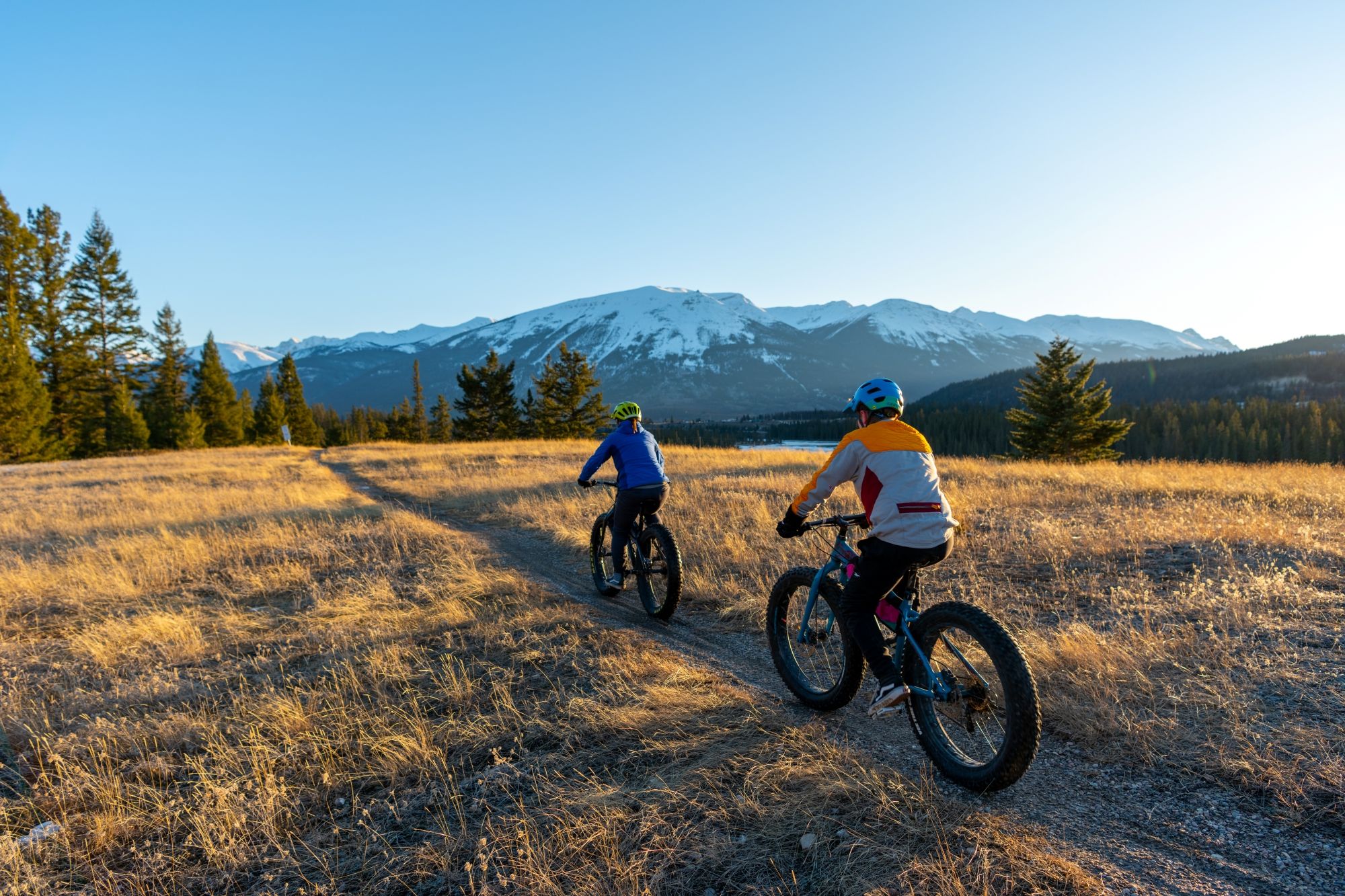
Hop on the trails – mountain biking & fat biking in Alberta
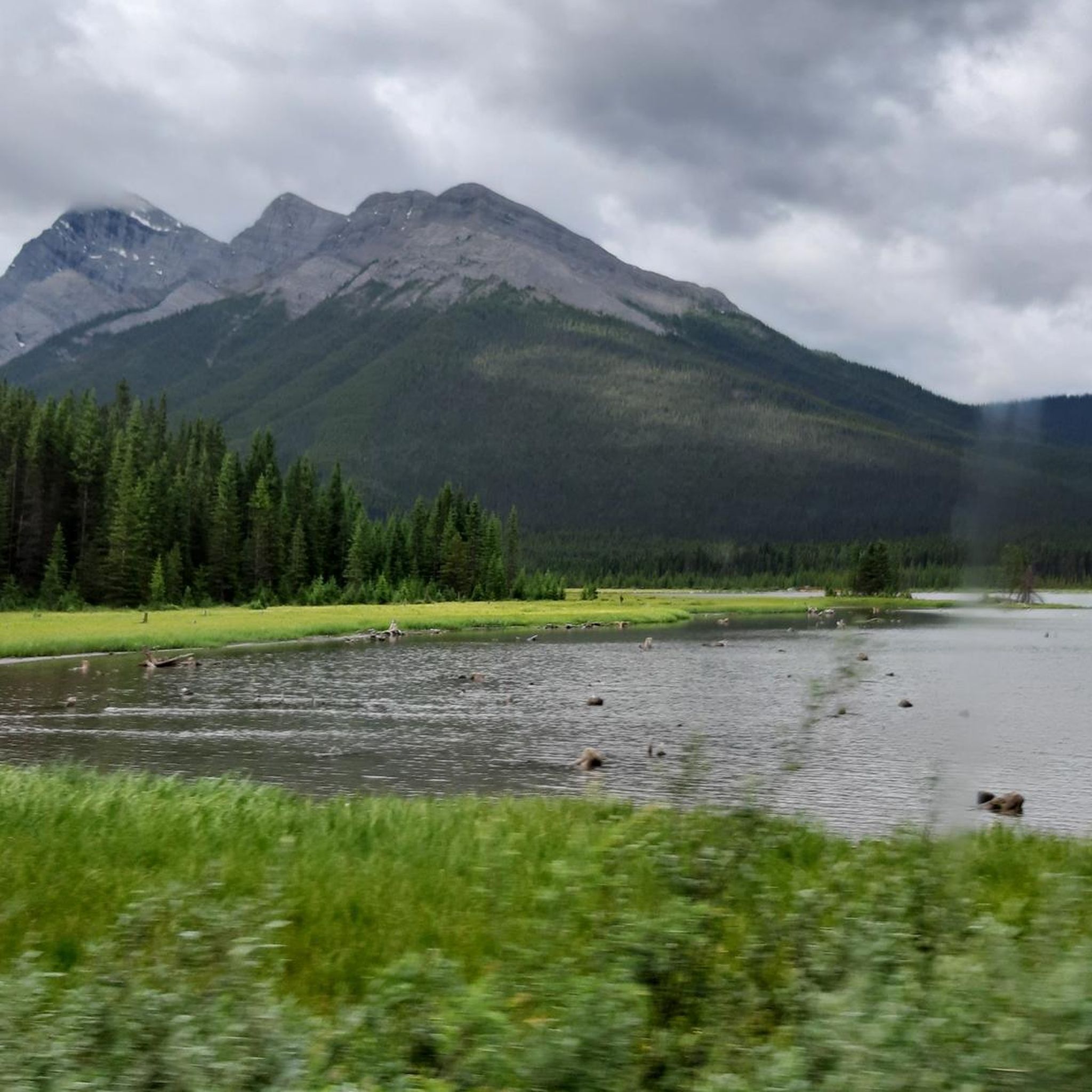
Hiking in Spray Valley Provincial Park
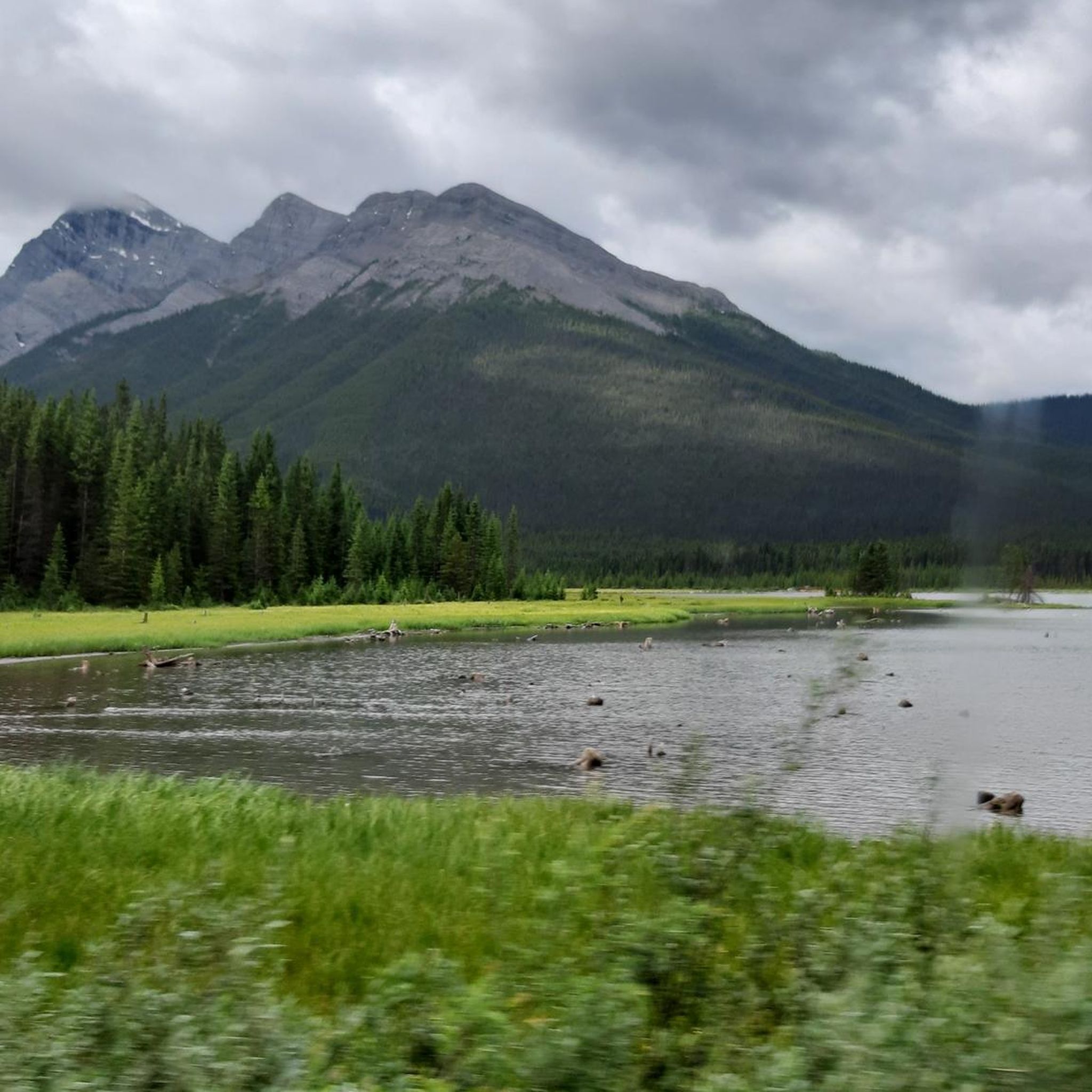
Cycling in Spray Valley Provincial Park
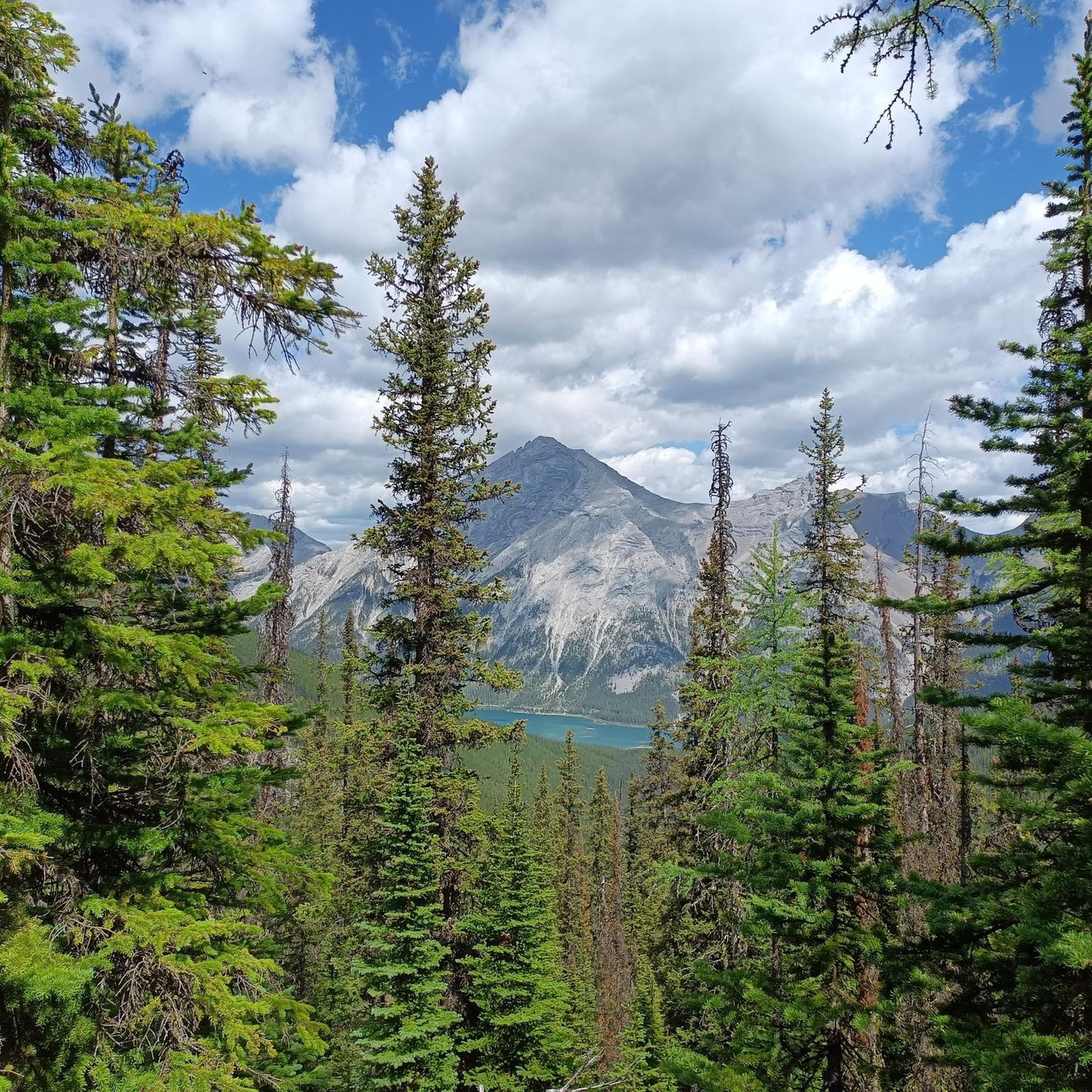
MTB Trails in Spray Valley Provincial Park
Road Cycling Routes in Spray Valley Provincial Park
Running Trails in Spray Valley Provincial Park

Gravel biking in Spray Valley Provincial Park
Other adventures in Spray Valley Provincial Park

Tips from the Community

Covering more than 32,000 hectares of rugged wilderness, Bow Valley Wildland Provincial Park protects a stretch of alpine peaks, river valleys, and subalpine forest between Canmore and Kananaskis Country. It’s home to trails like Three Sisters Pass, Ribbon Lake, and Mount Allan, offering a quieter alternative to nearby Banff. A Kananaskis Conservation Pass is required for vehicle access and parking within the park. For more information: https://www.alberta.ca/kananaskis-conservation-pass
0
0

Tent Ridge offers up great views along its entire spine. You can reach the summit via a steep scramble and most people hike the Trent Ridge Horseshoe, though you can also reach the ridge from Tryst Lake. However, the trail up from the lake is more of a suggestion and your actual way up will involve some bushwhacking on a steep, forested slope.
0
0
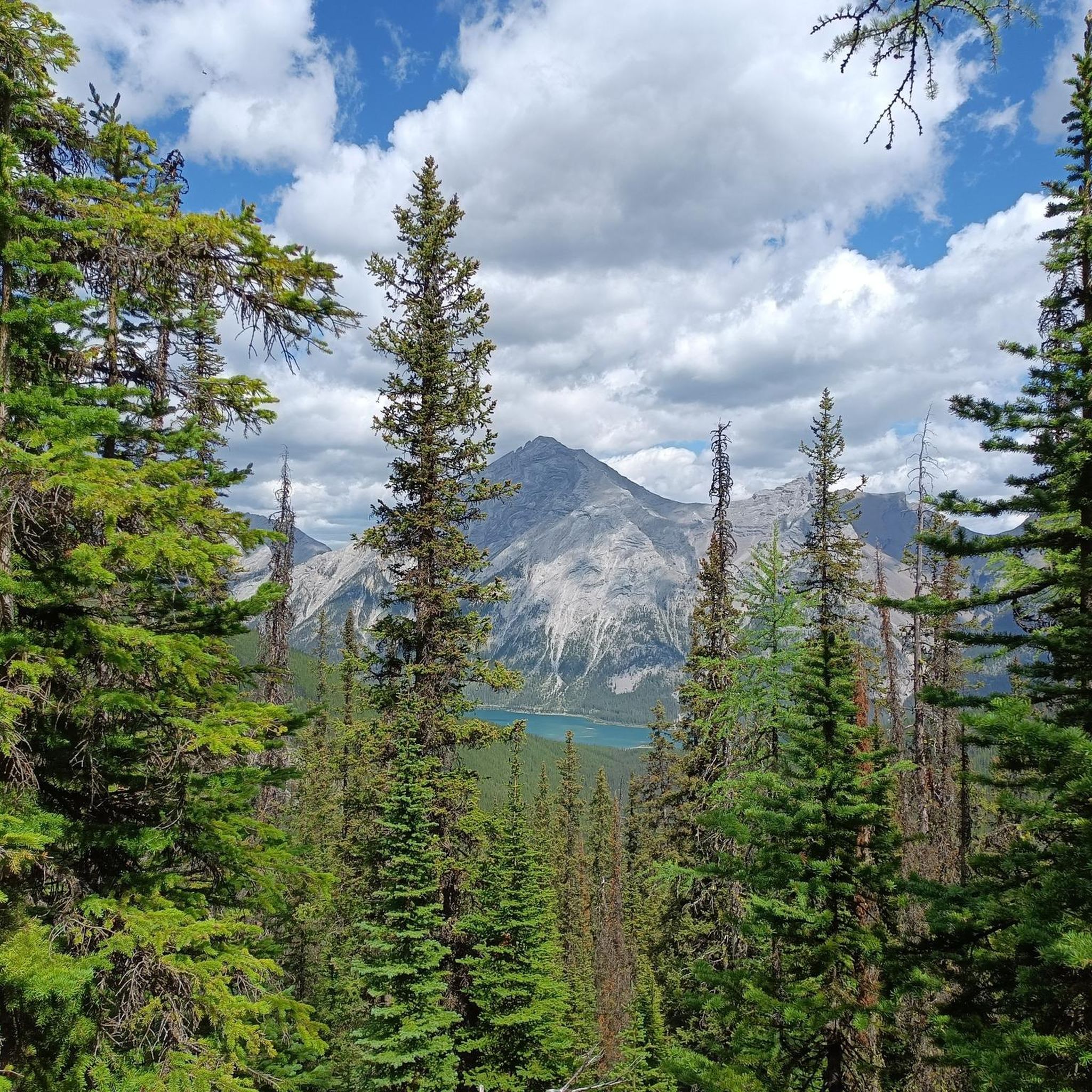
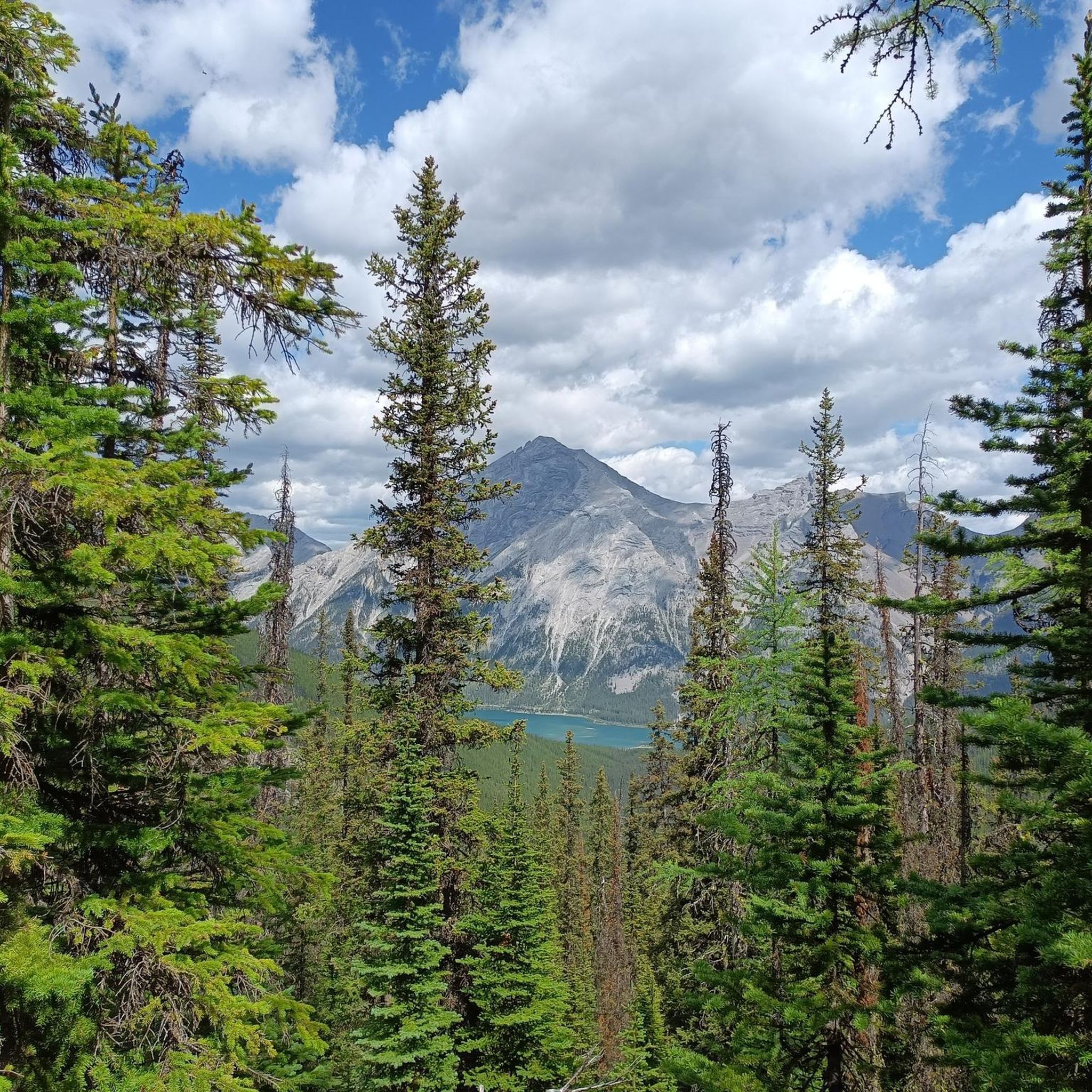
Stretching south of Canmore, Spray Valley Provincial Park is a vast mountain wilderness of forests, alpine lakes, and rugged peaks. The park is home to popular trails like Watridge Lake and Mount Sparrowhawk, as well as abundant wildlife including moose, elk, and grizzly bears. It’s a quieter alternative to Banff — ideal for hikers seeking big mountain scenery with fewer crowds.
0
0
This wide, well-graded trail follows an old fire road through the forest to Watridge Lake, offering gentle elevation gain and mountain views along the way. The route is popular with both hikers and cyclists, but recent bear activity has led to active bear warnings — including sightings of a grizzly known locally as “Wat.” Only attempt this hike if you’re confident in how to respond to wildlife encounters, carry bear spray, and make noise along the trail.
0
0

Ribbon Creek has carved Ribbon Creek Canyon through Spray Valley Provincial Park, where the creek cascades down and creates falls and pools. Ribbon Creek Trail follows the canyon and extends all the way out to Ribbon Lake.
0
0
Frequently Asked Questions
What are some popular hiking trails in Spray Valley Provincial Park?
The park offers a variety of trails for different skill levels. Popular options include the Watridge Lake Trail, a wide, well-graded route popular with hikers and cyclists. For more challenging options, consider the Tent Ridge Horseshoe, which offers panoramic views, or the demanding journey to Ribbon Lake.
Are there any challenging hikes for experienced adventurers?
Yes, experienced hikers can tackle routes like the Tent Ridge Horseshoe, which involves a steep scramble and offers expansive views. The trail to Ribbon Lake is also considered challenging, leading to incredible viewpoints between Mount Kidd and Mount Bogart. Other challenging options mentioned in the region research include Burstall Pass, Buller Pass, and the High Rockies Trails.
What are some easier or beginner-friendly hiking options?
For a more accessible experience, the Watridge Lake Trail is an intermediate option with gentle elevation gain, suitable for both hikers and cyclists. The Karst Spring Trail is a shorter 1.6 km out-and-back route from Mt. Shark day-use, leading to a unique natural phenomenon. Wedge Pond also offers a beautiful riverside picnic area with easy access.
Can I go cycling or mountain biking in the park?
Yes, Spray Valley Provincial Park is excellent for cycling and mountain biking. The Watridge Lake Trail is popular with cyclists. You can find various routes, including the Goat Creek Trail which connects into Banff National Park, and sections of the High Rockies Trail. For more options, explore the MTB Trails in Spray Valley Provincial Park guide or the Cycling in Spray Valley Provincial Park guide.
What kind of wildlife can I expect to see?
Spray Valley Provincial Park is an important wildlife corridor, offering excellent opportunities for wildlife viewing. Visitors often spot moose, elk, deer, mountain goats, and bighorn sheep. Both black and grizzly bears are also present, so it's essential to carry bear spray and make noise on trails, especially in areas like the Watridge Lake Trail where bear activity has been noted.
Are there family-friendly activities or attractions?
The park offers several family-friendly options. The Watridge Lake Trail is an accessible choice for families, and Wedge Pond provides a scenic spot for picnics. Many day-use areas throughout the park are suitable for family outings, offering picnic sites and easy access to nature.
What are the best viewpoints in Spray Valley Provincial Park?
For breathtaking panoramic views, the Tent Ridge Horseshoe is highly recommended, offering vistas along its entire spine. The Spray Lakes Reservoir itself provides stunning mountain backdrops, especially when driving the scenic Smith-Dorrien Trail. The western end of Ribbon Lake also offers incredible viewpoints.
What water-based activities are available on Spray Lakes Reservoir?
The Spray Lakes Reservoir is a hub for water-based recreation. You can enjoy canoeing, kayaking, and sailing on its turquoise waters. Fishing and ice fishing are also popular activities, making it a versatile destination for aquatic adventures.
What is the best time to visit Spray Valley Provincial Park?
The park is generally accessible year-round, but the best time depends on your preferred activities. For hiking and water sports, late June to early October is ideal, as trails like Ribbon Lake are usually free of snow during this period. Winter transforms the park into a paradise for cross-country skiing, snowshoeing, and ice fishing, with an extensive winter trail network.
Are there any cultural or historical sites in the park?
The area holds ongoing cultural significance for the Stoney Nakoda First Nation, who have utilized the land for hunting, gathering, and ceremonies for approximately 8,000 years. Additionally, the park has a history of early hydroelectric development by TransAlta in the mid-20th century, and Fortress Mountain, within the park's vicinity, was once a popular ski resort and filming location.
What winter activities can I do in Spray Valley Provincial Park?
During winter, the park is ideal for cross-country skiing and snowshoeing, with an extensive network of trails maintained for these activities. Ice fishing on the Spray Lakes Reservoir is another popular winter pastime. The Rummel Lake Trail is specifically maintained for winter use, offering a unique experience in K-Country.
Are there any permit requirements for visiting Spray Valley Provincial Park?
Yes, a Kananaskis Conservation Pass is required for vehicle access and parking within the park, as it is part of Kananaskis Country. This pass helps support conservation efforts and visitor services in the region. For more information, you can refer to the Alberta Parks website.
What are some scenic drives within or near the park?
The **Smith-Dorrien Trail (Highway 742)** is a major scenic drive that runs through much of Spray Valley Provincial Park, offering breathtaking scenery along the eastern shores of the Spray Lakes Reservoir. This gravel road connects Canmore to the Lower Kananaskis Lake area. The **Kananaskis Trail (Highway 40)** also provides access to various day-use areas and offers picturesque views.
Most popular routes in Spray Valley Provincial Park
Most popular attractions in Spray Valley Provincial Park

Get inspired with the komoot mobile app


Explore more
Still not found the Highlight you’re looking for? See guides of the top attractions in other regions:
