The best road cycling routes in Whistler Interpretive Forest
122
riders
5
rides
Road cycling routes in Whistler Interpretive Forest feature a diverse network of well-paved trails, offering varied terrain and scenic landscapes. The area is characterized by its connectivity to the broader Whistler Valley Trail network, which includes routes around lakes like Green Lake. Cyclists can expect moderate elevation gains and paths that follow natural features such as the Cheakamus River. The forest encompasses varied ecosystems, providing a blend of recreational opportunities.
Best road cycling routes in Whistler Interpretive Forest
- The most popular road cycling route is Green Lake docks loop from Cheakamus Crossing, a 16.5 miles (26.5 km) trail that takes 1 hour 14 minutes to complete. This moderate route offers views of Green Lake and connects to the wider trail network.
- Another top favourite among local road cyclists is Larry's Viewpoint loop from Function Junction, a moderate 22.6 miles (36.4 km) path. This route provides significant elevation gain and expansive vistas of the surrounding landscape.
- Local road cyclists also love the Green Lake – Green Lake Lookout loop from Bear Ridge, a 17.3 miles (27.8 km) trail leading through diverse forest ecosystems, often completed in about 1 hour 17 minutes.
- Road cycling in Whistler Interpretive Forest is defined by its well-maintained paved surfaces, routes along the Cheakamus River, and connections to the Whistler Valley Trail network. The network offers options for easy and moderate ability levels.
- The routes in Whistler Interpretive Forest are highly rated by the komoot community with an average score of 5.0 stars from over 1 review. More than 400 road cyclists have used komoot to explore Whistler Interpretive Forest's varied terrain.
Last updated: July 24, 2026
44
riders
36.4km
01:50
590m
590m
Moderate road ride. Good fitness required. Mostly well-paved surfaces and easy to ride.
8
riders
71.9km
03:57
780m
780m
Moderate road ride. Good fitness required. Some segments of this route may be unpaved and difficult to ride.

Sign up for free
27
riders
25.5km
01:28
300m
300m
Moderate road ride. Good fitness required. Some segments of this route may be unpaved and difficult to ride.
12
riders
23.2km
01:07
230m
230m
Easy road ride. Great for any fitness level. Mostly well-paved surfaces and easy to ride.
17
riders
16.7km
00:44
120m
120m
Easy road ride. Great for any fitness level. Mostly well-paved surfaces and easy to ride.
Our route recommendations are based on thousands of hikes, rides, and runs completed by other people on komoot.
Start today with a free account
Your next adventure awaits.
Login or Signup
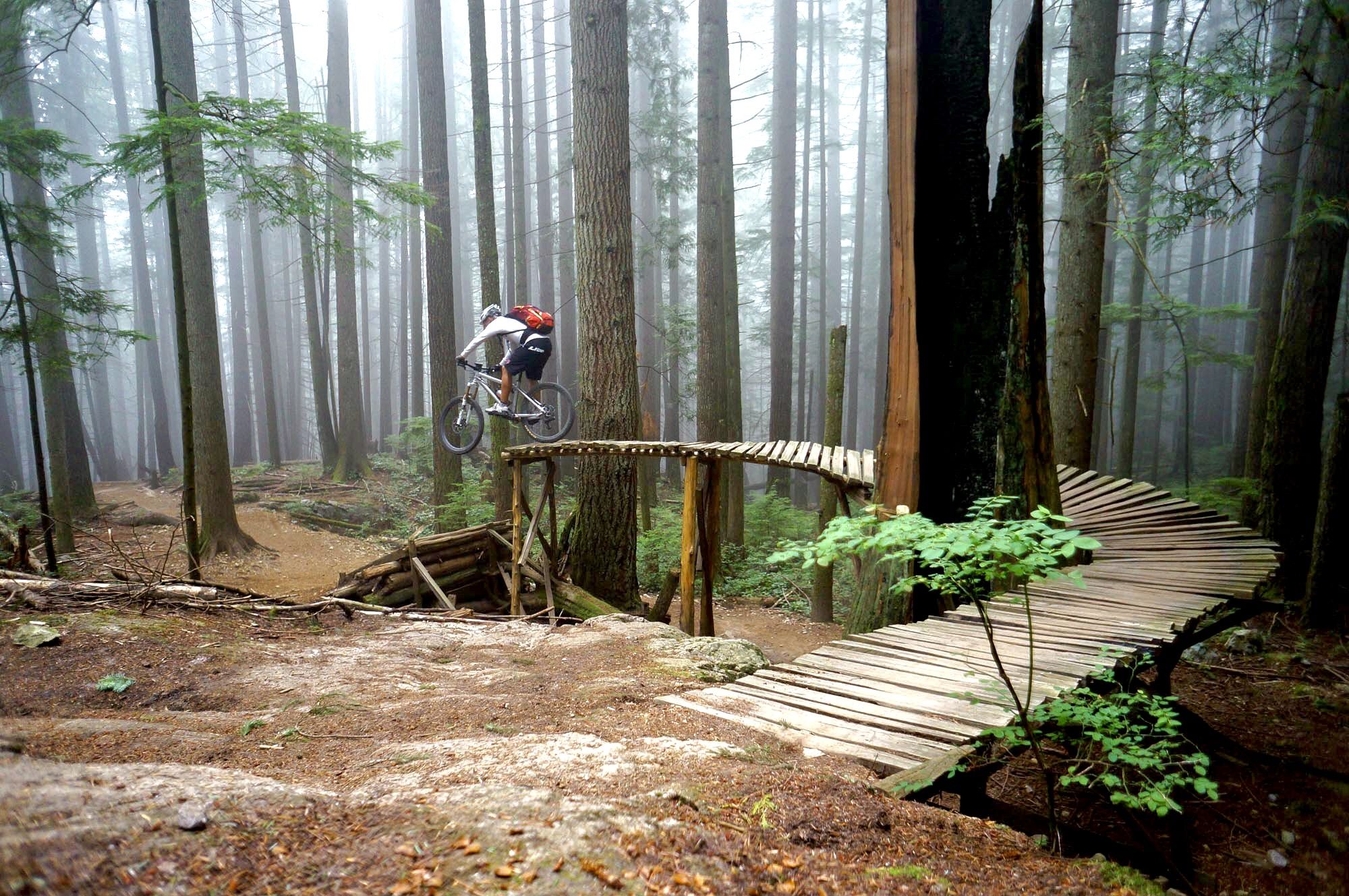
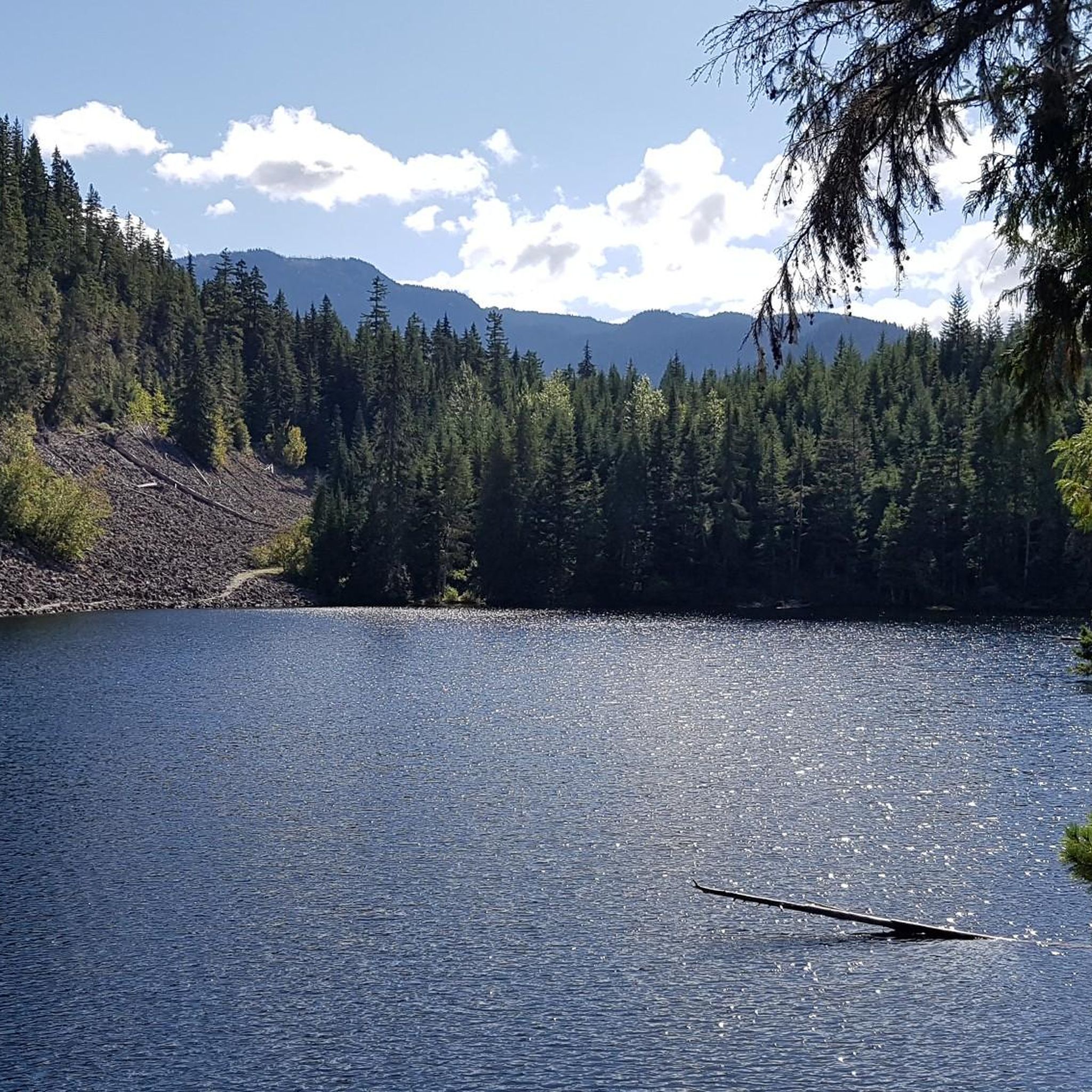
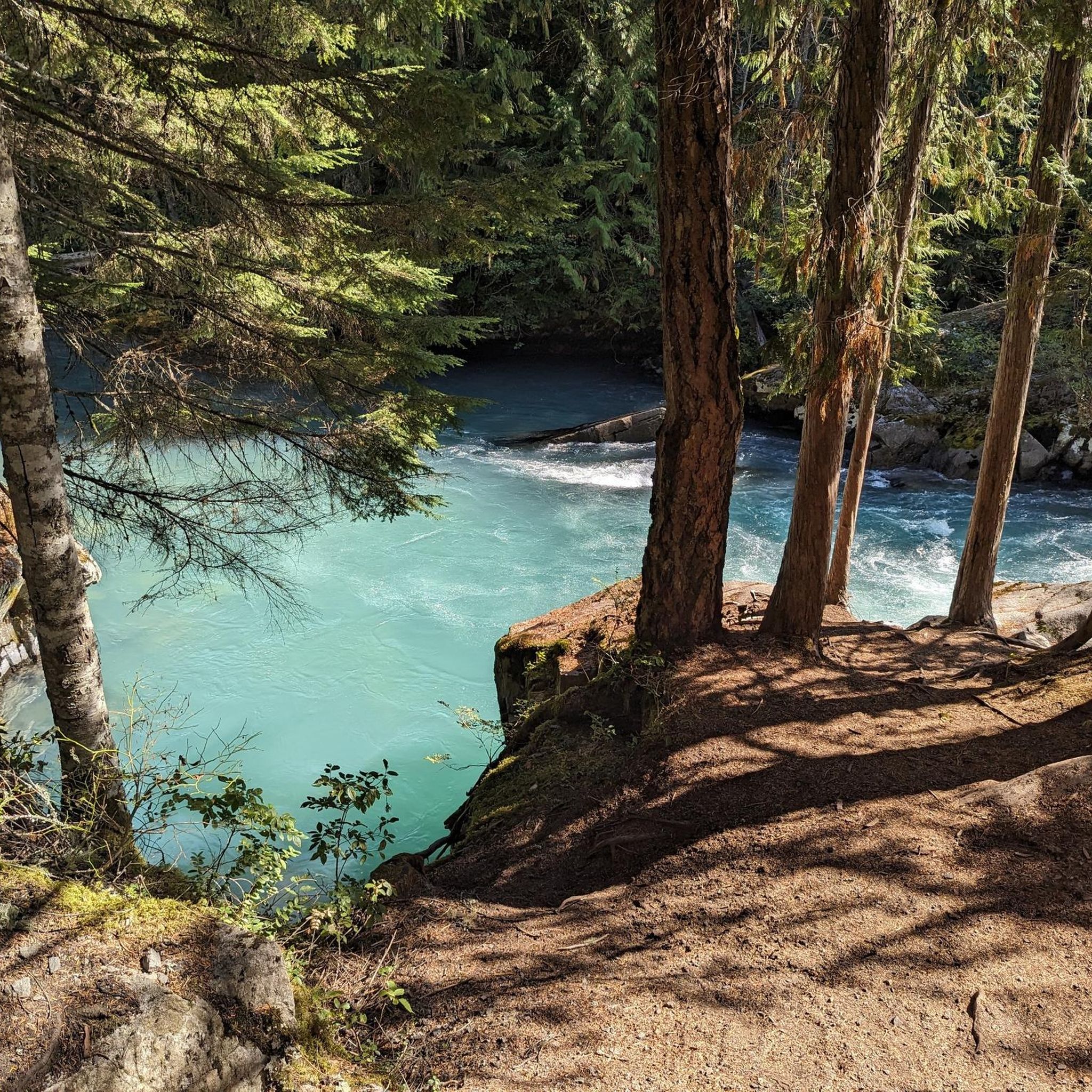
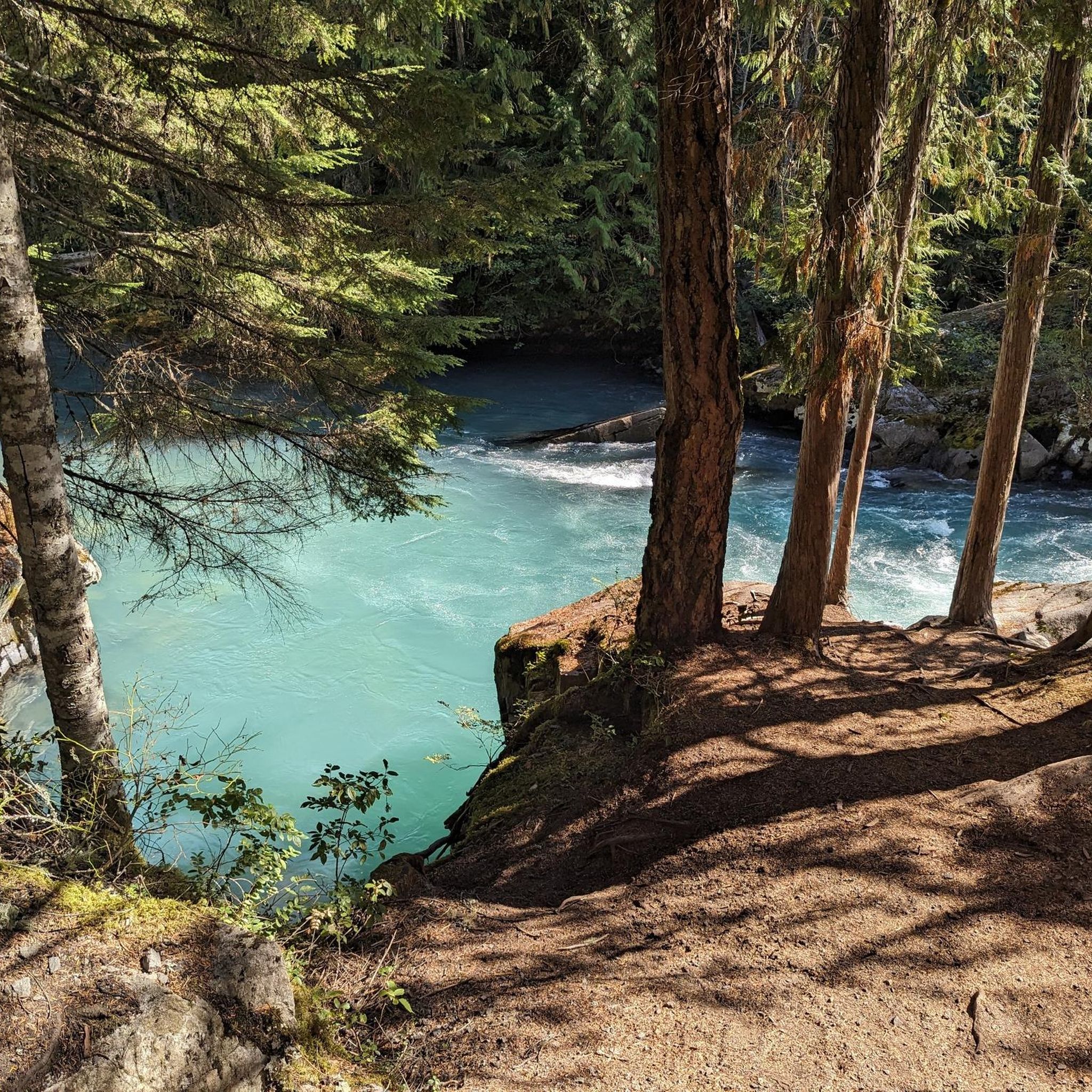
Other adventures in Whistler Interpretive Forest

Tips from the Community


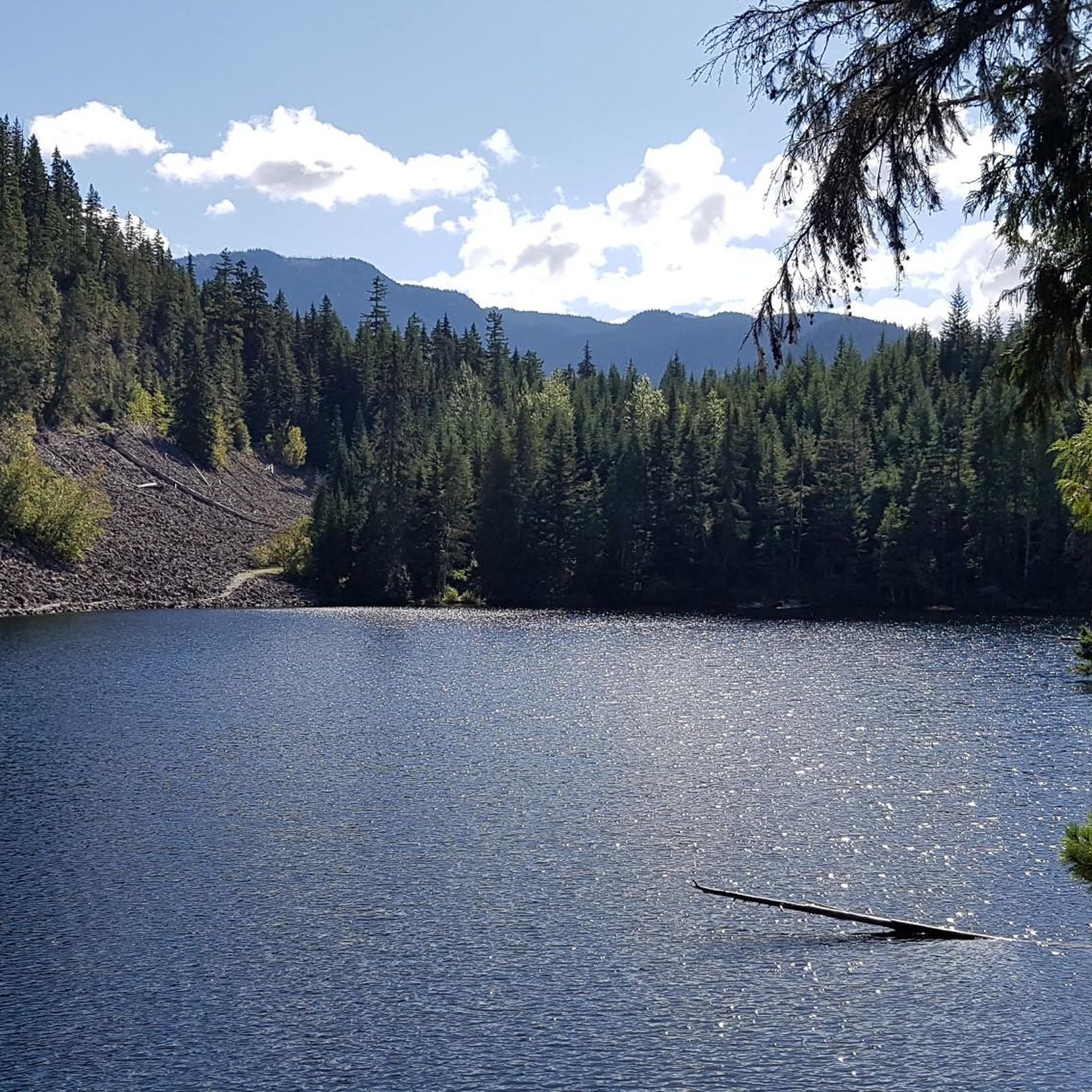
Tucked in the forest just outside Whistler Village, Lost Lake is a beautiful, quiet spot surrounded by tall evergreens and mountain views. It’s a popular spot for swimming and paddleboarding in summer, with trails around its perimeter perfect for hiking and biking. In winter, the area transforms into a snowy network of cross-country ski and snowshoe trails, offering a quiet escape just minutes from town.
1
0

Lakeside Park is located on the southeast shore of Alta Lake. During the summer months, the beach is used for swimming. https://www.whistler.ca/parks-recreation-culture/parks/lakeside-park/
2
0
Alta Lake was formed by glacial retreat and subsequent sediment deposition, creating depressions that filled with meltwater. Alta Lake and other nearby lakes, such as Green Lake, are part of a large watershed whose waters flow north to the Lillooet River and south to the Cheakamus River. Historically, water flowed both north and south from Alta Lake, which lies at the top of the pass. This natural dual drainage system of the lake ended with the arrival of settlers. https://fireandicegeoregion.ca/geosite/whistler-valley-lakes-and-watershed-divide/
2
0
Green Lake is the largest lake in the Whistler region. To the north, it is the source of the Green River, which drains into the Lillooet River. Green Lake was formed during the last Ice Age, when sediment was deposited in the U-shaped valley, forming lake basins. The lake's green color is due to the glacial silt of Fitzsimmons Creek. From the wooden boardwalk on the southwest shore, we have a magnificent view of the lake and the seaplane landing. In the background, we can see the peaks of the Garibaldi Range, from Wedge Mountain to Mount Currie, including Mount Weart with the Armchair Glacier. https://www.piquenewsmagazine.com/local-news/naturespeak-awesome-geology-sites-around-whistlergreen-lake-part-2-7576124
2
0
The Lost Lake PassivHaus is the first passive house in Canada. It is located at the main entrance of Lost Lake Park. The building was initially used as accommodation for the Austrian Olympic Committee and Austrian Broadcasting, which broadcasted live to Austrian audiences during the 2010 Winter Olympics. After the Games, the Austrian Passive House Group donated it to the Municipality of Whistler. The building now serves as a day lodge, office and meeting space for the Whistler Off-road Cycling Association (WORCA) and Whistler Nordics, as well as a cross-country ski and mountain bike rental shop and a café. Source: https://www.passivehousecanada.com/projects/lost-lake-passive-house/
3
0
Sightlines, the 1998 bronze sculptures and stainless-steel handrails by Kip Jones and Jennifer Macklem, are located on the bridge in Village Park at the Village Stroll. The sculptures are part of Whistler's public art collection, established in 1996. Sources: https://www.whistler.ca/parks-recreation-culture/arts-and-culture/public-art/collection/sightlines/ https://depts.washington.edu/canada/cca/coll.htm
2
0
The Village Stroll is a pedestrian-only area that runs through Whistler Village, connecting shops, restaurants, and attractions, including the cable cars that travel up to Whistler Mountain and Blackcomb Peak. The development planning for Whistler Village dates to the 1970s; the implementation and construction of the village took place in the 1980s. Details of the events at that time can be found on the Whistler Museum website: https://whistlermuseum.org/tag/village-stroll/
2
0
Frequently Asked Questions
How many road cycling routes are available in Whistler Interpretive Forest?
Whistler Interpretive Forest offers over a dozen dedicated road cycling routes. These routes provide a diverse network of well-paved trails, catering to various skill levels from easy to moderate.
What is the general difficulty level of road cycling routes in Whistler Interpretive Forest?
The road cycling routes in Whistler Interpretive Forest are predominantly moderate, with a few easier options available. They feature mostly well-paved surfaces and include some elevation gain, making them suitable for a range of cyclists looking for an engaging ride.
Are there any family-friendly road cycling options in the area?
Yes, the area is well-suited for family-friendly road cycling, especially through its connection to the broader Whistler Valley Trail network. Many sections are paved and offer easier gradients. For a specific easy route, consider the Larry's Viewpoint loop from Whistler, which is 23.6 km long.
What kind of landscapes and natural features can I expect to see while road cycling?
Road cycling in Whistler Interpretive Forest offers diverse scenery, including tranquil forests, creeks, and rivers. You'll encounter varied ecosystems with pine, cedar, and hemlock trees. Notable features include the turquoise waters of the Cheakamus River and the unique Logger's Lake, a crater lake within an extinct volcano.
Are there any scenic viewpoints or landmarks along the road cycling routes?
Absolutely. Cyclists can enjoy impressive vistas, such as the Old Viewpoint of the Coast Mountains and the View of the Tantalus Range. The Cheakamus River Suspension Bridge also provides a picturesque vantage point over the river and canyon.
What do other road cyclists enjoy most about road cycling in Whistler Interpretive Forest?
The area is highly rated by the komoot community, with an average score of 5.0 stars. Reviewers often praise the well-maintained paved surfaces, the scenic routes along the Cheakamus River, and the seamless connections to the wider Whistler Valley Trail network, which offers diverse options for all abilities.
Are there any loop options for road cyclists?
Yes, many routes in Whistler Interpretive Forest are designed as loops, allowing for varied starting and ending points. An example is the Green Lake docks loop from Whistler Station, a moderate 43 km ride that offers beautiful lake views.
What is the best time of year for road cycling in Whistler Interpretive Forest?
While specific seasonal conditions can vary, the well-paved surfaces and diverse ecosystems make road cycling enjoyable through much of the year. Spring and fall often offer pleasant temperatures and vibrant scenery, while summer provides longer daylight hours. Always check local conditions before heading out.
Is there parking available near the road cycling trails?
Yes, the Whistler Interpretive Forest is easily accessible from Highway 99, and various access points, such as Cheakamus Crossing and Function Junction, offer parking facilities. These serve as convenient starting points for many of the road cycling routes.
Can I access the road cycling routes using public transport?
The Whistler Interpretive Forest is well-integrated with the broader Whistler area, which has public transport options. Many routes connect to the Whistler Valley Trail network, which can be accessed from various points within Whistler, making it possible to reach the trails without a car.
Are there any educational aspects or interpretive signage along the routes?
Yes, the forest features extensive trail networks with interpretive signage. These signs provide valuable information about local flora, fauna, geological formations, and the area's history as a logging site, offering an educational dimension to your ride.
What is the longest road cycling route in Whistler Interpretive Forest?
One of the longer options is the Green Lake docks loop from Whistler Station, covering approximately 43 kilometers. This route provides a substantial ride with moderate elevation gain and scenic views.
Most popular routes in Whistler Interpretive Forest
Most popular attractions in Whistler Interpretive Forest

Get inspired with the komoot mobile app


Explore more
Browse the best Road cycling routes in other regions.
