The best running trails in OʻAhu Forest National Wildlife Refuge
105
runners
7
runs
Jogging in OʻAhu Forest National Wildlife Refuge refers to routes in the broader Oʻahu Forest region, as the designated National Wildlife Refuge itself is closed to public access. This area is characterized by the northern slopes of the Koʻolau Mountains, featuring diverse natural communities such as native forests, rainforests, and freshwater streams. The landscape includes lowland mesic forests and high-elevation cloud forests, providing varied terrain for running. These routes often traverse areas adjacent to the protected refuge, offering glimpses of Oʻahu's ecological significance.
Best jogging routes in OʻAhu Forest National Wildlife Refuge
- The most popular jogging route is Mānana Ridge Trail — EWA Forest Reserve, a 9.8 miles (15.7 km) trail that takes 2 hours 37 minutes to complete. This difficult route offers sustained climbs along a ridge within the EWA Forest Reserve.
- Another top favourite among local runners is Waimano Ridge Trail Run — Ewa Forest Reserve, a moderate 5.1 miles (8.1 km) path. This running route follows a ridge trail, providing a balanced challenge with moderate elevation changes.
- Local runners also love the Kahana Valley via the Nakoa Loop Trail — Ahupuaʻa ʻO Kahana State Park, a 5.2 miles (8.3 km) trail leading through Kahana Valley, often completed in about 1 hour 1 minute.
- Jogging in OʻAhu Forest National Wildlife Refuge is defined by native forests, ridge trails, and valley loops, with options for different ability levels.
- The guide includes highly-rated routes that showcase the best of the region's landscape. More than 90 runners have used komoot to explore OʻAhu Forest National Wildlife Refuge's varied terrain.
Last updated: September 29, 2026
15.7km
02:37
580m
580m
Hard run. Very good fitness required. Sure-footedness, sturdy shoes and alpine experience required.
2
runners
8.15km
01:01
120m
120m
Moderate run. Good fitness required. Mostly paved surfaces. Suitable for all skill levels.

8.31km
01:02
140m
140m
Moderate run. Good fitness required. Mostly paved surfaces. Suitable for all skill levels.
4
runners
6.40km
00:46
160m
160m
Moderate run. Good fitness required. Mostly paved surfaces. Suitable for all skill levels.
1.43km
00:15
110m
100m
Moderate run. Good fitness required. Mostly paved surfaces. Suitable for all skill levels.
Get access to more routes and recommendations from other explorers.
Already have an account?
Our route recommendations are based on thousands of hikes, rides, and runs completed by other people on komoot.
Start today with a free account
Your next adventure awaits.
Popular around OʻAhu Forest National Wildlife Refuge

Tips from the Community

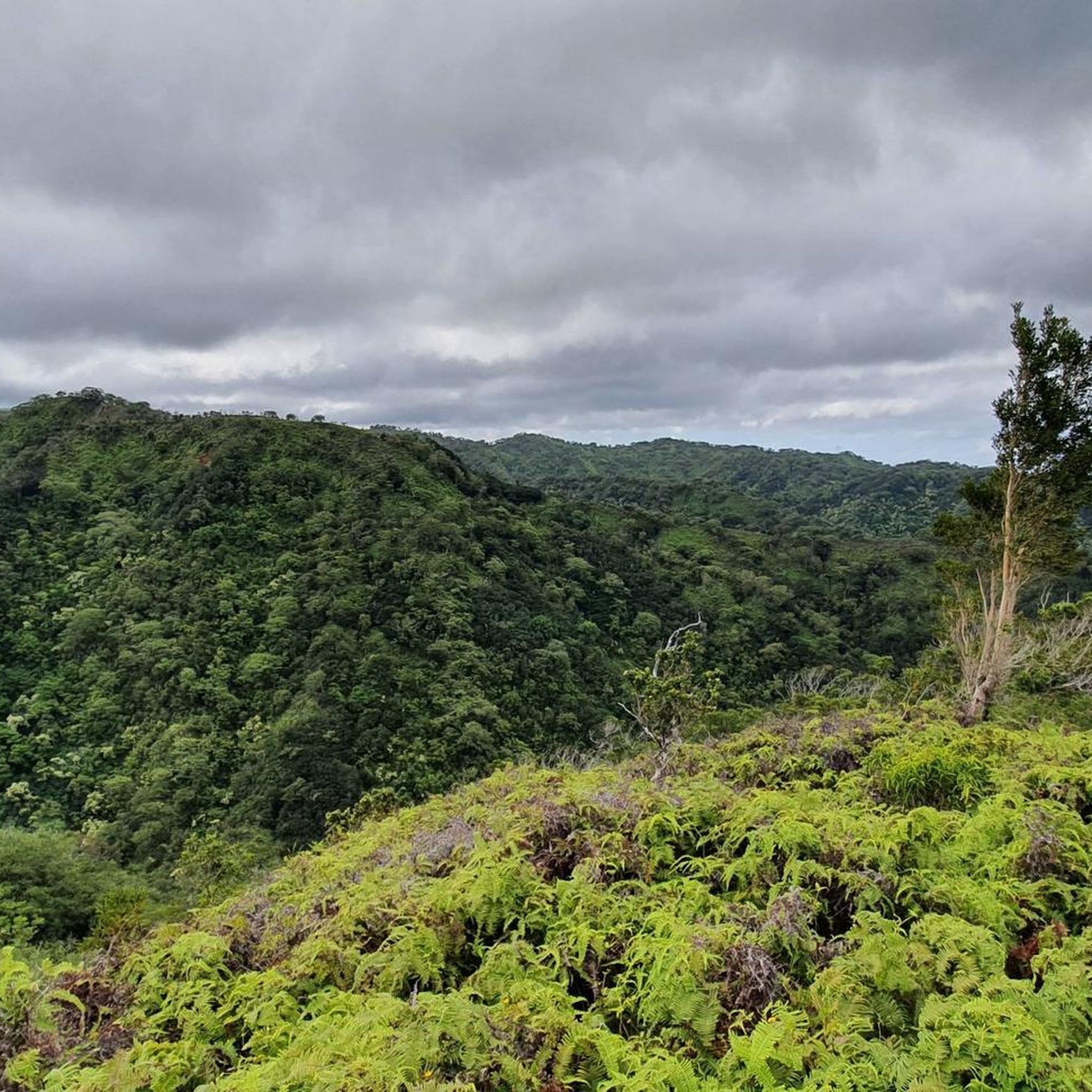
There is a small covered shelter here that is a great spot to take a break or escape an afternoon shower. From the hut you have a great view of the surrounding EWA Forest Reserve!
0
0
This trail has multiple stream crossings and depending on water levels, you will most likely get your feet wet. Some non-waterproof running shoes would be ideal to let the water escape and dry quickly. Along the trail you'll find old WWII bunkers since this area was used as a training ground.
0
0
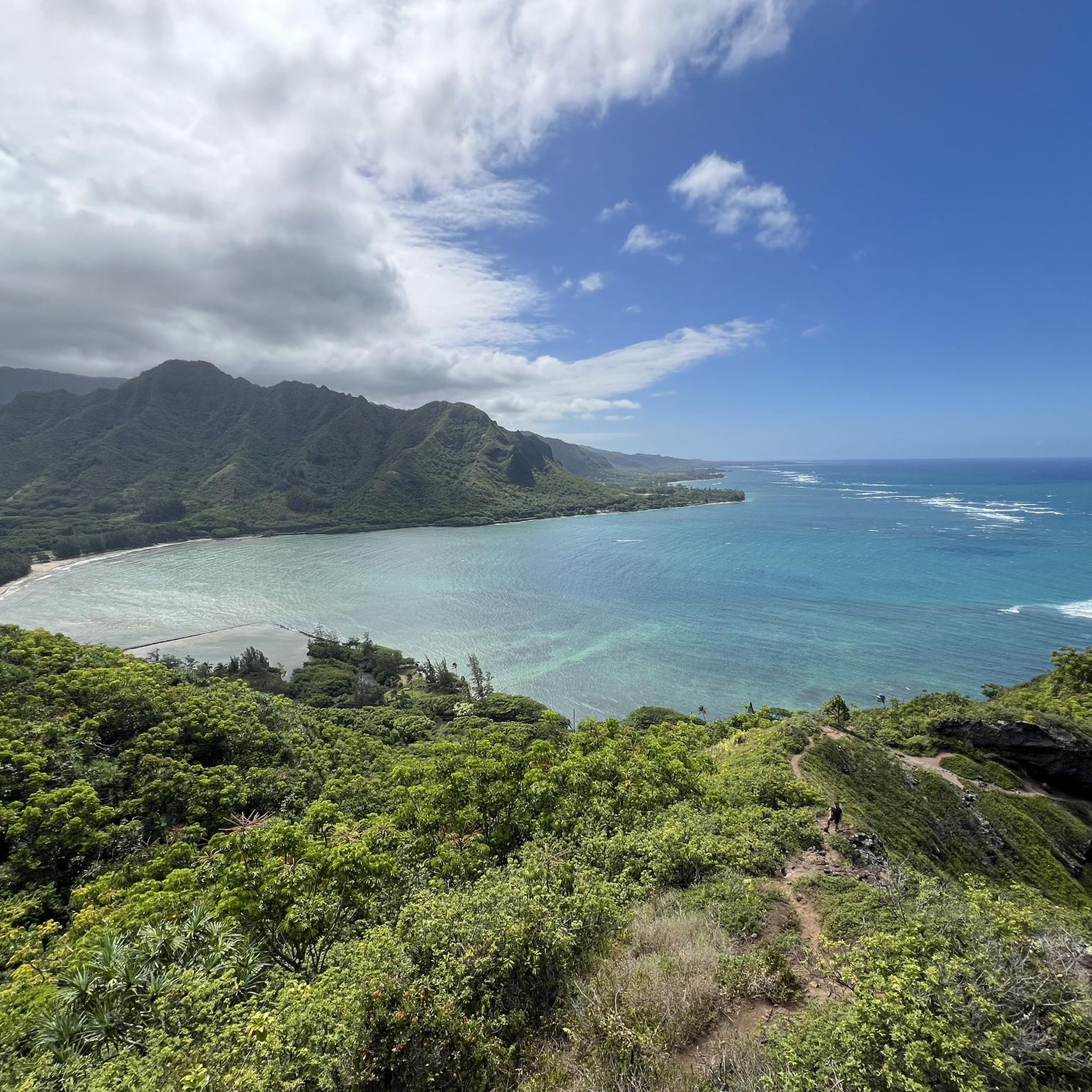
The Crouching Lion summit is a short but steep incline that offers breathtaking views of Kahana Bay. If it has rained recently, I don’t recommend hiking the Crouching Lion Trail. Most of the trail consists of mud and clay that gets extremely slippery when wet and can make this trail very dangerous.
0
0
Mānana Ridge Trail is a steep and technical trail with a nice summit at the end. This out and back trail would be best for shoes with some more aggressive tread, but you could get away with some road shoes if it's not too wet. Some parts of the trail might be overgrown a little, but if you just stay on the ridge and keep it straight, route finding is not an issue.
0
0

This Boy Scout Rest Hut, with a great view and picnic table inside, serves as the return point for many. So you decide whether you want to continue further along the trail until its end or return from here.
1
0

Frequently Asked Questions
Can I jog directly within the OʻAhu Forest National Wildlife Refuge?
No, the OʻAhu Forest National Wildlife Refuge is a strictly protected area and is closed to public access. The running routes listed in this guide are located in the broader Oʻahu Forest region or adjacent public areas, such as the Ewa Forest Reserve and Ahupuaʻa ʻO Kahana State Park, which offer similar natural environments.
What kind of terrain can I expect on running trails in the Oʻahu Forest region?
The running trails in the Oʻahu Forest region, adjacent to the refuge, feature diverse terrain. You'll encounter native forests, rainforests, and areas with freshwater streams. Routes often follow ridge trails, offering varied elevation changes, from moderate paths like the Waimano Ridge Trail Run to more challenging climbs such as the Mānana Ridge Trail.
Are there any easy jogging routes available in the Oʻahu Forest area?
While there are no routes specifically graded as 'easy' in this selection, several moderate options are available. The Crouching Lion loop, for example, is a shorter, moderate path that might be suitable for those looking for a less strenuous run, offering a distance of about 1.4 km.
How many jogging routes are featured in this guide for the Oʻahu Forest region?
This guide highlights around 7 distinct jogging routes in the Oʻahu Forest region, providing a range of options for different fitness levels and preferences. These routes are popular among local runners and visitors alike.
What are the typical distances and difficulties of the running paths here?
The running paths in this region vary in distance and difficulty. You'll find moderate routes like the Waimano Ridge Trail Run, which is about 8.1 km, and more difficult trails such as the Mānana Ridge Trail, spanning nearly 16 km with sustained climbs.
Are there any circular running routes in the Oʻahu Forest area?
Yes, there are circular running routes available. For instance, the Kahana Valley via the Nakoa Loop Trail offers a loop through Ahupuaʻa ʻO Kahana State Park, providing a scenic and contained running experience.
What kind of natural features or viewpoints can I expect to see while running?
While running in the Oʻahu Forest region, you can expect to experience diverse natural communities, including native forests, rainforests, and areas with freshwater streams. Many routes follow ridges, potentially offering glimpses of the surrounding landscape and the ecological significance of Oʻahu's last intact native forests.
Is it possible to see wildlife on these running trails?
The broader Oʻahu Forest region is known for its ecological importance. While the National Wildlife Refuge itself protects endangered species like Oʻahu tree snails, native birds (ʻelepaio, ʻiʻiwi, pueo), and various plant species, encountering these specific endangered species on public running trails is rare. However, you may still observe common native birds and insects within the forest environments.
What should I pack for a run in the Oʻahu Forest region?
Given the diverse terrain and potential for rainforest conditions, it's advisable to pack appropriate running shoes with good grip, hydration (water), sun protection, and possibly light rain gear. Be prepared for varied weather and elevation changes on the trails.
Are there any specific permits required for jogging on these trails?
Generally, permits are not required for jogging on the public trails mentioned in this guide, such as those in the Ewa Forest Reserve or Ahupuaʻa ʻO Kahana State Park. However, it's always a good practice to check the latest regulations from the Hawaii Department of Land and Natural Resources for any specific area you plan to visit: dlnr.hawaii.gov/recreation/nah/oahu/.
What do other runners enjoy most about jogging in the Oʻahu Forest region?
Runners using komoot often appreciate the natural beauty and varied terrain of the Oʻahu Forest region. With over 90 runners having explored these paths, many enjoy the challenge of the ridge trails and the immersive experience of running through native forests and valleys, such as those found on the Kahana Valley via the Nakoa Loop Trail.
Are the running routes in the Oʻahu Forest area suitable for families?
The routes in this guide are generally graded as moderate to difficult. While some shorter, moderate paths might be manageable for active families, it's important to consider the elevation changes and trail conditions. For a family-friendly outing, you might look for shorter, less strenuous options like the Crouching Lion loop and assess if it matches your family's fitness level.
Most popular routes in OʻAhu Forest National Wildlife Refuge

Get inspired with the komoot mobile app


Explore more
Browse the best Running Trails & Routes in other regions.
