Top 20 Lakes around Langelsheim
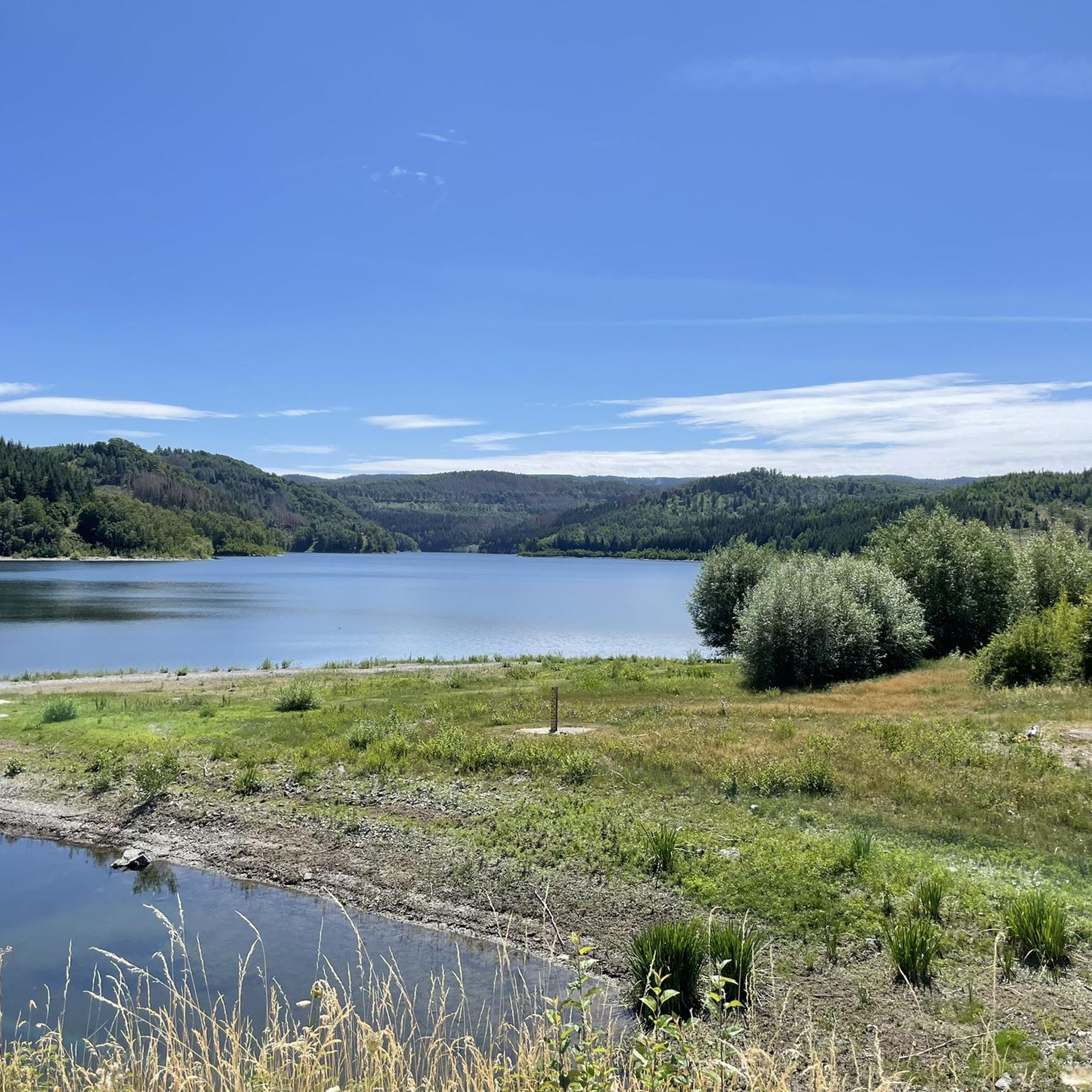
Lakes around Langelsheim, situated at the northwestern edge of the Harz Mountains, offer diverse recreational opportunities. The region is characterized by several dams and their resulting reservoirs, providing both natural beauty and functional water management. These bodies of water are integrated into a landscape that supports various outdoor activities.
Best lakes around Langelsheim
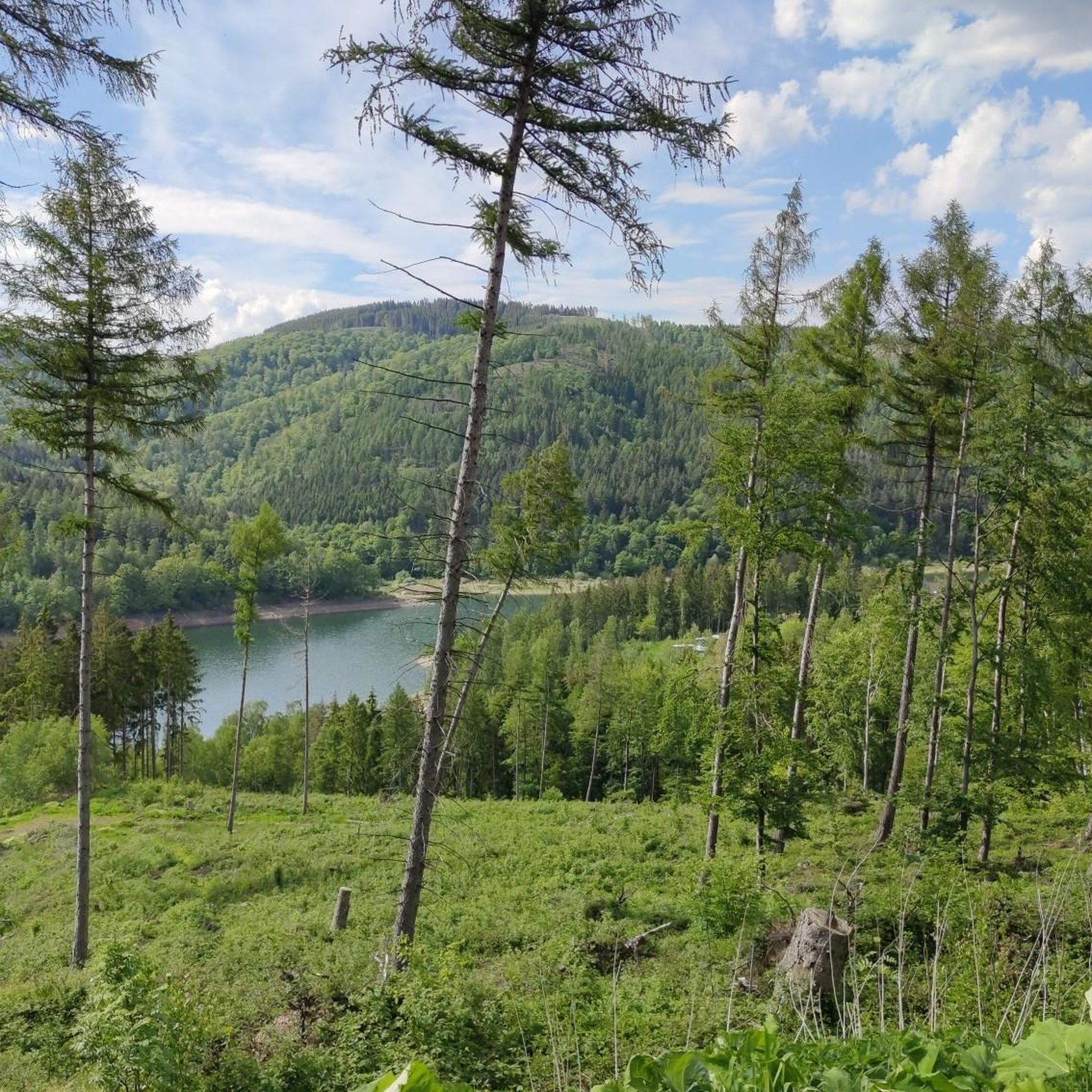
- The most popular lakes highlight is Shelter with a view of the Granestausee lake (HWN 110), a hut that serves as a destination for hikes around…
Last updated: October 9, 2026
Shelter with a view of the Granestausee lake (HWN 110)
Highlight • Mountain Hut
Translated by Google •
Tip by

Upper and Middle Grumbach Pond
Highlight • Lake
Translated by Google •
Tip by

Sign up now to discover places like this
Get recommendations on the best single tracks, peaks, & plenty of other exciting outdoor places.
Lower Grumbacher Pond and Shelter (HWN 113)
Highlight • Lake
Translated by Google •
Tip by

Steinberg Tower (HWN111)
Highlight • Viewpoint
Translated by Google •
Tip by

New Grumbach Pond
Highlight (Segment) • Lake
Translated by Google •
Tip by

Sign up for free to discover even more lakes around Langelsheim.
Already have an account?
Start today with a free account
Your next adventure awaits.
Popular around Langelsheim
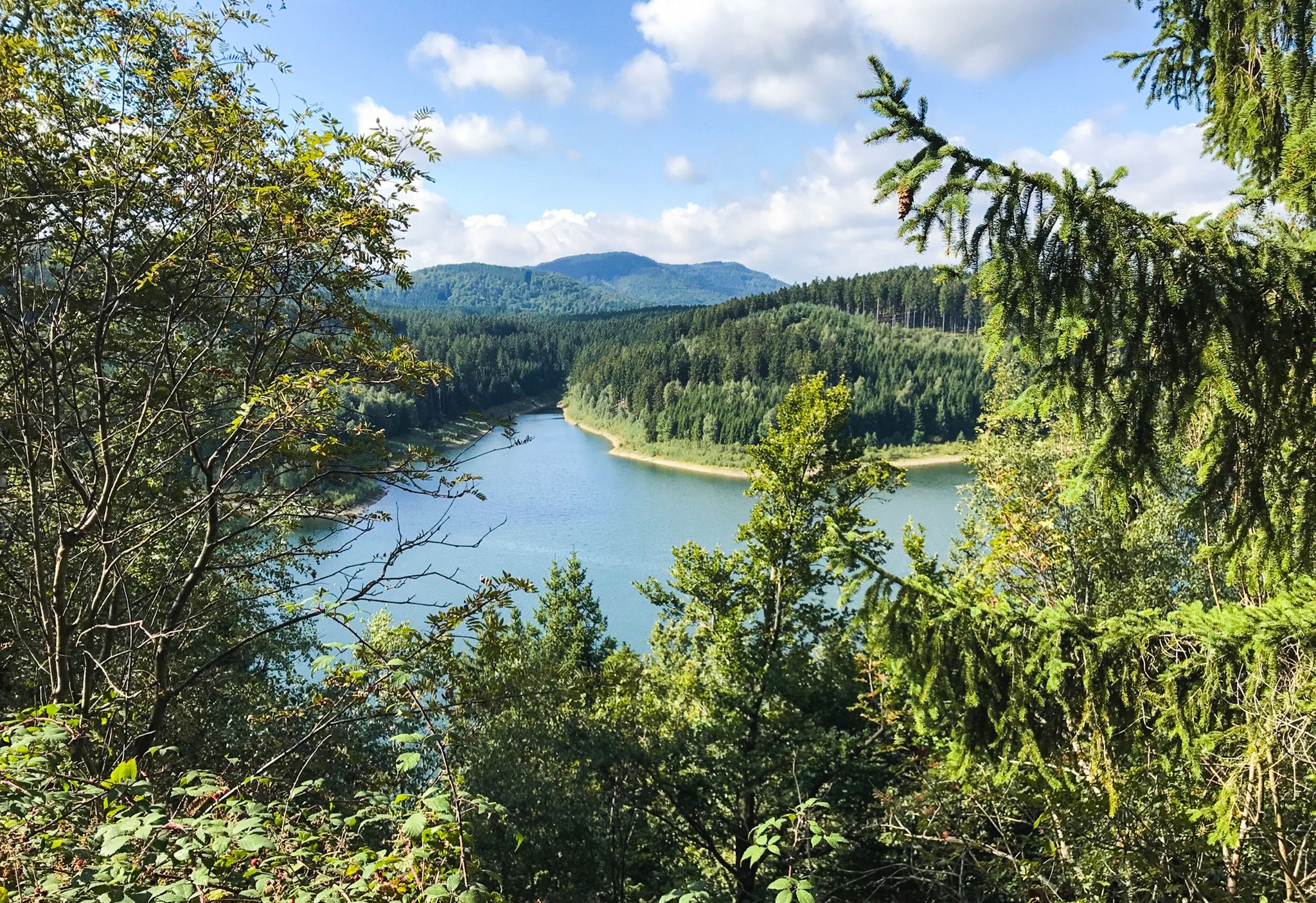
The Harzer Försterstieg trail – in 4 stages through the western Harz
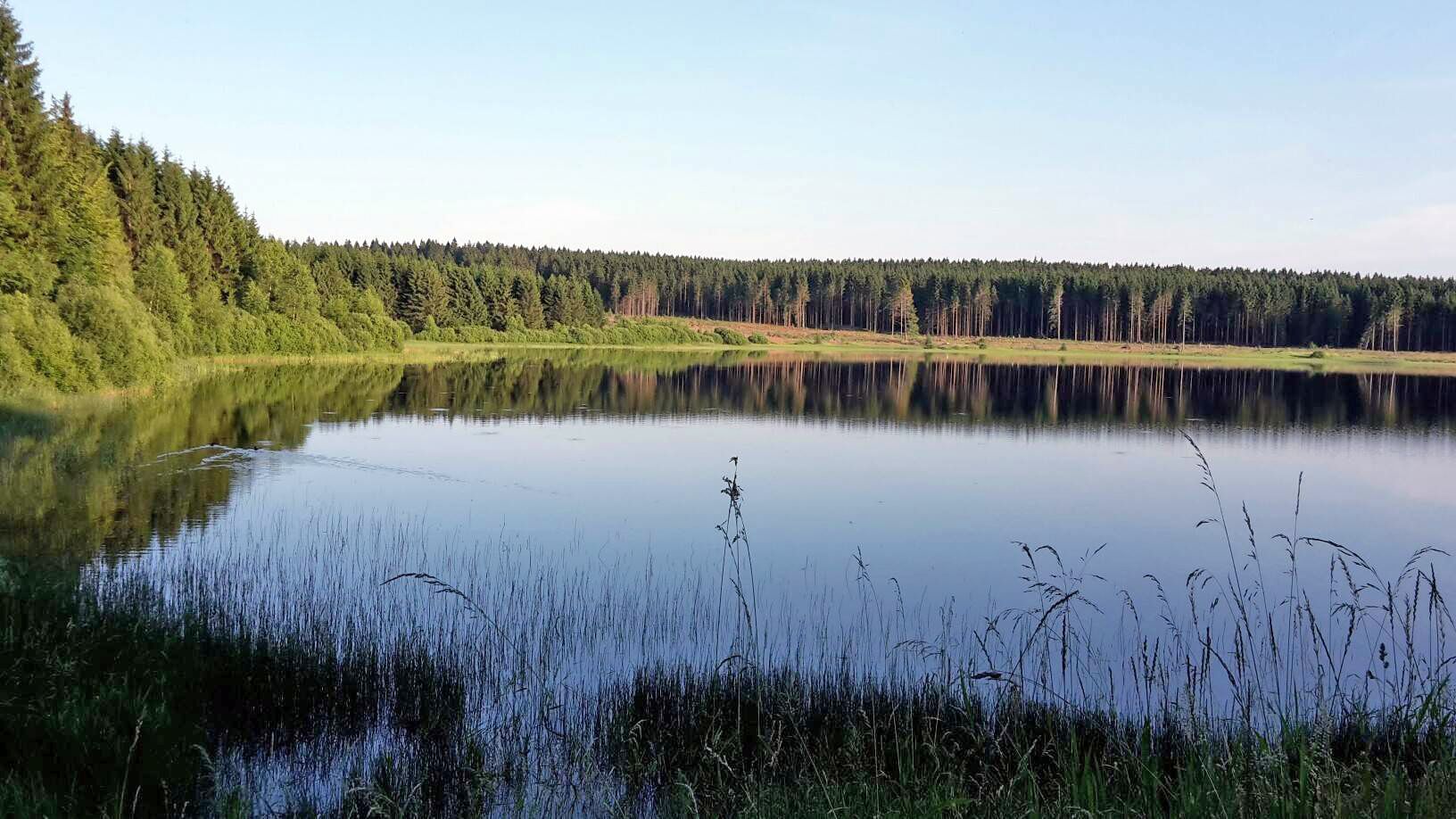
The best swimming lakes in Lower Saxony
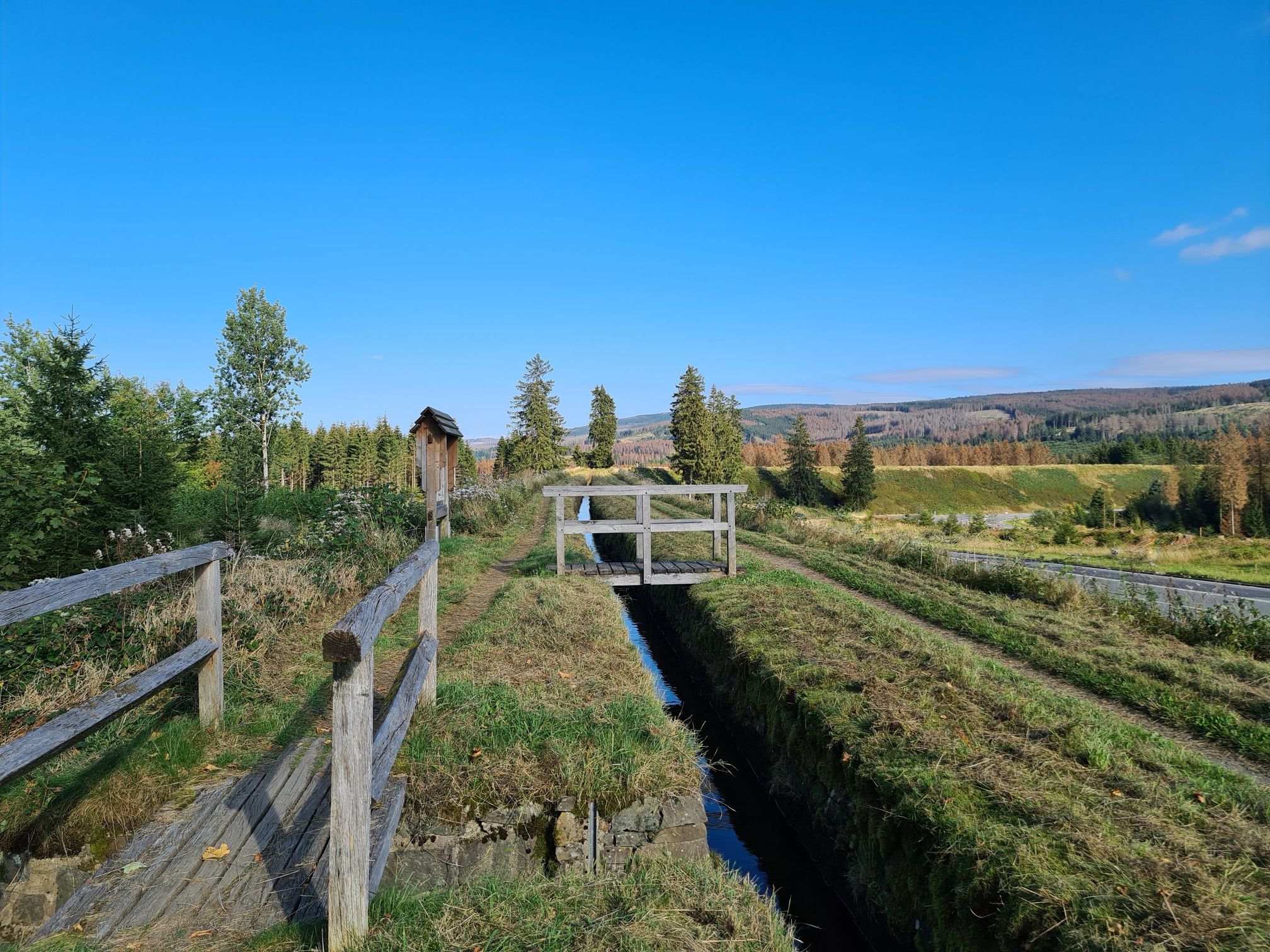
Explore Germany’s mining history — explore the Harz Mountains
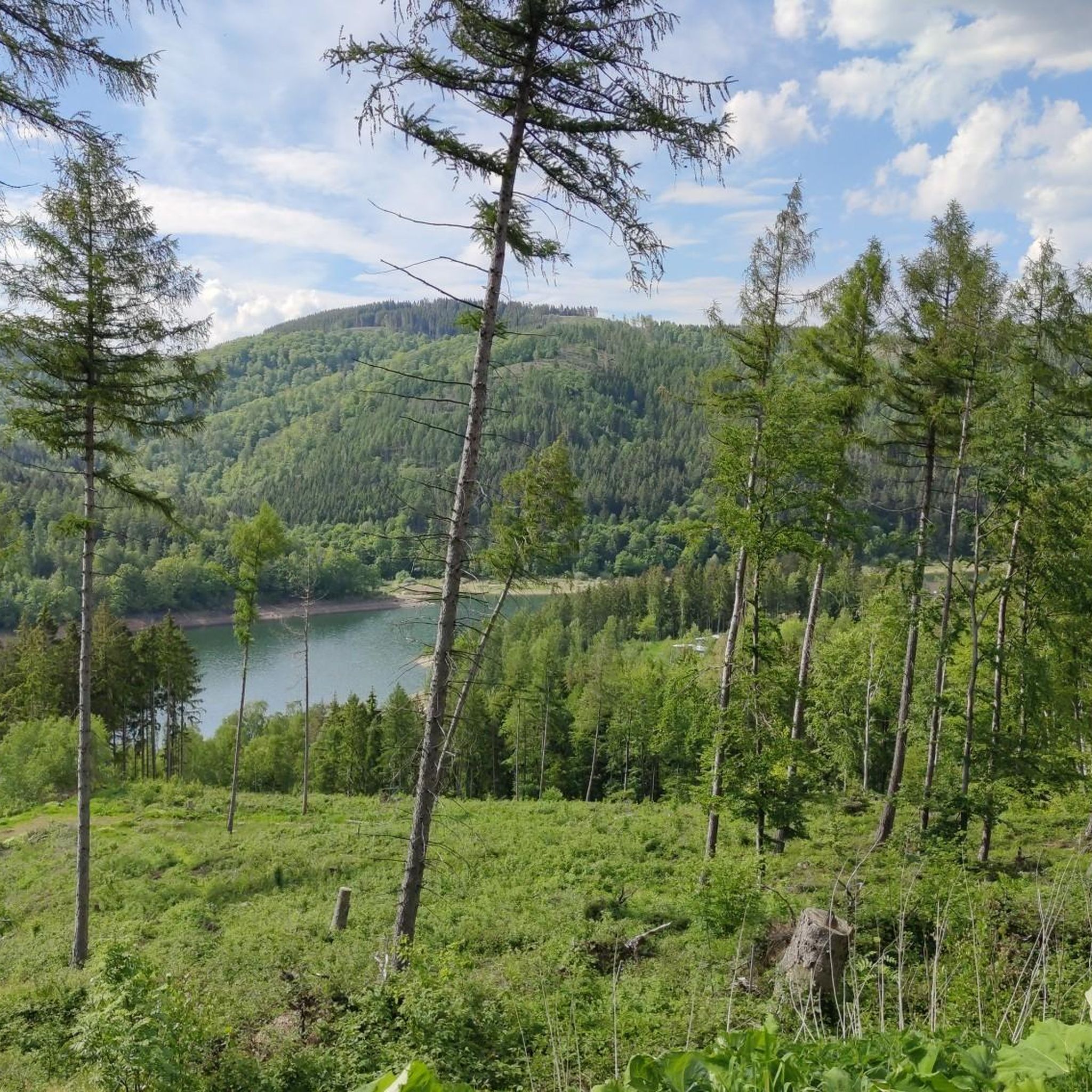
Hiking around Langelsheim
Cycling around Langelsheim
MTB Trails around Langelsheim
Running Trails around Langelsheim
Road Cycling Routes around Langelsheim
Mountain Hikes around Langelsheim

Gravel biking around Langelsheim


Tips from the Community


A beautiful hiking trail along the many ponds. There are trees with wooden plaques where many hikers have left their mark 👌 A lovely idea and especially heartfelt messages ❤️
1
0
Beautiful hiking area and a very nice path past the ponds
3
0

Beautiful path along the Liebesbankweg.With many ponds.
2
0

For me, one of the most idyllic stamping points for the Harz hiking pin. The path along the “Allee der Bäume” is recommended. Here you walk through the Grumbachtal: one of the last completely forested valleys in the Upper Harz. An easy path to walk, the Grumbach gently babbles along and there is dense coniferous forest everywhere. Just before the Grumbach pond, you pass the Grumbach waterfall and then suddenly the Grumbach pond, surrounded by forest, lies quiet and calm in front of you - it doesn't get more Harz idyll than this! The reflection of the trees in the water is also beautiful! By the way, the stamping point is not only necessary for the HWN, but also for the Wildemann hiking pin!
9
1

One of six ponds in a cascade in the Grumbach valley as well as various moats, which were used to transport the precious water. All of these facilities were built from 1680 to supply the water wheels of the mines around Hahnenklee-Bockswiese. They are part of the cultural monument "Oberharzer Wasserregal" and since 2010 also a UNESCO World Heritage Site.🌊💙🌊
8
2
One of six ponds in an existing cascade in the Grumbach valley and various moats, which were used to transport the precious water. All of these facilities were built from 1680 to supply the water wheels of the mines around Hahnenklee-Bockswiese. They are part of the cultural monument "Oberharzer Wasserregal" and since 2010 also a UNESCO World Heritage Site.
8
3

This section leads past the New Grumbacher Teich and the Auerhahner Teich. Both belong to the Auerhahn cascade
8
0
Frequently Asked Questions
What types of activities can I enjoy at the lakes near Langelsheim?
The lakes around Langelsheim offer a wide range of activities. At the Innerstetalsperre, you can go swimming, sailing, fishing, windsurfing, and rowing, as well as hiking and cycling along the former railway line. The Granetalsperre is popular for hiking and cycling, with a paved circular trail, and offers fishing with a special license. The Okerstausee also provides opportunities for hiking, cycling, water sports, and features numerous picnic and BBQ spots. For more detailed routes, explore the hiking trails or MTB trails in the region.
Are there family-friendly options among the lakes near Langelsheim?
Yes, several lakes and areas are great for families. The Innerstetalsperre has shallow shore zones ideal for children to swim and splash. The Middle Grumbacher Pond and Lower Grumbacher Pond are part of the Upper Harz Water System and offer idyllic, easy paths suitable for family walks. The Granetalsperre also has an easily accessible paved path around the dam, perfect for family strolls or cycling.
What are some notable natural features or viewpoints around the lakes?
The region boasts impressive natural beauty. The Innerstetalsperre features a unique, striking spillway tower. The Granetalsperre is situated within the Harz Nature Park, offering scenic views. For panoramic vistas, visit the Steinberg Tower (HWN111), which provides a great view of the Granetalsperre and the Harz foreland. The Okerstausee is embedded deep in a wooded low mountain range landscape, surrounded by rugged cliffs and lush forests.
Can I find historical sites or cultural points of interest near the lakes?
Absolutely. The Lower Grumbacher Pond is a historical site and part of the Upper Harz Water System, a World Heritage Site. The Middle Grumbacher Pond and the Grumbach Waterfall are also cultural monuments, originally created to supply water to mines. The Granetalsperre hosts an exhibition about water and drinking water production at the Harzwasserwerke waterworks. At times of low water, the Okerstausee can reveal remains of the old settlement of Unterschulenberg, which was flooded during its construction.
Is swimming permitted in the reservoirs near Langelsheim?
Swimming is permitted in certain areas. The Innerstetalsperre is open for swimming, particularly its shallow shore zones which are ideal for families. While the Granetalsperre and Okerstausee are significant for water management, specific details on swimming access for these two are less emphasized in general recreational descriptions, so it's always best to check local signage or official sources for current regulations before entering the water.
What is the best time of year to visit the lakes around Langelsheim?
The lakes are beautiful year-round, but the best time depends on your preferred activities. Spring and summer are ideal for water sports, swimming, and enjoying the lush greenery for hiking and cycling. Autumn offers stunning foliage around the reservoirs. While the Steinberg Tower is closed in winter, hiking can still be enjoyed, though some paths might be less accessible due to snow or ice.
Are there opportunities for fishing at these lakes?
Yes, fishing is possible at some of the lakes. The Innerstetalsperre is a good spot for anglers, with perch, brown trout, and tench. The Granetalsperre is designated as a protected salmonid water, offering species like rainbow trout, brown trout, lake trout, and perch, though a special license is required due to its status as a water protection area. Always ensure you have the necessary permits and adhere to local fishing regulations.
What makes the Granetalsperre a popular destination for hikers?
The Granetalsperre is highly popular for hikers due to its scenic location within the Harz Nature Park and its easily accessible circular hiking trail. The path around the dam is paved, making it suitable for various fitness levels and also for cycling. It's also a stamp point (number 110) for the Harz Hiking Needle, a popular challenge for hikers.
Where can I find information about the Innerstetalsperre's unique features?
The Innerstetalsperre is notable for having the longest dam in the Harz Mountains, spanning 750 meters, and a distinctive spillway tower unique to the region. For more technical details and historical context, you can refer to its Wikipedia page: Innerste Dam on Wikipedia.
Are there any less crowded lakes or hidden gems near Langelsheim?
While the main dams are popular, the smaller, historical ponds like the Middle Grumbacher Pond and Lower Grumbacher Pond offer a more idyllic and tranquil experience, especially outside of peak weekends and holidays. These ponds are nestled in forested valleys, providing a peaceful retreat.
What is the significance of the Okerstausee in the region?
The Okerstausee is the largest reservoir in Lower Saxony, created in 1954. It's fed by the Oker river and other streams, and its dam is an impressive arch-gravity structure, 260 meters long and 75 meters high. Beyond its functional role, it's valued for its scenic beauty, embedded deep within the wooded low mountain range, and offers various water sports and recreational opportunities.
Most popular routes around Langelsheim
Most popular attractions around Langelsheim

Get inspired with the komoot mobile app


Explore more
Still not found your perfect lake around Langelsheim? Check out the guides of these regions to see even more beautiful places.
