Attractions and Places To See around Sassen-Trantow - Top 20
Best attractions and places to see around Sassen-Trantow include historical sites, natural features, and cultural points of interest. This municipality in Vorpommern-Greifswald, Germany, is characterized by landscapes of forests, lakes, and rivers. The region offers opportunities for outdoor activities and exploration of its past.
Best attractions and places to see around Sassen-Trantow
- The most popular attractions is Peene Bridge, Loitz, a bridge that serves as a river crossing over the Peene. It was formerly the oldest manually operated swing…
Last updated: August 30, 2026
Peene Bridge Jarmen
Highlight • Bridge
Translated by Google •
Tip by

Alt Plestlin Church
Highlight • Religious Site
Translated by Google •
Tip by

Sign up now to discover places like this
Get recommendations on the best single tracks, peaks, & plenty of other exciting outdoor places.
Sign up for free
Griebenow Castle
Highlight • Castle
Translated by Google •
Tip by

Peene Bridge, Loitz
Highlight • Bridge
Translated by Google •
Tip by

Dersekow Village Church
Highlight • Religious Site
Translated by Google •
Tip by
Sign up for free to discover even more attractions around Sassen-Trantow.
Sign up for free
Already have an account?
Start today with a free account
Your next adventure awaits.
Login or Signup
Tips from the Community

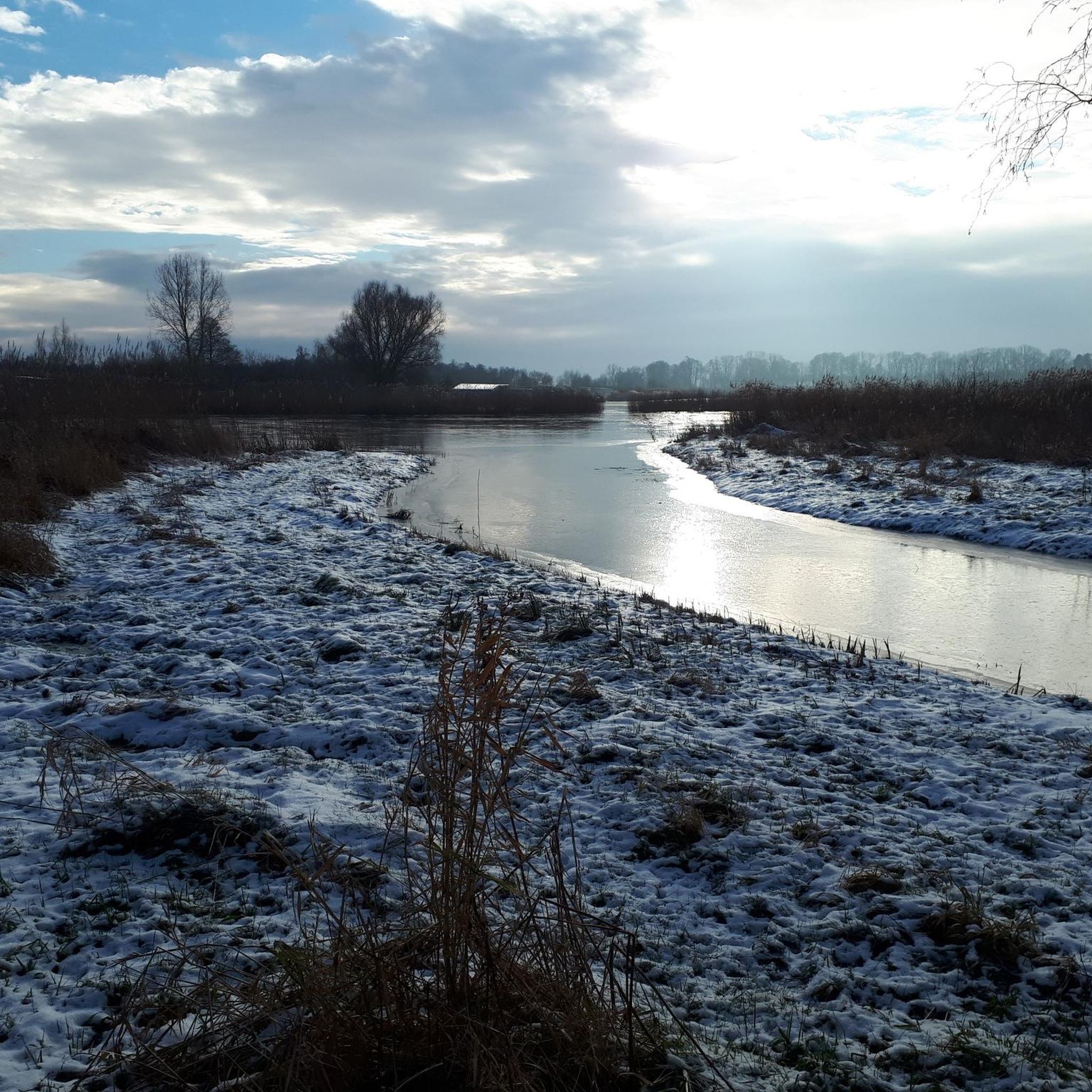
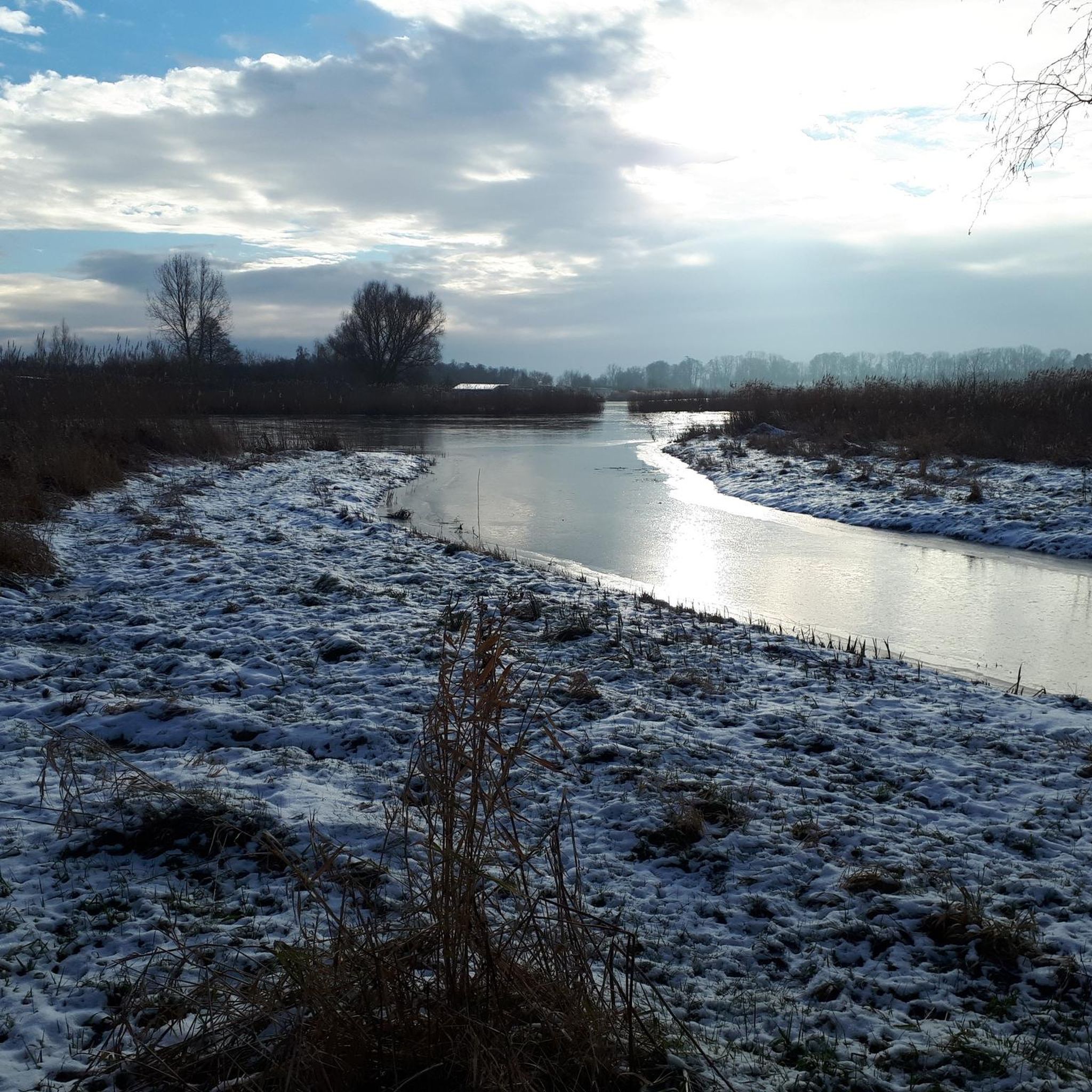
At least there's a small stretch of this road where you can enjoy a decent path.
1
0


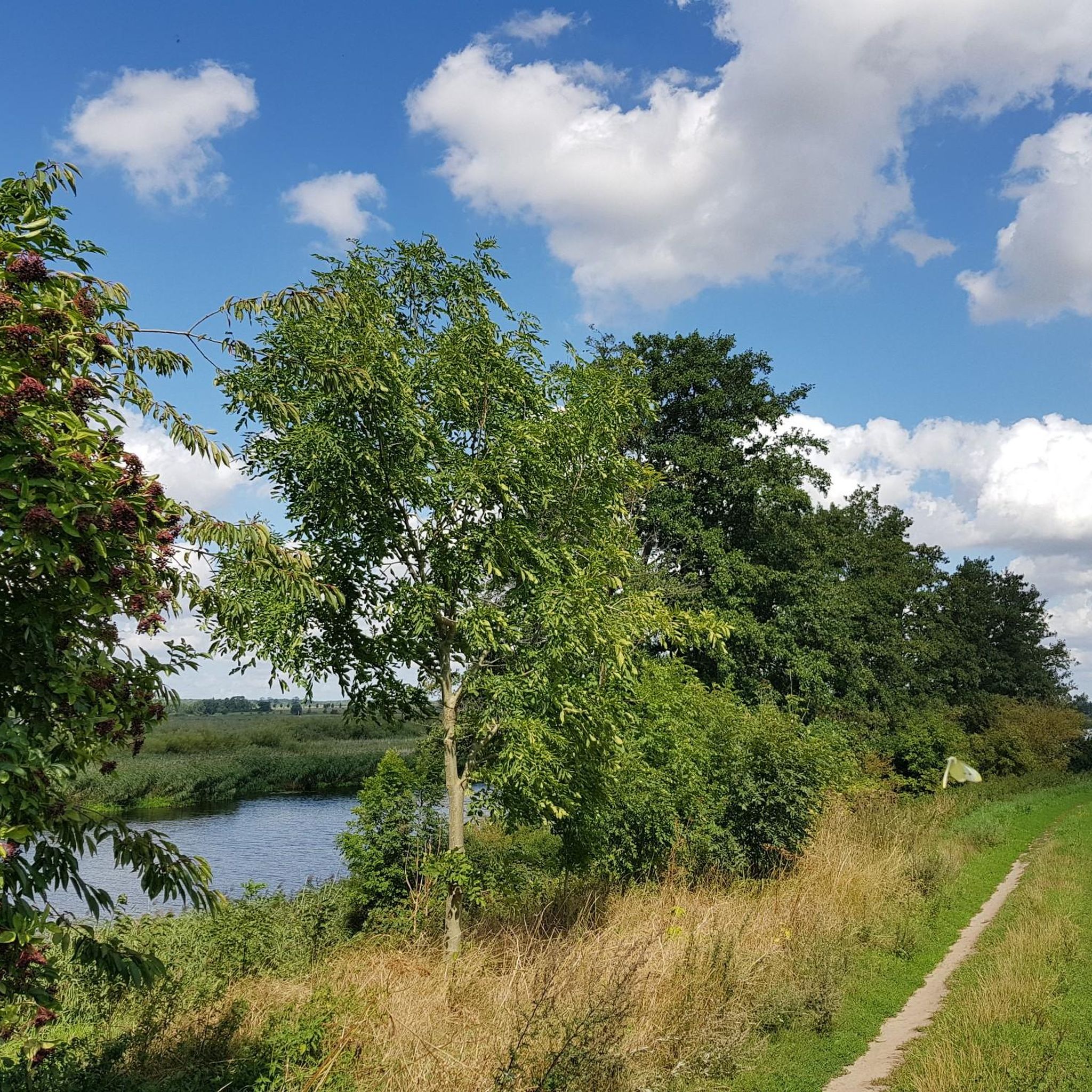
A bridge takes you over the Peene here. There are various theories about where the river's name comes from. One says that the name comes from the Slavic word Pěna, which means "foam". Whatever the case, the Peene originates from several source rivers, all of which have Peene in their name.
1
0

For the trouble-free crossing of the Peene
1
0

Beautifully colorful in spring
0
1

A beautiful bridge over which the cycle path also leads.
5
1

Dersekow was first mentioned in 1219 as “Dirscowe” in a document from Duke Casimir II, when he donated the place to the Eldena Monastery. The Slavic founding name is interpreted as “owner” or “tree”. Dersekow remained at the Hilda-Eldena monastery until the Reformation and was then handed over to the University of Greifswald with the decision of the dukes. And it stayed that way for centuries. The agricultural area was divided into four leasehold farms, plus smaller pieces for the jug, the mill and some Büdner, as well as church land. In 1865 Dersekow had 416 residents in 86 families, there was 1 church, 1 school, 39 residential and 55 farm buildings, as well as 3 factory buildings (1 watermill and 2 windmills). The Dersekow Church is a stone church from the second half of the 13th century.
0
0

The village church of Alt Plestlin is one of seven churches and chapels in the parish of Jarmen-Tutow in the Pomeranian Evangelical Church District. It is located in the district of Alt Plestlin in the municipality of Bentzin in the Vorpommern-Greifswald district. The choir of the Alt Plestliner church was probably built in the 14th or 15th century. The hall, which is only slightly wider, and the substructure of the west tower were probably added later. In the 17th century the church, built of field stone, was completely renovated. It received the segment-arched windows and portals with brick walls and a hipped tiled roof in the east. The square half-timbered top of the tower with an octagonal, slated pointed helmet also dates from this period. In 1989 the framework was renewed. The base of the tower is plastered and has a wide western portal. One of the two bells was cast around 1500, the other in 1603. There are buttresses at the corners of the east pediment of the choir. The choir windows are embedded in large niches on the inside. During a renovation in 1842, the flat wooden ceiling was drawn in. The west gallery probably dates from the 17th century and was enlarged during the renovation. The pulpit altar was built around 1800. The body of a crucifix from around 1300 was combined with the figures of Mary and the Apostle John carved in the second half of the 14th century to form a crucifixion group. A figure of Mary and child was carved in the 15th century. The organ from 1890 comes from the workshop of the Stralsund organ builder Paul Mehmel. Its three-part façade is designed in Neo-Renaissance forms with round arches and fluted pilasters (Wikipedia).
1
0
Frequently Asked Questions
What historical sites can I visit in Sassen-Trantow?
The region offers several historical sites. You can explore Griebenow Castle, a fully preserved Baroque palace complex with a rich Swedish past. Another significant site is the Alt Plestlin Church, a fieldstone church likely from the 15th century. The Dersekow Village Church, first mentioned in 1219, also offers a glimpse into the area's history.
Are there natural attractions to explore around Sassen-Trantow?
Yes, Sassen-Trantow is characterized by picturesque landscapes of forests, lakes, and rivers. The Peene River, often called the 'Amazon of the North,' is a major natural feature, offering a river idyll. You can also find megalithic tombs like Grosssteingräber bei Mühlenkamp and Grosssteingräber bei Damerow, and the Opferstein bei Pustow, which hint at ancient natural and historical significance.
What outdoor activities are available near Sassen-Trantow?
The area is ideal for outdoor enthusiasts. You can enjoy hiking, cycling, and running. For specific routes, explore the Hiking around Sassen-Trantow guide, the Road Cycling Routes around Sassen-Trantow guide, or the Running Trails around Sassen-Trantow guide.
Are there family-friendly attractions in the Sassen-Trantow area?
Many of the historical sites, such as Alt Plestlin Church, Griebenow Castle, and Dersekow Village Church, are considered family-friendly. Exploring the natural landscapes along the Peene River or taking a boat trip on Kummerow Lake also offers enjoyable experiences for families.
Can I find easy hiking trails around Sassen-Trantow?
Yes, there are several easy hiking options. For example, you can find routes like the 'Hiking loop from Pustow' (4.3 km) or the 'Loitz Harbor District – Loitz Town Hall loop from Loitz' (3.4 km). More options are available in the Hiking around Sassen-Trantow guide.
What are some unique architectural landmarks in the region?
A prominent architectural landmark is Griebenow Castle, a Baroque palace complex renowned for its historical and cultural value. The Alt Plestlin Church with its fieldstone structure and half-timbered tower, and the Dersekow Village Church with its renewed half-timbering and 17th-century interior, also stand out.
Is the Peene River accessible for activities like canoeing or cycling?
Yes, the Peene River is known as the 'Amazon of the North' and is the only navigable river in Mecklenburg-Western Pomerania. It offers excellent opportunities for canoeing and fishing. Additionally, several cycling routes explore the Peene valley, providing scenic views and rest stops along the riverbank.
What do visitors particularly enjoy about the attractions in Sassen-Trantow?
Visitors appreciate the blend of historical sites, natural beauty, and cultural points of interest. The fully preserved Baroque palace complex of Griebenow Castle is a highlight, as is the historical architecture of the Alt Plestlin Church. The scenic views from the Peene Bridge Jarmen are also highly rated.
Are there any ancient or prehistoric sites to see?
Yes, the area features several sites offering a glimpse into prehistoric times. You can visit the Grosssteingräber bei Mühlenkamp and Grosssteingräber bei Damerow, which are megalithic tombs. The Opferstein bei Pustow (Sacrificial Stone) and the Rillenstein von Mühlenkamp (Grooved Stone) are also archaeological points of interest.
What cycling routes are available around Sassen-Trantow?
Sassen-Trantow and its surroundings offer numerous cycling routes, from quiet paths along the Peene to more extensive tours through idyllic villages. You can find routes like the 'Village Church of Levenhagen loop from Klein Zastrow' or the 'Roadbike loop from Loitz'. More options are detailed in the Road Cycling Routes around Sassen-Trantow guide.
Are there any attractions around Sassen-Trantow that are wheelchair accessible?
Yes, the Peene Bridge Jarmen and the Peene Bridge, Loitz are noted as wheelchair accessible, providing views of the river and surrounding landscape.
When is the best time to visit Sassen-Trantow for outdoor activities?
The region's blend of forests, lakes, and rivers makes it suitable for outdoor activities throughout the warmer months. Spring and summer are ideal for hiking, cycling, and water activities on the Peene River or Kummerow Lake, when the weather is mild and nature is in full bloom.
Where can I learn more about the local history of Sassen-Trantow?
Beyond visiting the historical sites themselves, you can explore the local history museum in Sassen-Trantow to delve deeper into the region's past. The detailed histories of sites like Griebenow Castle also provide extensive historical context.
Most popular attractions around Sassen-Trantow

Get inspired with the komoot mobile app


Explore more
Still not found the Highlight you’re looking for? See guides of the top attractions in other regions:
