The best walks and hikes in Lindisfarne National Nature Reserve
4.6
(776)
7,435
hikers
177
hikes
Hikes in Lindisfarne National Nature Reserve explore a tidal island connected to the Northumberland mainland by a causeway. The landscape is shaped by the twice-daily tides, creating an environment of coastal paths, sandy beaches, and extensive sand dunes. Most routes are relatively flat, with minimal elevation change, making the area accessible for many fitness levels. The reserve's wetlands and grasslands are also significant features of the terrain.
Best hiking trails in Lindisfarne National Nature Reserve
- The most popular hiking route…
Last updated: September 27, 2026
4.7
(77)
491
hikers
7.46km
01:54
20m
20m
Moderate hike. Great for any fitness level. Mostly accessible paths. Sure-footedness required.
4.8
(70)
339
hikers
7.92km
02:01
30m
30m
Moderate hike. Good fitness required. Mostly accessible paths. Sure-footedness required.

4.5
(48)
270
hikers
9.79km
02:30
30m
30m
Moderate hike. Good fitness required. Easily-accessible paths. Suitable for all skill levels.
5.0
(8)
16
hikers
11.1km
02:48
20m
20m
Moderate hike. Good fitness required. Mostly accessible paths. Sure-footedness required.
8
hikers
8.21km
02:06
30m
30m
Moderate hike. Good fitness required. Mostly accessible paths. Sure-footedness required.
Get access to more routes and recommendations from other explorers.
Already have an account?
Our route recommendations are based on thousands of hikes, rides, and runs completed by other people on komoot.
Start today with a free account
Your next adventure awaits.
Popular around Lindisfarne National Nature Reserve
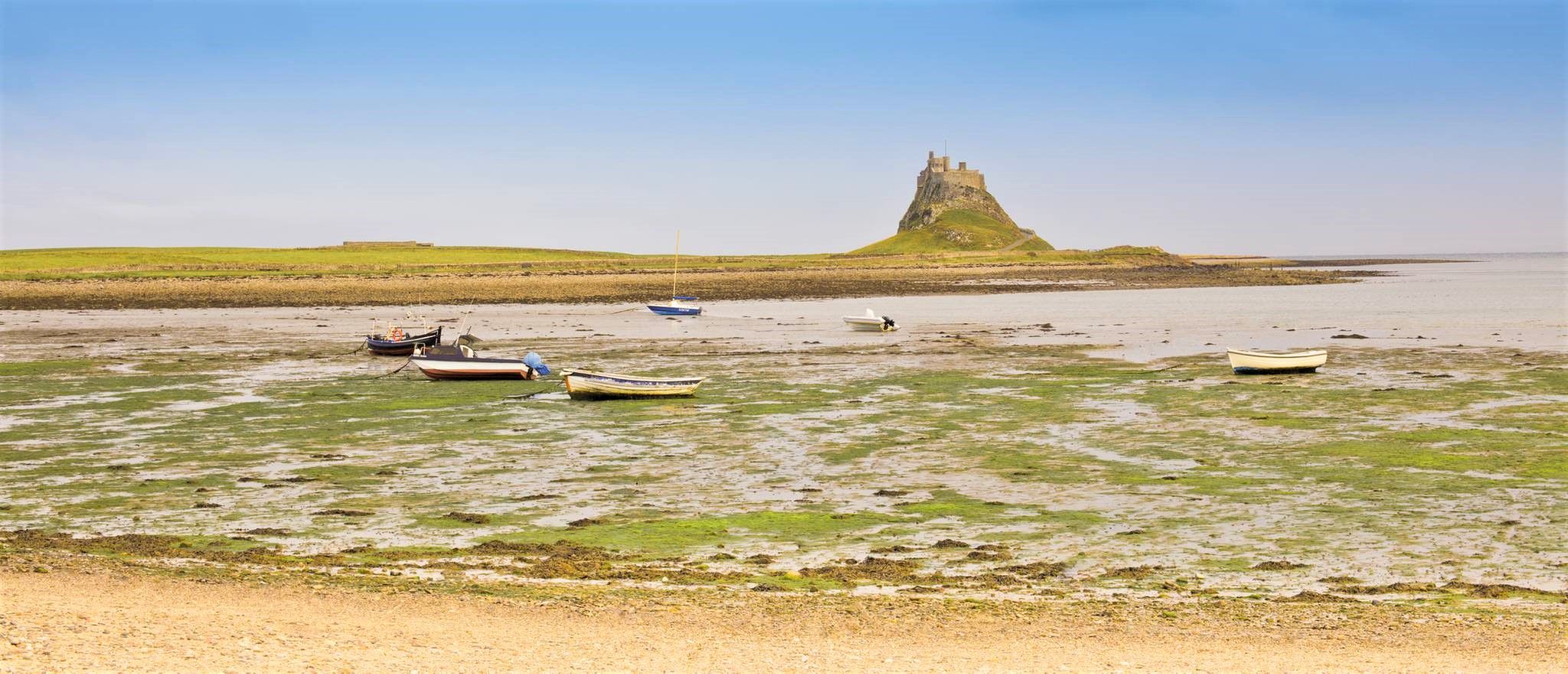
St Oswald's Way — Hike Northumberland's heavenly coast and wild heart
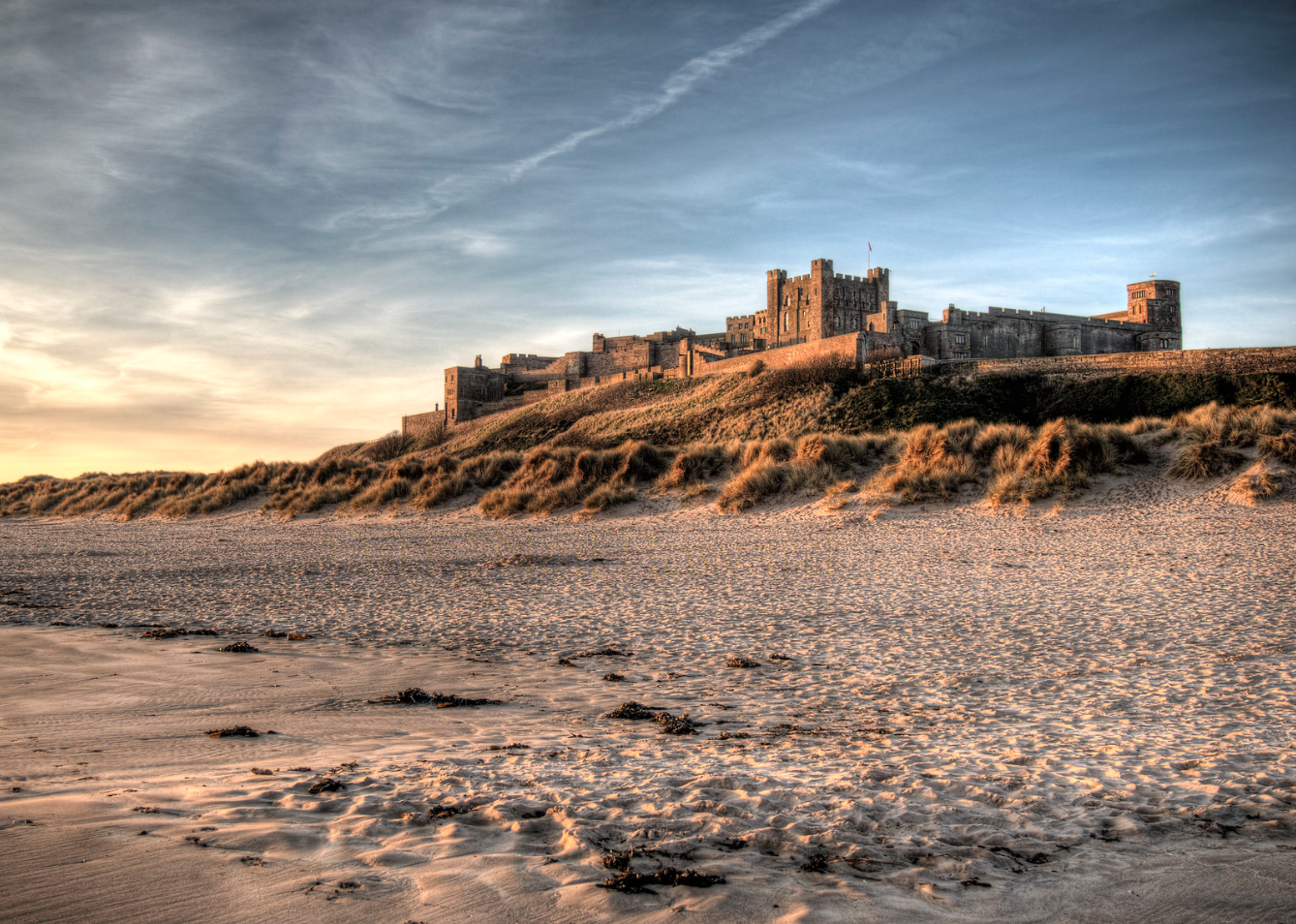
Coast and Castles – cycle in the footsteps of legends and kings
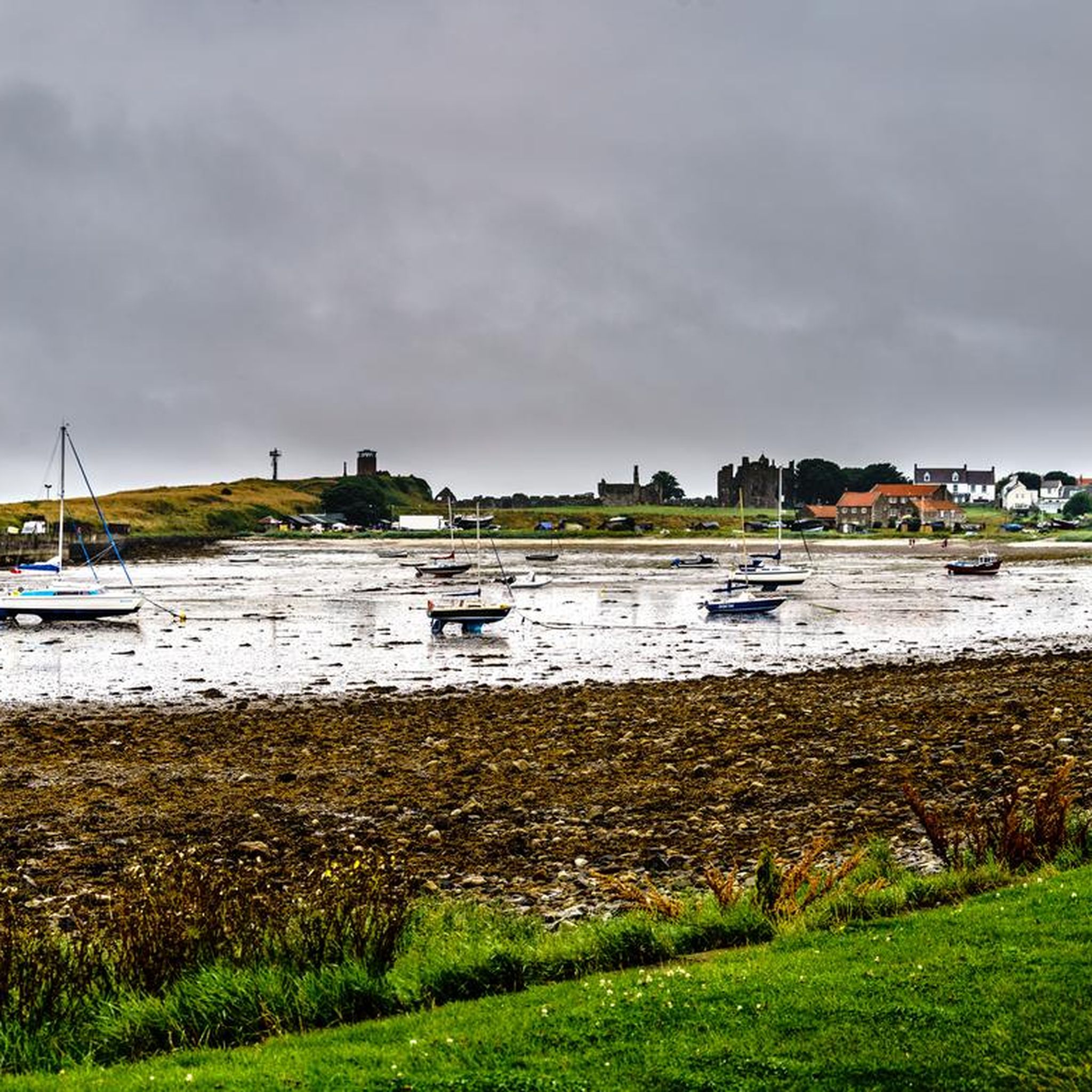
Running Trails in Lindisfarne National Nature Reserve
Road Cycling Routes in Lindisfarne National Nature Reserve
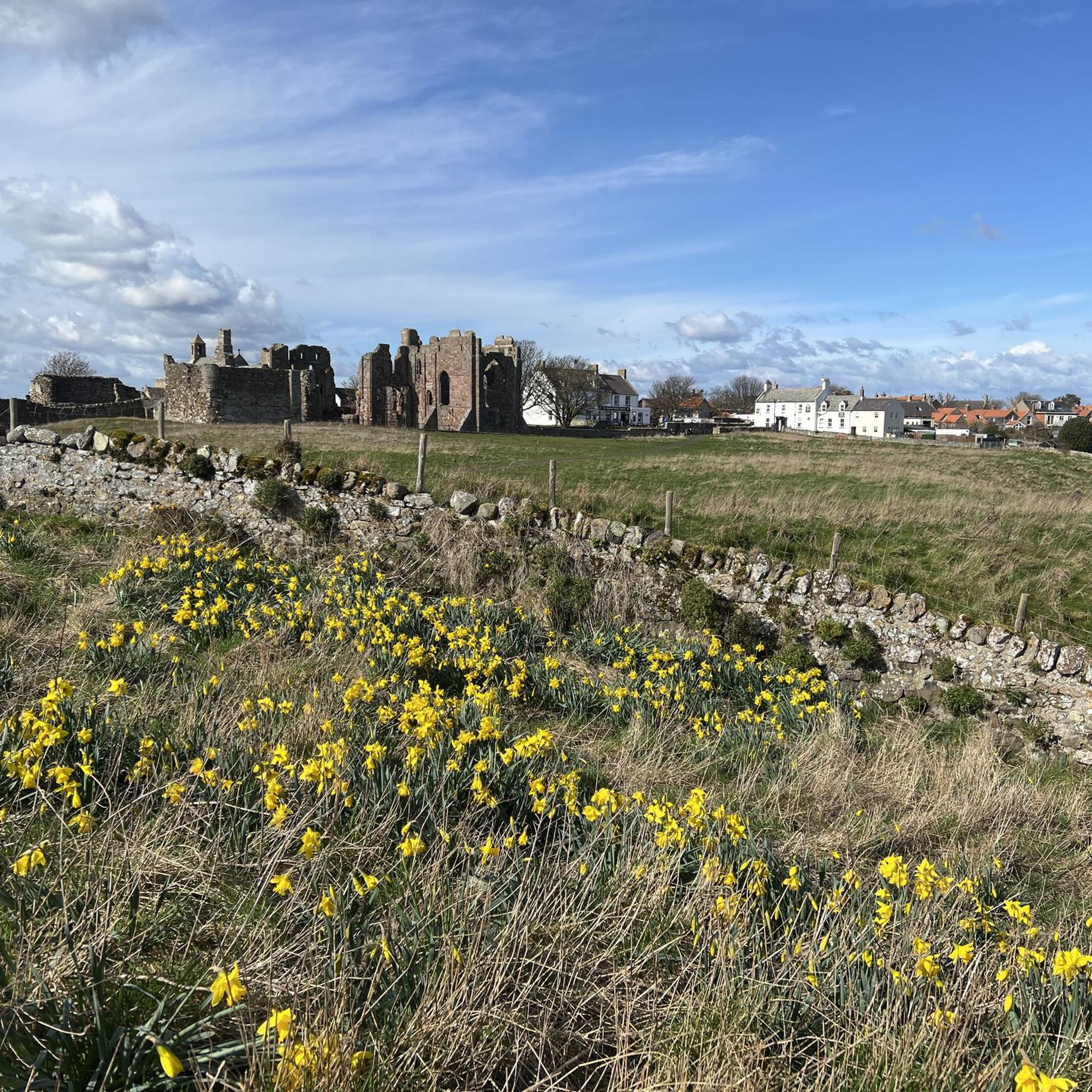
MTB Trails in Lindisfarne National Nature Reserve
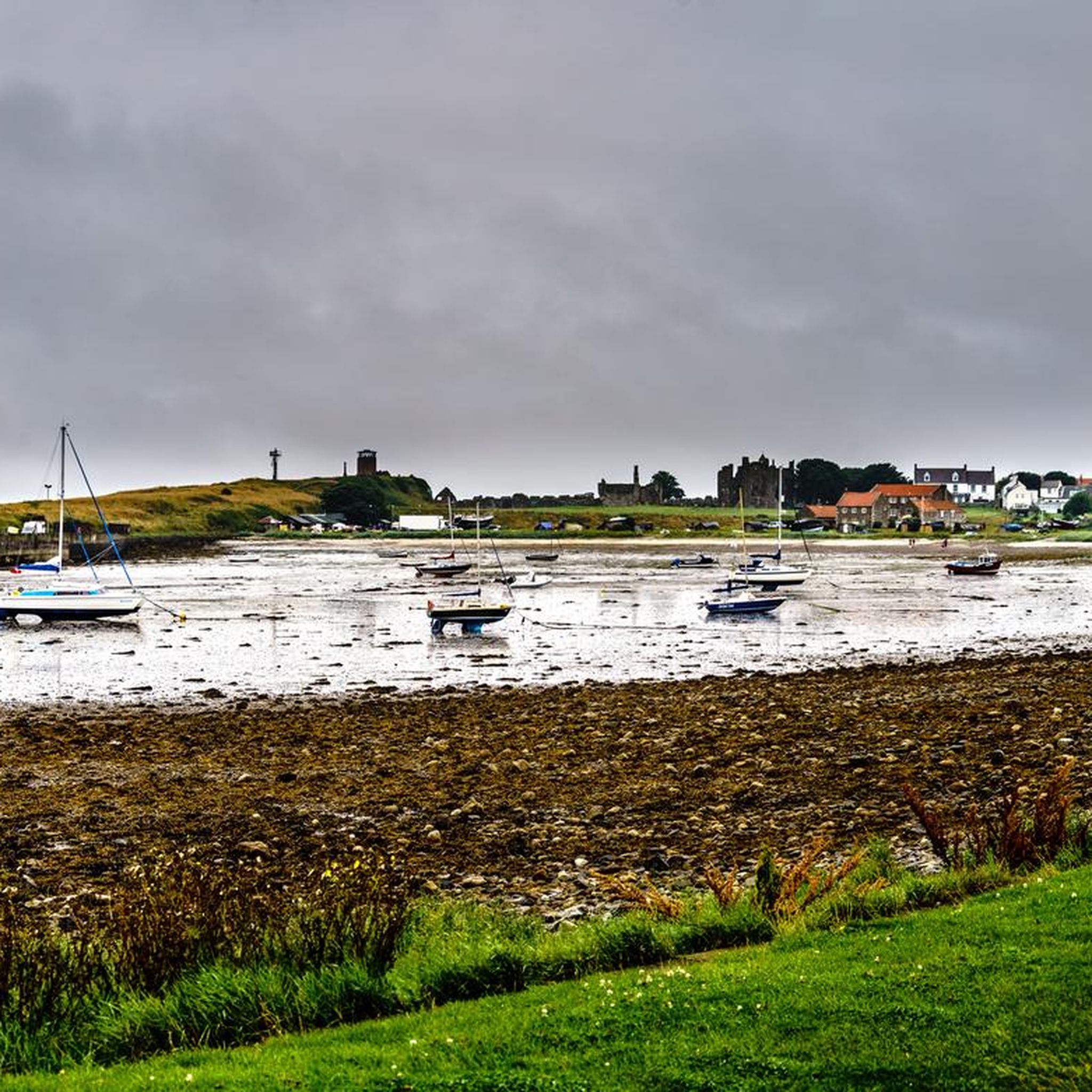
Cycling in Lindisfarne National Nature Reserve
Other adventures in Lindisfarne National Nature Reserve


Tips from the Community

Emmanuel Head is one of those quirky, unexpected gems on Holy Island. The stark white pyramid looks almost out of place at first, but it’s actually steeped in history – built in 1810, it’s the oldest surviving daymark in England. Sailors would have used it as a navigational aid to guide them safely around the island’s treacherous coast, long before modern lighthouses and GPS. The walk out there is lovely, with wide-open views across the dunes, sea and Lindisfarne Castle in the distance. Standing by it, with seabirds wheeling overhead and the waves rolling in, you really get a sense of the island’s long connection with the sea. A peaceful, slightly off-the-beaten-path highlight – and a great photo stop too!
0
0

Tickets to visit the priori can’t be purchases at the entrance - you have to get them at the museum before heading over
0
0

the ruins are prt of english heratige although you have to pay to visit its well worth it
3
0
Frequently Asked Questions
What is the most important thing to know before hiking on Lindisfarne?
The most critical factor is the tide. Lindisfarne is a tidal island, and the causeway road and the Pilgrim's Way footpath are submerged by the sea twice a day. Always check the official safe crossing times before you travel to and from the island. Attempting to cross outside these times is extremely dangerous.
Can I bring my dog on walks in the nature reserve?
Yes, dogs are welcome but must be kept under close control. It is mandatory to keep them on a short lead, especially between March and late July, to protect vulnerable ground-nesting birds. Also, keep dogs away from the flocks of wintering birds on the mudflats and off the delicate dune vegetation.
Are there any easy, family-friendly walks on Holy Island?
Absolutely. The landscape is generally flat, making it great for all ages. A popular choice is the self-guided Nature Trail, a 3-mile (5 km) circular walk that takes you past the harbor, Lindisfarne Castle, and the Lough, offering a great overview of the island's habitats.
What is the terrain like on the hiking trails?
The terrain is varied but not strenuous. Expect to walk on a mix of sandy beaches, grassy coastal paths, and tracks through extensive sand dunes stabilized by marram grass. Most routes have minimal elevation gain. Some paths, like the Pilgrim's Way, cross wet sand and mudflats.
What kind of wildlife can I expect to see while hiking?
Lindisfarne is a premier wildlife-watching destination. In autumn and winter, the mudflats host vast flocks of waterfowl like light-bellied brent geese and wigeon. The rocky shores are a good place to spot grey seals, and the dunes are home to rare plants, including unique orchids like the Lindisfarne helleborine.
I've heard about the Pilgrim's Way. Can I walk it?
Yes, you can follow the historic pilgrimage route to the island. The Pilgrims Way loop to Holy Island follows this traditional path across the sands. This route is only accessible at low tide and requires careful planning. It is marked by poles and offers a truly unique experience, but you should be prepared for wet and muddy conditions.
Are there any good circular walks available?
Yes, many of the best walks are loops that allow you to see different parts of the island. For a comprehensive tour of the island's varied landscapes, the Holy Island loop — Northumberland is a fantastic 6.1-mile (9.8 km) option that showcases the coast, dunes, and historic sites.
What should I wear for a hike on Lindisfarne?
The weather can change quickly on the coast. It's essential to wear sturdy, comfortable walking shoes, as the terrain includes sand, grass, and uneven paths. Always bring waterproof and windproof layers, even on a sunny day. A hat and sunscreen are also recommended.
How do other hikers rate the trails in Lindisfarne National Nature Reserve?
The walking trails here are very highly regarded by the komoot community, with an average rating of 4.6 stars. Hikers frequently praise the stunning coastal views, the unique experience of walking on a tidal island, and the abundance of wildlife.
How many hiking trails are there in the reserve?
You'll find a wide variety of options for exploring the area. There are over 190 hiking routes in and around Lindisfarne National Nature Reserve, with the majority being easy or moderate, ensuring there's a path suitable for almost every fitness level.
Besides the castle, are there other points of interest on the western side of the island?
Yes, the western side offers its own distinct character. The Holy Island Western loop explores this area, taking you near the ruins of Lindisfarne Priory, a site of immense historical importance, and offering different perspectives of the coastline and causeway.
Most popular routes in Lindisfarne National Nature Reserve
Most popular attractions in Lindisfarne National Nature Reserve

Get inspired with the komoot mobile app


Explore more
Browse the best Hikes in other regions.
