Lindisfarne National Nature Reserve
Lindisfarne National Nature Reserve
The best road cycling routes in Lindisfarne National Nature Reserve
4.4
(61)
2,424
riders
178
rides
Road cycling routes in Lindisfarne National Nature Reserve traverse a distinctive coastal landscape in Northumberland, characterized by shifting sands, vast tidal mudflats, and extensive saltmarshes. The region features dramatic sand dunes, some reaching heights of 25 meters, and a unique tidal causeway connecting Holy Island to the mainland, accessible only at low tide. While direct cycling within sensitive reserve areas may be restricted, the broader area offers varied terrain for road cyclists.
Best road cycling routes in Lindisfarne National Nature…
Last updated: May 11, 2026
1.5
(2)
69
riders
42.5km
01:50
260m
260m
Easy road ride. Great for any fitness level. Mostly well-paved surfaces and easy to ride.
5.0
(1)
46
riders
23.0km
00:58
140m
140m
Easy road ride. Great for any fitness level. Mostly well-paved surfaces and easy to ride.

Sign up for free
9
riders
50.4km
02:48
550m
550m
Moderate road ride. Good fitness required. Mostly well-paved surfaces and easy to ride.
9
riders
45.8km
02:09
290m
290m
Moderate road ride. Good fitness required. Mostly well-paved surfaces and easy to ride.
6
riders
108km
04:45
990m
990m
Hard road ride. Very good fitness required. Mostly well-paved surfaces and easy to ride.
Get access to more routes and recommendations from other explorers.
Sign up for free
Already have an account?
Our route recommendations are based on thousands of hikes, rides, and runs completed by other people on komoot.
Start today with a free account
Your next adventure awaits.
Login or Signup
Popular around Lindisfarne National Nature Reserve
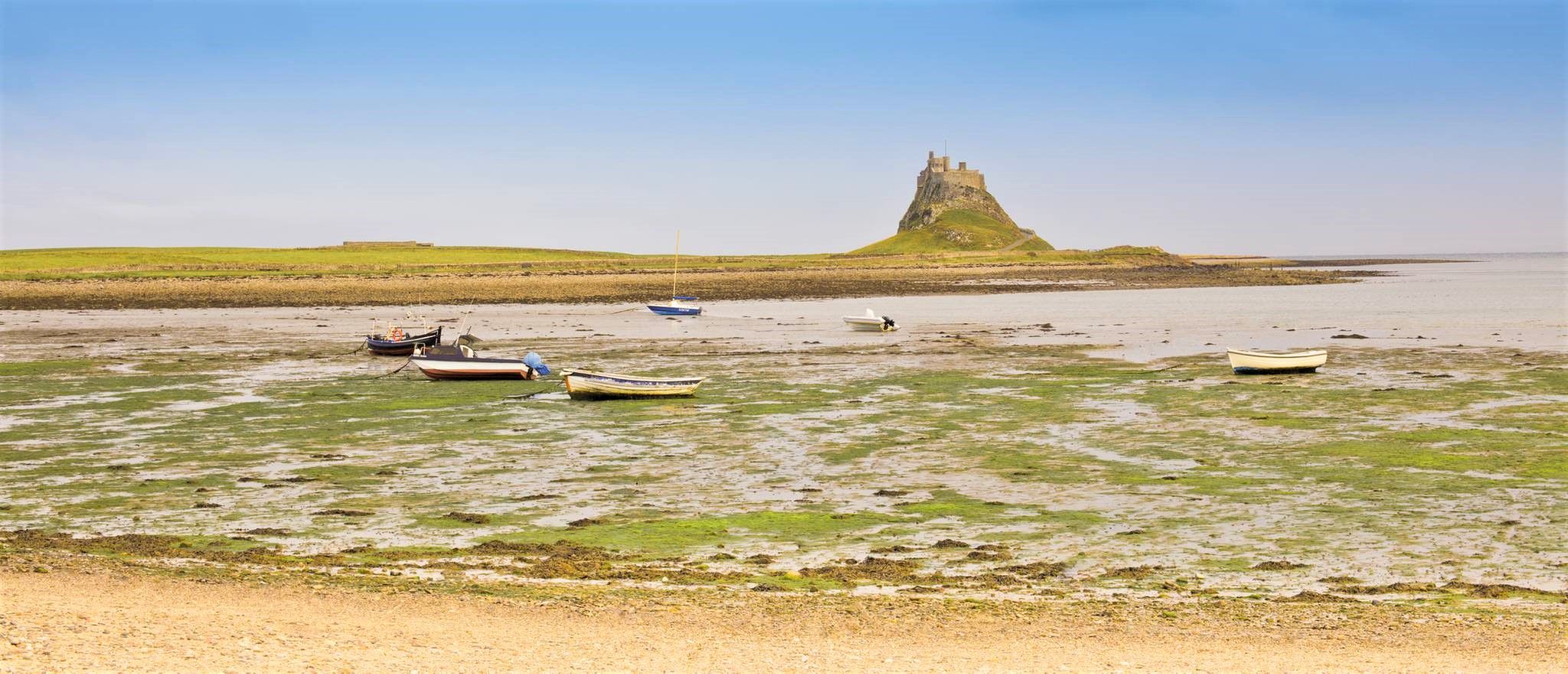
St Oswald's Way — Hike Northumberland's heavenly coast and wild heart
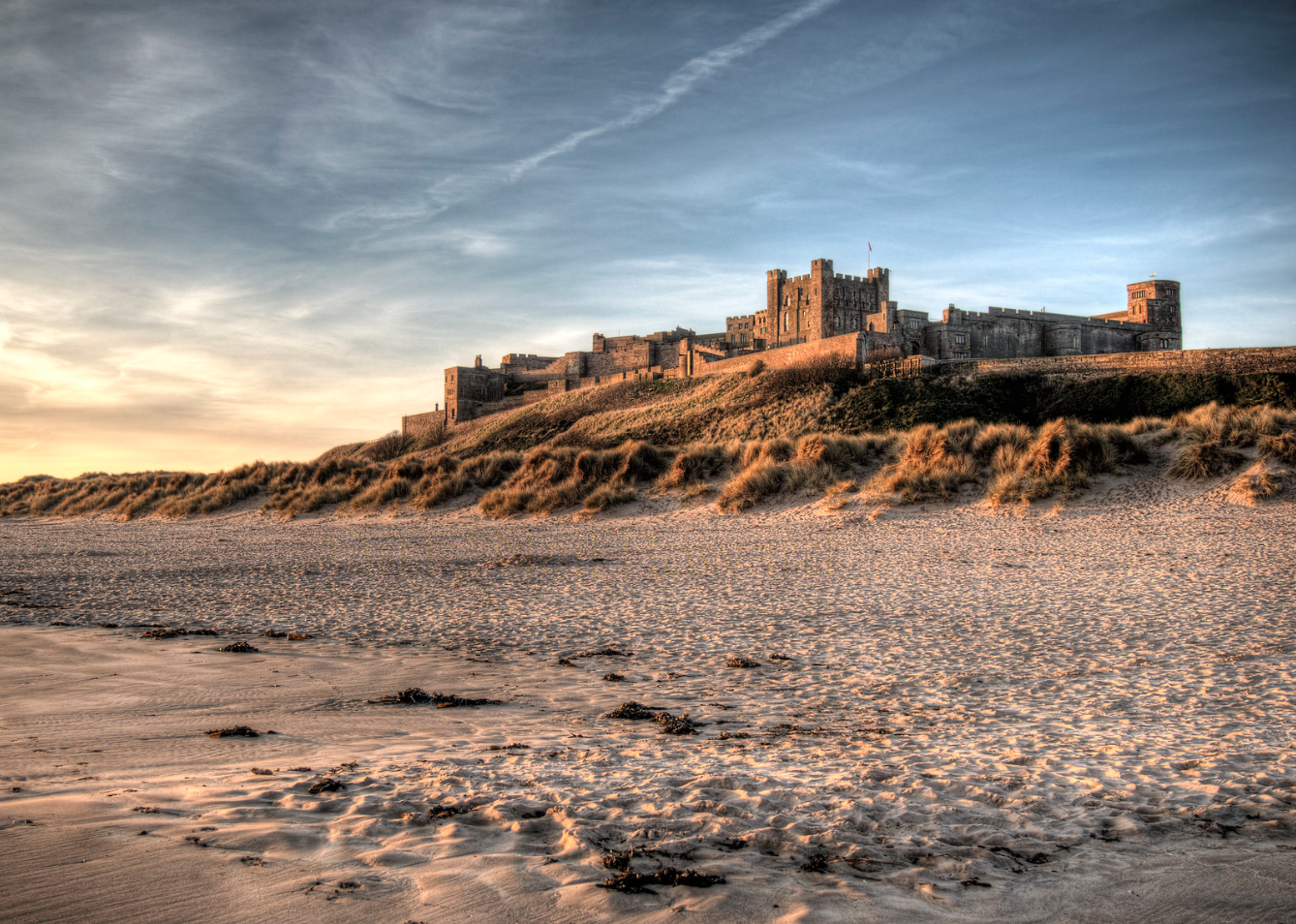
Coast and Castles – cycle in the footsteps of legends and kings
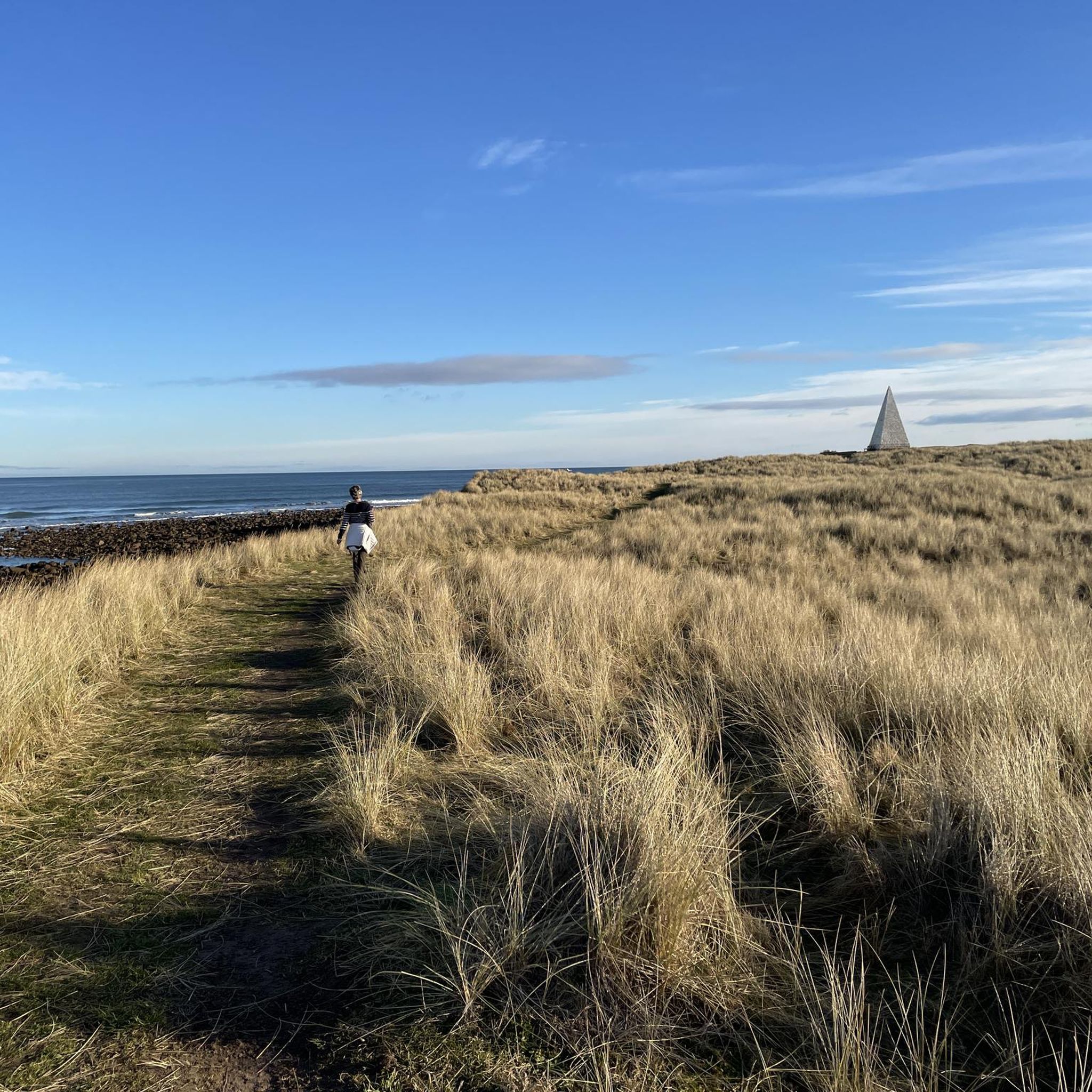
Hiking in Lindisfarne National Nature Reserve
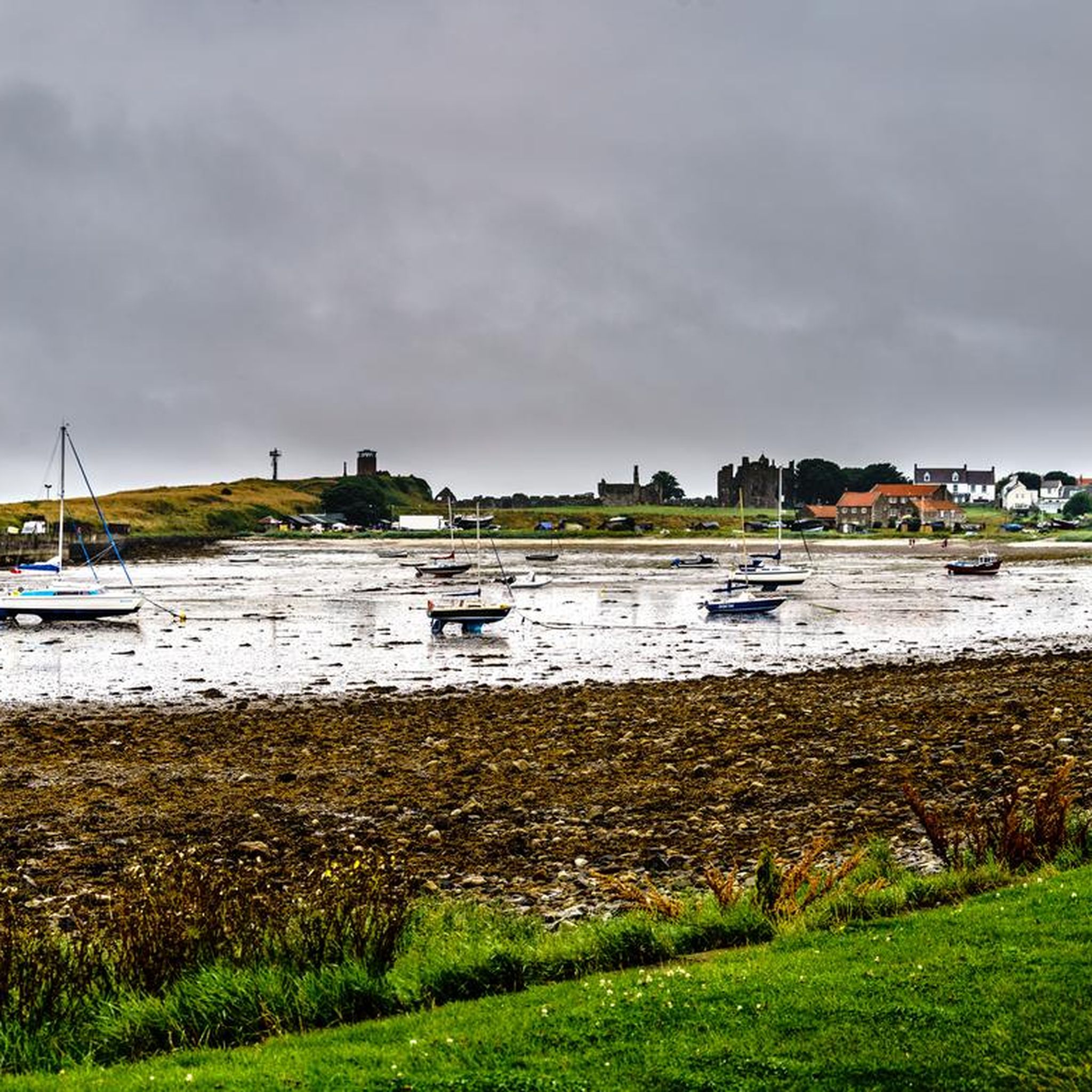
Running Trails in Lindisfarne National Nature Reserve
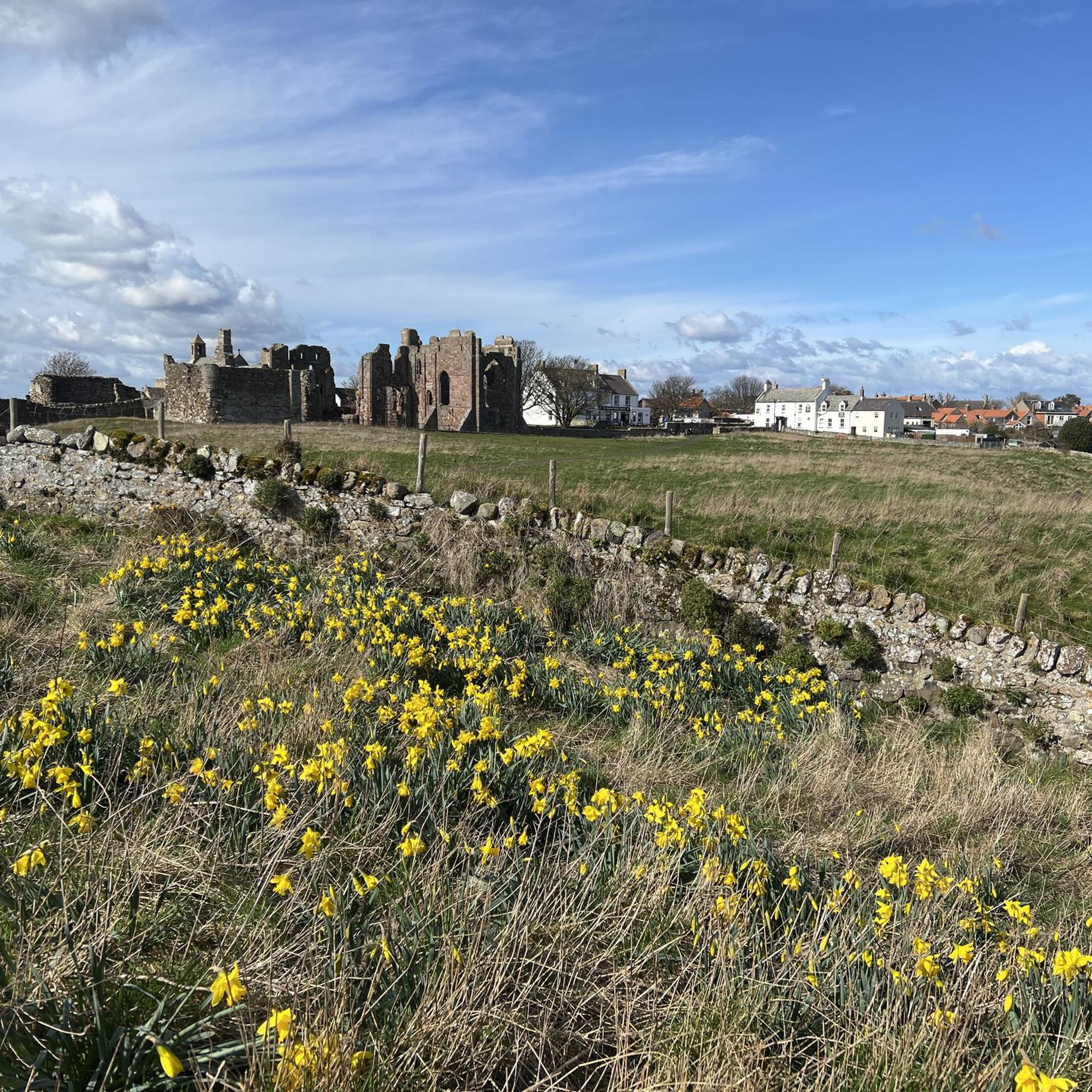
MTB Trails in Lindisfarne National Nature Reserve
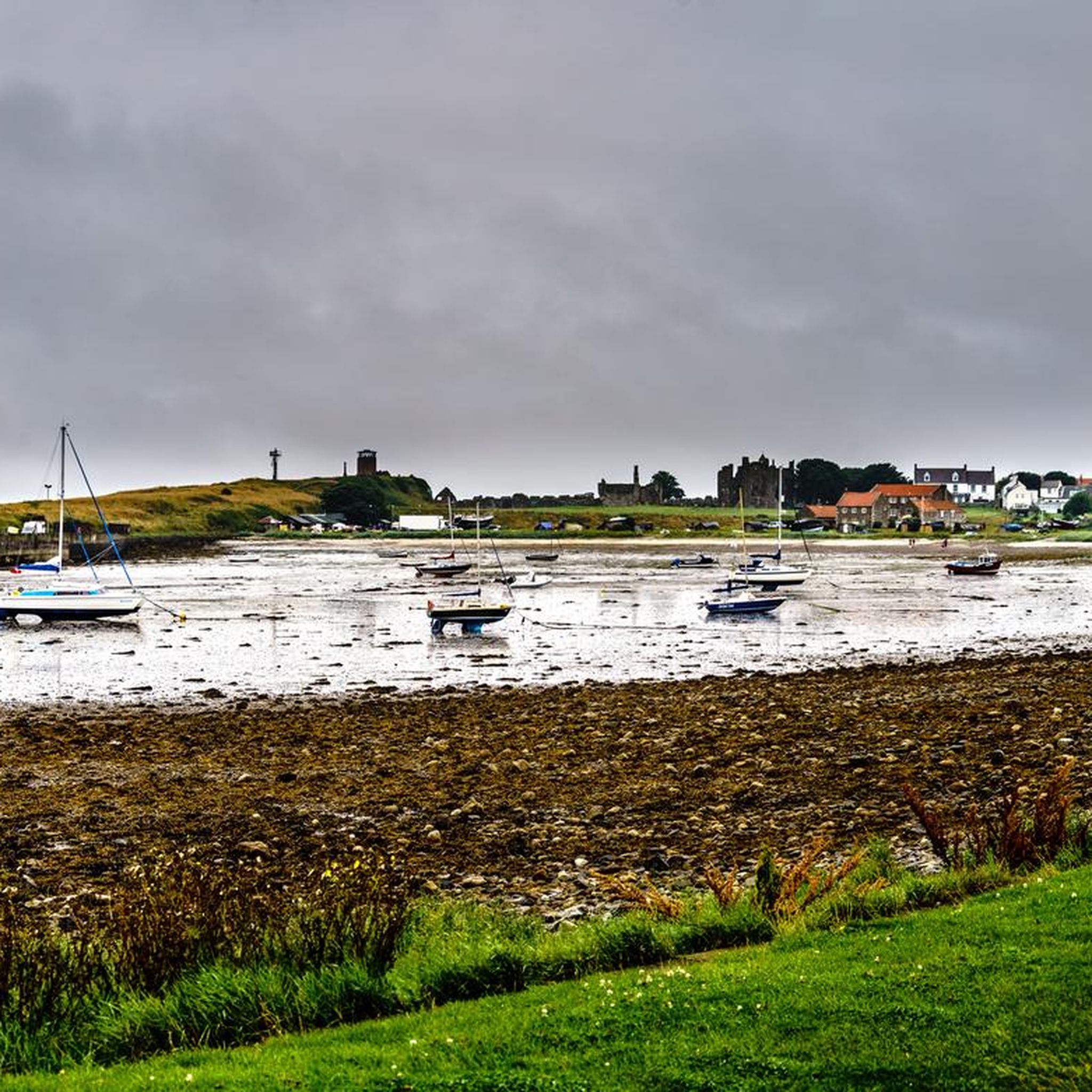
Cycling in Lindisfarne National Nature Reserve
Other adventures in Lindisfarne National Nature Reserve


Tips from the Community

Built in the 14th Century on an outcrop of the Whin Sill, an atmospheric ruin.
0
0

Absolutely stunning! Alnwick Castle is one of those rare places that feels both grand and welcoming. The architecture is jaw-dropping, and the setting over the River Aln is gorgeous. The staff are friendly, and the guided tours add a lot of colour to the history — from medieval battles, to its military museum, to its modern fame as “Hogwarts” in the Harry Potter films. The state rooms are also beautifully preserved and reek of state level opulence. It can get busy and the tickets aren’t cheap, we paid £19 for being in the 60+ dementia category, down from £22 for normal adults, but it’s worth every penny for the experience. Don’t skip a walk through the nearby gardens (closed for us today because of winds)or a look over the castle walls — the views of Alnwick town are fantastic.
0
0

Craster Tower Gateway is an 18th century gateway and iconic entrance to the village of Craster. The gateway once belonged to Craster Tower, which now serves as a luxury apartment.
0
0

Seahouses harbour is a popular location for tourists, many are waiting on the day trip boats to the Farne Islands, there are queues waiting to book on the boats
1
0

Bamburgh, located on the northeast coast of England in Northumberland, is renowned for its historical and scenic significance. Dominated by the imposing Bamburgh Castle, a fortress with origins in the 6th century and extensive Norman architecture, the village offers panoramic coastal views and a rich history as the former seat of Northumbrian kings. The picturesque village features quaint shops, pubs, and St Aidan's Church, linked to the early spread of Christianity. The expansive sandy beaches and nearby Farne Islands enhance its natural beauty, attracting outdoor enthusiasts and wildlife watchers. Additionally, Bamburgh is celebrated for its connection to the Victorian heroine Grace Darling, commemorated in a local museum. This blend of historical depth and natural splendor makes Bamburgh a captivating destination.
0
0
In the mid-13th century, Newton-by-the-Sea was part of the barony of Vesci, initially held by John Viscount for one knight's fee. Ownership passed through notable figures including Simon de Montfort and Edmund of Lancaster. By 1725, it became part of the Barony of Embleton and saw ownership by the Forster family, who built Newton Hall in the late 18th century for Joseph Forster. Low Newton, or Newton Seahouses, emerged in the early 19th century as a community for fishermen. The National Trust now manages some of these cottages, as well as the Coastguard Station, built around 1828. In the 19th century, Newton-by-the-Sea had around 250 residents. By 1895, it was a township of 1,211 acres with a population of 220. Today, the parish has about 135 dwellings, home to a mix of residents, holiday homeowners, and visitors. Many residents commute to nearby towns or Newcastle. The National Trust owns much of the coastal land and part of The Square at Low Newton.
0
0
Frequently Asked Questions
How many road cycling routes are available in Lindisfarne National Nature Reserve?
There are over 170 road cycling routes in Lindisfarne National Nature Reserve, offering a wide range of options for different skill levels and preferences.
What are the difficulty levels of road cycling routes in Lindisfarne National Nature Reserve?
The routes cater to various abilities. You'll find approximately 66 easy routes, 104 moderate routes, and 9 more challenging routes, ensuring there's something for every road cyclist.
What is the best time of year to go road cycling in Lindisfarne National Nature Reserve?
The reserve is beautiful year-round, but spring and autumn offer pleasant temperatures and opportunities to observe migratory birds. Always check tide timetables for the causeway, as this is crucial for planning your ride to Holy Island.
What unique features should I be aware of when cycling to Holy Island?
The causeway connecting Holy Island to the mainland is tidal and only accessible at low tide. It offers a unique cycling experience, but you must consult tide timetables carefully to avoid getting caught by the incoming tide, which can be dangerous. This tidal road is a prominent feature of the area.
Are there any family-friendly road cycling routes in the area?
Yes, there are many easy routes suitable for families. For example, the Bamburgh Castle – Seahouses Harbour and Beach loop from Budle is an easy 14.3-mile path offering coastal views, ideal for a shorter family ride.
What kind of wildlife can I expect to see while road cycling in Lindisfarne National Nature Reserve?
The reserve is rich in wildlife. You might spot tens of thousands of migratory birds, especially in autumn and winter, including light-bellied Brent geese. Grey seals are commonly seen in the waters and on rocks, and the diverse habitats support various plant species and insects.
What attractions and landmarks can I see along the road cycling routes?
You can explore several historical and natural landmarks. Notable attractions include the Lindisfarne Causeway itself, the dramatic Lindisfarne Castle, and the evocative ruins of Lindisfarne Priory. You can also visit Budle Bay for scenic views and the Emmanuel Head Navigation Beacon.
Are there any circular road cycling routes in the Lindisfarne National Nature Reserve area?
Yes, many routes are designed as loops. An example is the Bamburgh Castle – Low Newton Beach loop from Budle, a 26.4-mile easy route offering coastal views. Another is the Bamburgh Castle – The Outchester Ducket loop from Bamburgh, a 33.0-mile moderate trail.
What do other road cyclists enjoy most about road cycling in Lindisfarne National Nature Reserve?
The area is highly rated by the komoot community, with an average score of 4.4 stars from over 60 reviews. Cyclists often praise the unique coastal paths, the dramatic tidal crossings, and the stunning views of diverse habitats like mudflats and sand dunes.
Is there parking available for road cyclists near the routes?
While specific parking for road bikes isn't detailed in the reserve information, the broader Northumberland region is cyclist-friendly. Accommodations like The Lindisfarne Inn cater to cyclists with facilities like secure bike storage, suggesting parking options are available in nearby villages and towns.
Can I find cafes or accommodation on Holy Island?
Yes, the charming Holy Island Village provides amenities such as cafes and shops where you can sample local products like Lindisfarne Mead. There are also accommodation options available on the island.
What are some longer road cycling routes for experienced riders?
For those seeking a longer challenge, the Bamburgh Castle – Wooler Town Centre loop from Budle is a difficult 107.6-mile route with significant elevation gain, offering an extensive exploration of the wider region.
Most popular routes in Lindisfarne National Nature Reserve
Most popular attractions in Lindisfarne National Nature Reserve

Get inspired with the komoot mobile app


Explore more
Browse the best Road cycling routes in other regions.
