The best walks and hikes in Columbia Plateau Trail State Park
5.0
(7)
21
hikers
12
hikes
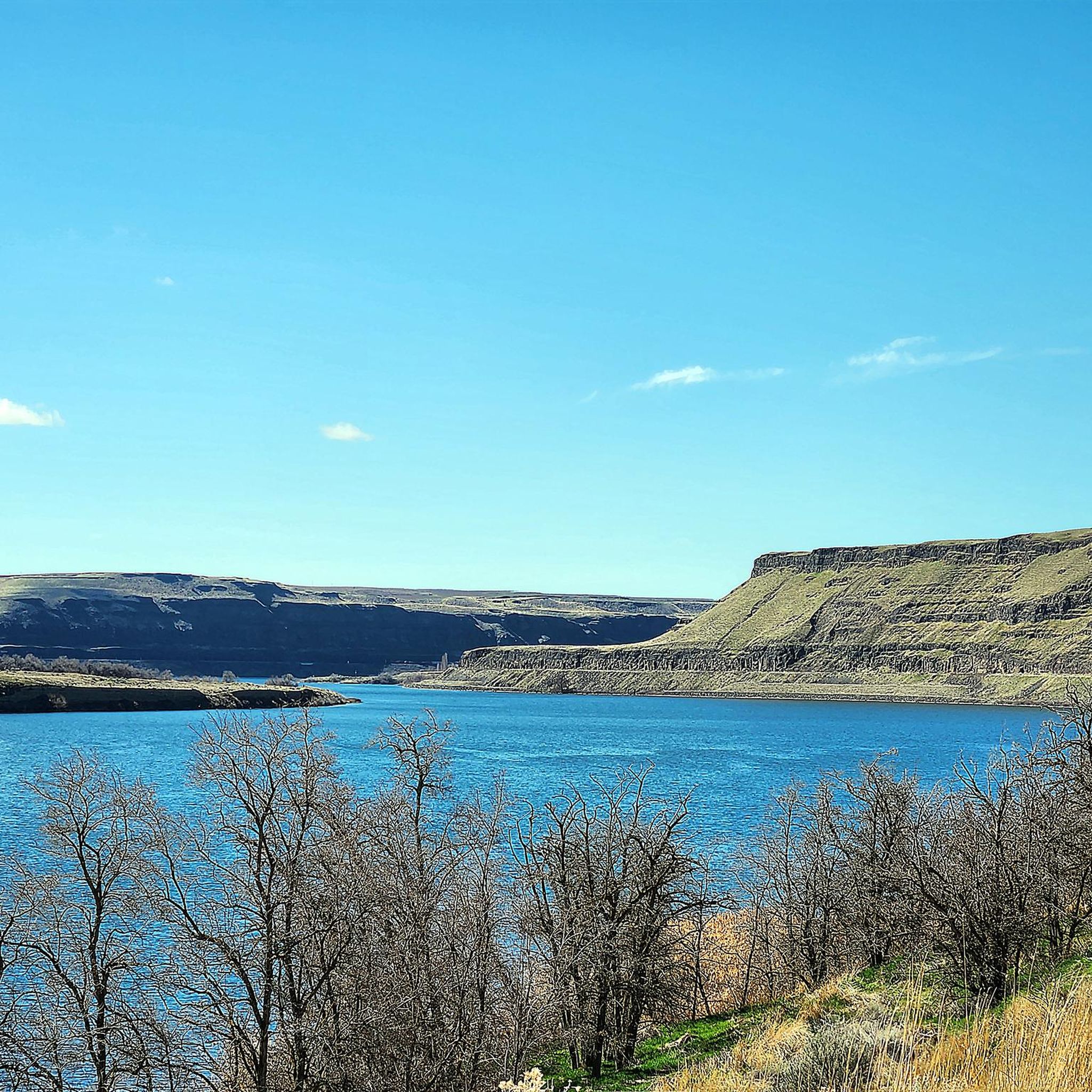
Hiking in Columbia Plateau Trail State Park offers a unique experience across a landscape shaped by ancient basalt flows and Ice Age floods. The region is characterized by channeled scablands, shallow "pothole" wetlands, and river views along the Palouse and Snake Rivers. This linear park follows a historic railway corridor, providing diverse terrain for hikers. The park's features include buttes, canyons, and sections through the Turnbull National Wildlife Refuge.
Best hiking trails in Columbia Plateau Trail State Park
- The most popular hiking route is North wetlands – Cheney Wetlands loop from Cheney, a 3.7 miles (6.0 km) trail that takes 1 hour 33 minutes to complete, offering views of the local wetlands.
- Another top favourite among local hikers is South Loop Trail to Hog Canyon Lake — Fishtrap Recreation Area, a difficult 13.3 miles (21.4 km) path. This route features varied terrain leading to Hog Canyon Lake, requiring good fitness.
- Local hikers also love the Headquarters Pond – Stubblefield Trail loop from Winslow Dike Dam, a 6.5 miles (10.5 km) trail leading through varied landscapes around Headquarters Pond, often completed in about 2 hours 43 minutes.
- Hiking in Columbia Plateau Trail State Park is defined by channeled scablands, basalt formations, and diverse wetlands, with options ranging from easy walks to more challenging long-distance routes. The network offers options for different ability levels, including developed sections with crushed gravel and paved paths.
- The routes in Columbia Plateau Trail State Park are highly rated by the komoot community with an average score of 5.0 stars from over 7 reviews. More than 33 hikers have used komoot to explore Columbia Plateau Trail State Park's varied terrain.
Last updated: May 17, 2026
5.0
(1)
2
hikers
6.04km
01:34
30m
30m
Easy hike. Great for any fitness level. Easily-accessible paths. Suitable for all skill levels.
1
hikers
3.82km
00:59
10m
10m
Easy hike. Great for any fitness level. Easily-accessible paths. Suitable for all skill levels.

Sign up for free
2.69km
00:42
0m
40m
Easy hike. Great for any fitness level. Easily-accessible paths. Suitable for all skill levels.
21.4km
05:41
210m
210m
Hard hike. Very good fitness required. Easily-accessible paths. Suitable for all skill levels.
5.0
(3)
6
hikers
10.5km
02:43
70m
70m
Moderate hike. Good fitness required. Easily-accessible paths. Suitable for all skill levels.
Get access to more routes and recommendations from other explorers.
Sign up for free
Already have an account?
Our route recommendations are based on thousands of hikes, rides, and runs completed by other people on komoot.
Start today with a free account
Your next adventure awaits.
Login or Signup
Popular around Columbia Plateau Trail State Park

Tips from the Community

This is the longest trail in the refuge. It takes you on a loop through and around the mima mounds formations. These mounds are formed naturally, though their are many differing theories about how they are formed.
0
0
There is a pavilion and educational trail at this end of the pond. You get a nice view across the Headquarters Pond to the floating dock and Windmill Pond.
0
0
There is a thin paved trail that circumnavigates the pond and connects to a number of other gravel trails through the refuge. The lake is a great place to watch for waterfowl.
0
0
There is an observation blind along the trail to the east. The whole wetlands area is a great place to spot waterfowl and other local fauna.
0
0
The trail is wide packed gravel and runs along the side of one of the man-made wetland ponds. The wetlands are the final stage in the Cheney Wastewater Treatment Facility's process, but you wouldn't know it from the healthy ecosystem and natural-looking wetlands.
0
0
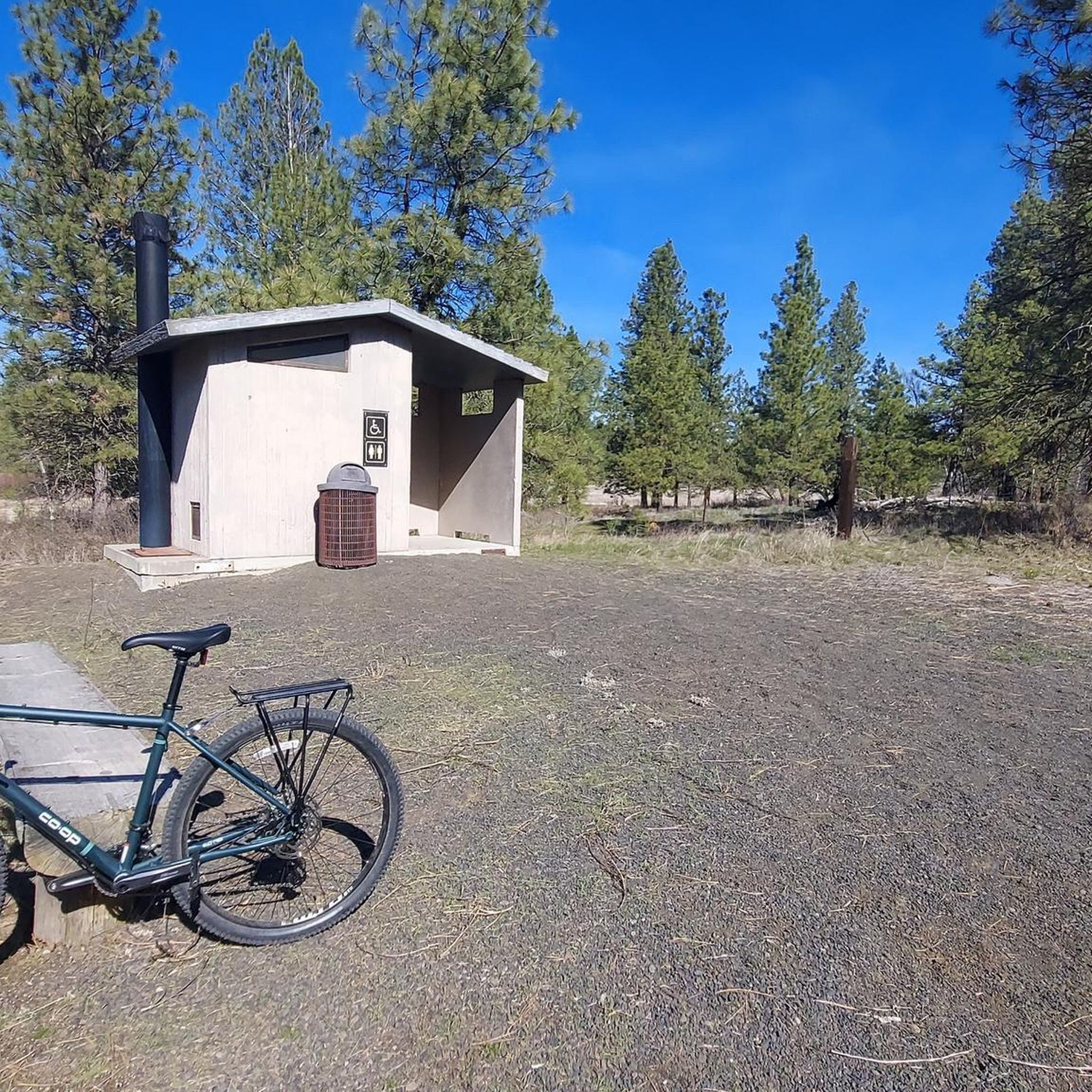
There are five miles of scenic gravel trails that network through the manmade wetlands. You need a Discover Pass to park at the Columbia Plateau Trail State Park Cheney Trailhead, which has restrooms and picnic tables.
0
0

South Loop Trail is part of a trail system that is over 8 miles long called the Fishtrap Loop Trail System. Hikers can enjoy views of Fishtrap Lake, seasonal wildflowers, and unique geological features such as Channeled Scablands kolk craters.
0
0
Hog Canyon Lake, also known as Deep Lak or Hog Lake, is open to fishing from the first Friday after Thanksgiving Day. At the north end of this lake, hikers can find a waterfall. The waterfall is on private property, so it is important for hikers to stay on the trail.
0
0
Frequently Asked Questions
How many hiking trails are available in Columbia Plateau Trail State Park?
There are currently 9 hiking routes available in Columbia Plateau Trail State Park on komoot, ranging from easy strolls to more challenging long-distance treks. These include 5 easy, 3 moderate, and 1 difficult route.
What kind of landscapes can I expect to see while hiking in Columbia Plateau Trail State Park?
The park offers a unique landscape shaped by ancient basalt flows and Ice Age floods. You'll traverse the striking channeled scablands, witness evidence of volcanic fields, and encounter shallow 'pothole' wetlands. The southern sections also provide impressive canyon and cliff views along the Palouse and Snake Rivers, including features like Devil's Canyon.
Are there any family-friendly hiking options in the park?
Yes, there are several easy routes suitable for families. For instance, the North wetlands – Cheney Wetlands loop from Cheney is an easy 6 km trail offering views of local wetlands. Another accessible option is the Hog Canyon Lake loop from Hog Lake Dam, which is a shorter 2.7 km easy route.
Can I bring my dog on the trails in Columbia Plateau Trail State Park?
While the park generally welcomes dogs, it's essential to check specific regulations for each section, especially within sensitive areas like the Turnbull National Wildlife Refuge. Always keep your dog on a leash and clean up after them to protect the wildlife and natural environment.
Are there any circular hiking routes in Columbia Plateau Trail State Park?
Yes, the park features several circular routes. A popular choice is the Headquarters Pond – Stubblefield Trail loop from Winslow Dike Dam, a moderate 10.5 km trail through varied landscapes. Another option is the 30 Acre Lake loop from Winslow Dike Dam, an easy 5.9 km loop.
What kind of wildlife can I expect to see?
The park is a haven for wildlife, particularly within the Turnbull National Wildlife Refuge, which attracts over 200 species of birds, including trumpeter swans. You might also spot deer, elk, and moose, especially in areas with ponderosa pine/grassland and wetlands.
Are there any paved sections of the trail for easier access?
Yes, while much of the 130-mile trail is crushed gravel, there is a developed 3.75-mile paved stretch between Fish Lake and Cheney. This section offers an easier surface, making it more accessible for a wider range of users.
What do other hikers say about their experience in Columbia Plateau Trail State Park?
The area is highly rated by the komoot community, with an average score of 5.0 stars from over 7 reviews. Hikers often praise the unique geological features, the tranquility of the natural surroundings, and the diverse trail options.
Are there any challenging hikes for experienced trekkers?
For those seeking a more demanding experience, the South Loop Trail to Hog Canyon Lake — Fishtrap Recreation Area is a difficult 21.4 km path. This route features varied terrain and requires good fitness, leading to the scenic Hog Canyon Lake.
What historical features can be found along the trail?
The trail follows a historic railway corridor that operated from 1908 until 1987. You can still see remnants of this past, including historic trestles like the 1908 Burr Canyon Trestle, which add a unique historical dimension to your hike.
Is public transport available to access the Columbia Plateau Trail State Park?
Access to the Columbia Plateau Trail State Park primarily relies on personal vehicles, as public transport options directly to the various trailheads are limited. It's advisable to plan your journey with a car to reach the main access points and facilities.
Where can I find parking at the trailheads?
The park provides trailhead facilities at major access points, which typically include parking areas. These are often accompanied by restrooms, picnic shelters, and informational kiosks to assist visitors.
Most popular routes in Columbia Plateau Trail State Park

Get inspired with the komoot mobile app


