The best walks and hikes in Minnesota Valley National Wildlife Refuge
3.8
(6)
41
hikers
13
hikes
Hiking in Minnesota Valley National Wildlife Refuge offers routes through a landscape shaped by the Minnesota River. The refuge contains a mix of floodplain forests, wetlands, and tallgrass prairie. Located near Bloomington, the area's trails explore the varied ecosystems created by the region's glacial history.
Best hiking trails in Minnesota Valley National Wildlife Refuge
- The most popular hiking route is Gigantic Glacial Erratic – Shelter loop from Jordan, an 8.1 mile (13.0 km) trail that takes around 3 hours…
Last updated: May 16, 2026
3.0
(1)
6
hikers
4.46km
01:09
20m
20m
Easy hike. Great for any fitness level. Easily-accessible paths. Suitable for all skill levels.
2.18km
00:34
0m
20m
Easy hike. Great for any fitness level. Easily-accessible paths. Suitable for all skill levels.

Sign up for free
5.0
(2)
6
hikers
Moderate hike. Good fitness required. Easily-accessible paths. Suitable for all skill levels.
5.0
(1)
5
hikers
Moderate hike. Good fitness required. Easily-accessible paths. Suitable for all skill levels.
5.0
(1)
5
hikers
Moderate hike. Good fitness required. Easily-accessible paths. Suitable for all skill levels.
Get access to more routes and recommendations from other explorers.
Sign up for free
Already have an account?
Our route recommendations are based on thousands of hikes, rides, and runs completed by other people on komoot.
Start today with a free account
Your next adventure awaits.
Login or Signup
Popular around Minnesota Valley National Wildlife Refuge
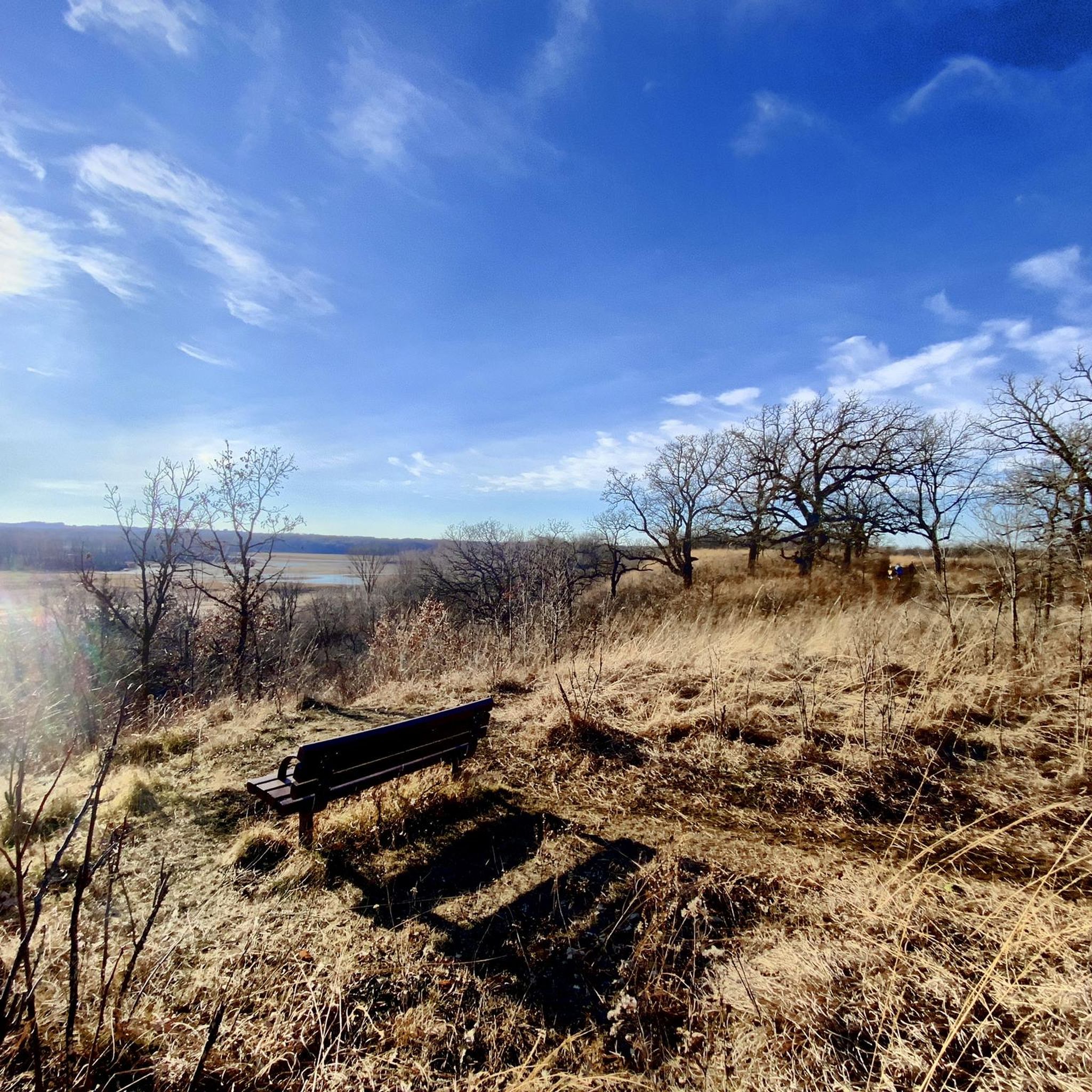
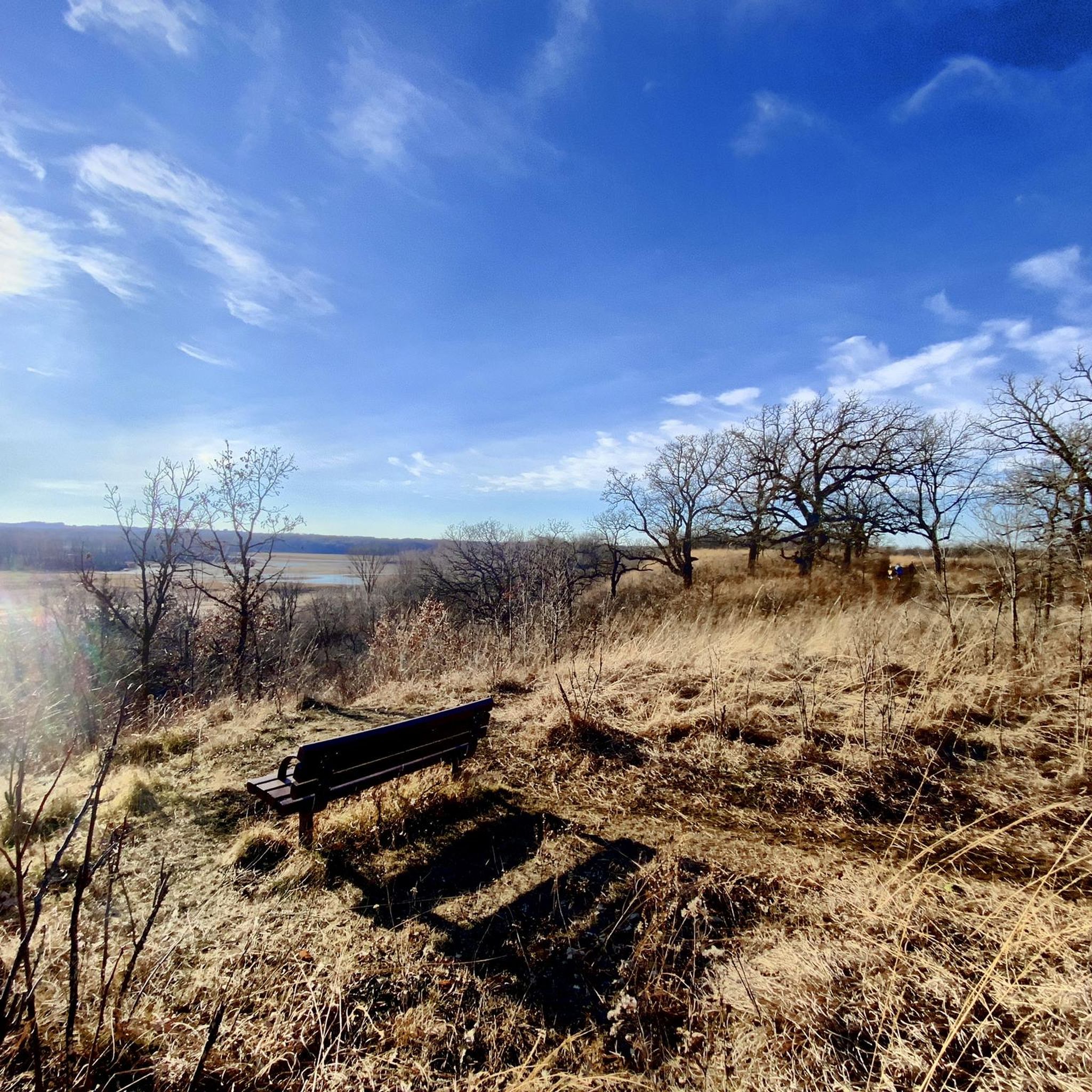

Tips from the Community

The smaller end of rapids Lake has its own name much closer to the parking lot
1
0

The oak savanna at Louisville Swamp is one of Minnesota's rarest and most distinctive wildlife habitats, defined by a blend of prairie grasses, wildflowers, and widely spaced Bur Oak trees. This transitional ecosystem supports a remarkable diversity of plant species and provides critical resources for endangered wildlife, including the Red-headed Woodpecker and various bats, birds, and insects. As a fire-dependent system, its integrity is maintained through regular burns and ongoing restoration efforts by refuge staff to prevent encroachment by non-native species and maintain its open character. Alongside the savanna, the Louisville Swamp Unit preserves significant remnants of native tallgrass prairie—once expansive across Minnesota. These prairies boast towering grasses and vivid wildflowers, creating a vibrant environment throughout the summer. Specialized communities like the Dry Sand–Gravel Prairie feature grasses such as big bluestem and Indiangrass. At the same time, the dense grassland structure provides crucial nesting habitat for wildlife, including various waterfowl and ring-necked pheasants.
0
0
Sand Creek, a 36.6-mile-long tributary of the Minnesota River, winds its way through Le Sueur and Scott counties before meeting the river about a quarter mile downstream from this bridge and just north of Jordan. The creek earned its name from the prominent white sandstone rock formations nearby. Before merging with the Minnesota River, Sand Creek passes through the Louisville Swamp Unit, playing a crucial role in the area's hydrology by influencing how water moves through the swamp. The surrounding landscape is a classic floodplain that floods approximately three out of every five years, which is vital to maintaining the region's unique ecological balance. To help manage this, a water control structure was built to regulate the outflow of water into Sand Creek, but it was washed away by flooding sometime between 2011 and 2014.
0
0
According to my USGS topographic map, the waterway this bridge crosses is a narrow backwater bay of Louisville Swamp.
0
0
This bridge over Sand Creek in Louisville Swamp has experienced a rather intermittent existence during our visits. When Martha and I first used a GPS to track a hike in Louisville Swamp in April 2010, there was no bridge to cross. On our following outing, however, in November 2011, a bridge had been constructed, only to disappear again by March 2014. Several hikes later, by December 2018, the bridge had reappeared, and as of our last visit in December 2023, it remained open and accessible.
0
0
This bridge got washed away once during high water, they have really built it back up nice now.
0
0
There are 2 campsites here for either boat use or trail users.
0
0
Frequently Asked Questions
Are dogs allowed on the trails in the Minnesota Valley National Wildlife Refuge?
Yes, dogs are welcome on the trails but must be kept on a leash at all times to protect the diverse wildlife within the refuge.
Are there any easy, family-friendly hikes available?
Absolutely. The refuge has several flat and easy trails perfect for families. A great option is the Louisville Swamp Trailhead – Louisville Swamp Overlook loop from Merriam, a short walk of about 2.4 miles (3.9 km) that offers a gentle introduction to the area's wetland environment.
What kind of wildlife might I see while hiking?
The refuge is a sanctuary for a wide variety of animals. Keep an eye out for white-tailed deer, river otters, and beavers near the waterways. The area is also a crucial stop for migratory birds, and it's not uncommon to spot majestic bald eagles, which have several nests within the refuge.
Which trails are best for birdwatching?
Many trails offer excellent birdwatching, especially those near wetlands and lakes. The Long Meadow Lake and Bass Ponds units are well-known hotspots. Trails in these areas pass through marshes and floodplain forests, attracting over 200 recorded bird species throughout the year.
Can I hike in the refuge during the winter?
Yes, the trails are open year-round and offer a completely different experience in the winter. The landscape is beautiful under a blanket of snow, and the trails are suitable for both winter hiking and snowshoeing. Some trails may also be used for cross-country skiing.
Are there any circular or loop trails?
Yes, many of the recommended hikes are loop trails, allowing you to start and end at the same point without retracing your steps. For a moderately challenging loop, consider the Gigantic Glacial Erratic loop from Jordan, which is about 4.9 miles (8.0 km) and takes you through a scenic bottomland forest.
What are the visitor centers like?
The refuge has two main visitor centers. The Bloomington Education and Visitor Center is a popular starting point, offering exhibits on local wildlife, a bird feeding station, and an overlook with views of the valley. It's a great place to get oriented before your hike.
What makes the Louisville Swamp area special?
The Louisville Swamp unit is known for its unique geology and history. Hikes here, such as the Mazomani Trail, lead through a mix of bottomland forest and wetlands to a massive glacial erratic—a boulder left behind by glaciers thousands of years ago. You can also see historic farmstead sites in this area.
How many hiking trails are in the refuge?
The refuge features nearly 50 miles of trails, with this guide highlighting over 10 curated routes. The trail system includes everything from short, paved paths to longer, more rustic dirt trails, ensuring there's a suitable hike for every skill level.
What do other hikers say about the trails?
The trails in the Minnesota Valley National Wildlife Refuge are well-regarded by the komoot community. Hikers often praise the peaceful atmosphere and the chance to see abundant wildlife so close to the city. The diversity of landscapes, from wetlands to forests, is also a frequently mentioned highlight.
Is there a moderate hike that showcases the refuge's unique features?
For a comprehensive experience, the Gigantic Glacial Erratic – Shelter loop from Jordan is an excellent choice. This 8.1-mile (13.0 km) route is a moderate challenge that features one of the refuge's most notable geological landmarks, the glacial erratic, while passing through varied forest and wetland scenery.
Most popular routes in Minnesota Valley National Wildlife Refuge
Most popular attractions in Minnesota Valley National Wildlife Refuge

Get inspired with the komoot mobile app


Explore more
Browse the best Hikes in other regions.
