The best running trails in Ojito Wilderness Study Area
5
runners
6
runs
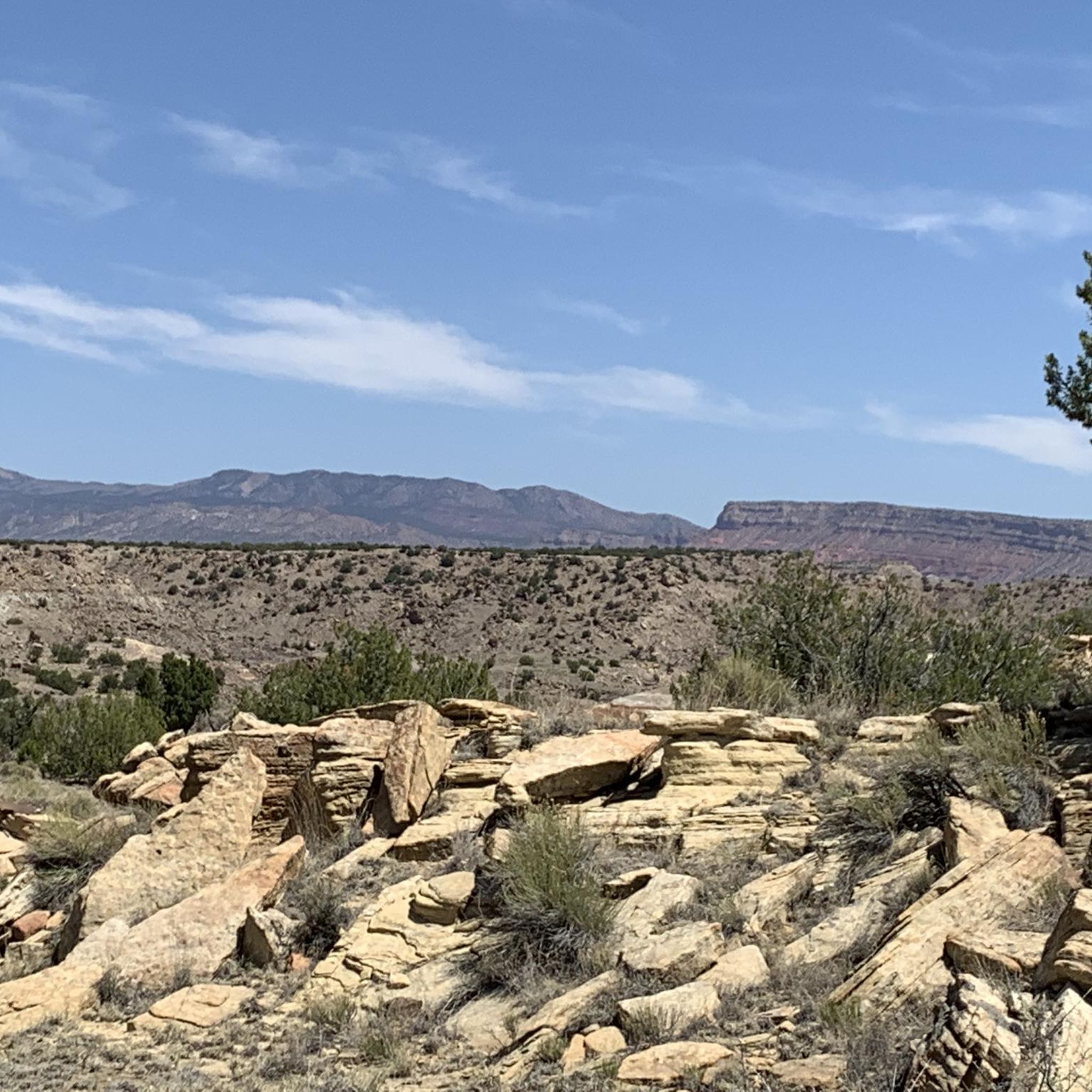
Jogging in Ojito Wilderness Study Area offers routes through a landscape characterized by unique geological formations, including hoodoos and mesas. The region features arid terrain with distinct rock formations and open spaces, providing a natural setting for running. These trails often traverse areas with exposed earth and varied elevations, making for engaging running experiences. The area is known for its remote, undeveloped character, offering a sense of solitude.
Best jogging routes in Ojito Wilderness Study Area
- The most popular jogging…
Last updated: July 8, 2026
3.43km
00:25
30m
30m
Easy run. Great for any fitness level. Mostly paved surfaces. Suitable for all skill levels.
11.4km
01:17
140m
140m
Moderate run. Good fitness required. Mostly paved surfaces. Suitable for all skill levels.

Sign up for free
5
runners
12.0km
01:22
250m
250m
Moderate run. Good fitness required. Mostly paved surfaces. Suitable for all skill levels.
5.97km
00:43
50m
50m
Moderate run. Good fitness required. Mostly paved surfaces. Suitable for all skill levels.
7.25km
00:52
170m
170m
Moderate run. Good fitness required. Mostly paved surfaces. Suitable for all skill levels.
Our route recommendations are based on thousands of hikes, rides, and runs completed by other people on komoot.
Start today with a free account
Your next adventure awaits.
Login or Signup
Popular around Ojito Wilderness Study Area
Tips from the Community

This is the southern end of the White Mesa Trail, a trail created for bikers and open to hikers and runners. Here, runners can explore the bottom of the canyons, which are made of stacks of colorful rocks. The rocks date back to the Triassic and Jurassic periods.
0
0
Check out this U.S. Geological Survey Marker for some accurate insight on this point's elevation and establishment.
0
0
The White Mesa Trail was created for mountain bikers, but hikers and runners are also welcome to enjoy these trails. It is advised for hikers to stay alert for approaching bikers. The rocks here are colorful and great for photos. The east area of the valley is made of red-brown Triassic period rocks, and the rimrock above is made of gray-white Jurassic period gypsum stones. The western section of this valley has tilted layers of sandstone and mudstone.
0
0
The Dragons Back Trail is a trail popular for running, mountain biking and hiking, so be aware. It takes hikers over an exposed area that can be windy and exposed with little shade. There are beautiful views on both sides of the trail of the surrounding colorful mountains, and these views can be enjoyed from most of Dragons Back Trail.
0
0
This trail is the boundary of the Ojito Wilderness, with nice views in the north of the Ojito Wilderness and in the south of the Zia Pubebo/Tsi'ya. The shade in this area is sparse so if running mid day, be sure to have sun protection.
0
0
Cabezon Road is the explorer's dirt road for the Tierra Amarilla Anticline and Ojito Wilderness. The scenery and geology are said to be just as nice as some of the surrounding trails. Experienceing this road by trail running is a great option. Cars do take this road, but it is still not as heavily trafficked as surrounding highways.
0
0
The Seismosaurus Trail is about a mile long and relatively flat. It leads up to a small cave with petroglyphs, where the trail terminates. Sometimes the trail is tricky to follow, so have the appropriate navigation ready. Parking can be found at Ojito Wilderness Parking on Cabezon Road. This trail was named after the Seismosaurus dinosaur uncovered here, one of the largest ever dug up in 1985.
0
0
Ojito Wilderness Trail, or Hoodoo Trail, takes runners on a relatively flat trail; the trail ends just past Bernalillito Mesa and passes great view points and amazing hoodoo rock formations. A hoodoo is created by erosion, with a hard rock on top and softer rock beneath. The soft rock erodes faster, leaving a long, thin column with a larger rock on top, resembling a person with a large hat.
0
0
Frequently Asked Questions
How many running routes are available in Ojito Wilderness Study Area?
There are 6 designated running routes in the Ojito Wilderness Study Area, catering to various skill levels. You'll find options ranging from easy paths to more challenging moderate trails.
Are there any easy or beginner-friendly jogging paths in Ojito Wilderness Study Area?
Yes, for beginners or those seeking an easier run, the Seismosaurus Trail is an excellent choice. It's an easy 2.1-mile (3.4 km) route that offers a relatively flat path through the wilderness, typically taking about 25 minutes to complete.
What is the typical length of running trails in Ojito Wilderness Study Area?
The running trails in Ojito Wilderness Study Area vary in length. You can find shorter routes like the Seismosaurus Trail at 2.1 miles (3.4 km), up to longer options such as the Dragon's Back and White Mesa Loop, which spans 7.4 miles (12.0 km).
Are there any loop running trails in Ojito Wilderness Study Area?
Yes, several routes offer a loop experience, allowing you to start and end in the same location without retracing your steps. Examples include the Ojito Wilderness to Cabezon Road loop trail run and the Dragon's Back and White Mesa Loop.
Is Ojito Wilderness Study Area suitable for family-friendly running?
While the area is remote, the Seismosaurus Trail is an easy and relatively short option that could be suitable for families looking for a gentle introduction to trail running in the wilderness. Always ensure children are prepared for arid conditions and carry plenty of water.
Are dogs allowed on the running trails in Ojito Wilderness Study Area?
Generally, dogs are permitted in Wilderness Study Areas, but they must be kept on a leash to protect wildlife and ensure the safety of other visitors. Always practice Leave No Trace principles, including packing out all pet waste. Check current BLM regulations before your visit.
What is the best time of year to go jogging in Ojito Wilderness Study Area?
The best times for jogging are typically spring and fall when temperatures are milder. Summers can be extremely hot, making early morning or late evening runs essential, while winters can bring cold temperatures and occasional snow, requiring appropriate gear.
Where can I park when visiting the Ojito Wilderness Study Area for a run?
Parking in the Ojito Wilderness Study Area is generally available at designated trailheads or along unpaved roads leading into the area. These are typically primitive dirt pull-offs. Specific parking details can often be found on individual route pages or through BLM resources for the area.
Are permits required for jogging in Ojito Wilderness Study Area?
No, permits are generally not required for day-use activities like jogging in the Ojito Wilderness Study Area. However, it's always advisable to check the latest regulations from the Bureau of Land Management (BLM) before your visit, especially if planning an overnight trip.
What kind of wildlife might I spot while running in Ojito Wilderness Study Area?
The Ojito Wilderness Study Area is home to various desert wildlife. Runners might spot lizards, snakes (including rattlesnakes, so stay vigilant), various bird species like raptors, and possibly larger mammals such as coyotes, rabbits, or deer. Maintaining a respectful distance is key.
What should I wear or bring for a run in Ojito Wilderness Study Area?
Given the arid and remote nature of the area, it's crucial to wear appropriate gear. This includes sturdy trail running shoes, layers of clothing suitable for changing temperatures, a hat, sunglasses, and sunscreen. Most importantly, carry ample water, as there are no services or water sources on the trails.
Are there any cafes or facilities near the jogging trails in Ojito Wilderness Study Area?
The Ojito Wilderness Study Area is a remote and undeveloped region, meaning there are no cafes, restrooms, or other facilities directly within or immediately adjacent to the running trails. Plan to be self-sufficient, carrying all necessary supplies, including water and snacks, and pack out all trash.
What do other runners enjoy most about jogging in Ojito Wilderness Study Area?
Runners often praise the Ojito Wilderness Study Area for its unique geological formations, including hoodoos and mesas, and the sense of solitude it offers. The varied terrain and open desert landscapes provide an engaging and distinct running experience away from crowds.
Most popular routes in Ojito Wilderness Study Area

Get inspired with the komoot mobile app


Explore more
Browse the best Running Trails & Routes in other regions.
