Attractions and Places To See in Cabrillo National Monument - Top 7
Best attractions and places to see in Cabrillo National Monument are located at the southern tip of the Point Loma peninsula in San Diego, California. This area commemorates the 1542 landing of Juan Rodríguez Cabrillo and offers a blend of historical landmarks and natural features. Visitors can explore coastal defenses, observe diverse marine life in tide pools, and enjoy panoramic views of the Pacific Ocean and San Diego Bay. The monument serves as a significant site for both historical exploration…
Last updated: October 5, 2026
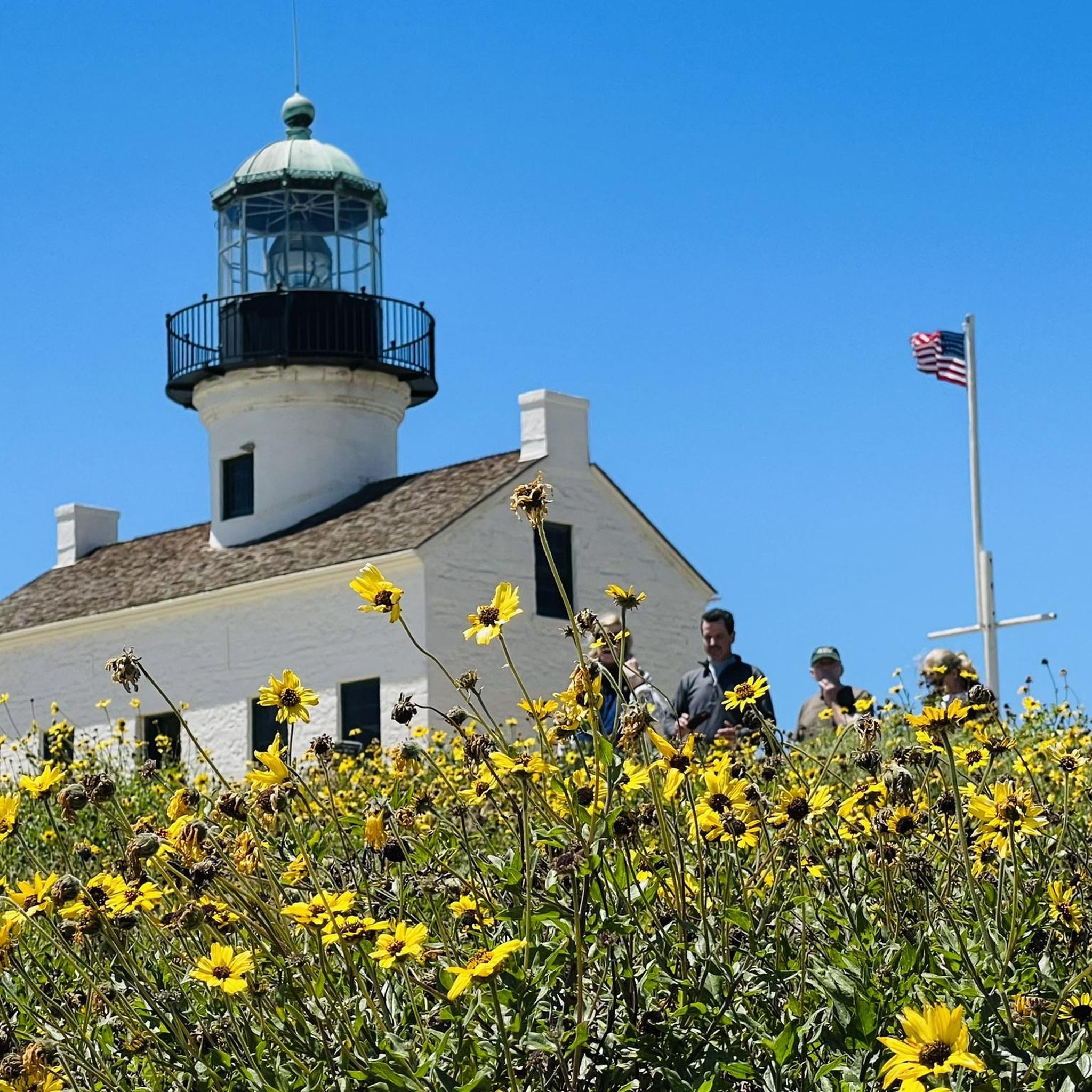
Old Point Loma Lighthouse
Highlight • Monument
Tip by

Cabrillo National Monument and Statue
Highlight • Monument
Tip by

Sign up now to discover places like this
Get recommendations on the best single tracks, peaks, & plenty of other exciting outdoor places.
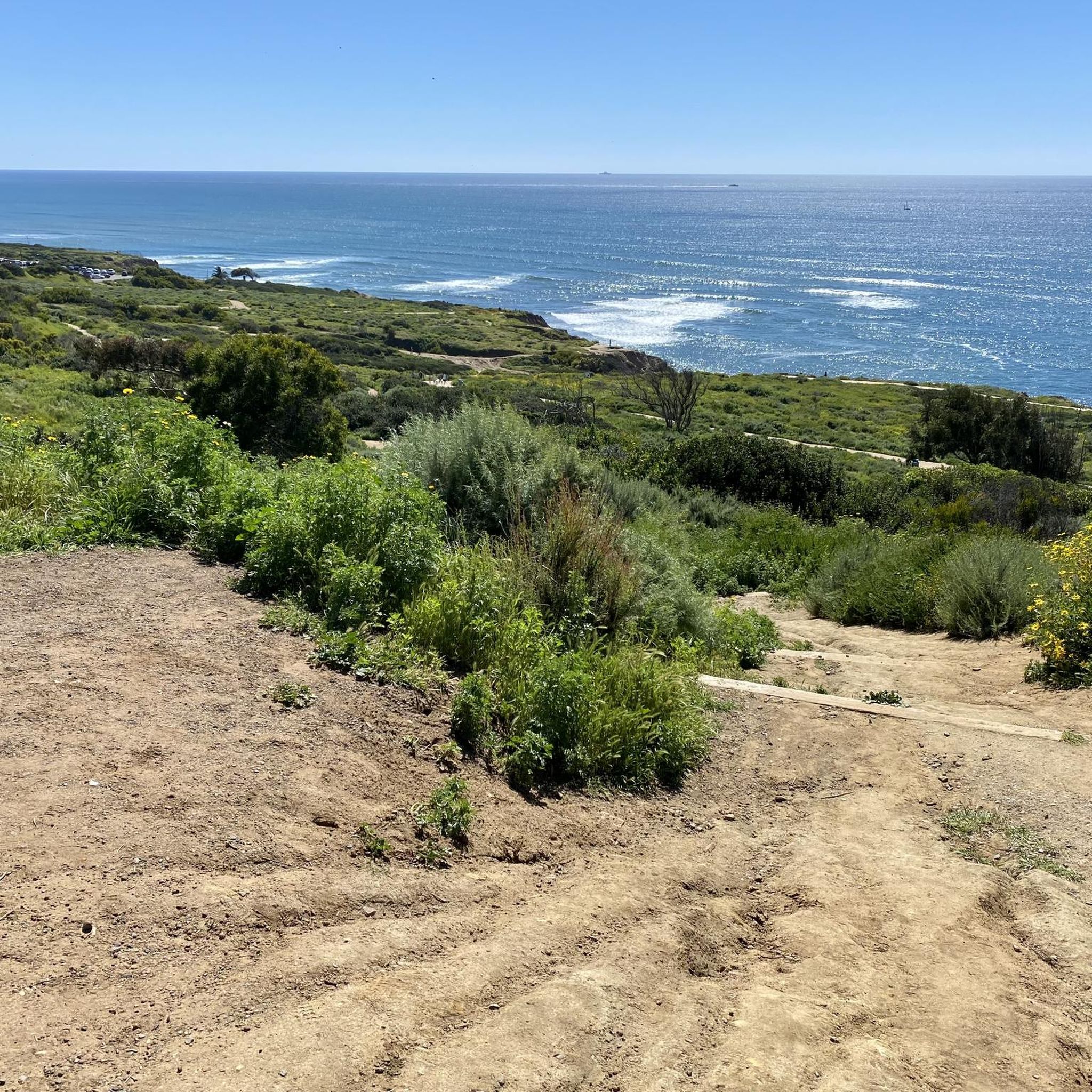
Tide pools on the Coastal Trail
Highlight (Segment) • Natural
usharbors.com/harbor/california/la-jolla-ca/tides/#harbor-nav
Translated by Google •
Tip by

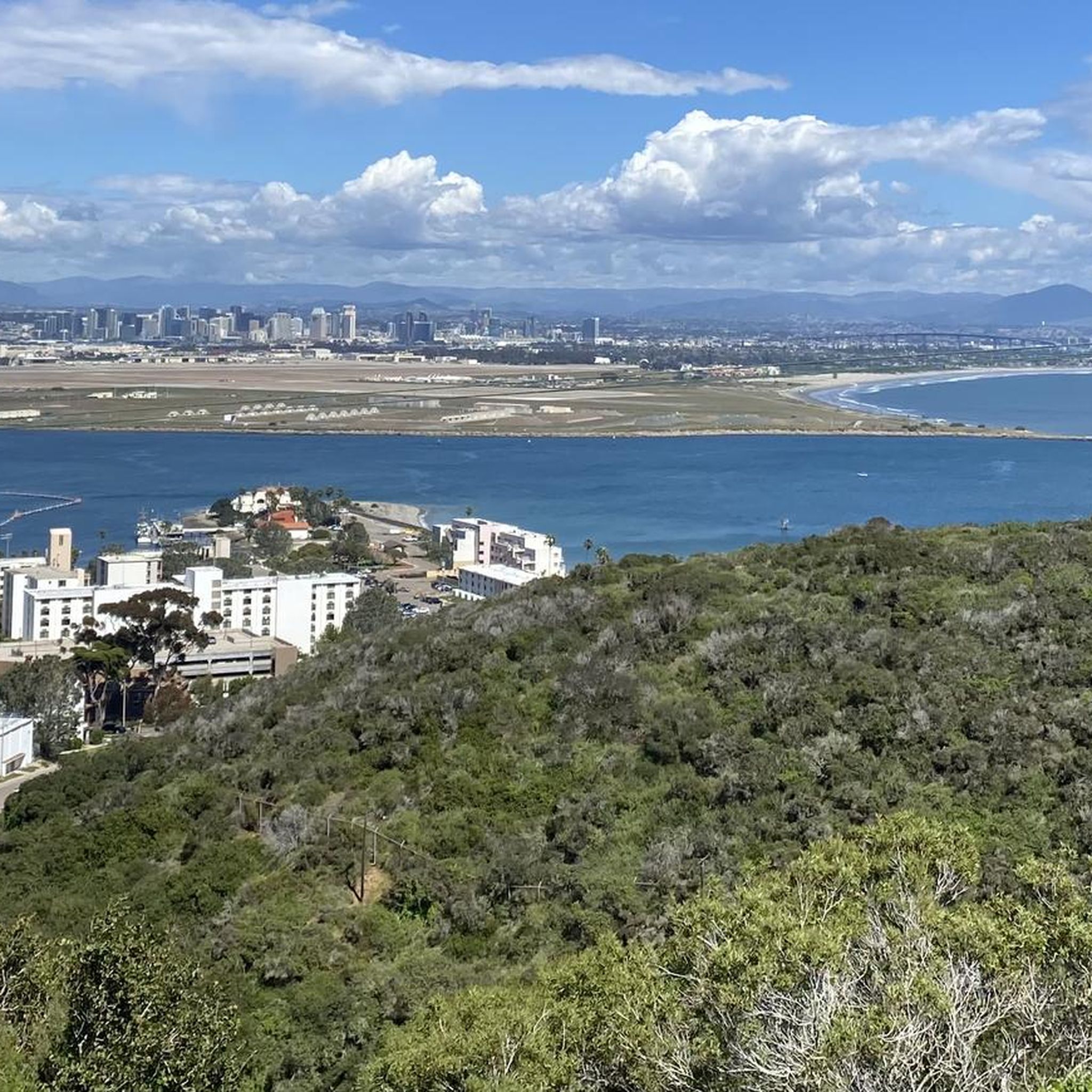
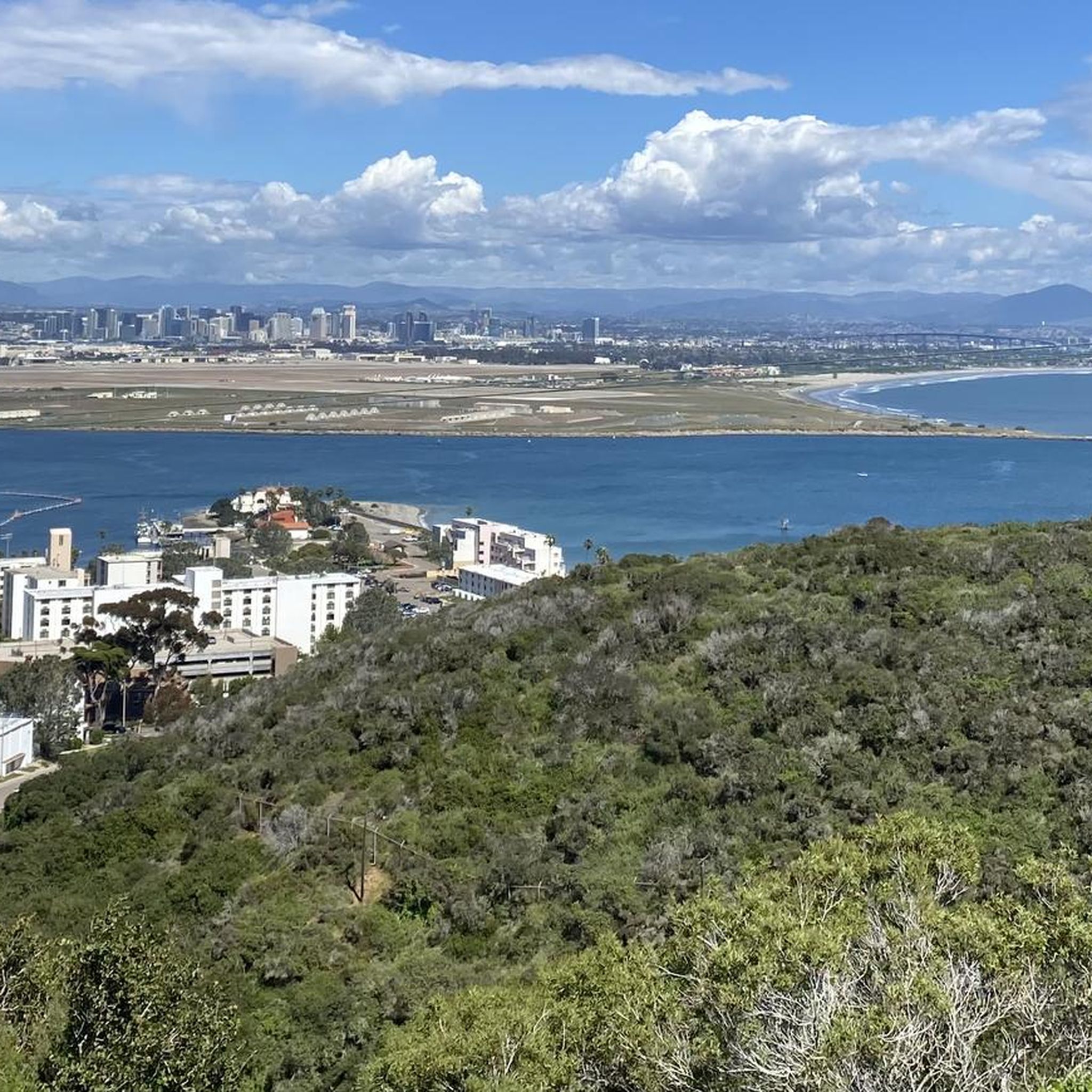
View of San Diego Bay and Naval Base from Point Loma
Highlight • Viewpoint
Tip by
Point Loma
Highlight • Viewpoint
Translated by Google •
Tip by

Sign up for free to discover even more attractions in Cabrillo National Monument.
Already have an account?
Start today with a free account
Your next adventure awaits.
Tips from the Community

An experience! Be there about half an hour before low tide. Without low tide, the whole thing is pointless! https://www.usharbors.com/harbor/california/la-jolla-ca/tides/#harbor-nav
1
0

This trail offers a wide, easy path, providing breathtaking coastal views. As you walk, you'll come across tidepools — small pockets of seawater that remain after the tide recedes. These tidepools serve as temporary homes for diverse plants and animals. This area has gained popularity for whale watching, so remember to keep an eye out for such sightings.
0
0
In 1542, Juan Rodriguez Cabrillo became the first European to step foot on the West Coast of the United States. The marble statue commemorating him was crafted by Alvaro DeBree and gifted in 1939.
0
0

The path around the lighthouse is pedestrian only and cyclists are requested to push their bikes.
0
0

Southernmost bicycling point in San Diego on the coast.
0
0

Next to the Cabrillo Library and visitor center/store is a trail out to the tall white marble statue commemorating famous explorer Juan Rodriguez Cabrillo.
0
0
The Old Point Loma Lighthouse was actively protecting the safety of the San Diego waters between 1855 and 1891. At 129 meters (422 feet) above sea level it is at the highest point in the park and was replaced by a new one at a lower elevation, because fog and low clouds often obscured the light at its location. The old lighthouse is now a museum, and visitors may enter it and view some of the service and living areas, as well as an exhibit in the old lightkeeper's house next to it.
0
0
Towering statue commemorating the famous explorer Juan Rodriguez Cabrillo.
1
0
Frequently Asked Questions
What historical landmarks can I explore at Cabrillo National Monument?
You can explore several significant historical landmarks. The Old Point Loma Lighthouse, built in 1854, is a central attraction where you can view restored living quarters from the 1880s. The monument also features the Cabrillo National Monument and Statue, commemorating Juan Rodríguez Cabrillo's 1542 landing. Additionally, the park preserves remnants of coastal defenses and military history exhibits from World War I and II.
What natural features can I explore at Cabrillo National Monument?
The monument offers diverse natural features. You can visit the Tide pools on the Coastal Trail, especially during fall and winter low tides, to observe marine life like sea stars and anemones. The Whale Overlook provides an excellent vantage point for spotting migrating gray whales from late December through March. You can also view extensive kelp forests offshore from the Kelp Forest Overlook.
Where are the best viewpoints in Cabrillo National Monument?
Spectacular panoramic views are a highlight of the monument. From the overlook near the Visitor Center, you can see San Diego Bay, the downtown skyline, Coronado Island, and Naval Air Station North Island. The View of San Diego Bay and Naval Base from Point Loma offers a chance to observe Navy ships. On clear days, you might even see Tijuana and Mexico's Coronado Islands.
Are there hiking trails at Cabrillo National Monument?
Yes, there are several hiking trails. The Bayside Trail is a 2.5-mile round-trip trail offering views of San Diego Bay and Coronado Island. The Oceanside Trail, opened in April 2024, provides panoramic views of the Pacific Ocean and the Rocky Intertidal Zone. For more options, you can explore easy hikes like the Coastal Trail & Tidepools.
Can I visit tide pools at Cabrillo National Monument?
Absolutely! The rocky intertidal area, accessible via the Coastal Trail, is a popular spot for tide pooling. It's best to visit during fall and winter low tides to see a diverse array of marine life, including sea stars, anemones, crabs, and seaweeds. Remember to check tide schedules before your visit.
When is the best time to visit Cabrillo National Monument?
The monument offers attractions year-round. For tide pooling, fall and winter low tides are ideal. If you're interested in whale watching, late December through March is the prime season for spotting migrating gray whales. Generally, the weather in San Diego is pleasant, making it a good destination any time of year.
Is Cabrillo National Monument family-friendly?
Yes, Cabrillo National Monument is very family-friendly. Many attractions, including the Old Point Loma Lighthouse, the Cabrillo National Monument and Statue, and the Tide pools on the Coastal Trail, are suitable for all ages. The Visitor Center also offers educational exhibits and ranger talks.
What running trails are available near the attractions?
If you're looking for running opportunities, there are several routes nearby. Popular options include the Bayside Trail and the Yokohama Friendship Bell & Bessemer Beach loop. You can find more details and routes in the Running Trails in Cabrillo National Monument guide.
Can I go cycling near the monument?
Yes, there are cycling routes in the vicinity. The Bayshore Bikeway is a popular option, as are loops like the USS Recruit – Spanish Landing Monument loop. For a comprehensive list of routes, refer to the Cycling in Cabrillo National Monument guide.
What is the significance of the Old Point Loma Lighthouse?
The Old Point Loma Lighthouse is an iconic structure built in 1854 and first illuminated in 1855. Although decommissioned in 1891 due to its high elevation often being obscured by fog, it remains a significant historical landmark. Today, it serves as a museum where visitors can explore the restored living quarters of a lighthouse keeper from the 1880s.
What is the Cabrillo National Monument and Statue?
The Cabrillo National Monument and Statue commemorates Juan Rodríguez Cabrillo, the first European explorer to reach the West Coast of the United States in 1542. The towering statue stands near the Visitor Center, which offers exhibits about Cabrillo's voyage, the Age of Exploration, and early California Native inhabitants.
Are there accessible paths for wheelchairs at Cabrillo National Monument?
While specific details on all accessible paths are best confirmed with the park directly, the Visitor Center area and many of the main overlooks are generally accessible. It's recommended to check the official National Park Service website for the most current information on accessibility for specific trails and facilities.
Most popular routes in Cabrillo National Monument
Most popular attractions in Cabrillo National Monument

Get inspired with the komoot mobile app


Explore more
Still not found the Highlight you’re looking for? See guides of the top attractions in other regions:
