Back Bay National Wildlife Refuge
Back Bay National Wildlife Refuge
Attractions and Places To See in Back Bay National Wildlife Refuge - Top 3
Best attractions and places to see in Back Bay National Wildlife Refuge include a diverse array of natural features across 9,108 acres in Virginia Beach, Virginia. Established in 1938, this refuge encompasses barrier islands, dunes, coastal woodlands, freshwater marshes, and sandy beaches. It serves as a significant natural area, providing habitat for migratory waterfowl and various other wildlife. The refuge offers opportunities to explore its rich natural environment and observe its diverse ecosystems.
Best attractions and places to see in Back Bay National Wildlife Refuge
- The most popular attractions is Path to a pristine beach, a beach that leads to a magnificent stretch of sandy beach. This boardwalk is suitable for relaxing during a bike ride and observing the waves.
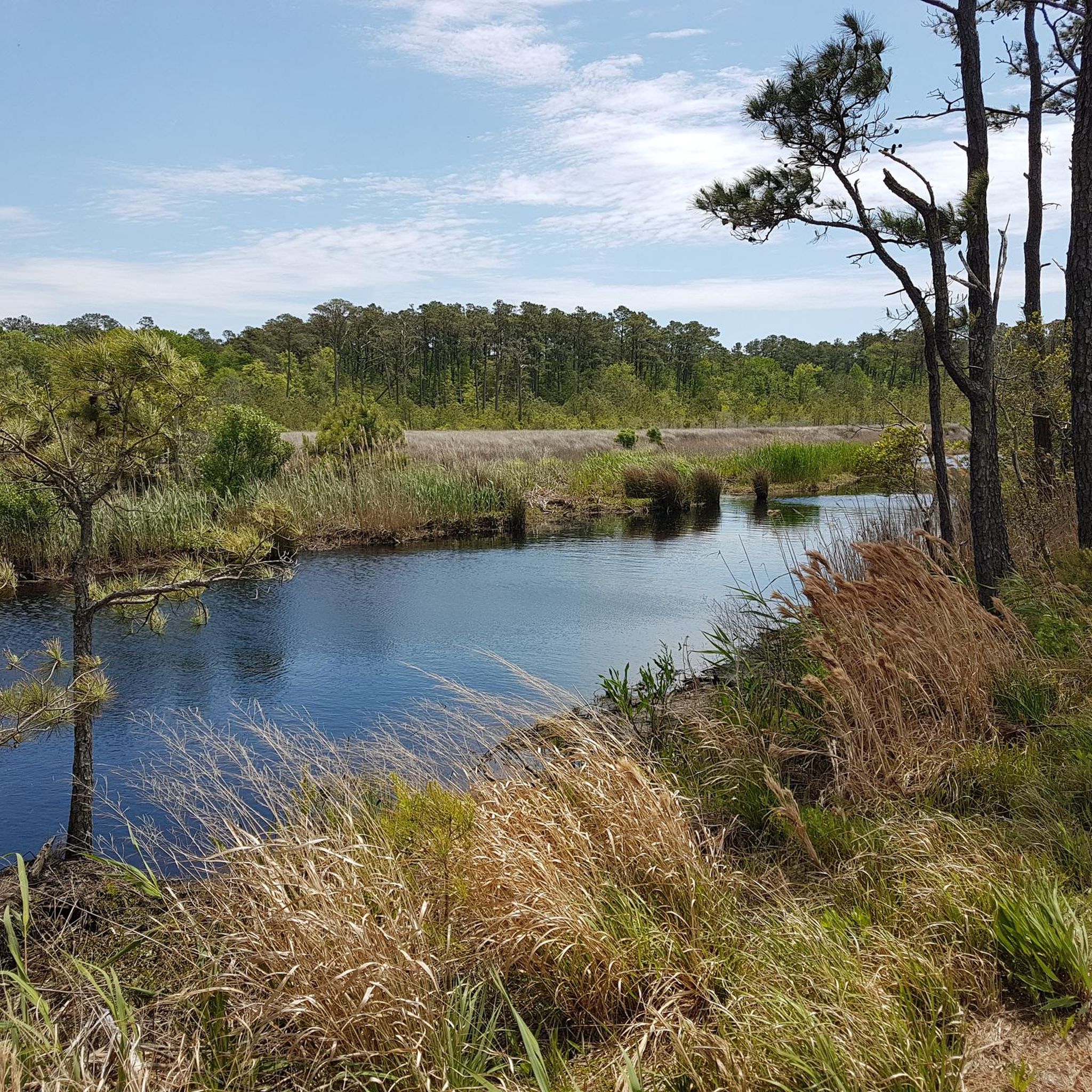
- Another must-see spot is Back Bay National Wildlife Refuge, a natural monument protected since 1938. Visitors can explore its paths, which are home to a wide variety of birds and other animals.
- Visitors also love East Dike Trail, a trail that is hard packed and offers access to the beach. This trail crosses the Dune Trail, providing views of the Atlantic.
- Back Bay National Wildlife Refuge is known for its trails, beaches, and wildlife viewing opportunities. The refuge offers a variety of attractions to see and explore, including diverse habitats and natural monuments.
- The attractions in Back Bay National Wildlife Refuge are appreciated by the komoot community, with 8 upvotes and 5 photos shared by visitors.
Last updated: May 9, 2026
Path to a pristine beach
Highlight • Beach
Tip by

Back Bay National Wildlife Refuge
Highlight • Natural Monument
Tip by

Sign up now to discover places like this
Get recommendations on the best single tracks, peaks, & plenty of other exciting outdoor places.
Sign up for free
East Dike Trail
Highlight • Trail
Tip by

Start today with a free account
Your next adventure awaits.
Login or Signup

Tips from the Community

While not paved, the trail here is hard packed and may be doable depending on your bike. At this point East Dike crosses the Dune Trail, which is a lovely little boardwalk that you can walk your bike down to get beach access and beautiful views of the Atlantic.
0
0

The hiking trails are clearly marked and easy to navigate. The landscape is beautiful.
0
0

This boardwalk leads to a magnificent stretch of sandy beach. It's perfect for relaxing during a bike ride, watching the waves lap the shore and forgetting any worries.
0
0

The area has been protected since 1938 and is home to a wide variety of birds and other animals. It is a beautiful place to visit, especially if you cycle along its paths.
0
0

Warning: The biking / hiking trails through the Back Bay Reserve close over the winter to protect wild birds. If the goal is to reach the False Cap National Park, you have to use a boat connection during this time.
1
0
It is always worth interrupting the bike tour to let your soul dangle on the pristine beach for a while.
0
0
Frequently Asked Questions
What types of natural features can I explore in Back Bay National Wildlife Refuge?
The refuge spans 9,108 acres, offering a diverse landscape including barrier islands, dunes, coastal woodlands, freshwater marshes, maritime forests, ponds, and sandy beaches. You can experience these varied ecosystems, which are home to a wide array of wildlife.
What kind of wildlife can I expect to see at Back Bay National Wildlife Refuge?
Back Bay National Wildlife Refuge is a significant haven for migratory waterfowl, especially during fall and winter, with species like snow geese and tundra swans. Over 300 bird species have been documented, including ospreys and gulls. Beyond birds, you might spot threatened loggerhead sea turtles, river otters, white-tailed deer, mink, and foxes.
Are there specific trails for hiking or biking within the refuge?
Yes, the refuge features approximately seven miles of trails and beach accessible for hiking and/or bicycling. Popular hiking-only trails include the Raptor, Sunset Point Overlook, Kuralt, Seaside, and Dune boardwalk trails. The East Dike Trail is also a great option, offering access to the beach and views of the Atlantic. For more detailed routes, you can explore hiking routes in Back Bay National Wildlife Refuge or cycling routes.
What are some family-friendly activities available at the refuge?
Families can enjoy hiking and biking on the accessible trails, shell collecting on the beach (though swimming and sunbathing are prohibited), and wildlife viewing from designated platforms. The Path to a pristine beach is particularly suitable for families, offering a boardwalk leading to a sandy stretch perfect for relaxing.
Can I go fishing in Back Bay National Wildlife Refuge?
Yes, both freshwater and surf fishing are available. Back Bay and D-Pool are popular for freshwater fishing, with common catches including largemouth bass, perch, catfish, and bluegill. Surf fishing along the beach can yield species like bluefish, whiting, croaker, spot, and redfish.
Are there any historical sites to visit near the refuge?
Yes, you can explore the site of the historic Wash Woods community. This is typically accessed via educational tram tours that depart from the refuge's parking lot and extend into adjacent False Cape State Park. A one-mile round-trip hike from the tram drop-off leads to the remaining cemetery and church steeple.
What is the best time of year to visit for wildlife viewing?
The refuge is particularly renowned as a haven for migratory waterfowl during the fall and winter months. This is an excellent time for birdwatching, with species like snow geese and tundra swans making it a prime destination. However, diverse wildlife can be observed year-round.
Are there any restrictions on trails, especially for birdwatching?
Some trails have seasonal closures to protect nesting seabirds. Specifically, the East and West Dike Trails, while excellent for birdwatching, are closed seasonally from November 1 to March 31. Always check local signage or the Visitor Center for current trail status.
Is there a Visitor Center, and what services does it offer?
Yes, the Visitor Center serves as a key starting point for your visit. It offers information about the refuge and its activities. Additionally, a soft, earthen launch near the Visitor Center facilitates non-motorized boating activities like kayaking and canoeing.
What are the operating hours for Back Bay National Wildlife Refuge?
The grounds of Back Bay National Wildlife Refuge are generally open daily from sunrise to sunset, providing ample opportunities for visitors to explore and connect with nature. For specific program times or any seasonal changes, it's advisable to check the official website.
What are the rules regarding dogs in the refuge?
The provided information does not specify the dog policy for Back Bay National Wildlife Refuge. It is recommended to check the official refuge website for current regulations regarding pets before your visit. You can find more information at fws.gov/refuge/back-bay.
Are there any fees or permits required to enter Back Bay National Wildlife Refuge?
The provided information does not detail specific entrance fees or permit requirements for Back Bay National Wildlife Refuge. For the most up-to-date information on fees, permits, or passes, please consult the official refuge website or contact the Visitor Center directly. You can visit fws.gov/refuge/back-bay/visit-us/activities for visitor information.
Most popular routes in Back Bay National Wildlife Refuge

Get inspired with the komoot mobile app


Explore more
Still not found the Highlight you’re looking for? See guides of the top attractions in other regions:
