The best gravel rides in Turkey
14
riders
4
rides
Gravel biking in Turkey offers diverse landscapes, from volcanic formations and ancient coastal paths to towering mountain ranges. The terrain features labyrinthine gravel roads, valleys, and panoramic ridge trails, particularly in regions like Cappadocia. Cyclists can navigate through olive groves, past unique rock formations, and along historical routes. This varied geography provides a rich network of trails for adventurers seeking challenging dirt, gravel, and stabilized pavement surfaces.
Best gravel bike trails in Turkey
- The most popular gravel bike trail is…
Last updated: August 26, 2026
104km
08:17
1,720m
1,720m
Hard gravel ride. Very good fitness required. Mostly paved surfaces. Suitable for all skill levels.
4
riders
66.5km
04:40
1,120m
1,130m
Hard gravel ride. Very good fitness required. Mostly paved surfaces. Suitable for all skill levels.

Sign up for free
7
riders
43.9km
02:57
760m
760m
Hard gravel ride. Very good fitness required. Mostly paved surfaces. Suitable for all skill levels.
3
riders
54.5km
03:45
850m
850m
Hard gravel ride. Very good fitness required. Mostly paved surfaces. Suitable for all skill levels.
Our route recommendations are based on thousands of hikes, rides, and runs completed by other people on komoot.
Start today with a free account
Your next adventure awaits.
Login or Signup
Popular around Turkey
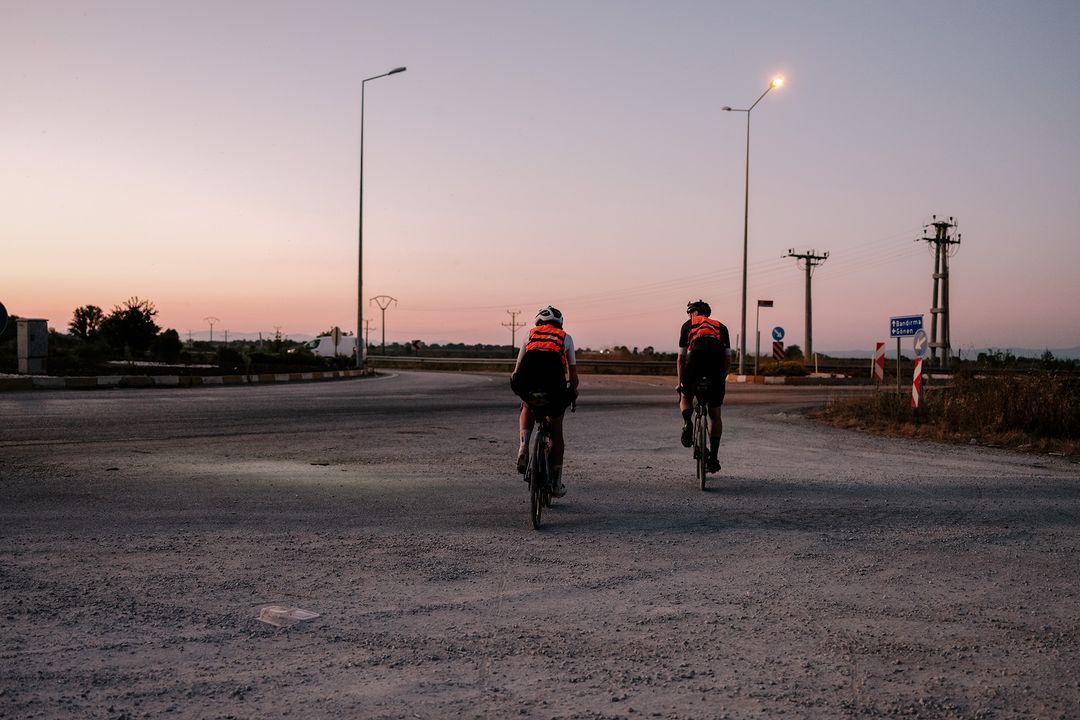
Transcontinental Race No10: crossing Europe from France to Turkey
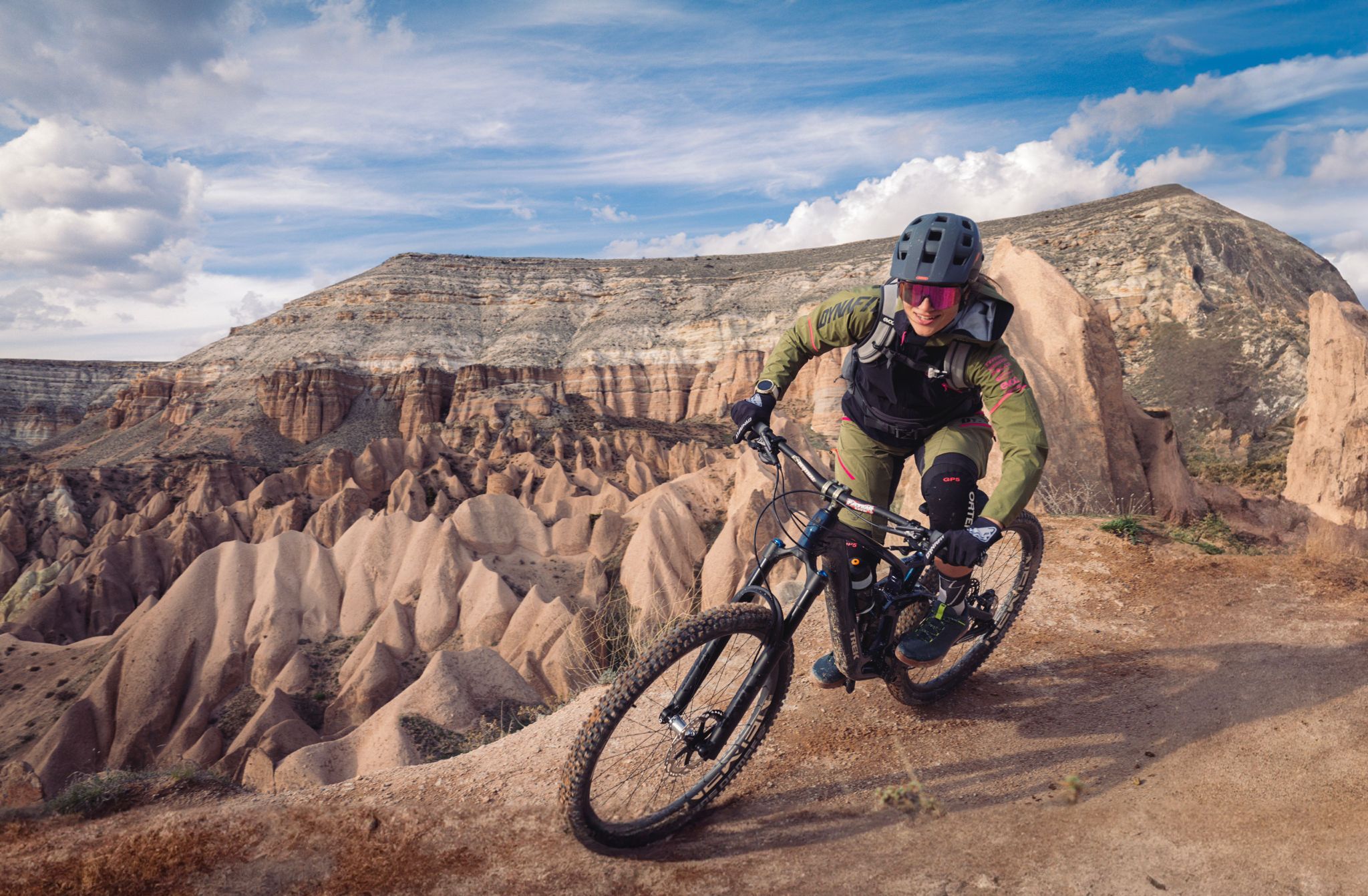
Mountain biking and gravel biking in Cappadocia
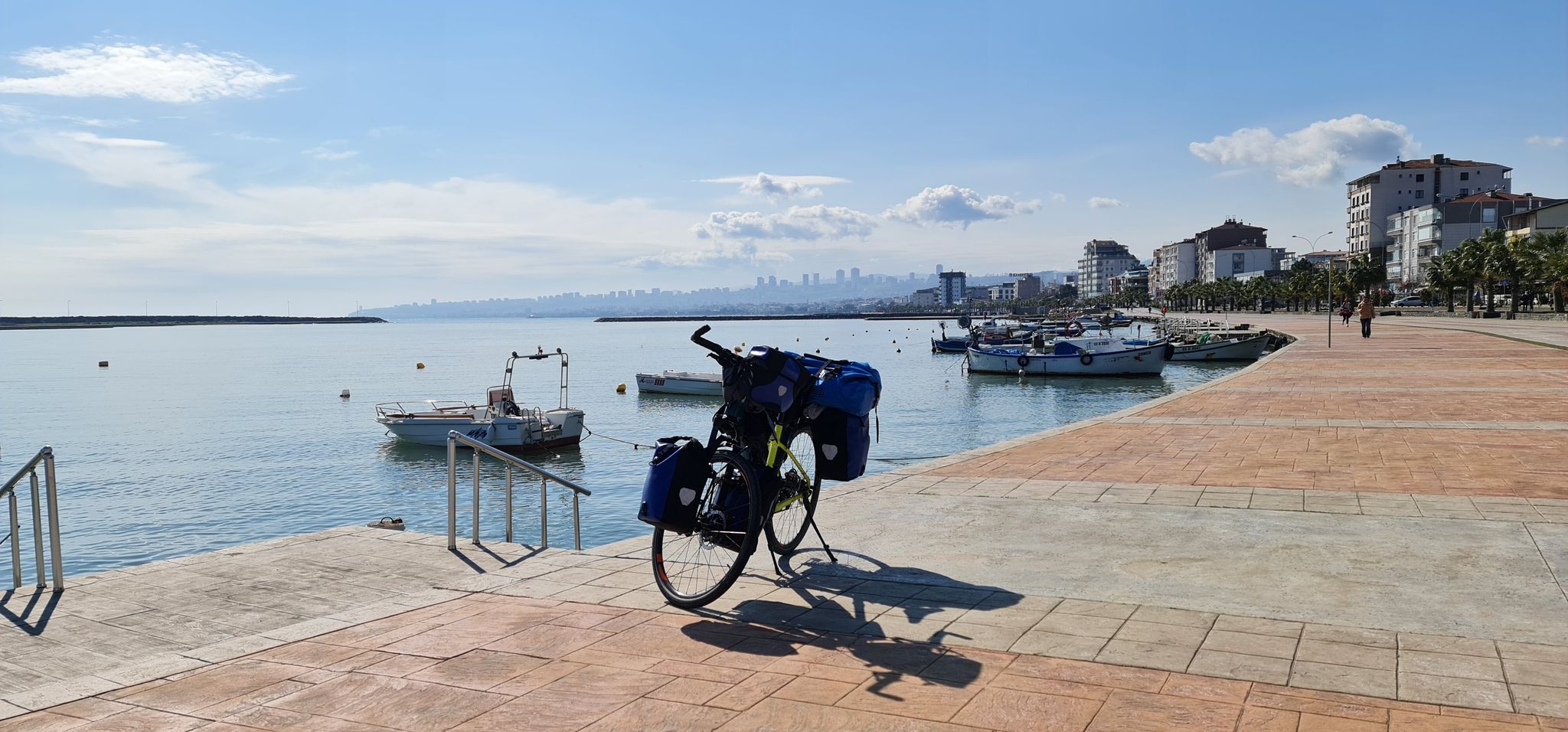
Thrace & Anatolia – long-distance cycling routes in Turkey
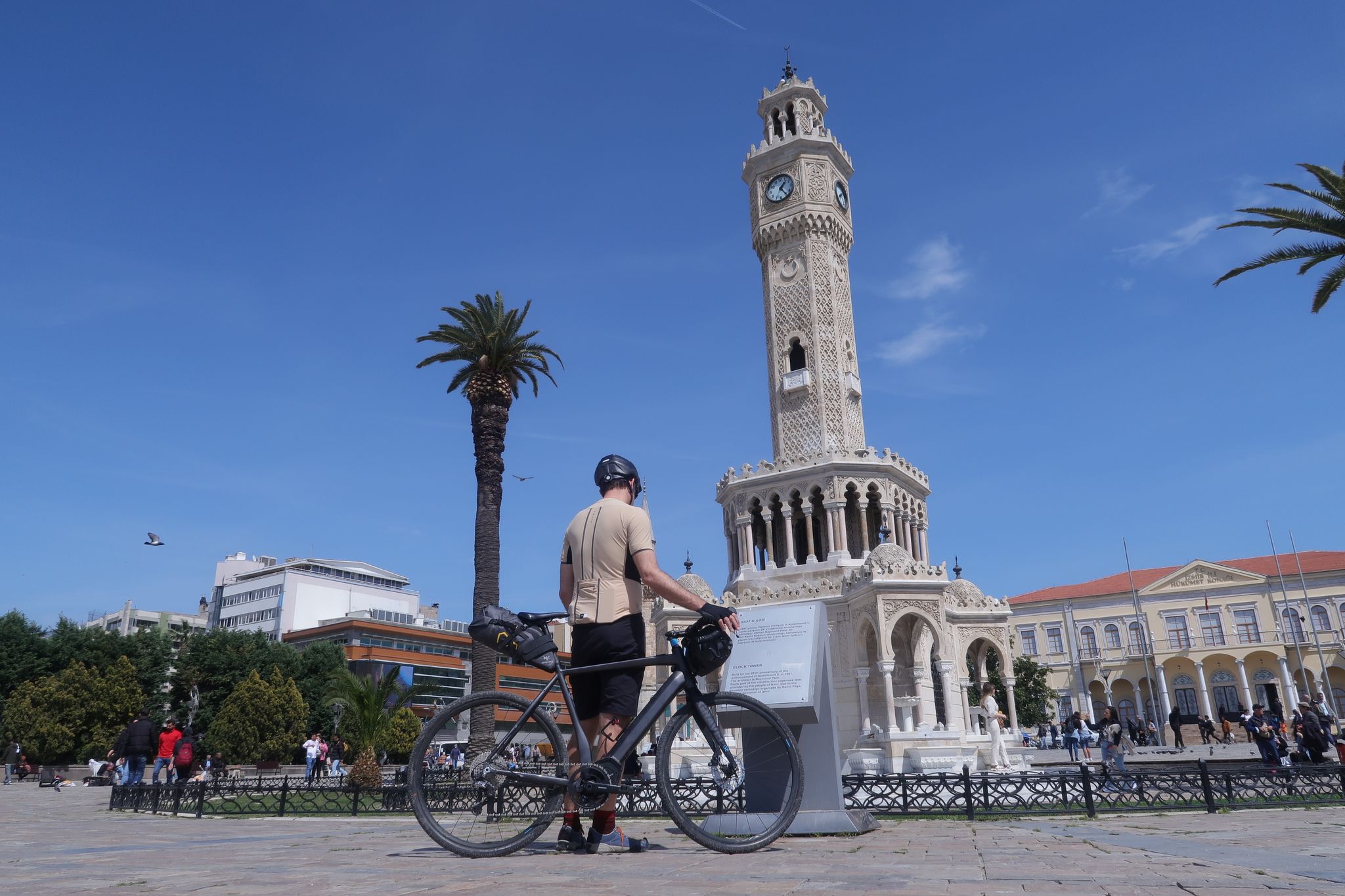
Wild and historic – bikepacking routes in Turkey
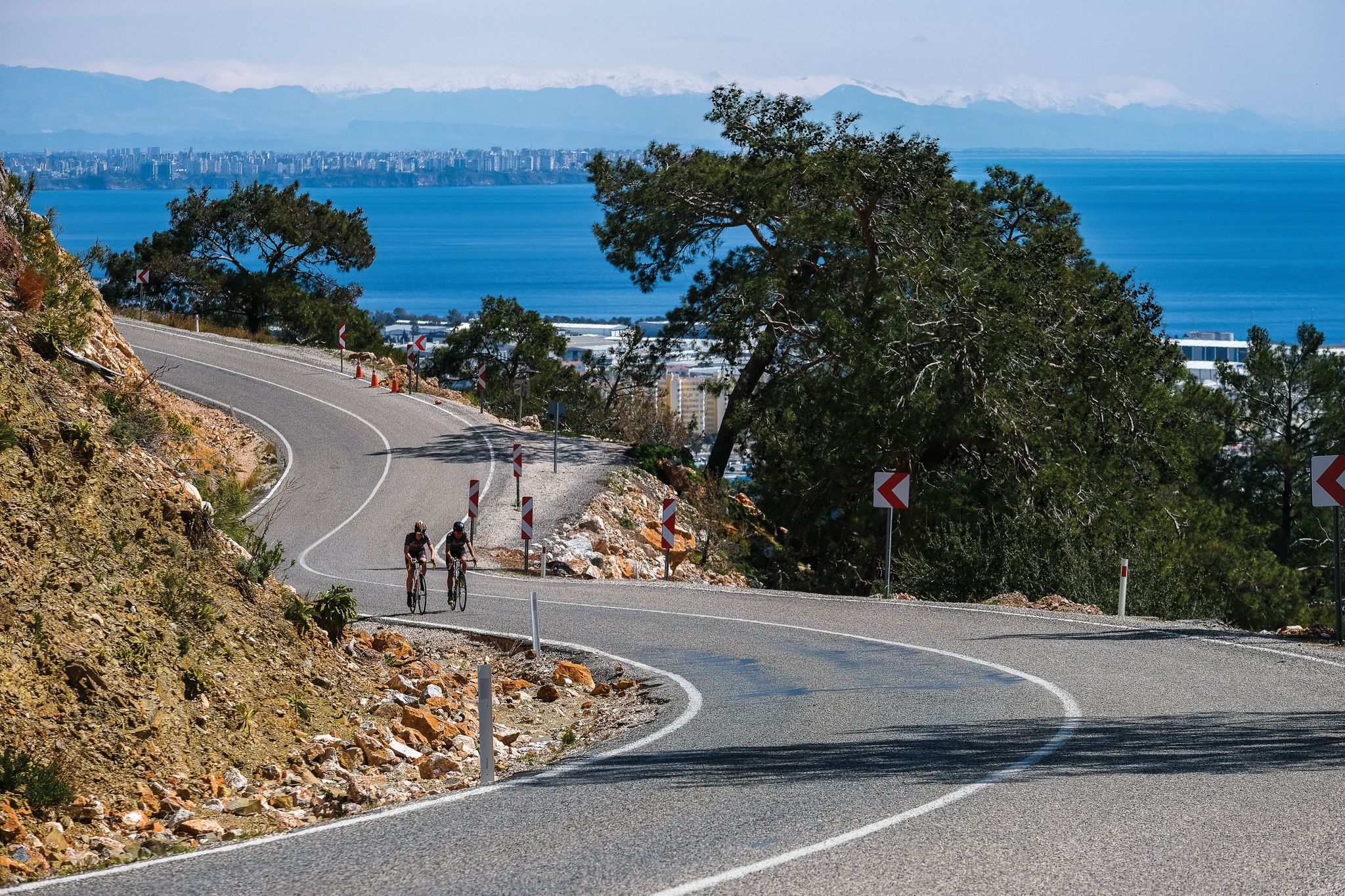
Until your calves burn – epic climbs in Turkey

Triathlon 360 – my journey around the world
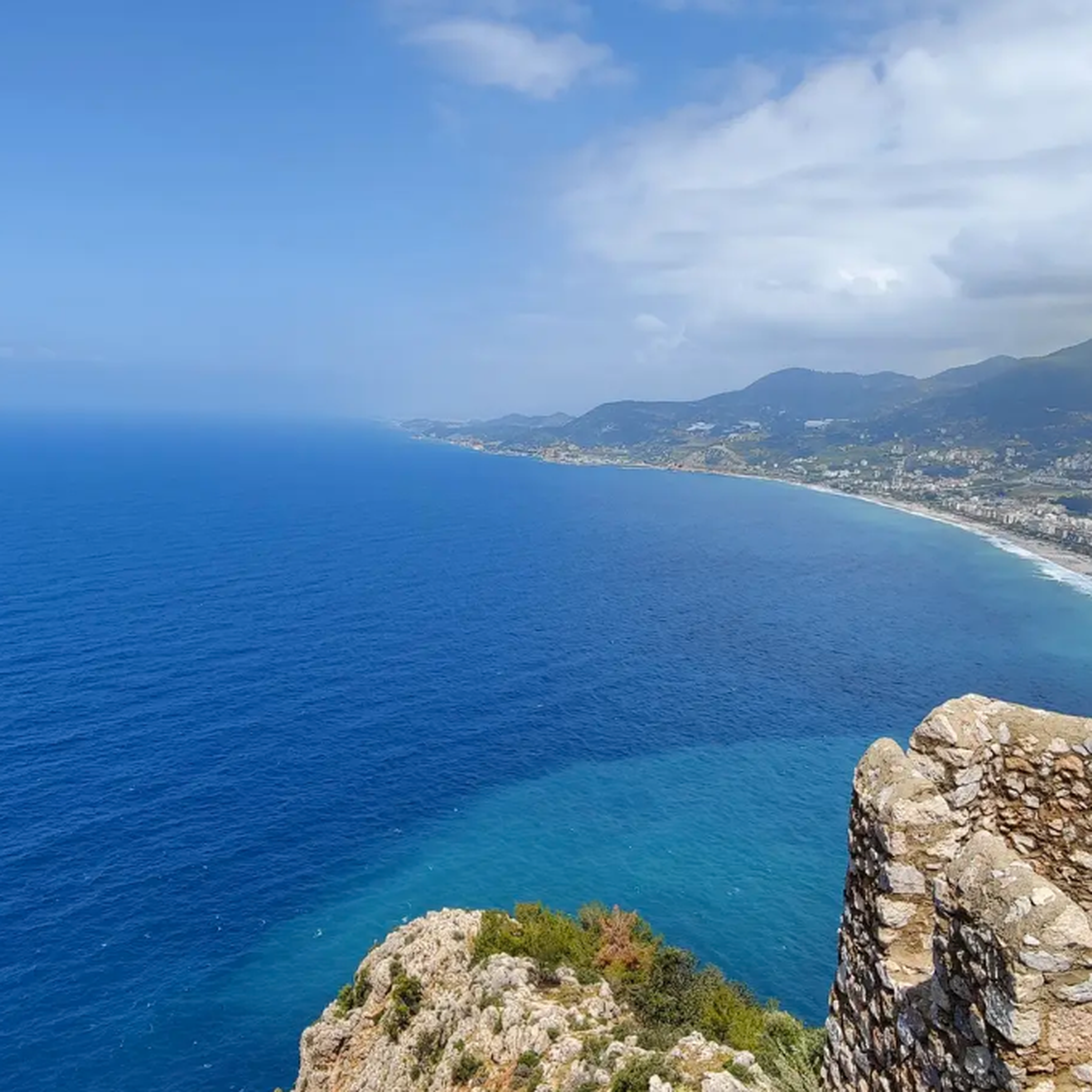
Hiking in Turkey
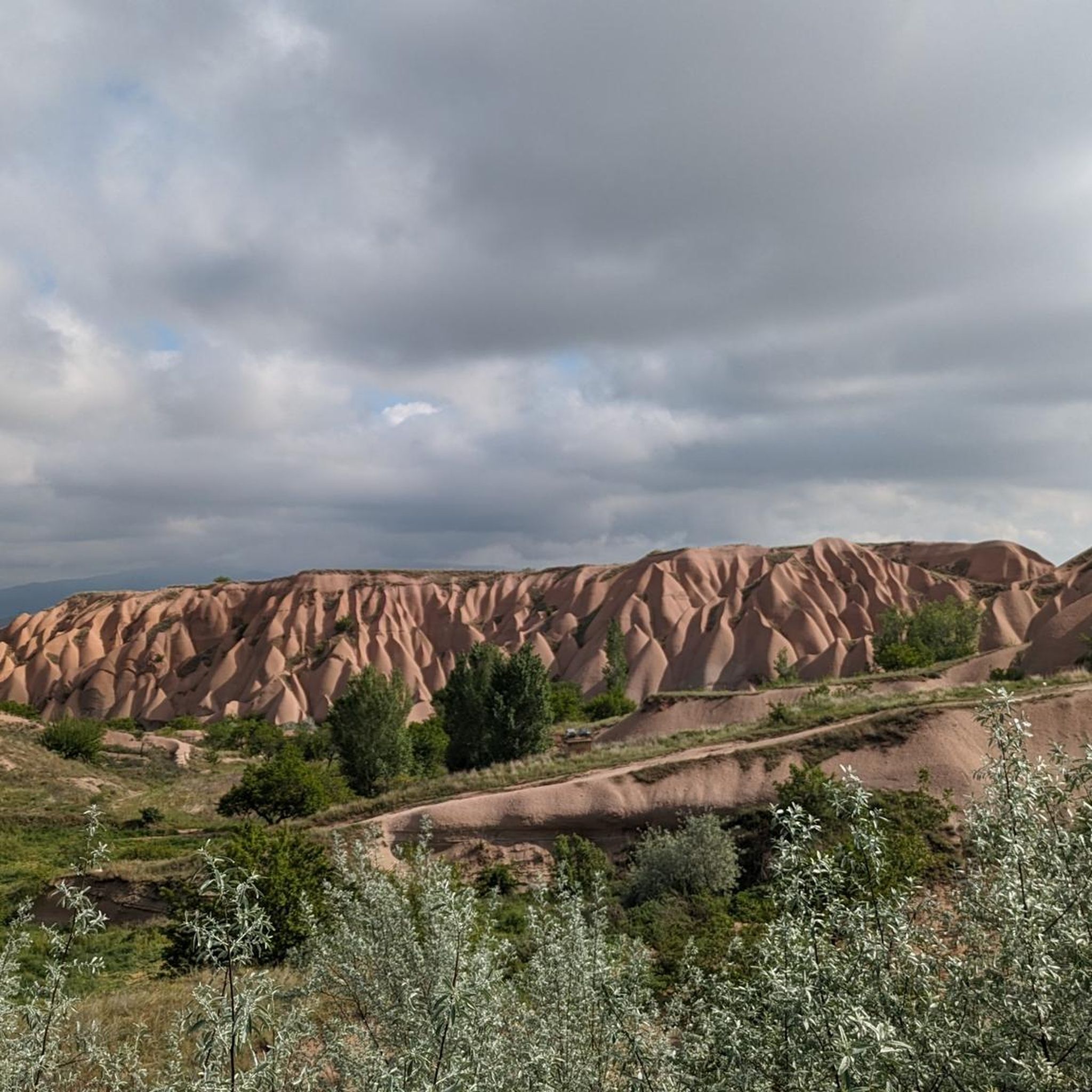
Running Trails in Turkey
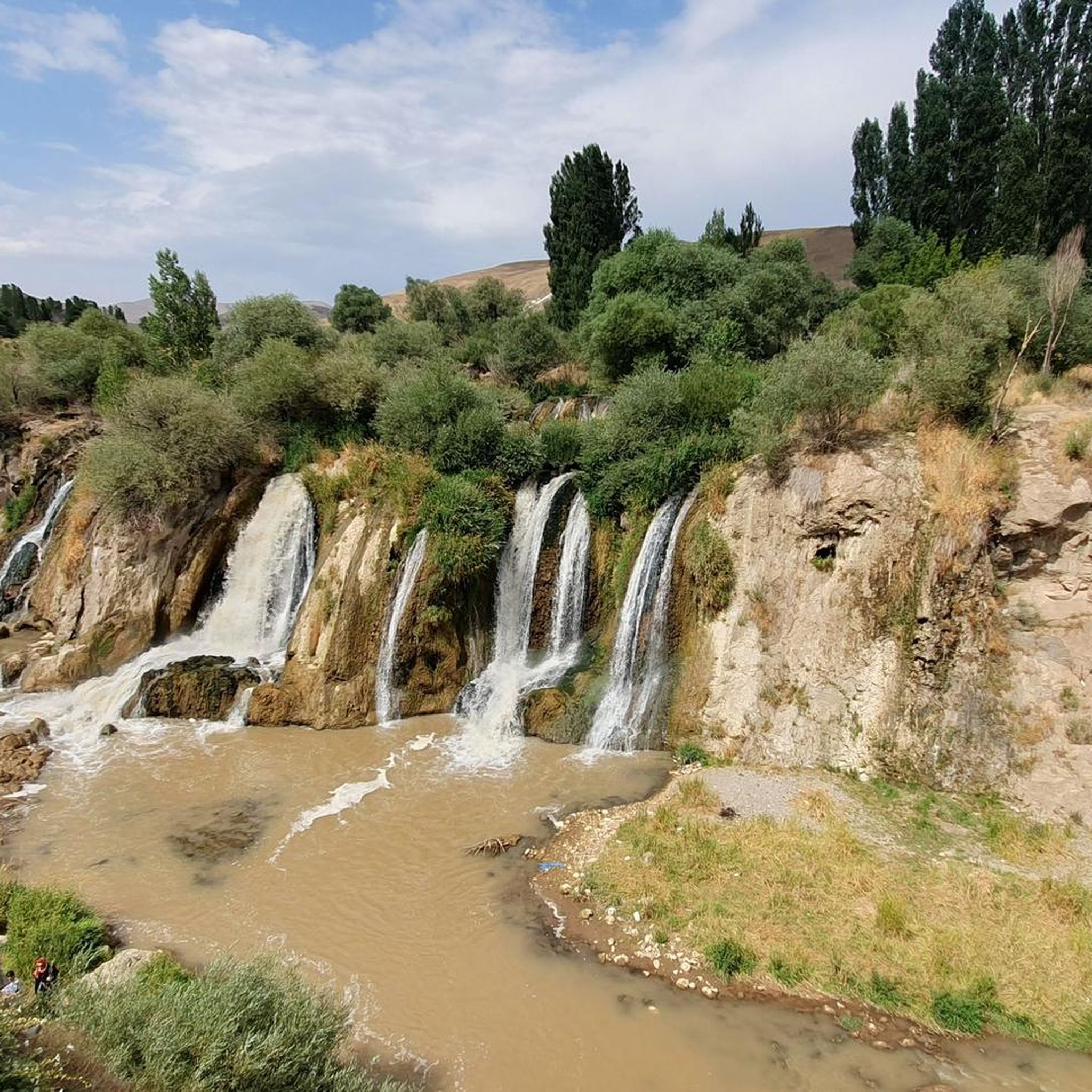
Road Cycling Routes in Turkey
Cycling in Turkey
Other adventures in Turkey


Tips from the Community


A small mosque in a residential area with many pharmacies nearby.
0
0
There are at least two rock tombs nearby. They are carved very high up on the cliff face. The route here is very beautiful and entirely paved. It leads through villages.
0
0

Erdek is a nice town with restaurants and shops and a beautiful beach to relax or take a dip into the sea. It is believed that Erdek was settled as Artaki between 431 and 404 BC as a colony from Miletus. Until 1921 it was mainly inhabited by the Greek.
1
0
This was once the location of the Temple of Cyzicus Hadrian that was built to worship the Emperor Hadrian. He visited Cizico in 123 AD after a strong earthquake had devastated the city and ordered the reconstruction and construction of a lavish temple with imperial funds.
0
0

Short hills and the deep blue bays that appear after every bend add a different color to the ride.
2
0

The bus fare is only 36 lira round trip... In the hospital you can watch the injured 🐢 recovering
0
0

very nice, small shopping center
2
0
Frequently Asked Questions
What kind of terrain can I expect on gravel bike trails in Turkey?
Turkey offers incredibly diverse gravel biking terrain. You'll encounter everything from volcanic formations and ancient coastal paths to towering mountain ranges. Regions like Cappadocia feature labyrinthine gravel roads, valleys, and panoramic ridge trails with unique 'fairy chimneys'. Coastal areas, such as the Gökova Gulf, offer a mix of smooth country roads and gravel tracks through olive groves. Many routes present significant challenges, often involving varied dirt, gravel, and stabilized pavement surfaces.
Are there any easy gravel bike trails for beginners in Turkey?
While many of the highly-rated routes in Turkey are categorized as difficult, regions like the Gökova Gulf are noted for being ideal for beginner gravel riders. They feature a mix of smooth country roads and gravel tracks winding through olive groves and along the coast. For a more challenging experience, all six routes highlighted in this guide are rated as difficult, such as the Kapidag Trail from Bandirma.
What are some scenic landmarks or natural features I can see while gravel biking in Turkey?
Turkey's gravel routes often pass by stunning natural and historical landmarks. In Cappadocia, you can ride through vineyards, past 'fairy chimneys', and ancient villages, as seen on the Ürgüp – View of Uçhisar loop from Göreme. The Phrygian Valley offers rock-cut tombs and stone monuments. Along the coast, you'll find secluded bays and forested shores. You might also encounter unique natural wonders like the white travertine pools of Pamukkale or explore ancient cities like Olympos and Phaselis in the Beydağları Mountains.
Are there any circular gravel bike routes in Turkey?
Yes, many gravel routes in Turkey are designed as loops, allowing you to start and end in the same location. For example, the Ürgüp – View of Uçhisar loop from Göreme takes you through Cappadocia's unique volcanic landscapes. Another option is the View of Fethiye Bay – View of Fethiye Bay loop from Ölüdeniz, which offers coastal views and mountain ascents.
What is the best time of year for gravel biking in Turkey?
The best time for gravel biking in Turkey generally depends on the region. Spring (April-May) and Autumn (September-October) offer pleasant temperatures across most of the country, making them ideal. Coastal areas can be enjoyed in late spring and early autumn, while mountainous regions might be better in summer to avoid snow. Cappadocia is particularly magical in early mornings, with hot air balloons dotting the sky.
Can I find routes that offer views of the sea or coastal areas?
Absolutely. Turkey's extensive coastline provides numerous gravel biking opportunities with stunning sea views. The Kapidag Trail from Bandirma offers extensive coastal vistas along the Kapidag Peninsula. The Gökova region also features routes that wind along the coast, and the İzmir Province's EuroVelo route includes charming seaside towns and cycling along the water's edge in the Gediz Delta.
Are there any historical sites or ancient ruins accessible by gravel bike?
Turkey is rich in history, and many gravel routes pass by ancient sites. The Phrygian Valley, for instance, allows riders to explore rock-cut tombs and stone monuments over 2,500 years old. The İzmir EuroVelo route stretches between the ruined city of Pergamon and the ancient city of Ephesus. In the Antalya region, you can explore mountain roads connecting ancient cities such as Olympos and Phaselis. For specific historical highlights, consider visiting the Göreme Open-Air Museum or the Derinkuyu Underground City.
What are the options for long-distance gravel cycling or bikepacking in Turkey?
Turkey offers excellent potential for long-distance gravel cycling and bikepacking. The İzmir Province hosts a section of the EuroVelo network, suitable for multi-day tours, utilizing quiet streets, bike paths, and packed-gravel roads. While primarily a hiking trail, sections of the Lycian Way might also be adapted for gravel biking, offering stunning sea vistas and ancient ruins over its 540-kilometer path. The Kaçkar Mountains also provide multi-day alpine adventures.
Are there any routes that pass by waterfalls or canyons?
Yes, Turkey's diverse landscape includes impressive waterfalls and canyons. While gravel biking directly to all waterfalls might not always be possible, some routes are in proximity to these natural wonders. Notable waterfalls include the Manavgat Waterfall, Lower Düden Waterfall, and Kursunlu Waterfall. The Göynük Canyon is another spectacular natural feature to explore.
How many gravel bike trails are available in Turkey on komoot?
There are at least 6 gravel bike trails highlighted in this guide for Turkey, all categorized as difficult. These routes showcase the best of the region's diverse landscapes, from coastal paths to volcanic formations. More than 20 gravel bikers have used komoot to explore Turkey's varied terrain, indicating a growing community for this sport.
What kind of elevation gain can I expect on gravel routes in Turkey?
Gravel routes in Turkey can involve significant elevation gain, especially in mountainous regions. For example, the Kapidag Trail from Bandirma features over 1,700 meters of ascent over its 103.8 km. The Beydağları Mountains west of Antalya are particularly known for epic climbs and expansive views, suitable for experienced riders seeking elevation challenges.
Are there any specific regions known for their gravel biking opportunities?
Several regions in Turkey stand out for gravel biking. Cappadocia is a world-renowned 'gravel paradise' with its unique volcanic landscapes. The Gökova Gulf is great for beginners with coastal and olive grove routes. The Phrygian Valley offers historical exploration. For experienced riders, the Beydağları Coastal Range provides challenging mountain climbs. The İzmir Region hosts a section of the EuroVelo network, offering varied terrain through vineyards and seaside towns.
Most popular attractions in Turkey

Get inspired with the komoot mobile app


Explore more
Browse the best Gravel rides in other regions.
