The best waterfall hikes and walks in Turkey
4.5
(8489)
63,545
hikers
23
hikes
Waterfall hiking trails in Turkey traverse a landscape of extraordinary geographical diversity, from Mediterranean coastal paths to rugged mountain ranges and deep canyons. The country features varied terrain, including limestone cliffs, dense forests, and river valleys, which create numerous opportunities for waterfalls. These natural features are often integrated with historical sites, offering a blend of natural beauty and cultural exploration.
Best waterfall hiking trails in Turkey
- The most popular waterfall hiking route is Göynük Canyon – View of Göynük Canyon…
Last updated: August 19, 2026
4.7
(66)
474
hikers
5.04km
01:29
140m
140m
Easy hike. Great for any fitness level. Easily-accessible paths. Suitable for all skill levels.
4.5
(16)
76
hikers
22.7km
06:01
220m
220m
Hard hike. Very good fitness required. Easily-accessible paths. Suitable for all skill levels.

Sign up for free
4.5
(4)
45
hikers
5.79km
02:27
330m
330m
Moderate hike. Good fitness required. Mostly accessible paths. Sure-footedness required.
5.0
(4)
26
hikers
4.31km
01:37
280m
280m
Easy hike. Great for any fitness level. Easily-accessible paths. Suitable for all skill levels.
4.0
(2)
22
hikers
6.76km
01:49
90m
90m
Easy hike. Great for any fitness level. Easily-accessible paths. Suitable for all skill levels.
Get access to more routes and recommendations from other explorers.
Sign up for free
Already have an account?
Our route recommendations are based on thousands of hikes, rides, and runs completed by other people on komoot.
Start today with a free account
Your next adventure awaits.
Login or Signup
Popular around Turkey

Waterfall hikes in Artvin
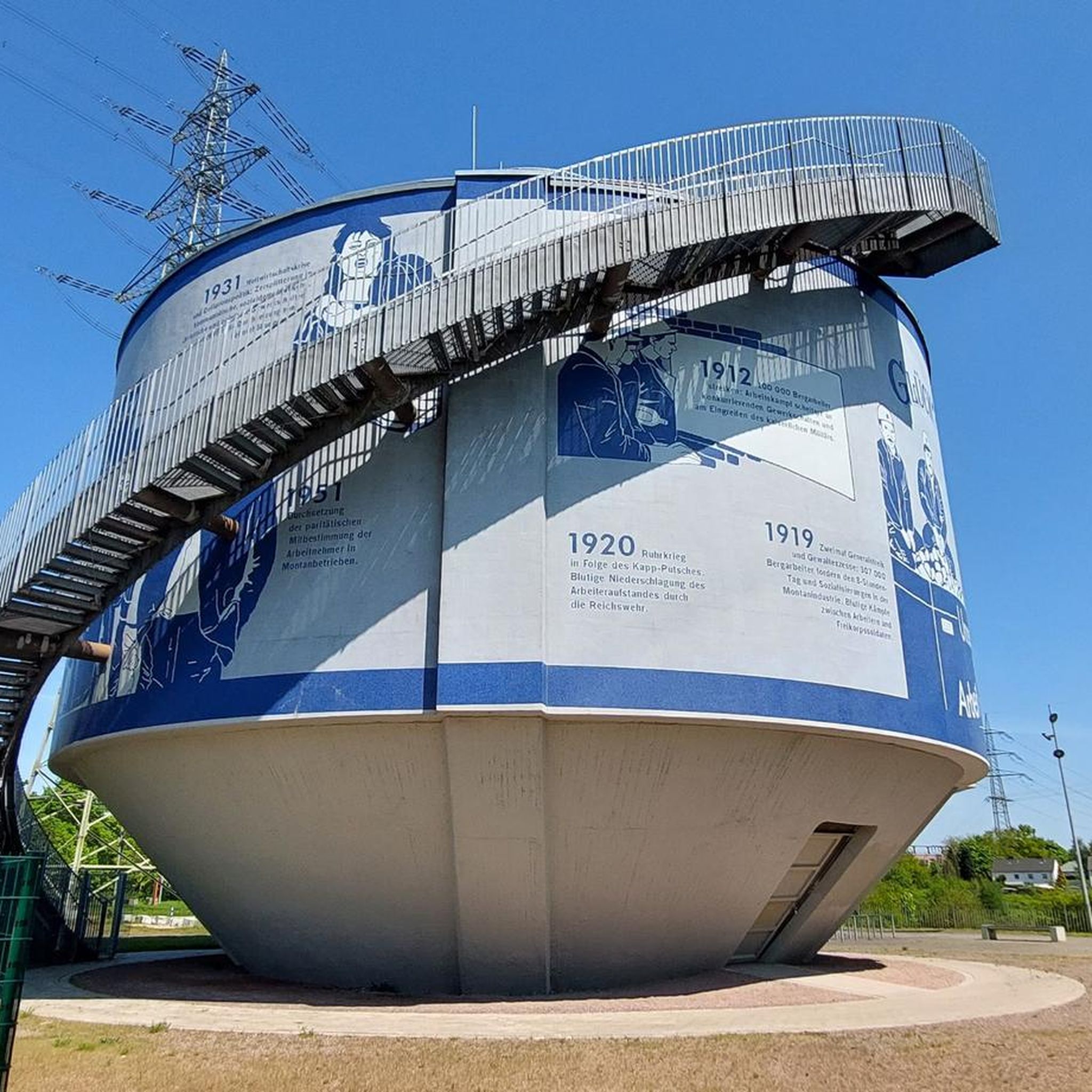
Waterfall hikes in Muğla
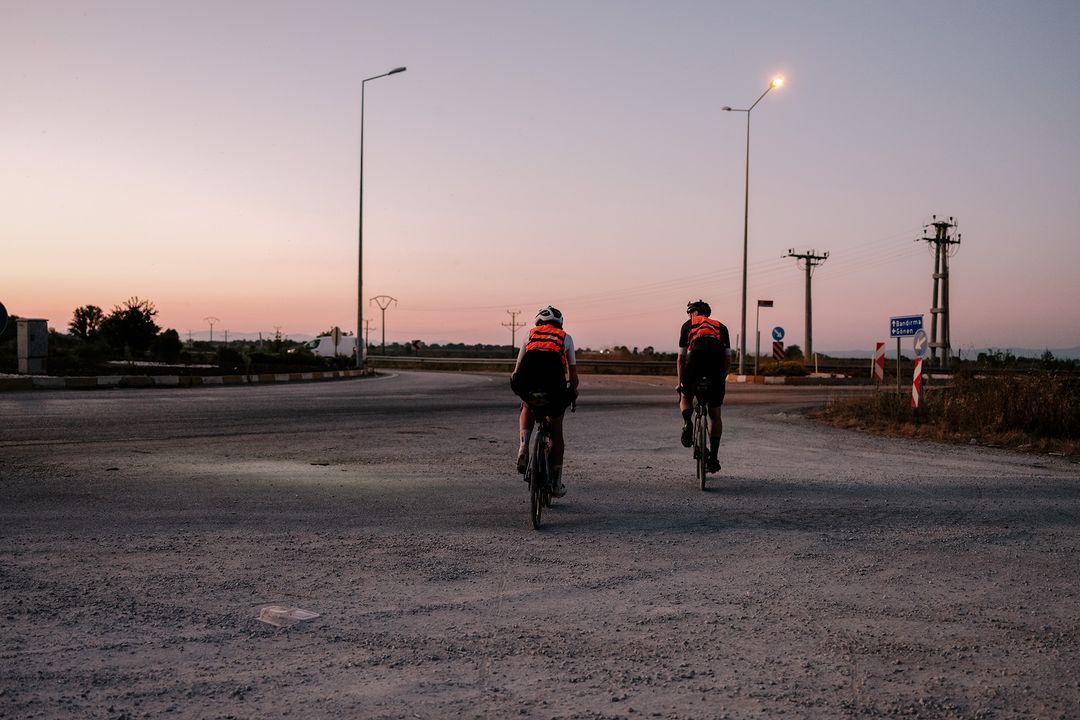
Transcontinental Race No10: crossing Europe from France to Turkey

Mountain biking and gravel biking in Cappadocia
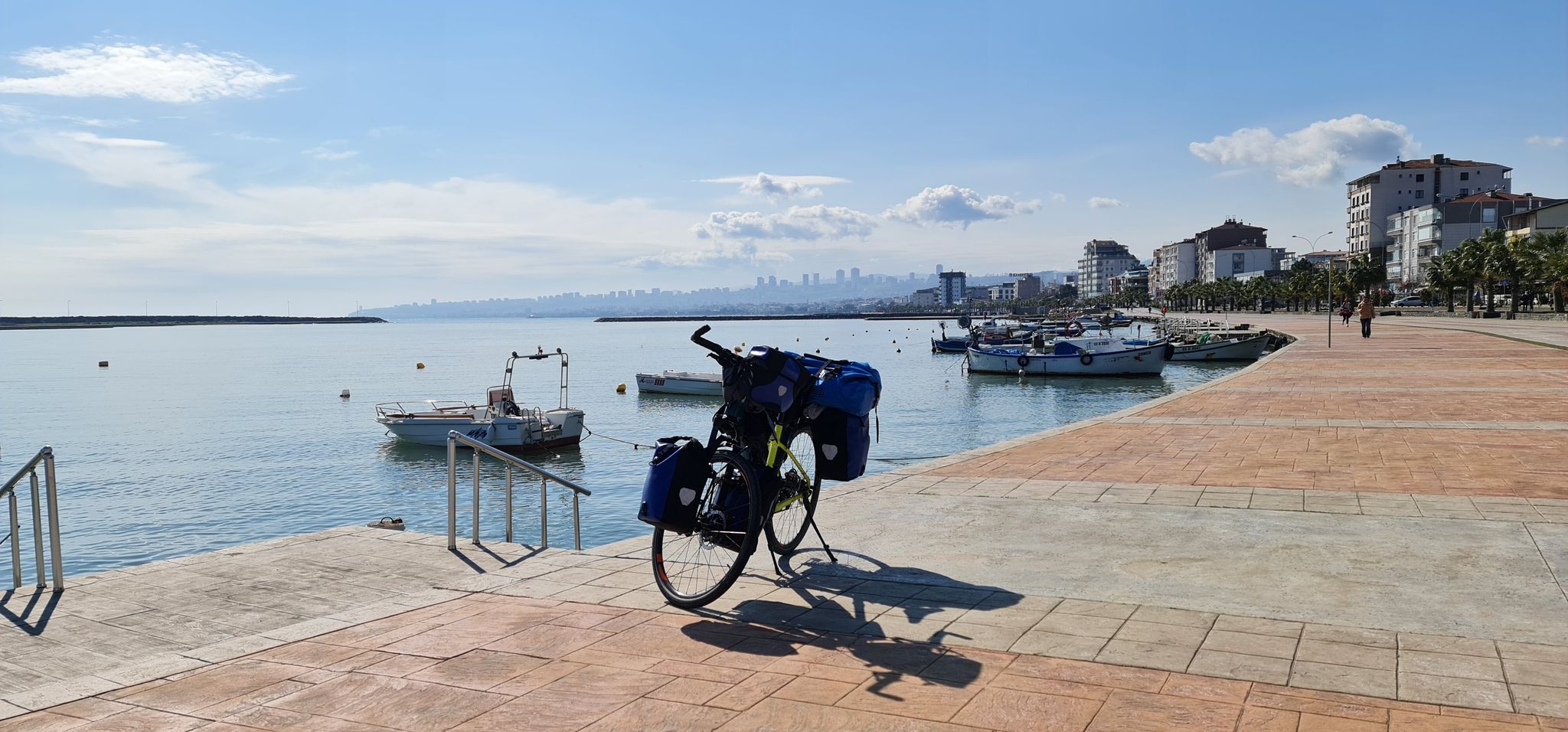
Thrace & Anatolia – long-distance cycling routes in Turkey
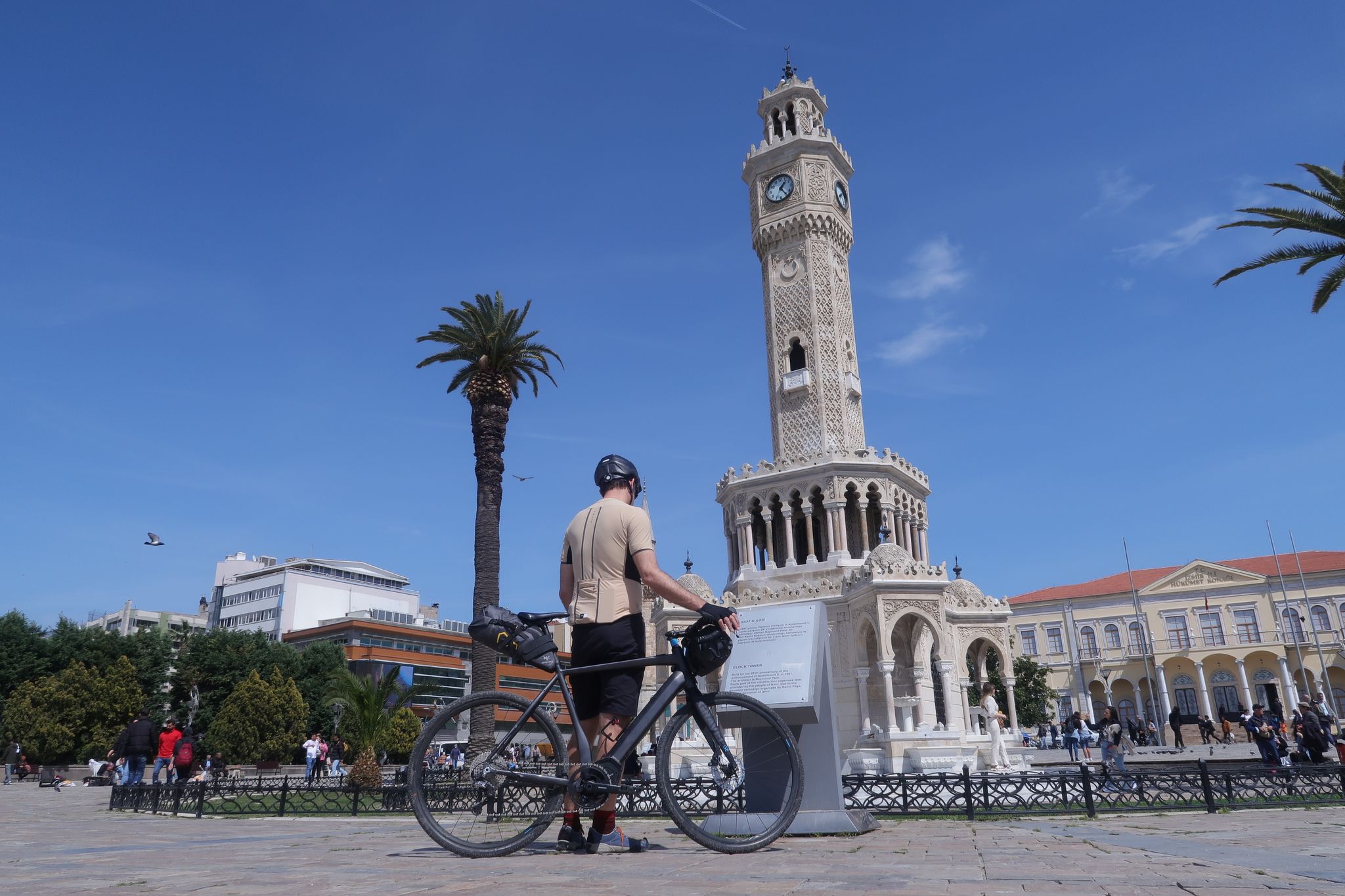
Wild and historic – bikepacking routes in Turkey
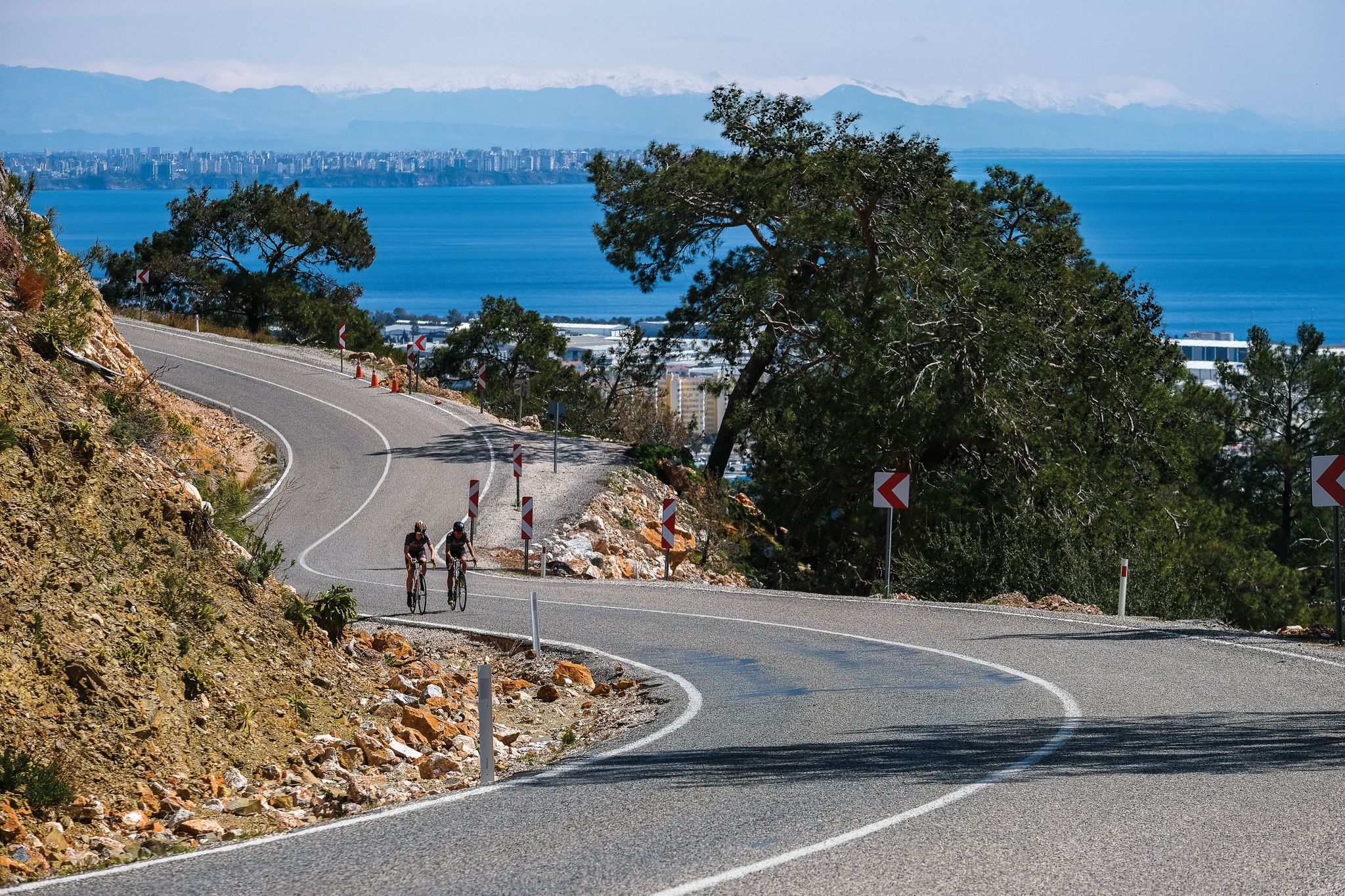
Until your calves burn – epic climbs in Turkey

Triathlon 360 – my journey around the world
Other adventures in Turkey


Tips from the Community

Pretty, historic mosque, right in the middle of Antalya's old town... you should definitely include it on a tour through the old town
1
0
Antalya's best viewpoint, especially in the evening at sunset... From the park, you have a brilliant view of the mountains along the Mediterranean coast... if you hike the Lycian Way, you will cross these mountains a few weeks later... In the evening, all sorts of people gather on the wall and enjoy a sundowner with this magnificent view.
1
0

Located along the stunning Mediterranean coast, Karaalioğlu Park is one of Antalya's most popular green oases. This expansive park offers a perfect blend of natural beauty, history, and panoramic views that capture the spirit of Turkey's southern coast. Located in the heart of Antalya's city center, the park is a peaceful retreat for locals and tourists alike. Whether you're looking for a peaceful morning stroll, a picturesque sunset, or a glimpse into Antalya's rich culture, Karaalioğlu Park offers an unforgettable experience. The history of Karaalioğlu Park begins in the 1940s when it was opened as a public green space. Initially named İnönü Park in honor of Turkey's second president, it was later renamed after a local landowner whose land contributed to the park. Even before its official opening, the coastal area served as a gathering place for Antalya's residents in the early 20th century. The vision of transforming it into a large urban park was realized by Mayor Haşim İşcan, who recognized the need for green space in the growing city. The park covers approximately 140,000 square meters and stretches along the cliffs south of the old town. This strategic location made it not only a recreational area but also a witness to Mediterranean history. https://exploreantalyakaleici.com/de/karaalioglu-park
3
0
Located along the stunning Mediterranean coast, Karaalioğlu Park is one of Antalya's most popular green oases. This expansive park offers a perfect blend of natural beauty, history, and panoramic views that capture the spirit of Turkey's southern coast. Located in the heart of Antalya's city center, the park is a peaceful retreat for locals and tourists alike. Whether you're looking for a peaceful morning stroll, a picturesque sunset, or a glimpse into Antalya's rich culture, Karaalioğlu Park offers an unforgettable experience. The history of Karaalioğlu Park begins in the 1940s when it was opened as a public green space. Initially named İnönü Park in honor of Turkey's second president, it was later renamed after a local landowner whose land contributed to the park. Even before its official opening, the coastal area served as a gathering place for Antalya's residents in the early 20th century. The vision of transforming it into a large urban park was realized by Mayor Haşim İşcan, who recognized the need for green space in the growing city. The park covers approximately 140,000 square meters and stretches along the cliffs south of the old town. This strategic location made it not only a recreational area but also a witness to Mediterranean history. Source: https://exploreantalyakaleici.com/de/karaalioglu-park
3
0
Located along the stunning Mediterranean coast, Karaalioğlu Park is one of Antalya's most popular green oases. This expansive park offers a perfect blend of natural beauty, history, and panoramic views that capture the spirit of Turkey's southern coast. Located in the heart of Antalya's city center, the park is a peaceful retreat for locals and tourists alike. Whether you're looking for a peaceful morning stroll, a picturesque sunset, or a glimpse into Antalya's rich culture, Karaalioğlu Park offers an unforgettable experience. The history of Karaalioğlu Park begins in the 1940s when it was opened as a public green space. Initially named İnönü Park in honor of Turkey's second president, it was later renamed after a local landowner whose land contributed to the park. Even before its official opening, the coastal area served as a gathering place for Antalya's residents in the early 20th century. The vision of transforming it into a large urban park was realized by Mayor Haşim İşcan, who recognized the need for green space in the growing city. The park covers approximately 140,000 square meters and stretches along the cliffs south of the old town. This strategic location made it not only a recreational area but also a witness to Mediterranean history. Source: https://exploreantalyakaleici.com/de/karaalioglu-park
3
0
The Kesik Minare Mosque, also called the Korkut Mosque or the Cumanın Mosque, stands in the streets of Kaleiçi in southern Turkey. It was originally built as a Roman temple in the 2nd century AD. In the 7th century, it was converted into a Byzantine church in honor of the Virgin Mary, but it was badly damaged during the Arab invasions in the 7th century. It was repaired in the 9th century. When the Sultanate of Rum conquered Antalya in the early 13th century, the church was converted into a mosque, with the actual minaret being added. When the Crusader King of Cyprus conquered Antalya from the Seljuks in 1361, it once again became a church, only to be converted into a mosque again during the reign of Sehzade Korkut. The main building was destroyed in a fire in 1800, but the minaret survived as the Kesik Minare. During the 2019 renovation, the upper cone and the Sherefe balconies were restored. Source: https://www.smart-guide.org/destinations/en/antalya/?place=Broken+Minaret
3
0
Hadrian's Gate (Turkish: Üçkapılar = "the three gates") is a significant landmark of Antalya, the ancient city of Attaleia, as is the famous harbor in the old town of Kaleici. The honorary gate, integrated into the city wall and flanked by two towers, was built to commemorate a visit by the Roman Emperor Hadrian. Since Hadrian traveled to Asia Minor between 121 and 125 AD and between 128 and 132 AD, the building's dating is disputed. The magnificent decorations still give an idea of the opulence of the ancient period. The building had two dedicatory inscriptions, the one that no longer exists, bearing the title Olympios. The emperor assumed this title in 129 AD, which is why this inscription could only have been added after this date. At least the southern tower, facing the gate, was dedicated to Hadrian's sister, Domitia Paulina, by Julia Sancta. Since the sister died shortly after Antinous around 130 AD, the tower was probably donated before Hadrian's second voyage. Source: alaturka.info/de/tuerkei/tuerkische-riviera/antalya/272-hadrianstor-antalya
3
0
Hadrian's Gate was built in 130 AD to commemorate the visit of the Roman Emperor Hadrian to Attaleia (the ancient name of Antalya). Originally founded by King Attalus of Pergamon, the city became part of the Roman Empire and flourished as an important Mediterranean port. The gate served as a monumental gateway through the city walls surrounding the ancient city. The gate was largely unknown to the Western world until the Irish-British hydrographer Sir Francis Beaufort documented it in his travel journal, published in 1817. At that time, the gate had a second story, which no longer exists. It is believed that statues of Emperor Hadrian and his family once crowned the structure. Extensive restoration work began in the 1950s after the gate was rediscovered through the collapse of outer walls. The work included the removal of damaged walls, the exposure of the original Roman paving stones, and the conservation of bronze letters, which are now on display in museums around the world. Source: https://exploreantalyakaleici.com/de/hadrians-gate
2
1
Frequently Asked Questions
How many waterfall hiking trails are available in Turkey?
Komoot features over 20 waterfall hiking trails across Turkey, catering to various skill levels. These routes offer a chance to explore the country's diverse landscapes, from coastal paths to deep canyons and forested river valleys.
Are there easy waterfall hikes suitable for beginners in Turkey?
Yes, Turkey offers several easy waterfall hikes perfect for beginners. For example, the Göynük Canyon – View of Göynük Canyon loop from Göynük is an easy 3.2-mile (5.1 km) trail that can be completed in under 1.5 hours. Another accessible option is the Sapadere Canyon – Dimçayı Waterfall loop, which is 2.7 miles (4.3 km) long.
What are some challenging waterfall treks in Turkey?
For those seeking a challenge, Turkey has more demanding waterfall routes. The Antalya Clock Tower – Lower Düden Waterfall loop from Antalya is a difficult 13.8-mile (22.2 km) path following the coast, taking nearly 6 hours. Similarly, the Lower Düden Waterfall – Karaalioğlu Park loop from Magydos is a difficult 14.4-mile (23.2 km) trail through coastal areas and parks.
What kind of natural features and landmarks can I expect to see on waterfall hikes in Turkey?
Waterfall hikes in Turkey often lead through stunning natural features like deep canyons, lush forests, and coastal areas. You might encounter impressive rock formations, ancient ruins, and diverse flora. For instance, the region around Antalya offers views of the Antalya Old Town, Harbor, and Taurus Mountains. You can also find highlights like Dim Dam or Oymapınar Dam near some routes.
Are there any circular waterfall routes in Turkey?
Yes, many waterfall trails in Turkey are designed as loops, allowing you to start and end at the same point. The Göynük Canyon – View of Göynük Canyon loop from Göynük is a popular example of a circular route. Another option is the Waterfall Near Kalkan loop from Kabak, offering a moderate challenge.
What is the best season for waterfall hikes in Turkey?
The best season for waterfall hikes in Turkey generally depends on the region. Spring (April-May) and Autumn (September-October) often provide pleasant temperatures and lush scenery, with waterfalls at their fullest after seasonal rains. Coastal areas can be hiked in winter, while higher mountain regions are best explored in summer (June-August) once snow has melted.
Are waterfall hiking trails in Turkey family-friendly?
Many waterfall hiking trails in Turkey are suitable for families, especially the easier routes. Trails like the Göynük Canyon loop or the Sapadere Canyon loop are relatively short and have manageable terrain, making them enjoyable for children. Always check the specific trail's difficulty and length before heading out with your family.
What do other hikers enjoy most about waterfall hiking in Turkey?
The komoot community highly rates waterfall hikes in Turkey, with an average score of 4.5 stars from nearly 6,000 reviews. Hikers frequently praise the stunning natural beauty, the integration of historical sites, and the diverse landscapes that range from Mediterranean coasts to dramatic canyons. The well-maintained paths and clear views are also often highlighted.
Are there opportunities for wild swimming near waterfalls in Turkey?
While specific wild swimming spots near waterfalls are not always officially designated, many natural areas in Turkey offer opportunities for a refreshing dip, especially in canyons or river systems fed by waterfalls. Always exercise caution, check local regulations, and be aware of water currents and depths before entering any natural water body.
Can I find cafes or amenities near waterfall hiking trails in Turkey?
Many popular waterfall areas in Turkey, especially those in national parks or near tourist towns, often have amenities such as cafes, restaurants, or small shops. For example, near some routes, you might find facilities like Yeşilçam Park with Fountain and Pond. It's always a good idea to check the specific location beforehand, especially for more remote trails, and carry sufficient water and snacks.
What kind of terrain should I expect on waterfall hikes in Turkey?
Waterfall hikes in Turkey feature a wide variety of terrain. You can expect everything from well-trodden paths along coastal cliffs, rocky trails through canyons, to forested tracks in river valleys. Some routes might involve uneven surfaces, steps, or slight ascents and descents, reflecting Turkey's diverse geographical makeup.
Are there any hidden or less-known waterfall hikes in Turkey?
Turkey's vast and diverse landscape means there are many lesser-known waterfalls beyond the most popular ones. Regions like the Küre Mountains National Park are known for their verdant forests and scenic waterfalls, offering a chance to discover more secluded spots. Exploring local guides or asking residents can often reveal hidden gems.
Most popular attractions in Turkey

Get inspired with the komoot mobile app


Didn’t find what you were looking for?
Check out more Hikes throughout Turkey below and find the perfect route in your destination.
Explore more
Browse the best Hikes in other regions.
