The best gravel rides around Mjøsa
38
riders
22
rides
Gravel biking around Mjøsa offers a diverse landscape centered around Norway's largest lake, featuring a mix of agricultural plains, rolling hills, and extensive forests. The region is characterized by its freshwater ecosystems and surrounding cultivated land, with routes often following quiet country roads, forest tracks, and lakeside paths. Elevations are generally under 200 meters, providing accessible riding for various skill levels. This varied terrain includes both gentle and challenging paths, making it suitable for different gravel biking experiences.
Best gravel…
Last updated: July 16, 2026
13
riders
19.5km
01:25
260m
260m
Moderate gravel ride. Good fitness required. Mostly paved surfaces. Suitable for all skill levels.
1
riders
53.3km
05:00
1,080m
1,080m
Hard gravel ride. Very good fitness required. Mostly paved surfaces. Suitable for all skill levels.

Sign up for free
11
riders
Hard gravel ride. Very good fitness required. Mostly paved surfaces. Suitable for all skill levels.
6
riders
22.6km
01:40
430m
430m
Moderate gravel ride. Good fitness required. Mostly paved surfaces. Suitable for all skill levels.
1
riders
60.6km
05:24
1,330m
1,330m
Hard gravel ride. Very good fitness required. Mostly paved surfaces. Suitable for all skill levels.
Get access to more routes and recommendations from other explorers.
Sign up for free
Already have an account?
Our route recommendations are based on thousands of hikes, rides, and runs completed by other people on komoot.
Start today with a free account
Your next adventure awaits.
Login or Signup
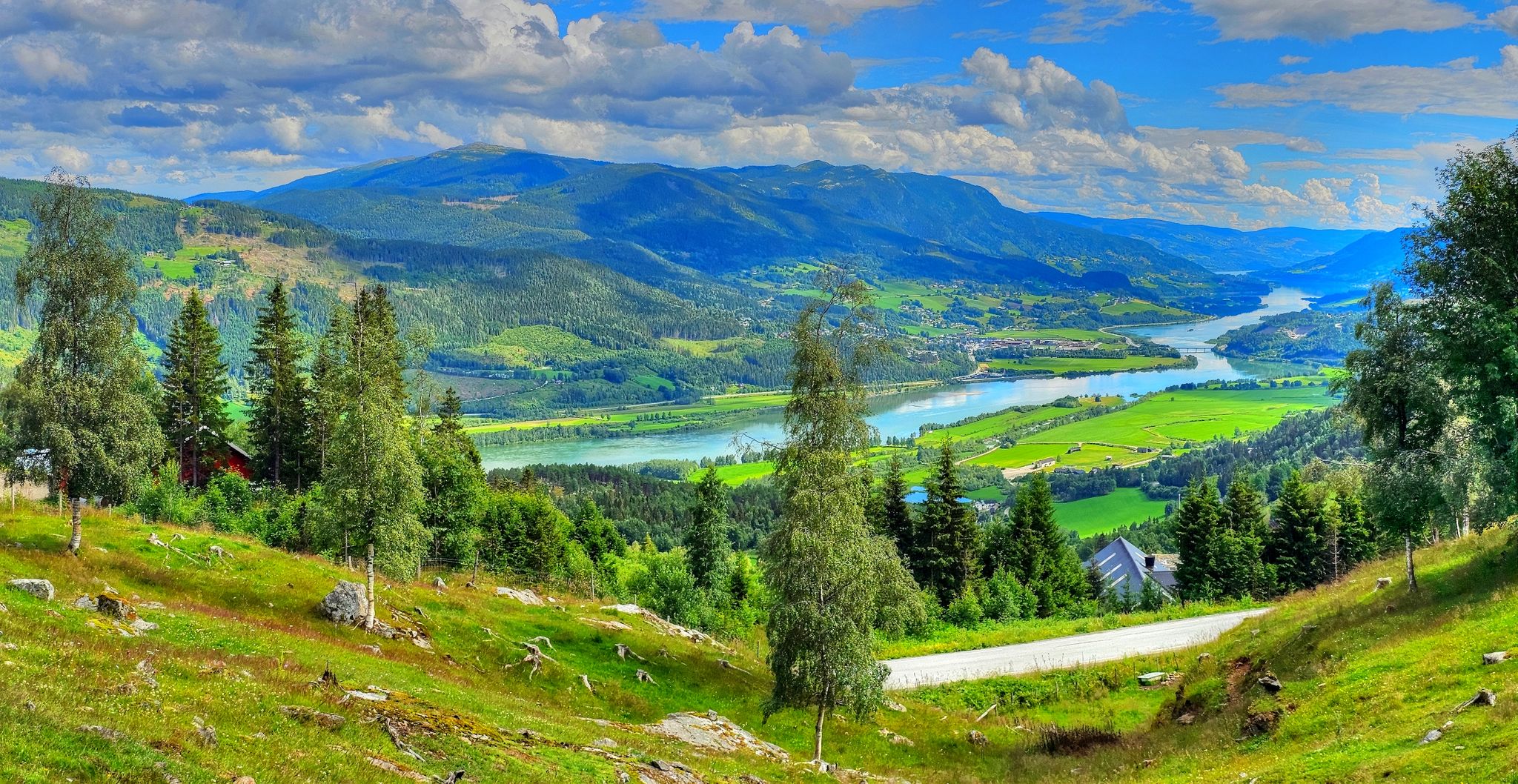


Tips from the Community


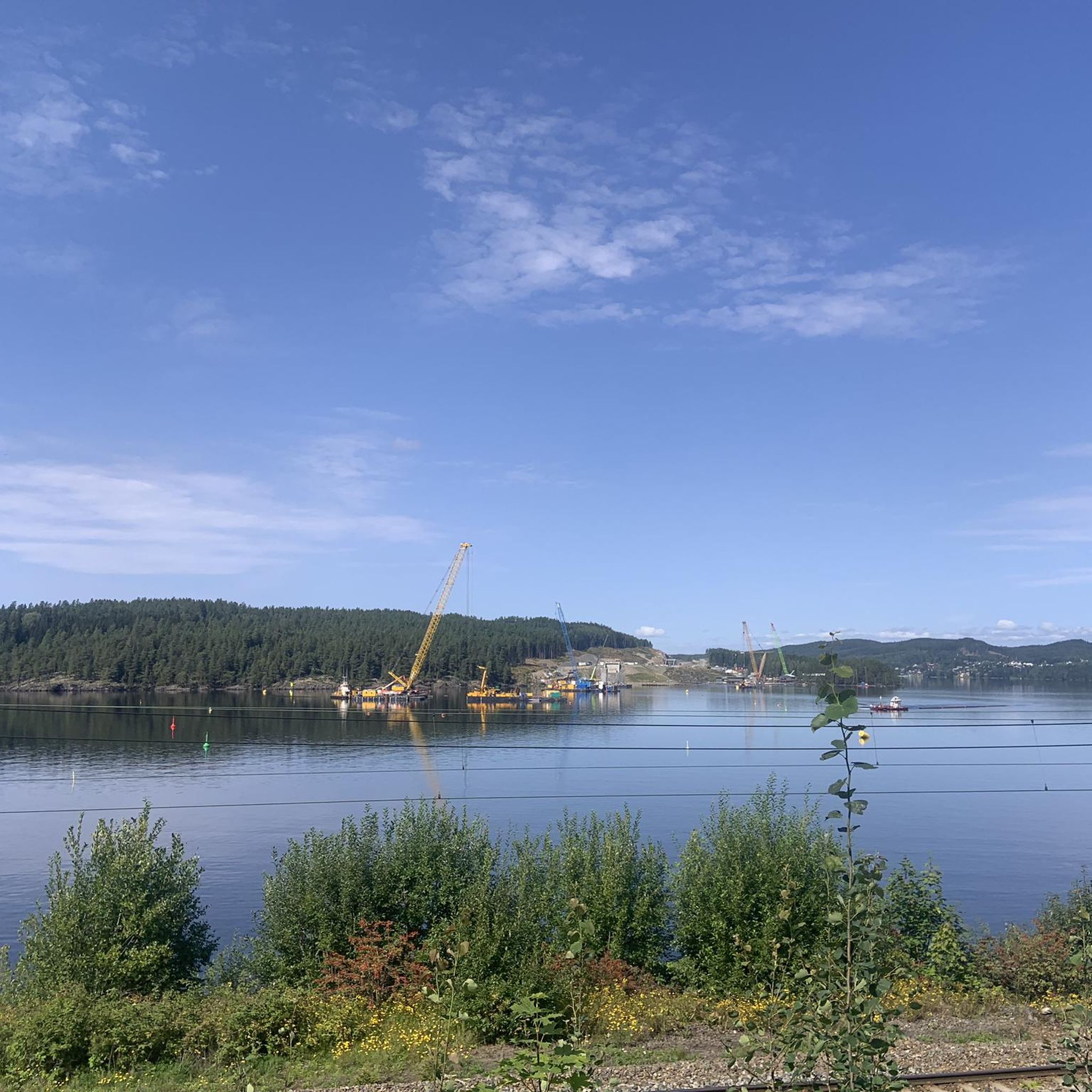
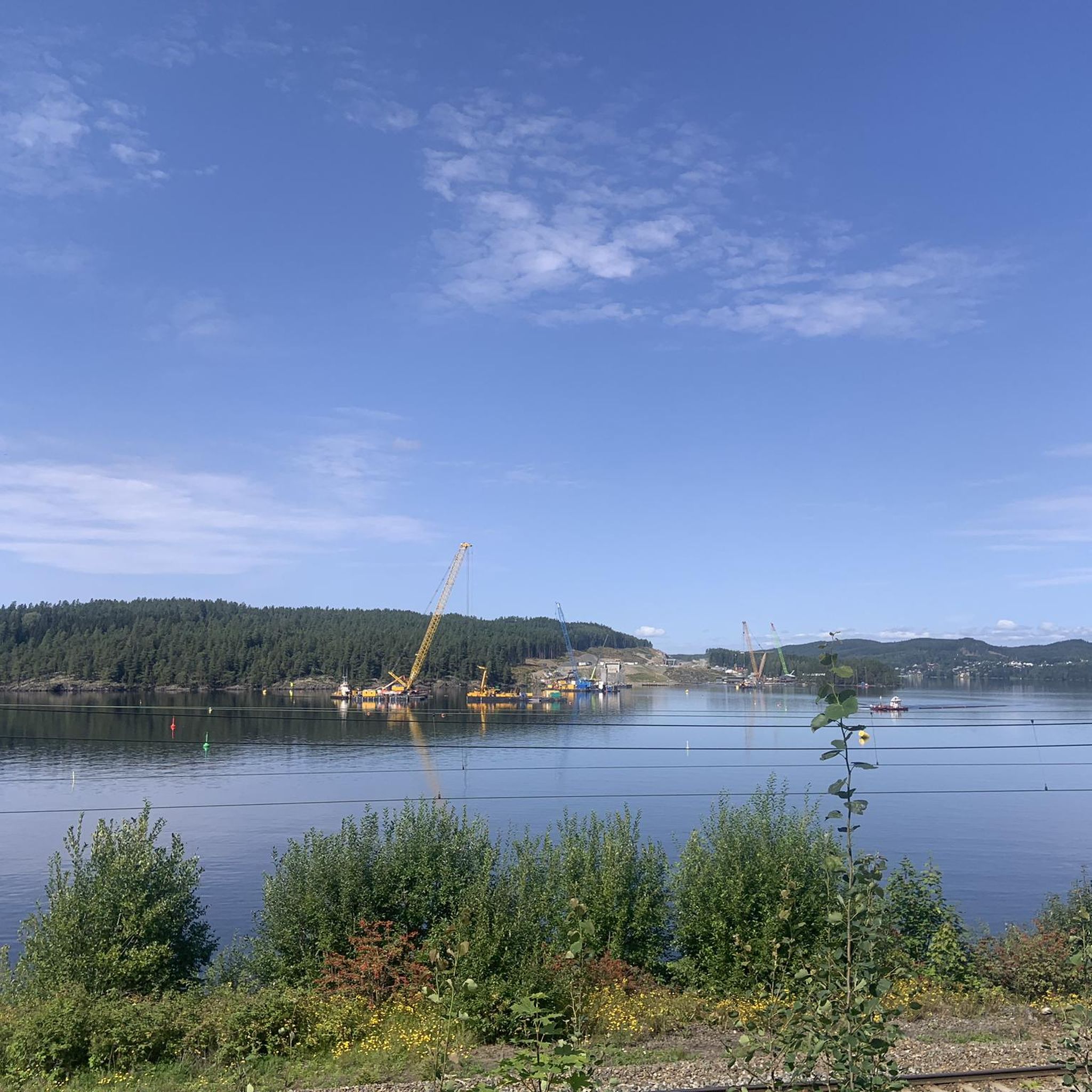
The Vingnes Bridge links central Lillehammer with the Vingnes peninsula across Lake Mjøsa. It’s a busy road bridge but has a separate pedestrian and cycle path, giving safe passage and fine views over the lake and town — especially at sunset.
1
0

In good weather, you can enjoy the sun or the shade
0
0
Nice place to cycle, and to stop for a moment on the bench to enjoy
0
0

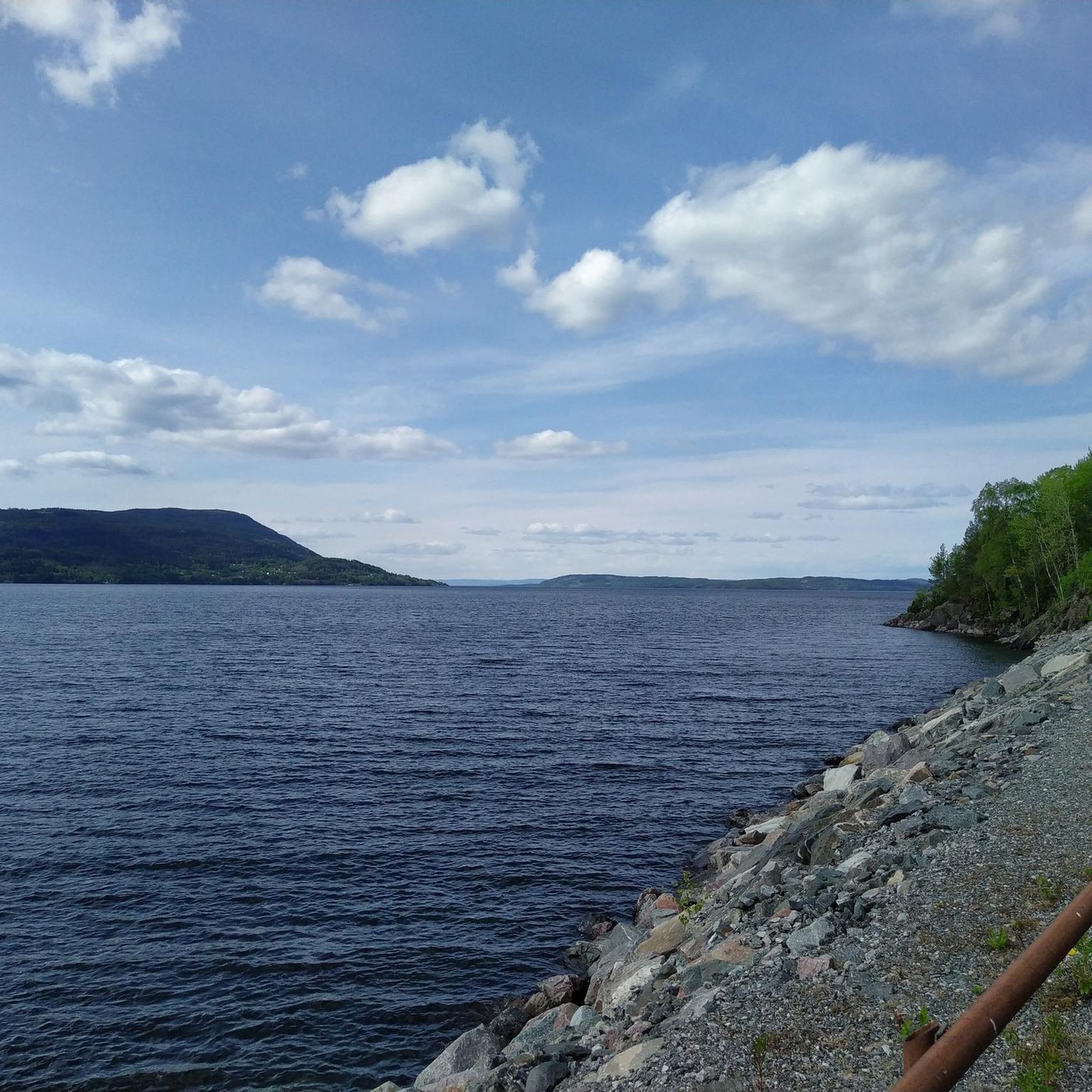
Take a break here to enjoy the stunning views!
0
0
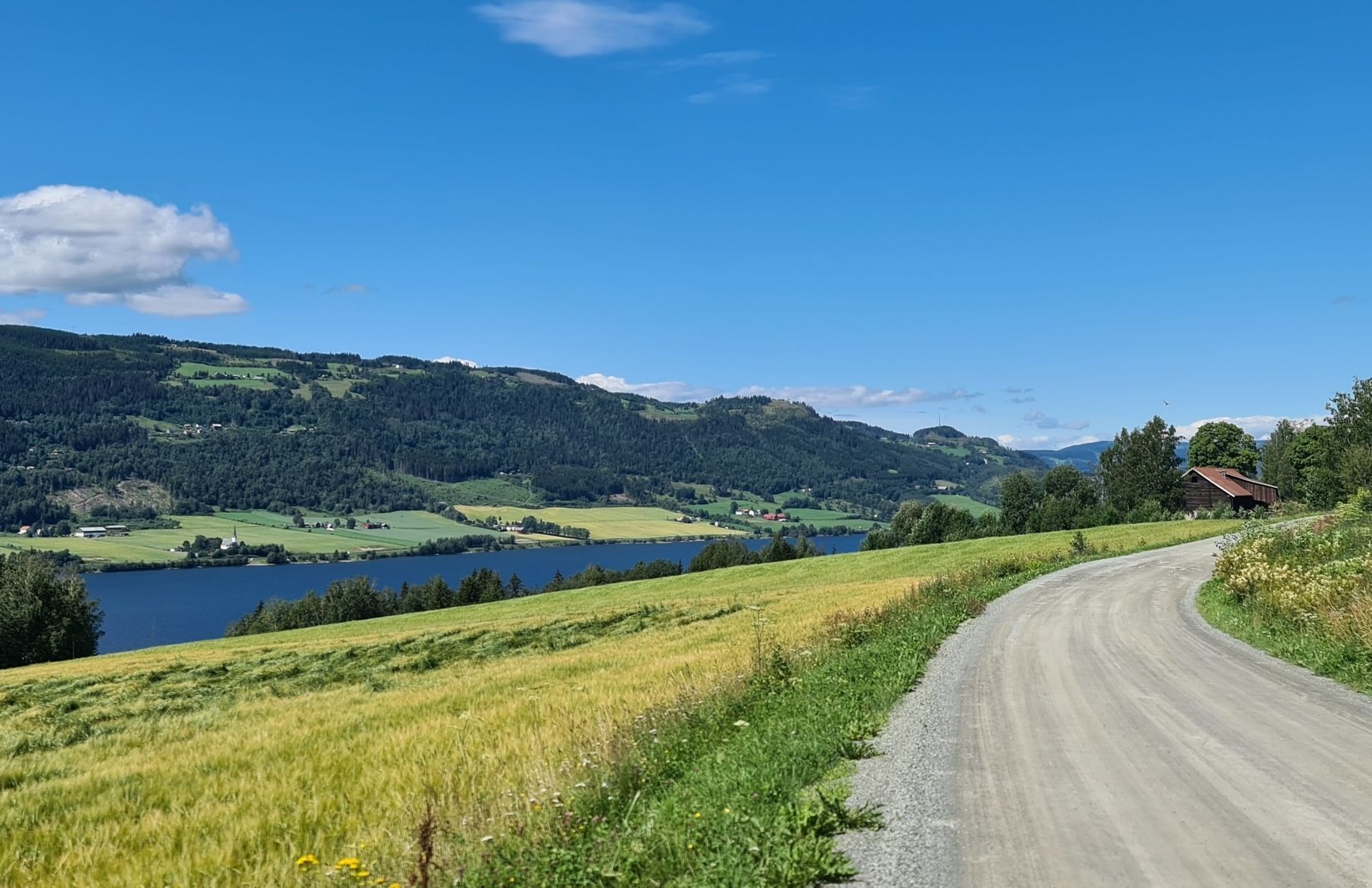
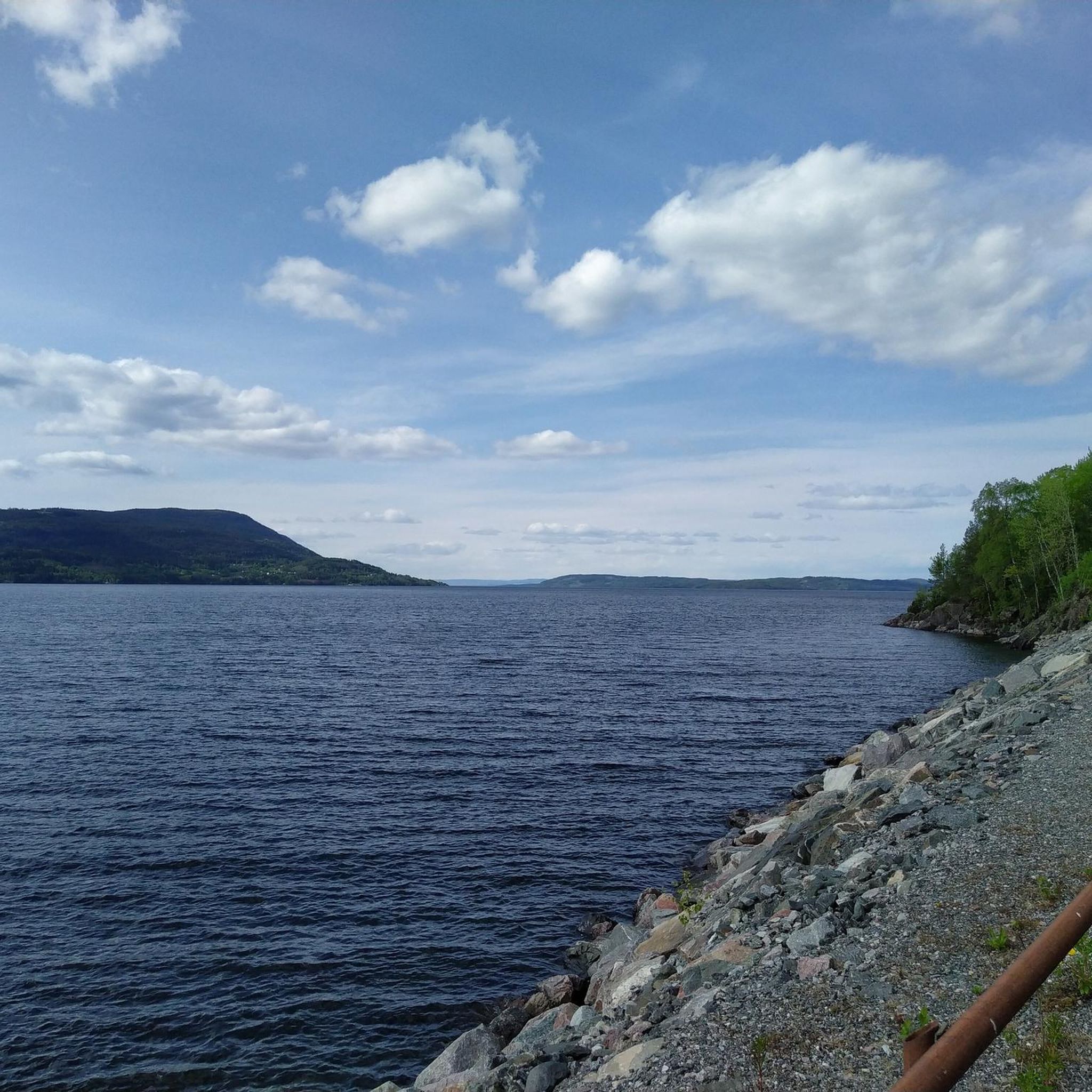
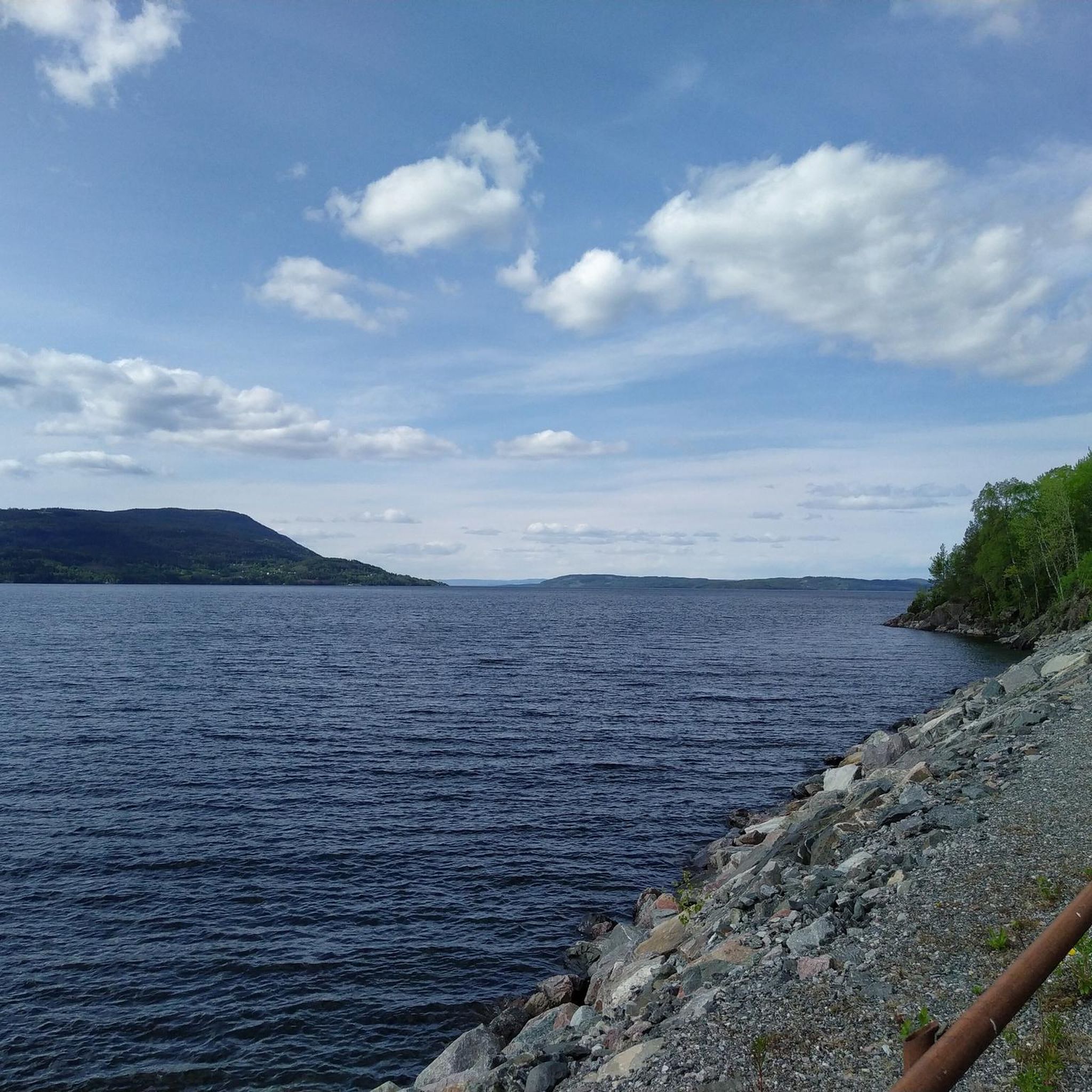
Here you can ride a gravel road while enjoying views over the water and greenery.
0
0
Stopping here for a drink during your bike trip is practically a necessity!
0
0
Frequently Asked Questions
How many gravel bike trails are available in the Mjøsa region?
The Mjøsa region offers a wide selection of gravel biking routes, with over 40 trails available. These include 12 moderate and 28 difficult options, catering to various skill levels.
Are there gravel bike trails suitable for beginners in Mjøsa?
Yes, Mjøsa has several gravel biking options that are suitable for beginners. While the guide highlights 12 moderate routes, the terrain around the lake, characterized by agricultural plains and lakeside paths, generally offers accessible riding. For a moderate experience, consider the Lågendeltaet Nature Reserve Loop.
What about more challenging gravel routes for experienced riders?
For experienced gravel bikers seeking a challenge, Mjøsa offers 28 difficult routes. These often feature significant elevation gain through forested hillsides. A prime example is the Ultrabirken Loop from Lillehammer, known for its demanding terrain.
Are there any loop trails for gravel biking around Mjøsa?
Many of the gravel routes in Mjøsa are designed as loops, allowing you to start and finish at the same point. Examples include the Lågendeltaet Nature Reserve Loop and the Heritage Railway Station – Hamar Diving Tower loop from Brumunddal.
What interesting sights or landmarks can I see along the Mjøsa gravel routes?
The Mjøsa region is rich in natural beauty and historical sites. Along your rides, you might encounter highlights such as the Hamar Diving Tower, the Heritage Railway Station, or the Domkirkeodden Nature Monument. Many routes also offer scenic views of Lake Mjøsa itself.
When is the best time of year for gravel biking in Mjøsa?
The best time for gravel biking in Mjøsa is typically from spring through autumn. During these seasons, the weather is generally mild, and the trails are clear of snow and ice, offering optimal riding conditions. The agricultural landscapes and forests are particularly vibrant during these months.
What are the conditions like for gravel biking in Mjøsa during winter?
Gravel biking in Mjøsa during winter can be challenging due to snow and ice. Many trails may be covered, making them unsuitable for gravel bikes. Some paths might be groomed for cross-country skiing, so it's advisable to check local conditions and trail access before planning a winter ride.
Are there cafes or places to stop for refreshments near the trails?
Yes, given the region's popularity and agricultural areas, you can often find cafes and small eateries in towns and villages along or near the gravel routes. These provide good opportunities for a break and refreshments during your ride.
Can I expect to see wildlife while gravel biking around Mjøsa?
The Mjøsa region, with its extensive forests and nature reserves like Lågendeltaet, is home to various wildlife. While gravel biking, you might spot birds, deer, or other small mammals, especially on quieter forest tracks and less-traveled paths. Always respect their habitat and maintain a safe distance.
How can I get to the Mjøsa gravel trails using public transport?
Major towns around Mjøsa, such as Lillehammer, Hamar, and Brumunddal, are well-connected by public transport, including train and bus services. From these hubs, you can often access trailheads directly or with a short ride. Check local transport schedules for specific routes and bike carriage policies.
Is parking available near the Mjøsa gravel trails?
Yes, parking is generally available in the towns and villages that serve as starting points for many Mjøsa gravel trails. Look for designated parking areas in places like Lillehammer, Hamar, or Brumunddal, often near train stations or public facilities. Some trailheads in more rural areas may also have small parking lots.
What do other gravel bikers say about the Mjøsa trails?
The Mjøsa gravel trails are highly regarded by the komoot community, with an average score of 4.0 stars from 2 reviews. Over 50 gravel bikers have explored the area using komoot, often praising the diverse landscape, from quiet country roads to challenging forest tracks, and the scenic lakeside paths.
Most popular routes around Mjøsa
Most popular attractions around Mjøsa

Get inspired with the komoot mobile app


Explore more
Browse the best Gravel rides in other regions.
