The best gravel rides in Burdinale-Mehaigne Natural Park
4.2
(11)
113
riders
29
rides
Gravel biking in Burdinale-Mehaigne Natural Park offers a diverse landscape characterized by river valleys, agricultural plains, and forested sections. The region features gentle rolling hills and occasional steeper climbs, often following the Mehaigne river or passing through nature reserves. Riders can expect a mix of well-maintained gravel paths, quiet country roads, and some more technical forest trails. This varied terrain provides a suitable environment for different gravel biking experiences.
Best gravel bike trails in Burdinale-Mehaigne Natural Park
- The most popular…
Last updated: May 11, 2026
4.0
(1)
13
riders
Hard gravel ride. Very good fitness required. You may need to push your bike for some segments of this route.
9
riders
24.4km
01:46
270m
270m
Moderate gravel ride. Good fitness required. Mostly paved surfaces. Suitable for all skill levels.

Sign up for free
4.0
(1)
4
riders
31.0km
01:59
390m
390m
Moderate gravel ride. Good fitness required. Mostly paved surfaces. Suitable for all skill levels.
4.0
(1)
3
riders
34.2km
02:10
430m
430m
Hard gravel ride. Good fitness required. You may need to push your bike for some segments of this route.
4.0
(1)
3
riders
16.3km
00:55
160m
160m
Moderate gravel ride. Good fitness required. Mostly paved surfaces. Suitable for all skill levels.
Get access to more routes and recommendations from other explorers.
Sign up for free
Already have an account?
Our route recommendations are based on thousands of hikes, rides, and runs completed by other people on komoot.
Start today with a free account
Your next adventure awaits.
Login or Signup
Popular around Burdinale-Mehaigne Natural Park
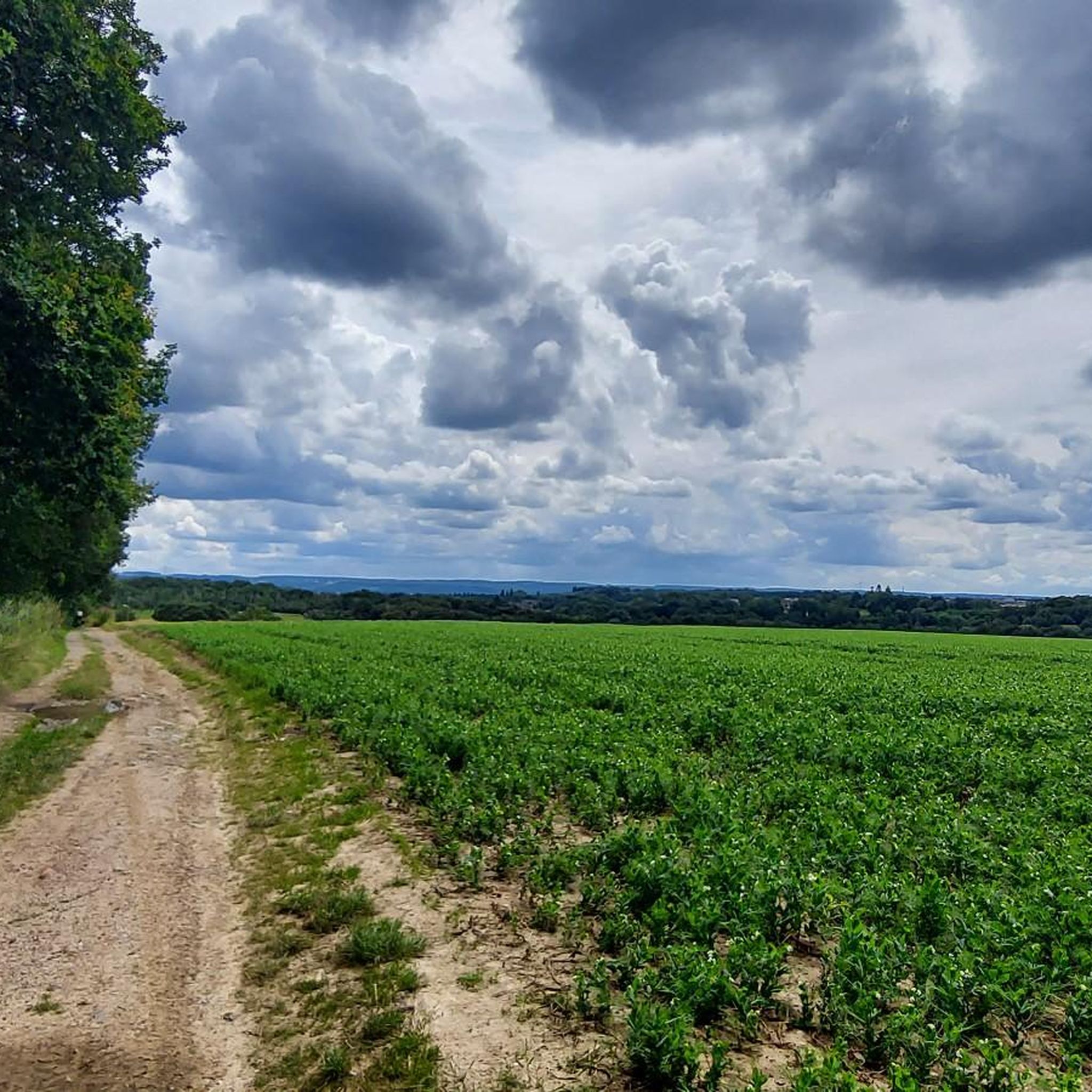
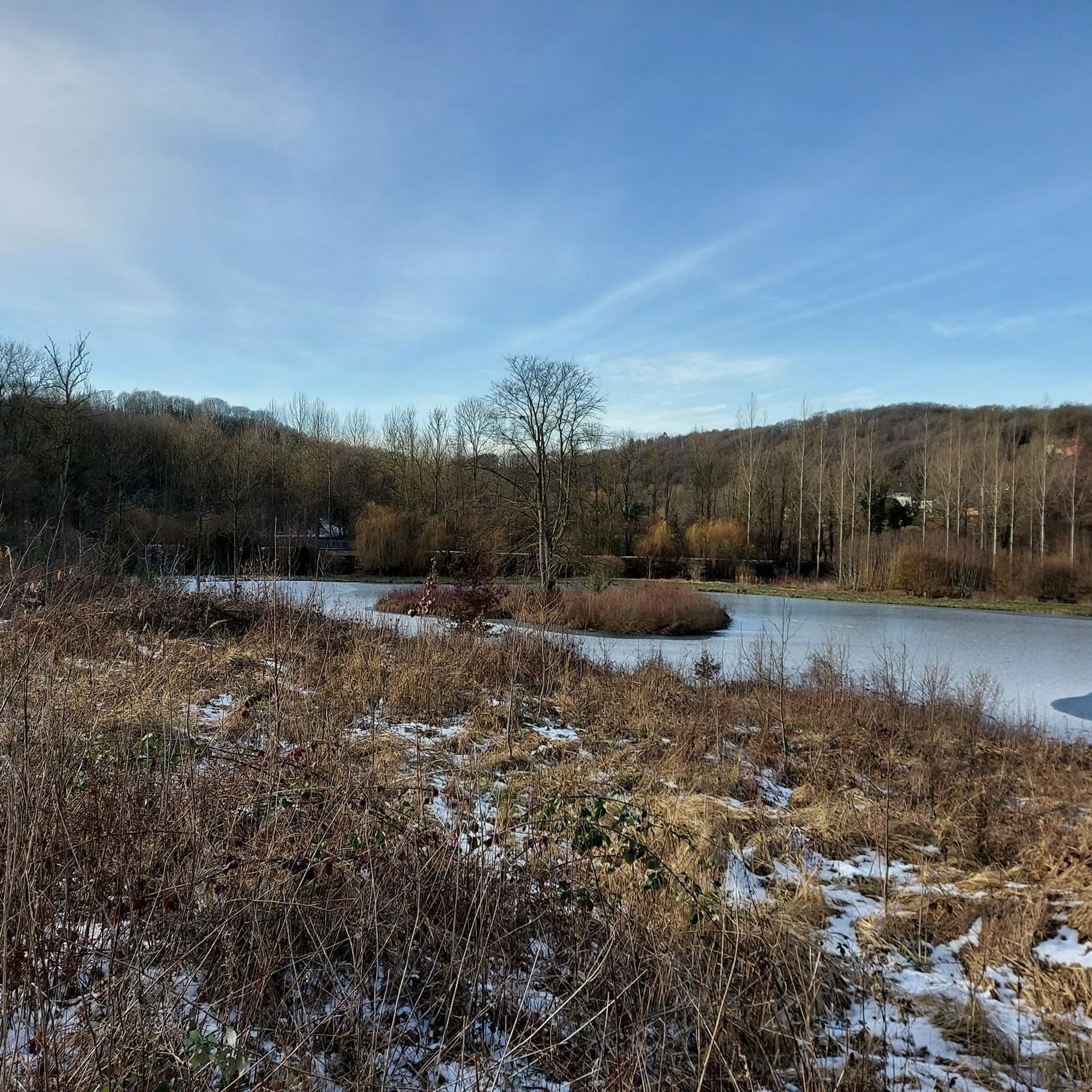
Other adventures in Burdinale-Mehaigne Natural Park

Tips from the Community

Remarkable bourgeois house with a special history: it did indeed serve for a time as a convent for French Benedictine nuns who – at the time of the Combes law (1902-1905), which advocated a strict separation of church and state – fled their country and settled here. The history of the house, however, goes back two centuries further: In 1708, Pierre Verlaine de Lomprez built a house on the abbey grounds. Marie-Jeanne inherited the house in the abbey courtyard. She lived there with her husband, Nicolas Gaspard Devaux, administrator of the estate of the prince-bishop of Liège and steward of his forests. In 1903, expelled French Benedictine nuns found a refuge in Moha, where they ran a kindergarten. In 1905, religious services were held in an annex to the house, while awaiting the rebuilding of the village church, which was reopened in 1917. The L-shaped house is built of limestone rubble from local quarries. In the 19th century, renovations were carried out: annexes were built and new openings were added. Source: bibliotheca.wanze.be
3
0
Moha has two rocky outcrops: one on the north side, with (the ruins of) the castle; one on the south side, with the Church of Our Lady of the Rosary. It's quite impressive how the church towers over the village. The neo-Gothic basilica church was built in 1912 on the site of a previously renovated house of worship.
4
0
This RAVeL follows the old railway line 127, which once ran from Hannut to Huccorgne. The RAVeL winds through the heart of Hesbaye, past grain fields and orchards, and through villages like Villers-le-Peuplier and Avennes, before ending in the Burdinale and Mehaigne Valley Nature Park.
2
0
Excavations are conducted year-round at Moha Castle, making it unique in Belgium. When I visited, two archaeologists were uncovering a wall that runs beneath the visible castle and likely dates back to the 12th century.
2
0
The castle is free to visit. At the foot of the rock, there's a visitor center where you can pick up a badge to open the gate. For €4, you can also get a brochure with information about the most important points. The castle is only open to visitors starting in April, but the friendly man at the visitor center let me in on February 27th... as far as you can even call it "inside" at this ruin ;-)
2
0
The fortified tower, situated on the edge of the Fosseroule stream and defending the valley, is considered a peripheral bastion of Moha Castle, located a mile and a half away. Agricultural and residential buildings form an enclosed complex, built between the 17th and 19th centuries. In the eastern corner stands an imposing tower, built of limestone rubble, with a square plan (16th century) on a wider, sloping base. This tower originates from an earlier structure, the cellars of which have also been preserved. The openings were modified, and in the 17th century, the tower was extended on the south side with a bay of limestone rubble and brick, reaching the limits of the original structure. To the west of the tower stands a two-story house, perpendicular to the tower, built of limestone rubble, probably dating from the 17th century. Source: bibliotheca.wanze.be
3
0

Please note that the second part of the walk is inaccessible due to the quarry expansion. There are no signs indicating the direction of travel. A sign from the town indicates the change in the local road where you rejoin the trail. Information should be provided at each end to avoid unnecessary backtracking.
1
1

In Fumal, two historic buildings stand out: Fumal Castle and Saint-Remy Church. Fumal Castle is a medieval fortified manor house, with later extensions, which was once the power base of local lords and still dominates the village skyline. Saint-Remy Church is a Gothic-Renaissance church, with elements from various periods, and has been the religious center of the village for centuries. Together, they are important witnesses to Fumal's history and heritage.
0
0
Frequently Asked Questions
How many gravel bike trails are available in Burdinale-Mehaigne Natural Park?
The Burdinale-Mehaigne Natural Park offers a wide selection of gravel biking routes, with over 50 trails recorded on komoot. These routes cater to various skill levels, including 3 easy, 17 moderate, and 30 difficult options.
Are there any easy or beginner-friendly gravel bike routes in the park?
Yes, the park features several routes suitable for beginners. For a shorter, moderate ride that's still accessible, consider the Ruins of Moha Castle and Cliffs – Fousseroûl Castle-Farm loop from Reppe, which is about 16.3 km long and takes less than an hour. There are 3 routes specifically rated as easy, and 17 moderate routes that can also be suitable for those looking for a less strenuous experience.
What kind of terrain can I expect on gravel bike trails in Burdinale-Mehaigne Natural Park?
You'll encounter a diverse landscape characterized by river valleys, agricultural plains, and forested sections. The region features gentle rolling hills and occasional steeper climbs, often following the Mehaigne river. Riders can expect a mix of well-maintained gravel paths, quiet country roads, and some more technical forest trails.
Are there any longer gravel bike routes for experienced riders?
Absolutely. For a more challenging and extensive ride, the The Haut-Geer Nature Reserve – Haut-Geer Nature Reserve loop from Villers-le-Bouillet is a moderate 66.5 km path exploring the natural beauty of the Haut-Geer Nature Reserve. The park also has 30 routes classified as difficult for those seeking a significant challenge.
What are some interesting landmarks or attractions to see along the gravel bike routes?
The region is rich in historical and natural sights. You can explore various castles, such as Moha Castle or Château de Fallais. Natural highlights include the Champia Wood and the Moha Quarry. Many routes, like the Fousseroûl Castle-Farm – Nice gravel path along the Mehaigne river loop from Château de Fallais, pass by these historical castle-farms and scenic spots.
Are there any circular gravel routes available?
Yes, many of the gravel routes in Burdinale-Mehaigne Natural Park are designed as loops, allowing you to start and finish at the same point. Examples include the Forest Stream – Downhill Forest Trail loop from Huy and the The Haut-Geer Nature Reserve – Haut-Geer Nature Reserve loop from Villers-le-Bouillet.
What do other gravel bikers say about the trails in Burdinale-Mehaigne Natural Park?
The routes in Burdinale-Mehaigne Natural Park are highly rated by the komoot community, with an average score of 4.2 stars from over 10 reviews. Reviewers often praise the diverse terrain, the scenic river valleys, and the opportunity to explore nature reserves and historical sites.
What is the best time of year to go gravel biking in this region?
While gravel biking is enjoyable year-round, spring and autumn generally offer the most pleasant conditions with milder temperatures and beautiful scenery. Summer can be great too, but be prepared for potentially warmer weather. Always check the local weather forecast before heading out.
Are there any routes that offer good viewpoints?
Many routes in the park traverse rolling hills and river valleys, offering scenic vistas. While specific viewpoint highlights are integrated into various tours, you can often find elevated sections that provide expansive views of the agricultural plains and forested areas. Keep an eye out for spots like the View of Famelette Castle.
What should I bring for a gravel biking trip in Burdinale-Mehaigne Natural Park?
Given the varied terrain, it's advisable to bring a well-maintained gravel bike, appropriate safety gear including a helmet, and sufficient water and snacks. Depending on the route length, consider a repair kit, spare tube, and navigation tools. Layered clothing is also recommended due to potential weather changes.
Are there options for less crowded gravel bike trails?
While some popular routes might see more traffic, the park's extensive network of 50 trails means you can often find quieter paths, especially on weekdays or by exploring some of the less-trafficked moderate or difficult routes. The region's agricultural and forested areas offer many serene sections away from main roads.
Most popular routes in Burdinale-Mehaigne Natural Park
Most popular attractions in Burdinale-Mehaigne Natural Park

Get inspired with the komoot mobile app


Explore more
Browse the best Gravel rides in other regions.
