The best road cycling routes in Burdinale-Mehaigne Natural Park
3.9
(18)
377
riders
50
rides
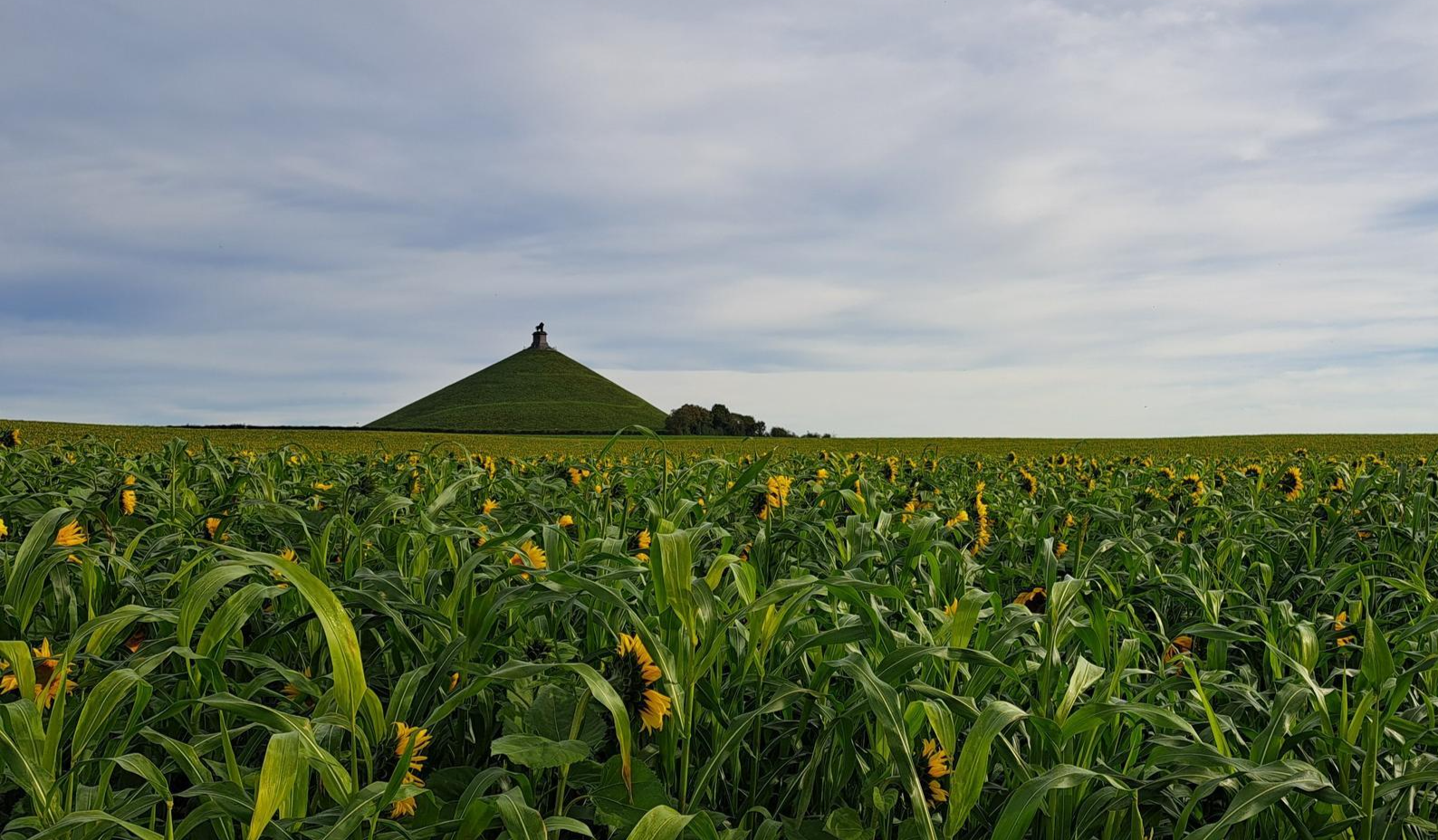
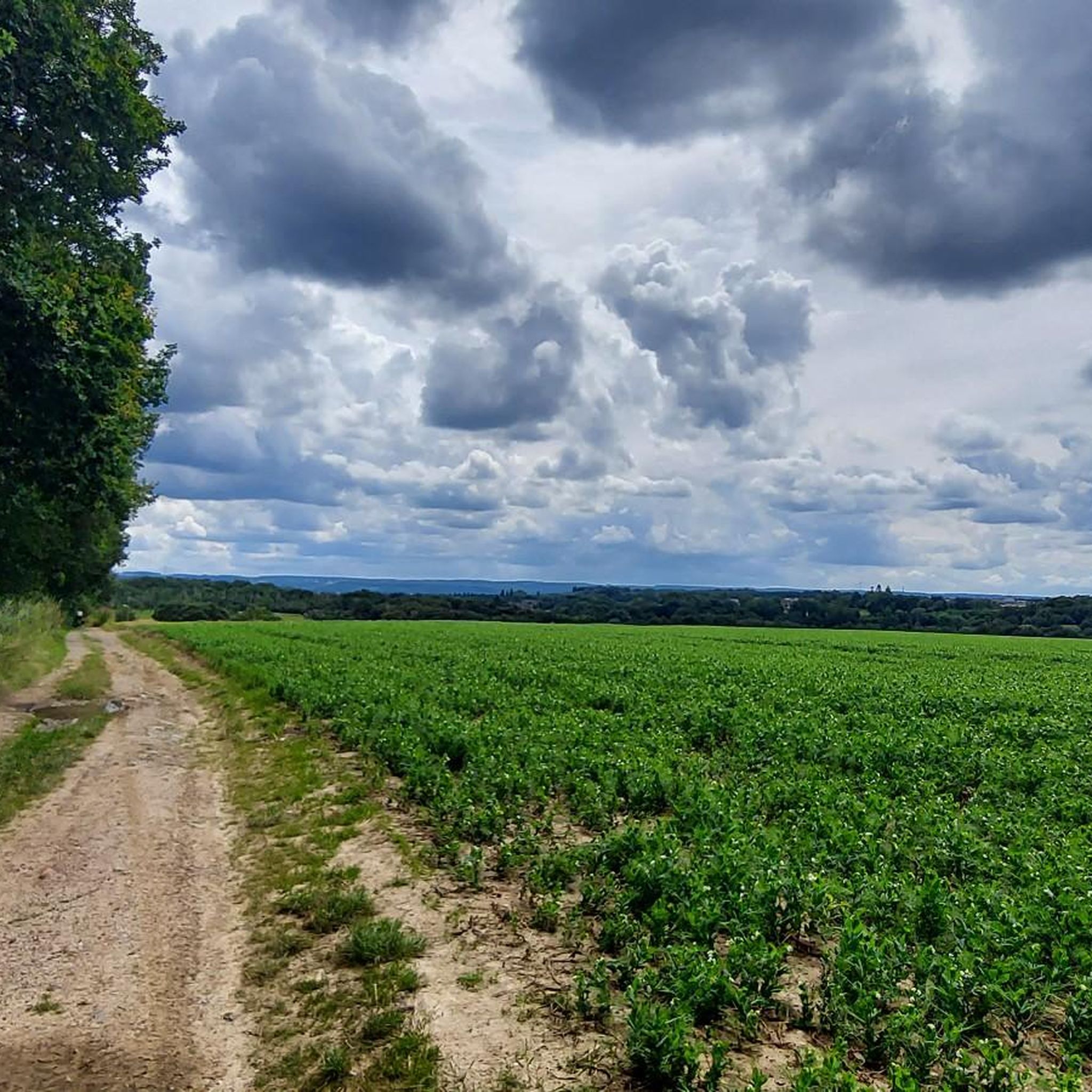
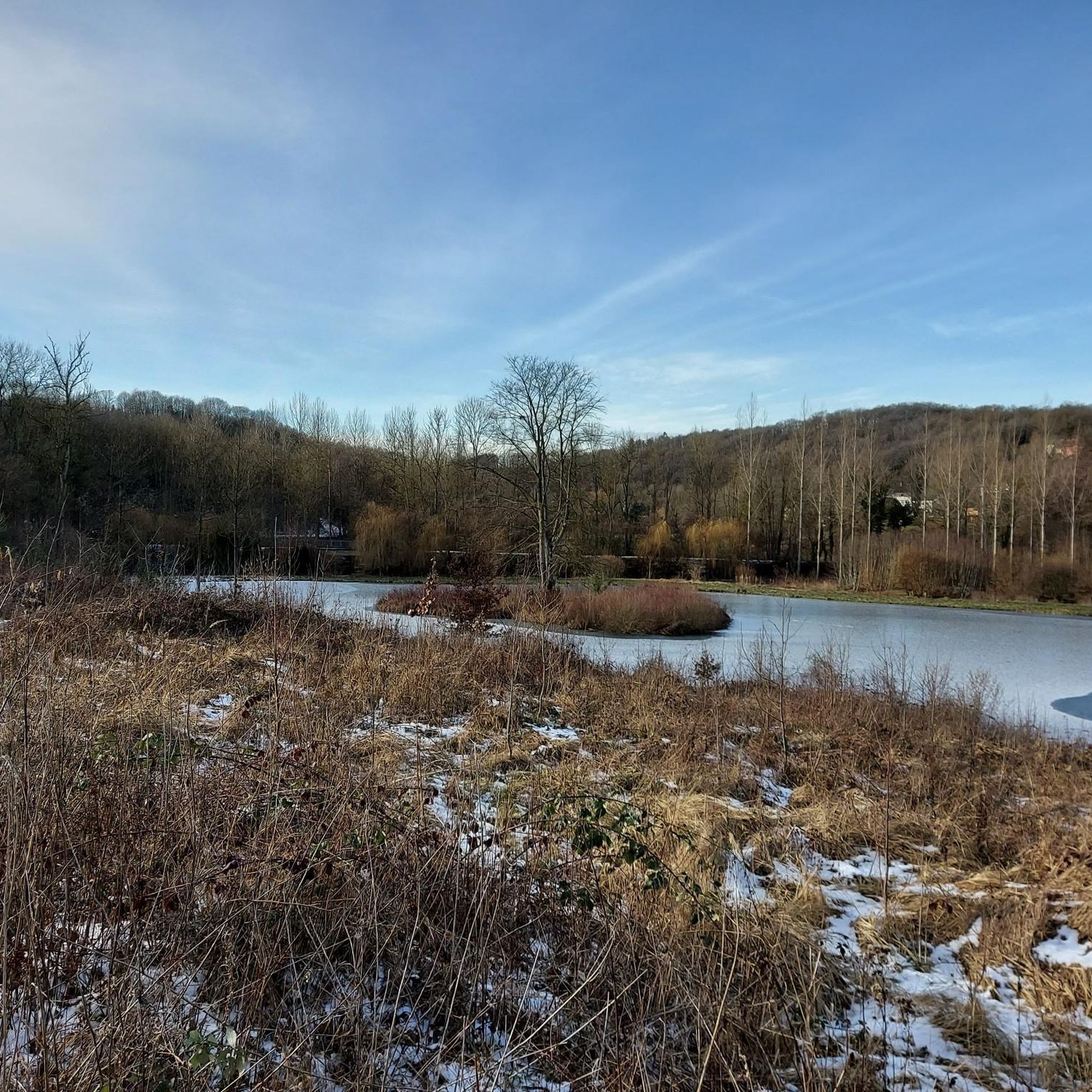
Road cycling in Burdinale-Mehaigne Natural Park features a diverse landscape where the agricultural plains of Hesbaye meet the wooded Condroz region. The terrain offers a harmonious blend of open fields, gently rolling hills, and intimate river valleys carved by the Burdinale and Mehaigne rivers. Cyclists will encounter varied scenery, from expansive farmlands to more sheltered, wooded sections, providing a dynamic riding experience. The park's topography includes both flat stretches and challenging, hilly sections, catering to different fitness levels.
Best road…
Last updated: May 7, 2026
4.0
(1)
22
riders
50.2km
02:24
590m
590m
Moderate road ride. Good fitness required. Mostly well-paved surfaces and easy to ride.
1.0
(1)
18
riders
22.0km
00:55
120m
120m
Easy road ride. Great for any fitness level. Mostly well-paved surfaces and easy to ride.

Sign up for free
4.5
(2)
12
riders
49.6km
02:13
280m
280m
Moderate road ride. Good fitness required. Mostly well-paved surfaces and easy to ride.
14
riders
103km
04:59
1,100m
1,100m
Hard road ride. Very good fitness required. Mostly well-paved surfaces and easy to ride.
4.0
(1)
7
riders
Easy road ride. Great for any fitness level. Mostly well-paved surfaces and easy to ride.
Get access to more routes and recommendations from other explorers.
Sign up for free
Already have an account?
Our route recommendations are based on thousands of hikes, rides, and runs completed by other people on komoot.
Start today with a free account
Your next adventure awaits.
Login or Signup
Popular around Burdinale-Mehaigne Natural Park
Other adventures in Burdinale-Mehaigne Natural Park

Tips from the Community

Since 1965, the Oteppe castle and its surrounding estate (65 ha) have been run as a holiday centre ("L'Hirondelle") with a hotel, campsite, holiday chalets and bungalows, swimming pools, playground and fishing ponds; as a result, the village's population has almost doubled during the summer months.
2
0


The Château Rose was built by order of Albert-Pierre Stier (1745-1816). In 1776, he bought the seigniory of Orp, as it had been known since the end of the 17th century, when the land of Orp-le-Grand was merged with that of Orp-le-Petit. The pillory of Orp-le-Petit at the front is one of about fifty in Belgium that are listed by the Royal Institute for Cultural Heritage. When our country was invaded by France in 1794, the French revolutionaries rushed to abolish the symbols of the Ancien Régime and the pillory was demolished. A few years later, around 1826, Baron Jean-François de Vinck de deux Orp (1774-1827), nephew of the builder of the castle, had the restored elements of the pillory rebuilt on his estate, more specifically in the central part of the meadow below the castle. Source: https://www.orp-jauche.be/wp-content/uploads/Brochure_PetitPatrimoinePopulaire_ORP.pdf
7
0

Beautiful castle with moat in the limestone of the region from the 13th century. It was long the property of Charles the Bold.
0
0

I didn't get any further because of new asphalt, probably two weeks after my post there is fantastic asphalt here!!
0
0

The domain is closed and the castle is partially covered in scaffolding. It is currently only visible from a distance.
4
0
Heritage information about the station (description): This is a good example of a rural station that was built by the State Railways in 1908. Characteristic brick architecture in a particularly elaborate decorative design with bricks using bush-hammered natural stone blocks. A so-called 'logis des piocheurs' has also been preserved here. The Landen-Tamines line was abolished in 1959. Building built on an elongated floor plan consisting of: a main volume (home, waiting rooms 1st and 2nd class) of four bays and two storeys under a saddle roof (now with artificial slates, previously with natural slates), a low wing of seven bays (waiting room 3rd class, office, storage area) also under a saddle roof and on the other side an outbuilding (laundry, coal storage area and lampisterie) under a hipped roof. Architecture characterized by natural stone bush-hammered plinth, facades in red smooth brick with horizontal bands (yellow and gray brick) and wooden cornices with profiled cornice blocks. Natural stone blocks with the name of the station are incorporated in the facades. The interior was changed. Separate annex: the so-called 'logement des piocheurs' in half-timbered construction (wood and brick). In the garden of the station master there are two approximately one hundred year old yew trees. Inventory of Immovable Heritage: Station Racour, https://id.erfgoed.net/erfgoedobjecten/200086
7
0
Frequently Asked Questions
What kind of terrain can I expect when road cycling in Burdinale-Mehaigne Natural Park?
The Burdinale-Mehaigne Natural Park offers a varied road cycling experience. You'll encounter a harmonious blend of expansive agricultural plains, gently rolling hills, and intimate river valleys carved by the Burdinale and Mehaigne rivers. The landscape transitions from open farmlands in the Hesbaye plateau to more sheltered, wooded sections and defined valleys closer to the Meuse, providing dynamic scenery throughout your ride.
Are there road cycling routes suitable for beginners in Burdinale-Mehaigne Natural Park?
Yes, the park offers routes suitable for various ability levels. For beginners, there are easy options such as the Château de Fallais – Braives Railway Path loop from Braives, which covers 22.1 km with moderate elevation changes, making it a good choice for those new to road cycling.
What historical landmarks or attractions can I see along the road cycling routes?
Road cycling routes in the Burdinale-Mehaigne Natural Park often pass by significant historical sites. You can explore the ancient fortress of Moha Castle, dramatically situated on a rocky outcrop, or the picturesque Château de Fallais. Other notable castles include Château de Fumal. These sites add a rich cultural dimension to your ride.
What natural features are prominent along the road cycling routes?
The park is defined by its two rivers, the Burdinale and Mehaigne, which create scenic valleys with unique ecosystems, including wetlands and meadows. You'll also cycle through vast agricultural plains and more wooded areas, such as the significant nature reserve of Champia Wood, known for its biodiversity. The Tree Frog Fountain in Hosdent is another notable natural highlight.
Are there any challenging road cycling routes for experienced riders?
Yes, for experienced riders seeking a challenge, routes like the Côte du Prâle – Wall of Huy loop from Oteppe offer significant elevation gain, including challenging climbs. Another option is the Côte du Prâle – Oteppe Hill loop from Hannêche, which covers nearly 60 km with over 660 meters of ascent.
What do other road cyclists say about their experience in Burdinale-Mehaigne Natural Park?
The road cycling routes in Burdinale-Mehaigne Natural Park are highly rated by the komoot community, with an average score of 4.0 stars from over 18 reviews. Cyclists often praise the diverse terrain, the blend of open fields and wooded sections, and the well-marked trails that allow for exploration of both natural beauty and cultural heritage.
Is it possible to find circular road cycling routes in the park?
Yes, many of the road cycling routes in Burdinale-Mehaigne Natural Park are designed as loops, allowing you to start and finish at the same point. Examples include the Mur de Huy – Wall of Huy loop from Hannêche and the Côte de Vezin – Moha Castle Ruins loop from Les Bruyeres, providing convenient options for exploring the region.
What is the best time of year for road cycling in Burdinale-Mehaigne Natural Park?
The Burdinale-Mehaigne Natural Park is enjoyable for road cycling throughout much of the year. Spring and autumn offer pleasant temperatures and beautiful scenery, with blooming fields or vibrant fall foliage. Summer is also suitable, though it can be warmer, while winter cycling is possible but may require more preparation for colder conditions.
Are there options for parking near the road cycling trailheads?
While specific parking areas for each trailhead are not always explicitly listed, the villages and towns within and around the Burdinale-Mehaigne Natural Park, such as Hannêche, Les Bruyeres, Oteppe, and Braives, typically offer public parking facilities. It's advisable to check local parking options when planning your starting point.
Can I reach Burdinale-Mehaigne Natural Park by public transport for cycling?
The Burdinale-Mehaigne Natural Park is primarily accessible by car, but public transport options exist to nearby towns. While direct train stations within the park are limited, you can often reach larger towns in the vicinity by train or bus, and then cycle into the park. Planning your route in advance with local transport schedules is recommended.
Are there any family-friendly road cycling routes in the Burdinale-Mehaigne Natural Park?
Yes, the park offers easier routes that are suitable for families. The Château de Fallais – Braives Railway Path loop from Braives is an easy 22.1 km route with minimal elevation, making it a good choice for families with children or those looking for a more relaxed ride.
Where can I find places to eat or drink near the cycling routes?
The charming villages and hamlets throughout the Burdinale-Mehaigne Natural Park, such as Fumal, Hosdent, Lavoir, Envoz, Marsinne, and Ferrières, often have local cafes, restaurants, or pubs where you can stop for refreshments. These establishments provide opportunities to experience local cuisine and take a break during your ride.
Most popular routes in Burdinale-Mehaigne Natural Park
Most popular attractions in Burdinale-Mehaigne Natural Park

Get inspired with the komoot mobile app


Explore more
Browse the best Road cycling routes in other regions.
