The best gravel rides around Poli
4.7
(7)
27
riders
4
rides
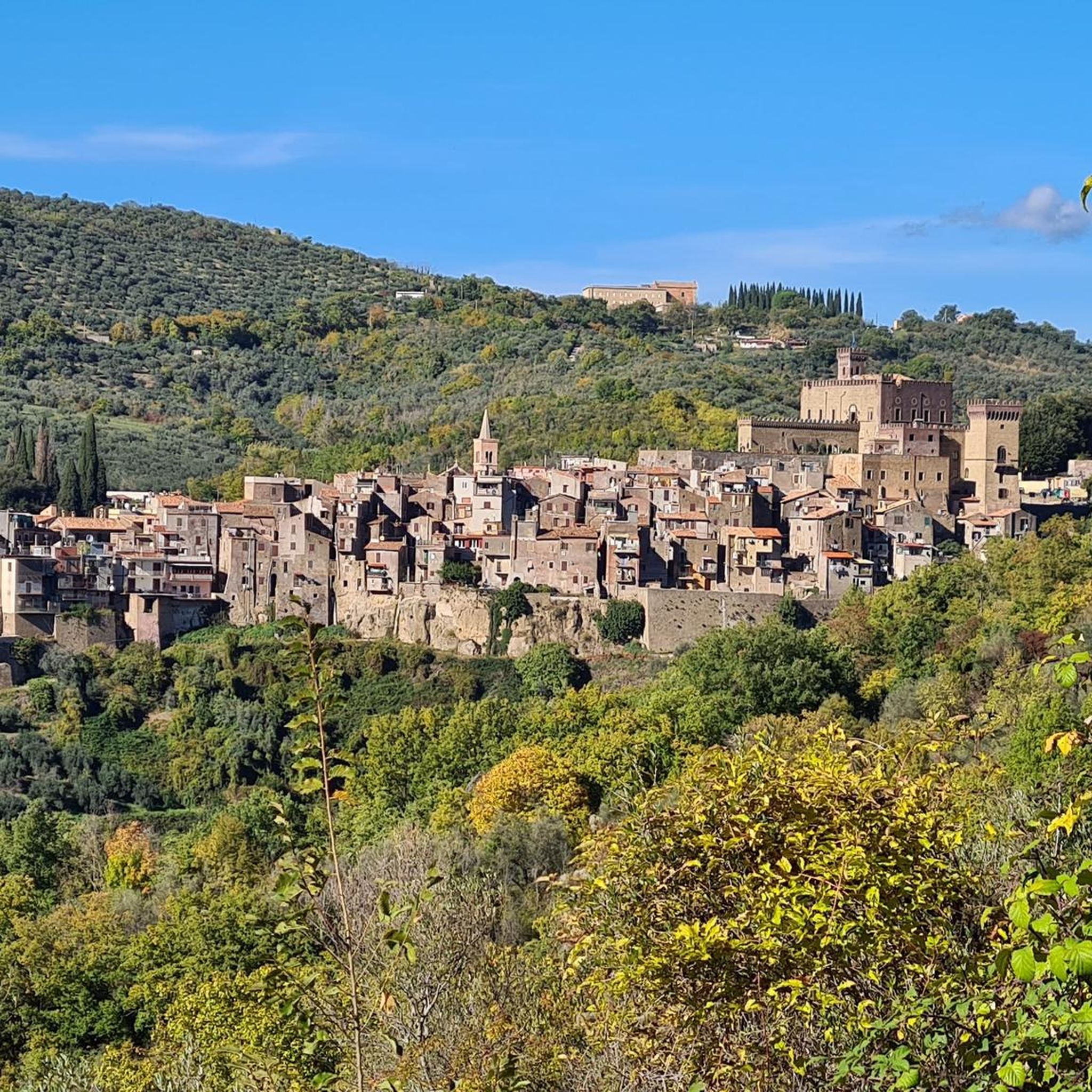
Gravel biking around Poli features routes through the Roman countryside, characterized by historical landmarks and varied terrain. The area includes paths near the Aniene Waterfalls and ancient Roman aqueducts, offering a mix of natural and historical landscapes. Cyclists can expect rolling hills and diverse surfaces suitable for gravel bikes.
Best gravel bike trails around Poli
- The most popular gravel bike trail is Murals of the Former Gentili Quarry – Aniene Waterfalls loop from Tivoli, a 19.7 miles (31.7 km)…
Last updated: October 11, 2026
2
riders
Hard gravel ride. Very good fitness required. Mostly paved surfaces. Suitable for all skill levels.
4.7
(7)
8
riders
31.7km
02:44
970m
970m
Hard gravel ride. Very good fitness required. Mostly paved surfaces. Suitable for all skill levels.

4
riders
56.7km
04:20
1,160m
1,160m
Hard gravel ride. Very good fitness required. Mostly paved surfaces. Suitable for all skill levels.
7
riders
43.6km
03:07
700m
700m
Hard gravel ride. Very good fitness required. Mostly paved surfaces. Suitable for all skill levels.
2
riders
Hard gravel ride. Very good fitness required. Mostly paved surfaces. Suitable for all skill levels.
Our route recommendations are based on thousands of hikes, rides, and runs completed by other people on komoot.
Start today with a free account
Your next adventure awaits.
Tips from the Community

La Rocca Pia is an imposing 15th-century fortress located in the very historic center of Tivoli, in Lazio. Built starting in July 1461 by order of Pope Pius II Piccolomini (from whom it takes its name), the fortress was created with the dual objective of militarily controlling the strategic access routes to the city and reaffirming papal authority over the citizenry after long periods of unrest and internal clashes, particularly between the Guelphs and Ghibellines factions and the powerful Colonna and Orsini families. The project, completed under the pontificate of Pope Alexander VI, is traditionally attributed by the only historical source (Vasari) to Filarete and his disciples.
0
0

Vicolo Barchetto, 00019 Tivoli RM, Italy
10
0

From Tivoli's Gregorian Bridge, you can enjoy a spectacular view of the Aniene Gorge, the natural canyon carved by the river, and the Roman Acropolis with its ancient temples. Looking toward the "old" part, you can admire the houses clinging to the rock and the Temple of the Sibyl, which turns golden at sunset. Here's what you can see from the bridge: The Tivoli Gorge: The Aniene River flowing deep within, part of the evocative Villa Gregoriana Park. Roman Temples: The acropolis with the Temple of the Sibyl and the Temple of Vesta, symbols of ancient "Tibur." Historical Panorama: The medieval and historic houses overlooking the chasm, offering a glimpse of old Tivoli. The Great Waterfall: With the surrounding landscape of the gorge. The bridge itself, built in the 19th century by Pope Gregory XVI, is an iconic vantage point located at the entrance to the historic center. WEBSITE: https://visittivoli.it/sito-turistico/ponte-gregoriano/#:~:text=Today%20rappresenta%20un%20passaggio%20monumentale%20da%20cui,*%20Via%20Ponte%20Gregoriano%2C%2000019%20Tivoli%20RM.9
0
0
Tivoli's Rocca Pia, an imposing Renaissance fortress located in the city center, was built by Pope Pius II Piccolomini starting in 1461 to defend the city and control the population. The structure is characterized by four large circular towers of varying heights, connected by high crenellated walls. Over the course of its history, the Rocca has alternated defensive functions with those of a papal barracks and, for a long time, a prison until 1960. It is currently a tourist attraction located near Piazza Garibaldi and the Bleso amphitheater. WEBSITE: https://visittivoli.it/sito-turistico/rocca-pia/
2
0

A small shelter, behind which is an underground cistern. A picnic area with barbecue grills is a great place to relax.
0
0

The picturesque town of Tivoli has rightly been declared a UNESCO World Heritage Site. Everywhere you look, you'll find beautiful corners and small alleys bathed in the glorious light of the evening sun.
0
0

The Madonna della Tivora (or Madonna of the Snow) usually refers to the venerated image of the Madonna present in the small sanctuary, also known as the Madonna della Neve, located in the Rocca Priora area, near Colle di Fuori, in the Castelli Romani region. Rocca Priora has supplied Rome with snow and ice since imperial times, and the population prayed to the Madonna for good snowfall, essential to the local economy. The August festival in honor of the Madonna is still deeply felt today, culminating in a nighttime procession and a suggestive artificial snowfall.
1
0
Frequently Asked Questions
What kind of terrain can I expect on gravel bike trails around Poli?
Gravel biking around Poli offers a diverse landscape, primarily characterized by the Roman countryside. You'll encounter rolling hills, paths near the Aniene Waterfalls, and ancient Roman aqueducts. The routes feature a mix of natural and historical landscapes, with varied surfaces suitable for gravel bikes.
Are there any challenging gravel routes in Poli for experienced riders?
Yes, the gravel routes around Poli are generally considered challenging. For instance, the Murals of the Former Gentili Quarry – Aniene Waterfalls loop from Tivoli is a difficult 19.7-mile (31.7 km) trail with significant elevation gain. Another difficult option is the San Vittorino River – Anio Vetus Roman Aqueduct loop from San Vittorino, which is 19.9 miles (32.2 km) long.
What historical landmarks or natural features can I see along the gravel trails?
The gravel trails around Poli are rich in historical and natural sights. You can explore ancient Roman aqueducts, such as those along the San Vittorino River – Anio Vetus Roman Aqueduct loop. Many routes offer scenic views of the Aniene Waterfalls, and you might pass by highlights like the Fountain of the Organ, Villa d'Este, or the Monumental Oak of Pierluigi da Palestrina.
Are there any loop trails for gravel biking in Poli?
Yes, several gravel routes around Poli are designed as loops. Popular options include the Murals of the Former Gentili Quarry – Aniene Waterfalls loop from Tivoli and the View of the Roman Countryside – Aniene Waterfalls loop from Hadrian's Villa. These circular routes allow you to start and finish at the same point, making logistics easier.
What do other gravel bikers enjoy most about the trails in Poli?
The gravel biking routes in Poli are highly rated by the komoot community, with an average score of 4.9 stars from over 8 reviews. Cyclists often praise the unique combination of historical aqueducts, river valleys, and rolling hills, as well as the varied terrain that makes for an engaging ride through the Roman countryside.
What is the best time of year to go gravel biking in Poli?
While specific seasonal recommendations for Poli are not available, Italy's broader appeal for gravel biking, particularly in regions with 'strade bianche,' suggests that spring and autumn generally offer the most pleasant conditions. These seasons typically provide milder temperatures and beautiful scenery, avoiding the intense heat of summer or the potentially wet and cold conditions of winter.
Are there any routes that offer views of the Roman countryside?
Absolutely. The View of the Roman Countryside – Aniene Waterfalls loop from Hadrian's Villa is specifically designed to showcase the picturesque Roman countryside, offering expansive vistas as you cycle. Many other routes in the area also traverse this scenic landscape.
Can I find routes that pass by significant natural monuments?
Yes, the area around Poli features several natural monuments that you might encounter or pass near. For example, the Monumental Oak of Pierluigi da Palestrina is a notable natural highlight in the vicinity.
Are there any routes that include historical castles or bridges?
Yes, the region offers routes that pass by historical structures. You might find yourself near the Brancaccio Castle in San Gregorio da Sassola or cross historic bridges like Ponte Gregoriano and Ponte Amato, adding a cultural dimension to your ride.
How many gravel bike trails are listed for Poli on komoot?
There are a total of 5 gravel bike routes listed for Poli on komoot, offering various options for exploring the Roman countryside and its historical features.
What is the average distance of gravel bike trails in Poli?
The gravel bike trails around Poli typically range from approximately 19.7 miles (31.7 km) to 27.3 miles (43.9 km) in length, offering substantial rides for a day trip.
Are there any routes that start from well-known historical sites?
Yes, some routes are conveniently located near historical sites. For example, the View of the Roman Countryside – Aniene Waterfalls loop starts from Hadrian's Villa, allowing you to combine your ride with a visit to this ancient Roman complex.
Most popular attractions around Poli

Get inspired with the komoot mobile app


Explore more
Browse the best Gravel rides in other regions.
