The best gravel rides around Avolasca
4.0
(7)
46
riders
14
rides
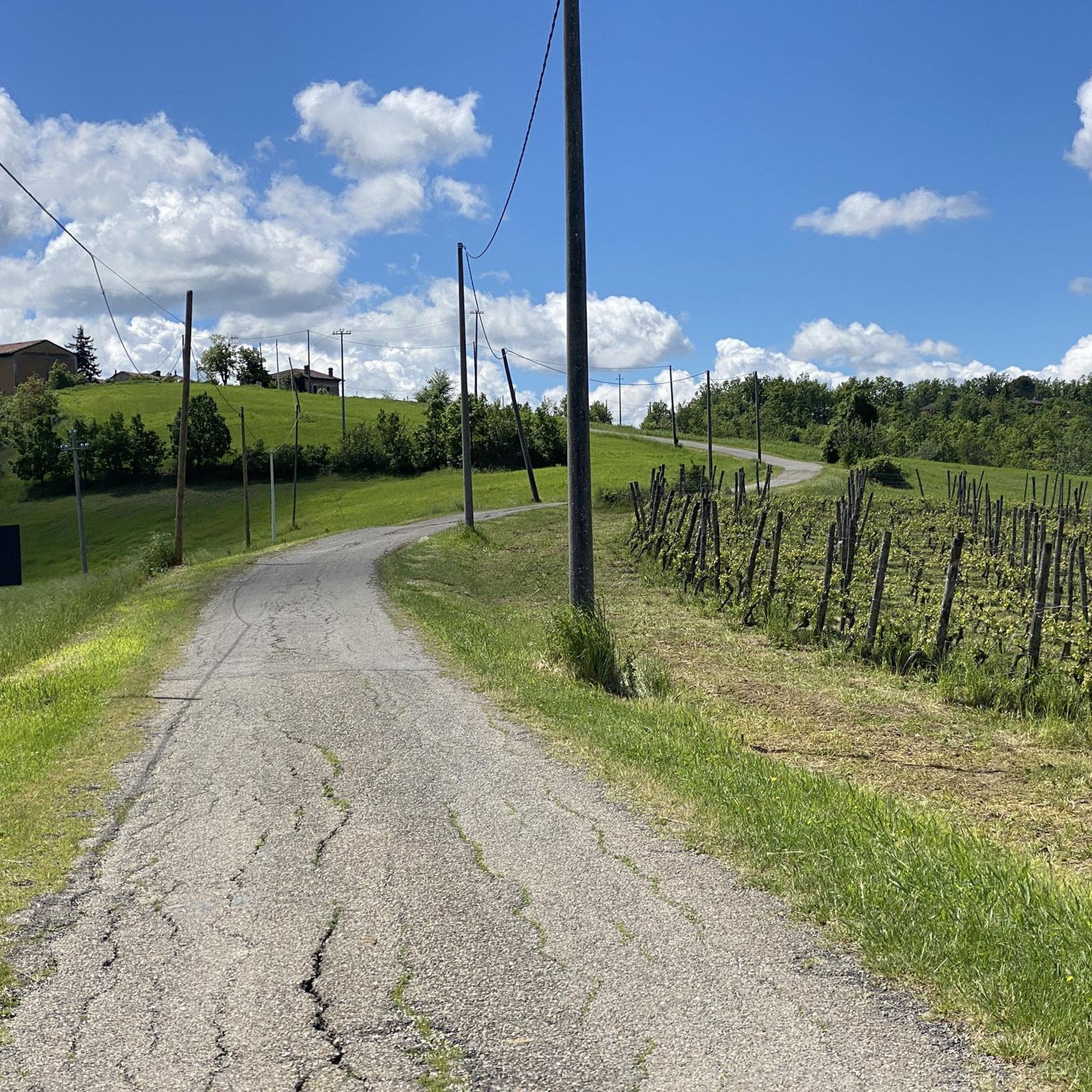
Gravel biking around Avolasca offers routes through a landscape characterized by rolling hills, agricultural areas, and river valleys. The region features a mix of paved and unpaved roads, including gravel tracks and quiet country lanes. Elevation changes are common, with routes traversing hills such as Mongualdone and passes like Passo Coppi. The terrain provides varied surfaces suitable for gravel cycling, often with views of vineyards and historical structures.
Best gravel bike trails around Avolasca
- The most popular gravel bike trail…
Last updated: May 5, 2026
4.0
(1)
12
riders
60.9km
04:46
1,310m
1,310m
Hard gravel ride. Very good fitness required. Mostly paved surfaces. Suitable for all skill levels.
4.0
(2)
5
riders
14.9km
01:06
270m
270m
Moderate gravel ride. Good fitness required. Mostly paved surfaces. Suitable for all skill levels.

Sign up for free
1
riders
10.1km
01:00
300m
310m
Moderate gravel ride. Good fitness required. Mostly paved surfaces. Suitable for all skill levels.
2
riders
21.1km
01:31
320m
320m
Hard gravel ride. Good fitness required. You may need to push your bike for some segments of this route.
4
riders
20.8km
01:27
370m
370m
Moderate gravel ride. Good fitness required. Mostly paved surfaces. Suitable for all skill levels.
Get access to more routes and recommendations from other explorers.
Sign up for free
Already have an account?
Our route recommendations are based on thousands of hikes, rides, and runs completed by other people on komoot.
Start today with a free account
Your next adventure awaits.
Login or Signup
Tips from the Community

Vargo has had a castle known since 1157, the year of the invasions of Barbarossa's troops, but this construction was actually built as a signal tower in the Lombard era and is part of the so-called line of castles documented by Pertica.
13
0

Small but evocative, this Romanesque parish church still retains part of its original medieval architectural structure.
0
0

Vargo is a hamlet of the municipality of Stazzano (AL) at about 410 m above sea level. During the Middle Ages it was an imperial fiefdom under the Genoese families of Fieschi and then Doria. In 1797 it was annexed to the Ligurian Republic and after the fall of Napoleon it followed the fate of the province of Novi, becoming part of Piedmont in 1859 with the Rattazzi Decree. It was an independent municipality until 1928. Vargo has a castle known since 1157, the year of the invasions of the troops following Barbarossa, but this construction was actually born as a signal tower in the Lombard era and is part of the so-called line of castles. The town developed concentrically around the “castle”, rebuilt by the Fieschi family of Genoa, lords of Vargo since 1413: after the conspiracy against the said feudal lords, it was dismantled in 1442, and later passed to the Doria family in 1547. Next to what must have been the south-east walls, there is still an oratory dedicated to the Virgin of the Annunciation, while today the once fortified structure is partly used as a residence, and the very visible main tower, inside which are the living quarters of the last owner, has not been altered.
2
0

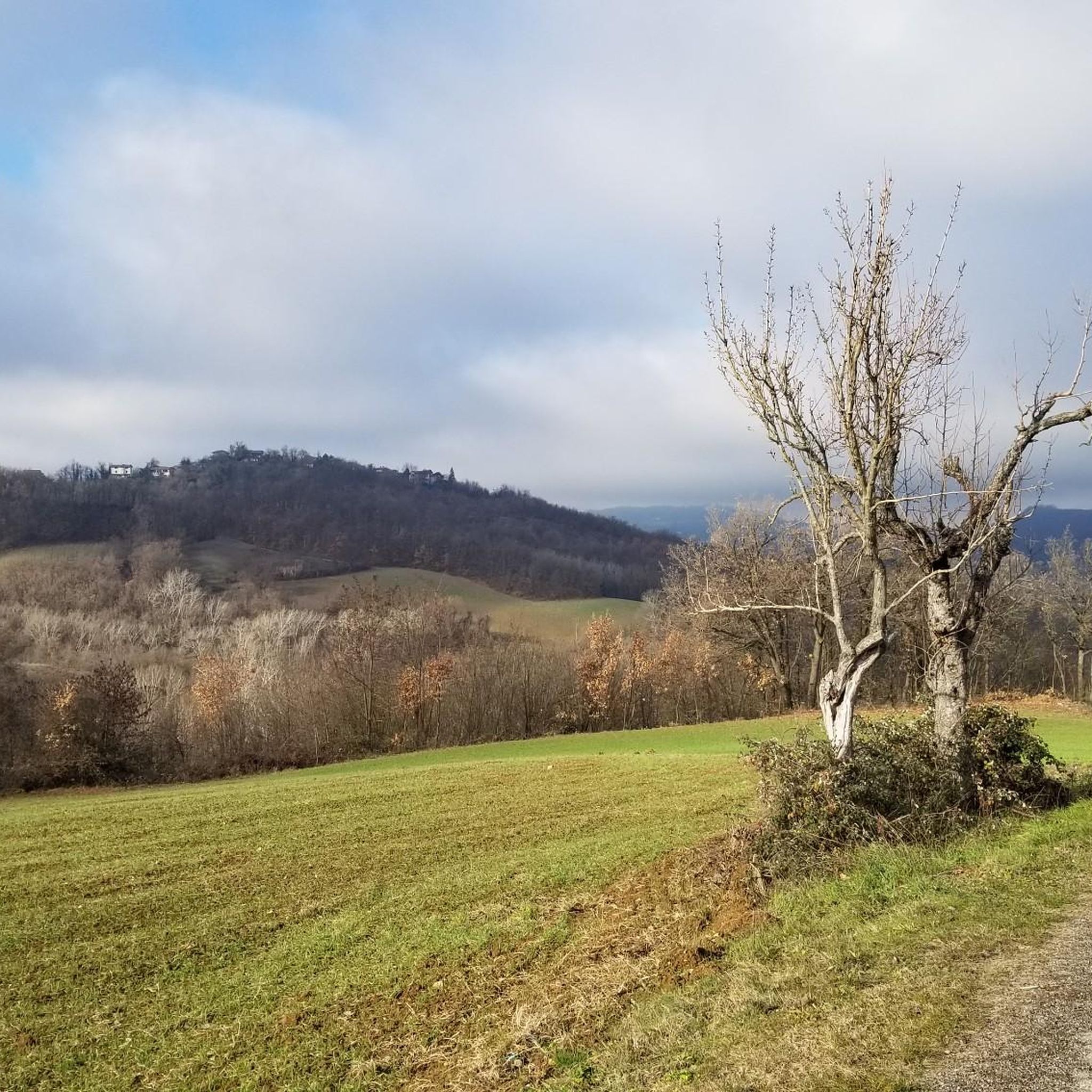
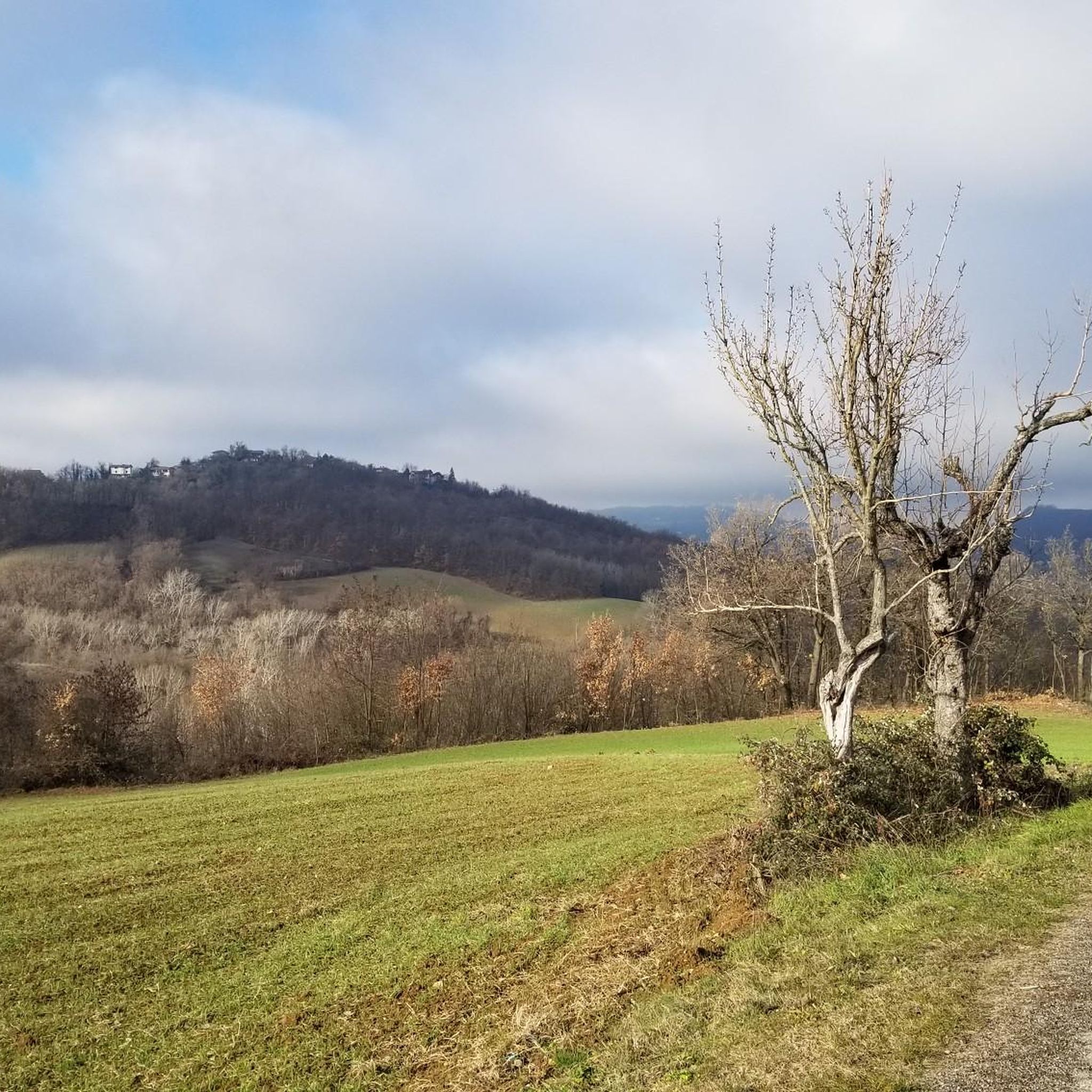
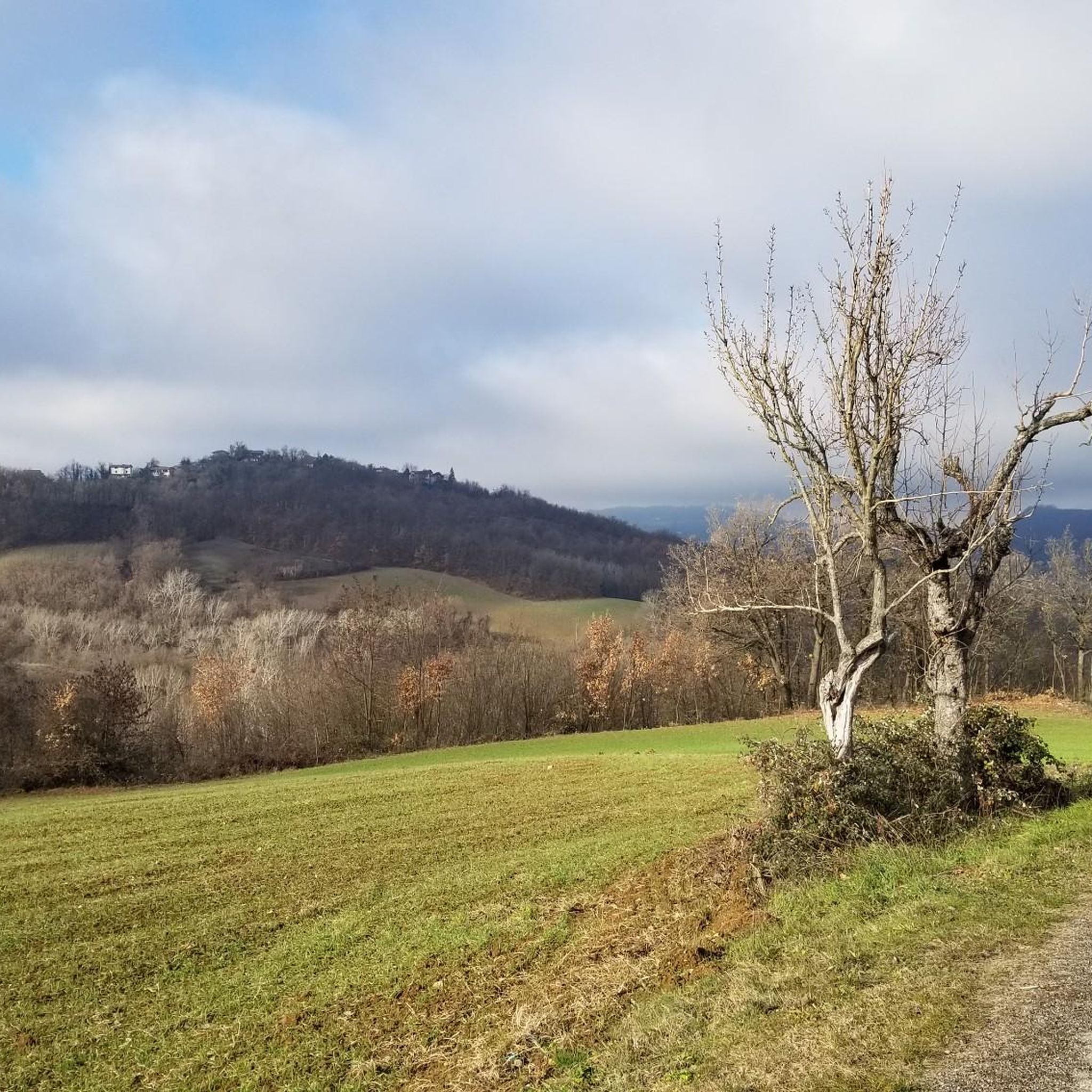
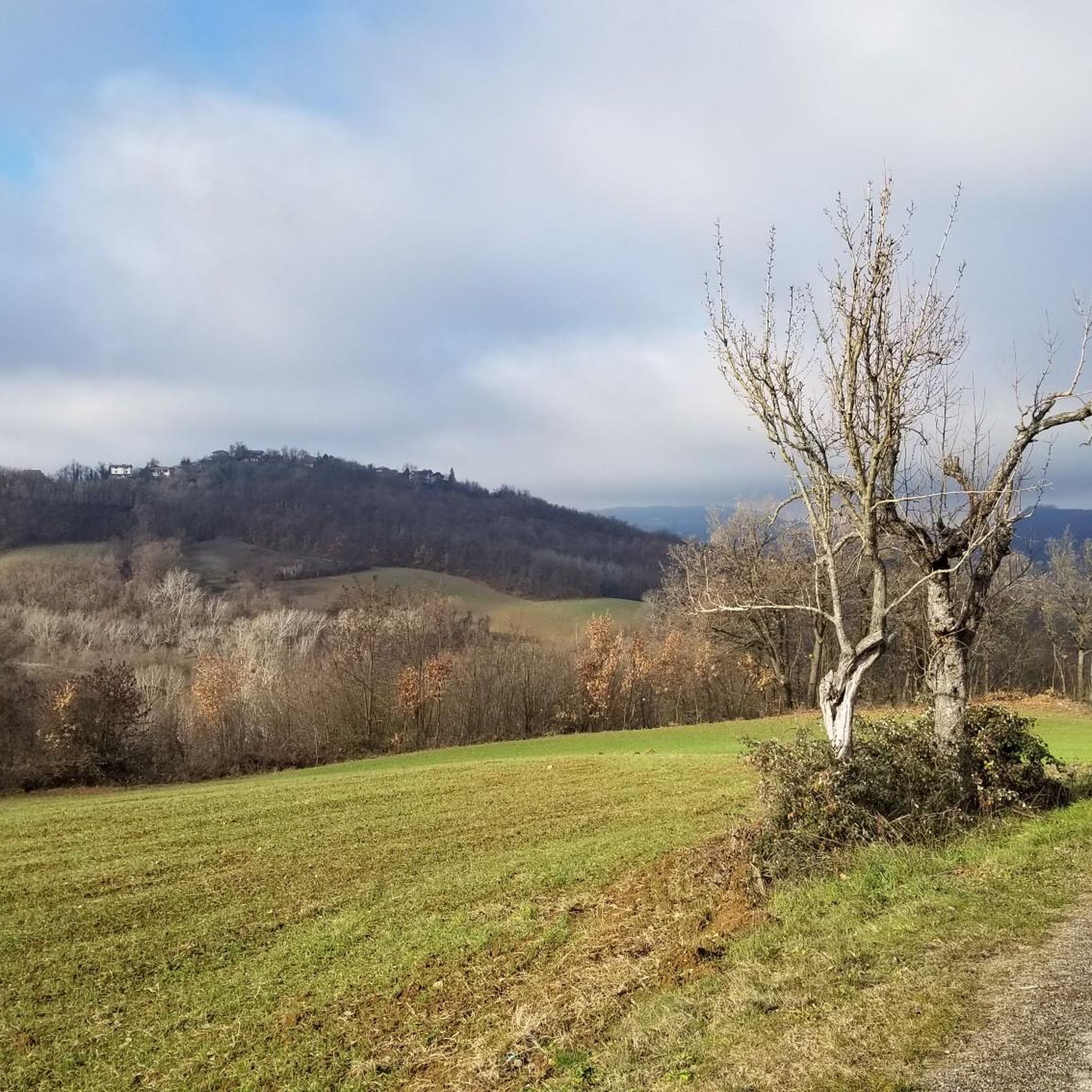
On the hills around Spineto Scrivia, this panoramic point is located in the Rampina area and offers great views of the surrounding hills, vineyards and woods. The cart track here is wide and has a simple gravel, also very suitable for gravel bikes.
0
0

Panoramic gravel section with smooth surface
0
0
The foundation of the Sanctuary dates back to 1672. The feast of the Sanctuary is celebrated on August 5th on the occasion of the feast of the Madonna della Neve.
0
0

The Sanctuary of Cà del Bello or Madonna della Neve is located in the municipality of Borghetto di Borbera. Founded in 1672, it was renovated several times, the first in 1757, the second in 1868 before being completed in 1900. The two side naves were completed in 1940 also thanks to donations from emigrants to South America. It is named after the Madonna della Neve, which is celebrated on 5 August with Mass at the Sanctuary and a procession.
0
0

Start of the famous panoramic stretch "la Rampina" in the Terre di Coppi, the very champion
0
0
Frequently Asked Questions
How many gravel bike trails are available around Avolasca?
There are over 15 gravel bike routes documented around Avolasca on komoot, offering a variety of experiences for different skill levels.
Are there any easy or family-friendly gravel bike trails in Avolasca?
While Avolasca's terrain is characterized by rolling hills and elevation changes, there are no routes classified as 'easy'. However, several moderate routes are suitable for those with some gravel biking experience or families looking for a challenge. For example, the Passo Coppi – Panoramic View of the Vineyard loop from Carezzano is a moderate 7.6-mile (12.3 km) path with manageable gradients and scenic views.
What are the best routes for experienced gravel bikers seeking a challenge?
Experienced gravel bikers will find plenty of challenging routes. The Val Borbera – Strette del Borbera loop from Cassano Spinola is a demanding 67.2-mile (108.2 km) trail with significant elevation, often taking over 8 hours. Another difficult option is the Mongualdone Hill – Coppi Climb Mural loop from Castellania Coppi, which covers 37.8 miles (60.9 km) with substantial climbs.
Are there circular gravel bike routes around Avolasca?
Yes, all the featured gravel bike routes around Avolasca are designed as loops, allowing you to start and finish at the same point. Examples include the Passo Coppi – Panoramic View of the Vineyard loop from Carezzano and the Vargo Castle and Tower loop from Monte Spineto.
What kind of views or landmarks can I expect along the gravel trails?
The routes often feature views of vineyards, rolling hills, and historical structures. You can also encounter specific landmarks like the Coppi Climb Mural on routes such as the Passo Coppi – Coppi Climb Mural loop from Costa Vescovato. For panoramic vistas, consider the Passo Coppi – Panoramic View of the Vineyard loop from Carezzano. Nearby attractions include the Monte San Vito Summit for elevated views.
Are there any historical or cultural points of interest along the routes?
Yes, the region is rich in history. Some routes pass by historical structures, and you can find specific points of interest like the Mural of Il Quarto Stato by Giuseppe Pellizza da Volpedo or the Piazzetta Quarto Stato (Volpedo). The Vargo Castle and Tower loop from Monte Spineto specifically highlights a historical castle.
What is the best time of year for gravel biking in Avolasca?
Avolasca's climate makes spring and autumn ideal for gravel biking, offering pleasant temperatures and vibrant landscapes. Summer can be warm, so early morning or late afternoon rides are recommended. Winter rides are possible, but conditions can vary, with potential for colder temperatures and occasional precipitation on higher elevations.
What are the typical starting points or trailheads for gravel biking in Avolasca?
Routes often start from villages or towns within the region. For instance, you can begin your ride from Castellania Coppi for the Mongualdone Hill – Coppi Climb Mural loop, or from Carezzano for the Passo Coppi – Panoramic View of the Vineyard loop. Cassano Spinola is another starting point for longer routes like the Val Borbera – Strette del Borbera loop.
Are there opportunities for cafe stops or refreshments along the trails?
Many gravel routes in Avolasca pass through or near small villages and towns. While specific cafe stops are not always marked on the routes, these settlements often provide opportunities for refreshments, local food, and a chance to experience the regional culture.
What do other gravel bikers say about the trails in Avolasca?
The gravel biking routes in Avolasca are highly rated by the komoot community, with an average score of 4.0 stars from over 4 reviews. Riders often praise the varied terrain, the scenic vineyard landscapes, and the challenging climbs that characterize the region.
What kind of terrain can I expect on Avolasca's gravel trails?
The terrain around Avolasca is diverse, featuring a mix of paved and unpaved roads, including gravel tracks and quiet country lanes. You'll encounter rolling hills, agricultural areas, and river valleys, with elevation changes common as routes traverse hills like Mongualdone and passes such as Passo Coppi.
Most popular attractions around Avolasca

Get inspired with the komoot mobile app


Explore more
Browse the best Gravel rides in other regions.
