The best gravel rides around Montieri
4.5
(19)
137
riders
12
rides
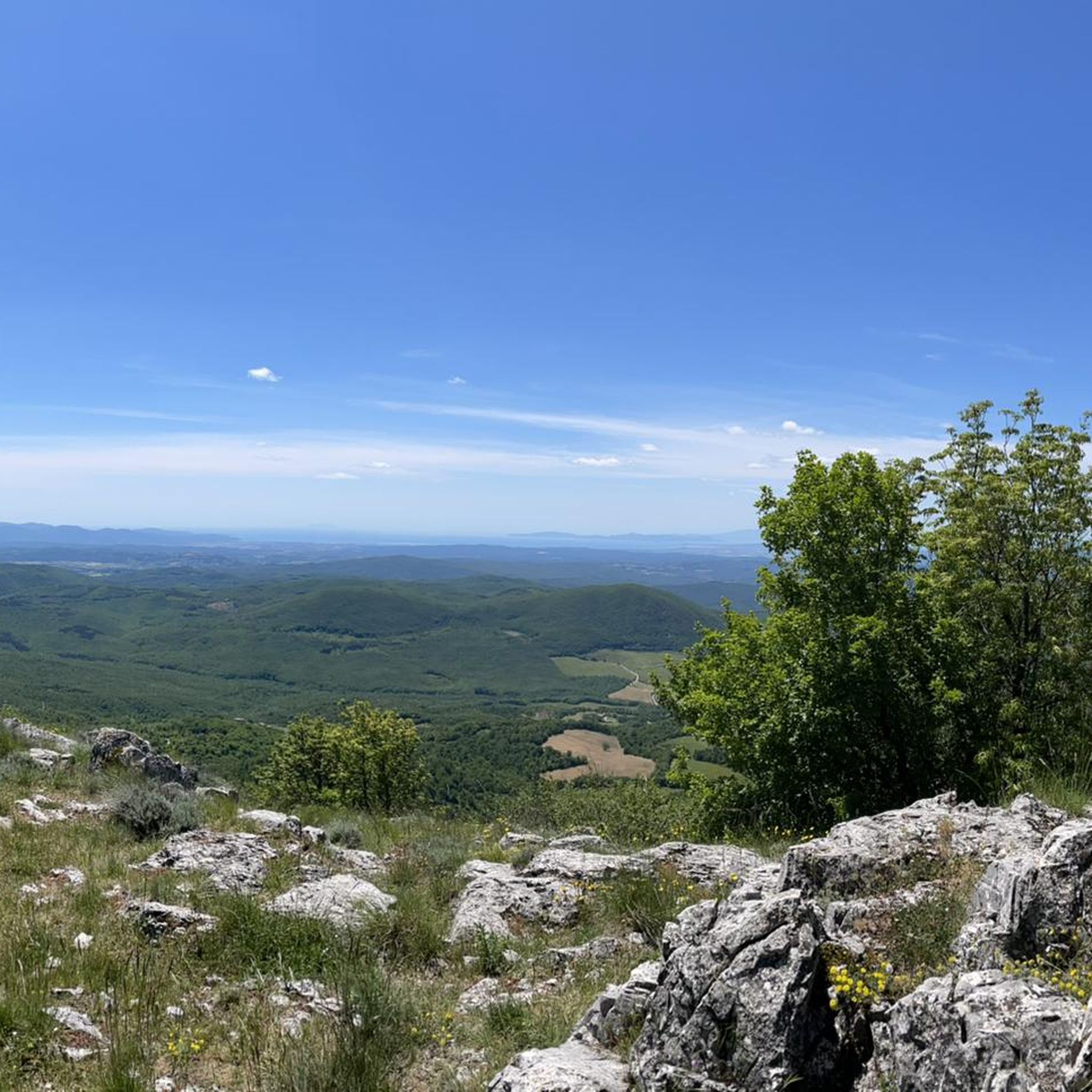
Gravel biking around Montieri offers routes through the rolling hills and historic landscapes of Tuscany. The region is characterized by a mix of dense woodlands, open fields, and ancient villages, providing varied terrain for gravel cyclists. Elevations can be significant, with many routes featuring sustained climbs and descents. The network of gravel bike trails near Montieri connects natural areas with cultural landmarks.
Best gravel bike trails around Montieri
- The most popular gravel bike trail is Abbey of San Galgano –…
Last updated: July 18, 2026
4.8
(6)
31
riders
49.7km
03:34
990m
1,000m
Hard gravel ride. Very good fitness required. Mostly paved surfaces. Suitable for all skill levels.
5.0
(1)
10
riders
46.5km
03:06
480m
480m
Hard gravel ride. Very good fitness required. Mostly paved surfaces. Suitable for all skill levels.

Sign up for free
10
riders
Hard gravel ride. Very good fitness required. Mostly paved surfaces. Suitable for all skill levels.
3
riders
16.6km
01:15
310m
310m
Moderate gravel ride. Good fitness required. Mostly paved surfaces. Suitable for all skill levels.
4
riders
Hard gravel ride. Very good fitness required. Mostly paved surfaces. Suitable for all skill levels.
Get access to more routes and recommendations from other explorers.
Sign up for free
Already have an account?
Our route recommendations are based on thousands of hikes, rides, and runs completed by other people on komoot.
Start today with a free account
Your next adventure awaits.
Login or Signup
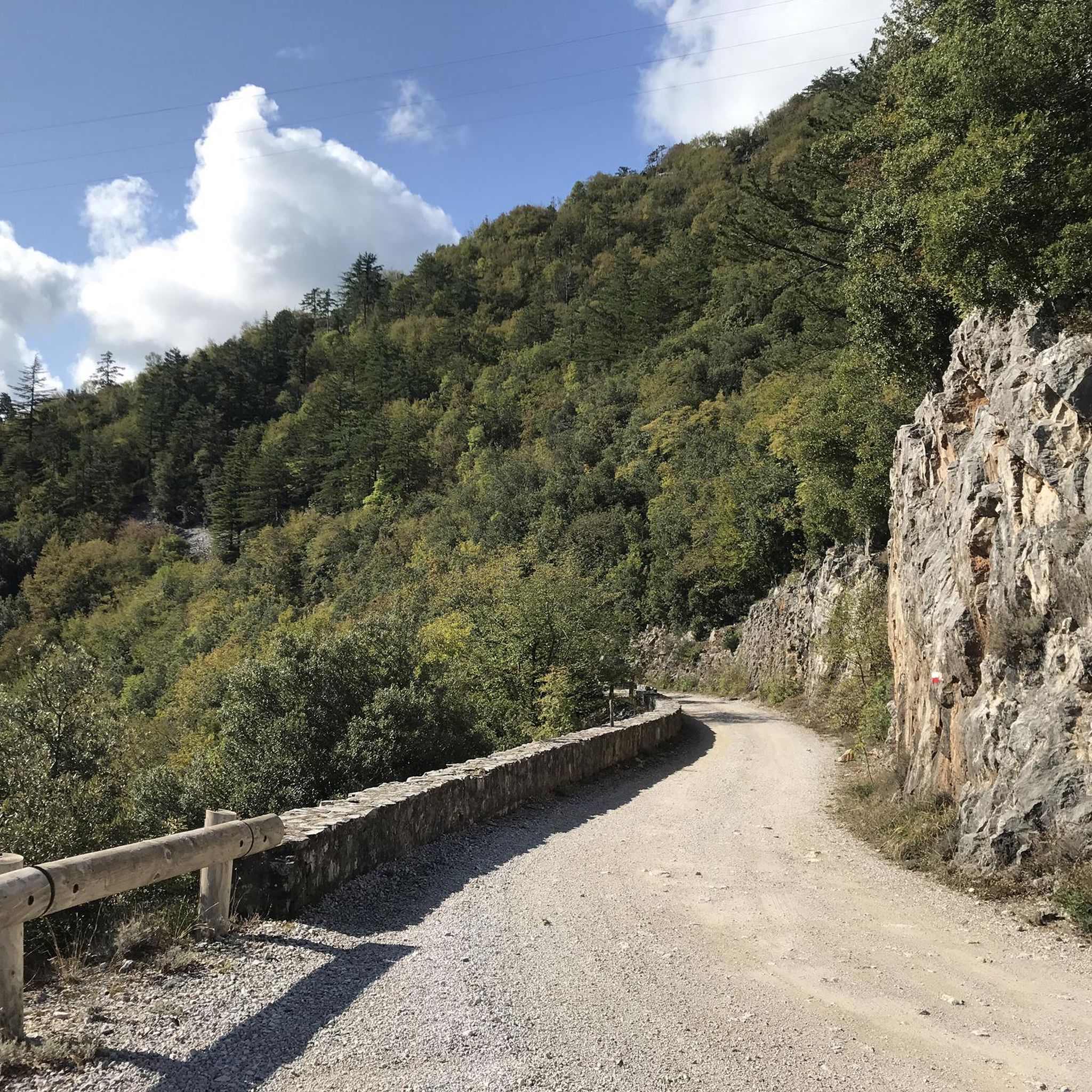
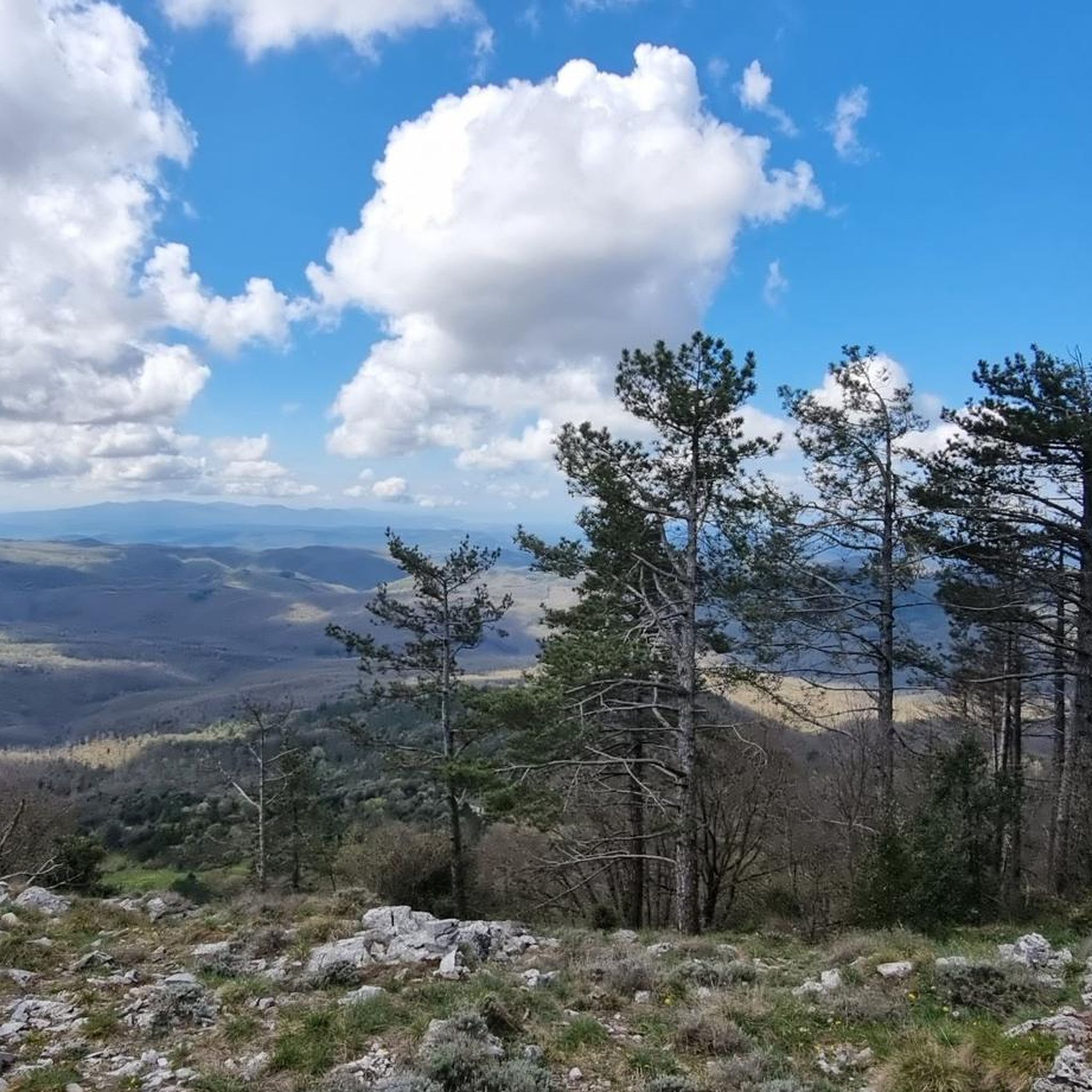
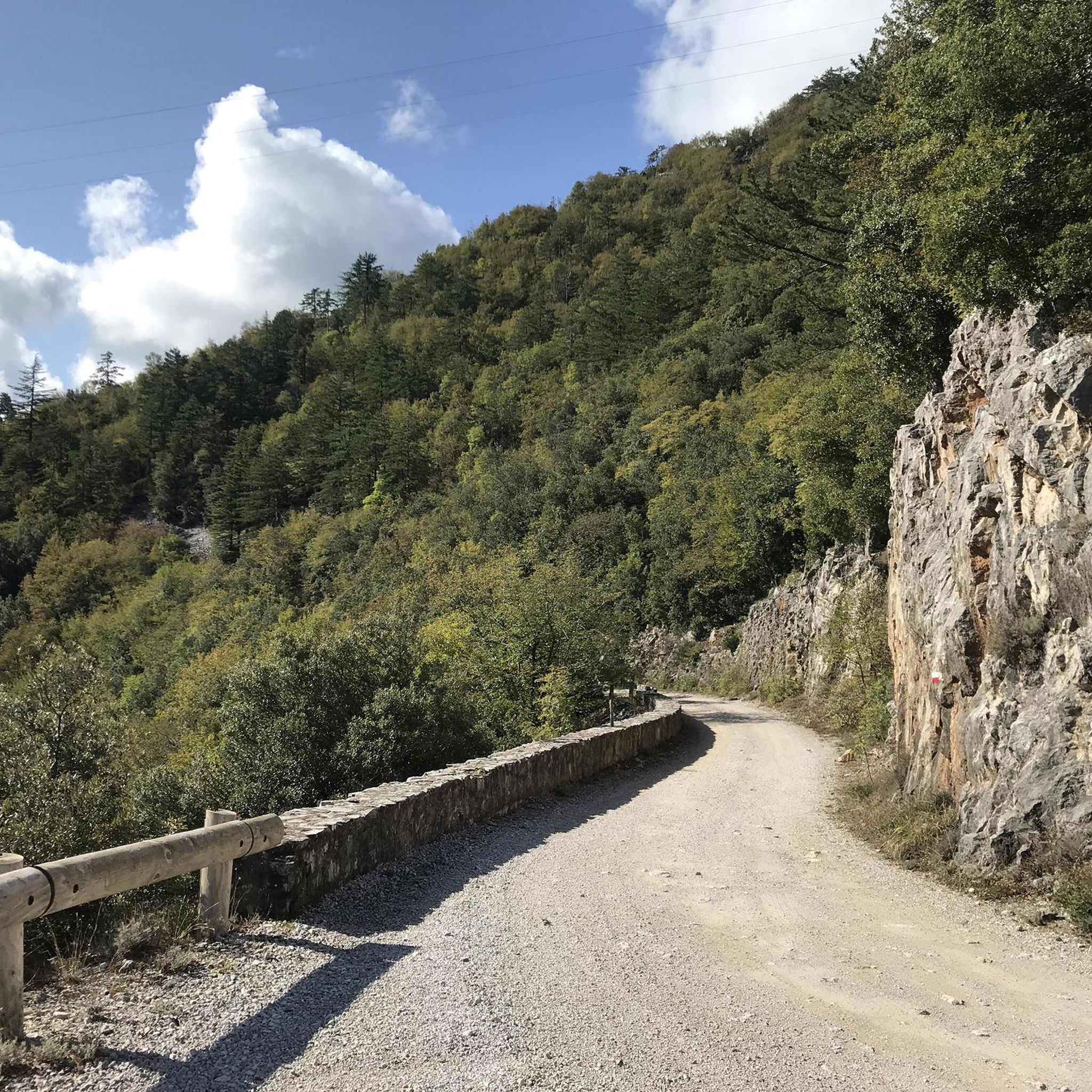
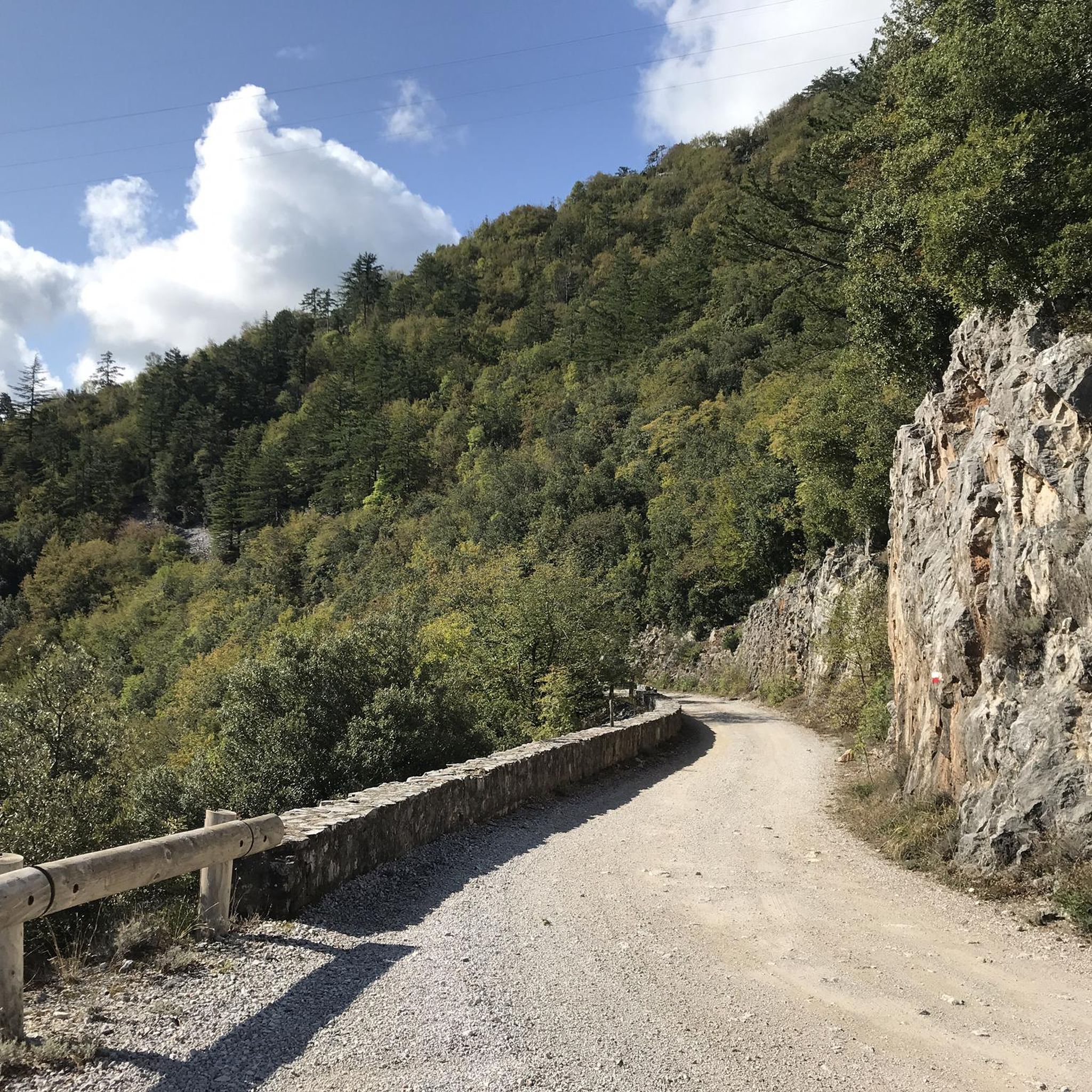
Tips from the Community

Sasso Pisano is one of the most fascinating destinations in the Devil's Valley in Tuscany, famous for its extraordinary natural geothermal manifestations, thermal waters, and characteristic medieval village.
0
0
The Alto Merse Nature Reserve and the entire Val di Merse area offer a spectacular "on the road" experience amidst unspoiled woods and clear rivers. For lovers of landscapes and nature, the most iconic and evocative road to drive winds along the SP73bis and SP441, which cross the villages of Monticiano and Chiusdino, until reaching the Alto Merse Nature Reserve.
0
0
The Biancane Geothermal Natural Park, located in Monterotondo Marittimo (Grosseto), is an extraordinary protected geosites where geothermal energy surfaces, creating a lunar and surreal landscape nicknamed the "little Iceland of Tuscany". The park gets its name from the pure white color of the rocks, caused by the chemical reactions of sulfurous gases on limestone. Entrance to the park is completely free and it is open 24 hours a day, all year round.
0
0
Il Borgo di Ciciano is a hamlet of the municipality of Chiusdino, located in the province of Siena, in Tuscany. It is a characteristic hilly village immersed in the Colline Metallifere, known above all for its local traditions and its proximity to important historical and natural sites.
0
0

Beer and food! And the brewery is right inside the venue.
0
0
About 10 km from Massa Marittima, we find Lago dell’Accesa, of great naturalistic-environmental and historical-archaeological interest, so much so that its suggestive atmosphere has given rise to numerous legends. Of karstic origin, the lake is about 38 meters deep and feeds the Bruna river, which is its only estuary. In addition to being suitable for swimming, it can also offer refreshment in the summer months thanks to the typical vegetation that surrounds it, consisting of reeds, rushes, poplars and eucalyptus trees, as well as the typical Mediterranean scrub, and it is easily suited for pleasant walks along the shores and in the surroundings. The crystal-clear waters are populated by a varied fish fauna, including trout, pike, carp, and perch, and there is no shortage of an equally rich population of aquatic birds. The Accesa area is also extremely relevant from an archaeological point of view. Near the lake, in the Macchia del Monte area, numerous excavations were carried out as early as the 1930s, then resumed in the 1980s, which brought to light numerous remains of four Etruscan villages dating from the 9th to the 6th century BC. The buildings of the various settlements, of which only the foundations are visible, are gathered in scattered groups within a rather large area. Given the location, it is hypothesized that these villages were linked to mining, especially copper from the mines of Fenice Capanne and Serrabottini. It is also thought that these mining villages were extraction outposts that were subordinate to the large center of Vetulonia, to which they supplied raw materials. In addition to the complexes intended for housing and extractive activities, many tombs of various typologies (well, pit, circle, and chamber tombs) have also been found.
1
0

A truly stunning place both for its nature and landscape and for mountain bike lovers, with many trails for all abilities.
1
0

The Montemassi fortress was an imposing medieval fortification that overlooked the entire village from the top of the hill.
0
0
Frequently Asked Questions
What is the general difficulty level of gravel biking around Montieri?
The gravel biking routes around Montieri are primarily suited for moderate to difficult skill levels. There are 4 moderate routes and 10 difficult routes available, offering varied terrain and significant elevations.
Are there any beginner-friendly gravel bike trails in Montieri?
While there are no routes specifically classified as 'easy' in Montieri, some of the moderate trails might be suitable for experienced beginners looking for a challenge. These routes still feature varied Tuscan scenery and some elevation changes.
What kind of scenery and attractions can I expect to see on the gravel bike trails near Montieri?
The trails wind through a diverse landscape of dense woodlands, open fields, and ancient villages. You can expect classic Tuscan views, including cypress-lined roads and historic architecture. Notable natural attractions nearby include the Biancane Nature Park and the Le Biancane Geothermal Park, offering unique geological sights like the Fumaroles in Valle del Diavolo.
What do other gravel bikers enjoy most about Montieri's trails?
The komoot community rates the Montieri gravel biking experience highly, with an average score of 4.6 stars from over 10 reviews. Riders often praise the diverse terrain, the blend of natural beauty with historic villages, and the challenging yet rewarding climbs and descents.
Are there longer gravel bike routes for experienced riders?
Yes, for those seeking a longer challenge, the Gerfalco Historic Village – Montieri Village Center loop from Gerfalco is a difficult 23.1 km route with significant elevation gain, offering a substantial ride through the region's historic landscapes.
When is the best time of year to go gravel biking in Montieri?
Spring (April-May) and Autumn (September-October) are generally the best times for gravel biking in Montieri. The weather is milder, and the landscapes are particularly beautiful, with blooming wildflowers in spring and vibrant colors in autumn. Summers can be quite hot, and winters can be cool and damp.
Are there many loop gravel bike trails around Montieri?
Yes, many of the gravel bike routes in Montieri are designed as loops, allowing you to start and end at the same point. An example is the moderate Montemassi Castle – Castello di Montemassi loop from Montemassi, which offers a scenic ride around the historic castle.
Where can I find parking for gravel biking trails in Montieri?
Parking is typically available in or near the villages that serve as starting points for the routes, such as Montieri, Chiusdino, or Montemassi. It's advisable to check local parking regulations upon arrival, especially in smaller historic centers.
Can I find cafes or places to stop for refreshments along the gravel bike routes?
Many routes pass through or near small Tuscan villages where you can find local cafes, trattorias, or small shops to refuel and enjoy a break. Planning your route to include these stops can enhance your experience.
What are some less-explored gravel bike trails in the Montieri area?
Beyond the most popular routes, the Montieri region offers a network of trails that connect natural areas and cultural landmarks. Exploring routes that venture into the less frequented parts of the woodlands and hills can reveal hidden gems and quieter paths. Komoot's map allows you to discover these less-traveled options.
What are the typical weather conditions for gravel biking in Montieri?
Montieri experiences a Mediterranean climate. Summers are generally hot and dry, while winters are mild but can be wet. Spring and autumn offer pleasant temperatures, making them ideal for cycling. Always check the local forecast before heading out, as conditions can vary, especially with elevation changes.
Most popular attractions around Montieri

Get inspired with the komoot mobile app


Explore more
Browse the best Gravel rides in other regions.
